Would you like your child to sleep through the night more easily? With these 5 practical tips, you can create a calmer bedtime routine and more restful nights.
Why is good sleep so important for children?
A good night's sleep is essential for a child's development. During sleep, children process the experiences of the day, store memories, and produce important growth hormones.
However, not all children sleep easily. Some have trouble falling asleep, wake up frequently during the night, or struggle to fall back asleep on their own.
Fortunately, there are several ways to help your child sleep better. Below, we share 5 effective tips that can contribute to a more peaceful night.
1. Create a consistent bedtime routine
One of the most important factors for good sleep is a consistent bedtime routine. Children feel safe when they know what to expect. A familiar sequence of activities helps the body and brain prepare for sleep.
A simple bedtime routine can include:
- Brushing teeth
- Putting on pajamas
- Reading a book
- Cuddling
- Turning on a night light
- Going to sleep
Try to follow the same order every evening. This helps your child recognize that bedtime is approaching.
Also read: what is the best sleep trainer for toddlers?
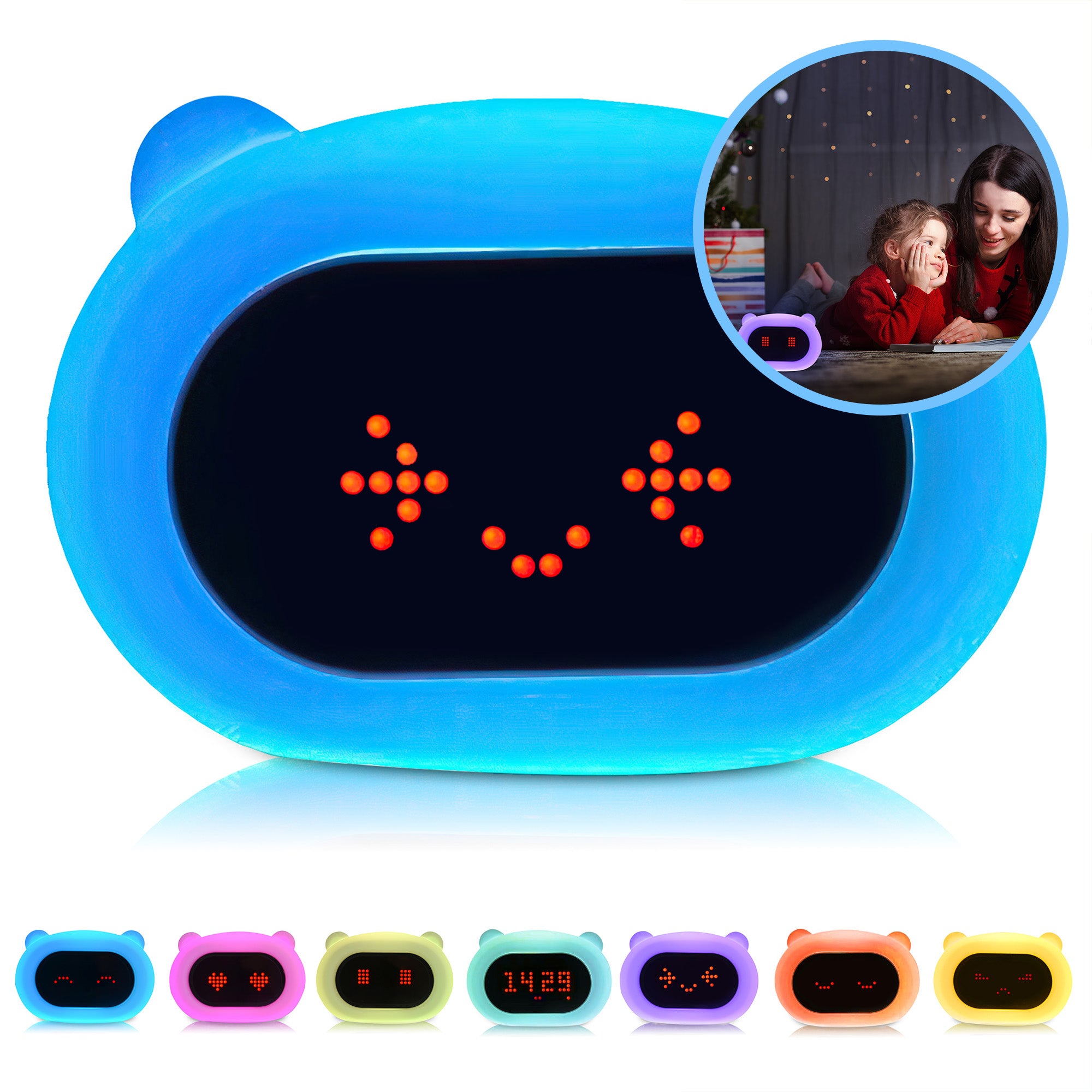
2. Use a night light for extra comfort
Many children find the dark scary. Toddlers and preschoolers in particular may struggle with a completely dark bedroom. A soft night light can make a big difference.
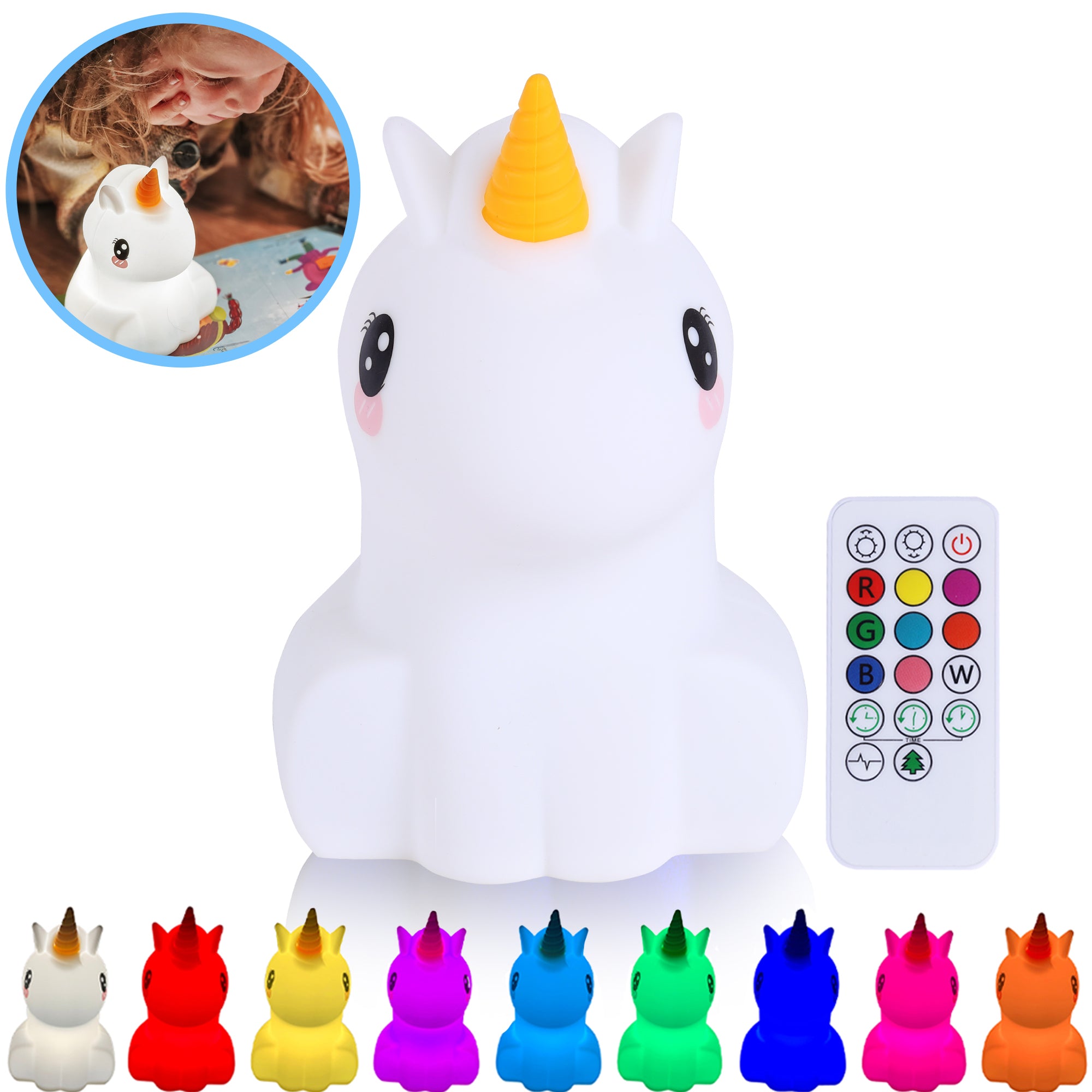
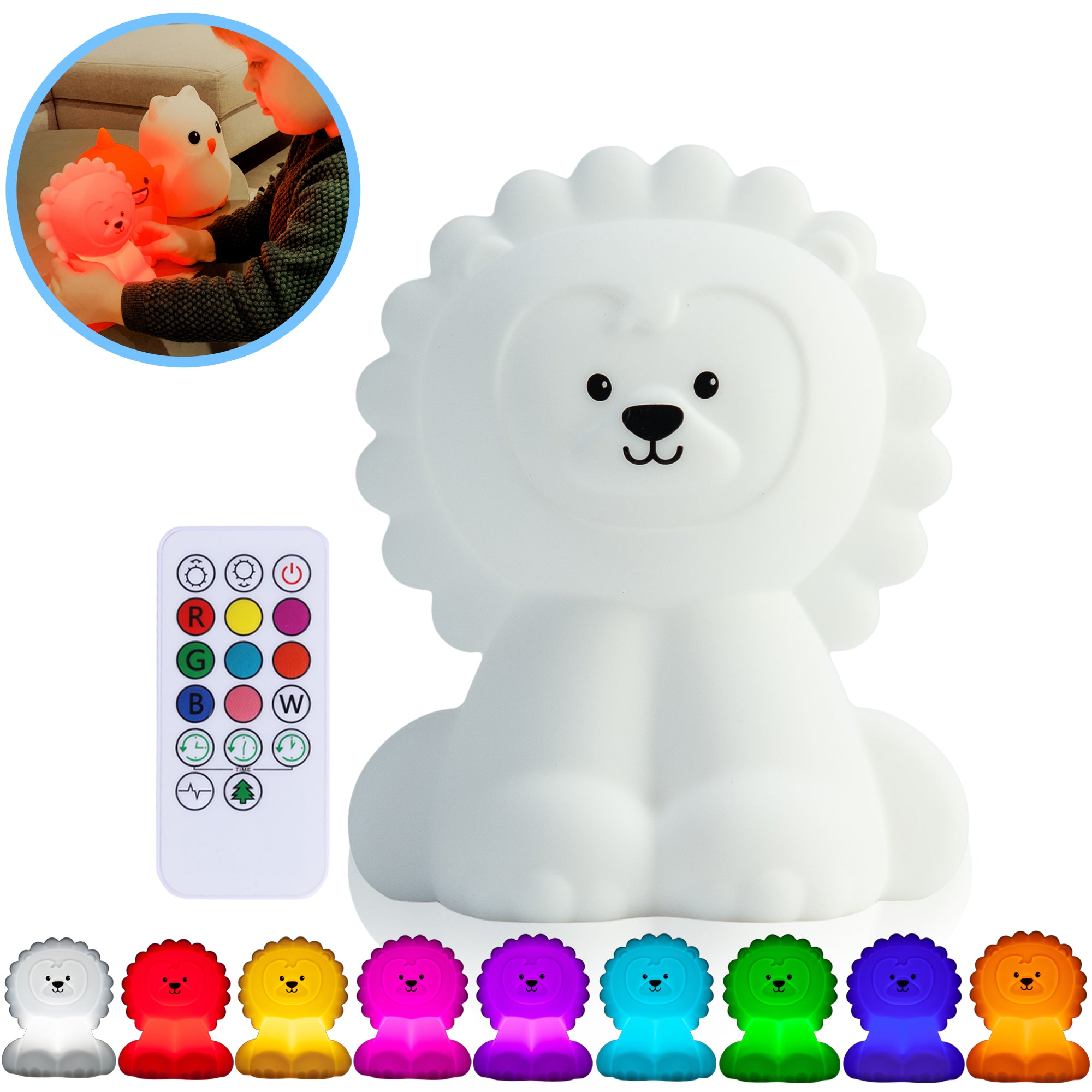
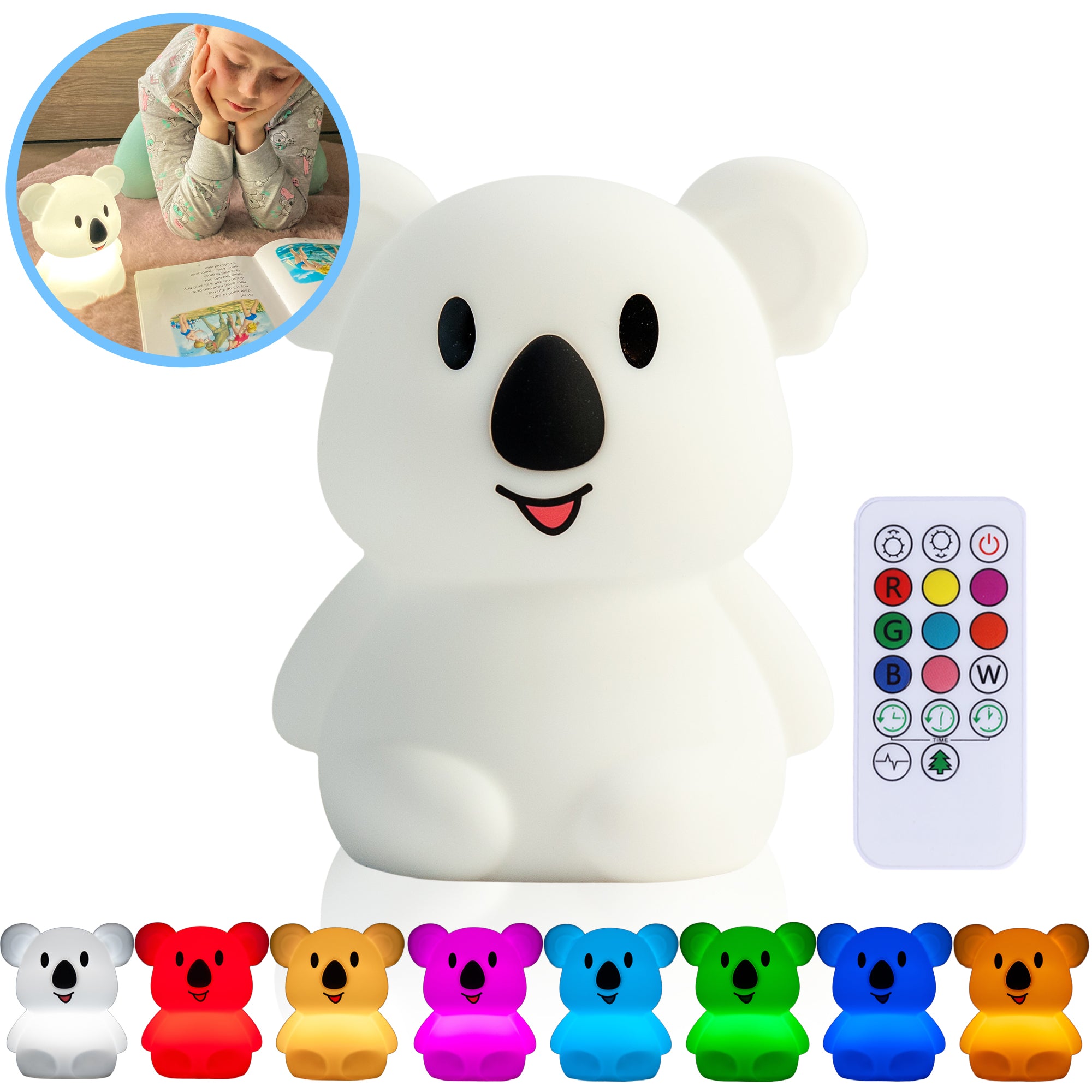
A night light for children provides a reassuring point of light without disturbing sleep. This helps children feel safer if they wake up during the night.
It is important that the light is not too bright. Choose a dimmable night light with a warm glow whenever possible.
Browse our collection of Kadoing night lights.
Want to learn more? Also read: does a night light help with fear of the dark?
3. A warm bath helps children relax
A warm bath before bedtime can help calm both body and mind. Warm water relaxes the muscles and makes it easier for children to unwind.
Many parents find that bath time creates a pleasant transition between an active day and a peaceful evening.
You can combine this moment with calming activities such as reading a bedtime story or using the gentle light of a night light.
4. Pay attention to the bedroom temperature
The temperature of the bedroom has a greater impact on sleep than many parents realize. A room that is too warm or too cold can cause children to wake up more often.
For most children, the ideal bedroom temperature is between 16 and 18 degrees Celsius (60–64°F). For young babies, a slightly higher temperature is often recommended.
Also make sure the room has proper ventilation and fresh air.
5. Create a calm sleep environment
A peaceful bedroom helps children fall asleep faster and sleep more soundly through the night.
Pay attention to the following:
- As little noise as possible.
- A tidy bedroom.
- Blackout curtains.
- Comfortable bedding.
- Minimal distractions around the bed.
A dark room stimulates the production of melatonin. This hormone helps children fall asleep faster and stay asleep longer.
Extra tips to help your child sleep through the night
Limit screen time in the evening
The blue light from tablets, phones, and televisions can interfere with melatonin production. Try to avoid screens for at least one hour before bedtime.
Make sure your child gets enough exercise during the day
Children who stay active during the day often sleep better at night. Outdoor play, cycling, and sports help burn off energy.
Watch what your child eats before bedtime
Avoid large amounts of sugar shortly before bed. A light and healthy snack is usually sufficient.
Use relaxation techniques
Calm breathing exercises or a short relaxation moment can help release tension before sleep.
Can a sleep trainer help children sleep through the night?
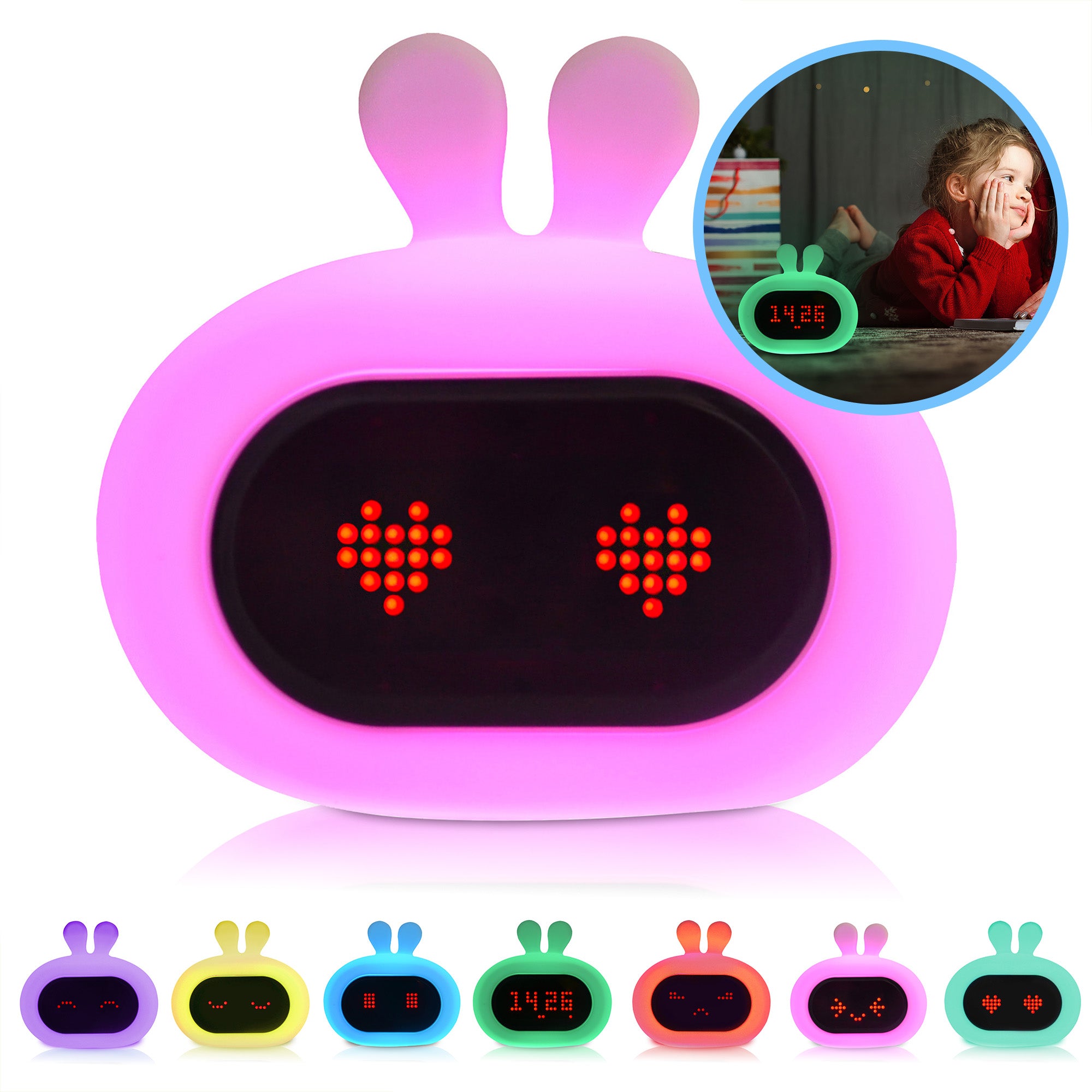
Yes, especially for toddlers and preschoolers, a sleep trainer can be a valuable tool. A sleep trainer helps children understand when it is still time to sleep and when they are allowed to get out of bed.
This creates more clarity and structure around sleeping and waking up.
Browse our collection of Kadoing children's alarm clocks and sleep trainers.
Also read: at what age should you start using a sleep trainer?
Frequently asked questions about helping children sleep through the night
Why does my child keep waking up?
Children may wake up due to stress, noise, light, temperature, or an inconsistent bedtime routine. In many cases, adding more structure around bedtime can help.
Does a night light help children sleep through the night?
For children who are afraid of the dark, a night light can help them feel safer and make it easier to fall back asleep.
What is the ideal temperature for a child's bedroom?
For most children, the ideal temperature is between 16 and 18 degrees Celsius (60–64°F).
Can a sleep trainer help?
Yes. A sleep trainer helps children understand when it is time to sleep and when they are allowed to get up.
How important is a consistent bedtime routine?
A consistent bedtime routine is one of the most effective ways to help children sleep better. Repetition creates comfort, security, and predictability.
Conclusion: small changes often make a big difference
If your child struggles to sleep through the night, the solution does not have to be complicated. A consistent bedtime routine, a calm bedroom, a suitable night light, and enough relaxation can already make a significant difference.
By gradually creating a safe and predictable sleep environment, you help your child sleep better and wake up feeling more rested.
Discover our night lights and children's alarm clocks for a peaceful bedtime routine.