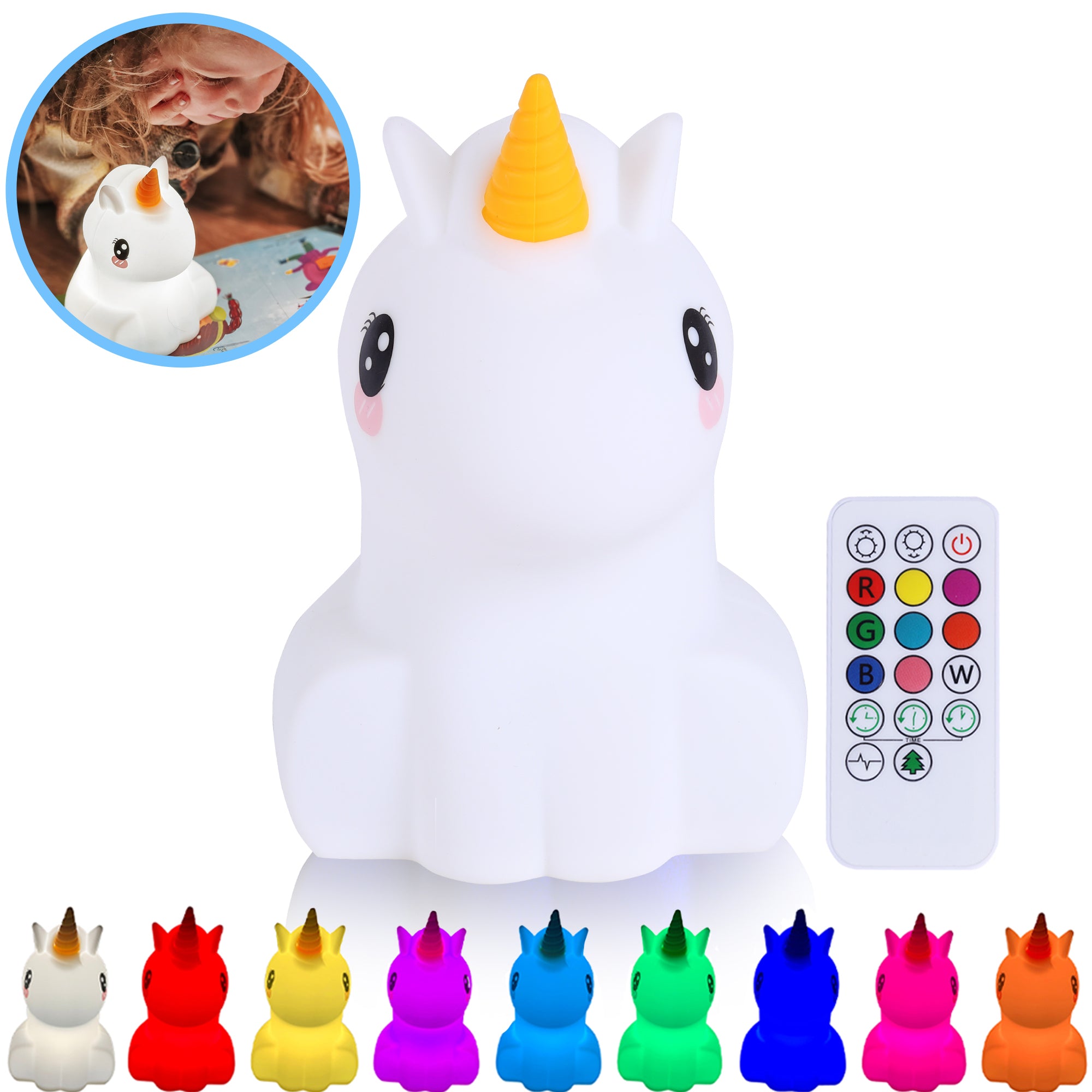
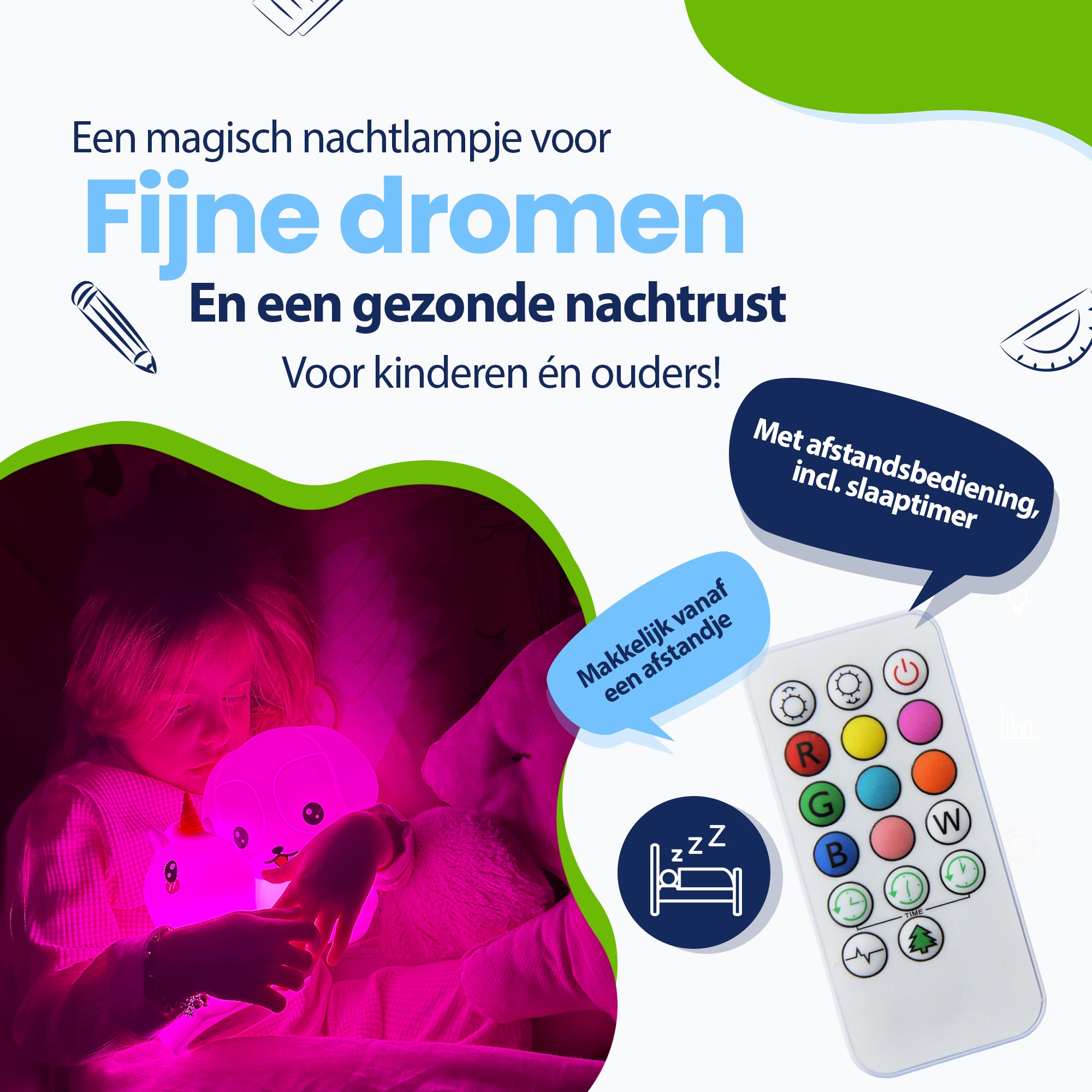
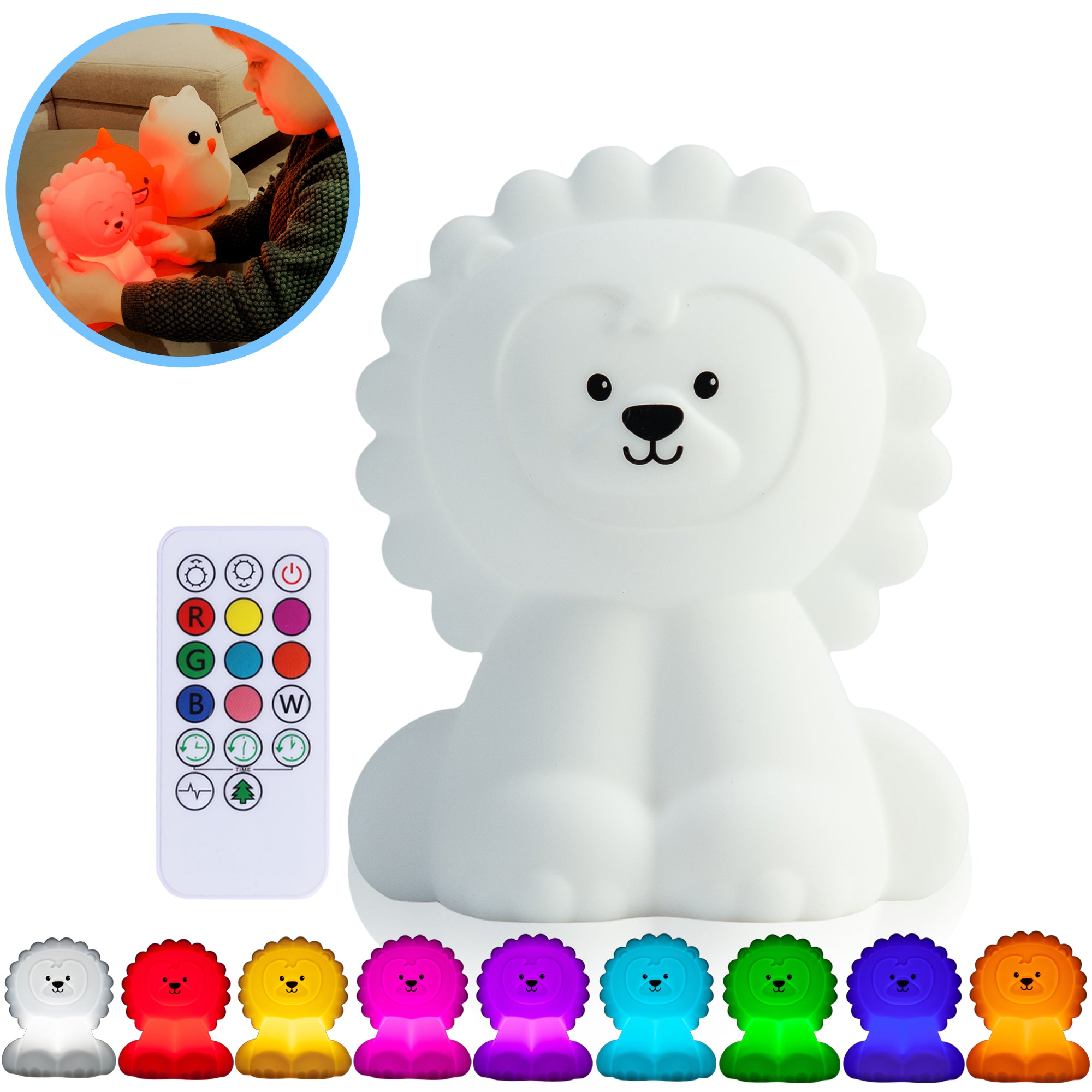
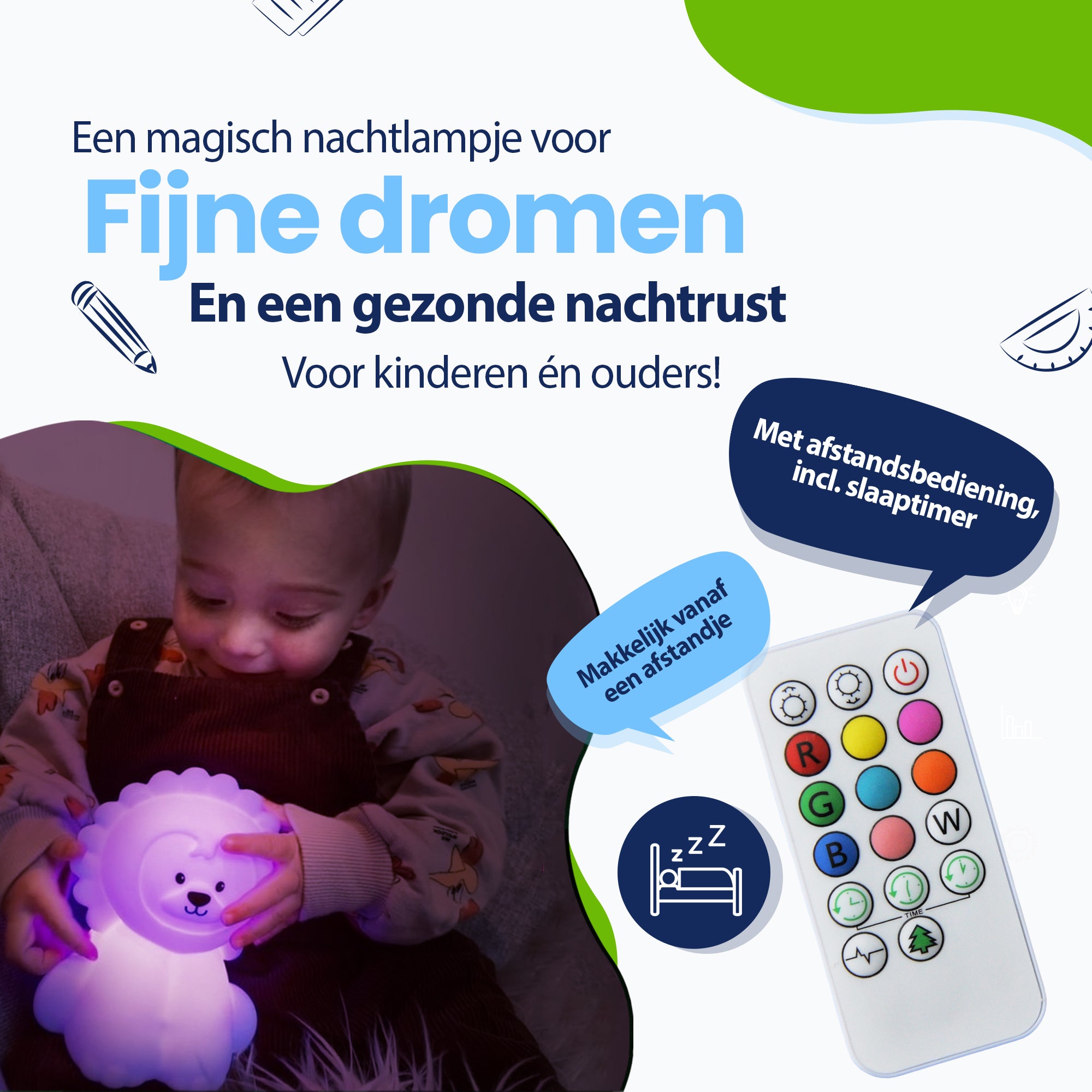
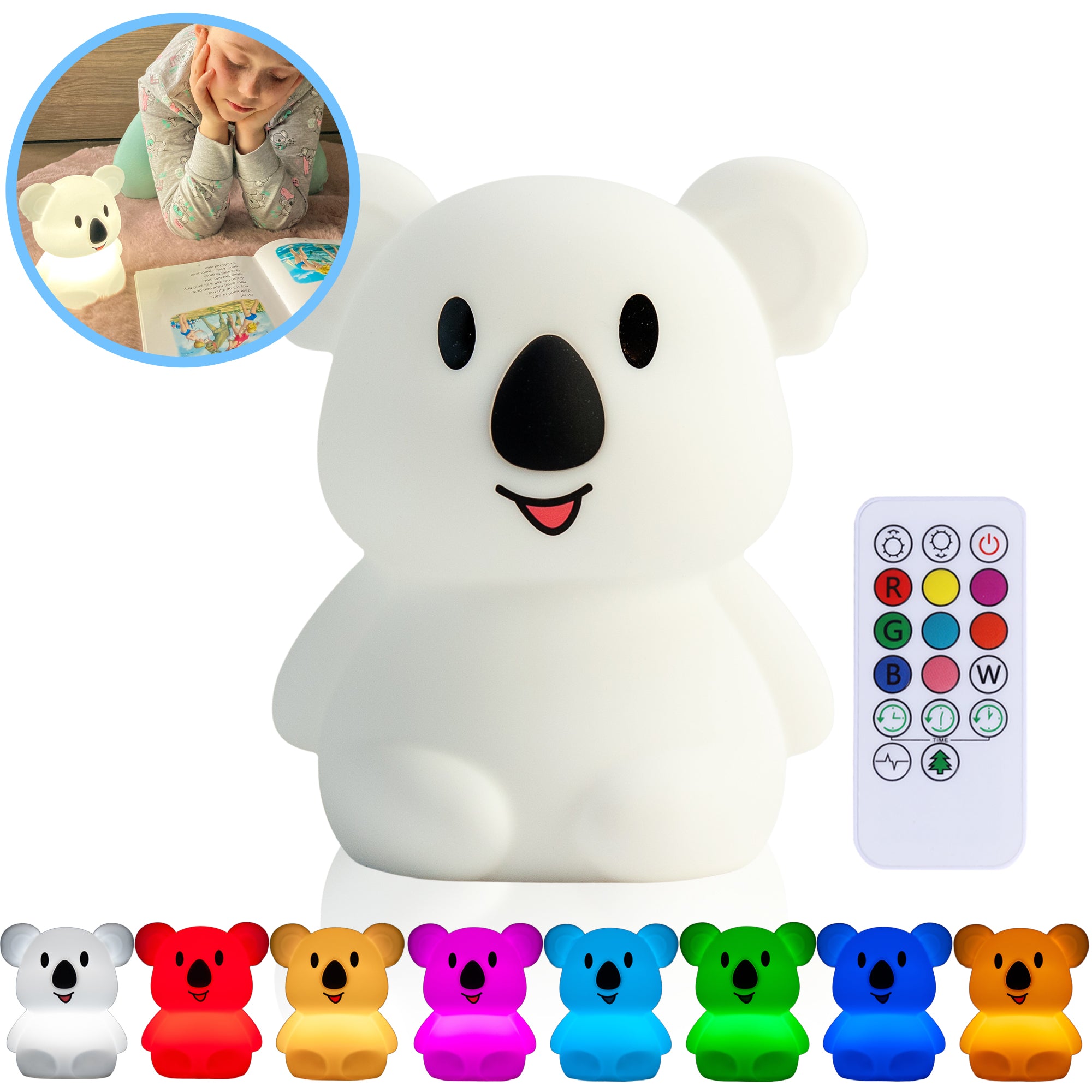
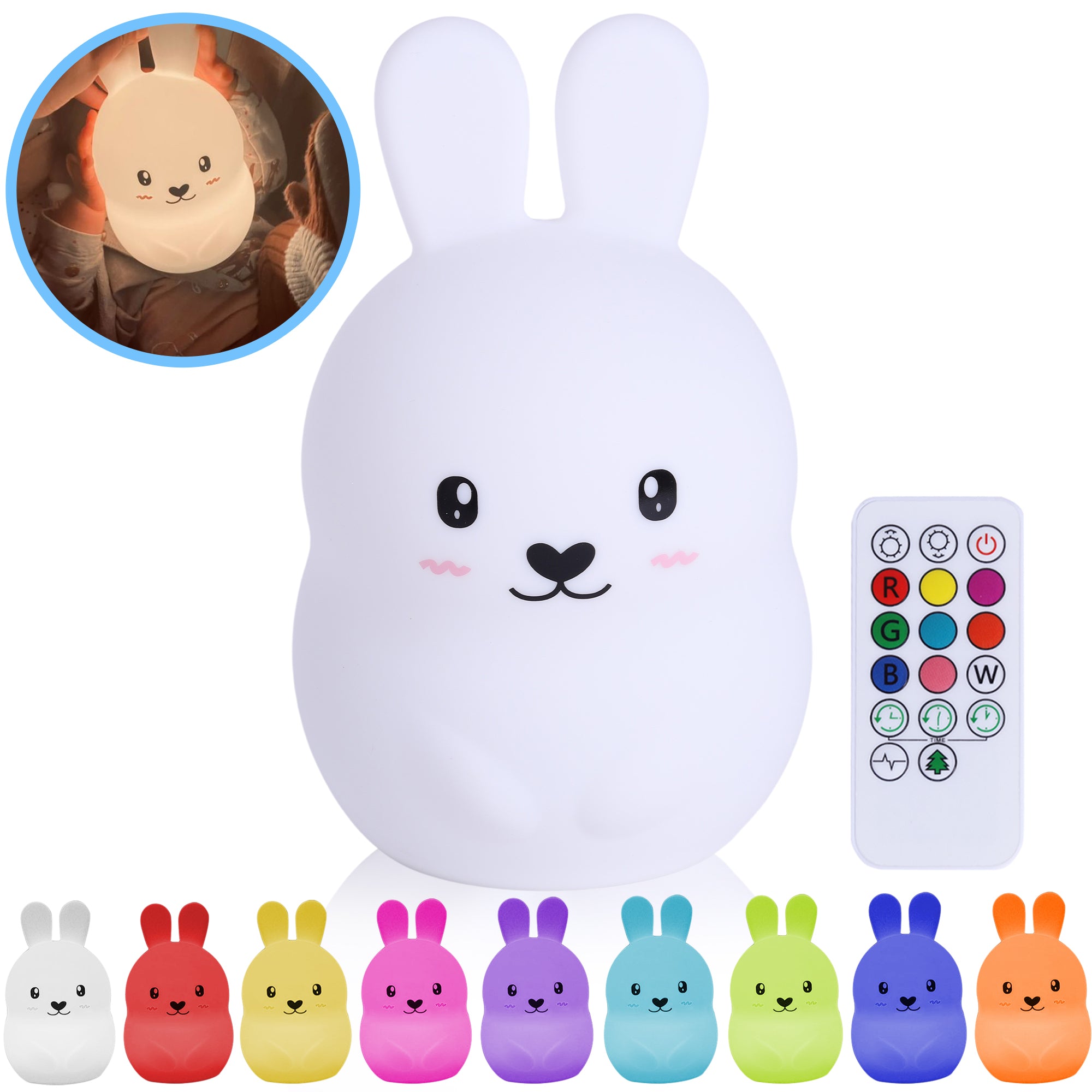
A child who glances towards the door after a story, pulls their cuddly toy closer or asks if the light can stay on: many parents recognise this moment. Why do children use night lights? Not because a little light takes away every difficult bedtime moment, but because a small, familiar glow can feel comforting to some children when the room gets dark.
A night light is primarily a simple aid within a calm evening routine. It provides just enough visibility to recognise the familiar room, can help with a night-time trip to the toilet and makes it a little easier for parents to check in without switching on a bright ceiling light. What works well varies from child to child, and with age and family circumstances.
Why do children use night lights in the bedroom?
For young children, the transition from a lively day to a quiet, dark room can sometimes feel quite big. During the day there are voices, toys and movement. In the evening, everything becomes quieter. A soft night light can make that transition less abrupt and keep the room recognisable, without needing much light.
Practical reasons also play a part. A soft night light can make it easier for a toddler to recognise familiar objects in the room, such as a cuddly toy or the door. Parents do not need to switch on a bright light straight away when they want to offer a little comfort or pick something up. Especially when a child first starts sleeping in their own room, this can be a pleasant habit for the whole family.
This does not mean that every child needs a night light. Some children prefer sleeping in a completely dark room. Others only want a little light during a new phase, such as moving house, going on holiday or getting used to a toddler bed. So pay particular attention to your child's response, rather than following a fixed rule.
A night light as part of a familiar bedtime routine
The value of a night light often lies not just in the light itself, but in the repeated routine around it. When the light comes on at the same time every evening - for example after brushing teeth, putting on pyjamas and reading a story - it can become a familiar sign that the day is drawing to a calm close.
A routine like this does not need to be long or perfect. A few consistent, quiet steps can provide reassurance: tidying up together, washing, choosing a book, picking up a cuddly toy and switching on the night light. This gives parents a helpful framework too. You do not have to think of something new every evening, and you make room for a small moment of focused attention together.
Try not to make too much of the light. A child can find it lovely or cosy, but the bedroom does not need to become a playroom. Choose a calm design and make switching it on a simple part of saying goodnight.
Soft light is usually more pleasant than bright light
A night light is intended to provide subtle illumination, rather than make the whole room bright. A warm, subdued light colour can feel pleasant in the evening, especially when you want to avoid brightly lighting the bedroom. The aim is for a child to be able to see a little if that feels comfortable, while keeping the evening atmosphere.
Also consider where the light shines. A light that shines straight into the face or projects a striking pattern onto the ceiling can be too stimulating for some children. Positioning a little light indirectly can help illuminate the room gently without shining straight into the eyes. This is not a hard and fast rule: some children find a little character beside the bed especially reassuring. Observe what suits your child.
Small steps towards independence
As children grow older, they often want to do more for themselves. A light that is easy to operate can support this in an appropriate way. Your child might want to switch it on themselves during the bedtime routine, or use it when they wake up early and stay quietly in bed for a little longer.
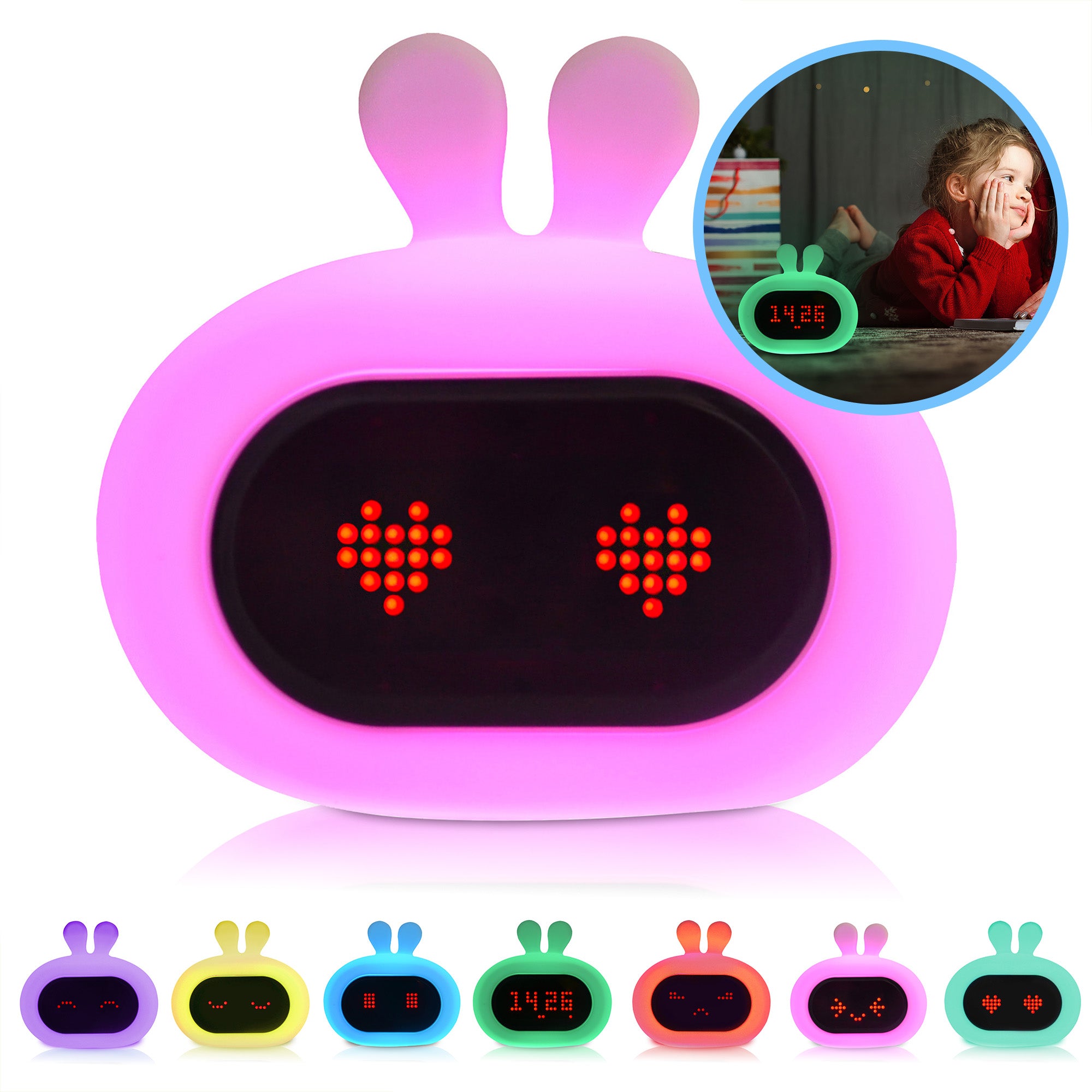
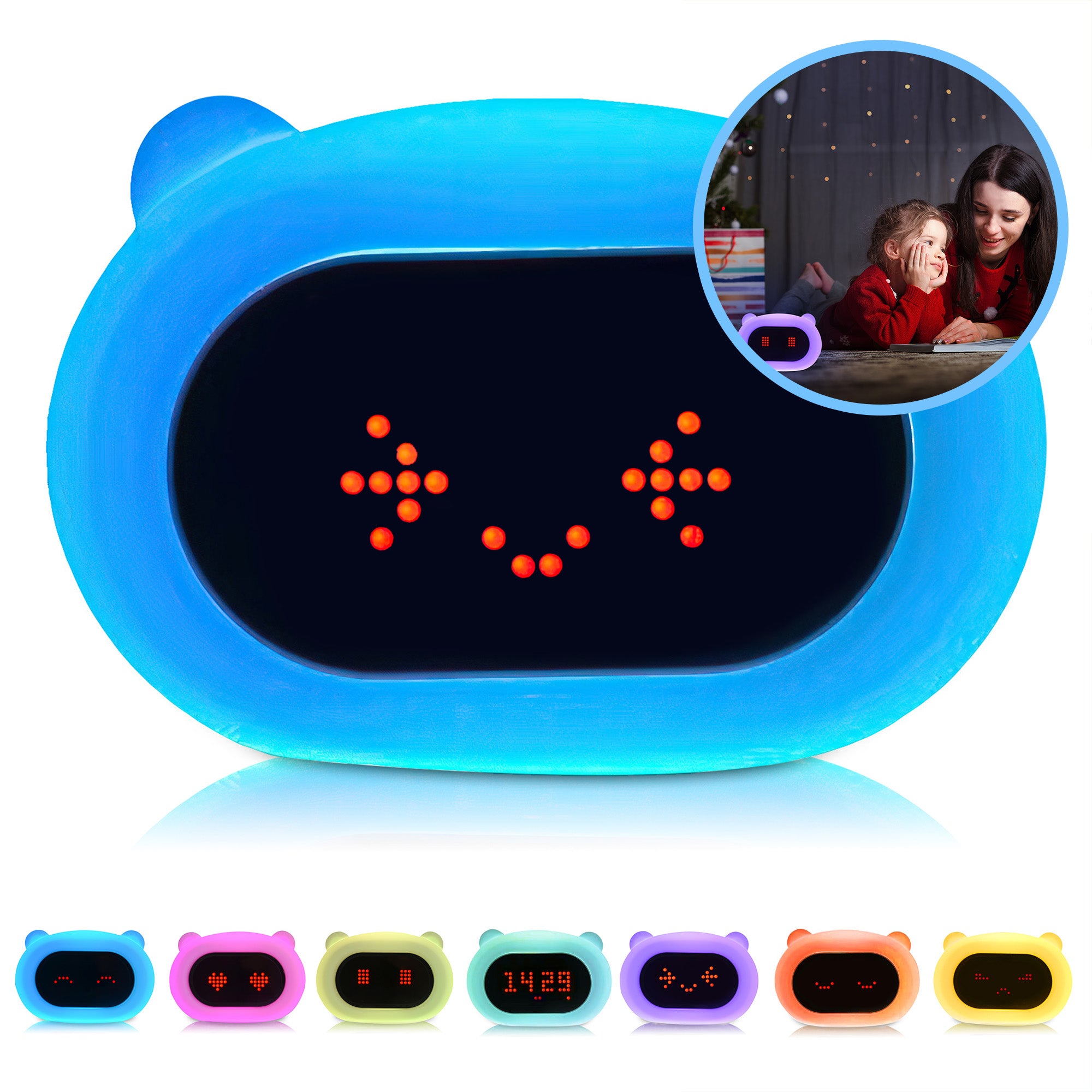
For some families, a light works well alongside a children's alarm clock or sleep trainer. The distinction matters: a night light mainly provides atmosphere and helps children find their bearings, while a sleep trainer uses colours or symbols to help make an agreed time for getting up recognisable. Together they can create a clear, calm bedroom environment, but there is no need to introduce everything at once.
What should you consider when choosing a night light?
An attractive design is lovely, but ease of use matters just as much. First think about when and why you want to use the light. Should it glow softly all night, be available only while your child falls asleep, or mainly be easy to take to the bathroom? A light with adjustable brightness or a timer can be useful, although not every family needs these features.
Also look for a well-made finish and a stable position. Put a night light somewhere safe and keep it out of young children's reach if it is not designed to be held. Follow the instructions, keep charging cables out of reach while charging and use a suitable USB charger according to the product specifications. Preferably, do not leave the light connected to a charging cable beside a child's bed.
Material and lifespan can also influence your choice. Many families deliberately choose products that last, feel pleasant to touch and are appealing beyond just one short phase. A timeless light can later move from the nursery to a toddler's room, or find a permanent place in a reading corner. Those who buy thoughtfully often prefer one product that truly fits the daily routine to several separate items that rarely get used.
Ultimately, the best night light is not the one with the most features, but one that suits your evenings.
When is a night light less useful?
Sometimes you notice that a child keeps looking at the light more than it helps them settle. Or perhaps the room seems more pleasant when the light goes off after the story. These are useful signs that it is worth trying something different: dim the light further, move it to another spot or use it only when putting your child to bed.
Age plays a part too. Babies do not necessarily need a night light. For parents, soft light can be practical during night-time care, as long as the room is not brightly lit. For toddlers and preschool children, it is more often about recognition and a sense of familiarity. Older children may be happy with a small reading light or only use a night light when they feel comfortable with one.
Changes can be gradual. If your child is used to a light and you want to see whether less light feels comfortable, you can start with a lower setting or a timer. Avoid turning it into a battle. A bedtime routine usually feels best when it stays predictable and kind, even while you are still working out together what feels right.
Keeping evenings simple and calm
A night light is most valuable when it fits into an evening that is not too busy. For example, choose one book, put the favourite cuddly toy ready beforehand and end with a clear, warm goodnight: a kiss, a familiar phrase and the soft light on or off. It does not have to take long to be meaningful.
Sometimes a child still asks for extra attention, a second sip of water or one more check that the door is open. That can happen even when you already have a familiar evening routine. You can stay kind and be clear about the next step. The light can act as a small familiar cue: the room is the same, the cuddly toy is close by and tomorrow there will be time to play together again.
A night light can be pleasant when your child likes a small glow in the bedroom or when you need a little visibility during the night yourself. Choose a safe position, suitable brightness and a time to use it that fits your routine. This keeps the light a simple aid, without it needing to be a fixed part of every evening.