Does your child sleep poorly? Discover 5 practical tips for more rest, a healthier sleep routine, and better nights for the whole family.
My Child Doesn't Sleep Well – What Now?
A good night's sleep is essential for a child's development. Yet almost every parent experiences sleepless nights, difficulties falling asleep, or a child who wakes up regularly.
When children do not sleep well, you often notice it immediately. They may become more irritable, have less energy, and find it harder to concentrate. Poor sleep can also be exhausting for parents. Fortunately, there are several ways to improve your child's sleep quality.
With the tips below, you can help your child gradually develop a healthier sleep routine.
1. Limit Screen Time in the Evening
Tablets, smartphones, and televisions have become part of everyday life. However, screens can negatively affect children's sleep.
The blue light emitted by screens can make children feel less sleepy. As a result, the brain receives the signal that it is not yet time to sleep.
Try to limit screen use during the hour before bedtime as much as possible. Instead, choose calm activities such as reading, drawing, or playing a game together.
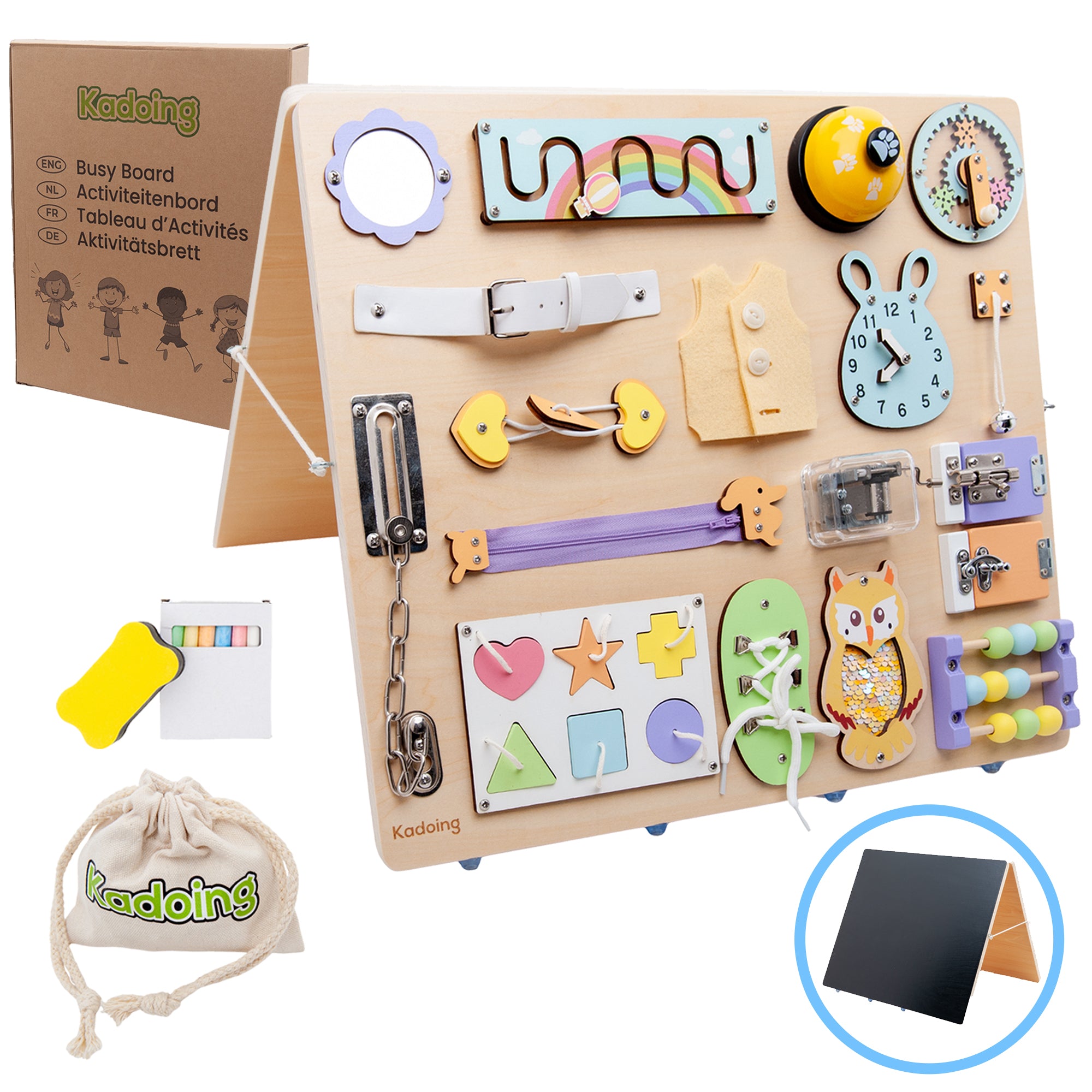
Children who get enough physical activity and creative play during the day often sleep better as well. Explore our collection of durable wooden toys, designed to encourage learning and discovery through play.
2. Maintain Consistent Bedtimes and a Familiar Bedtime Routine
Children thrive on predictability. A consistent sleep schedule helps the body prepare for bedtime.
Try to keep the same bedtime and wake-up time each day whenever possible. This helps the body learn when it is time to sleep and when it is time to wake up.
A consistent bedtime routine can also be very effective. For example:
- Brushing teeth.
- Putting on pajamas.
- Reading a bedtime story.
- Having a cuddle.
- Listening to calming music.
By following the same sequence every evening, your child learns to recognize that the day is coming to an end, making it easier to fall asleep.
3. Create a Calm Sleep Environment
Ideally, the bedroom should be a place that promotes relaxation. The more distractions there are, the harder it can be for children to fall asleep.
Try to keep toys, tablets, computers, and televisions out of the bedroom whenever possible. This helps children associate the room with rest and sleep.
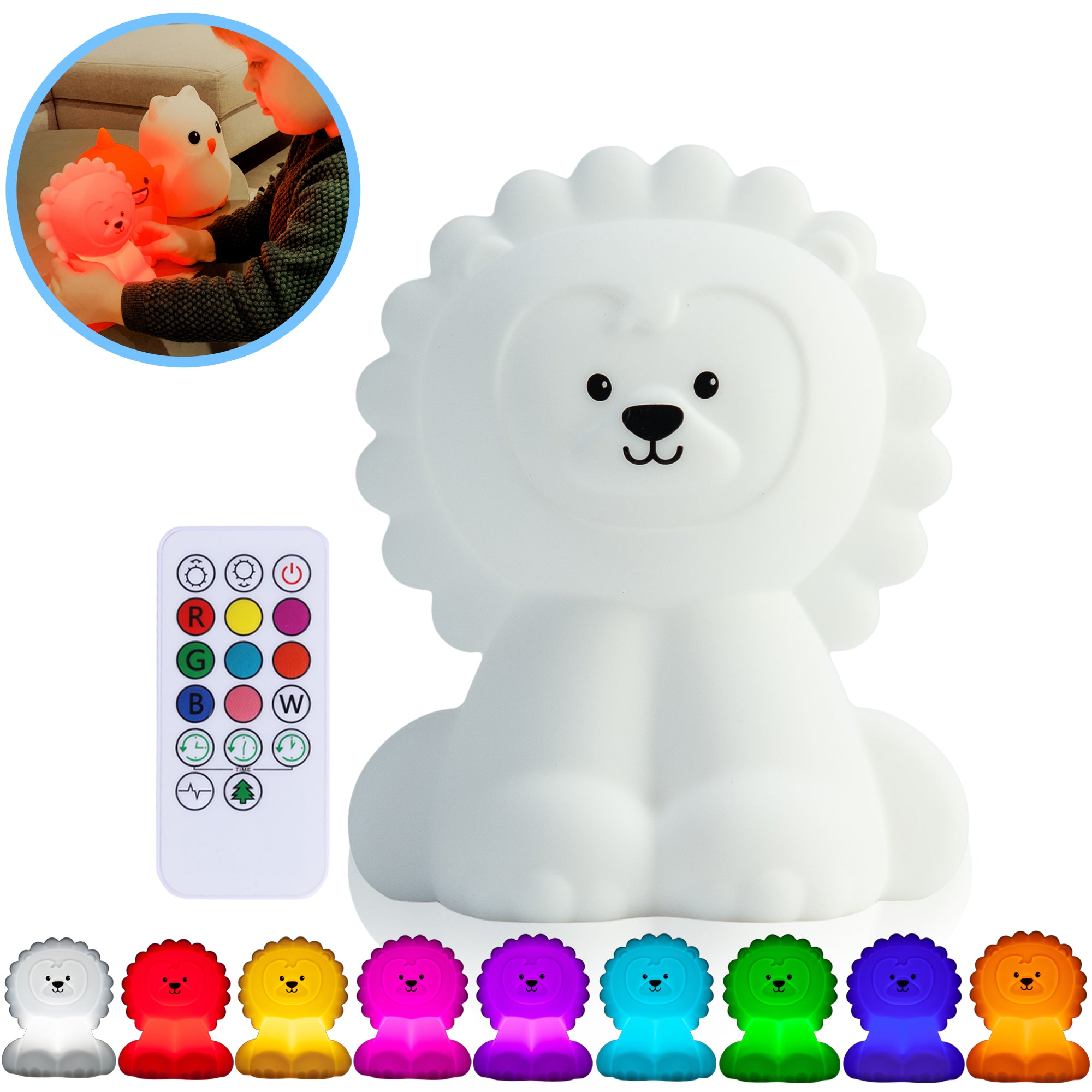
Lighting also plays an important role. Some children feel more comfortable with a soft light while falling asleep. A gentle night light for children can help create a safe and relaxing atmosphere.
4. Make Sure Your Child Gets Enough Physical Activity During the Day
Children who stay active throughout the day build up natural tiredness. Outdoor play, cycling, walking, and sports all help the body use energy in a healthy way.
Daylight also contributes to a healthy sleep-wake rhythm. Try to spend enough time outdoors every day, even during colder months.
A healthy balance between activity and relaxation helps children unwind more easily in the evening.
5. Keep Phones Out of the Bedroom
Many older children use a smartphone as an alarm clock. This can create the temptation to watch videos, send messages, or play games after bedtime.
Even when children intend to sleep, having a phone nearby often creates extra stimulation and distraction.
A children's alarm clock is a great alternative. It allows the phone to stay outside the bedroom and helps create a calmer bedtime environment.
Our children's alarm clocks combine an alarm clock, sleep trainer, night light, and wake-up light in one device. This helps children learn in a playful way when it is time to sleep and when it is okay to get up.
When Should You Seek Professional Help?
If sleep problems persist for a long period or your child experiences extreme fatigue, anxiety, or breathing difficulties during sleep, it is a good idea to contact your family doctor or pediatric healthcare professional.
Sometimes there may be an underlying medical cause for sleep difficulties, and professional guidance may be beneficial.
A Good Night's Sleep Starts with a Consistent Routine
Most sleep problems improve when children experience enough rest, structure, and consistency. By limiting screen time, creating a regular bedtime routine, and setting up a calming sleep environment, you lay the foundation for better nights.
Not every solution works immediately. Give new habits at least a few weeks before evaluating the results. In many cases, improvements happen gradually over time.
Which tip will you try first to help your child sleep better?