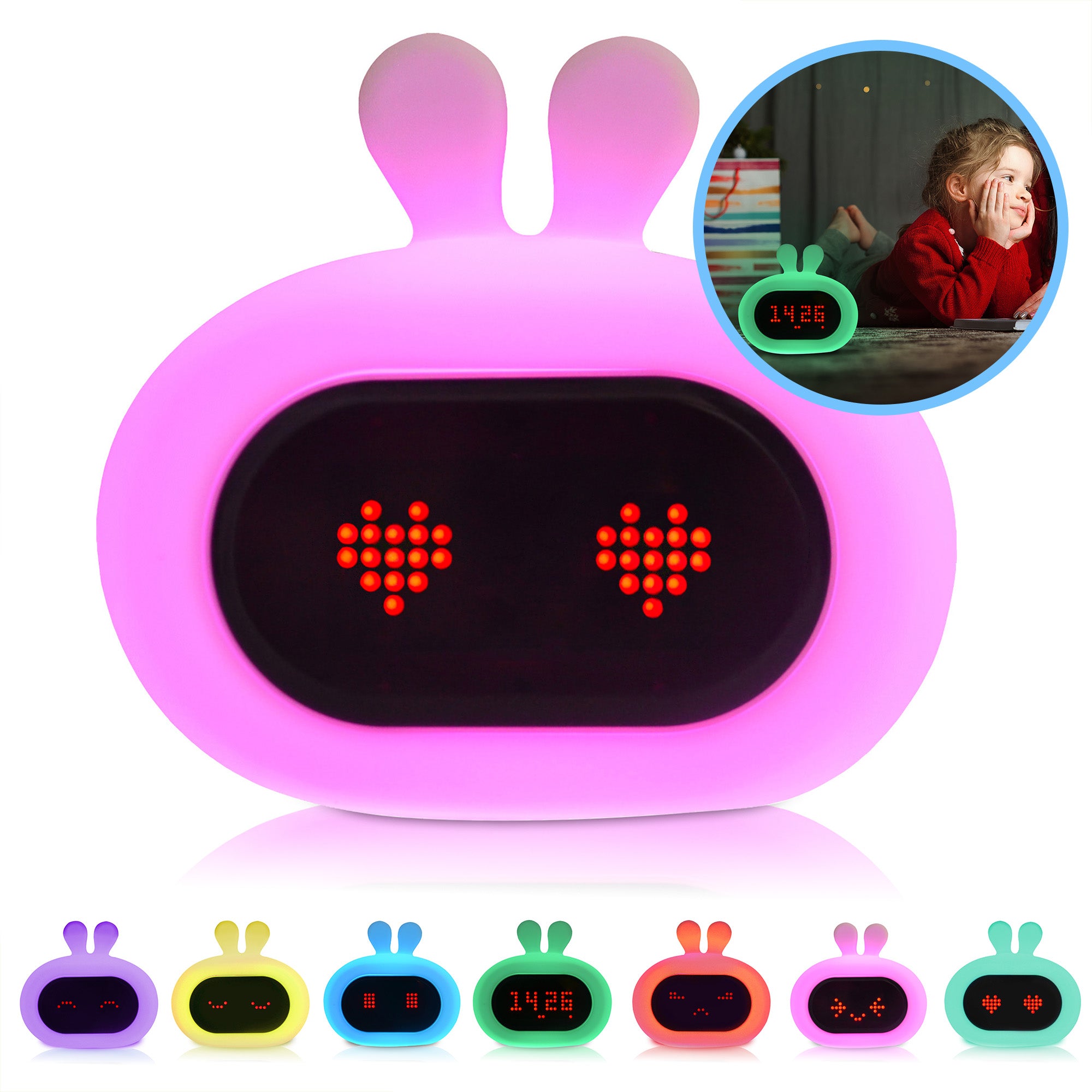
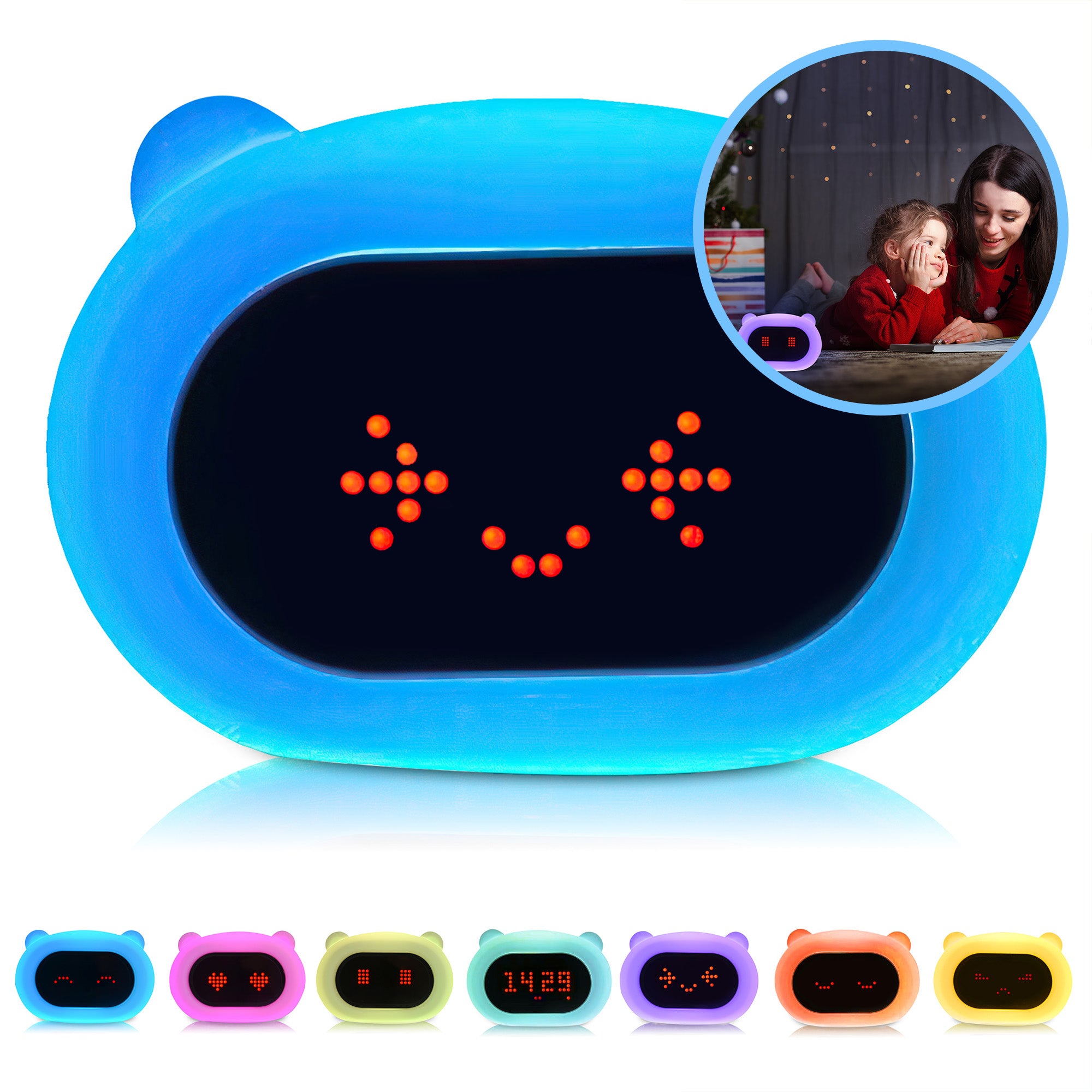
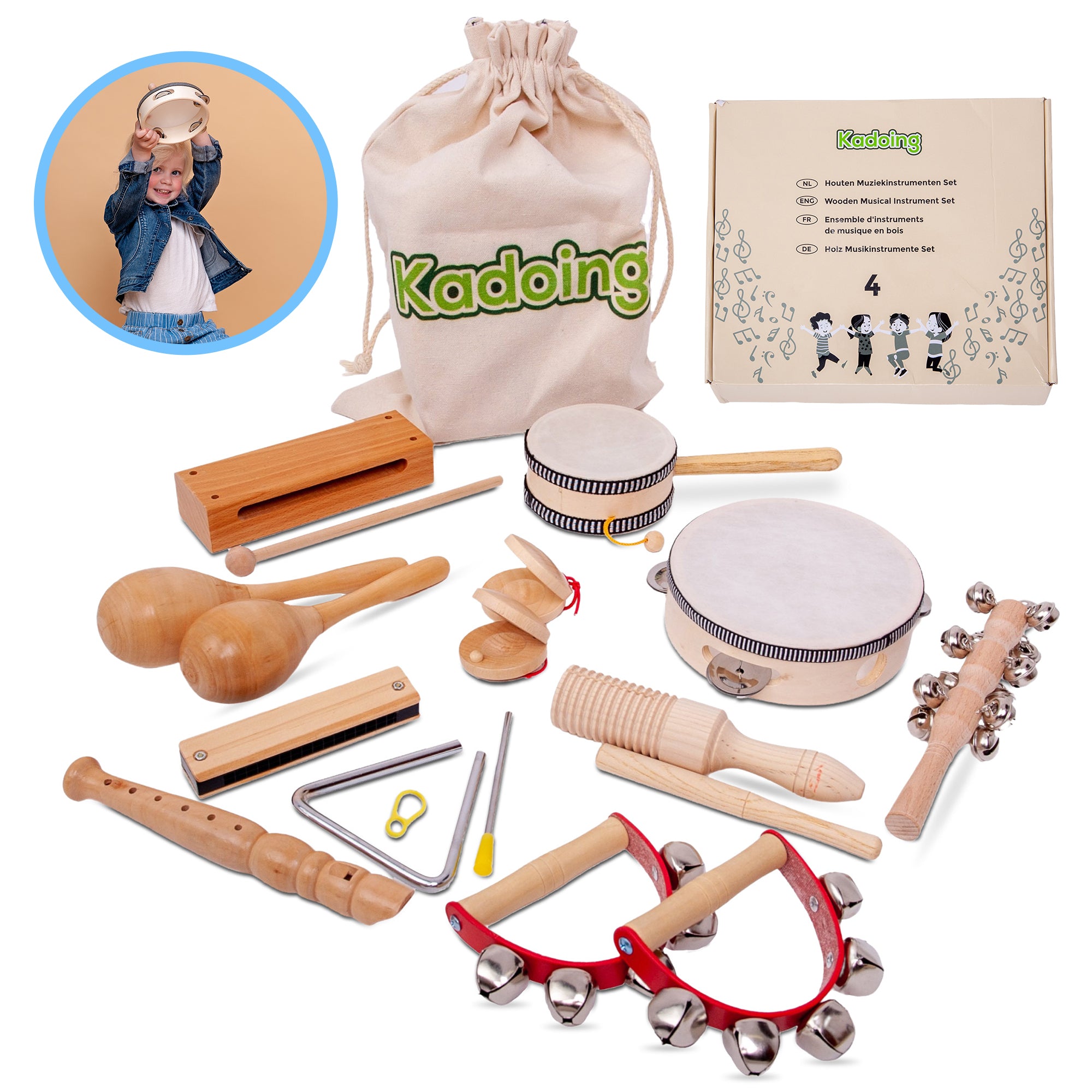
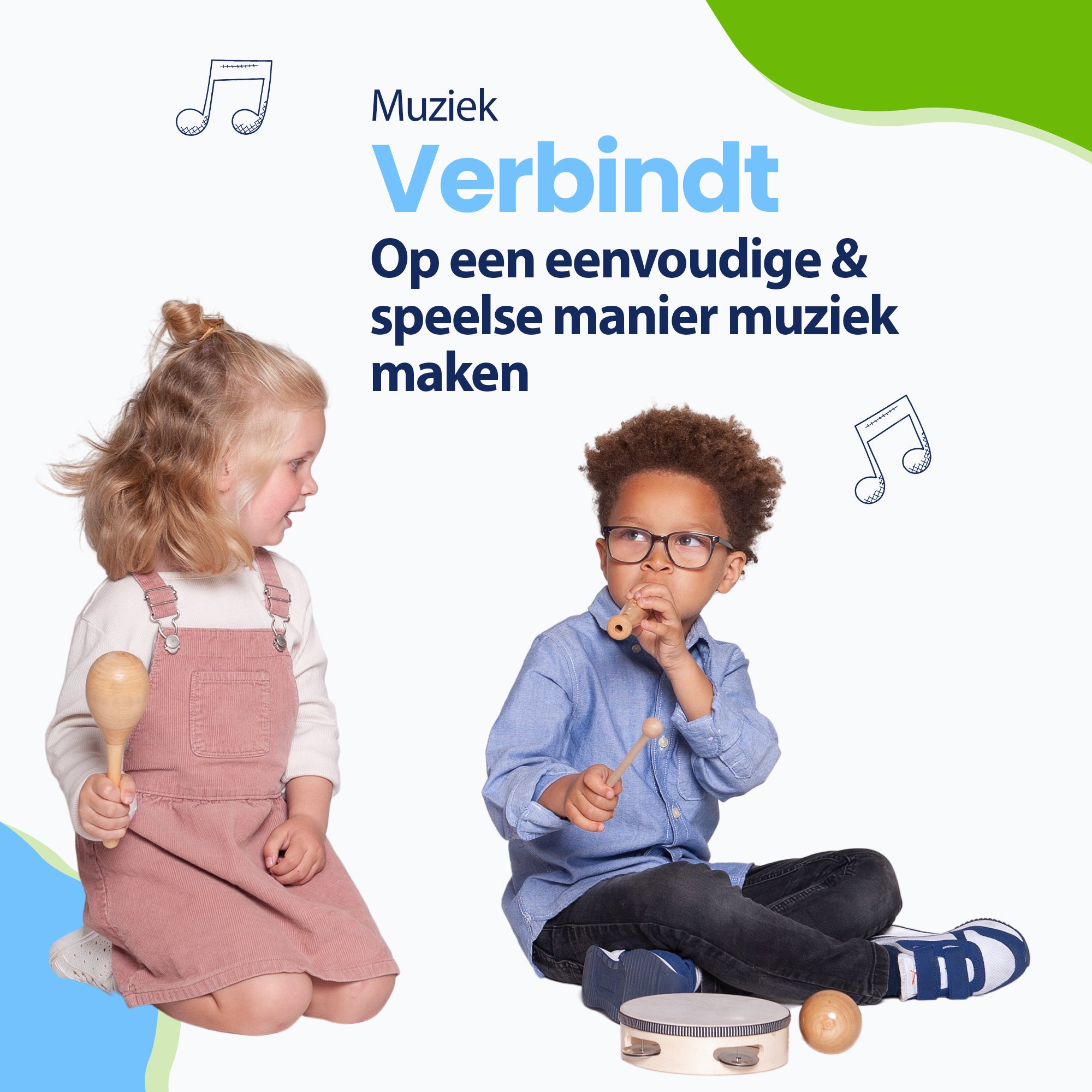
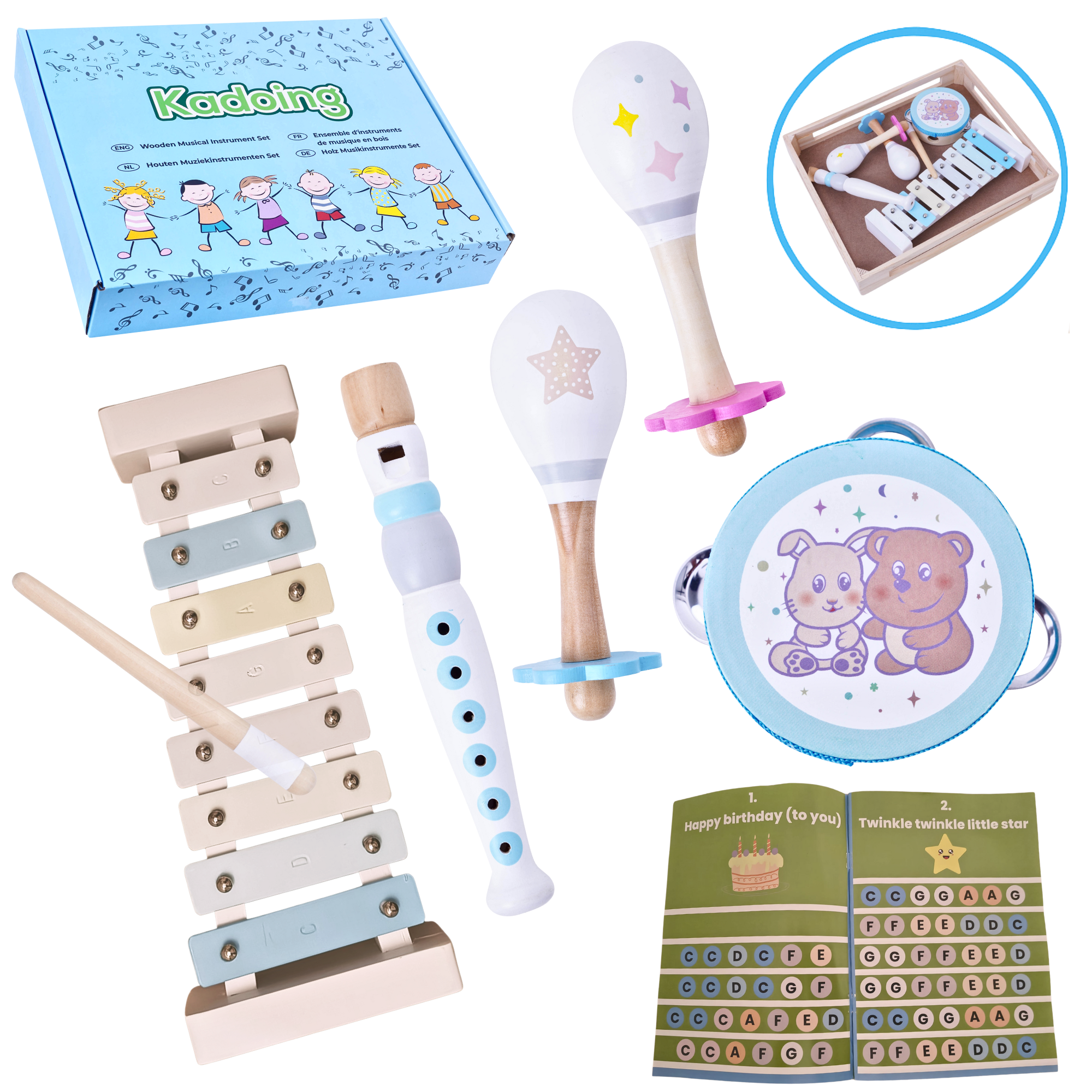
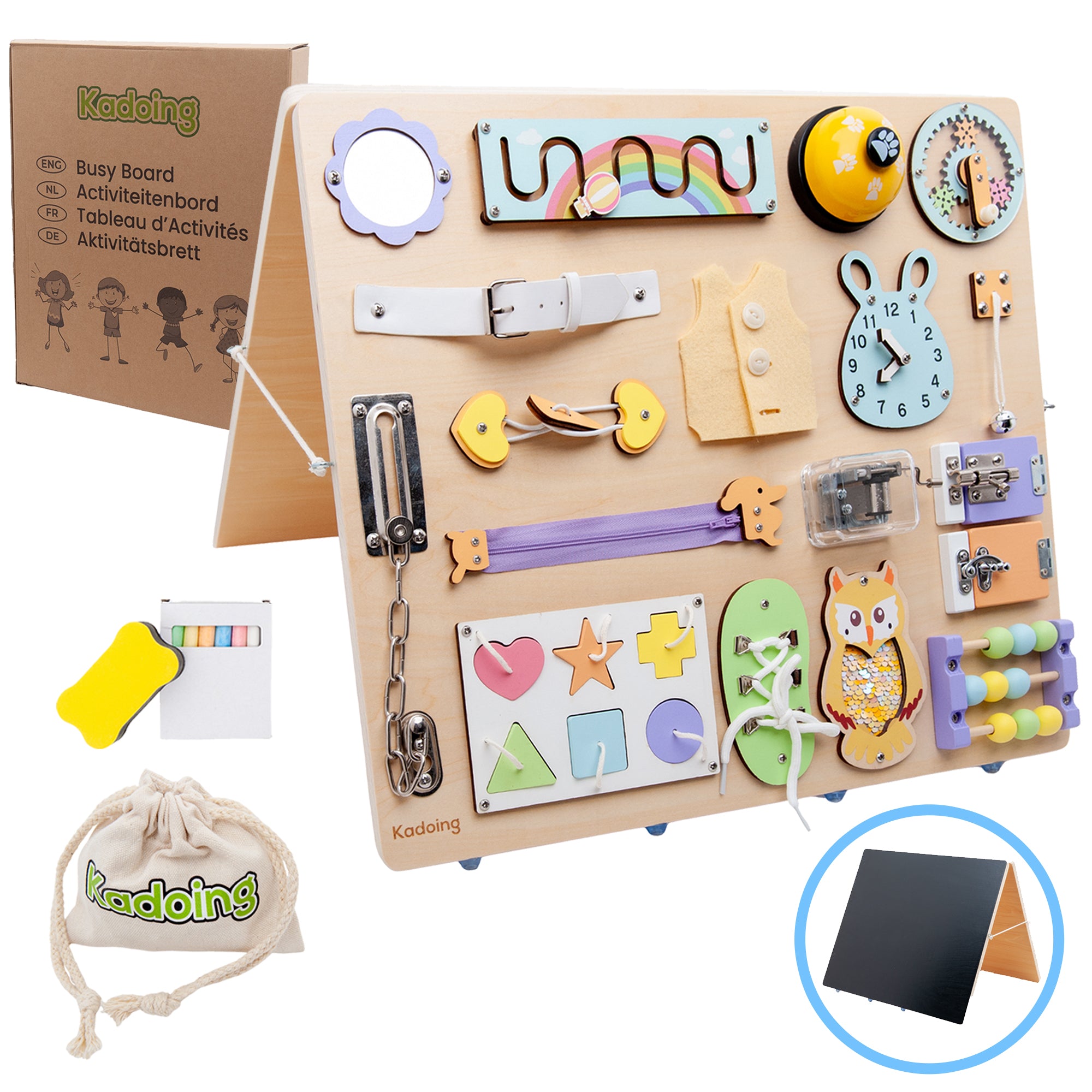
A wooden musical instrument that lasts for years, a cuddly toy that offers comfort at bedtime, an activity board that keeps little hands engaged – for many parents, that feels like a better choice than toys that end up in the cupboard after just a few weeks. Sustainable toys for children are therefore not only about less waste, but also about more calm, more play value, and making more conscious choices for products that fit family life. That is exactly why it is important to consciously choose sustainable toys for children, so they match your child’s development and needs.
What sustainable toys for children really mean
When people think of sustainable toys, they often immediately think of wood. That makes sense, but the concept is broader. Truly sustainable toys for children are made from safe materials, last a long time, and remain relevant across multiple stages of development. They are toys that don’t break easily, don’t become boring after a few days, and can ideally be passed down to siblings or other children.
For parents, there is another factor: sustainability also needs to be practical. A beautiful product that is difficult to clean or doesn’t suit your child’s age will rarely be a success at home. The best choice often lies at the intersection of material, safety, ease of use, and developmental value.
This makes sustainable toys less of a trend and more of a way of thinking. You’re not just buying something fun for now, but something that contributes to play, comfort, and daily routines.
Why parents are choosing more consciously
Anyone with young children quickly notices how many items enter the home in a short time. Birthdays, holidays, newborn gifts, impulse purchases – before you know it, the living room is full. That’s exactly why the need for toys that truly add value is growing.
Sustainable choices often bring more clarity. Fewer toys, but better selected, often result in calmer play. Children are less overstimulated when they don’t constantly switch between flashy, noisy, and short-lived toys. Simpler materials such as wood, textiles, and open-ended toys also encourage longer play and more imagination.
For many families, the emotional aspect also matters. It’s reassuring to know that a product feels safe, is well made, and isn’t designed as a disposable item. This builds trust, especially with toys for babies and young children who touch, taste, and use everything intensively.
What should you look for in a good choice?
A sustainable purchase doesn’t start with color or brand, but with the question: what will my child actually gain from this? It sounds simple, but it prevents many poor purchases. A baby needs safety, softness, and simple stimuli. A toddler wants to practice, repeat, and explore independently. A preschooler looks for more challenge and role play.
So start by looking at age and developmental stage. Toys that are slightly too difficult are often left unused. Toys that are too simple quickly lose their appeal. Products that grow with your child are usually the smartest investment.
Material is the next step. Wooden toys are popular because they are sturdy and timeless, but not every wooden product is automatically the best choice. Look for smooth finishes, child-friendly paint, and solid construction. For cuddly toys and soft items, it’s important that fabrics are durable and easy to wash. For parents, maintenance is not a detail, but part of sustainability.
Safety remains the foundation. Think of rounded edges, age-appropriate parts, and materials that can withstand everyday use. Especially with products used daily, you don’t want to constantly question their reliability.
Toys that do more than just entertain
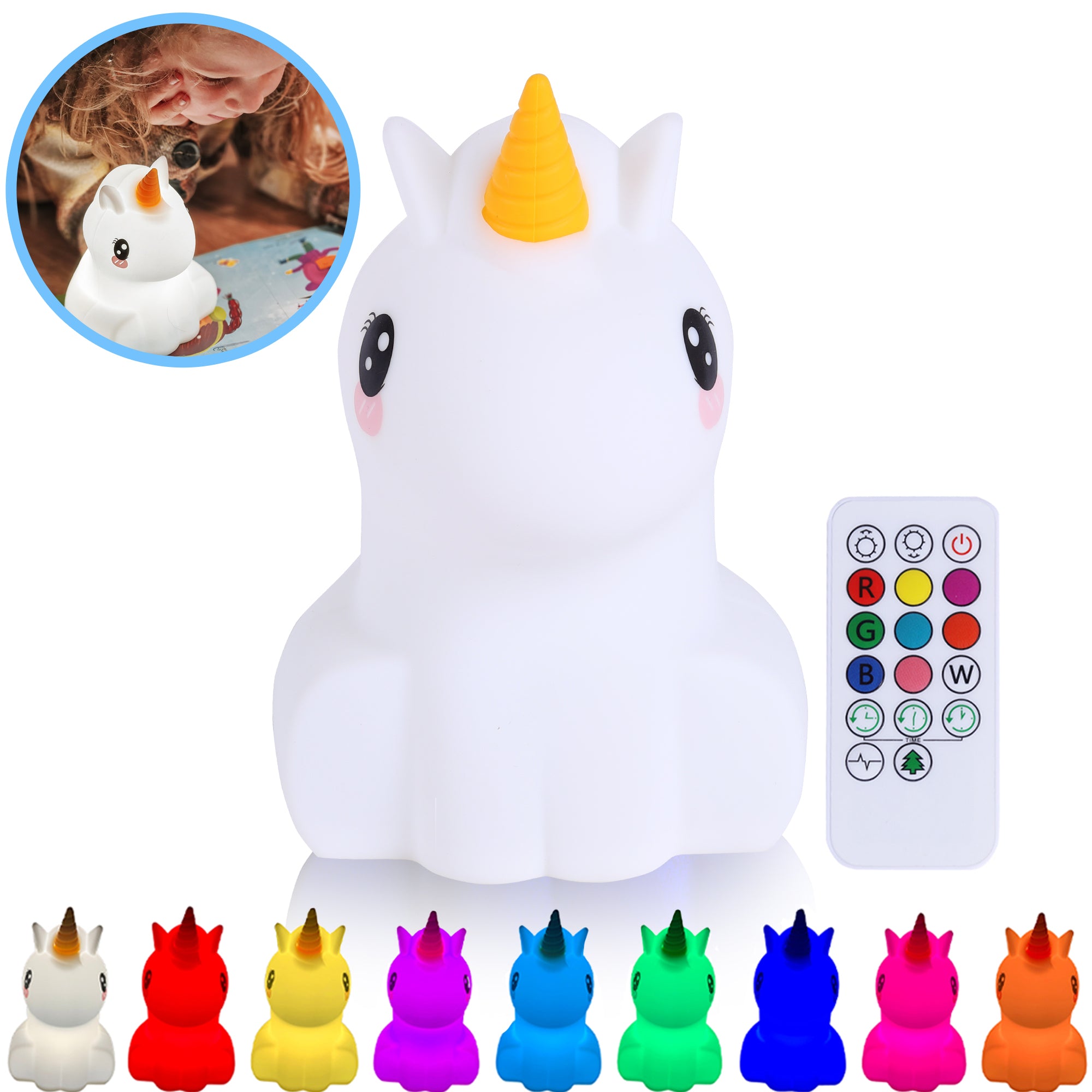
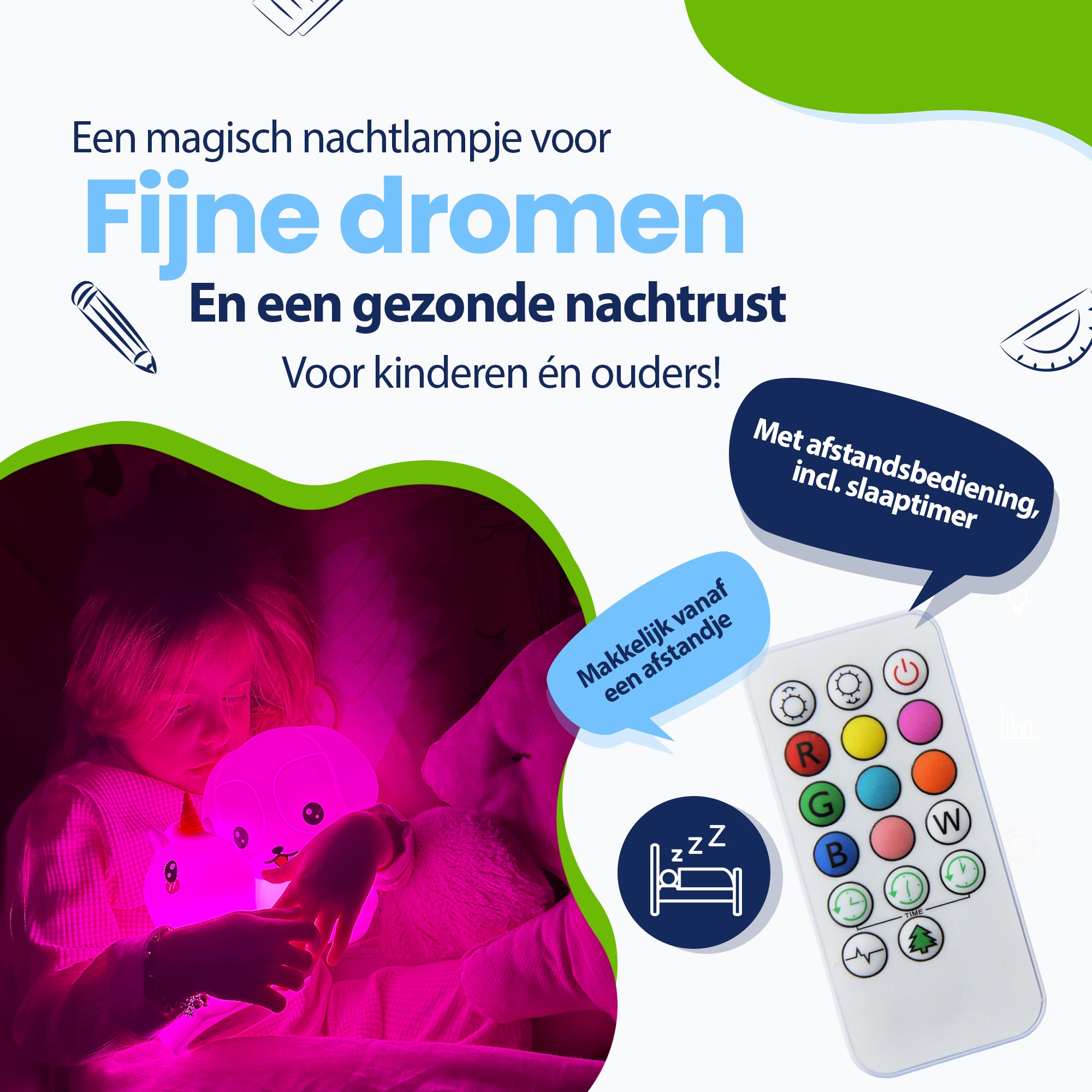
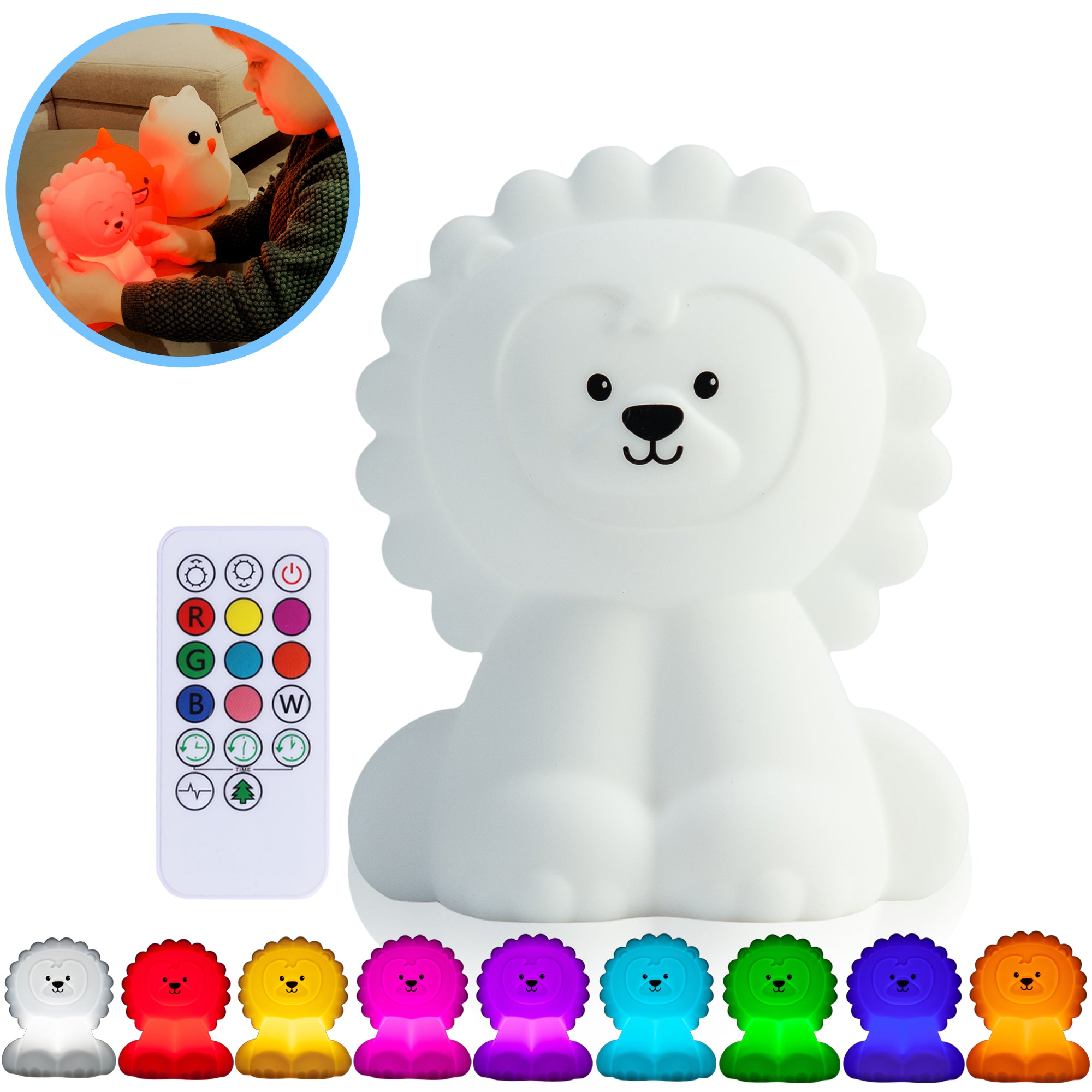
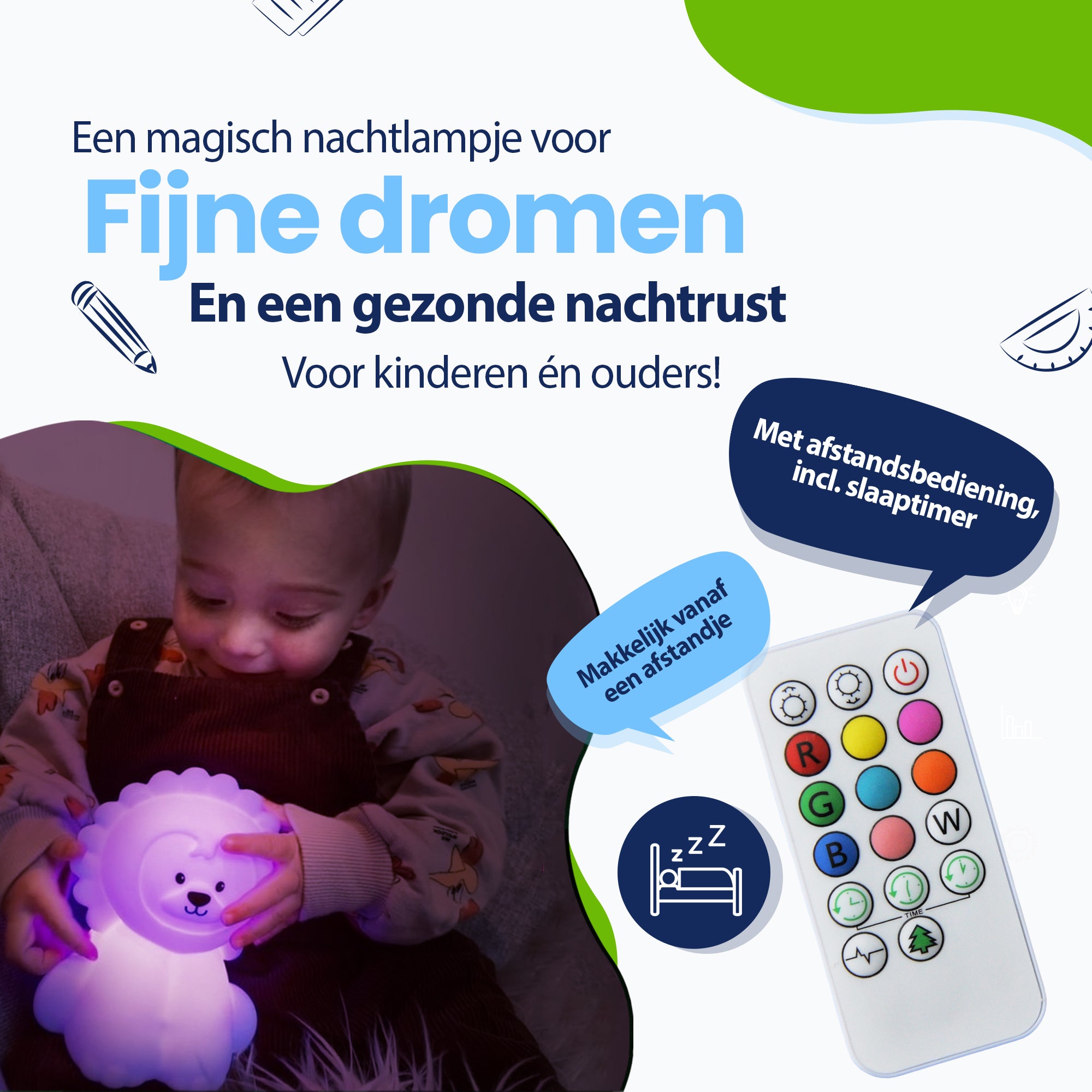
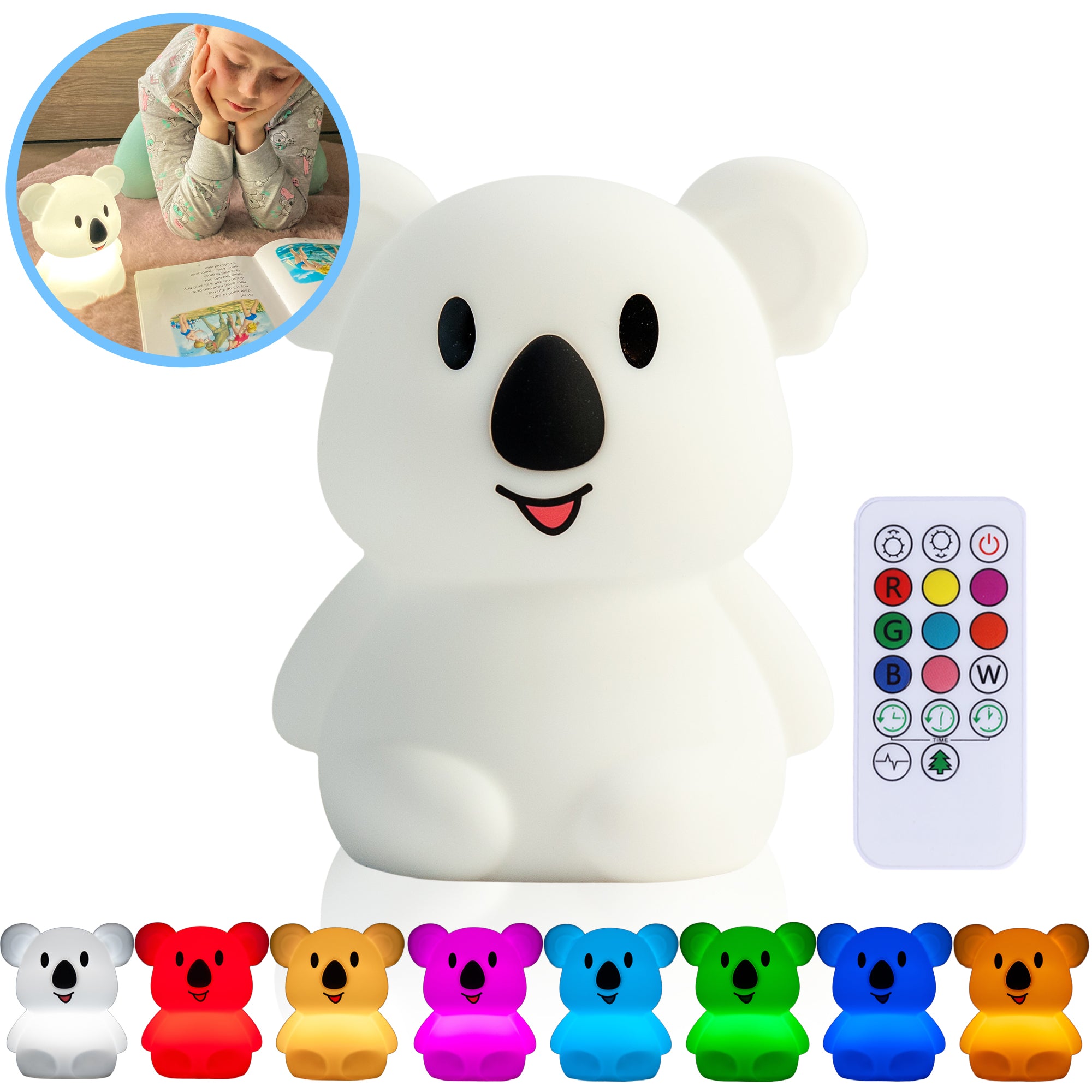
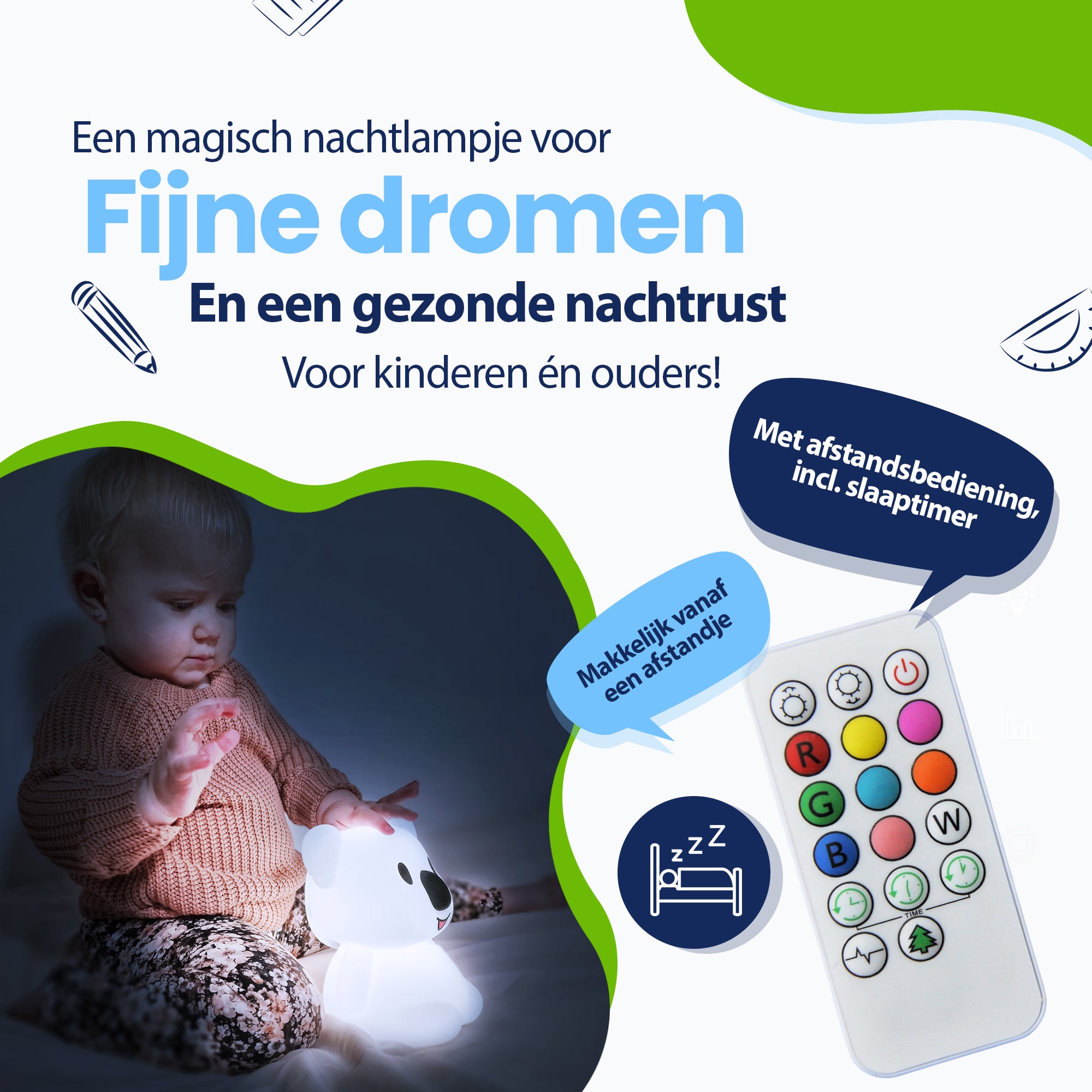
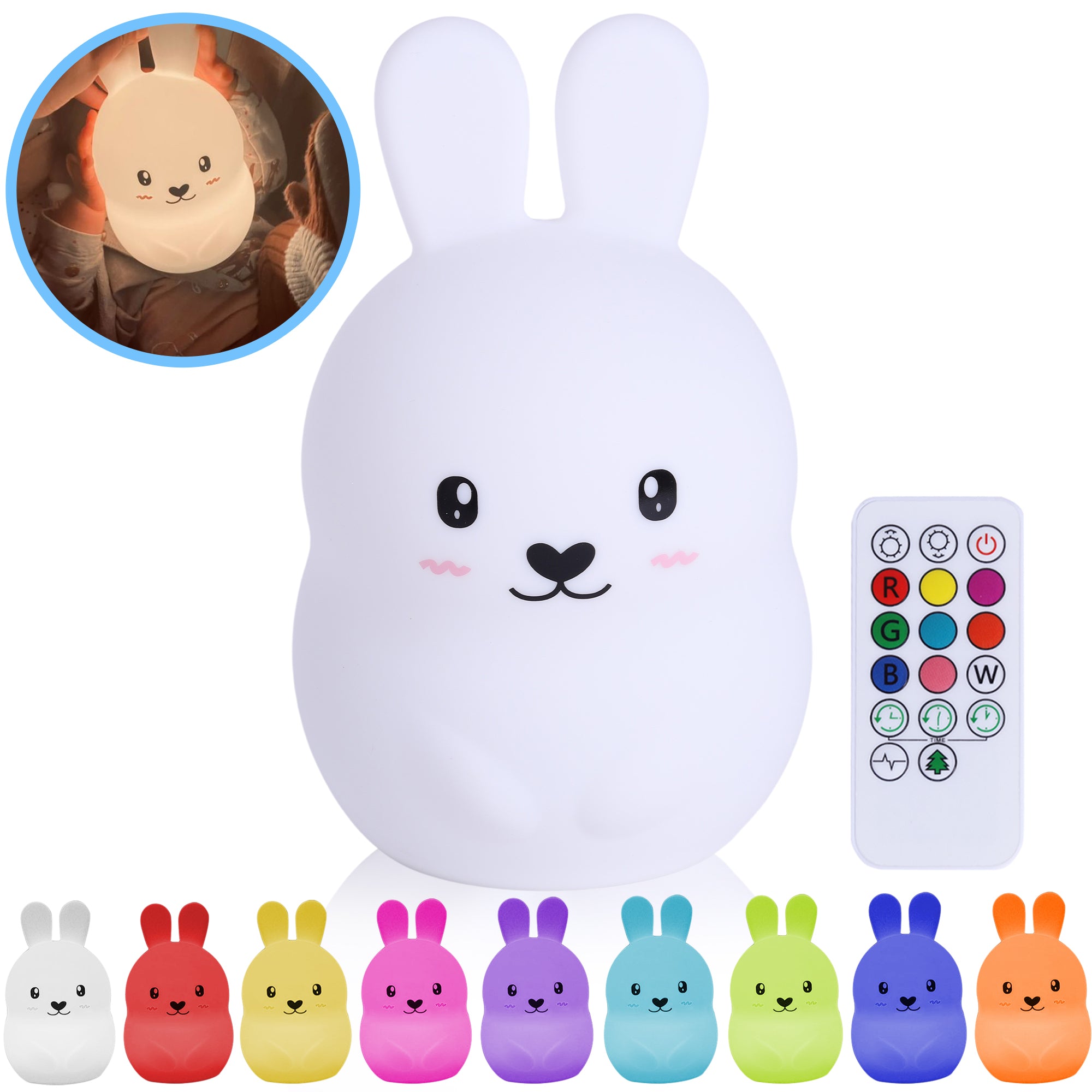
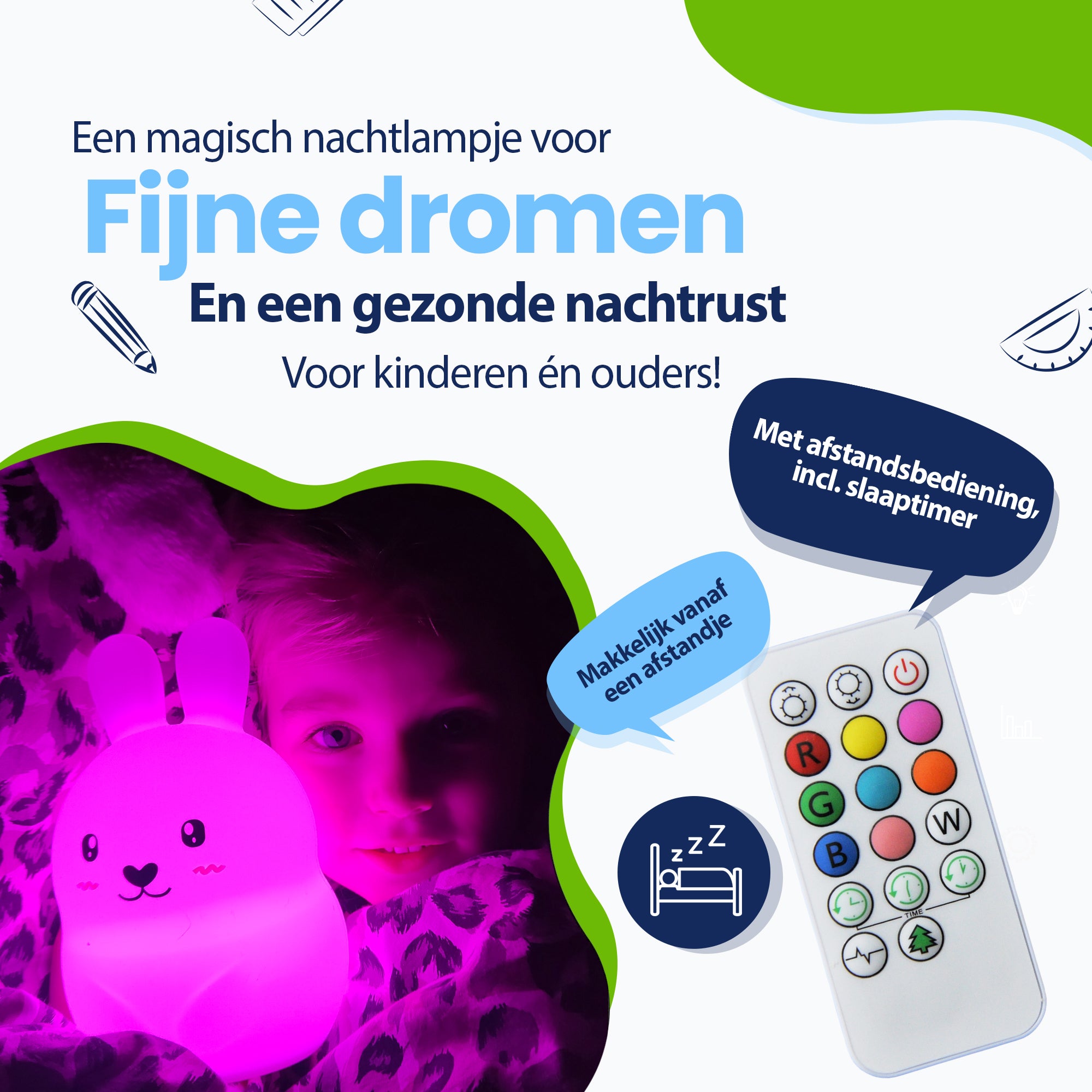
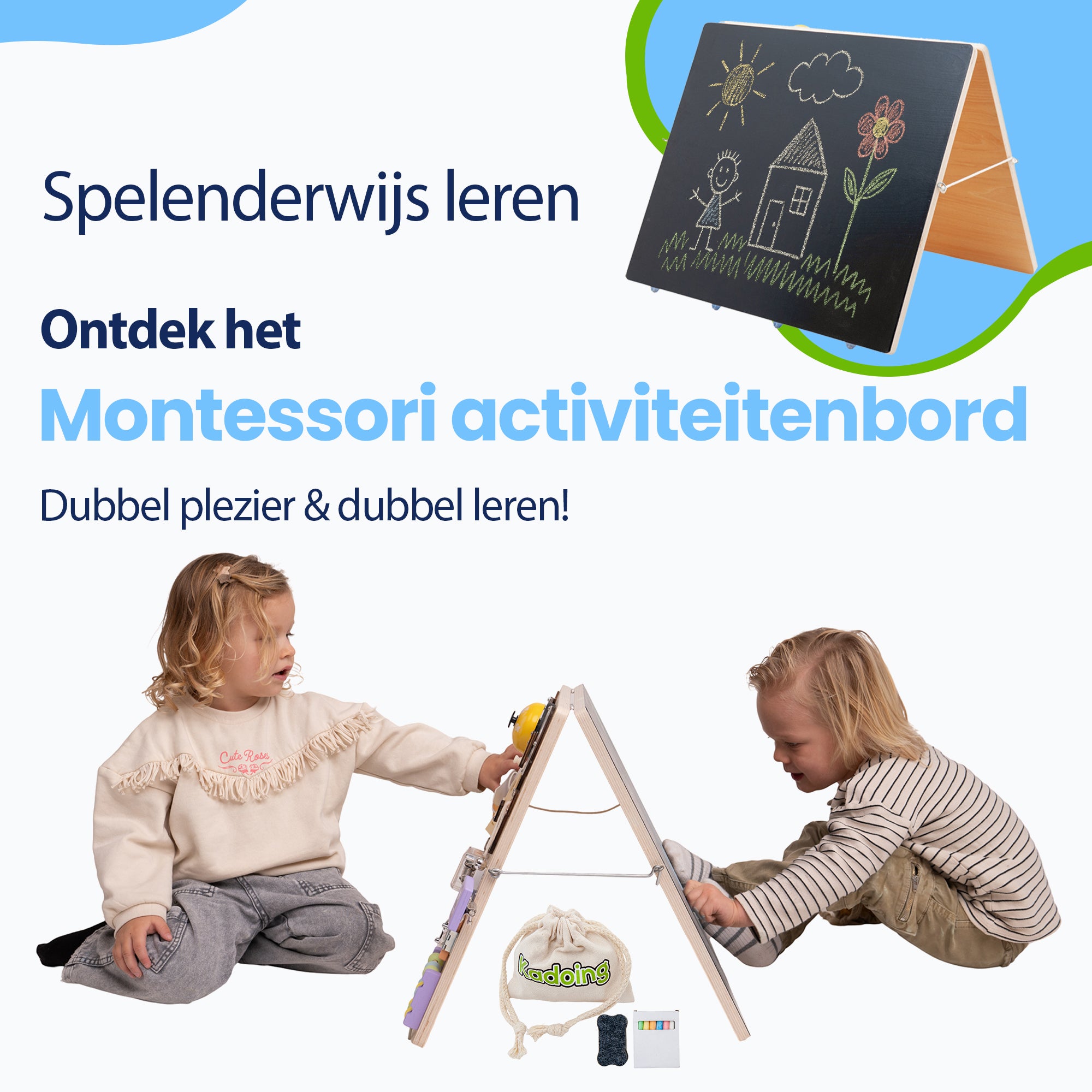
The strongest sustainable choice is often toys that serve multiple purposes at once. Not in a technical sense, but in what they bring to daily life. A musical instrument can be fun, but also supports rhythm, motor skills, and playing together. A night light with a soft glow doesn’t just create atmosphere, but can also help establish a calm bedtime routine. An activity board can stimulate curiosity and support independence.
That’s exactly what makes certain toys so valuable in young families. When a product connects play with development or daily moments of calm, it gets used more often and with greater enjoyment. It becomes part of the household rhythm instead of just another item in the toy basket.
For parents, that difference is significant. You’re usually not just looking for something to keep your child busy for a moment. You’re looking for something that supports learning, sleeping, exploring, or comfort. Sustainable toys fit well with this, as they are often designed with a clear purpose and longer usability.
Wood, textiles, and other materials
Wood remains a popular choice, and for good reason. It feels warm, is durable, and often has a calm appearance that fits well into the home. Wooden toys generally withstand more intensive play than many plastic alternatives. However, quality can vary. Lightweight or thin wood can still be damaged quickly, while more solid, well-finished toys last much longer.
Textiles serve a different purpose. A soft cuddly toy, fabric ball, or item designed for rest and sleep can be very sustainable if it’s made for frequent use and washing. For young children, emotional attachment is important. A product that offers daily comfort often has more lasting value than something that only provides short-term excitement.
Plastic is not necessarily bad, but it does require a critical eye. Sometimes it’s practical, for example when something needs to be lightweight or easy to clean. The key question is whether it is durable, long-lasting, and serves a clear function. Disposable plastic or toys that break quickly are rarely sustainable choices.
Less toys, richer play
A notable benefit of buying more consciously is that children often play better with less. It may sound contradictory, but many parents recognize it. When there are too many options, children tend to switch quickly between activities. When the selection is smaller and more thoughtful, deeper play happens more often.
Open-ended toys help with this. Think of simple shapes, stacking toys, wooden instruments, or activities without a single correct outcome. These products leave room for imagination and repetition. And repetition is exactly how young children learn.
It also makes a difference in the home environment. A limited number of beautiful, functional toys often feels calmer than boxes full of items that are rarely used. This gives children clarity and makes it easier for parents to tidy up and make choices.
Giving sustainable gifts without mistakes
When choosing a gift, you want to give something that is truly appreciated. Sustainable toys are a great direction, but with nuance. The most beautiful wooden toy is not a good gift if it doesn’t match the child’s age or needs.
For babies, soft, safe, and sensory gifts usually work better than complex items. For toddlers, toys that support movement, exploration, and fine motor skills are often a good fit. For preschoolers, more imagination or a practical function can be added, as long as it remains clear and manageable.
Not sure what to choose? Go for something timeless and useful in everyday life. Think of toys or children’s products that combine calm, play, and development. This way, you’re not just giving an object, but also convenience for parents and meaningful moments for the child.
How to recognize toys that truly last
Good sustainable toys are often not recognized by big claims, but by small details. They feel solid in the hand, show attention to finishing, and are designed for repeated use. They invite play without being overwhelming.
It’s also important to consider whether the product will still be interesting in a few months. Can a child use it in different ways? Does it fit into routines like making music, independent play, or winding down before sleep? If so, it’s less likely to be a short-term purchase.
The parent’s perspective also matters. A calm design, natural materials, and a timeless look ensure that toys remain part of the home for longer. At Kadoing, these qualities align perfectly with what many families are looking for: child-friendly products that are beautiful, practical, and supportive in everyday moments.
The best choice isn’t always the most expensive
Sustainable doesn’t automatically mean premium or complex. Sometimes a simple wooden instrument, a durable cuddly toy, or a well-chosen activity board is a much better purchase than an expensive toy with lights and sounds. The real value lies in usage, lifespan, and what it adds to a child’s day.
That’s why it helps to pause for a moment before every purchase. Will my child use this safely, often, and with enjoyment? Does it support play, development, or rest? And does it feel like something we will still value a year from now?
If the answer is yes, you’re already very close to the right choice. Sustainable toys don’t have to be perfect. They simply need to fit your child, your home, and the moments you want to cherish together. By consciously choosing sustainable toys for children, you create not only more play enjoyment, but also more calm and clarity at home.