A child who keeps switching from one toy to another at the end of a busy day does not always need more stimulation. Sometimes, a small basket of familiar materials, a quiet corner and the freedom to play at their own pace can be much more helpful. Using sensory toys at home is not about making a child play quietly or imposing rules. It is about creating an environment where your child can touch, look, listen and repeat without all kinds of stimuli competing for attention at the same time.
Calm toys can be a valuable part of your daily routine. They can work well after nursery, on a rainy afternoon or as a transition into the evening routine. They give children an accessible way to keep themselves occupied while you stay close by without having to direct their play constantly.
What are sensory toys?
Sensory toys encourage children to use their senses. Think of the smooth texture of wood, sorting small shapes, soft fabrics or the gentle sound of a wooden musical instrument. The word ‘sensory’ does not have to mean that a toy is bright, loud or complicated. Simple materials often offer a surprising amount to discover.
By calm, we mainly mean clear, predictable and pleasant to use. An activity with one clear idea gives a child the chance to focus on something for longer. A shape sorter, stacking tower, activity board, soft toy or a few wooden instruments may be all they need. Not every child finds the same things calming. One child may enjoy moving beads or stacking blocks, while another may prefer gentle imaginative play with a soft toy.
Try to focus less on what a type of toy is ‘supposed to do’ and more on how your child responds. Does their play become more focused? Do they choose the material by themselves? Or does it lead to frustration and restlessness? These are useful signals that can help you adjust what you offer.
Using sensory toys at home: start small
You do not need to redesign an entire playroom. A calm play space is often created by putting out fewer things. Choose a shallow basket, a low shelf or a permanent corner that your child can reach easily. Place two or three activities there that suit their current age and interests.
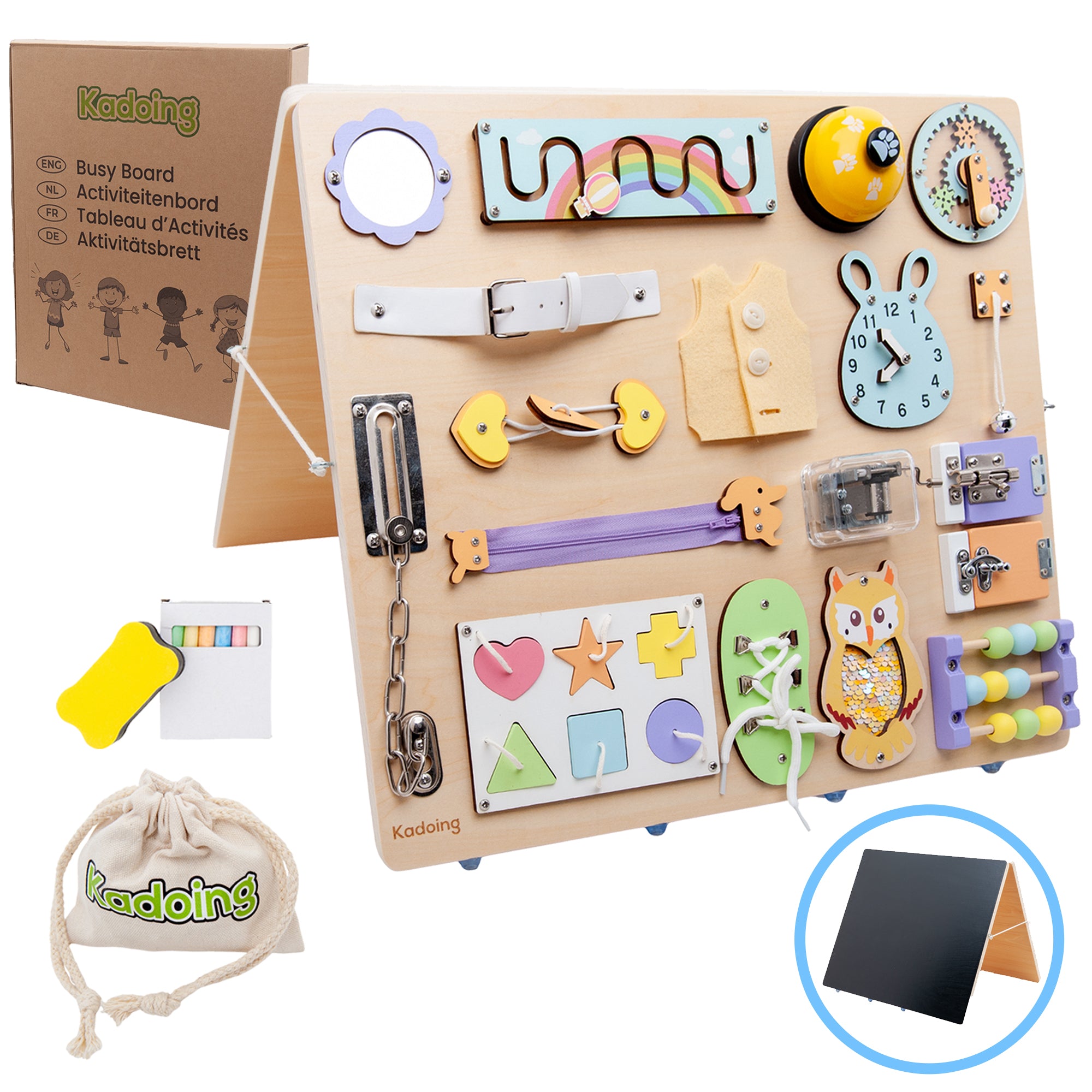
For a toddler, this might be a stacking tower, a fabric soft toy and a simple wooden instrument. For a young child who enjoys trying things independently, an activity board with fastenings, sliders and rotating parts may work well. Keeping the selection limited makes choosing easier. It also helps you see more quickly what your child genuinely enjoys.
Do not change everything every day. Familiar toys often become more valuable when a child has time to explore what they can do with them. At first, they may only touch a little door. A few days later, they manage to open the fastening. This gentle repetition creates a satisfying sense of independence.
Choose materials that feel pleasant
Natural materials such as wood and soft textiles are often chosen for a calm play environment. Ultimately, however, it is the finish, safety and way a child plays with an item that make the biggest difference. A well-finished wooden shape sorter, a fabric doll or a simple rattle already provide a range of experiences for little hands.
Always pay attention to the age recommendation and the safety of the toy. Check regularly for loose parts, splinters, damage and long cords. Adult supervision remains particularly important for young children, even when a toy is labelled as suitable for their age.
Give sound a considered place
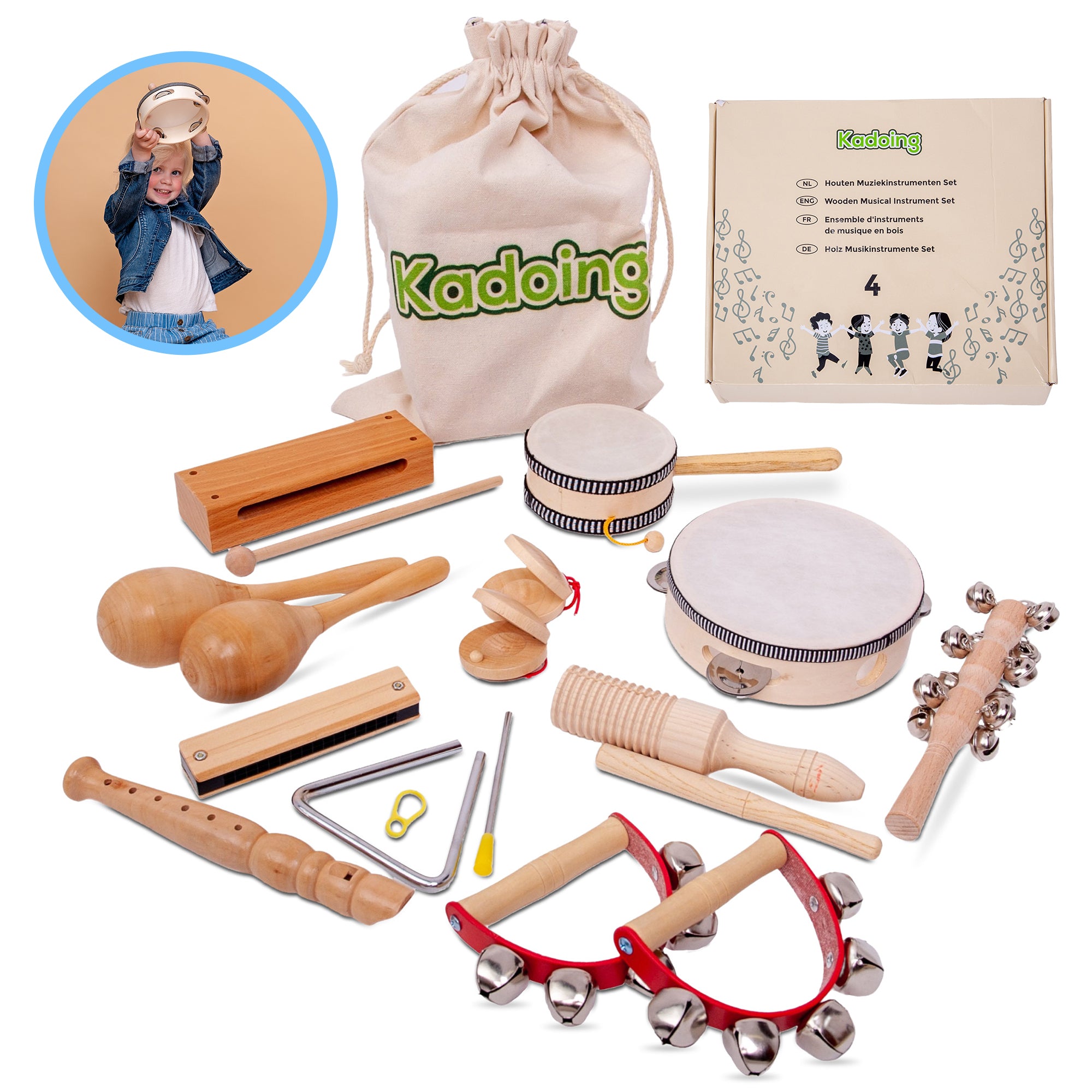
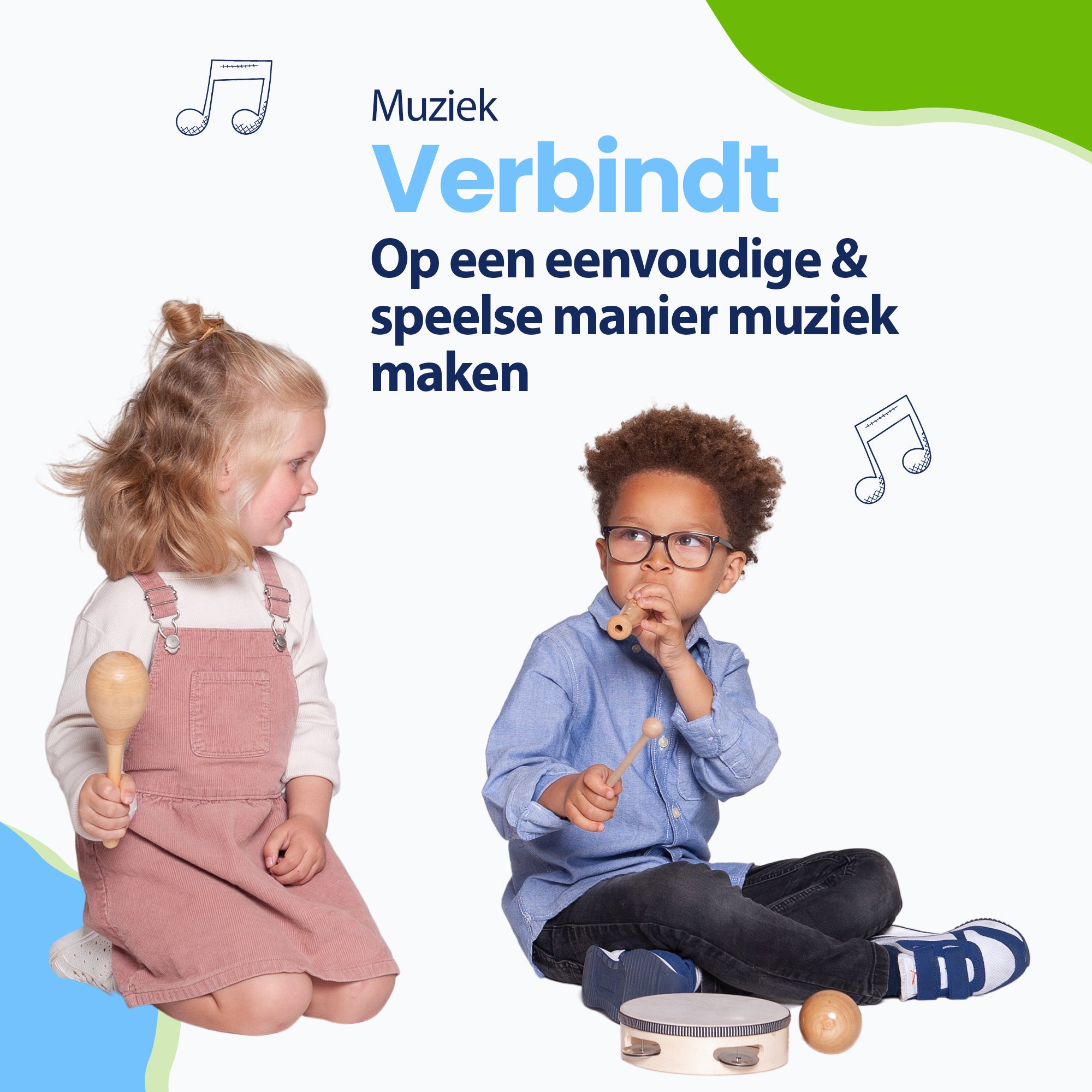
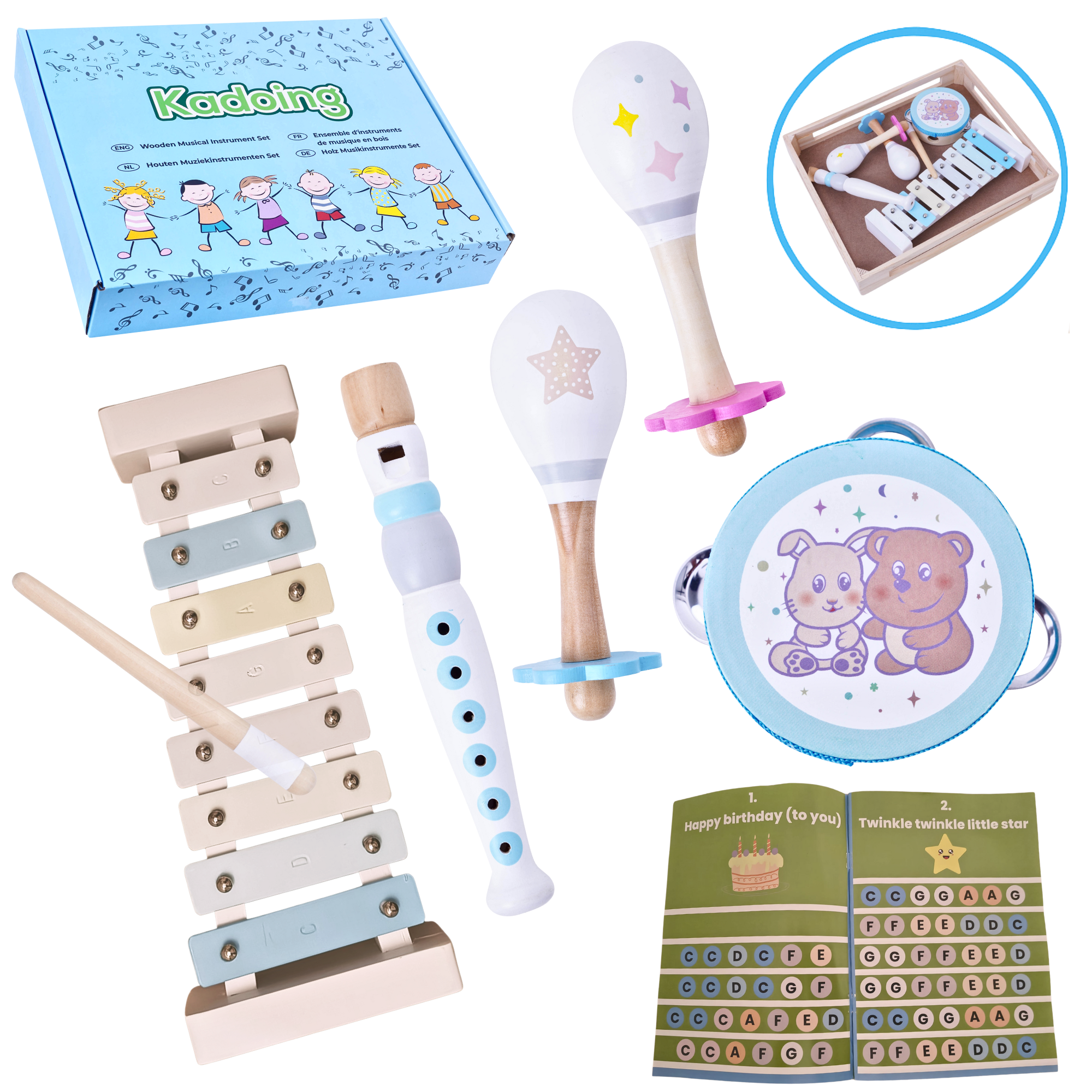
Sound is not necessarily unsettling. Making gentle music together can actually be a pleasant shared moment. A wooden xylophone, bells or a drum invite children to listen to differences in tone and rhythm. The amount of sound and the timing often make the difference.
It is better to put out one instrument than a full box of sound-making toys. You could also clap a simple rhythm together and then pause to listen to the silence. This makes music a small, attentive game rather than background stimulation. If sound makes your child excited, save musical toys for an active part of the day and choose something soft or constructive later on.
Make the play space a familiar place of calm
The space itself plays a part too. A play mat, a low table or a quiet corner beside the sofa may be all you need. Try storing toys that make a lot of noise, have many loose parts or encourage a completely different kind of play somewhere else. This is not a ban on lively play. Running, building and laughing are just as important. Separating activities, however, helps your child understand what to expect in a particular place.
Provide soft, pleasant light and enough space to lay out the materials. A basket where everything can be returned afterwards helps make the end of play visible. For young children, tidying up can still be a playful part of the activity: first the blocks, then the shapes and finally the soft toy back in its place.
Your presence often makes the biggest difference. Sit nearby from time to time without taking over the game. Calmly describe what you see: “You’re touching the bear’s soft ear” or “That block almost fits.” This gives your child attention without pressure. Some children prefer to play independently with you nearby, while others want to explore together. Both are absolutely fine.
Use calm play moments during helpful transitions
A familiar activity can help at times when many things are changing. When a child comes home, they are often still full of impressions from the day. Before moving straight on to dinner, bath time or other plans, ten minutes of free play with familiar materials can offer a gentle transition. Do not make relaxation the goal. Simply offer the opportunity and see what happens.
A short, predictable play moment can also be pleasant before leaving home. While you finish packing a bag, your child could use an activity board at the table or sort blocks into a basket. Do not expect this to work every time. Hunger, tiredness, a need for connection or a busy day can be more powerful than any toy. At those times, sitting together on your lap, reading a book or simply doing nothing for a while may be more appropriate.
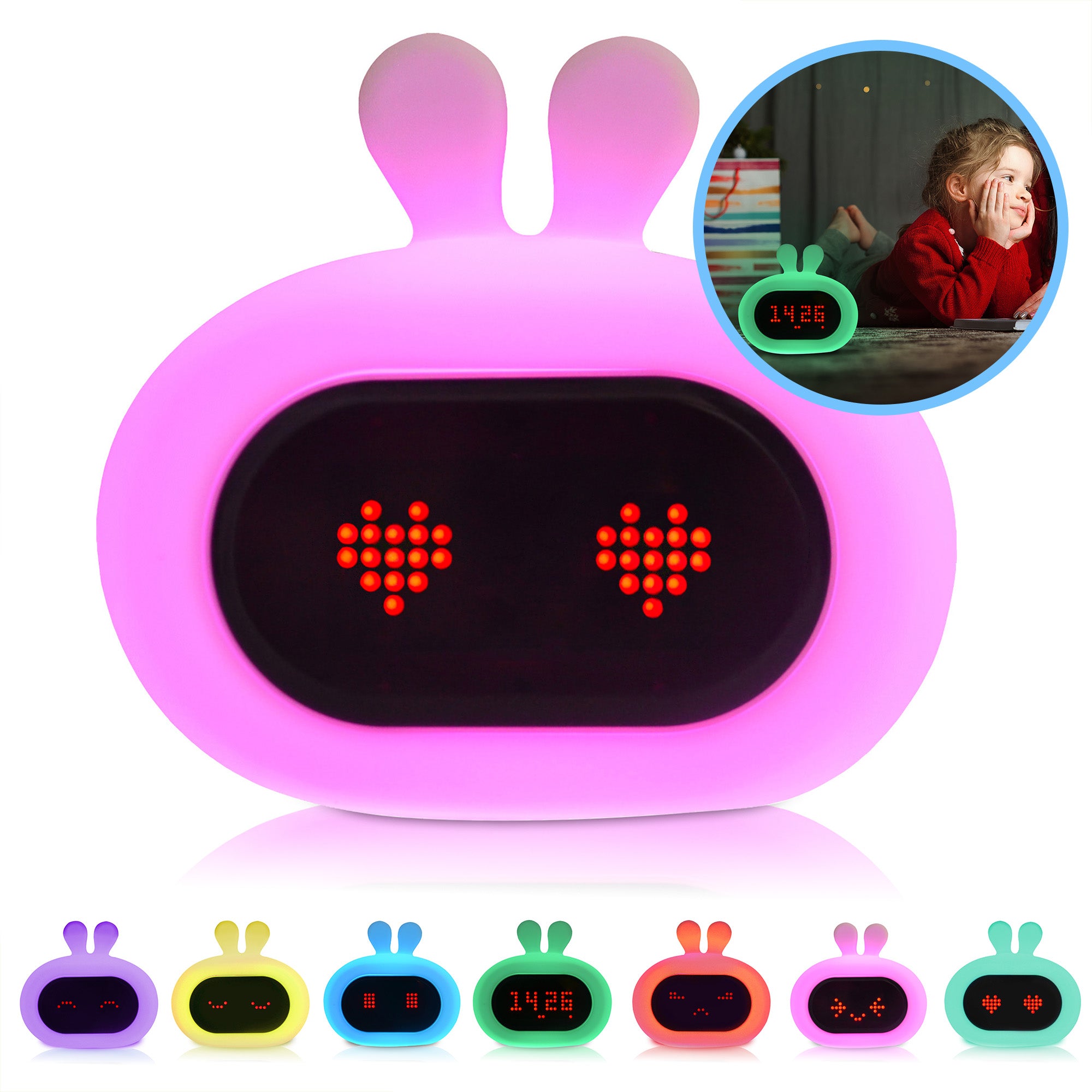
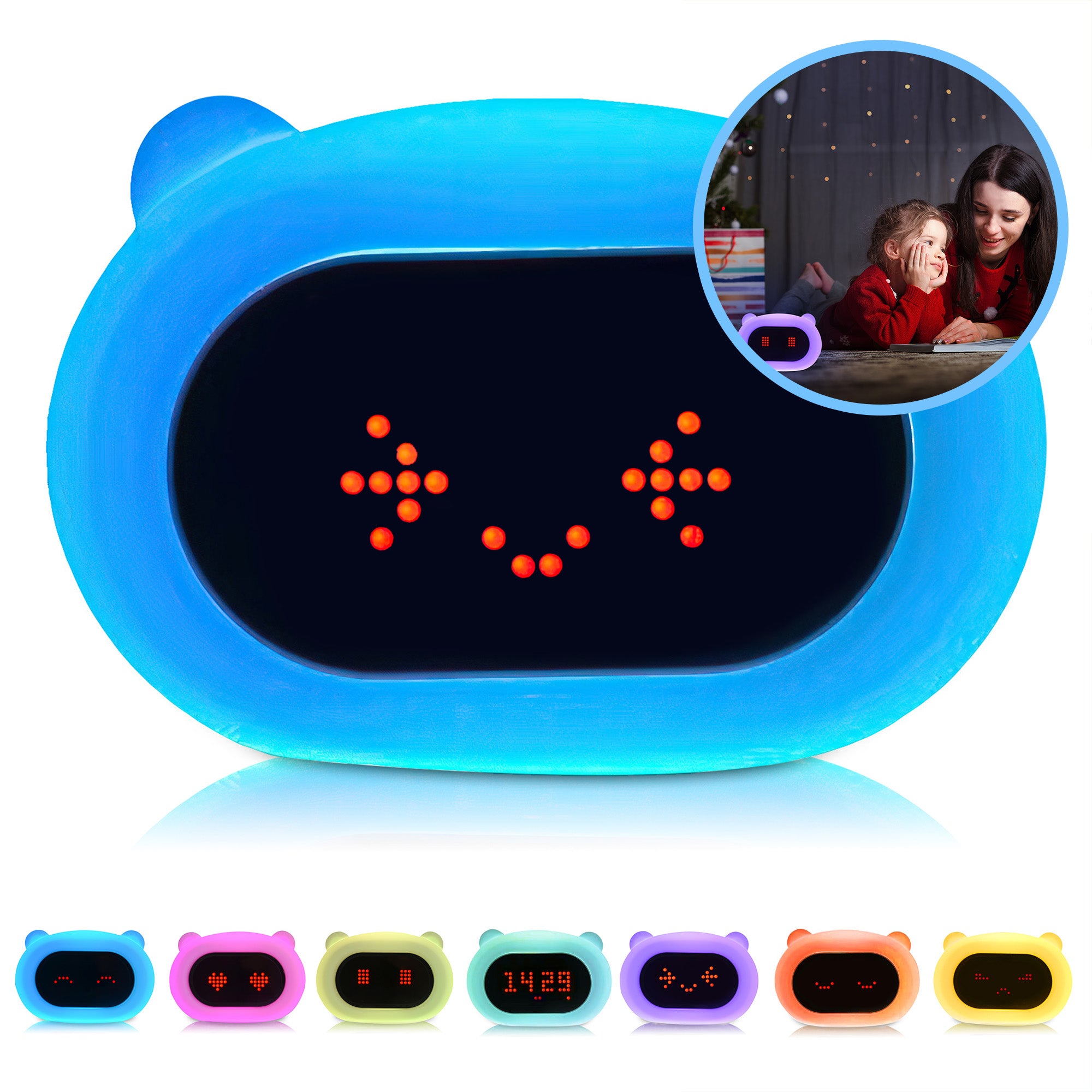
Around bedtime, it is sensible to choose materials without busy effects. A soft toy, a gentle music box or a simple book can support the transition into the night. Keep the moment short and familiar. This helps the toy remain a pleasant invitation to connect, rather than a new activity that carries on for longer and longer.
Follow your child, not a fixed ideal
There is no perfect sensory play basket and no fixed amount of toys that works for every family. Some children enjoy modelling clay or sandy textures, while others prefer to avoid them. Some want to sort things endlessly; others would rather use a stacking cup in imaginative play. Give these preferences room.
It can help to observe for a few days. Does your child keep choosing the same material? Do they play for longer when there is less on the table? Is a quiet corner more inviting when you start there together? Make adjustments afterwards. Small changes often work better than an entirely new selection.
Choosing sustainably fits naturally with this approach. Toys that are sturdy, allow open-ended play and remain useful through several stages of development do not need to be replaced quickly. A wooden instrument may first be interesting to hold, later to play rhythms on and then to accompany songs together. At Kadoing, this combination of safe discovery, familiar design and everyday enjoyment is at the heart of what we do.
A calm play moment does not need to be long or perfect. A child concentrating as they turn a shape, tuck in a soft toy or play a gentle rhythm together can already create a valuable pause in the day. Let these small moments arise naturally: they often nurture exactly the calm and connection a family needs.