A rainy afternoon, a child who woke up far too early, or that difficult hour before dinner: these are exactly the moments when screen-free indoor activities can be a welcome solution. Not because screens are always wrong, but because children also need time to move, imagine, experiment and stay close to a trusted adult. With a few simple ideas, being indoors no longer feels like a last resort, but becomes a calm and cosy part of the day.
Why screen-free indoor play is so valuable
Young children learn with their whole bodies. They feel how modelling clay gives way, listen to the sound of a small drum and practise patience when a tower keeps falling over. This kind of play does not need to be elaborate or perfectly prepared. A basket with a few familiar materials often works better than a table full of choices.
Screen-free time can also help maintain a more natural rhythm throughout the day. Especially after a busy moment or as bedtime approaches, calm play gives children space to settle again. The aim is not to fill every quiet moment. There can be room for boredom too. That is often exactly where a child’s own play idea begins.
What works well depends on your child’s age, energy level and the kind of day you are having. A toddler who wants to run will gain little from a long craft activity. A child who is tired after nursery may need to read together or make gentle music instead. Focus less on what you feel you “should” do and more on what helps right now.
12 top screen-free indoor activities
1. Build a soft obstacle course
Place cushions on the floor, make a tunnel from chairs with a blanket draped over them and put a basket at the finish line. Let your child step over the cushions, crawl underneath the tunnel or bring a soft toy to the end. This activity requires little preparation and gives excess energy a safe outlet.
Do not make it too difficult. Repetition is precisely what young children enjoy: one more trip through the tunnel and one more jump onto the cushion. Stay nearby, make sure the chairs are stable and use materials that do not slide easily.
2. Make music with what you already have
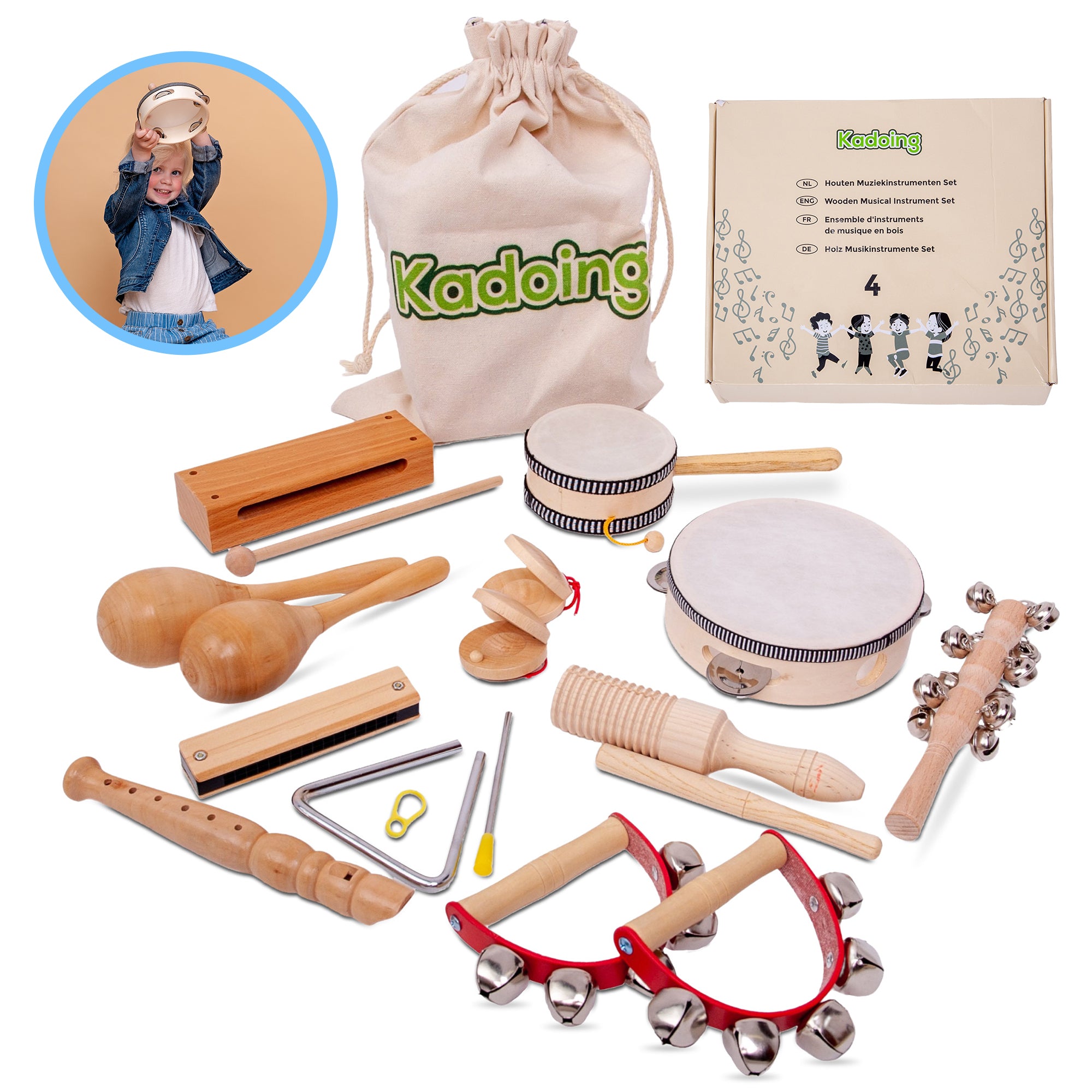
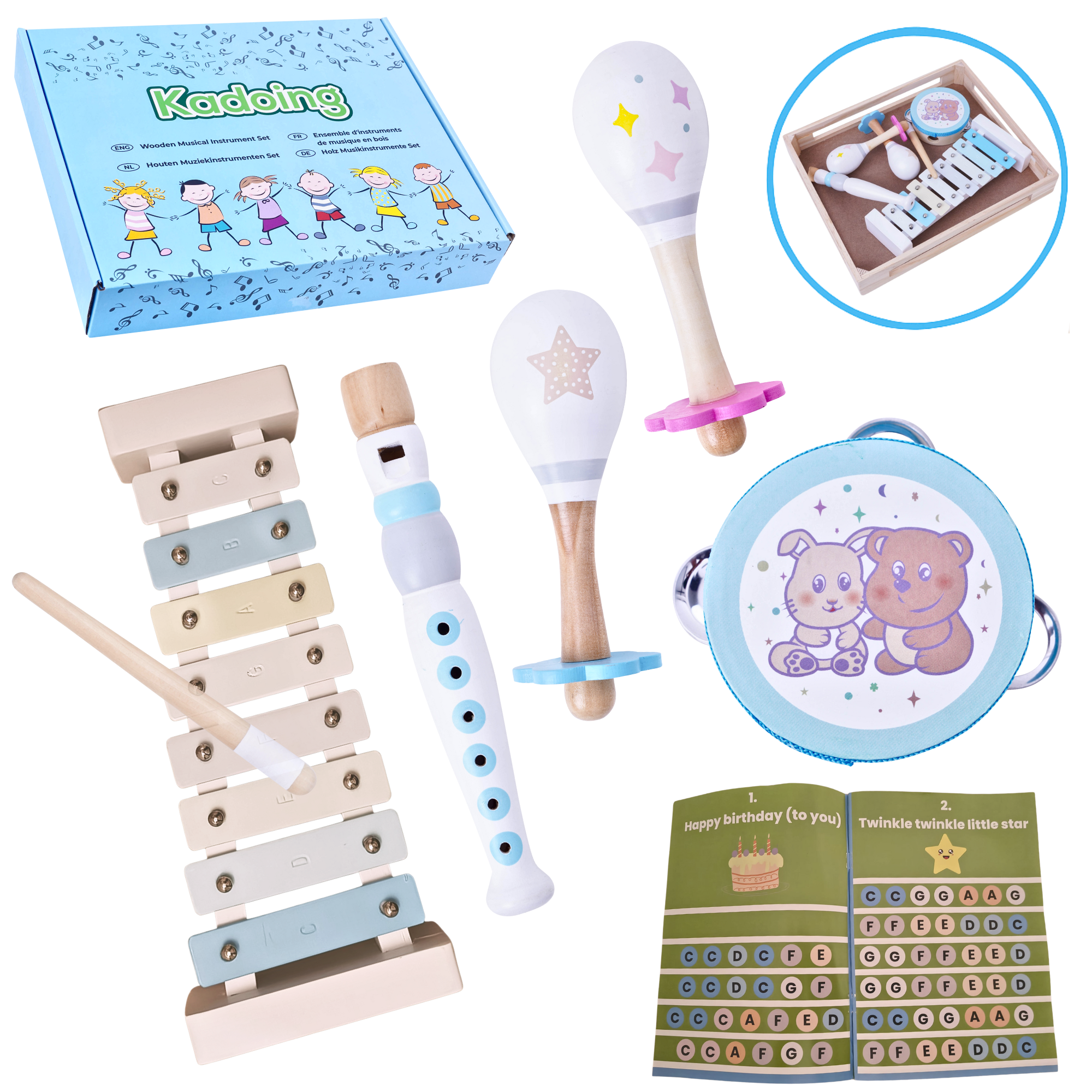
A wooden musical instrument, saucepan lids, an upside-down storage box used as a drum or simply clapping your hands: you do not need a complete music set to enjoy rhythm together. Sing a familiar song and let your child join in with the beat. Playing with the differences between loud and soft, fast and slow, and stopping and starting often happens naturally.
Making music is also a lovely calm moment between more active games. A small drum or xylophone can help children listen, wait for their turn and discover their own sound. Keep the activity short if their attention span is still limited. Five engaged minutes are more valuable than half an hour of encouragement to continue.
3. Give a cardboard box a new life
With a little imagination, a large box can become a bus, animal clinic, garage or doll’s house. Cut out openings yourself or do it together when your child is old enough to use safety scissors responsibly. Let go of the final result: a box with a few lines drawn on it may already be exactly what your child needs it to be.
This kind of open-ended play grows with the child. A very young toddler may love climbing in and out of the box, while an older child can invent an entire story around it. Feel free to keep the box for a few days. The game often starts again later.
4. Create a sensory box for curious hands
Fill a shallow container with large, safe materials such as soft pieces of fabric, wooden blocks, large wooden spoons or sturdy cups. Do not put too much inside. The purpose is to explore: what feels smooth, what makes a sound and what fits inside a cup?
Pay close attention to your child’s age and never choose small parts for children who still put objects in their mouths. With safe and manageable materials, a sensory box becomes a calm activity that encourages concentration without requiring you to keep offering something new.
5. Do not just read a book – act out the story
Read a picture book and then choose one small part to act out. A soft toy can become the main character, a piece of fabric turns into a forest and a cushion becomes a mountain. You do not need any acting experience. Above all, follow your child’s ideas, even when the story suddenly becomes about something completely different.
Pointing already works well for children who do not speak much yet. Ask where the bear is, copy an animal sound together or let a small doll “sleep”. This turns reading aloud into a warm shared moment instead of another task on the schedule.
6. Set up a play kitchen or shop
With a few bowls, wooden spoons, empty packages and pretend food, your child can cook, serve meals or go shopping. Role play helps children process everyday situations: visiting a shop, preparing food, caring for someone or welcoming a guest.
You do not need to join in all the time. Start by ordering a cup of tea, for example, and then quietly step back. Many children play for longer when they feel they are allowed to take the lead.
7. Choose one clear craft idea
A table full of paper, paint and glitter can excite some children but overwhelm others. Choose one simple starting point instead: sticking stickers onto a card, drawing rain with crayons or gluing pieces of paper onto a sheet. Put down a protective cloth and accept that crafts can sometimes be a little messy.
The process matters more than the appearance of the final result. Describe what you see: “You made lots of circles” or “You kept choosing that blue colour.” This often feels better to a child than judging whether something looks beautiful.
8. Let water lead the play
A small amount of water in a sturdy container, together with cups, a sponge and a spoon, can hold a child’s attention for a surprisingly long time. Children scoop, pour, squeeze and investigate what floats. Keep towels nearby and choose a place where a few splashes will not be a problem.
Water play is especially enjoyable on a slow afternoon. Always supervise your child, even when there is only a shallow amount of water, and empty the container together afterwards. Tidying up can become part of the game.
9. Create a calm building area together
Wooden blocks, large stacking cups or undamaged age-appropriate magnetic shapes invite children to build without a fixed assignment. Your child develops spatial awareness and perseverance, but above all discovers how satisfying it is when something stays standing on its own.
Try not to repair a fallen structure immediately. Say instead: “Oh, it fell over. Shall we see what happens if we make the bottom wider?” This offers support without taking over.
10. Organise a child-friendly treasure hunt
Hide a few soft toys or coloured objects in one room and give simple clues. For a toddler, “try looking near the sofa” is enough. For an older child, you can use drawings or a trail of arrows.
A treasure hunt does not need a prize. Finding the objects and searching together are already exciting enough. To finish with something calmer, let your child put the discovered soft toys to bed in a basket afterwards.
11. Make a cosy reading corner or den
A blanket over two chairs, a soft cushion and a small pile of books are enough to create a space of their own. Some children will start reading immediately, while others will bring in cars, dolls or torches. All of that is fine: a den creates a feeling of security and personal space.
This idea also works well when your child has experienced lots of stimulation. Switch on a soft night light if it is dark, but keep the atmosphere simple. A calm space does not need extra things to feel special.
12. Involve your child in a real task
Sorting socks together, washing vegetables, watering plants or setting the table often feels like serious and important work to young children. It may take longer than doing it alone, but it gives your child a place in the family’s daily rhythm.
Choose a task that is safe and manageable. A toddler can put down napkins, while an older child can help place fruit in a bowl. Describe their contribution clearly: “Thanks to you, the table is ready.” This turns an everyday chore into a moment of connection.
Do not make it harder than it needs to be
Screen-free activities do not need to be original every day. A small, familiar selection can actually create calm: a basket of blocks, a place for books, a few musical instruments and craft materials that are easy to reach. Alternate between them, but allow favourite activities to return. Repetition gives young children confidence.
Do not plan every moment either. Sometimes it is enough to sit on the floor beside your child and see what develops. A question such as “What could we do with this?” often opens up more possibilities than a detailed instruction.
On days when everything needs to happen quickly, screen-free time can be very small: sing a song together while getting dressed, hide a soft toy before leaving or spend five minutes looking at a book on the sofa. These small, attentive moments often stay with children longer than a perfectly planned afternoon.