A child who wants one more sip of water, suddenly feels afraid of the dark or seems full of energy as soon as their pyjamas are on: bedtime often takes more than simply having a fixed time. Anyone looking for the best aids for a calm bedtime is usually searching above all for more predictability, reassurance and pleasant moments together at the end of the day.
An aid does not take over the parent's role. It can, however, provide a familiar signal: now it is time to slow down. That repetition can be comforting for young children. The room becomes calmer, the steps feel familiar and saying goodbye to the day feels less daunting.
Which aids suit a calm bedtime?
Not every attractive children's toy is suitable for the final hour before sleep. Aids with lots of sounds, bright colours or constantly changing stimuli may encourage even more play. Calming aids have a different purpose: they support a small ritual that returns every evening.
So look not only at what an aid can do, but especially at the feeling it creates. A soft light can make the room feel familiar. A cuddly toy can become a regular companion. A sleep trainer can show when the night is over. The best aid suits both your child's age and your family's rhythm.
Durable materials, a calm design and simple controls are valuable too. Bedtime is precisely when you do not want to search for loose parts, chargers or complicated settings. Simplicity leaves room for attention.
Aids for a calm bedtime, according to your needs
A sleep trainer for clarity during the night
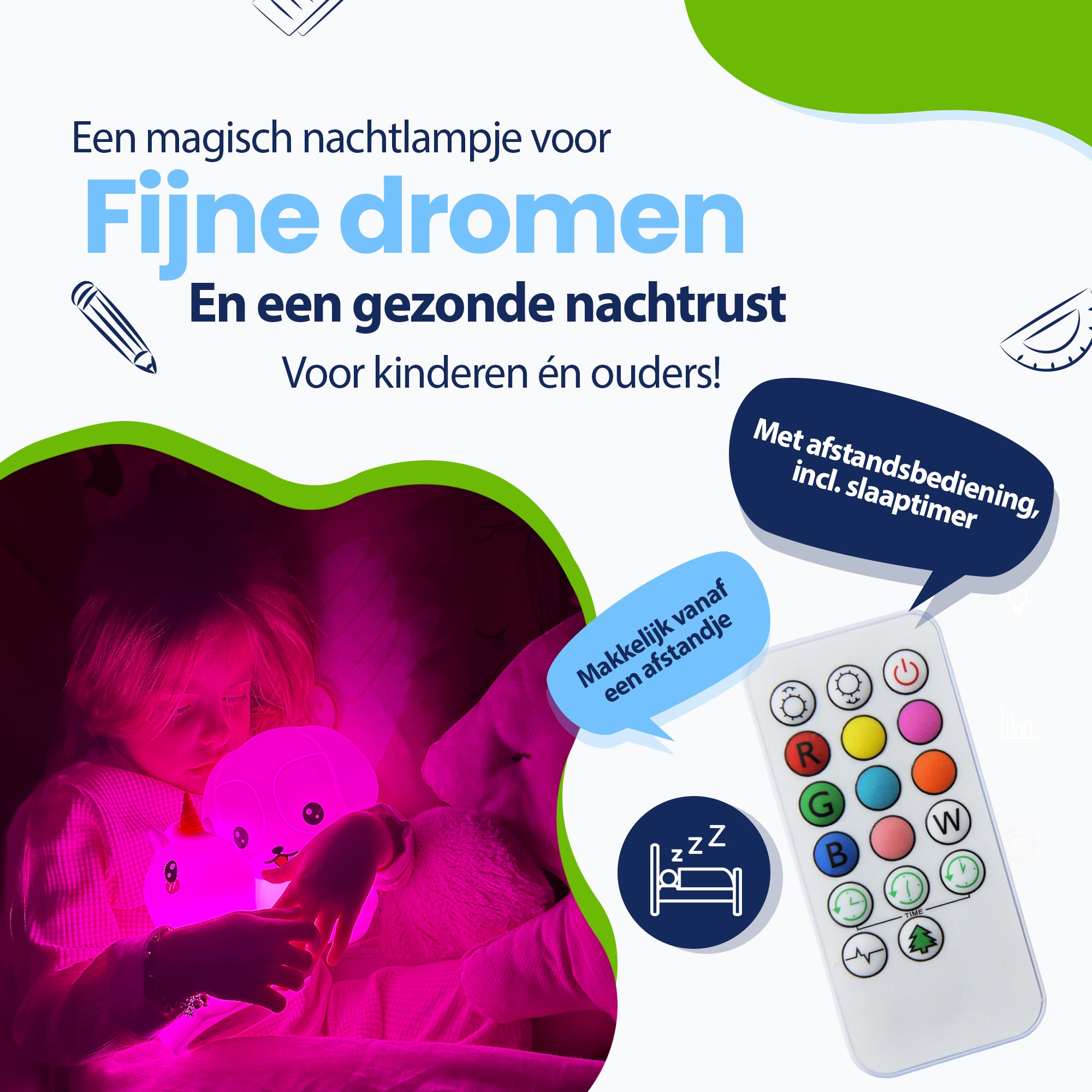
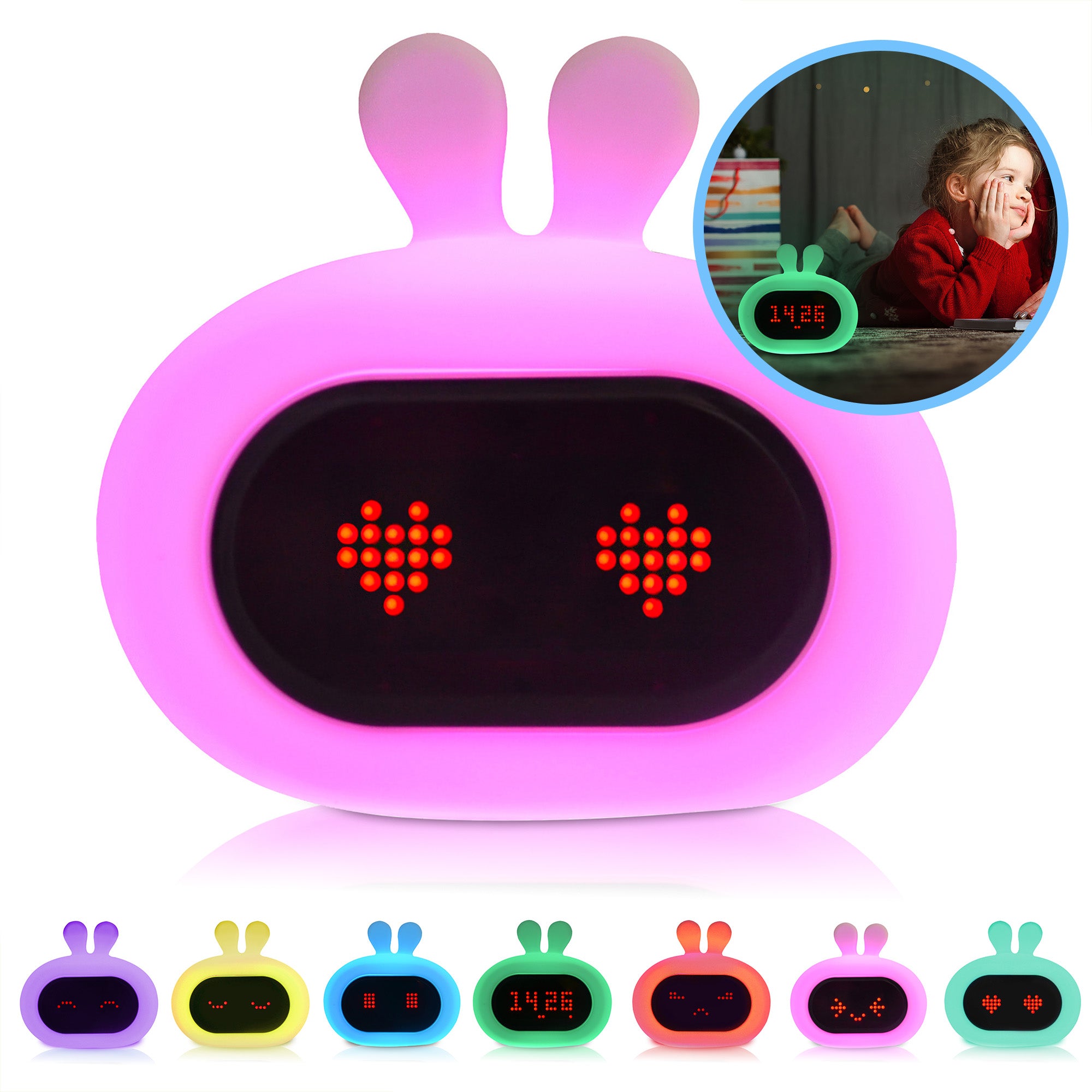
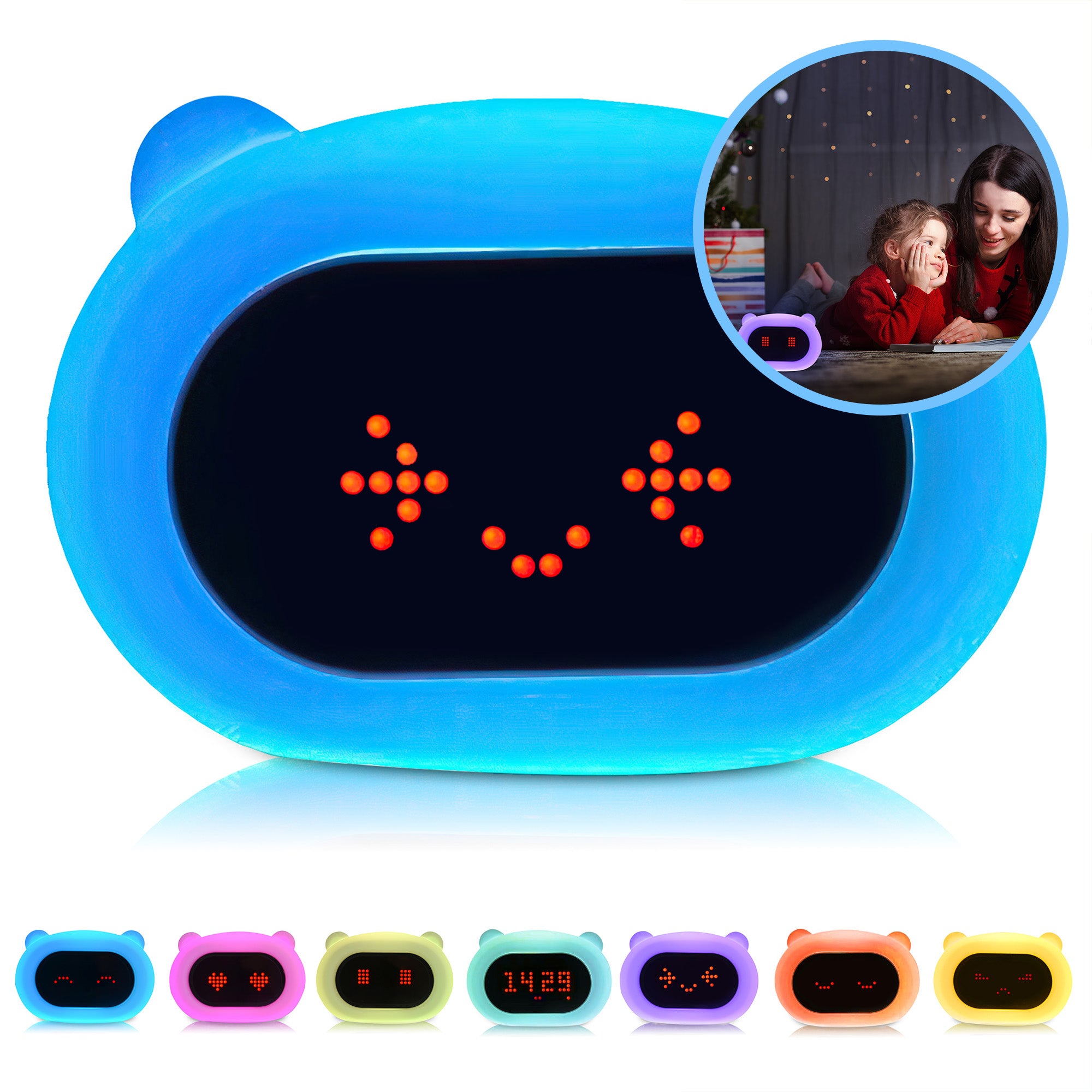
For toddlers and preschoolers who wake early or still struggle to understand the difference between night and morning, a sleep trainer can bring a great deal of calm. A colour, symbol or face shows a child when it is time to sleep and when the day may begin.
This works best when you discuss the sleep trainer together during the day. Explain in simple words what your child sees: while the light is still in night mode, it is still quiet time. When it switches to morning mode, the day may begin. Do not expect every morning to go perfectly straight away. Children learn the pattern through calm repetition.
Choose a model with soft brightness and clear, recognisable signals. A sleep trainer is mainly a support for structure, not a clock your child must obey. Adjust the times to what is realistic for your family.
A night light for a familiar feeling
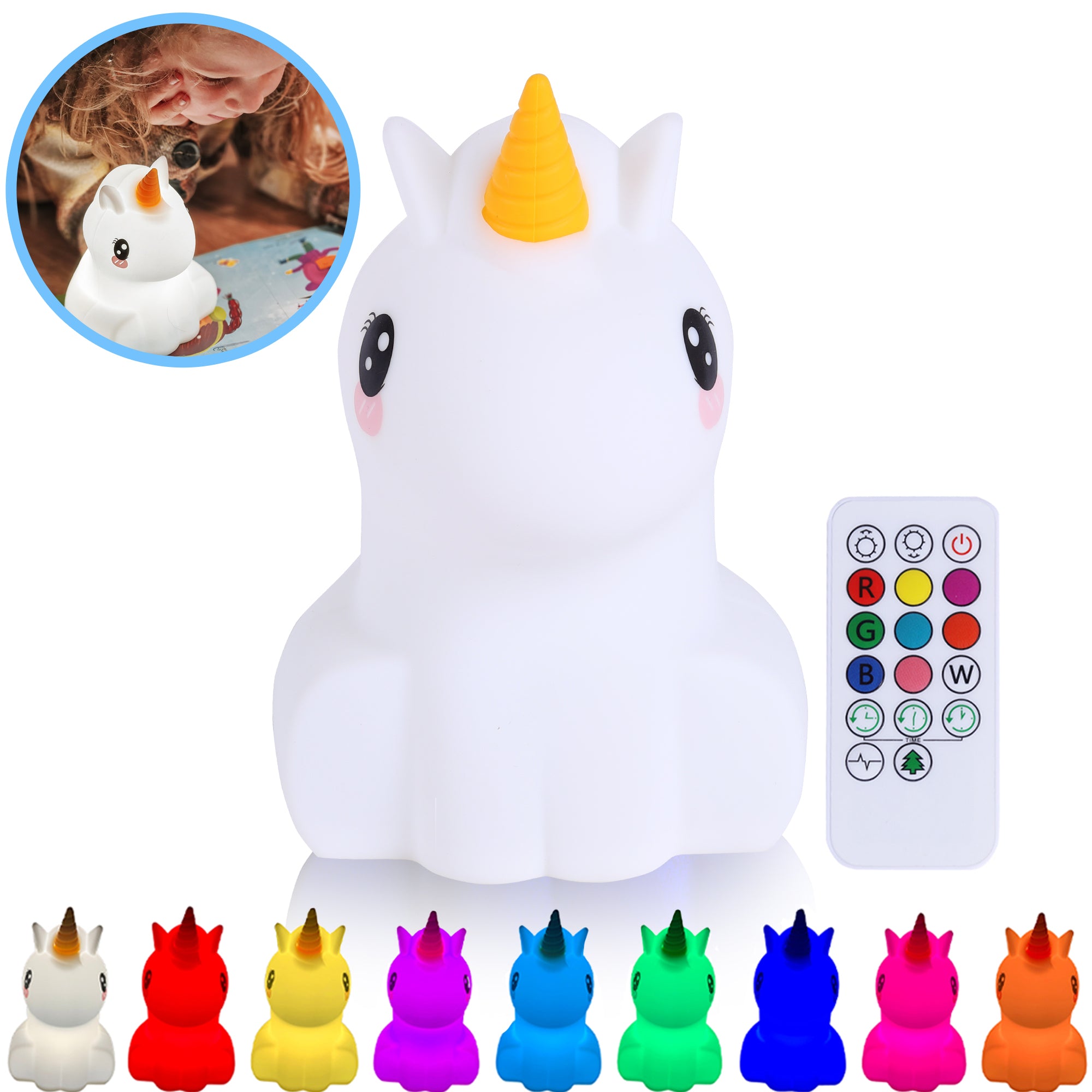
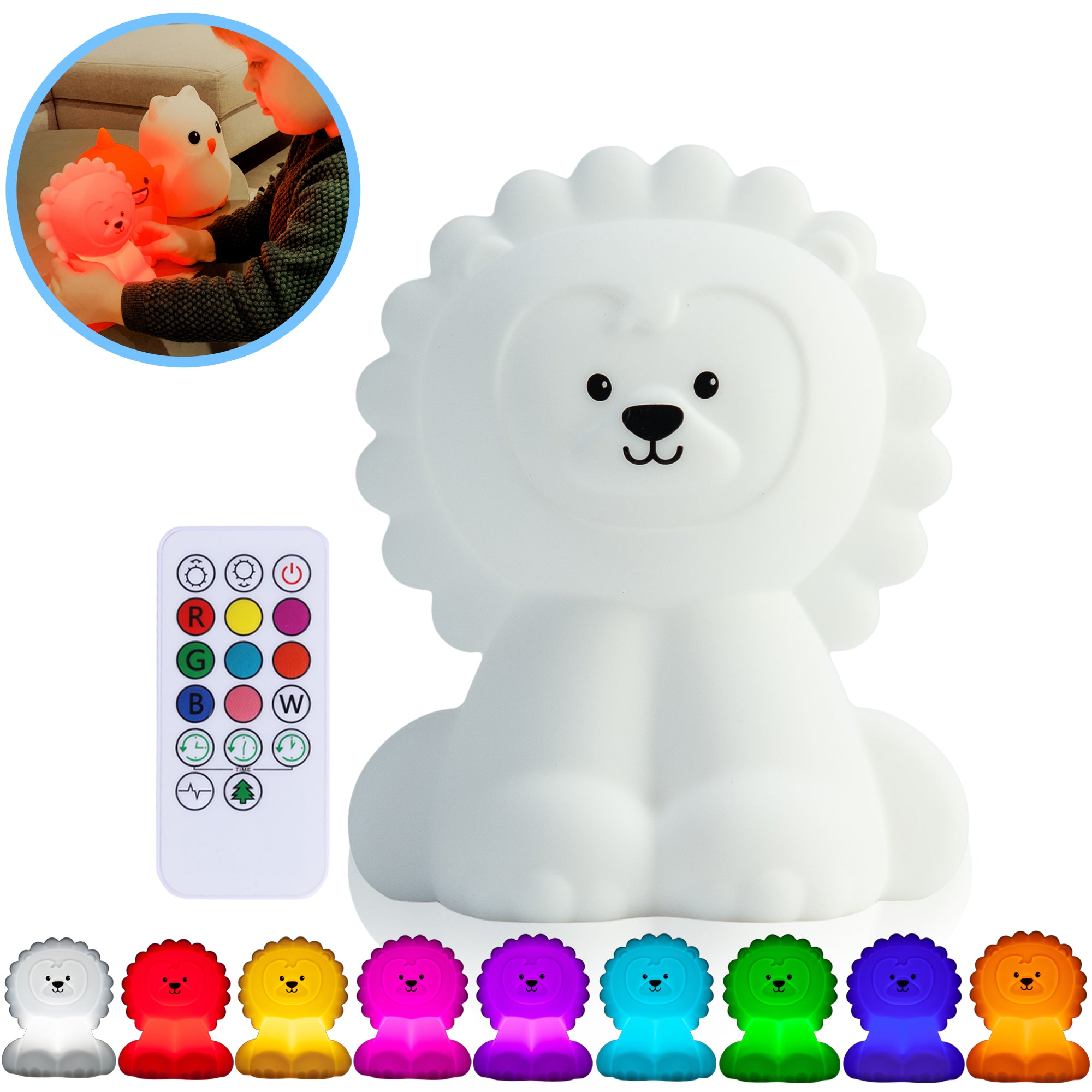
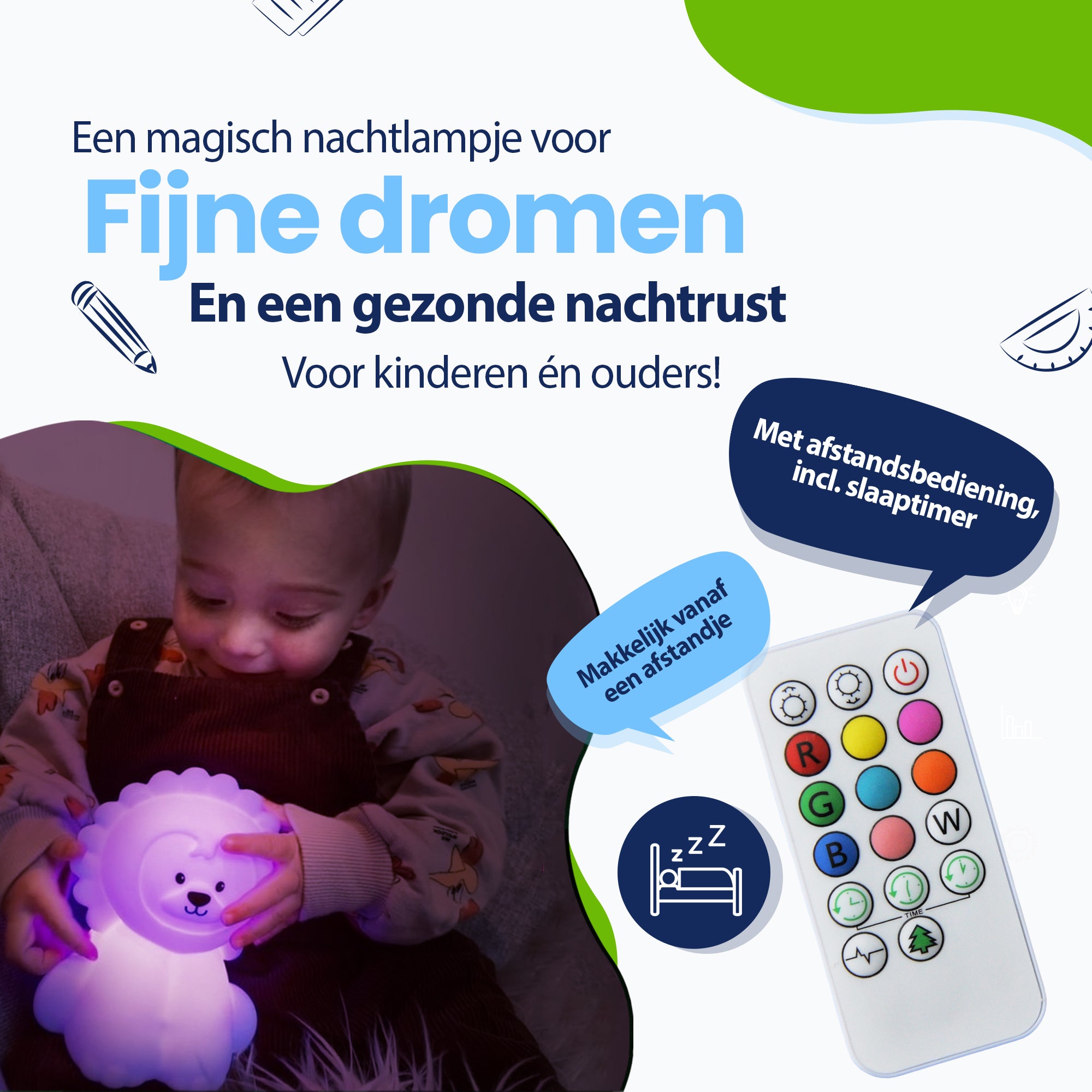
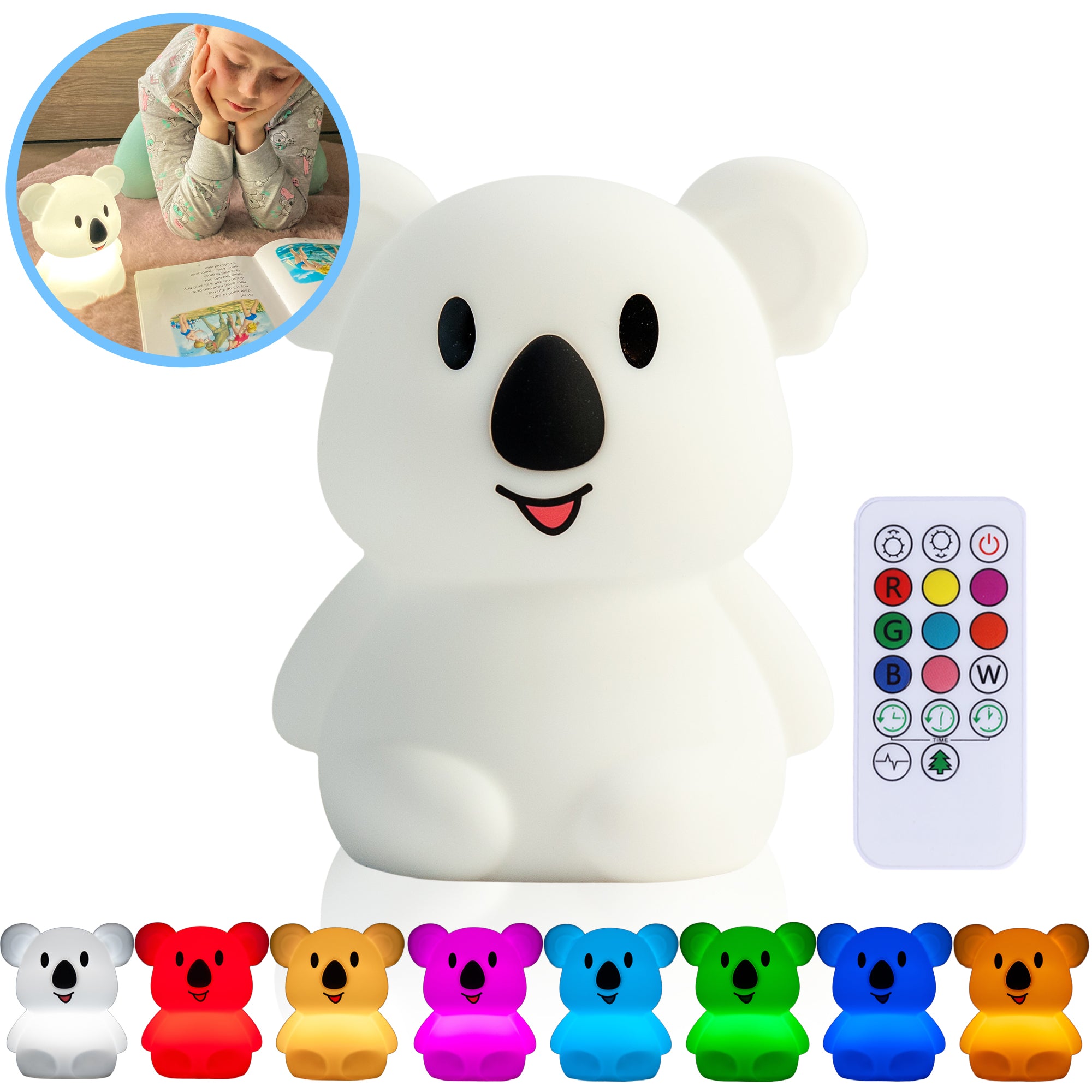
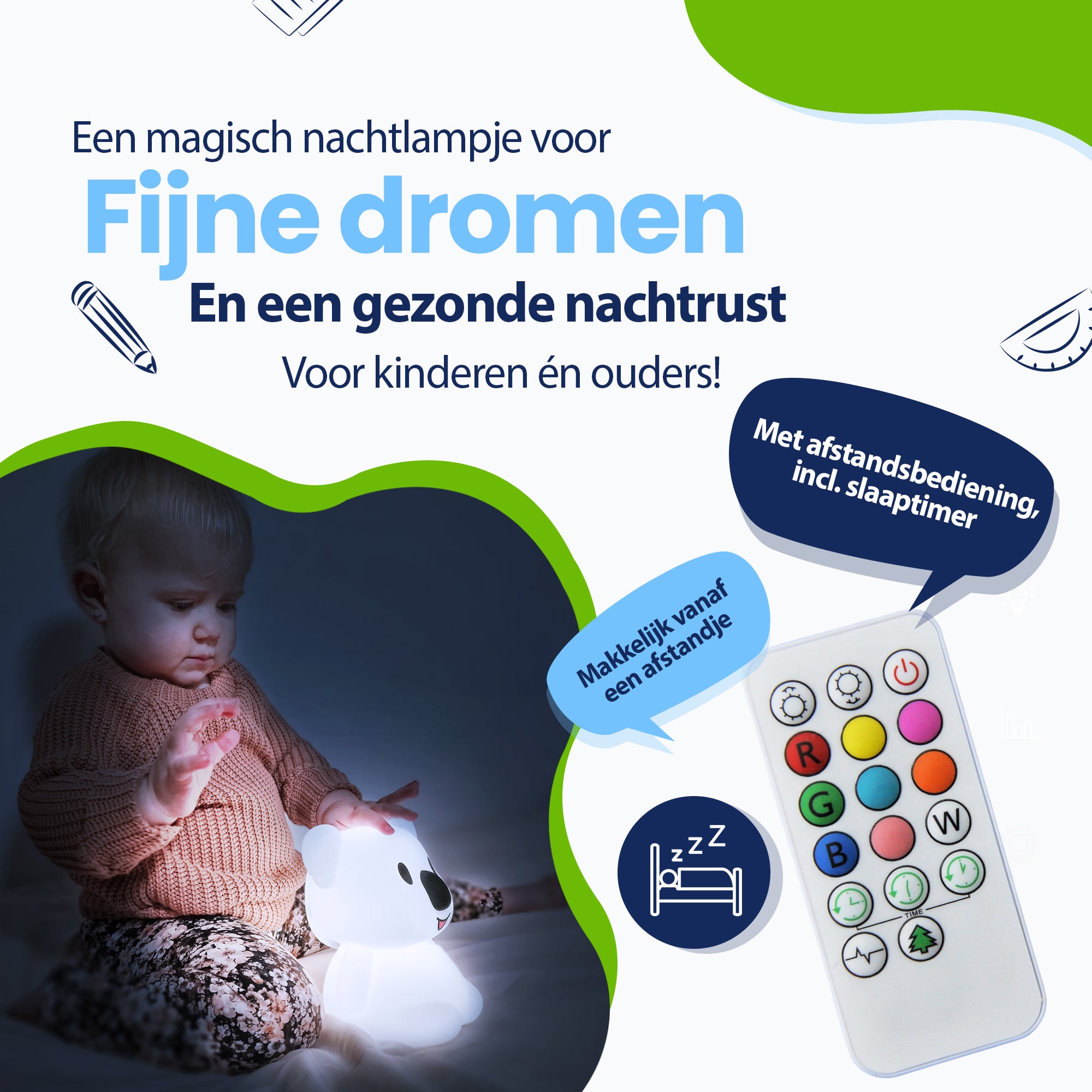
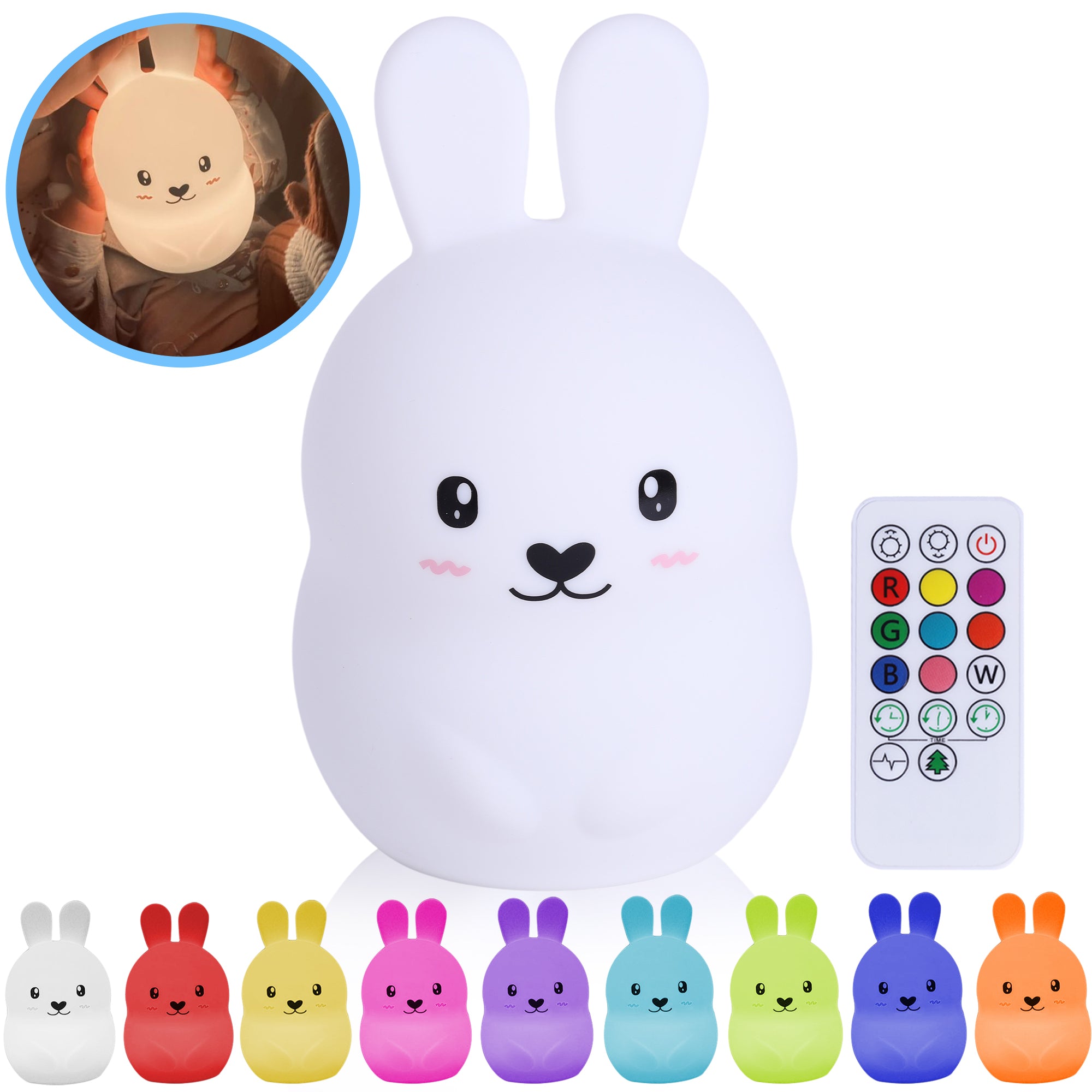
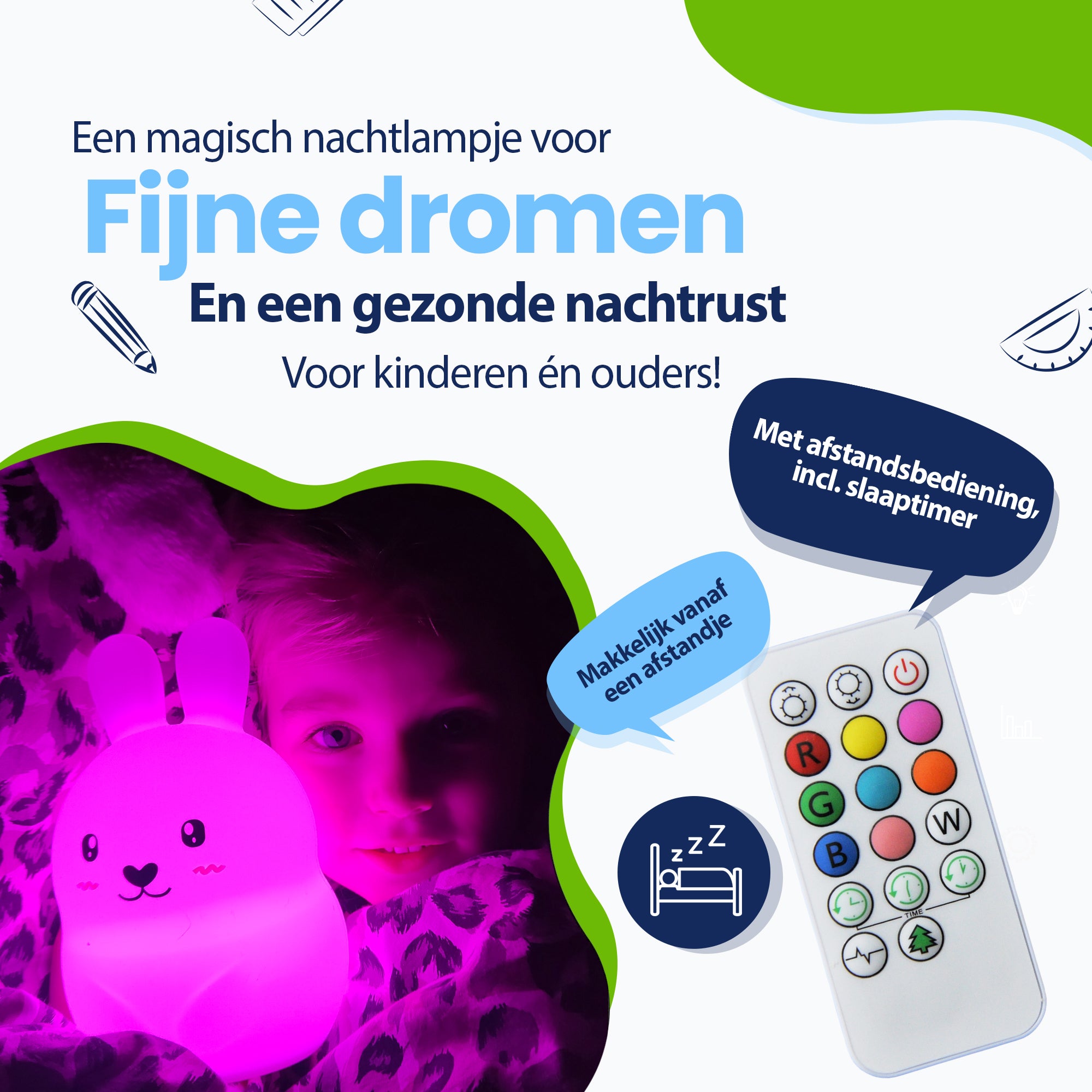
A night light is a simple choice that can make a big difference to the atmosphere in the bedroom. It softens the sharp transition between a lit living room and a dark bedroom. For children who wake at night, a small, familiar point of light can help the room continue to feel recognisable.
Warm, dimmed light usually suits the evening better than bright white light. Ideally, choose a lamp that is not too distracting and does not have constantly changing light effects. A calm animal figure or a simple shape can be particularly comforting: it becomes a familiar part of the bedroom.
Consider practical use too. A rechargeable night light can be convenient because no loose cable is needed while it is being used. Keep charging cables and adapters out of reach of young children and follow the instructions when charging.
A soft cuddly toy as a regular bedtime companion
A cuddly toy can make a small ritual feel very personal. Some children still want to talk about what happened that day just before they go to sleep. A familiar cuddly toy listens patiently, comes to bed tucked under an arm and is there when a child wakes during the night.
It does not need to be a large collection. One regular bedtime cuddly toy is often calmer than a bed full of toys that can still inspire all sorts of play. Involve your child in the choice and give the toy its own place in the routine: after brushing their teeth, you say goodnight together, and then the cuddly toy can come to bed.
With babies, pay particular attention to safe sleep. Keep the sleep surface clear and always follow the current safety advice for your child's age. A cuddly toy can, for example, be part of story time and then remain outside the cot.
Calm music or a simple lullaby
Music can make the transition to bed gentler, provided it remains calm and predictable. A soothing lullaby or quiet music box can mark a pleasant end to the day.
The strength lies not in the number of songs, but in recognition. Perhaps you sing the same short song every evening before the light goes out. Small repetitions like these provide stability and create space for connection.
Keep the volume low and the moment short. Music is not background noise here, but a deliberate moment to wind down together.
A book for the transition from play to sleep
A storybook does not have to carry the entire bedtime ritual, but it can be a valuable part of it. A calm story time can help slow the pace at the end of the day. You sit close together, follow a story and briefly shut out the bustle of the day.
In the evening, choose a short, familiar story rather than an exciting new adventure. Young children often enjoy repetition. They know the pictures, complete sentences and understand that after the final page comes the next step: saying goodnight.
A basket with a few bedtime books prevents endless choosing. Change the selection occasionally, but leave at least one favourite in place. Familiarity is often more valuable than variety at bedtime.
How to choose aids that suit your family
The best choice depends on the point at which bedtime becomes difficult. Is your child mainly uneasy in a dark room? Start with a night light. Does it often go wrong when they get up too early? A sleep trainer may make more sense. Does your child struggle to say goodbye after a busy day? A regular cuddly toy and a short story may mean more than extra technology.
Consider age as well. With babies, the focus is primarily on a safe sleep environment and a simple, familiar routine. Toddlers increasingly understand simple visual signals and can be actively involved in the ritual, for example by saying goodnight to the sleep trainer. Preschoolers can take a more active role: turning on the night light themselves, choosing a book or tucking in their cuddly toy.
It is better to buy one or two aids that you use consistently than to fill a room with them. Too many choices can make the ritual longer, while the aim is to bring the day to a calm close. A sleep trainer, night light or cuddly toy only gains meaning through the regular place it has in your evening.
Turn the aids into a small ritual
A calm bedtime does not come from a perfect room, but from a familiar sequence. You might begin by tidying up, washing and putting on pyjamas. Then comes a short, quiet moment with a book or song. The night light goes on, the cuddly toy joins in and the sleep trainer is wished goodnight.
Try to keep the order as consistent as possible, even when an evening turns out differently. A visit, a late meal or tiredness can naturally happen. That is exactly when it helps to retain one or two fixed anchors. There may not be time for two books, but there can still be time for the familiar song and the same goodnight ritual.
Give your child small choices within clear limits. For example, ask: “Would you like to take the bear or the rabbit?” or “Shall we read this book or that one?” This helps a child feel seen without turning bedtime into a negotiation.
Calm begins with attention, not perfection
The best aids for a calm bedtime are those that make your evening just a little simpler and more familiar. They support an atmosphere in which your child knows what comes next and you do not have to think of something new every evening. At Kadoing, this idea is reflected in aids that bring comfort, play and structure together in a calm way.
Sometimes bedtime remains unsettled, even with the loveliest lamp, cuddly toy or sleep trainer at home. A soft light, a familiar song and a few minutes of undivided attention may already help bring the day to a calm and comforting close.