The evening often starts long before toothbrushing. A toddler who is still full of stimulation at half past five, tired but unwilling to admit it, or suddenly seems to have a second burst of energy, shows just how sensitive this part of the day can be. This guide to a toddler sleep routine is written for parents who want less bedtime resistance, more calm, and above all, an evening ritual that truly suits their child.
Why a sleep routine for toddlers makes such a big difference
Toddlers thrive on repetition. It is not boring to them; it provides security. During a stage of life when so much is changing—language, emotions, independence, and boundaries—a consistent sleep routine offers clarity. Your child does not have to figure out every evening what comes next. Their body and mind begin to recognize the sequence.
You often notice this through small signals. A toddler who was energetic moments before may gradually calm down after a few familiar steps. Not because a routine is magical, but because predictability reduces tension. Fewer surprises often mean less resistance.
At the same time, it is important to stay realistic. A consistent routine will not guarantee effortless sleep every night. Some days are busier, more tiring, or more emotional than others. The real benefit is usually found in the bigger picture: calmer bedtimes, fewer negotiations, and a child who better understands what is expected.
Toddler sleep routine guide: how to structure the evening
A good routine does not have to be long or complicated. In fact, simplicity usually works best for toddlers. Aim for a consistent sequence lasting around 20 to 40 minutes, depending on your child’s age and temperament.
Start with a clear transition from active to calm. This may mean avoiding energetic games after dinner and dimming the lights around the house. Then follow the familiar steps: tidying up, putting on pyjamas, brushing teeth, one last trip to the toilet or a diaper change, reading a book, and cuddling in bed.
The order is more important than perfection. When your child knows what step one, two, and three are, a sense of calm develops. Try not to add something new every evening. An extra game, one more song, or another sip of water may seem small, but for a toddler they can quickly become part of the bedtime negotiation.
A short bedtime routine often works better than a long one. Many parents find that routines that become too cosy or elaborate can actually encourage delaying tactics. Reading together is wonderful, but three books do not necessarily have more impact than one calm story. The goal is not to make the evening fuller, but more predictable and reassuring.
Choose consistent anchors rather than perfect schedules
Not every family follows exactly the same timetable, and that is perfectly fine. What helps are consistent anchor points. For example: the calm period starts after dinner, changing into pyjamas always happens in the bathroom, reading always takes place in the same spot, and the lights go out after the final book.
For working parents, childcare days, or evenings that vary from one day to the next, this is often more practical than a schedule that must be followed down to the minute. Toddlers benefit more from familiarity than perfect time management.
Pay attention to tiredness, not just the clock
A toddler who goes to bed too late does not always become calmer. Sometimes the opposite happens. Overtiredness can look like hyperactivity, crying, jumping around, defiance, or endless stalling. It may seem as though your child is not tired at all, while in reality their body has already passed its limit.
That is why it helps to look beyond the clock. Rubbing their eyes, becoming more irritable, clingy behaviour, or restlessness may indicate it is time to start winding down earlier. Finding the right bedtime often takes some experimentation. You usually discover the best timing by observing your child over a week or two, rather than in a single evening.
What if your toddler resists bedtime?
Resistance is often completely normal. Toddlers are learning independence, testing boundaries, and wanting more control. Bedtime is a natural moment to say “no” because it means saying goodbye to attention, light, and activity.
The key is to be both kind and clear. Avoid renegotiating every time, while still acknowledging your child's feelings. You might say that you understand they want to keep playing, and then continue with the routine. This approach usually works better than becoming strict or giving in out of exhaustion.
Choices within boundaries can help. Instead of asking, “Do you want to go to bed?”, ask, “Would you like the red pyjamas or the blue ones?” or “Would you like to brush your teeth first or choose a book first?” This gives your toddler a sense of control without disrupting the evening routine.
If your child regularly gets out of bed, a calm and consistent response is often more effective than lengthy explanations. Simply guide your toddler back to bed in the same calm way each time. It may not seem dramatic, but this predictable response clearly communicates what is expected.
The bedroom as part of the routine
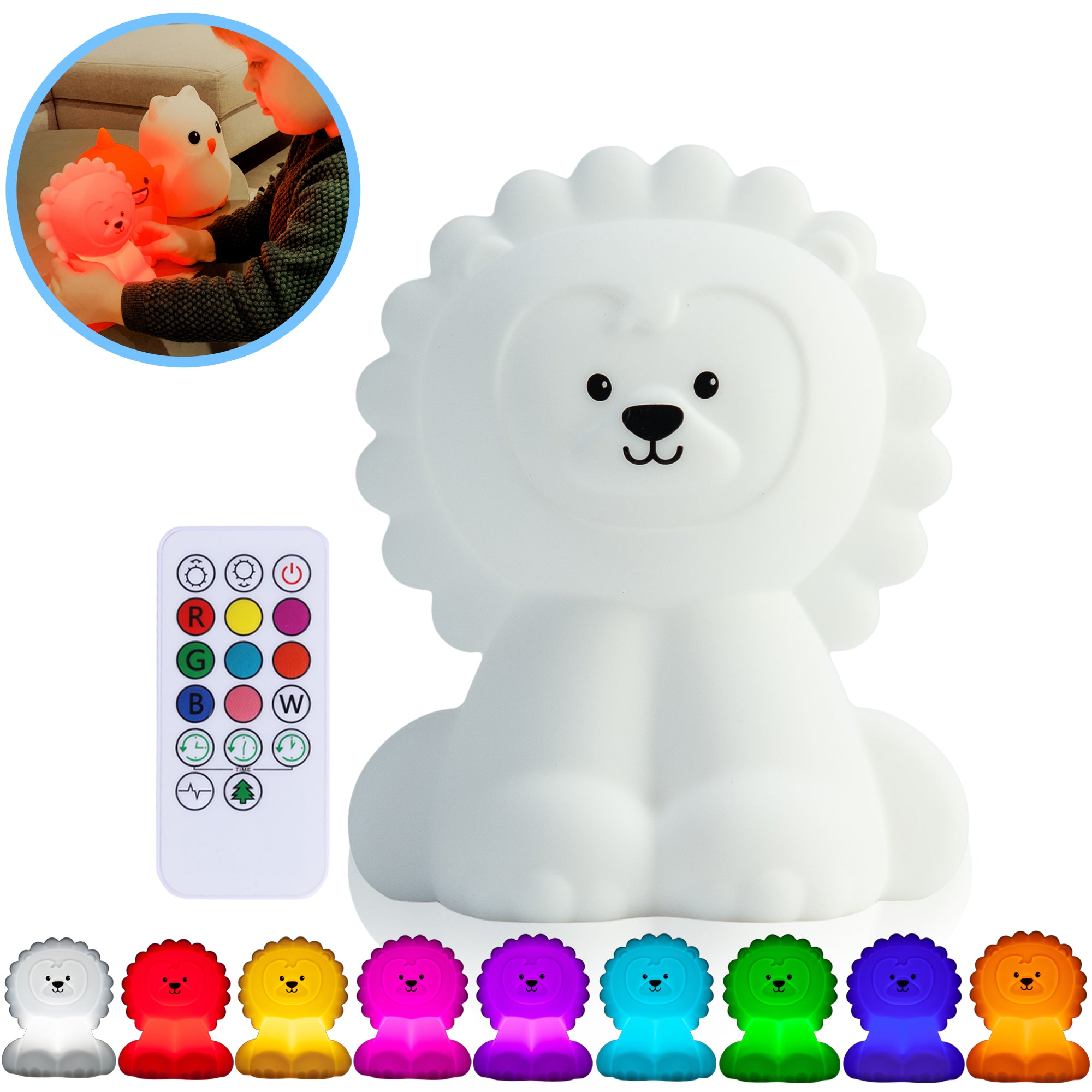
A sleep routine is not only about behaviour. The environment matters too. A calm room, limited visual distractions, and a familiar atmosphere all help signal that the day is coming to an end. For some toddlers, soft lighting makes a real difference during the transition to sleep, especially if darkness feels unsettling or bright overhead lighting creates restlessness.
A favourite comfort toy, cuddly companion, or familiar bedtime melody can also be supportive. Not as a solution to everything, but as part of a consistent overall routine. These sleep associations can create a sense of security without requiring extra words or effort.
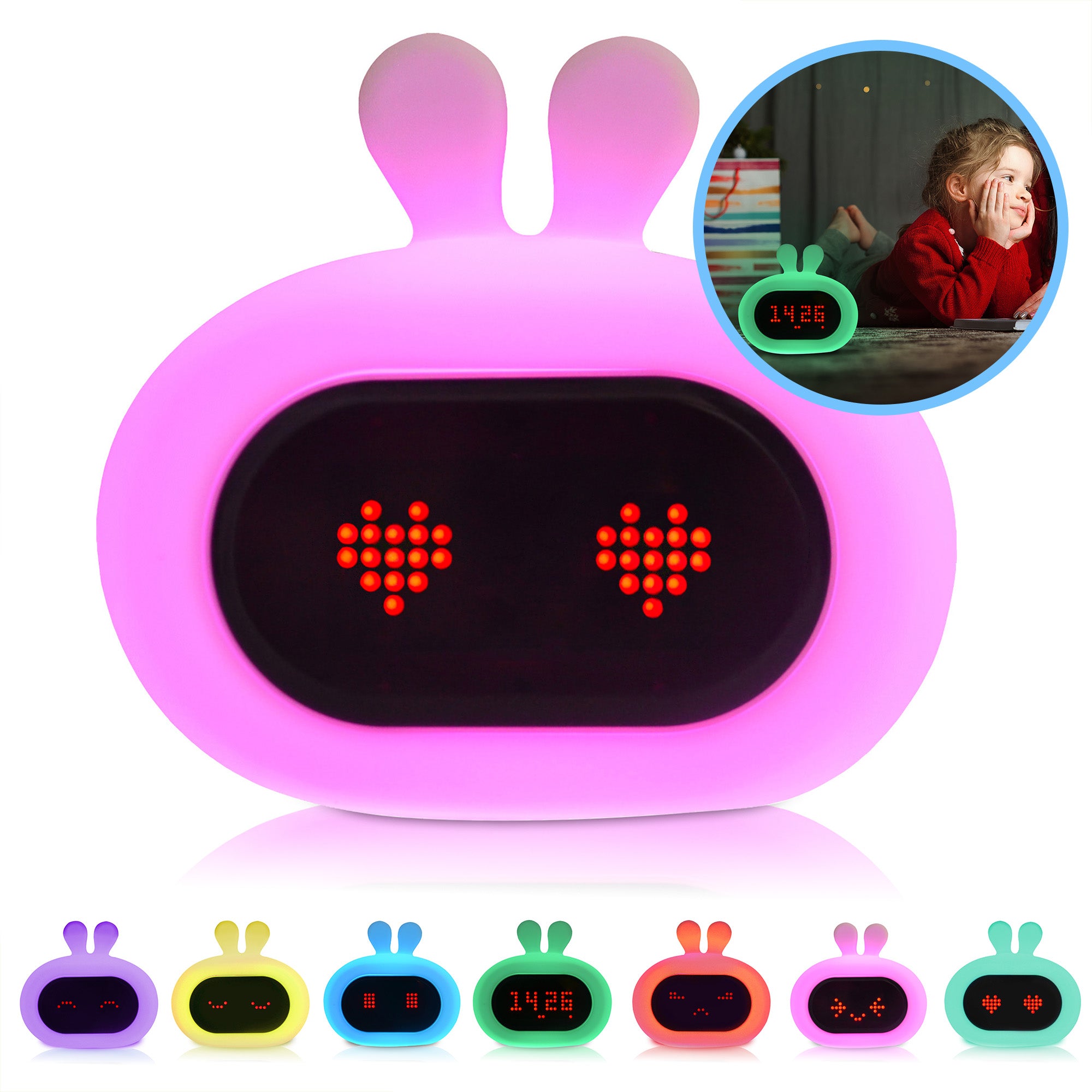
Some families also find that a children's alarm clock or sleep trainer becomes useful once their toddler begins to understand the difference between day and night. Not every child is ready for this straight away, but for toddlers who wake up early or constantly ask when it is bedtime, visual cues can be very helpful. Because toddlers cannot yet rely on time itself, a simple and familiar signal often works better than repeated explanations.
How long does it take for a routine to work?
That depends on your child, but also on how consistently the routine is followed. Many parents notice signs of familiarity within a few days, while deeper calm often takes a little longer. Think in terms of weeks rather than expecting one perfect evening.
There will also be times when a routine temporarily becomes less effective. A busy period, a developmental leap, a new bedroom, potty training, or changes in childcare can all have an impact. That does not mean the routine is failing. Sometimes it simply means your child needs a little more closeness or simplicity for a while.
Try not to change everything too quickly. If you switch strategies every few days, the routine becomes less clear for your toddler. Instead, adjust one thing at a time. For example, start fifteen minutes earlier, shorten reading time, or create a calmer transition after dinner.
A sleep routine that suits your family
You will find plenty of schedules online, but a good toddler sleep routine is always personal. An energetic toddler who needs lots of movement requires something different from a sensitive child who becomes overstimulated easily. Likewise, a family with multiple children may need a different approach than parents who have plenty of time for a long bedtime ritual.
That is why it is wise not only to focus on what is considered “correct,” but on what genuinely works in your home. Does your child relax when reading together, or do they prefer a short song followed by being tucked in? Does bath time help them unwind, or does it make the evening longer and more stimulating? Does talking create connection, or does it actually keep your child awake?
Often, the answers lie in these small observations. A good routine should not feel like an achievement; it should feel like a gentle repetition that fits naturally into your evening. This is also where brands like Kadoing aim to support parents—not with extra noise or unnecessary products, but with practical tools that help bring more calm and structure to everyday family life.
Common bedtime mistakes
One of the most common mistakes is starting too late. Once the evening has already become stressful, every step feels more difficult. Another common pitfall is staying longer and longer out of good intentions. One more cuddle, one more story, one more visit back into the room. While loving in nature, for some toddlers this can make saying goodbye even harder.
Inconsistent signals can also create confusion. If bedtime is negotiable one evening but not the next, toddlers will naturally continue testing boundaries. That is normal behaviour. Clarity is often more effective than strictness.
It is also important not to set unrealistic expectations. A calm sleep routine does not mean your child will always go to sleep without protest. It means there is a safe and familiar foundation that you can keep returning to together.
Sometimes progress shows itself in small ways: five fewer minutes of resistance, calming down more quickly after brushing teeth, or a child who points to their bedtime book because they know what comes next. These are signs that the routine is taking hold.
If you want to make a change tonight, start small. Choose one consistent moment, one clear sequence, and one calm atmosphere to maintain throughout the coming week. For toddlers, that is often more than enough—and for parents, less chaos at the end of the day can quickly feel like more breathing space.
Frequently asked questions about toddler sleep routines
How long should a good sleep routine for a toddler last?
For many toddlers, a routine of around 20 to 40 minutes works well. The most important thing is that the steps are familiar and calming.
What if my toddler keeps getting out of bed?
Stay calm and consistent. Gently return your child to bed in the same way each time without engaging in long conversations.
At what age does a sleep trainer work?
Many children begin to understand a sleep trainer from around 2 to 3 years old, depending on their development.
Does a sleep routine need to be exactly the same every day?
No. Consistent anchor points and a familiar sequence are more important than following exact times.