Some days begin before you have even opened your second eye: a toddler calling for breakfast, wanting to take off their pyjamas or preferring to stay under the covers a little longer. An example morning routine for your toddler does not need to make such moments perfect. A familiar sequence can, however, help reduce how often you need to discuss the next step and make leaving the house a little calmer.
Toddlers are busy doing things themselves, making choices and exploring. That is wonderful, but it can also cause friction between brushing teeth, putting on a coat and leaving on time. A regular, simple routine provides guidance without every morning having to be exactly the same.
Why a regular morning sequence can be helpful
Young children are still developing their understanding of time. An announcement such as “We’re leaving in five minutes” is therefore not always very clear. A familiar sequence can be more concrete: first get dressed, then have breakfast, then put on shoes. By repeating this order regularly, your child can increasingly recognise what comes next.
This does not mean that a routine prevents all rushing, protests or unexpected stains. Some mornings are simply messy, especially after a poor night’s sleep, when a sibling needs attention or when you wake up later than planned. So see the routine as a friendly guide, not as a list that must be completed at any cost.
A regular sequence can be helpful for parents too. You need to think less often about the next step and can adapt the routine when necessary.
Toddler morning routine example: a manageable sequence
The example below suits a family leaving in the morning for nursery, playgroup or an appointment. Feel free to spend longer on a step if that works with your pace.
1. Wake up calmly
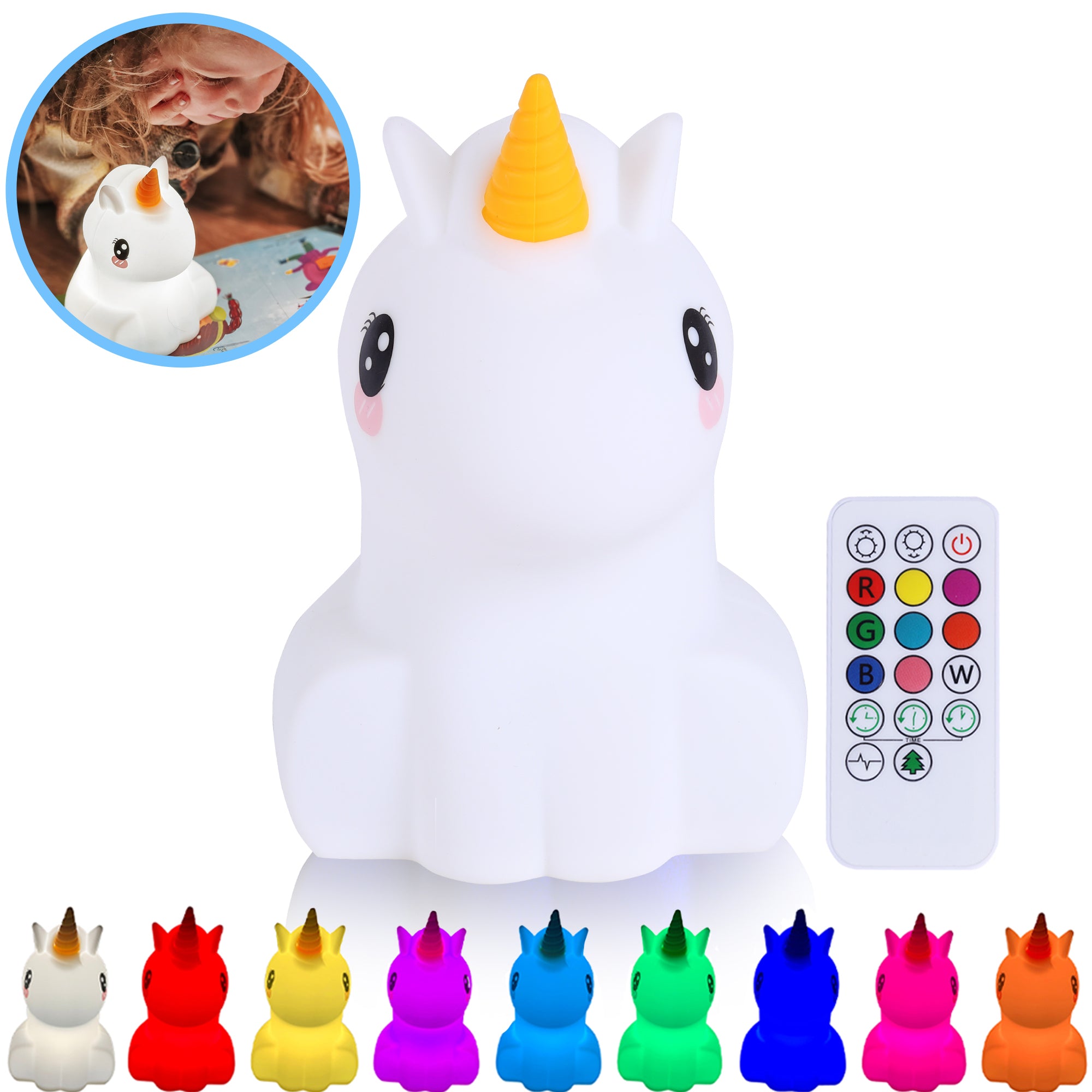
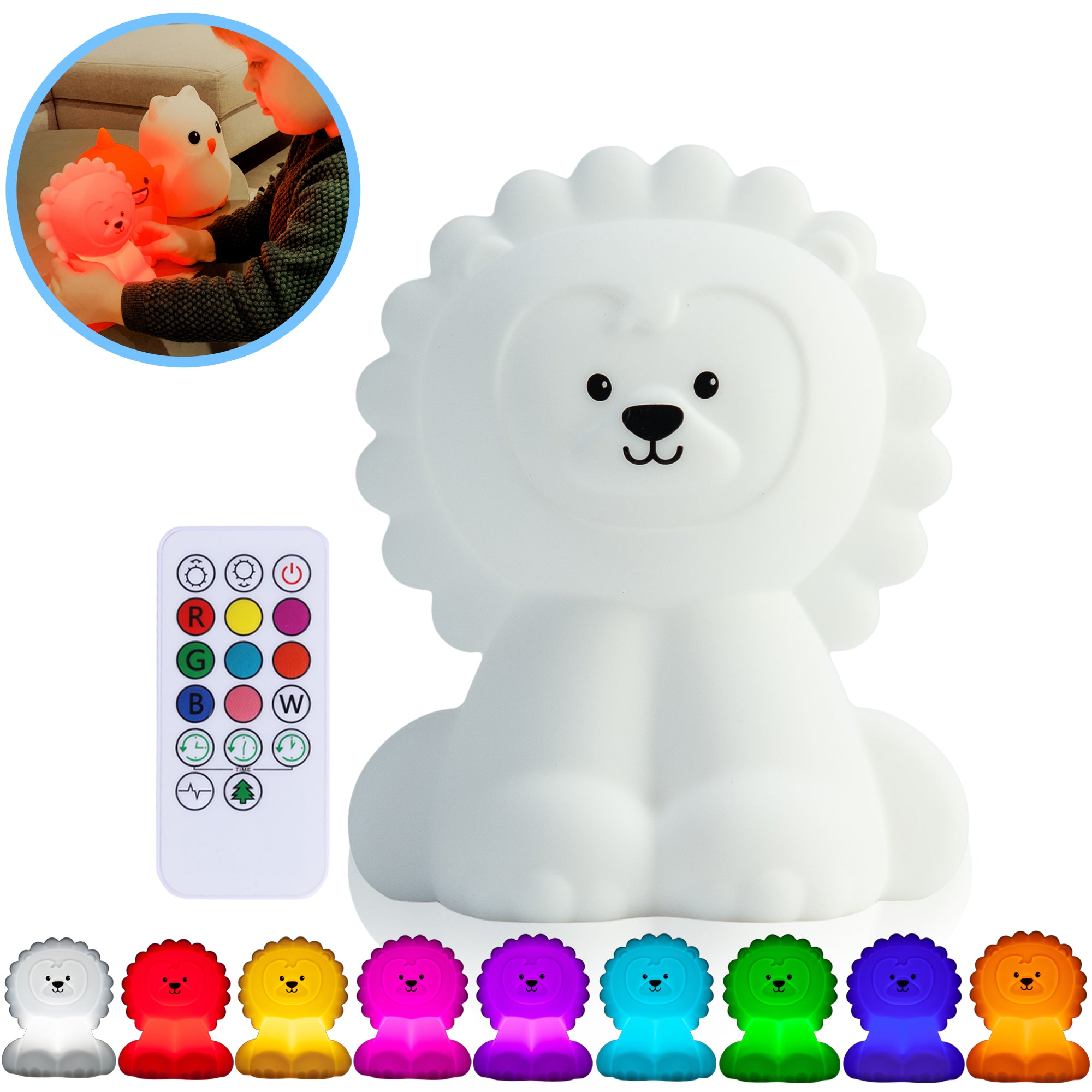
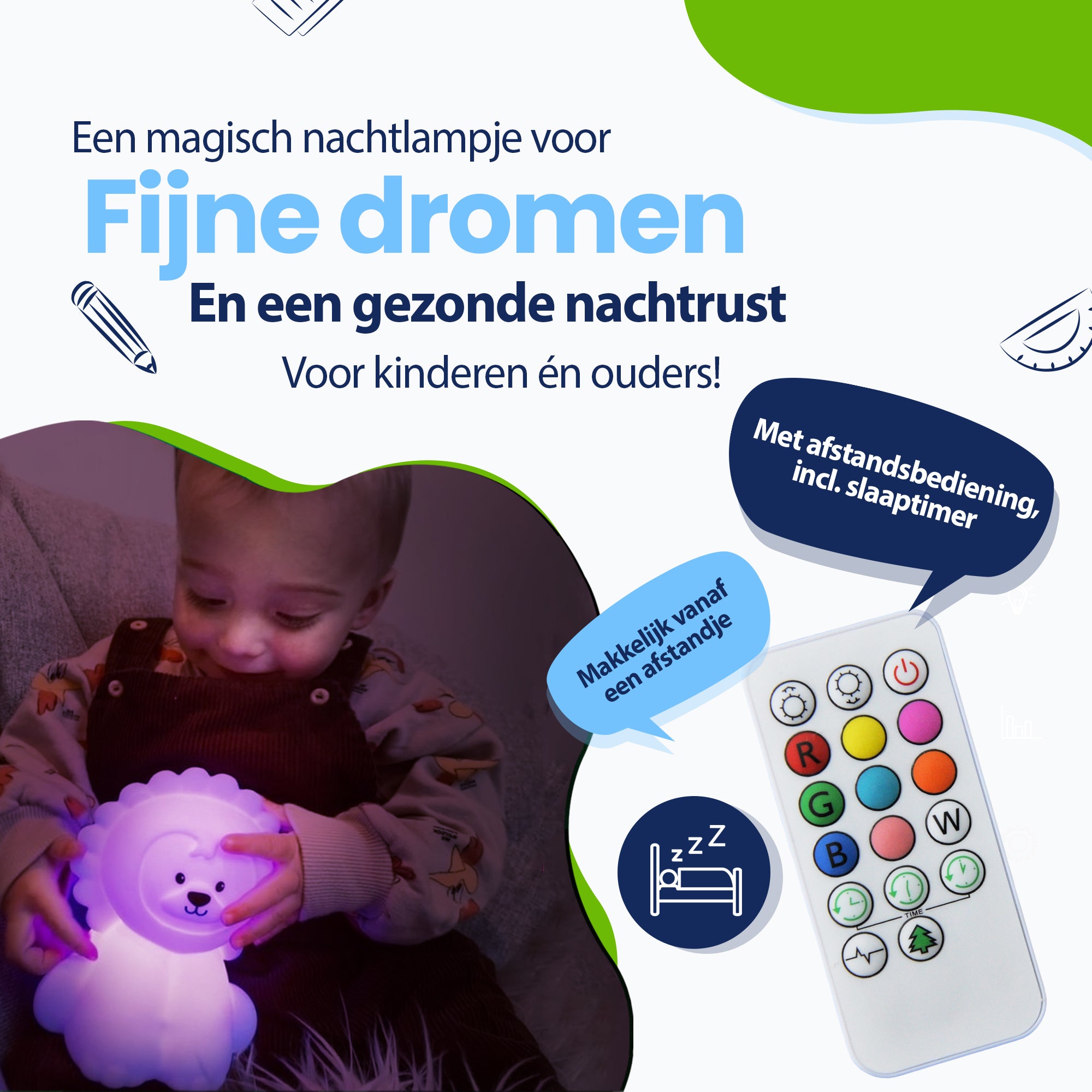
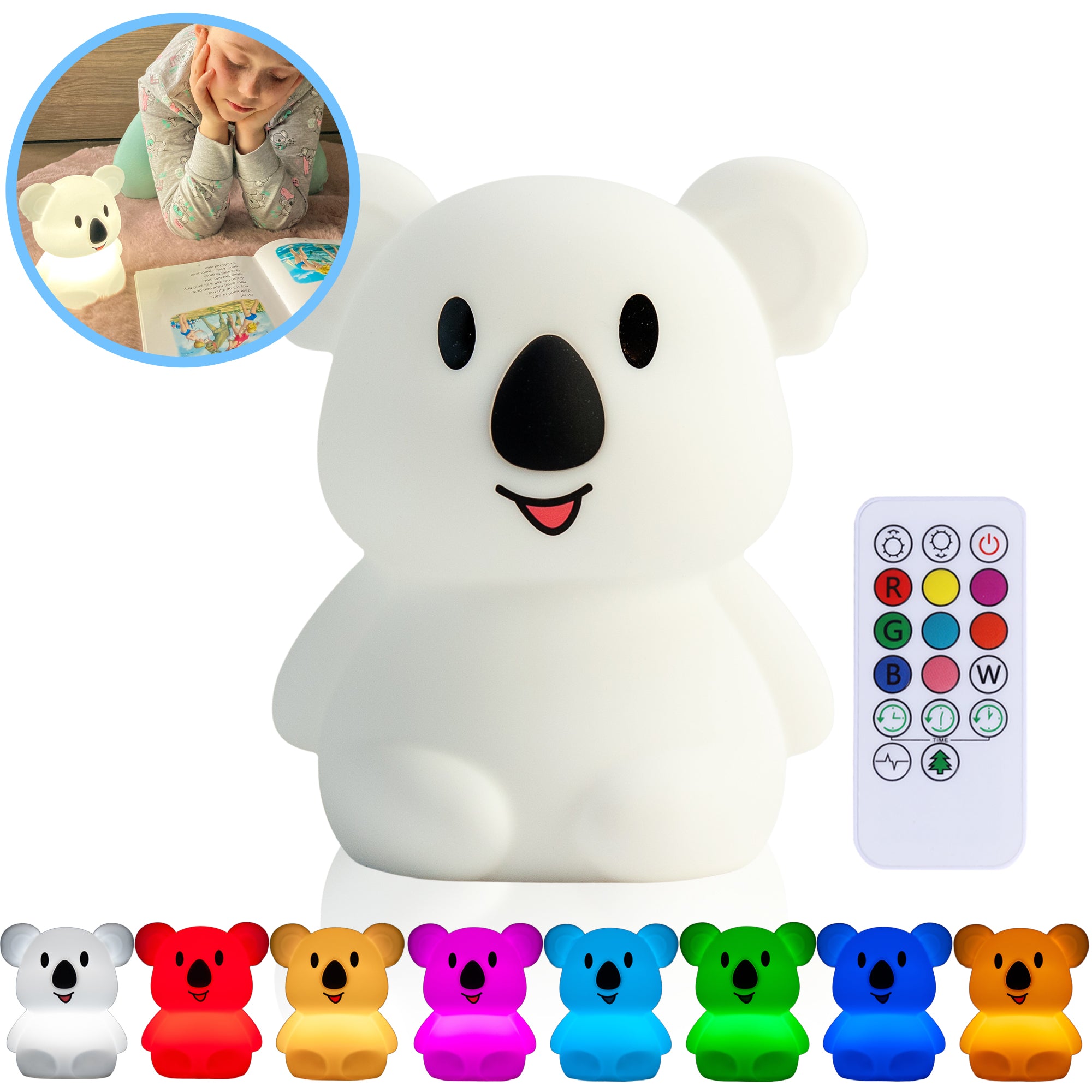
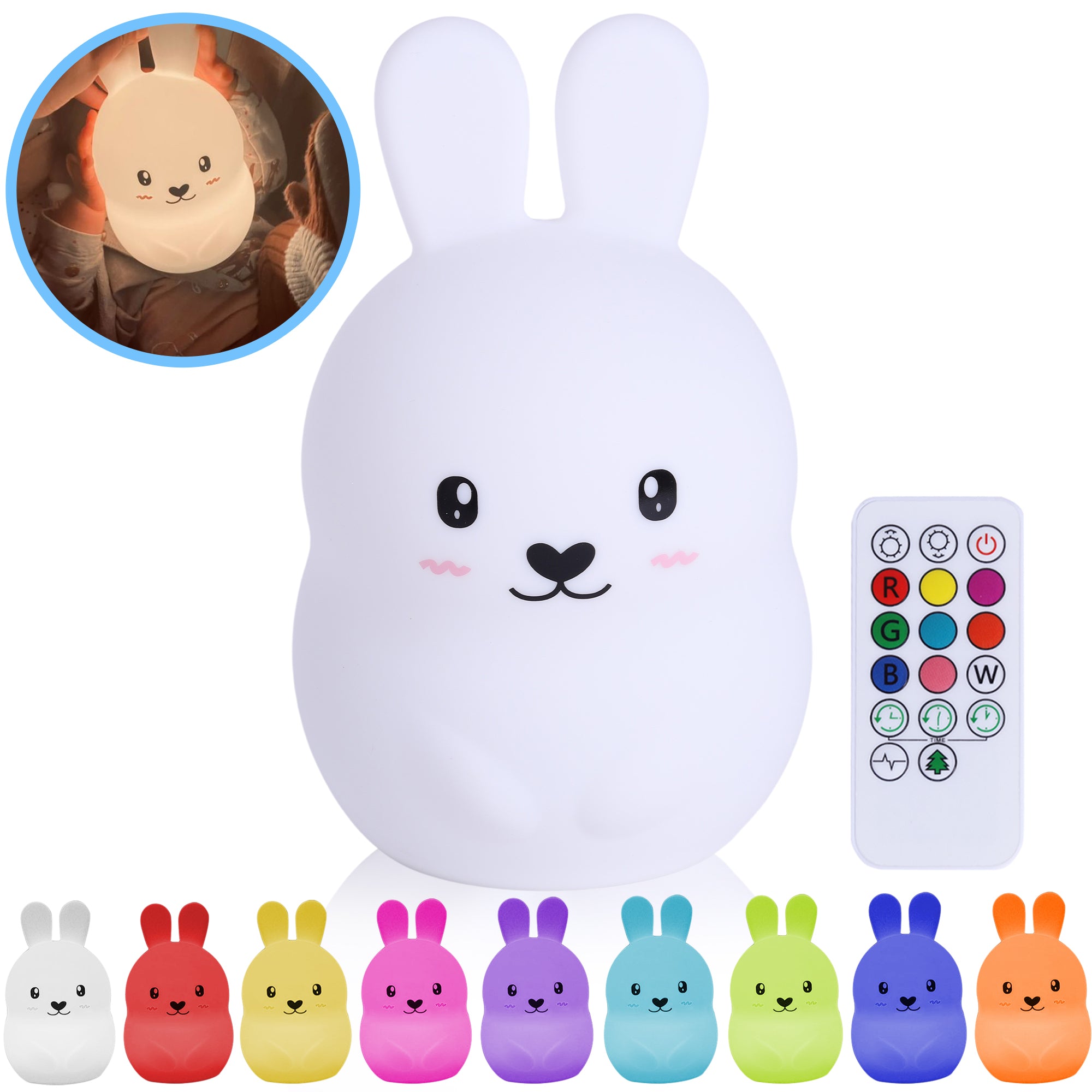
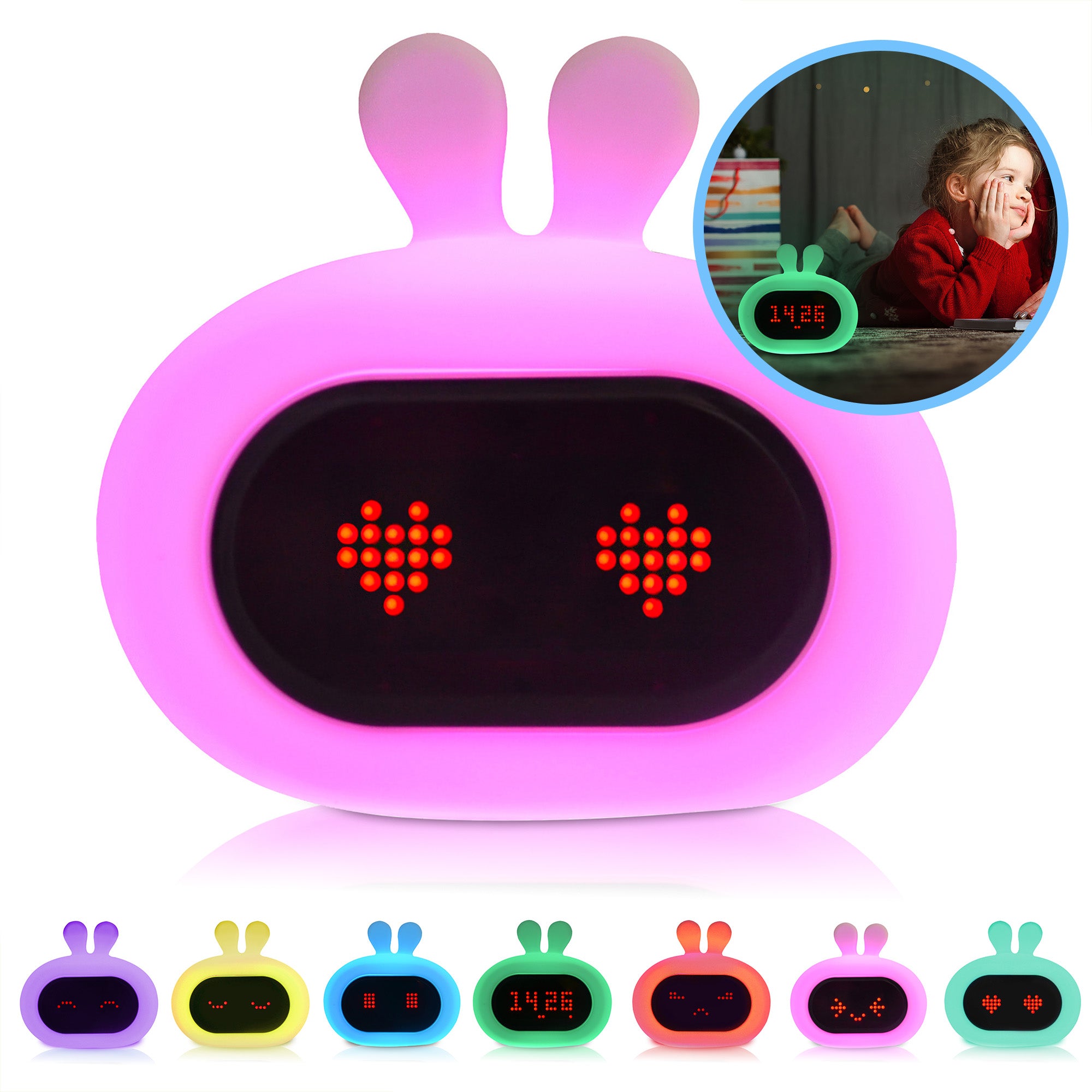
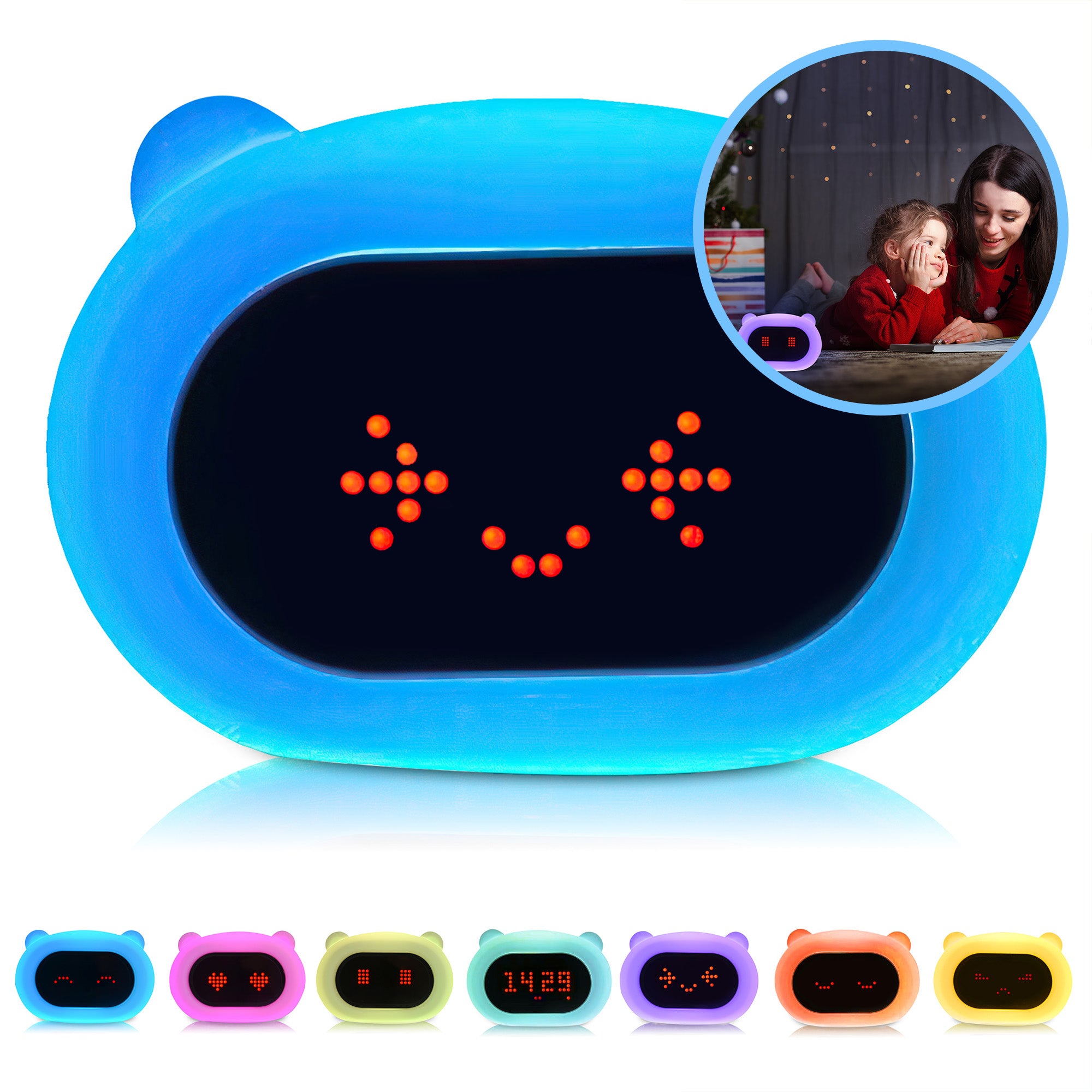
Start with a small, regular moment: open the curtains, have a cuddle, sit together on the bed for a while or sing a gentle song. Some families use a children’s alarm clock or sleep trainer as a familiar signal that the day may begin. This kind of aid is not a solution for every early morning, but it can form a visual part of your ritual.
Keep your words simple: “Good morning, the light is on. We’re going to get up calmly.” It is better to repeat the same short sentence than to give lots of explanations while your toddler is still sleepy.
If you would like to practise this distinction further, read how to explain day and night to a child.
2. Use the toilet or change the nappy
Make this a normal, predictable step before the day truly begins. Offer a small choice where possible: “Would you like to walk to the bathroom yourself or shall I carry you?” The destination remains the same, but your child has some say within that boundary.
Set out clothes and other necessities in advance as much as possible. This saves you from searching while your toddler decides that a sock has suddenly become a fascinating toy.
3. Get dressed with room for independence
Where possible, give your child room to try something independently, even if it takes a little longer. Choose one task your child can practise, such as putting an arm through a sleeve, handing you a pair of trousers or choosing their own jumper from two options. You can do the rest when time is short.
You can keep the number of choices limited, for example by letting your child choose between two tops. To prevent clothes from becoming a daily point of discussion, choose an outfit together the evening before. This makes the morning moment smaller and easier to manage.
4. Have breakfast together
Put a few familiar things on the table and try to sit down yourself for a moment if you can. This is often a good time to explain what will happen that day: “After breakfast, we’ll put on your shoes and go to nursery.”
You can also give your toddler a small task, such as putting down a napkin, fetching a spoon or helping to put fruit in a bowl. Above all, make it a simple moment together.
5. Wash and brush teeth
Link brushing teeth to a regular moment, such as immediately after breakfast. A short song, a little sand timer or always following the same order can make the task familiar. You can let your child brush first and then carefully brush their teeth again yourself.
Explain clearly what is going to happen and offer a small choice. For example: “Now we’re going to brush your teeth. Would you like to stand by the mirror or sit on my lap?” This keeps what is happening clear while still giving your toddler a small choice.
6. Coat, shoes and a clear goodbye
Turn the final step into its own mini ritual. First shoes, then coat, followed by picking up a bag or cuddly toy and saying goodbye to the house. A simple phrase such as “We’re ready, let’s go” can become a familiar part of this transition.
If possible, allow a few spare minutes. Just when it is time to leave, toddlers often rediscover an important toy car or want to close the front door themselves. When there is room for it, this independence feels less like a delay.
Make the routine visible and playful
A simple visual plan can help make the different morning steps visible. For example, hang a straightforward strip of pictures at eye level: waking up, getting dressed, having breakfast, brushing teeth, putting on a coat and leaving. Use your own photographs or clear drawings. Point to where you are in the sequence instead of explaining the entire plan again.
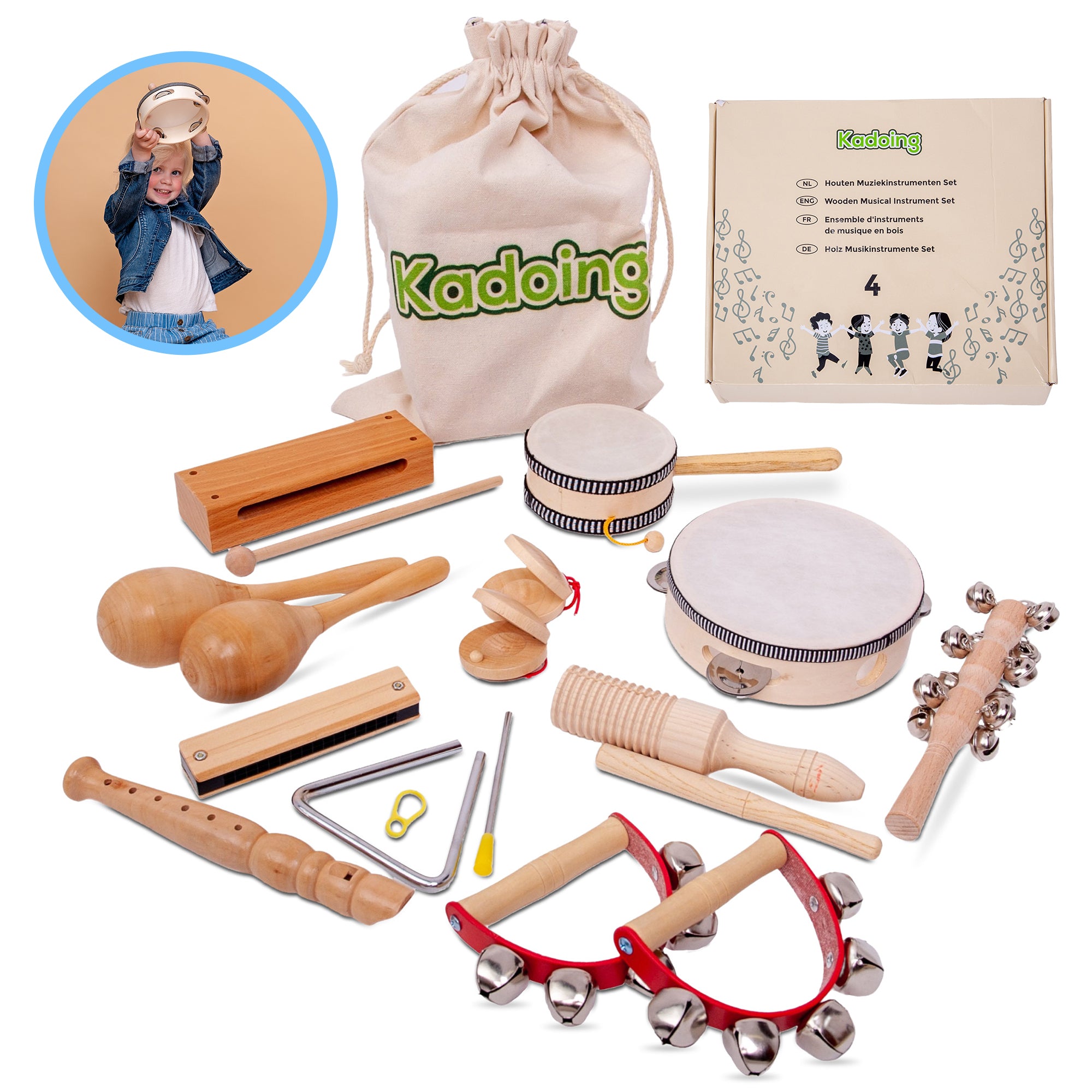
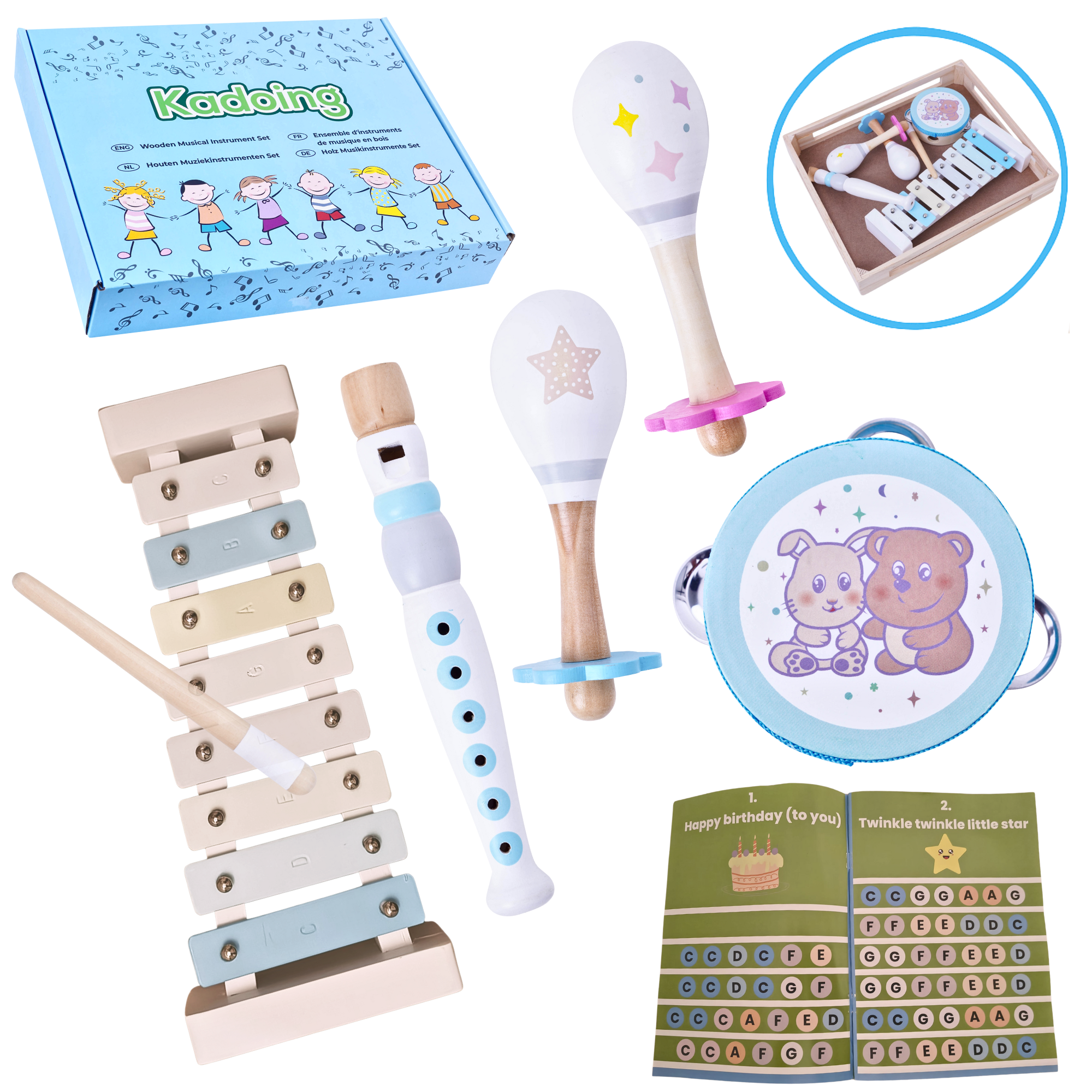
Music can also be a pleasant, familiar cue. For example, you can use the same gentle song each time your child gets dressed or brushes their teeth. This makes the song part of the regular sequence.
Playful does not have to mean turning it into a race. You can also use an inviting phrase: “Shall we see whether your foot fits into your shoe yet?”
What if your toddler does not want to cooperate?
It is not unusual for your toddler to resist moving straight on to the next step. This does not immediately mean that your routine is not working. Your toddler may be tired or hungry, want to keep playing or simply want to decide what happens. First try to name what you see: “You want to keep playing with the blocks. It’s difficult to stop.” Then calmly explain the next step.
You do not need to negotiate every detail. Keep the most important steps in place and offer choices in smaller matters where possible. Can the cuddly toy come to the bathroom? Would you like the red or the blue cup? This gives your child a small choice while the main steps remain the same. Small moments of waiting are often part of a morning routine too. You may also want to read more about teaching your toddler to wait.
If one step repeatedly causes tension, look at the practical reason. Perhaps the room is cold when getting dressed, there is too little time between waking and leaving, or the chosen clothes are difficult for your child to put on independently. Sometimes a practical adjustment can already make a difference.
Adapt the example to your family
Not every family starts at the same time or has the same needs. A toddler who wakes early may benefit from a quiet basket of toys after getting up and before breakfast. If your child needs plenty of time to wake up, start cuddling and getting dressed earlier and save conversations for later.
The routine can be more relaxed on days off too. You might keep two or three regular anchor points, such as getting dressed before breakfast and brushing teeth afterwards, while allowing time for a longer meal or playing together. This preserves a few familiar steps while leaving more room for a gentle pace.
Do not change everything at once when trying a new routine. Start with one point, such as laying out clothes or using a visual steps card, and see how it works during your morning. You can then adjust another step if needed.
A morning routine does not have to be rigid or exactly the same every day. A few familiar steps can already provide guidance when getting up, getting dressed, having breakfast and leaving. Above all, see which order suits your family and adapt it when the morning calls for it.