A toddler who asks at four in the afternoon why it is already dark is really asking a big question. If you search for ‘explaining day and night to a child’, you usually want to give an answer that is accurate and connects with what a young child already knows and understands. With a lamp, a ball and a few familiar moments from the day, you can make the explanation surprisingly simple.
Children do not yet need to know exactly how the Earth and the Sun move in relation to each other. For them, understanding begins with experience: the Sun rises, we eat breakfast, we play, it gets dark, we read a book and we go to sleep. Linking that familiar sequence to a simple explanation can make the difference between day and night easier to recognise. Not because your child will suddenly stop asking questions, but because the day becomes a little more predictable.
Explaining day and night to a child starts close to home
Start with what your child already knows. Ask, for example, “What do we usually do when it is light?” Your child will probably say play, go to nursery or walk outside. Then ask what happens when it gets dark. Putting on pyjamas, brushing teeth and sleeping are concrete answers that are much easier to remember than a long explanation about space.
Next, explain what happens in one calm sentence: the Earth is a large round ball that spins. On the side facing the Sun, it is daytime. On the other side, it is night. For a toddler or pre-schooler, that is enough as a first explanation. If another question follows, you can build on it.
It is better to say “the Earth turns” than “the Sun goes away”. The latter sounds logical when you look outside, but makes it harder to understand what really happens later on. You can still acknowledge what your child sees: “It looks as though the Sun is sinking, doesn’t it? But we are slowly turning towards the side where it is dark.”
Make day and night visible with a lamp and a ball
A little game can make the explanation visible. You only need a lamp or torch and a ball. An orange, soft play ball or globe will work perfectly. The lamp is the Sun and the ball is the Earth.
Shine the lamp onto one side of the ball. Point and say: “It is light here, so it is daytime here.” Slowly turn the ball and let your child watch the light side become dark. “Now this place has turned away from the Sun. It is night there.” Then let a cuddly toy live on the ball. This gives the story a character: when the cuddly toy’s place turns towards the light, it is time to be awake. When it turns away, the toy goes to sleep.
Keep it playful and brief. Some children will want to turn the ball around ten times; others will be finished after two minutes. Both responses are perfectly fine. Keep the explanation short and feel free to repeat the game another time when your child becomes curious again.
Why can we sometimes not see the Sun?
This question often follows immediately. You can say: “The Sun is still shining, but we are on the dark side of the Earth.” If your child points to the Moon, you can explain that the Moon does not make its own light but reflects light from the Sun. Sometimes we see the Moon at night and sometimes even during the day. Keep this explanation simple too. The Moon does not have to reveal all its secrets to remain fascinating.
On cloudy days, an extra example helps. “It is still daytime behind the clouds because our side of the Earth is facing the Sun.” This teaches your child that dark weather and night are not the same thing.
Use routines as a natural explanation
Day and night are not only about light. They also bring rhythm to a child’s life. That is why you can connect the explanation to your own family. Describe what happens during ordinary moments: “It is getting lighter, the day is beginning” or “It is dark outside, so we are getting ready for the night.” These are small sentences, but they give children something to hold on to.
A visual daily routine can help too, especially for children who prefer looking to listening. For example, arrange pictures of waking up, eating breakfast, playing, eating, having a bath, reading and sleeping in order. The aim is not to plan every minute. It mainly shows which moments usually follow one another during the day.
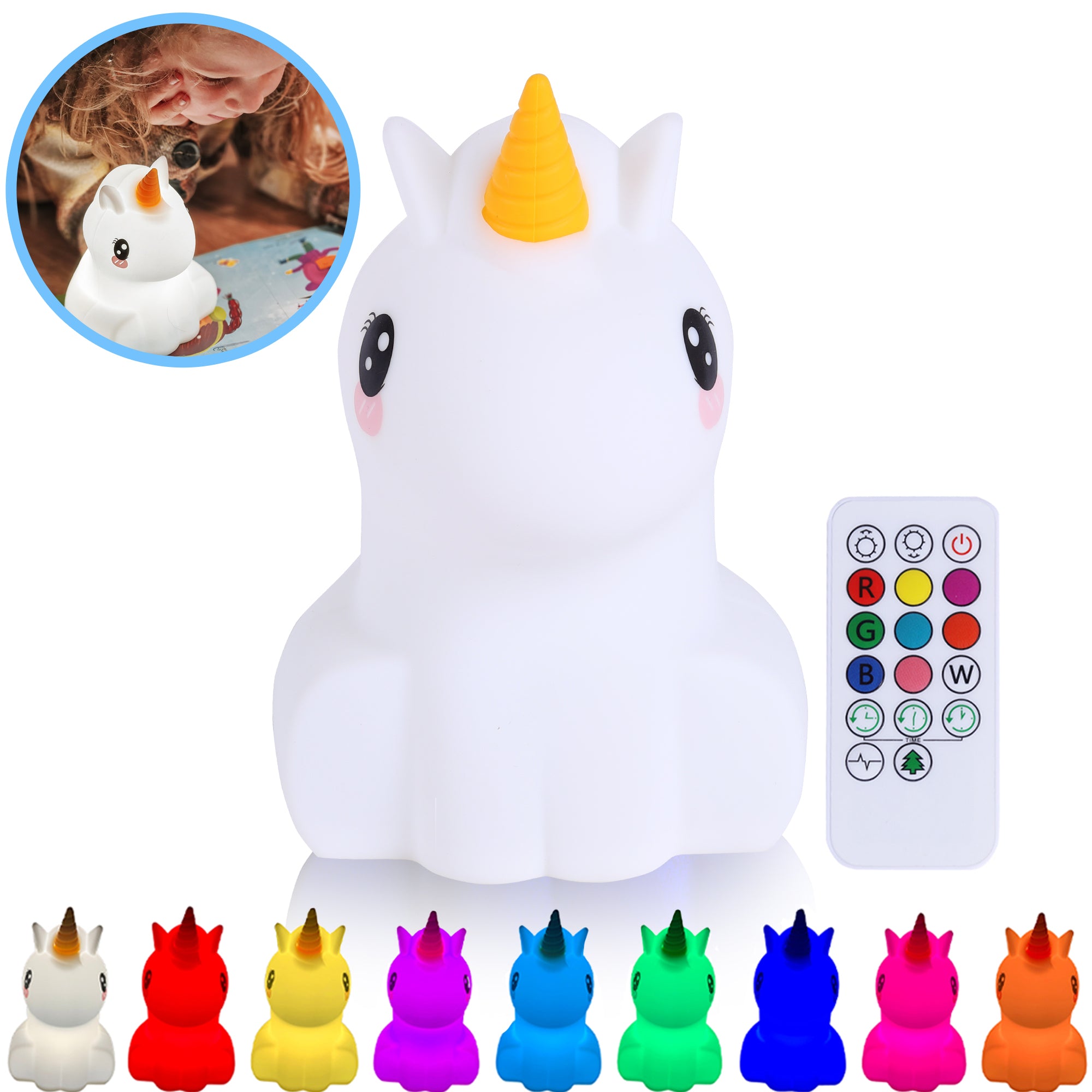
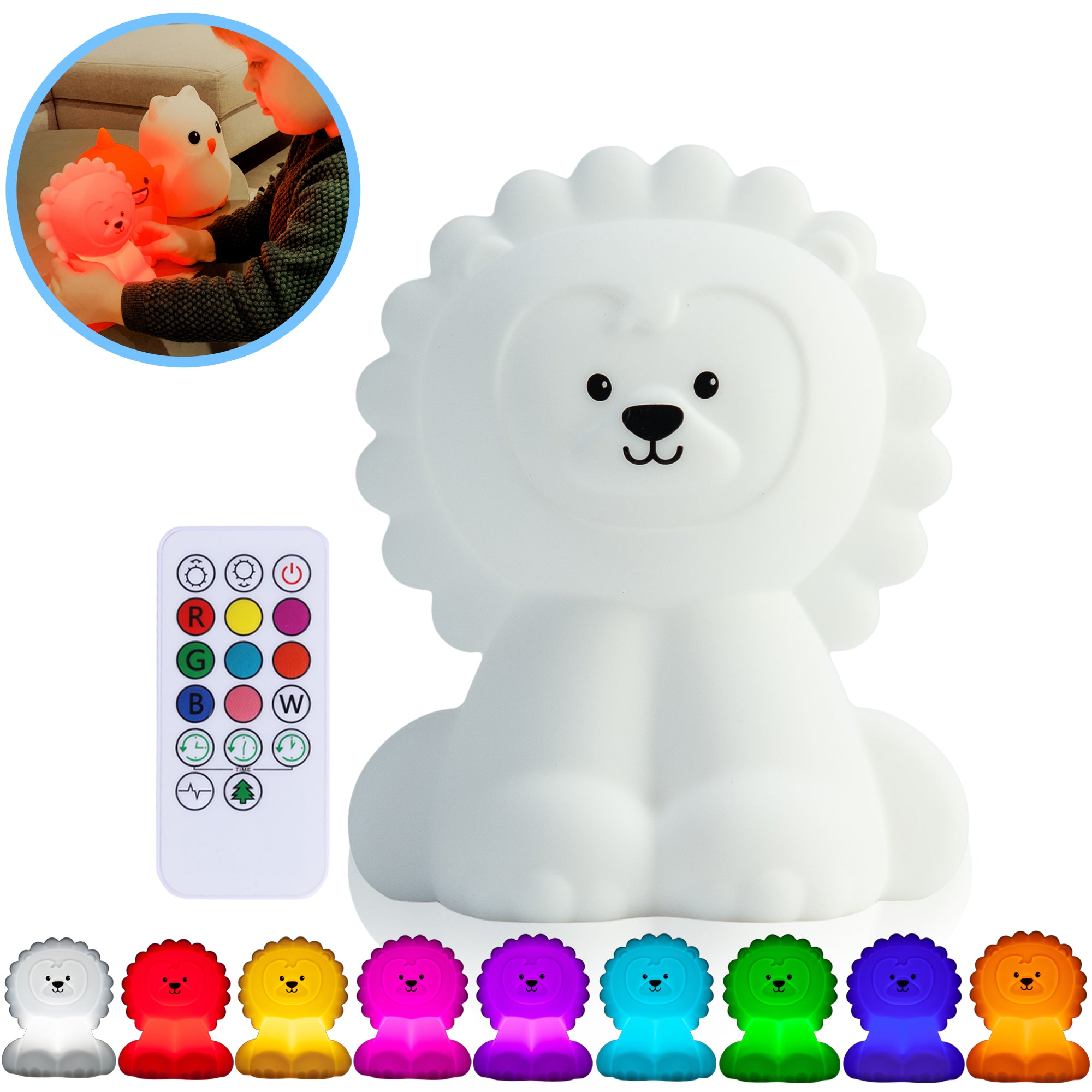
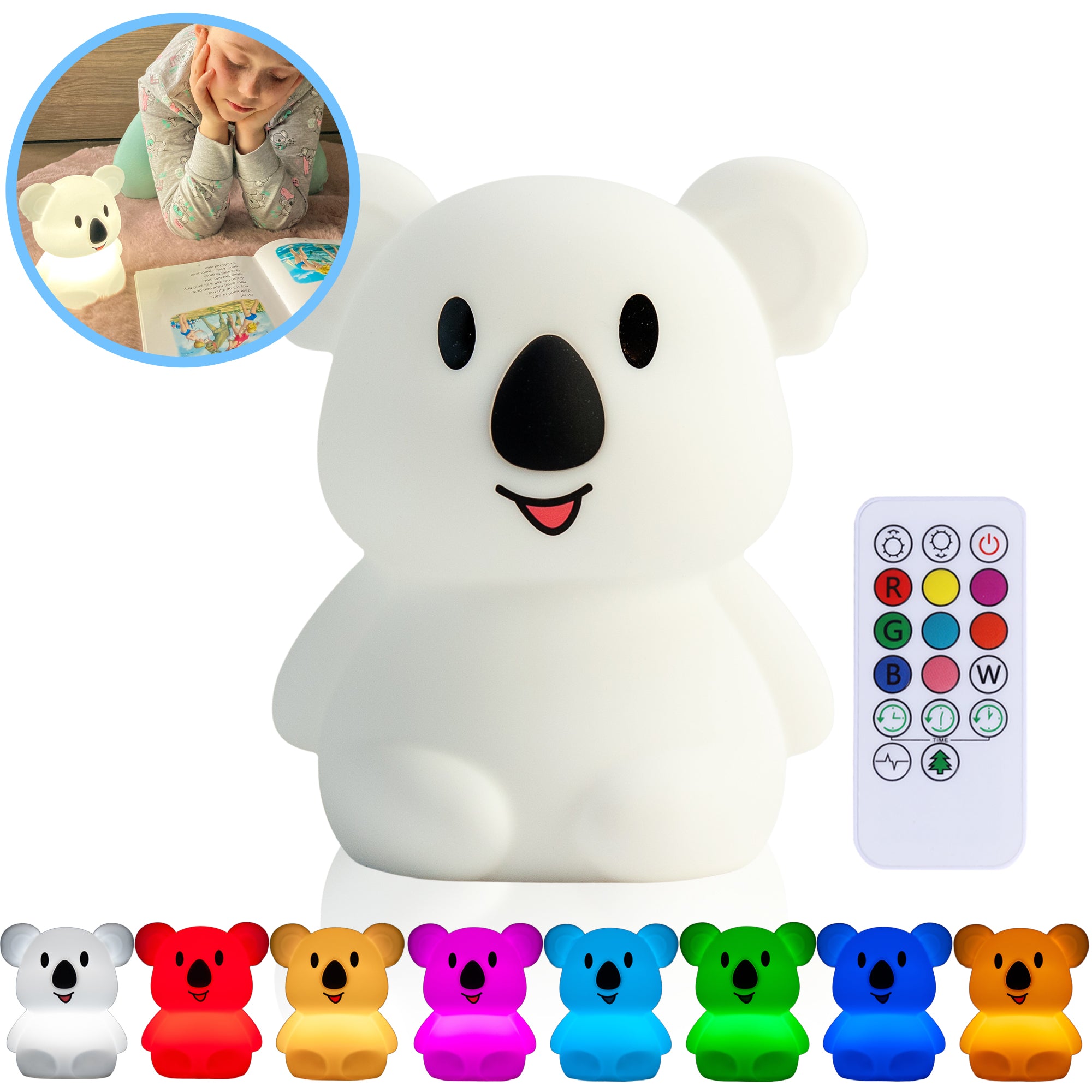
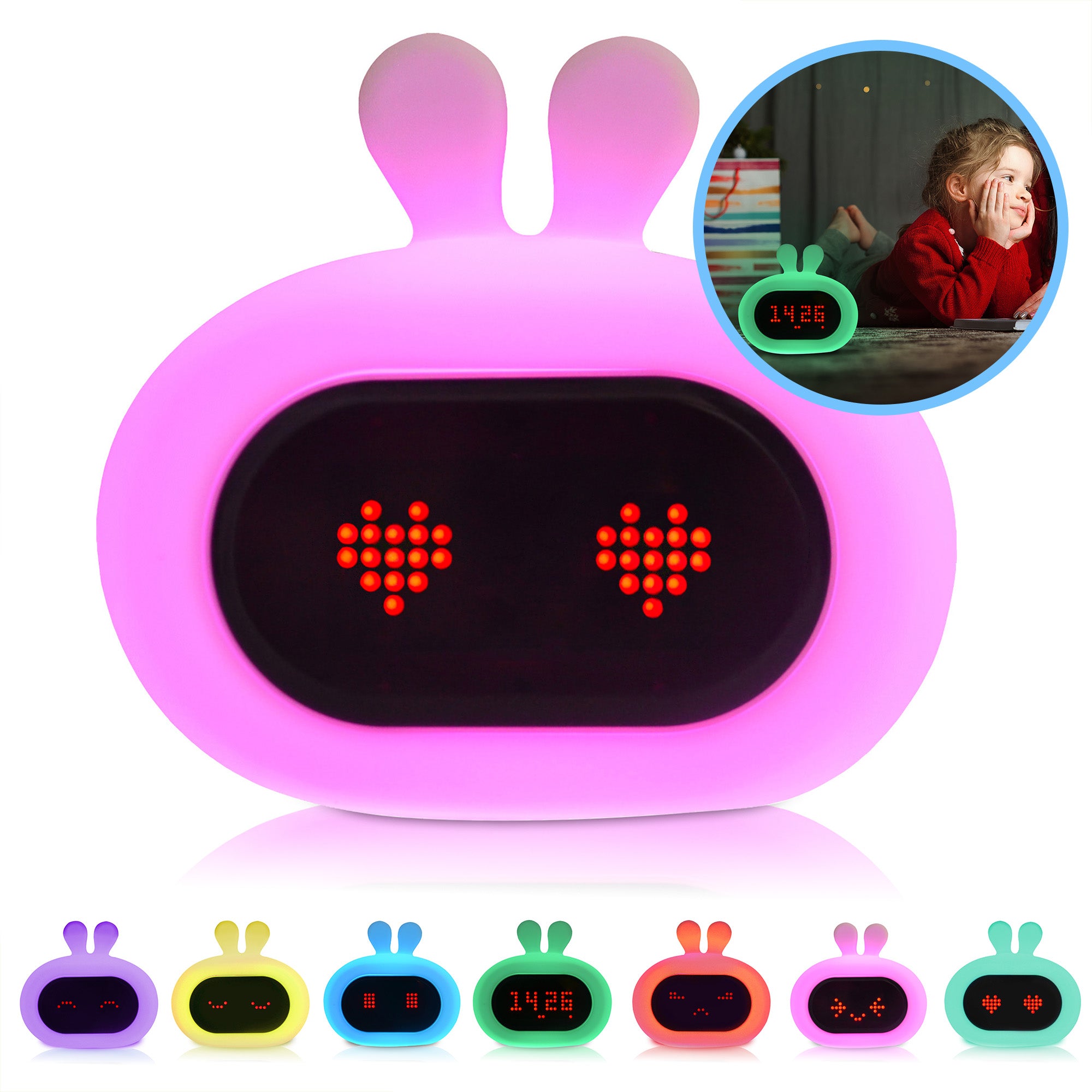
For children who find it difficult to tell the difference between waking early and actually getting up, a child-friendly sleep trainer can be a helpful tool. A clear light or symbol can make the difference between quiet time and getting-up time visible. Choose a calm setting and explain it during a relaxed moment, rather than waiting until everyone is tired. A tool like this can become part of a familiar routine built around closeness and repetition.
Play with words, movement and music
Not every child understands day and night in the same way. One child wants to hold the lamp and ball, while another prefers singing along or acting out the story. Offering different approaches helps you discover what suits your child best.
For example, sing a simple verse to the tune of a familiar children’s song about waking when it gets light and sleeping when it gets dark. It does not have to rhyme perfectly. The repetition itself can make the subject familiar.
You can also add a short movement activity. Let your child be the Sun and stand still with arms spread wide. You are the Earth and slowly turn around. When your face points towards your child, call out “day”. When your back faces your child, it is “night”. Laughing is allowed. By turning it into a playful moment together, you make the explanation enjoyable to repeat.
A picture book about space, a wooden puzzle of the world or a gentle evening lamp can bring the subject up again later. Choose materials that invite you to talk together, rather than simply finish something quickly. The topic can then return naturally when your child says, for example, “Look, the Earth is turning again.”
What if your child is afraid of the night?
Curiosity about the night can go together with anxiety. Darkness feels different from daytime: sounds stand out more, familiar shapes in the room are less visible and a parent is not always in sight. Take that experience seriously without making the night seem bigger or scarier.
It is better to say: “I understand that the dark can feel a little scary. Your room is still the same familiar room.” A soft night light can provide a familiar point of light when it grows dark outside. Choose warm, dimmed light so the bedroom continues to feel calm. A familiar cuddly toy, a regular song and the same bedtime order can also contribute to a recognisable bedtime routine.
Avoid lengthy negotiations at bedtime. Listen briefly, offer reassurance and then keep the routine kind and clear. Some evenings remain difficult, for example after a busy day, a sleepover or a change at home. That does not mean your approach is not working. The amount of closeness and reassurance your child needs can vary from one evening to the next.
Frequently asked questions about explaining day and night to a child
At what age does a child understand day and night?
Toddlers often already recognise the difference between light and dark and associate it with being awake and sleeping. By pre-school age, many children can also understand that the Earth turns, especially when you demonstrate it with a lamp and a ball. The exact age varies. Follow the questions your child asks and build on them.
Should I correct my child when they say the Sun is going to sleep?
You do not need to turn it into a serious lesson. You can respond warmly: “Yes, it looks as though the Sun is going to sleep. Actually, our Earth is turning towards the dark side.” This keeps the imagination alive while gradually adding the correct explanation.
Why does it get dark earlier in winter?
For young children, “In winter, the days are shorter and the nights are longer” is often enough. Older pre-schoolers may want to know why. You can then explain that the Earth’s axis is slightly tilted. As a result, our part of the Earth tilts further away from the Sun in winter and we have fewer hours of daylight than in summer.
A child does not need to understand the world all at once. By looking at the morning sky together, shining a lamp on a ball or talking about darkness and light during the bedtime routine, you can explain day and night again and again in a simple, familiar way.