The sandwich is already on the table, but you still need to pour a drink. To a toddler, that half-minute can feel incredibly long. They tug at your leg, shout louder or burst into tears. If you are wondering how to teach your toddler to wait, it starts with one reassuring thought: waiting does not come naturally to young children. You can help your toddler practise step by step, with your presence as a familiar source of security.
Toddlers live very much in the moment. What they want, they want now: a biscuit, your attention, a toy or one more story. This does not mean they are spoilt or naughty. Concepts such as “later” and “in a moment” are still difficult for young children to understand, especially when they really want something. Small, predictable moments help your child discover that waiting is allowed to feel difficult and that you will keep your promise.
Why waiting is so difficult for a toddler
To adults, “wait a moment” often feels like a very clear message. To a toddler, “a moment” is vague. Does it mean five seconds, two minutes or until after dinner? Without a clear end point, waiting can become even more difficult for a toddler.
A toddler cannot always put disappointment into words either. Crying, pestering or becoming angry is then a way of saying, “I need help, now.” The aim is not for your child never to protest again. You are helping your toddler cope with that uncomfortable feeling for a little longer each time, without leaving them to face it alone.
Timing matters too. A child who is tired, hungry, overstimulated or excited has less capacity to wait. Expect less patience at those times and choose a simple solution where possible. Practice works best when you are both relatively calm.
How to teach your toddler to wait in small steps
Start with a very short wait that feels manageable for your child. For example, ask them to wait for one breath while you pick up a cup. Explain what is happening: “I’m getting your water. First I’ll turn off the tap, then you’ll get your cup.” This gives your child a clear beginning and end to the wait.
Build this up gently when you notice that it is going well. It does not have to be a formal exercise. Ordinary moments throughout the day offer the best opportunities: while getting dressed, during cooking, when you briefly reply to a message or when another child is taking their turn.
The most important part is following through on your words. If you say, “I’ll help you as soon as I’ve put on this sock,” help straight afterwards. That makes waiting predictable. By genuinely returning to what you agreed after the wait, you make the meaning of “wait a moment” clearer to your child.
Make time visible and easy to understand
Abstract ideas such as “in a moment” and “later” can be difficult for toddlers. Give them a visible or audible cue instead. You could say, “Wait until this song has finished” or “I’ll help you when I’ve filled this cup.” A simple timer or hourglass can also help with short waits.
In recurring situations, a fixed sequence often works even better than a clock. For example: “First I’ll load the dishwasher, then I’ll read a book with you.” Use the same words each time. Your toddler then has less need to guess what comes next and can gradually recognise the routine.
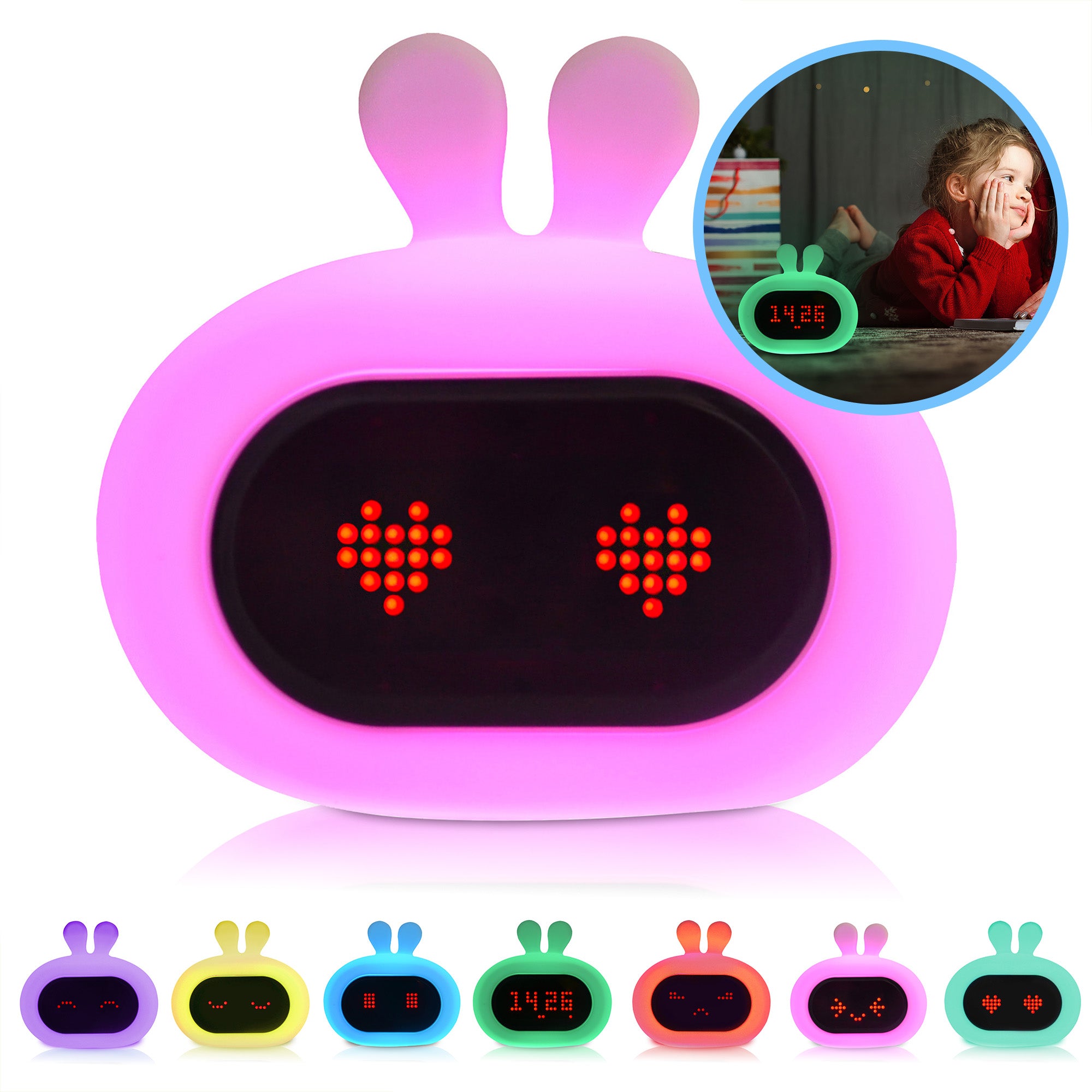
Around bedtime, a sleep trainer with a familiar light can offer gentle support. Not as a strict rule, but as a friendly signal: it is still quiet time, and Mum or Dad will come and check again later. Especially when combined with a regular routine, such as cuddling, a song and a night light, it can become a familiar part of your bedtime routine.
Put the difficult feeling into words
Waiting is not only about behaviour. You can help your child put what is happening into words. Try calmly describing what you see: “You want me to come and play now. It’s difficult when you have to wait.” This does not necessarily mean approving of the shouting, but it does show that you understand the wish behind it.
Then keep your boundary kind and brief: “I’m finishing this sandwich. Then I’ll come to you.” A long explanation will rarely convince an angry child. A short, calm repetition can be more helpful than a lengthy explanation.
Sometimes a small choice helps during the wait. “Would you like to stand next to me, or choose your blue cup already?” Your toddler gets a little influence while the boundary stays the same. Take care not to offer a choice that does not really exist. If you genuinely need another minute, do not turn every protest into a negotiation.
Practise patience through play
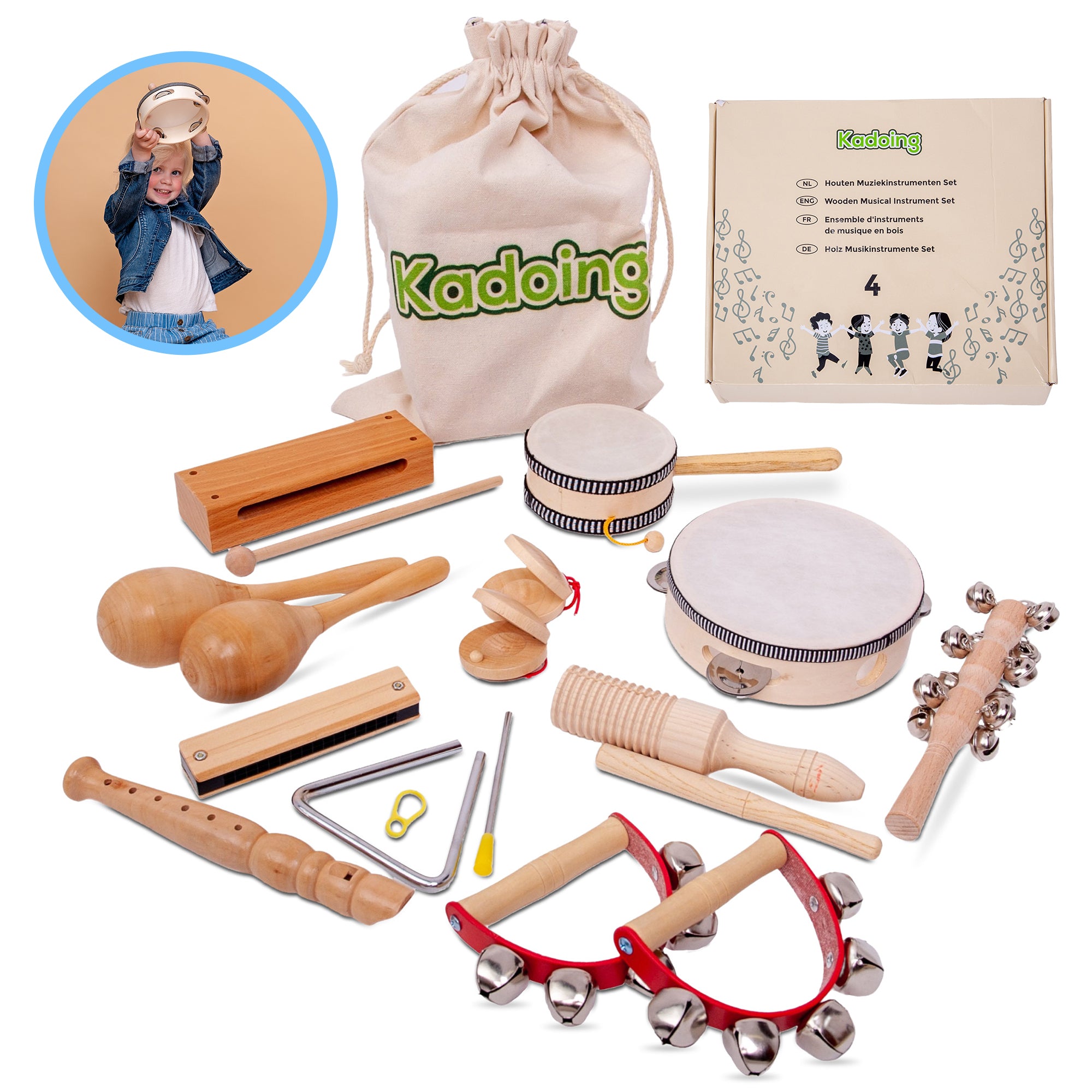
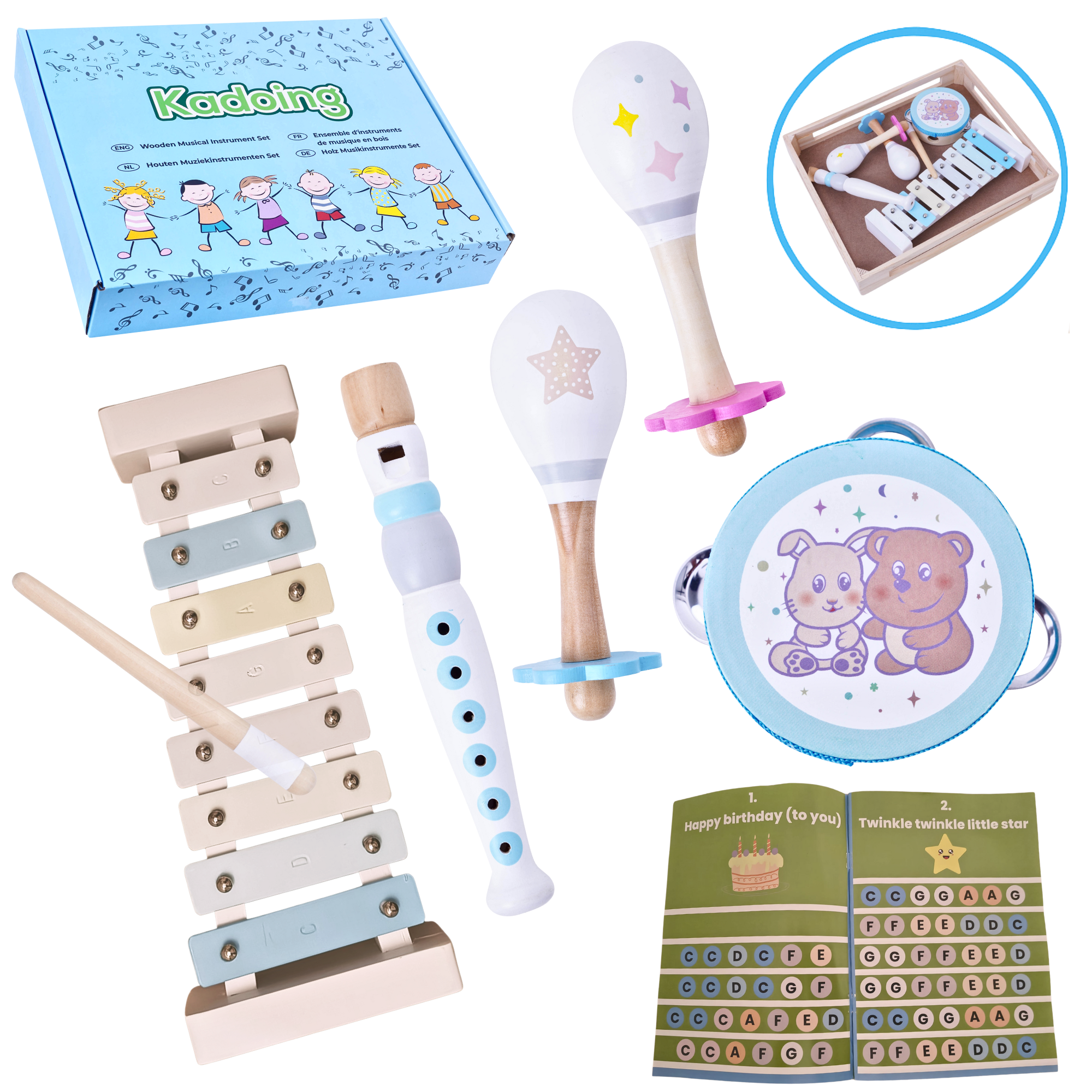
Play is a lovely setting in which to practise waiting because there is less pressure. When building a tower, take turns placing a block. With a simple wooden musical instrument, you can agree: first you listen to Mum, then it is your turn to drum. Sing a song with pauses and wait together until the next verse starts.
Hide-and-seek games are valuable too. “I’ll count to three, then you can look” makes waiting short, cheerful and clear. Praise what does go well straight away: “You waited until I’d finished counting—well done.” Be specific. By clearly saying what you noticed, your child knows exactly what you are responding to.
Celebrate progress, not perfection. Perhaps a very short wait is a little easier today than it was yesterday. That counts too. That is real practice. If it does not work, you can try again later with a shorter wait.
What is better to avoid
It is understandable that you sometimes give in quickly to prevent more upset. On a busy morning or in a shop, that may be the most practical choice. But if you always give in immediately as soon as waiting becomes difficult, your child gets fewer opportunities to practise short, manageable waits.
Above all, avoid vague promises such as “later” or “in a while” without an explanation. To young children, those words can feel as though it will never happen. Choose a specific moment instead: after this song, once I have put on my shoes, when the timer finishes.
Try not to use waiting as a punishment. Keep the boundary separate from the feeling: being angry is allowed, while the agreement can remain the same. It is better to stay close, state the boundary and practise another small, manageable wait once your child is calm.
Finally, do not compare your child with a sibling or another child of the same age. Some toddlers naturally switch activities more easily, while others need more time to process a transition. Temperament, a busy day and the surroundings all play a part.
Waiting during difficult everyday moments
Preparation helps at mealtimes. Explain what is happening if the food still needs to cool and, if appropriate, give your child some water or a calm task at the table. This avoids asking a very hungry toddler to cope with a long wait. Meanwhile, calmly describe what you are doing: “The pasta is hot, so we’re waiting until it has cooled enough to eat.”
When it is time to leave, announce the transition. “One more go on the slide, then we’ll wait by the bike while I get your coat.” A small, regular task may help some children, such as holding the zip themselves or putting their cuddly toy in the bag. A small task can make the wait more concrete.
If you need to make a call or have a conversation, be clear beforehand. “I’m going to talk to Grandma for a moment. You can draw next to me. When I’m finished, you can tell me about your picture.” Do not expect this to last for long straight away. Start with a short conversation and consciously return your attention to your child afterwards.
You are the calm example
You can make your own waiting visible too. Say out loud, for example: “I’m waiting for the kettle to finish.” Show what helps as well: breathing together, humming a song or preparing something for later.
That does not mean you always have to stay calm. On tiring days, helping a child wait is simply difficult. If you notice your voice becoming louder, you can slow down too: “I’m going to take a calm breath, then I’ll help you.” This shows that you can calmly carry on again after a difficult moment.
Learning to wait takes time and does not have to go the same way every day. With short, clear agreements, repetition and room for what your child can manage at that moment, waiting can gradually become a more familiar part of ordinary daily life.