“Just five more minutes!” often sounds like a riddle to a toddler. You cannot hold five minutes, see them or put them in a basket. Yet these small moments are exactly what you can use to make time gradually more recognisable. In this guide, you will discover how to introduce your toddler to time and the clock through play, without turning it into a lesson.
For many children, telling the time is not yet the goal during the toddler years. They can, however, gradually become familiar with words such as later, first, afterwards, morning and evening, as well as with fixed moments throughout the day. This helps your child become familiar, step by step, with the language of time and the sequence of everyday moments.
When can toddlers learn to tell the time?
Concrete events are often easier for toddlers to understand than hours and minutes. They do not experience part of a day as a series of hours, but as familiar events: breakfast, going outside, playing, dinner, putting on pyjamas. That is why you can first link time to familiar routines before introducing numbers and clock times.
Some toddlers already recognise a few numbers or point curiously at the hands of a clock. Other children are not very interested yet. Both are perfectly fine. Above all, watch for your child’s cues. Do they often ask when someone is coming home, when it is time for a story or why the hands move? That gives you a good starting point.
You do not need to expect a toddler to understand the difference between hours and minutes yet. For now, becoming familiar with the clock and recognisable moments is enough.
Start with time your child can experience
For a toddler, ‘after your nap, we’re going to eat some fruit’ is often more concrete than ‘we’re eating fruit at half past two’. So use fixed moments as anchors. Describe what is happening and in what order: first put on your shoes, then go outside. After the bath, we’ll read a book.
Repeat words related to time in everyday conversations. Think of today, tomorrow, later, first, afterwards, morning and evening. Keep it concrete. To a young child, tomorrow is not yet a box on a calendar, but it becomes easier to understand when you say: ‘Tomorrow, after breakfast, we’re going to Grandma’s.’
A simple daily routine with pictures can help. For example, put up pictures of getting up, getting dressed, eating, playing and sleeping. Let your child point to or turn over a card once an activity is finished. This makes the sequence of the day visible without having to explain numbers.
Teaching toddlers to tell the time with a real, clear clock
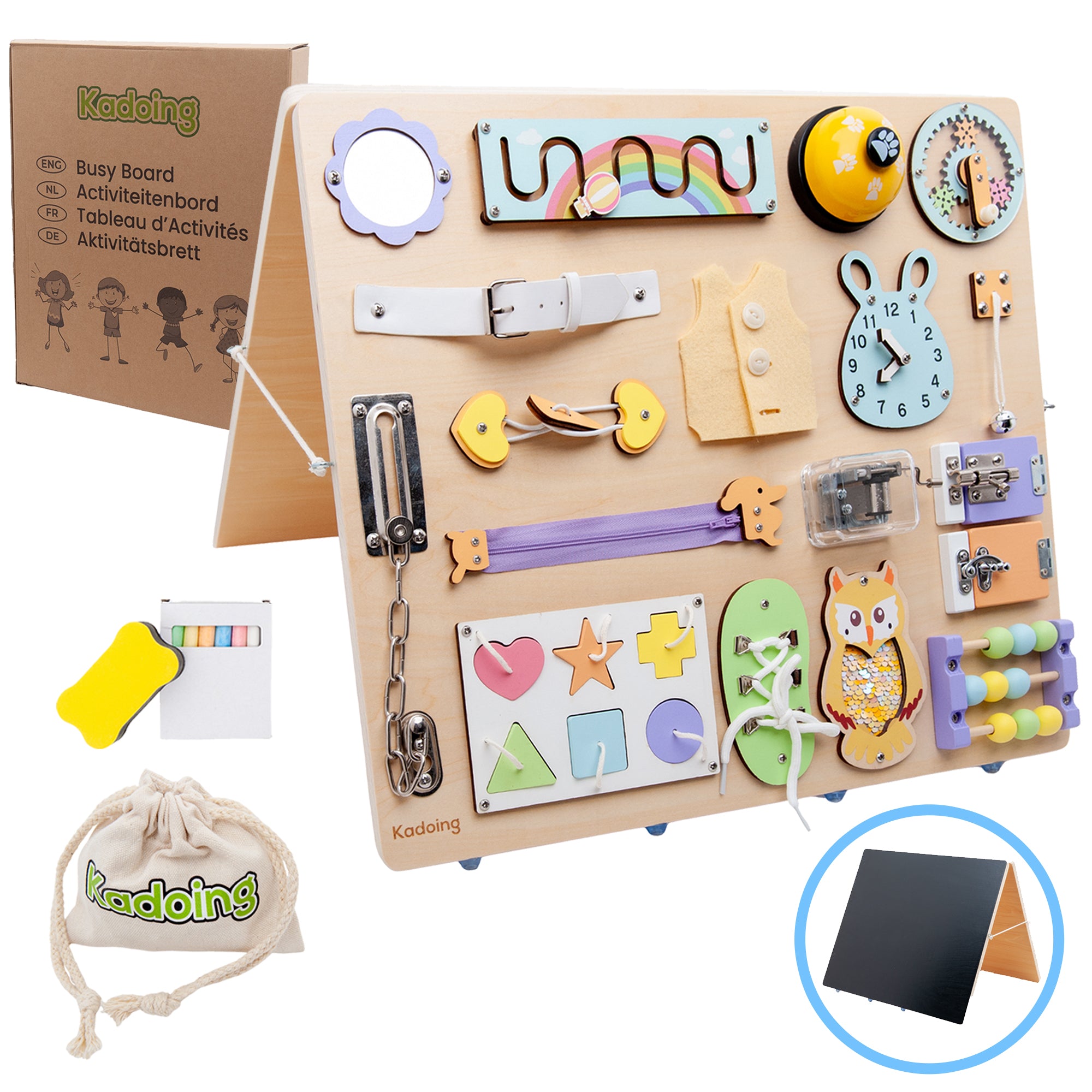
An analogue clock with large numbers and clear hands is often a pleasant first introduction. By watching the moving hands together, your child sees that they keep returning to the same places. Ideally, choose a simple design without lots of extra pictures, so your child can see what matters.
Do not start with every hour at once. Choose one familiar moment, such as mealtime. At a regular time, you could look at the clock together: ‘Look, the big hand is at the top. We’re going to eat soon.’ Your child does not yet need to remember which time goes with it.
Feel free to turn it into a game. Ask: ‘Where is the big hand?’ or ‘Shall we see if it’s nearly at the top?’ Let your child turn the hands of a toy clock. This way, your child can discover through play that the hands move and can point in different directions.
Keep the explanation simple
It is tempting to immediately explain what quarter past, ten to or five minutes means. For a toddler, that is often too much at once. Start with a few fixed moments and simple positions of the hands. Once your child enjoys that, you can playfully add words such as ‘nearly’ and ‘a little longer’.
A digital time display may also become recognisable later, for example when your child repeatedly sees ‘07:00’ at breakfast. But separate numbers mean little without context. So combine them with what is happening at that moment.
Practising during the daily routine
Learning to tell the time does not require sitting at a table with a worksheet. Everyday life offers plenty of opportunities to use the language of time. When you are about to leave, you can look at the clock together. While cooking, your child can help start a kitchen timer. For tidying up, a short song or an hourglass can provide a clear beginning and end.
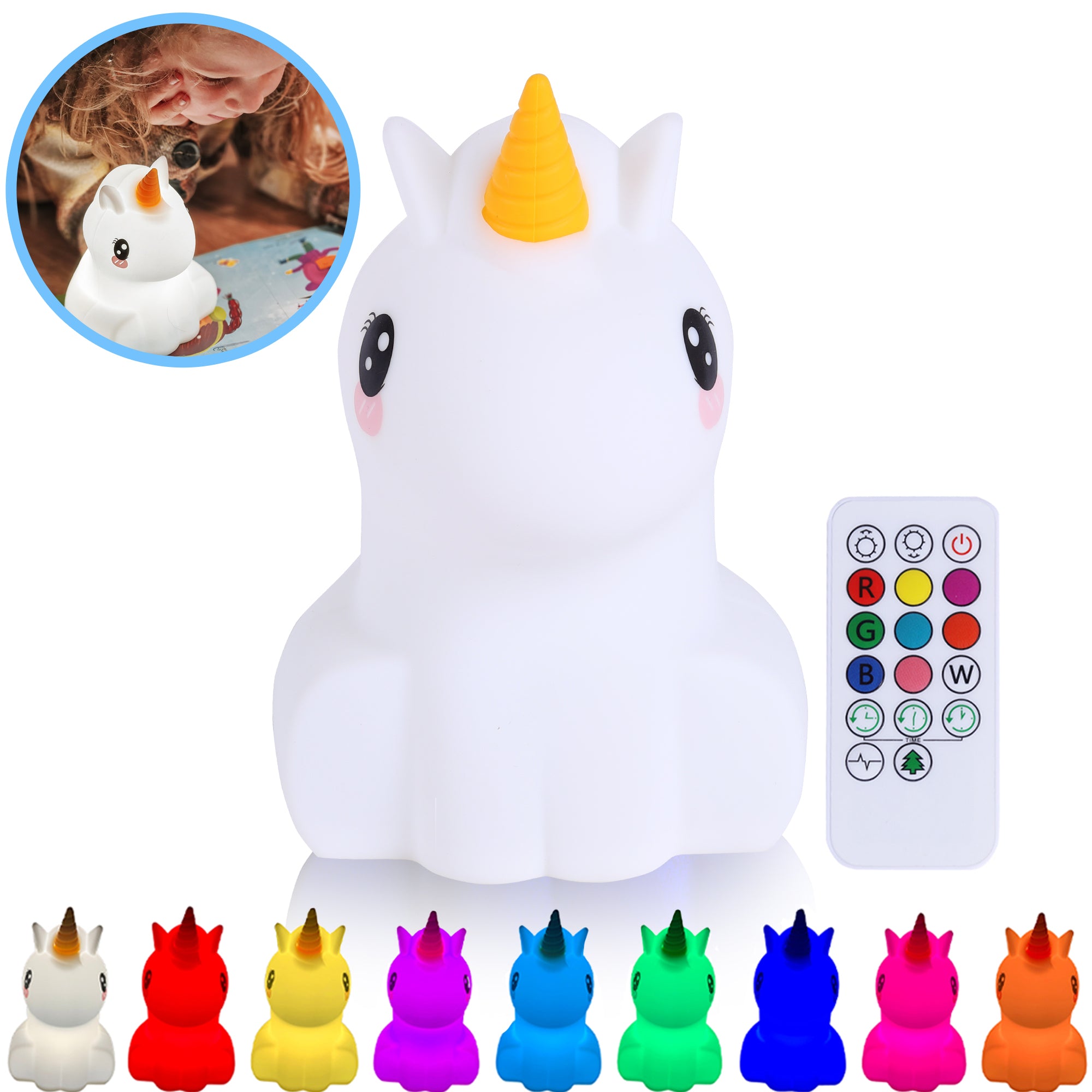
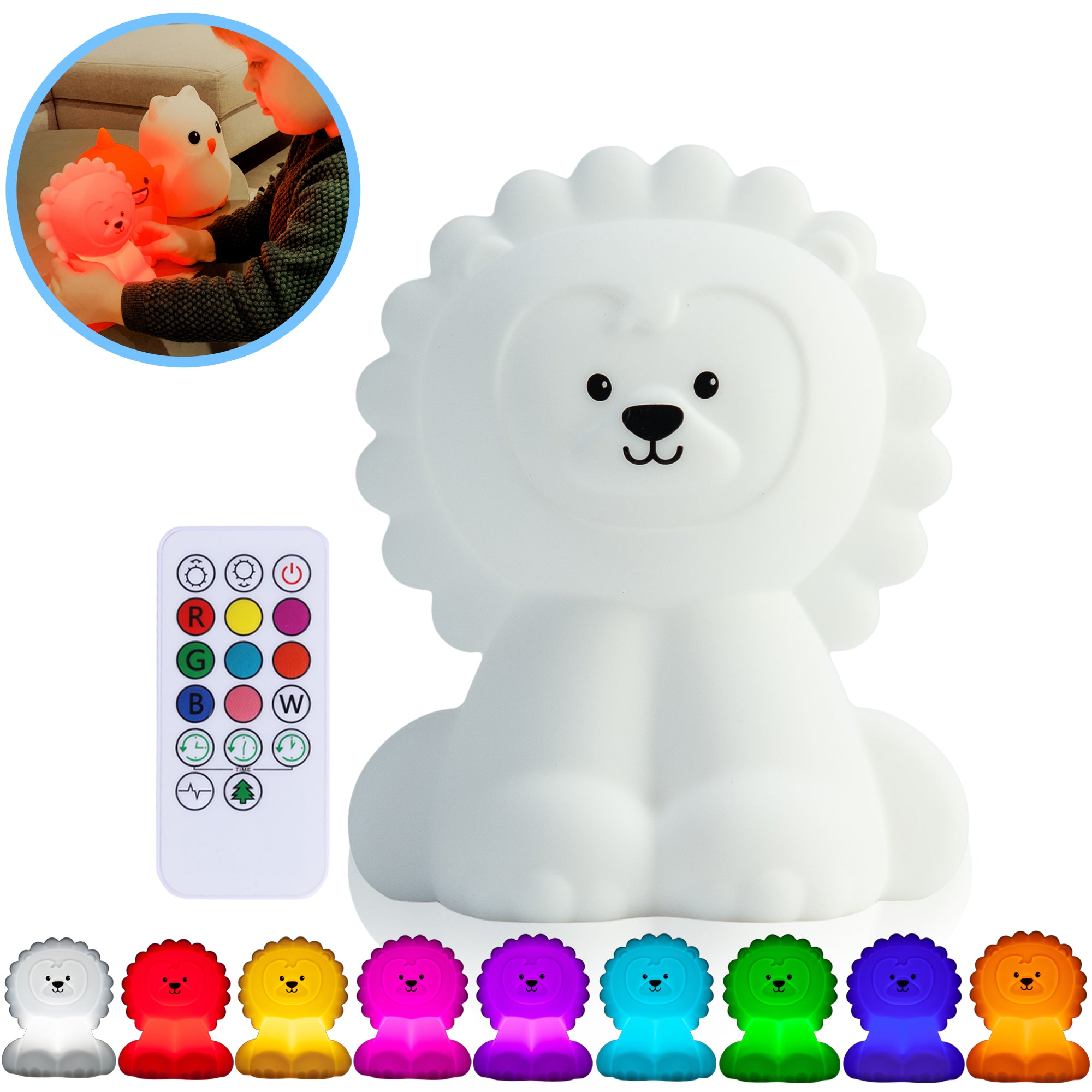
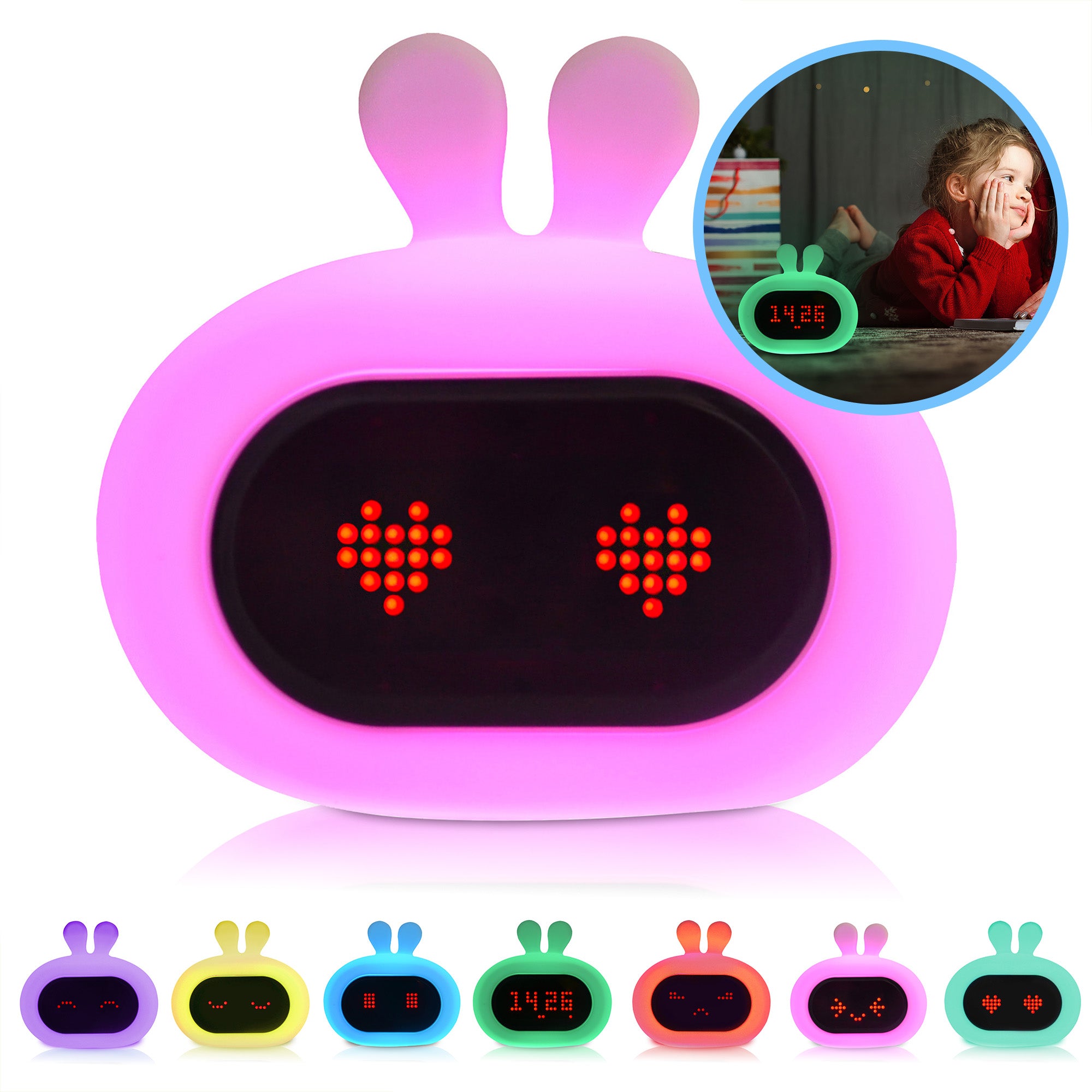
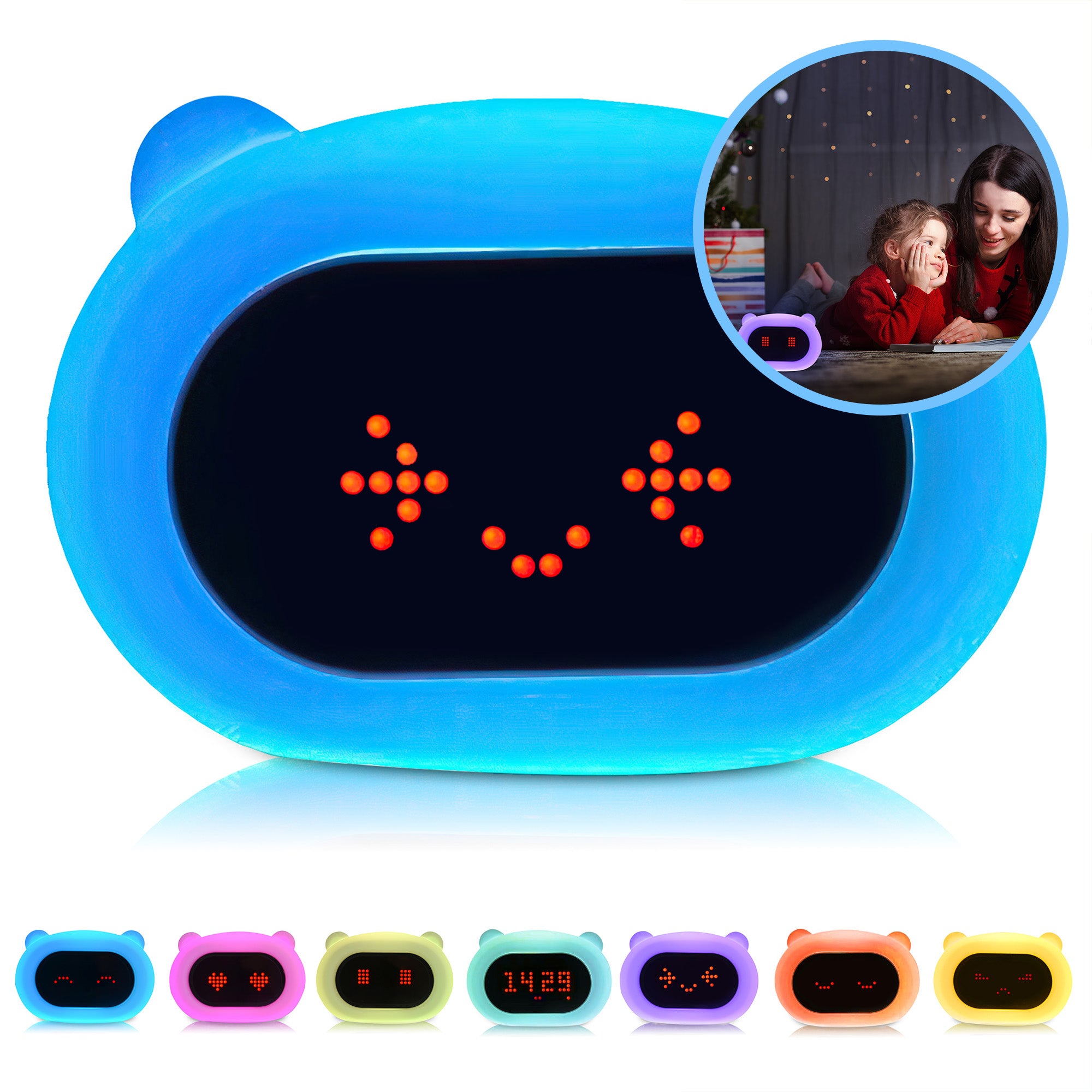
An alarm clock or sleep trainer with a recognisable symbol can also become part of a calm morning or evening routine. Such a tool is not the same as telling the time, but it can help a toddler recognise a moment in the day: now it is time to get up, now the bedtime routine begins. The right approach varies from one family and child to another.
Make waiting visible
Learning to wait is difficult when time is still invisible. Instead of only saying ‘we’re going soon’, give your child something they can follow. An hourglass for brushing teeth, a timer for one more round of play or three songs before you leave can help make a transition more predictable.
Do pay attention to the length. At first, choose a short, manageable period that suits your child. A visible little hourglass or short song can help. If your child becomes frustrated, it is fine to let the exercise go. A calm routine is more important than keeping to the exact time.
Games that make time understandable
Play gives time words, movement and meaning. It does not have to be complicated. For example, lay out three pictures: waking up, having lunch and going to bed. Ask your child what comes first and what comes afterwards. If that goes well, add a card with an afternoon activity.
You can also make a paper clock with two sturdy hands. Give the big hand its own colour and let your child turn it to the top when it is time for a familiar activity. Then pretend that a cuddly toy has to eat breakfast, go to nursery or have a book read to it. Linking it to a story makes the clock part of a recognisable situation.
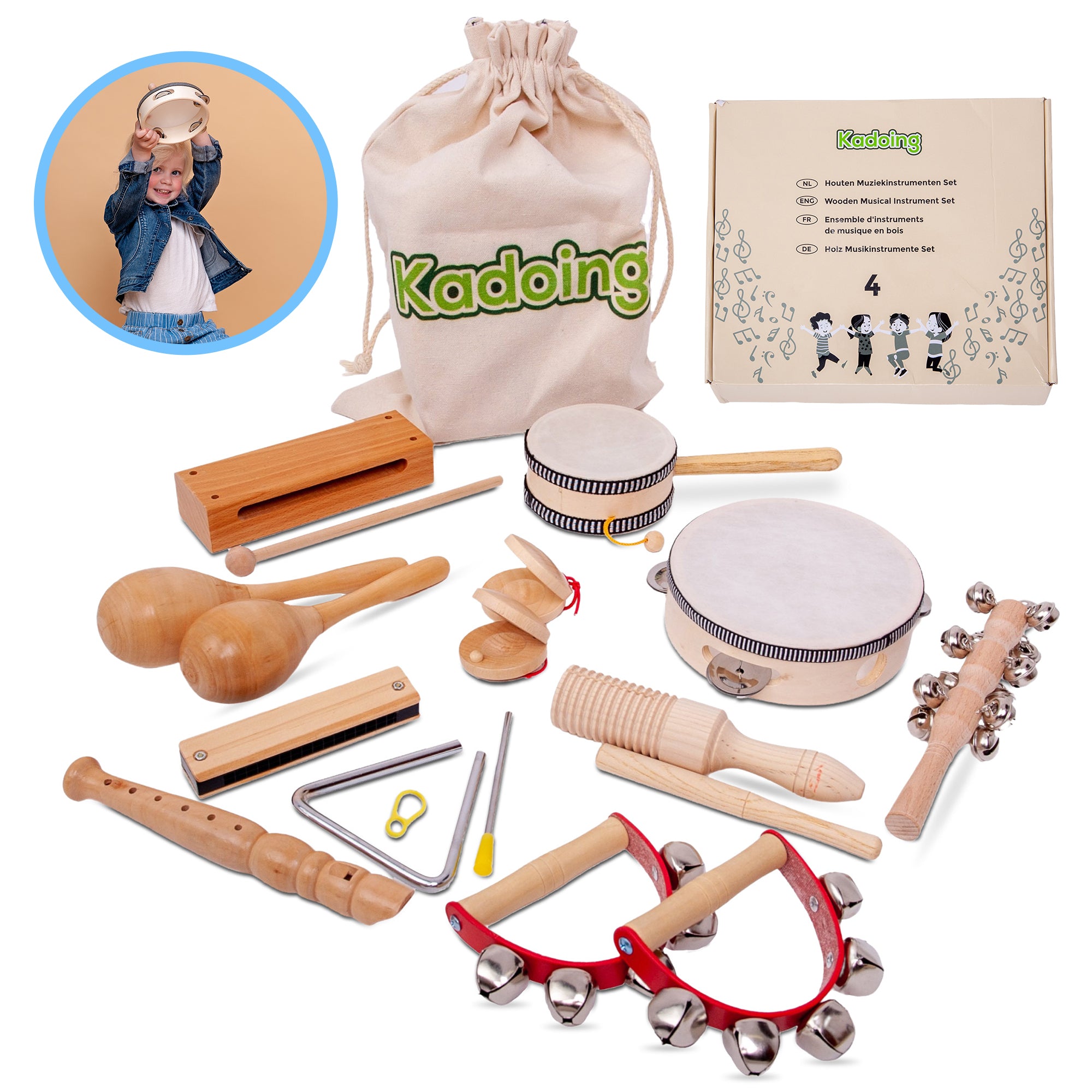
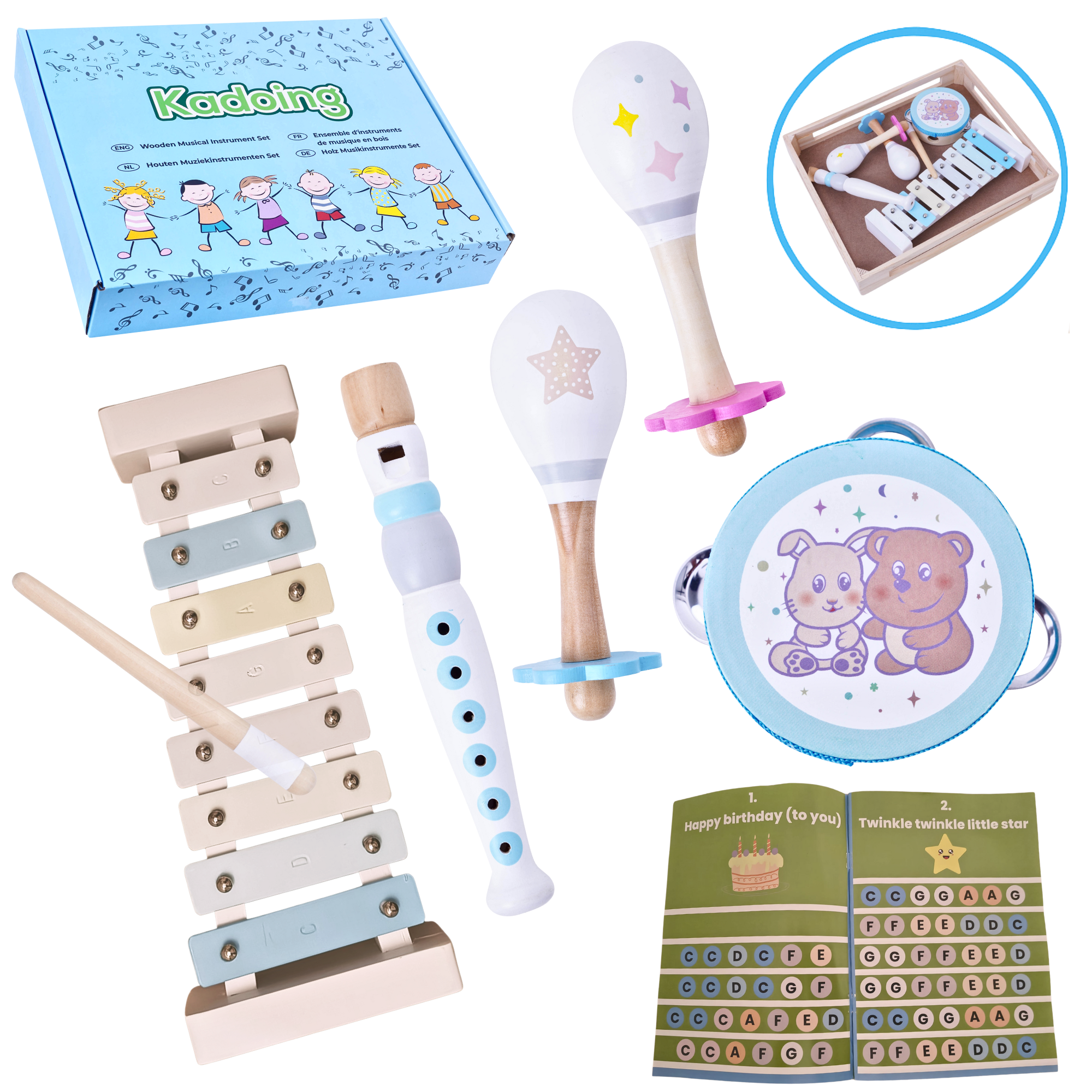
You can also use music as a recognisable time signal. Sing the same short song each time while washing hands or tidying up. Not because a song has to last for a fixed amount of time, but because repetition makes an activity recognisable. For a toddler, that can already give an initial sense of beginning, middle and end.
Do not use an activity as a test. Questions such as ‘Don’t you know it yet?’ quickly take away the fun. Instead, say: ‘Shall we look together?’ or ‘The hand has moved a little further.’ This keeps the emphasis on discovering together rather than on the right answer.
Common pitfalls when teaching toddlers to tell the time
A common pitfall is trying to explain too much at once. When numbers, minutes, parts of the day and days of the week are all introduced at the same time, time can actually become more confusing.
Inconsistent agreements also make things harder. If ‘after this song’ really means after one song one time and after four songs the next, a time signal loses its meaning. Of course, family life does not always go to plan. Feel free to explain that: ‘Today it’s taking a little longer because we have to wait first.’ This makes it clear why the agreement is different this time.
Finally, not every child has to be enthusiastic about a clock. Some toddlers prefer to learn through a ritual, a story or a timer. Follow the method that best fits your day at that moment.
From recognising time to trying independently
When your child starts to recognise fixed moments, you can add small choices. ‘Would you like to check whether it’s time for your coat?’ or ‘Where is the hand when we’re going to eat?’ Give your child enough time to look and respond, even if an answer does not come straight away.
Later, you can link an hour to an event, such as eight o’clock is breakfast time or seven o’clock is time for a book. Not every family follows the same times, and that is fine. What matters most is recognition and repetition within your own routine.
Telling the time does not need to be a goal in itself during the toddler years. By looking at a clock together, using time-related words and making fixed moments recognisable, your child can become familiar with time at a relaxed pace. Above all, follow your child’s interest and pace.