Your child is standing beside your bed early in the morning while it is still quiet outside. Or the evening routine keeps running late because more questions, cuddles and an extra glass of water follow toothbrushing. When choosing a sleep trainer or routine chart, many parents are therefore not looking for a perfect solution, but for something that makes the day a little more predictable for everyone.
Both aids can make structure visible to young children. However, they do this in different ways. A sleep trainer uses a visual signal to show when, according to your family’s agreement, it is still time to rest and when the day begins. A routine chart shows which steps follow one another, for example when getting up, getting dressed or going to bed. What works best depends on your family rhythm, your child’s age and the part of the day when you most need calm at home.
Sleep trainer or routine chart: the difference
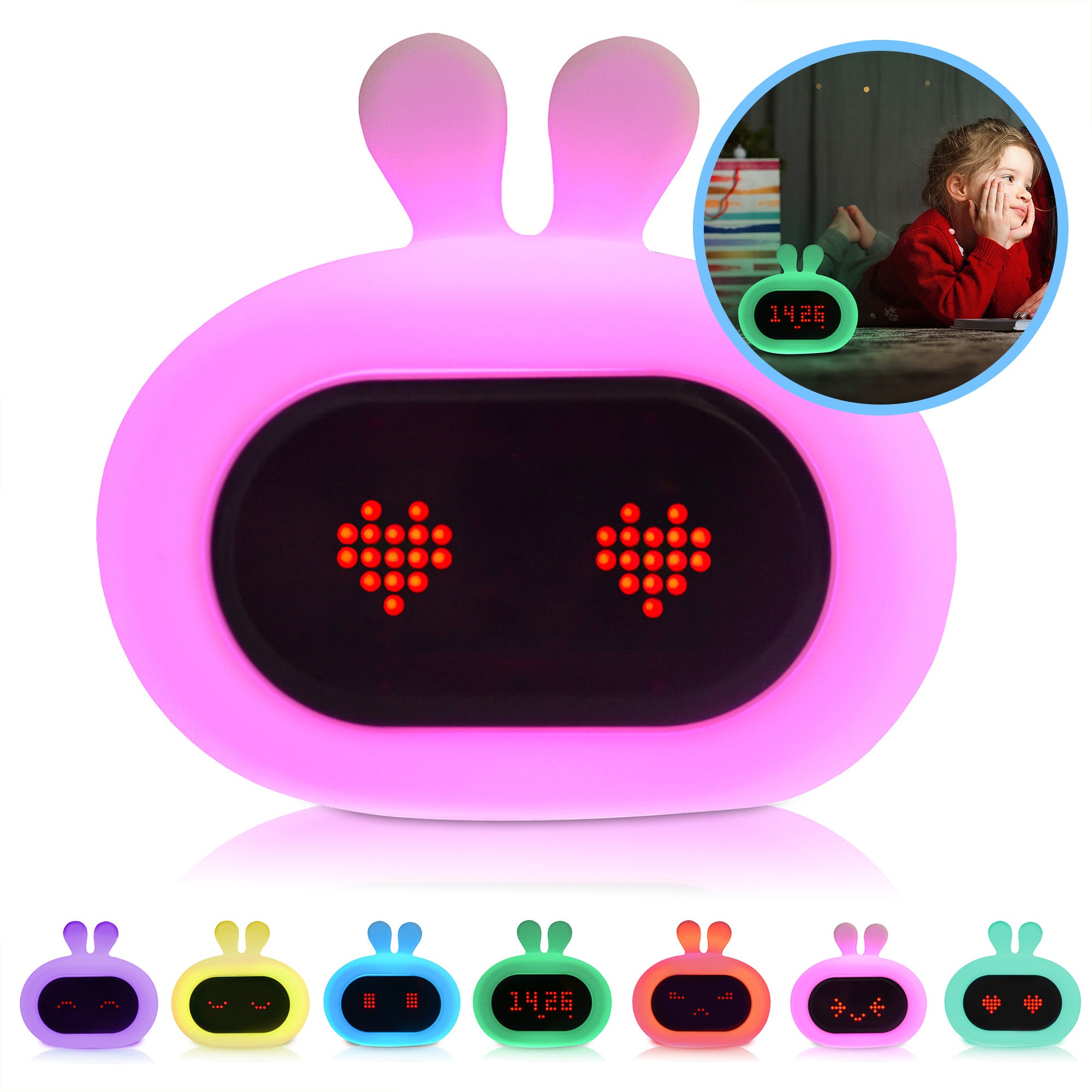
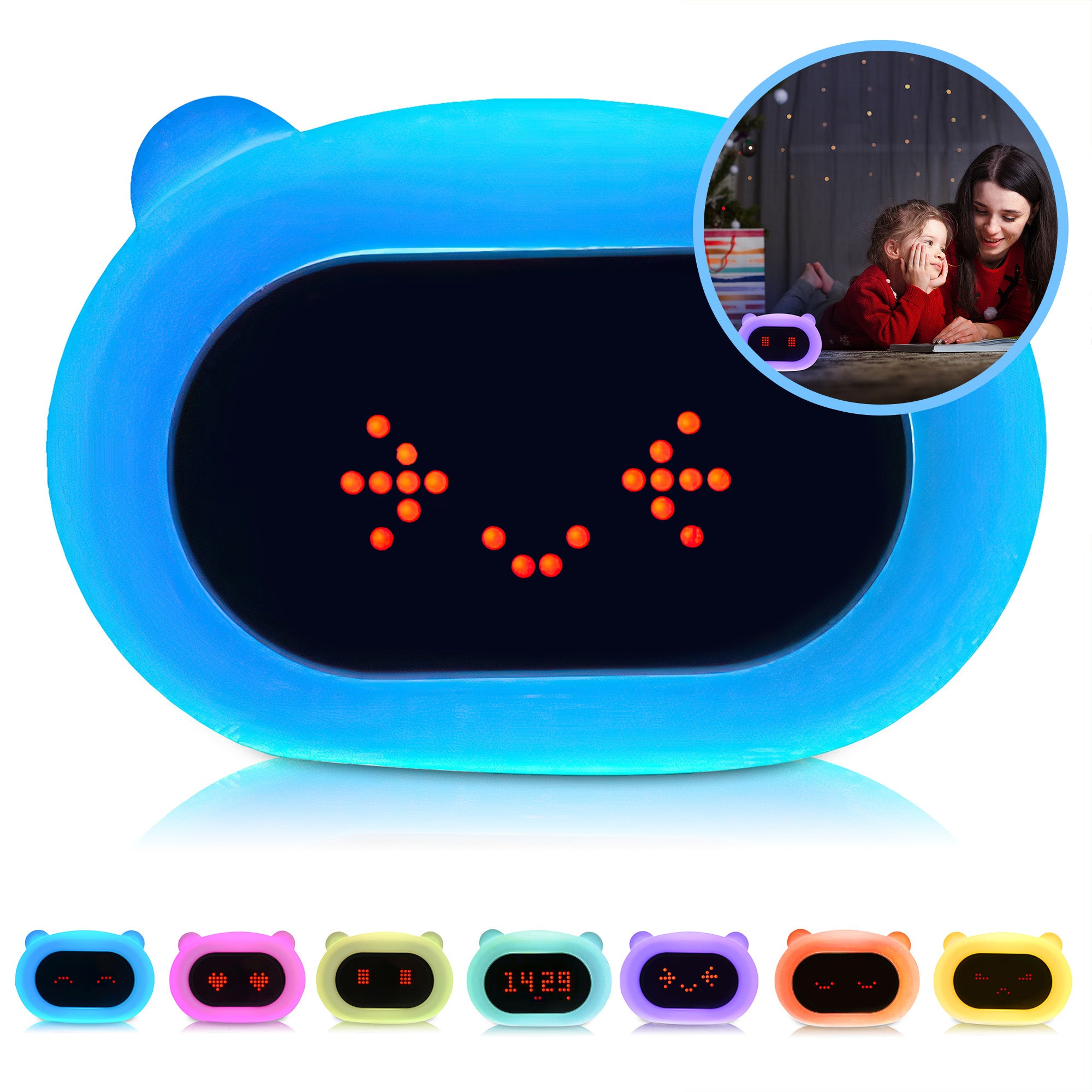
A sleep trainer is a children’s alarm clock that uses a colour, symbol or picture to show which part of the day it is. For a young child who cannot yet tell the time, this is often easier to understand than numbers on a clock. You can agree together, for example, that a particular colour means the day may begin.
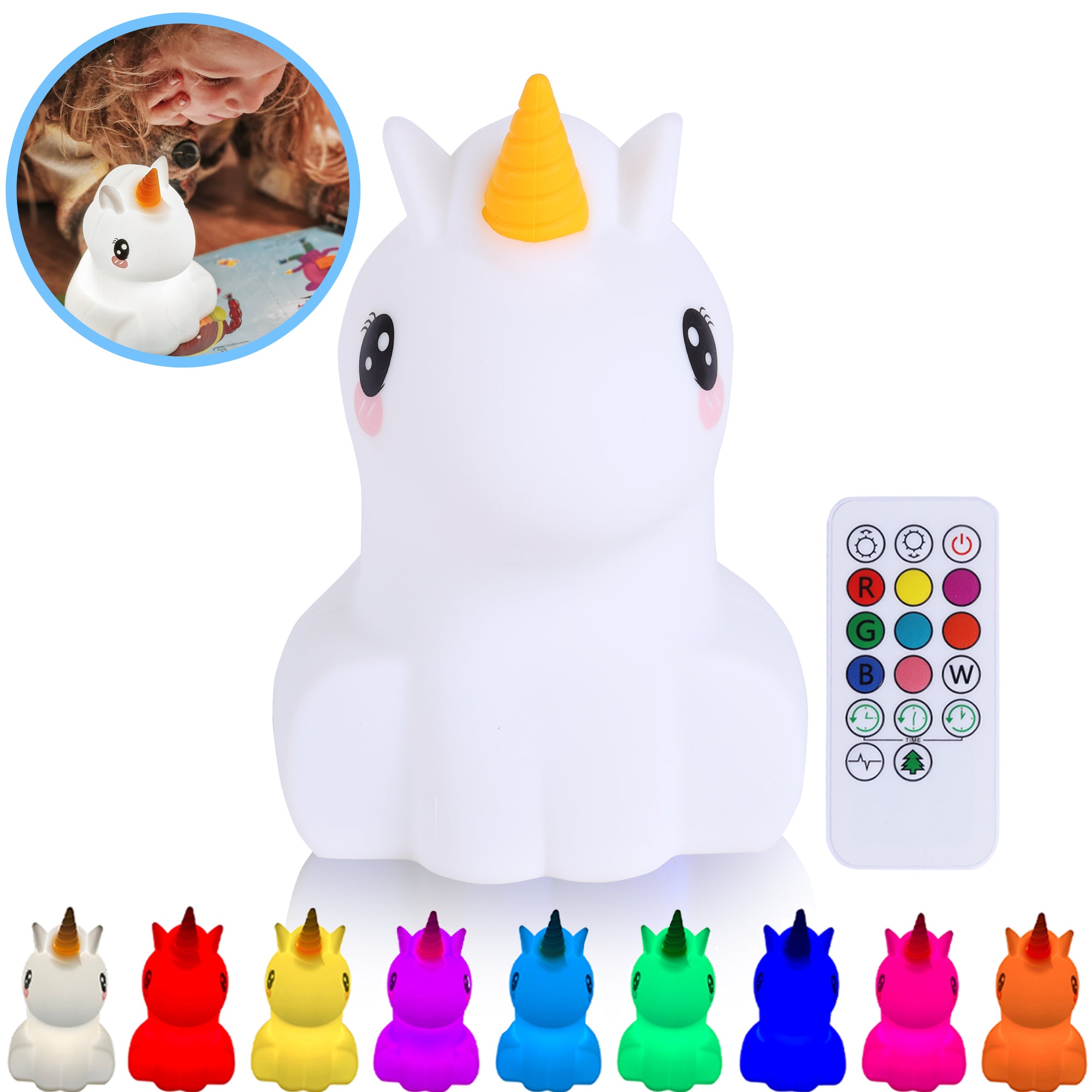
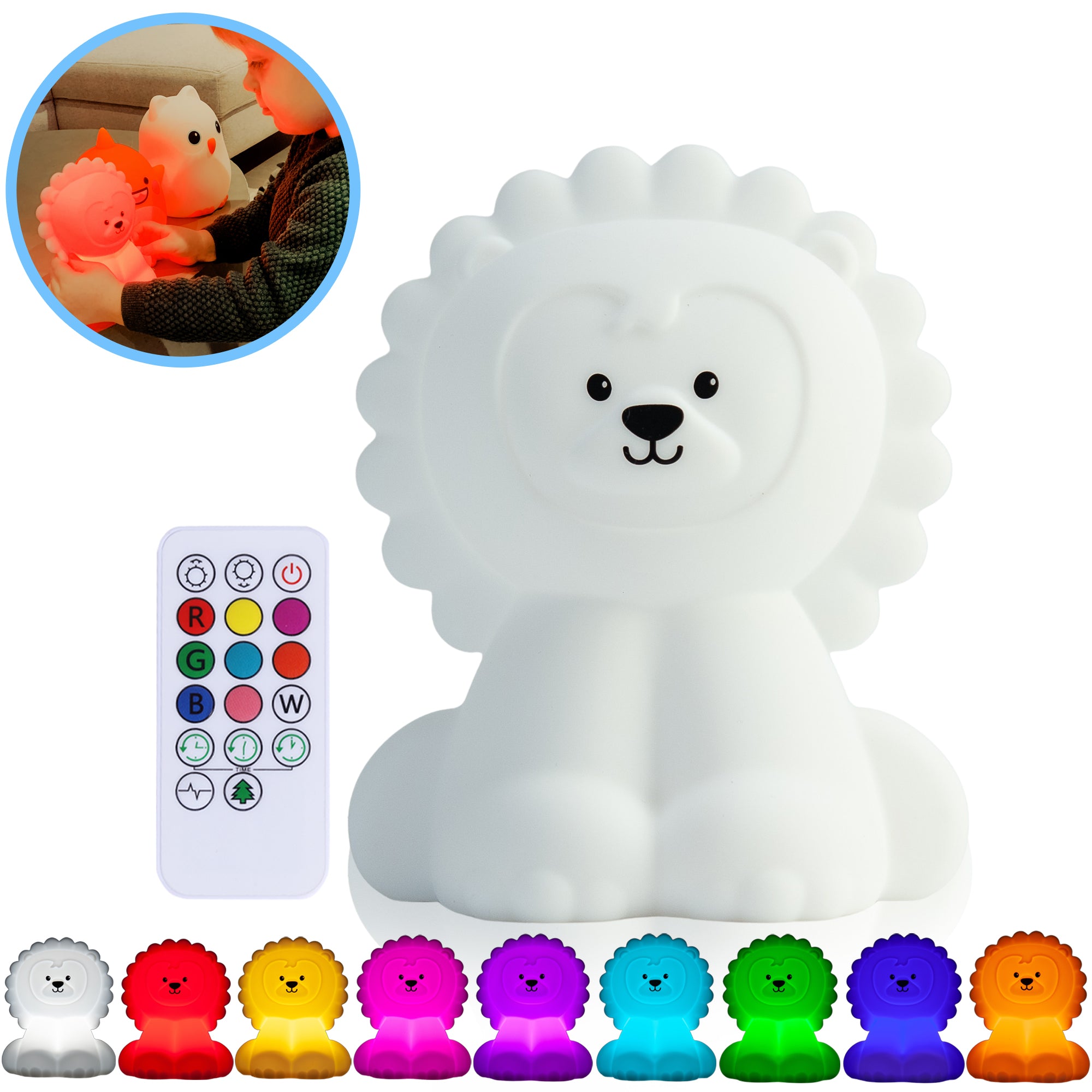
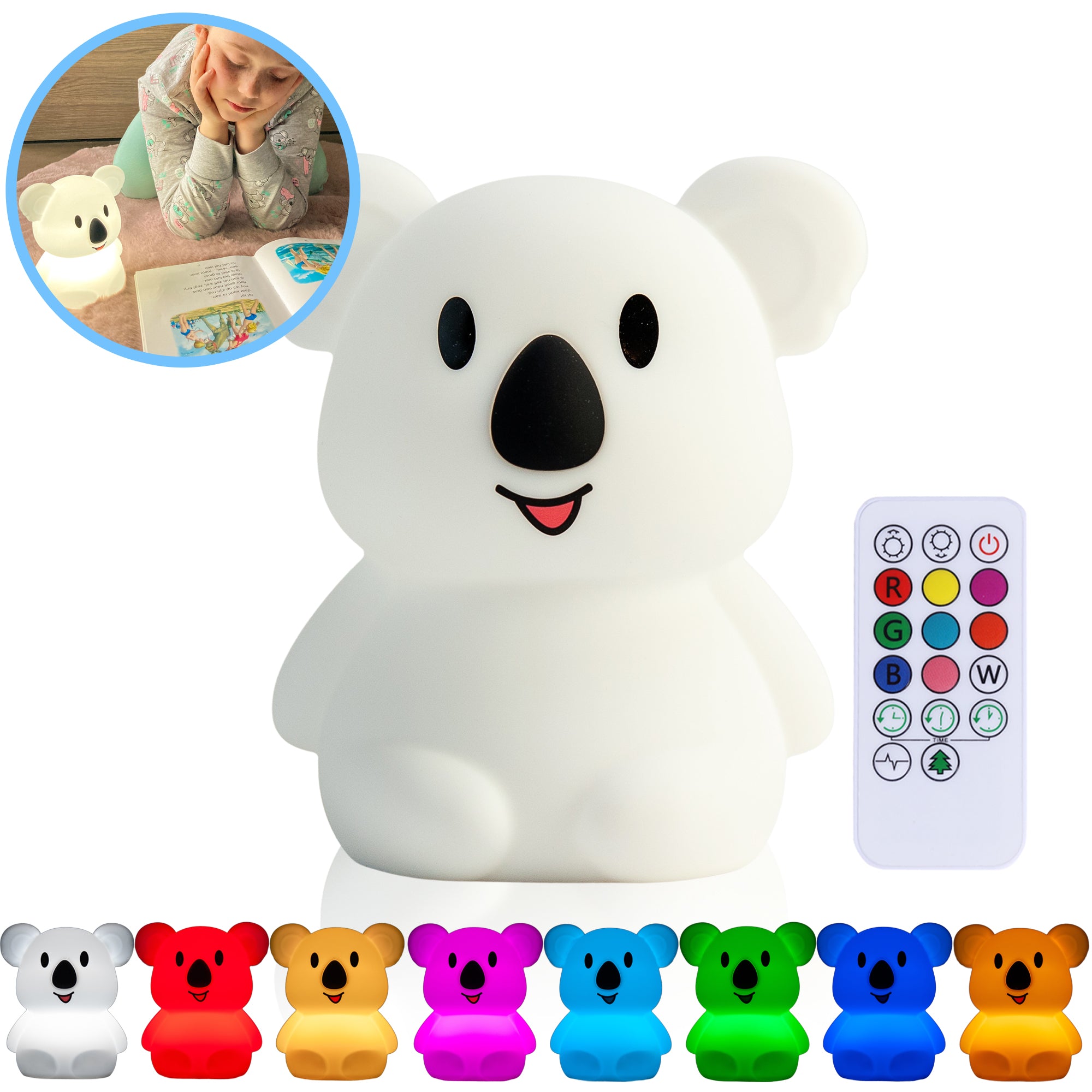
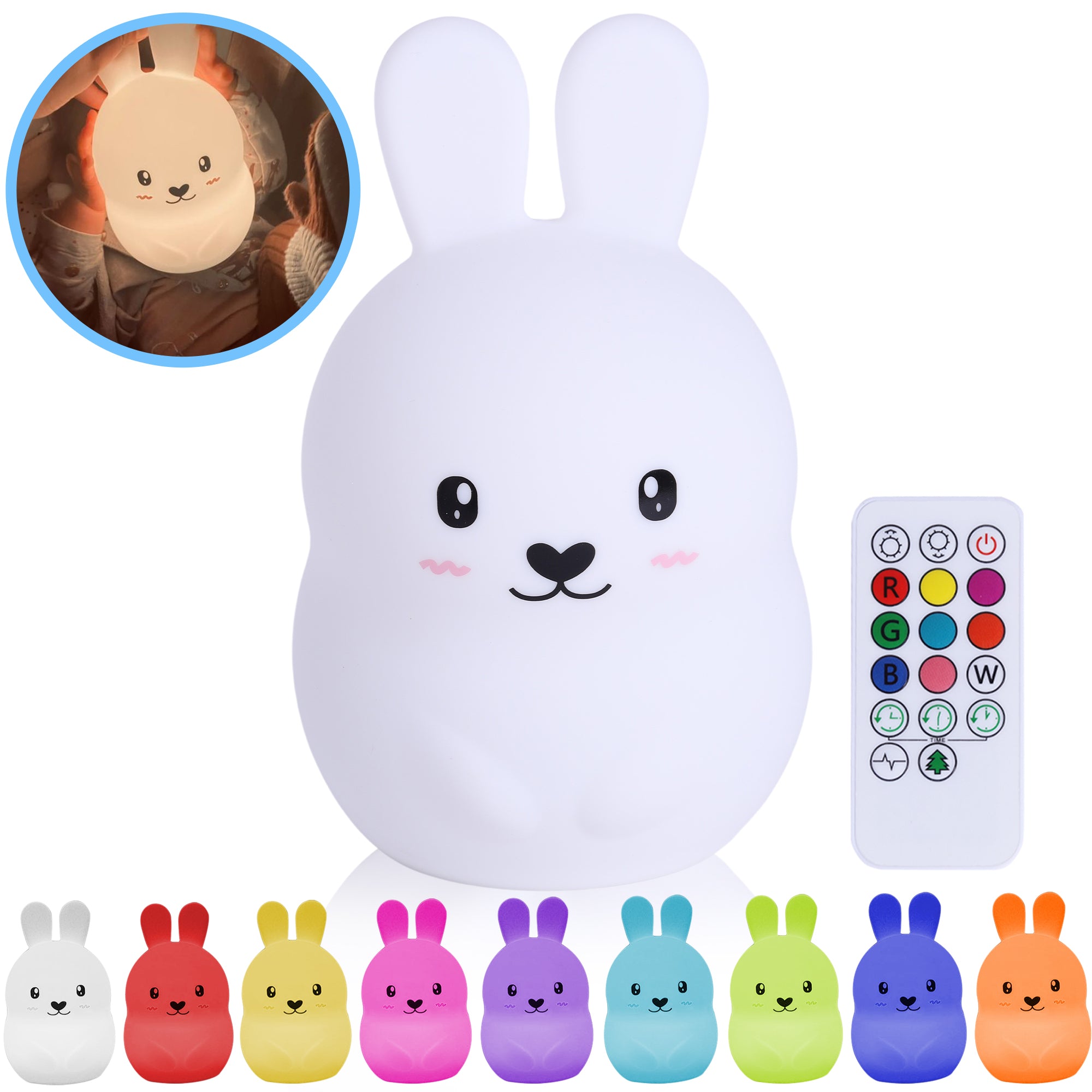
This aid is mainly intended for the transition between night and morning. A sleep trainer can also form part of the bedtime routine. On Kadoing children’s alarm clocks, a red light can indicate the agreed bedtime, while a white light shows when the day begins. The device does not take over the routine, but it can provide a familiar point of reference.
A routine chart works differently. It contains pictures or simple symbols showing regular activities. These might include getting dressed, eating breakfast, putting on shoes and putting on a coat. In the evening, the sequence might be tidying up, washing, putting on pyjamas, brushing teeth, having a story and going to sleep. Your child does not see what time something must happen, but what the next step is.
That difference may seem small on paper, but it is significant in practice. A sleep trainer mainly answers the question: “Is it time yet?” A routine chart mainly answers: “What are we going to do now?”
When a sleep trainer may work well
A sleep trainer can be helpful when the morning often starts unclearly for your family. Young children may wake before the rest of the household is ready to begin the day. How often this happens varies from one child and period to another. A visual signal can help show when, according to your agreement, the day begins. Of course, you remain available whenever your child needs you.
Do not expect an immediate change from one day to the next. Especially at first, your child will need your explanations and repetition. During the day, at a relaxed moment, explain what the colours or symbols mean. Keep the agreement simple. For example: when the red light is on, it is still rest time according to your agreement. When the white light appears, the day may begin. Explain as well that your child may always ask for help when needed.
A sleep trainer often suits a child who is interested in consistent signals and repetition. Some children like to check for themselves what the clock is showing. Others benefit more from a parent who guides them calmly. That is not a sign that the aid is not working, but an invitation to make the agreement smaller or give it a little more time.
Choose a setting that suits your family rather than an idealised routine. A start time that feels manageable for everyone will bring more calm than one that repeatedly causes discussion. It can also help to use the sleep trainer only in the morning at first, without immediately adding lots of extra rules.
How to introduce a sleep trainer gently
Let your child explore the sleep trainer during the day first. Point out the colours or symbols together and practise what they mean through play. For example: “Red means rest time and white means the day may begin.” Then make one clear agreement for the morning and repeat it in the same way for several days.
Respond gently when it does not work straight away. If your child wakes early, calmly refer back to the agreed signal. Sometimes something is still needed that morning: a cuddle, closeness or help settling down again. Structure and comfort can sit perfectly well alongside each other.
When a routine chart provides more guidance
A routine chart can be useful when the transitions throughout the day require a lot of repeated instructions. To a young child, a morning can feel like a series of separate tasks: getting dressed, finding socks, going downstairs, eating and brushing teeth. A chart makes that sequence visible and clear.
This can also help at times when your child is keen to join in independently. Instead of repeatedly saying what needs to happen next, you can look at the chart together. Your child can turn over, point to or tick off a card. This allows your child to take part in following the steps without you having to explain every action again.
Routine charts are particularly useful when your days vary. You might create a simple morning chart for nursery or school days and another for relaxed weekends. Begin with just a few familiar steps, for example. You can expand the chart later if that suits your routine.
In the evening, a routine chart works best when there is still room for warmth. The “read a book” card is not a task to tick off in a hurry, but a familiar part of ending the day together. This keeps the chart as an aid for structure rather than a schedule that becomes more important than the moment itself.
Creating a routine chart your child understands
Use images that are clear and familiar. A photo of your child’s own toothbrush or pyjamas may be clearer to some children than a general symbol. Place the cards at eye level in a consistent location, such as the bathroom or beside the coat rack.
Begin with one part of the day, such as the morning or the bedtime routine. Choose a time when you can show several familiar steps. Once this feels familiar, you can add a second routine later. Feel free to adapt the chart when your family rhythm changes. A routine does not need to remain the same forever in order to provide support.
Combining both without making it overwhelming
You do not always have to choose between a sleep trainer and a routine chart. Precisely because they answer different questions, they can complement each other. The routine chart guides the steps before bedtime, while the sleep trainer can provide a clear morning signal.
You do not need to introduce both aids at once. First choose the moment when your family would like more clarity. If early waking is the main issue, begin with the sleep trainer. If the steps around getting dressed or going to bed are more difficult, a routine chart is probably a logical first step.
Once one aid is familiar, you can consider whether anything else is needed. Sometimes a simple chart on the wall proves sufficient. Sometimes a sleep trainer provides just the extra clarity to which your child responds well. And sometimes your family benefits most from a few calm weeks with the same sequence, without adding anything new.
Choose what suits your child and home
Practical considerations also matter when making your choice. A sleep trainer takes up little space and can have a familiar spot in the bedroom. Look particularly for a design your child likes and settings that fit easily into your family rhythm. A soft night light can be a cosy addition, but does not need to take centre stage.
A routine chart is flexible and can be personalised. You can adapt it to your own words, habits and family moments. This takes a little more preparation at first, but it does not have to be complicated. A few clear pictures are often enough.
Above all, consider how your child communicates. If your child responds well to familiar light signals, you could try a sleep trainer. If your child mainly needs an overview of daily activities, a routine chart may be suitable. You can also combine both aids if that is practical for your family.
A sleep trainer and a routine chart each serve a different purpose. A sleep trainer makes an agreed rest or wake-up time visible, while a routine chart helps show the sequence of daily activities. Consider which aid best matches your situation and leave room to adjust your agreements whenever necessary.