Planning is not always fun, but it is an important life skill. Discover how to teach your child to plan, organize, and complete tasks through play.
Why Is Planning Important for Children?
Planning is a skill that benefits children throughout their lives. Whether it's completing homework, preparing a presentation, tidying up toys, or later balancing work and hobbies, good planning helps create structure, clarity, and less stress.
Young children mainly live in the moment, which is completely normal. However, you can start developing their sense of time and responsibility from an early age. The sooner children learn to manage tasks and commitments, the easier it becomes later in life.
Planning helps children with:
- Developing a sense of responsibility
- Keeping commitments and agreements
- Reducing stress and chaos
- Improving concentration
- Increasing independence
- Building self-confidence
Why Do Many Children Find Planning Difficult?
For adults, planning often feels natural, but for children it is a complex skill. Their brains are still developing, and abilities such as staying organized, setting priorities, and thinking ahead develop gradually over time.
Besides, playing, exploring, and having fun are naturally more appealing than doing homework or chores. That is why a playful approach often works better than strict rules.
Tip 1: Use a Colorful Family Calendar
Children learn best when information is visible and easy to understand. A colorful calendar can be a great tool. Together, write down important activities such as sports practices, playdates, birthdays, homework assignments, and other tasks.
Place the calendar at your child's eye level so it is easy to access. Use different colors for different types of activities. This creates a clear overview and makes planning more visually appealing.
By regularly reviewing the calendar together, your child learns to think ahead and understand how a week or month is organized.
Tip 2: Break Tasks Down into Smaller Steps
Some tasks can feel overwhelming to children. Homework or cleaning a bedroom may seem huge. Breaking larger tasks into smaller steps makes them much easier to manage.
For example, create a simple checklist together:
- Unpack the school bag
- Have a drink and some fruit
- Do 15 minutes of homework
- Enjoy playtime
- Tidy up the bedroom
Each completed step creates a sense of achievement, which helps motivate children to continue.
Tip 3: Create a Mind Map of Weekly Tasks
Does your child struggle to keep track of everything? A mind map can be a helpful tool. Write the words "This Week" in the center of a large sheet of paper and branch out into different categories.
For example:
- School
- Sports
- Friends and playdates
- Household responsibilities
- Fun activities
A mind map helps children organize information and see connections between activities. Many children also enjoy adding colors and drawings, making the process creative and engaging.
Tip 4: Use Timers and Alarm Clocks
Children can easily lose track of time while playing. A timer or alarm clock can help create clear boundaries between activities.
For example, agree to play for 20 minutes first and then spend 15 minutes on homework. Having a clear endpoint reduces discussions and makes expectations more predictable.
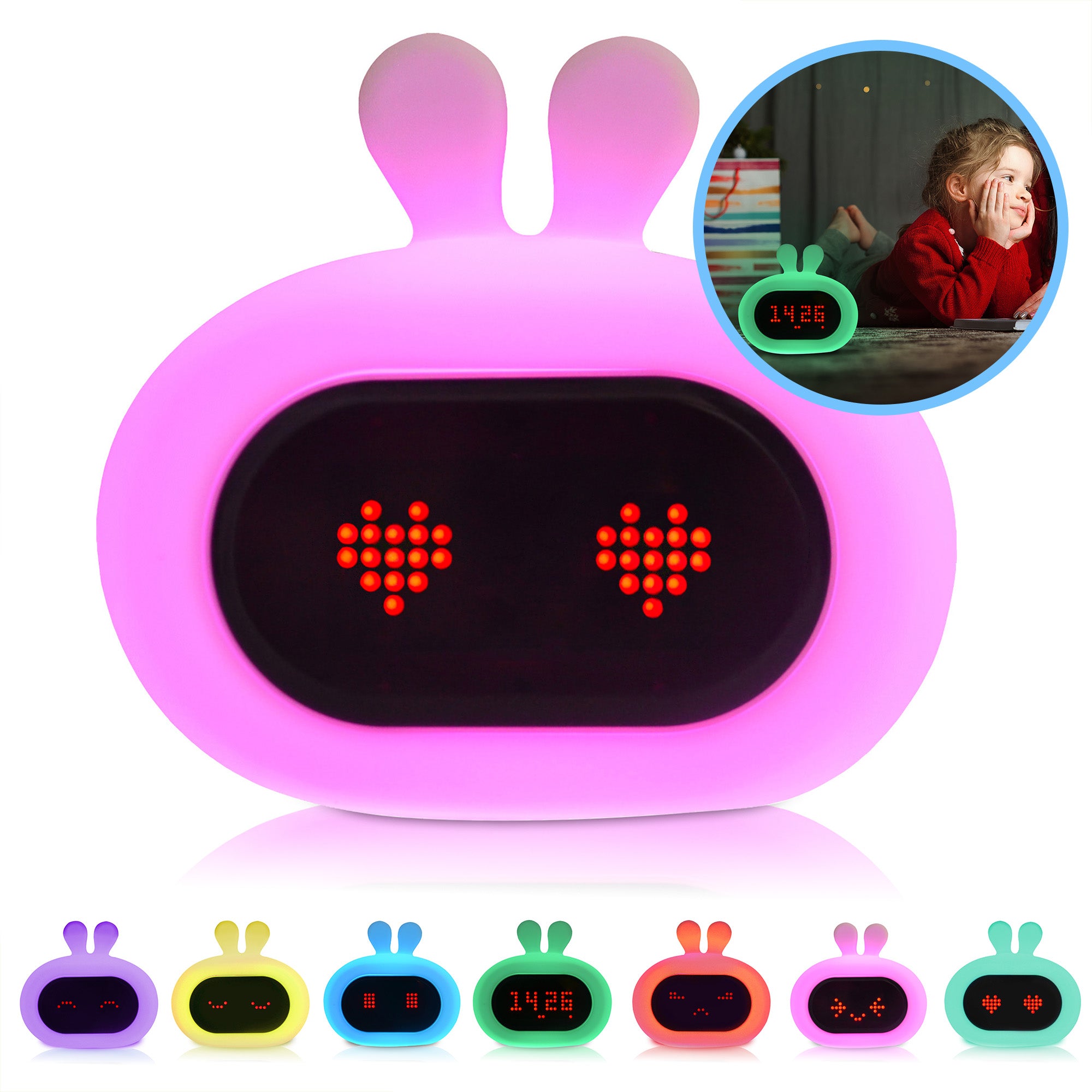
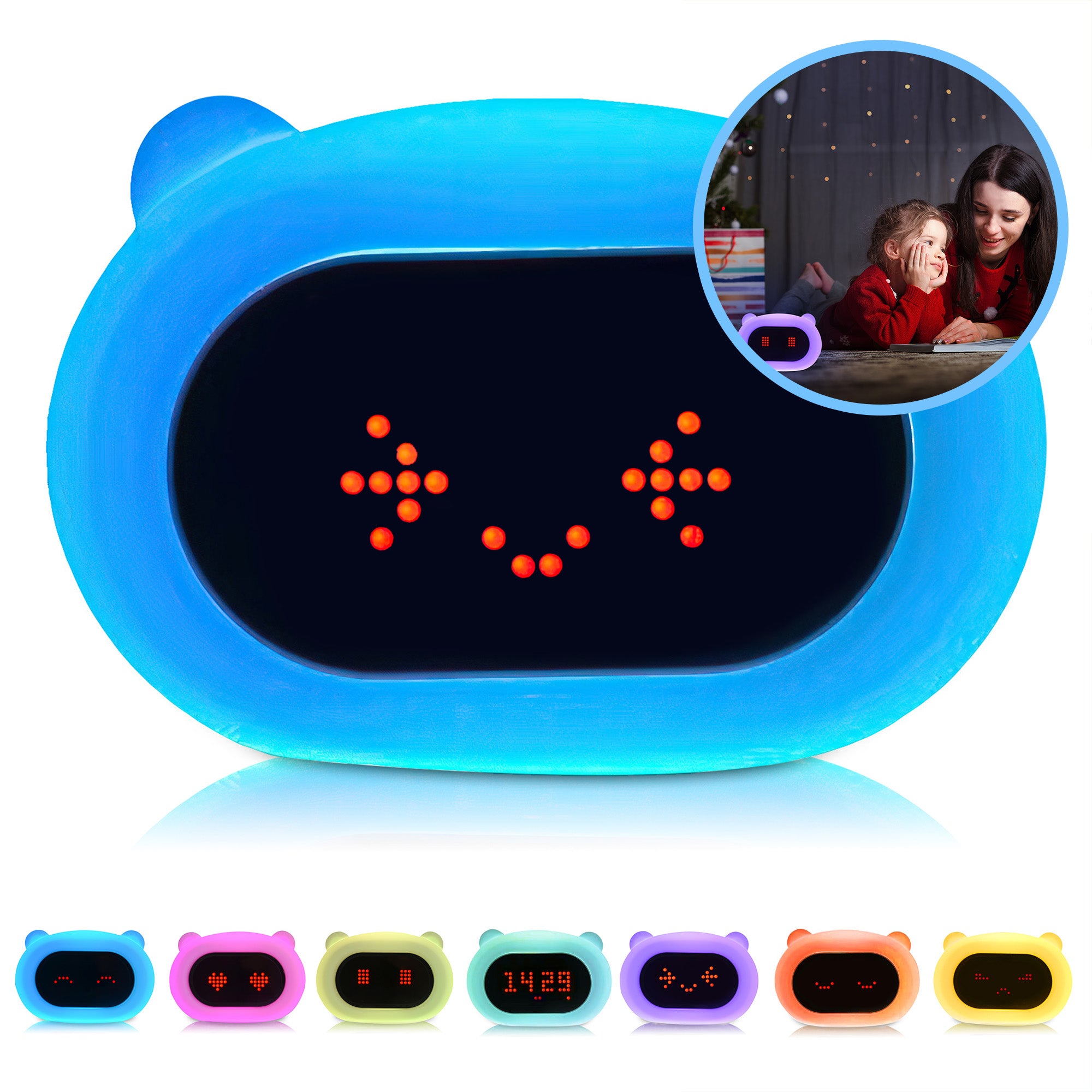
Our collection of alarm clocks for children can be a fun way to support these routines. By creating consistent schedules, children gradually learn to manage their time more effectively.
Take a look at the popular Bunny Kids Alarm Clock or the Bear Kids Alarm Clock for a playful and child-friendly approach.
Tip 5: Reward Effort, Not Just Results
Children do not learn to plan overnight. That is why it is important to focus on effort rather than only the outcome. Praise your child when they take initiative, follow a schedule, or complete a task independently.
This helps build confidence and gradually turns planning into a habit.
Tip 6: Create Consistent Routines
Structure is the foundation of good planning. When children know what to expect, it takes less mental energy to complete tasks.
Try to establish fixed times for homework, play, meals, and bedtime. A predictable daily routine creates calmness and makes planning easier.
For younger children, a clear daily schedule can be supported with tools such as sleep trainers or visual planning aids.
Learning to Plan Through Play
Planning does not have to be boring. By using colors, games, timers, and positive encouragement, planning becomes a fun challenge rather than an obligation.
At Kadoing, we believe children learn best through play, structure, and positive experiences. That is why we create products that support independence, development, and enjoyment.
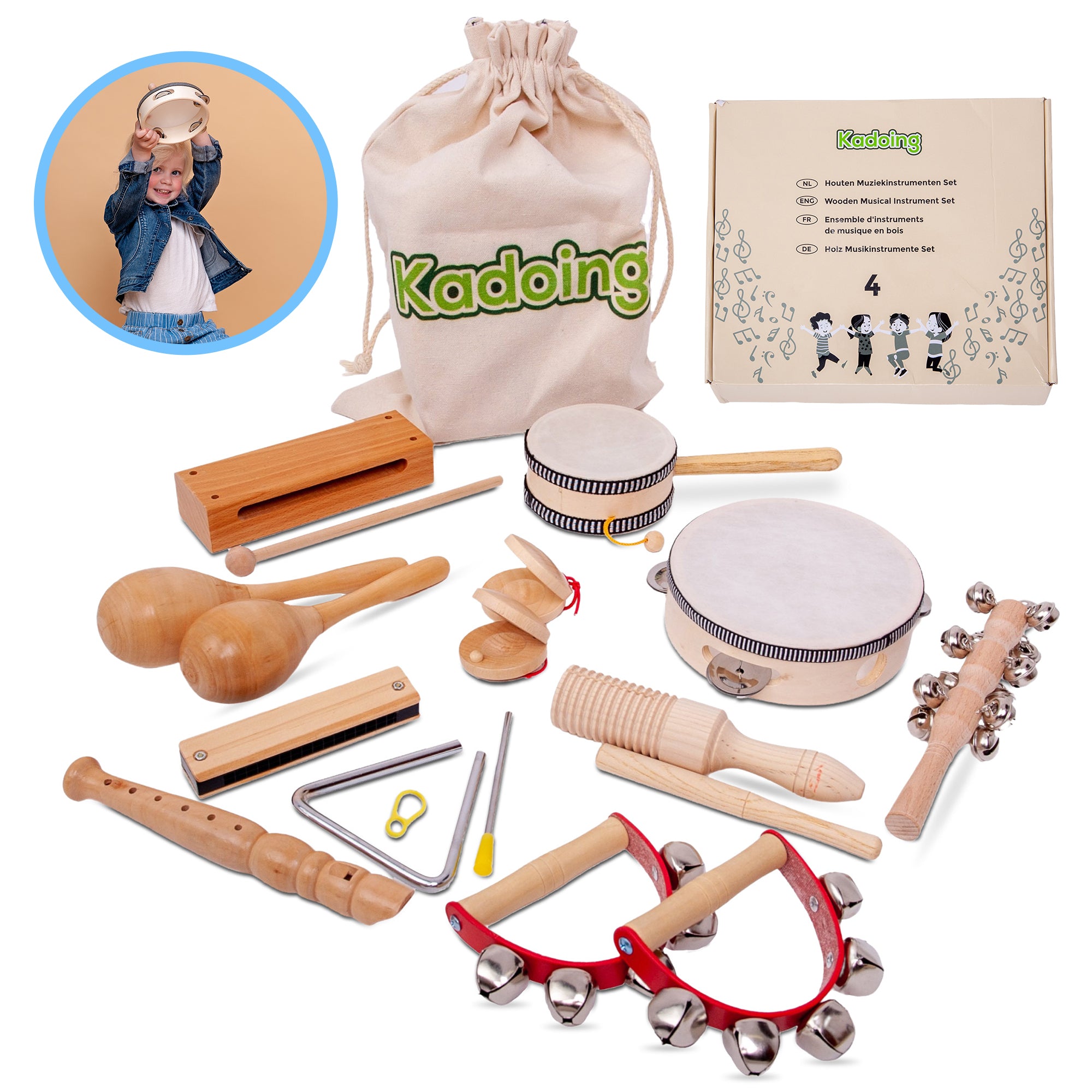
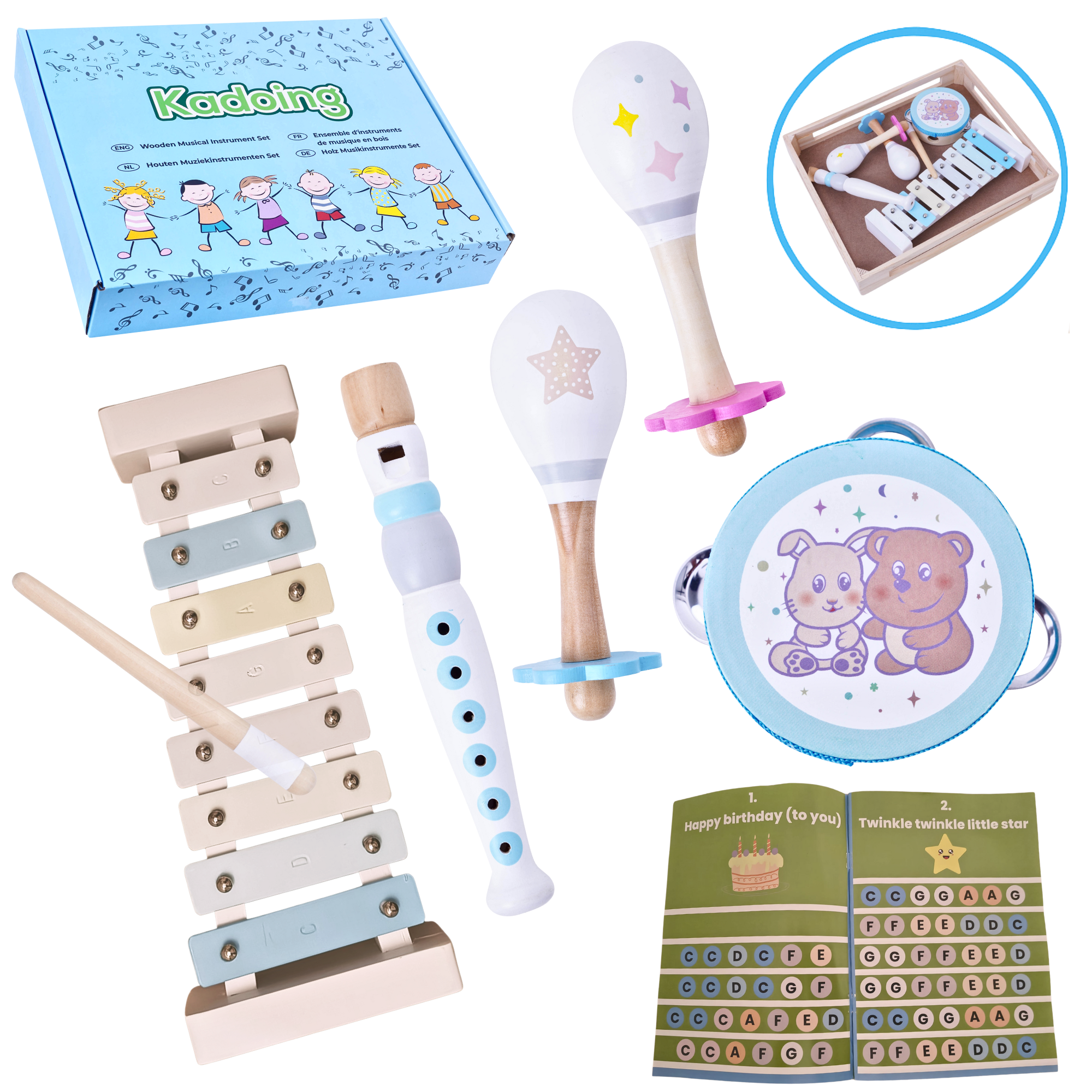
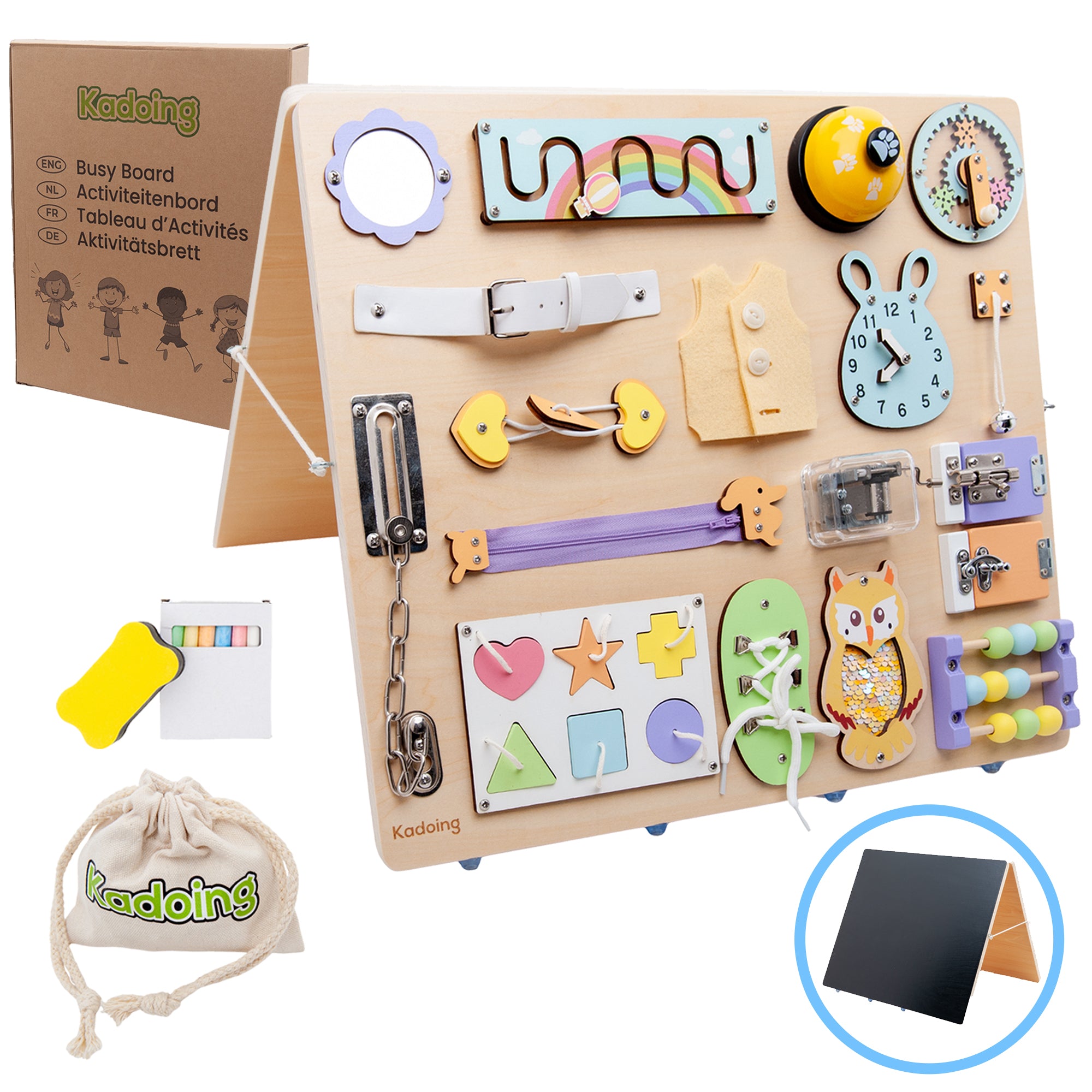
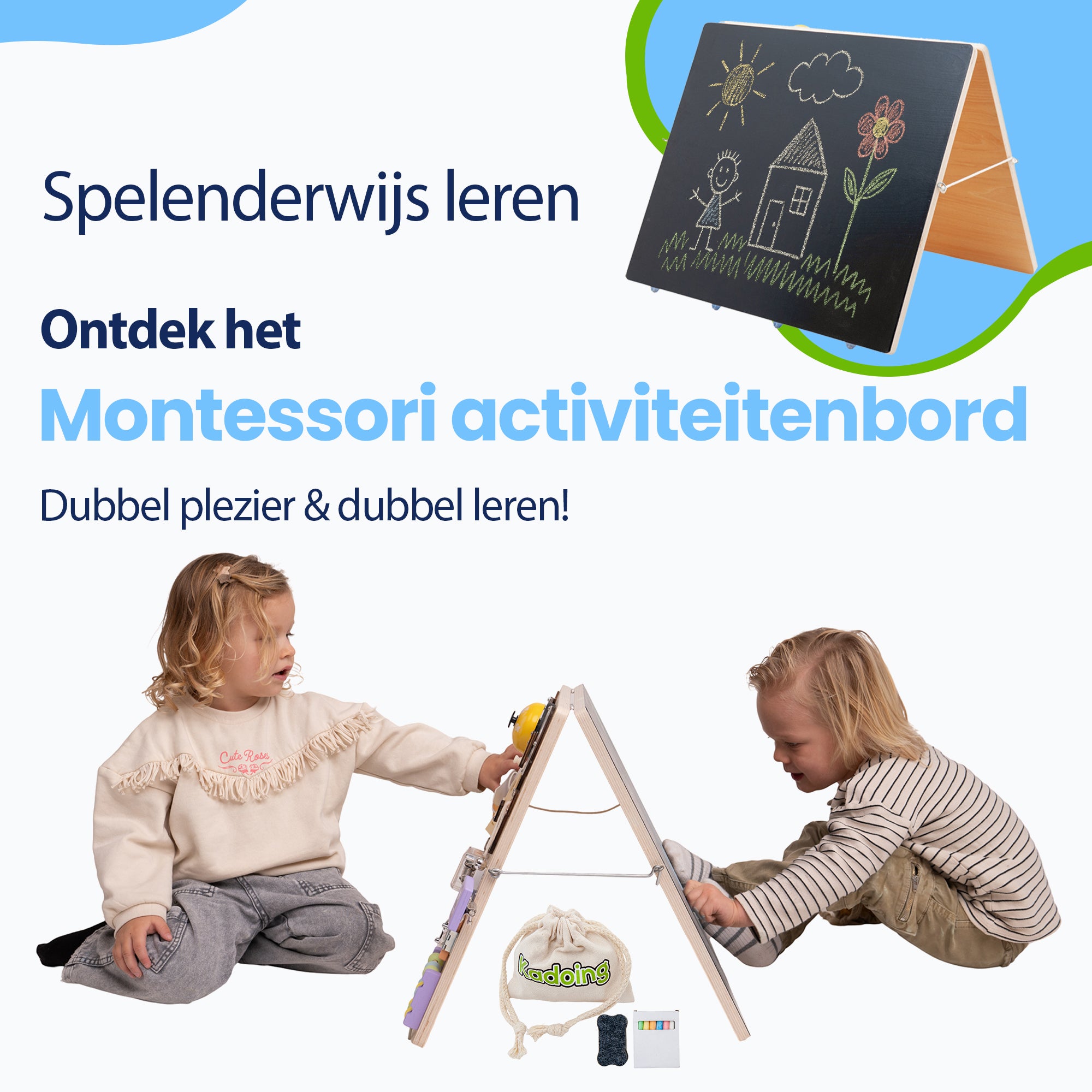
Are you looking for educational toys that help develop concentration, structure, and problem-solving skills? Explore our collection of durable wooden toys or discover the popular Montessori Activity Board.
Would you like to read more about parenting, child development, and practical family tips? Visit our latest blogs.
Which planning tip works best in your home?