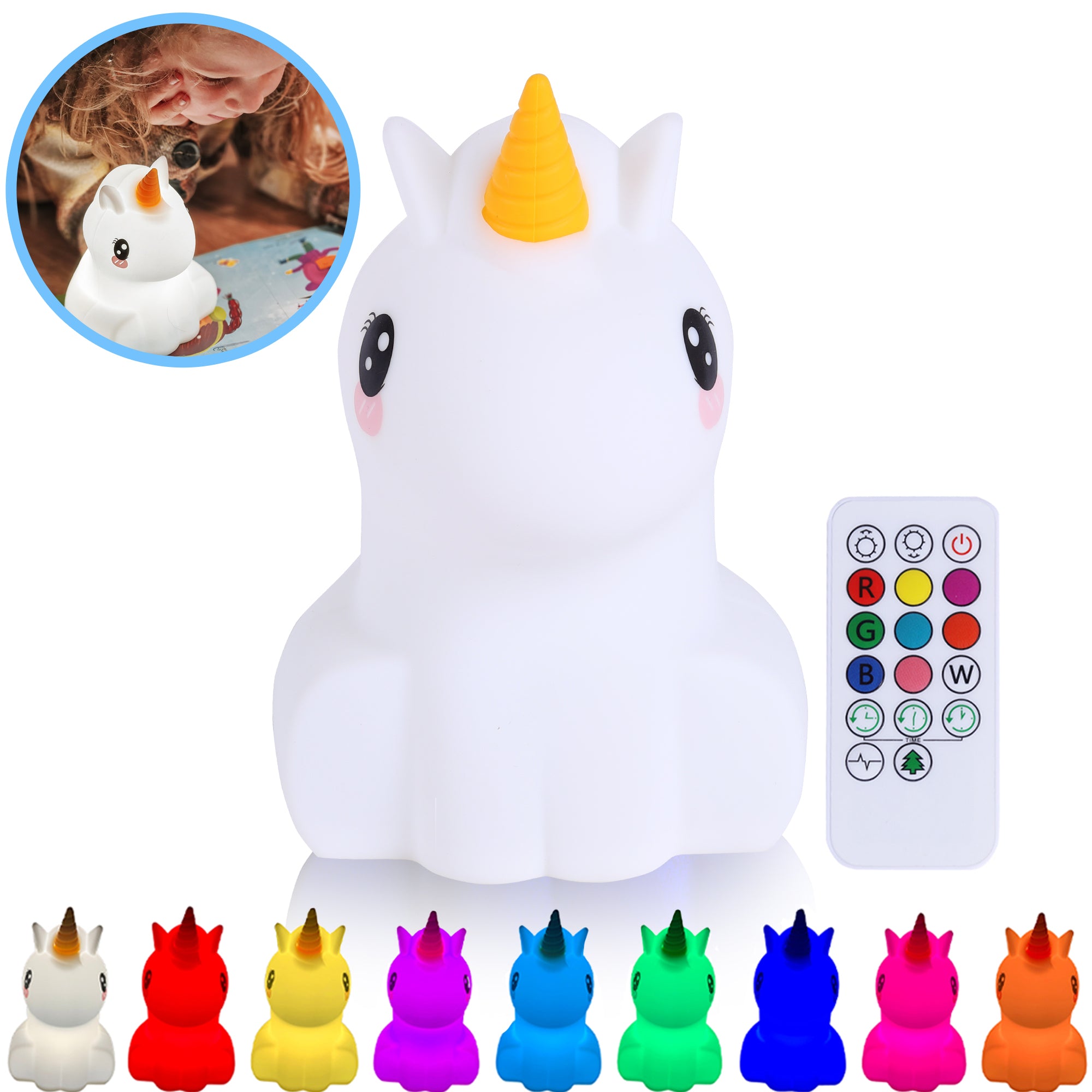
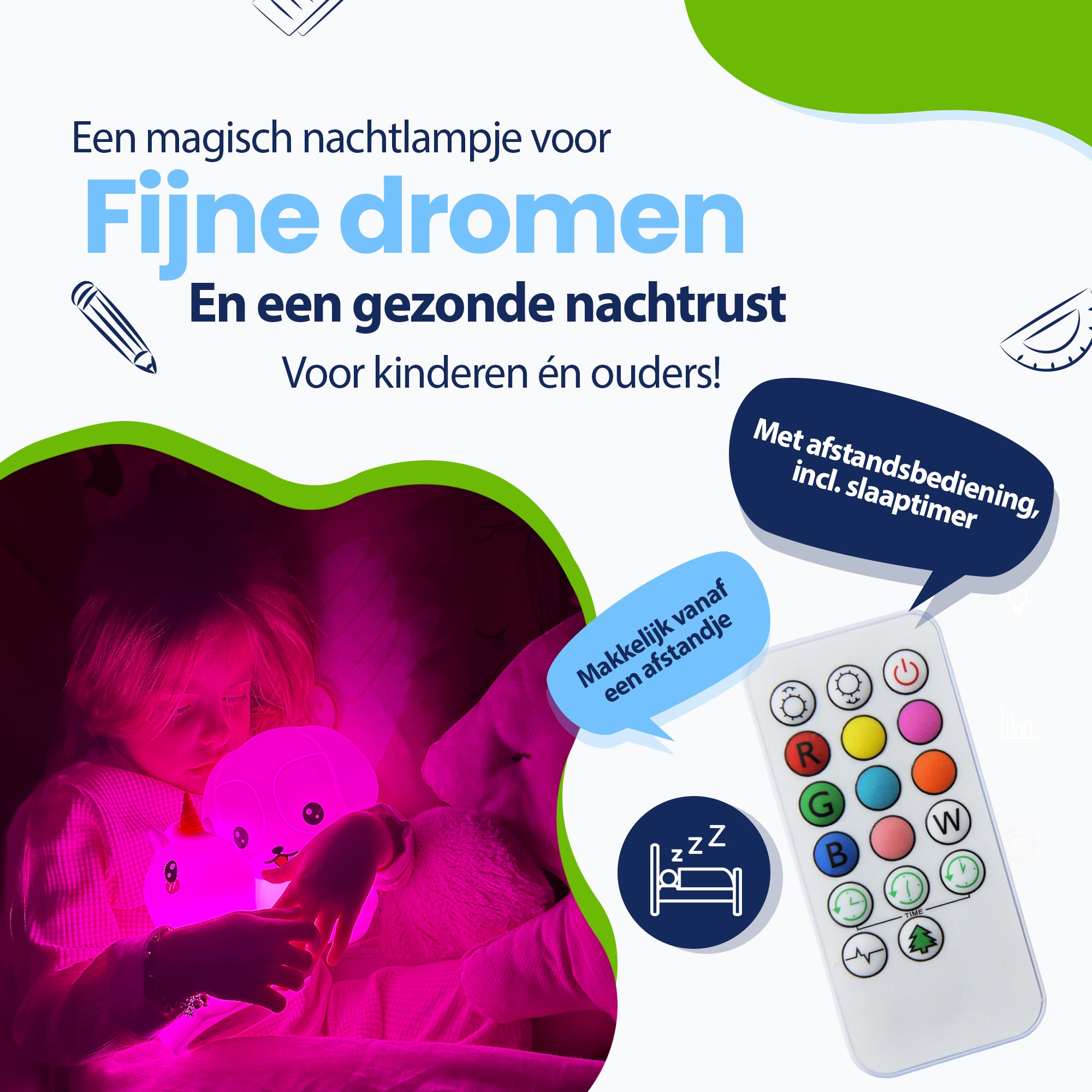
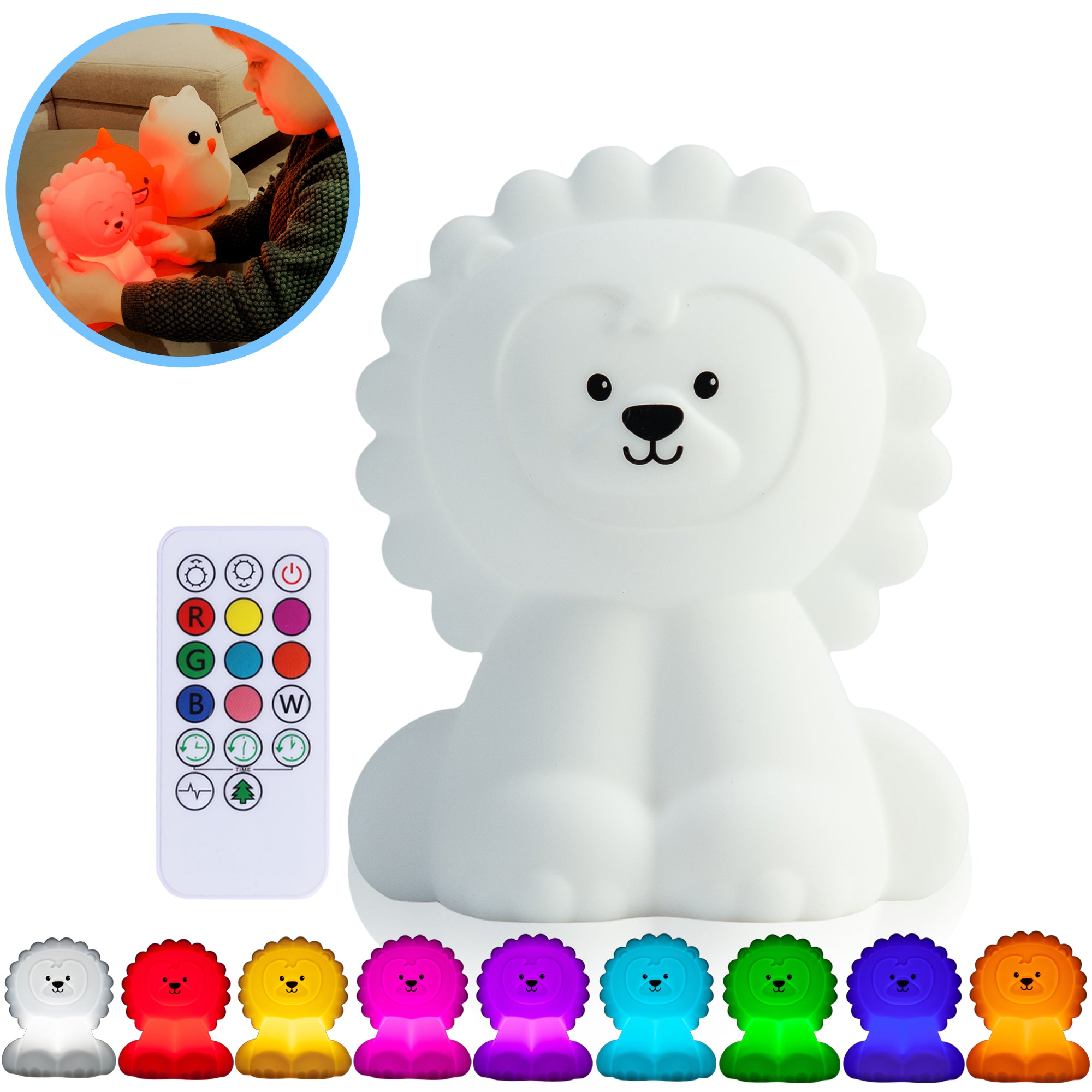
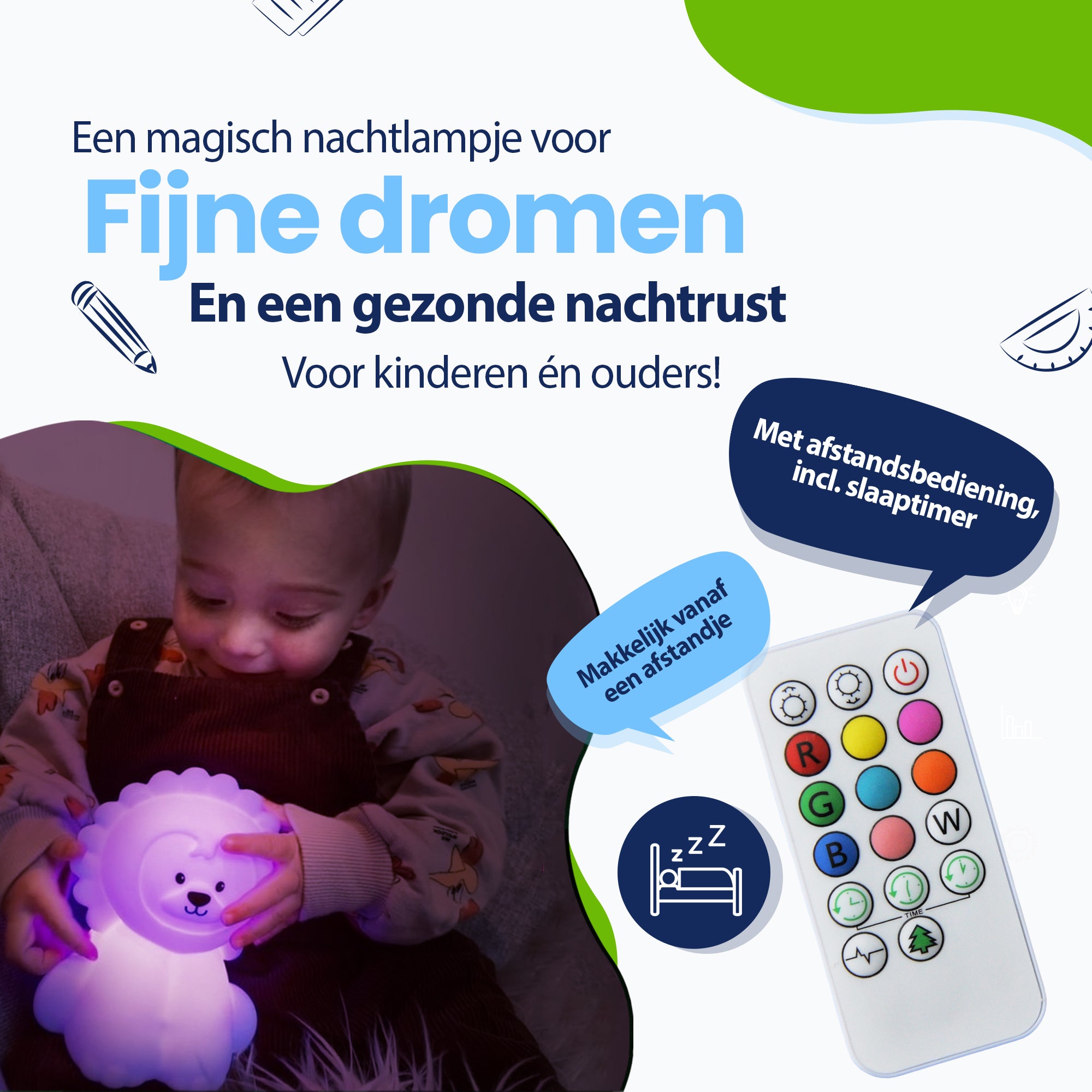
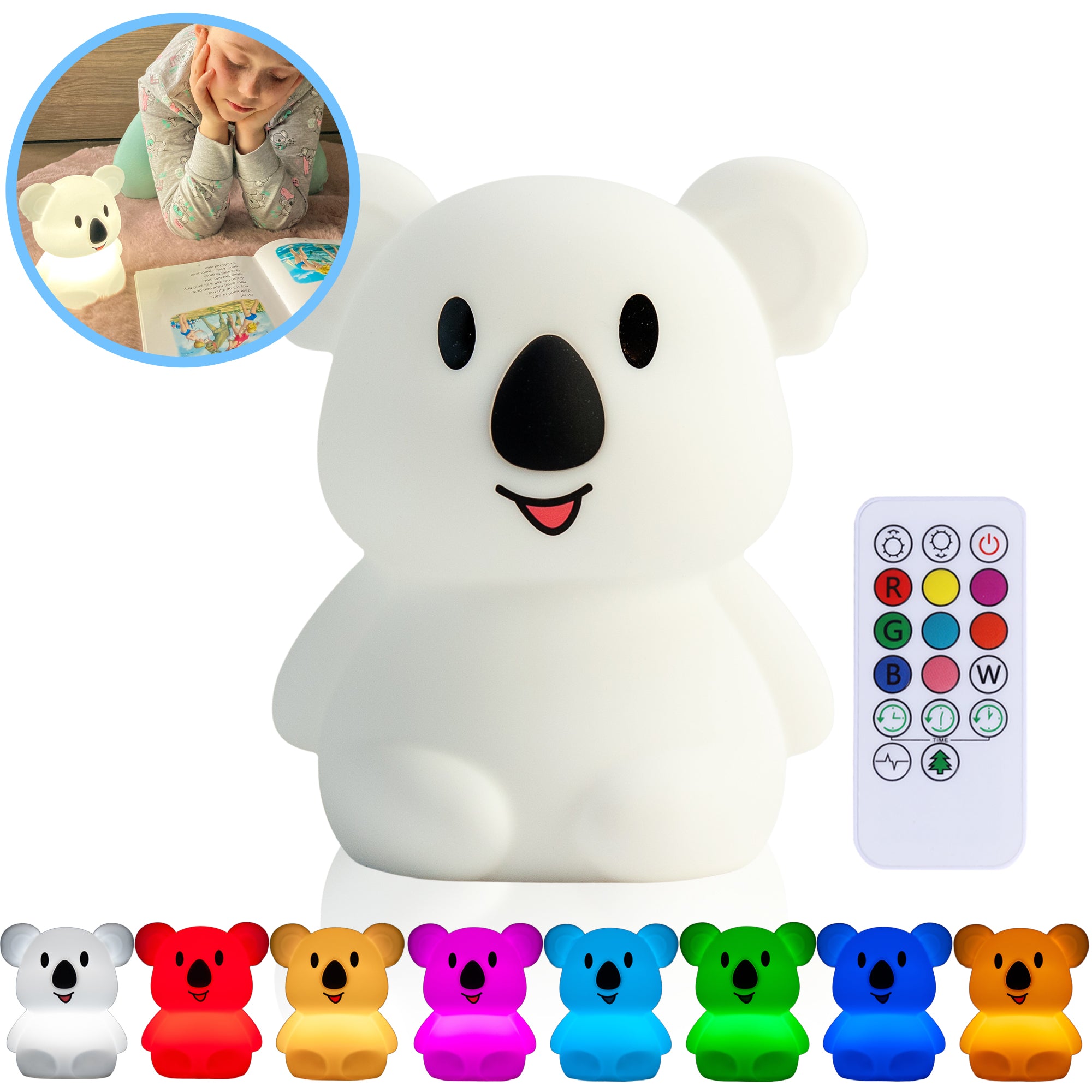
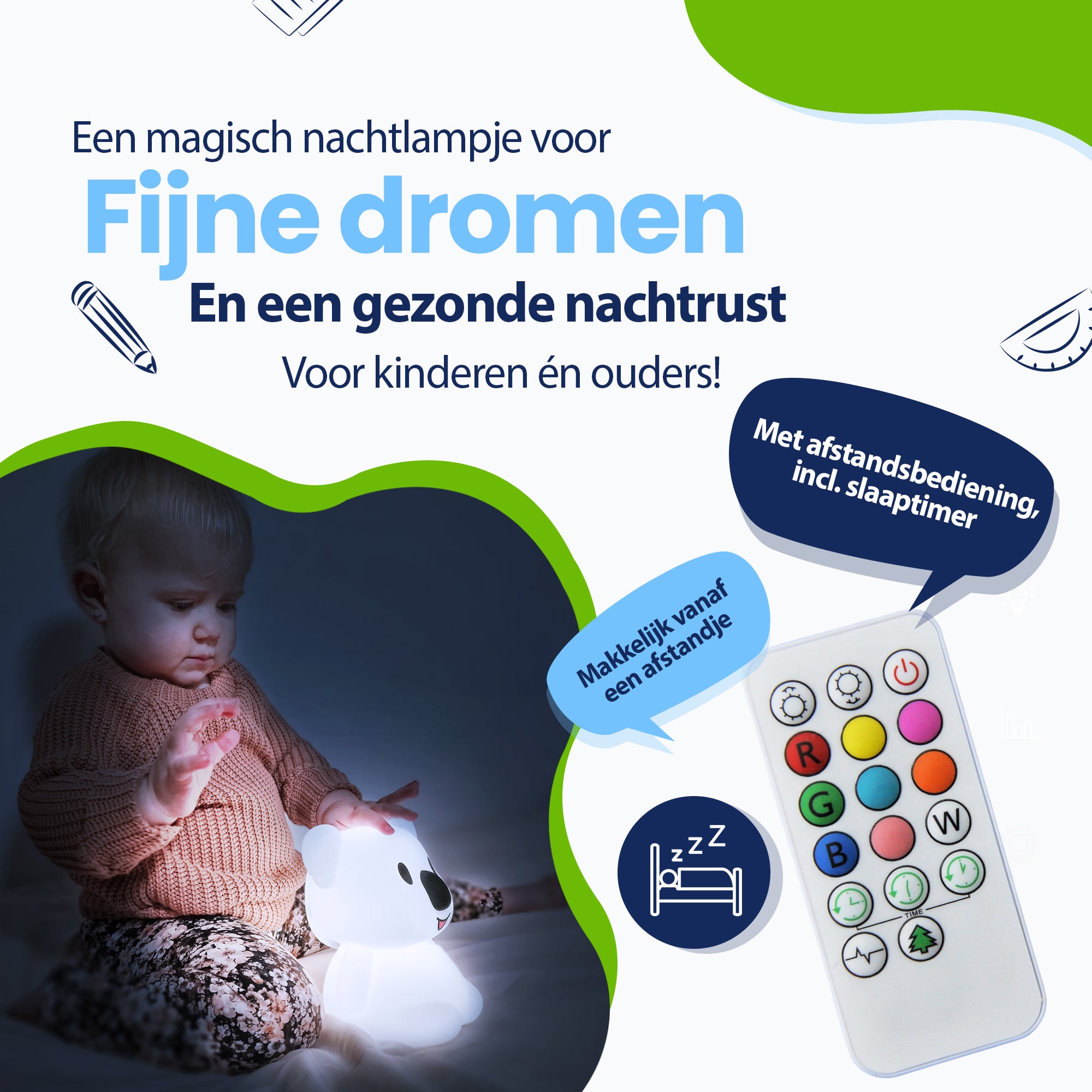
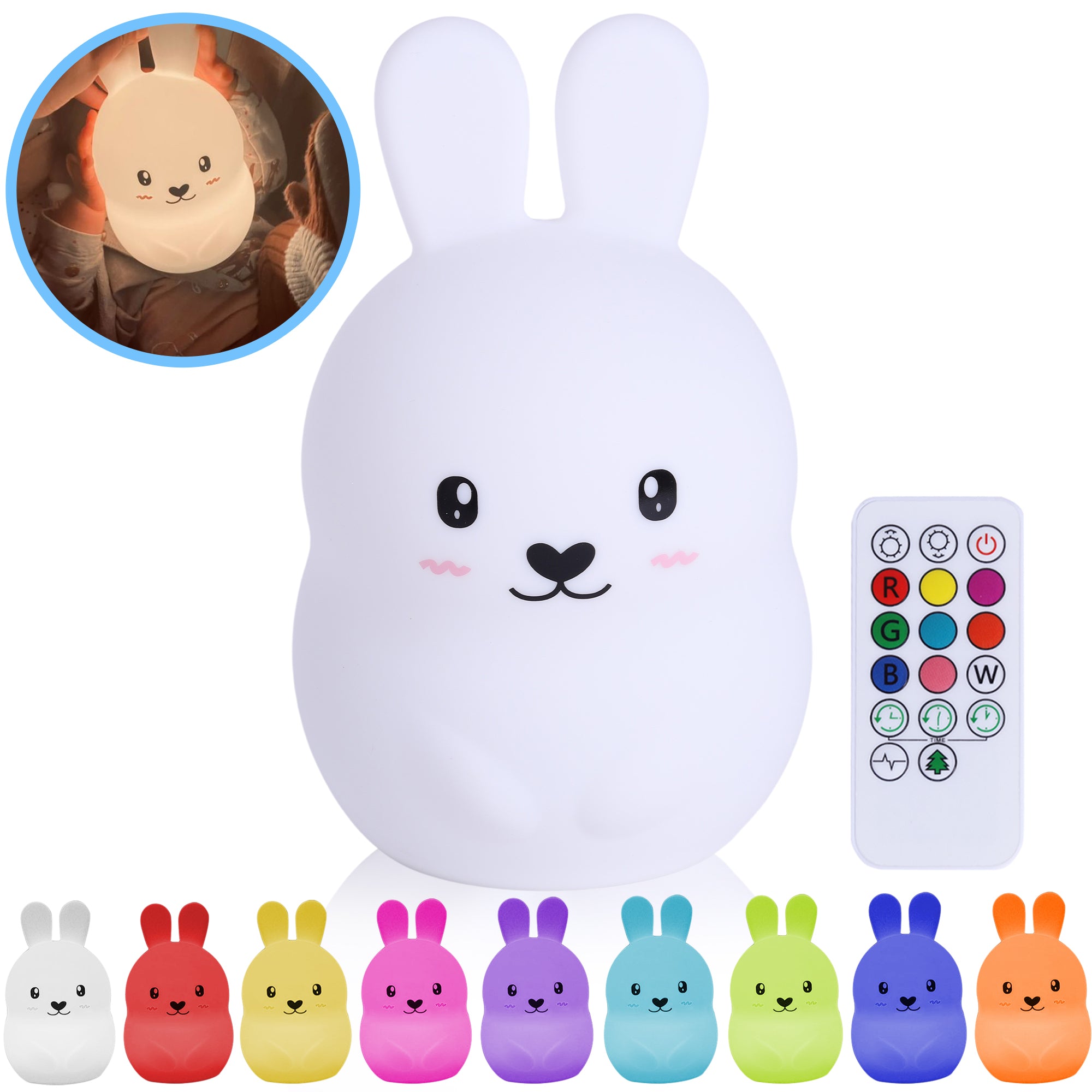
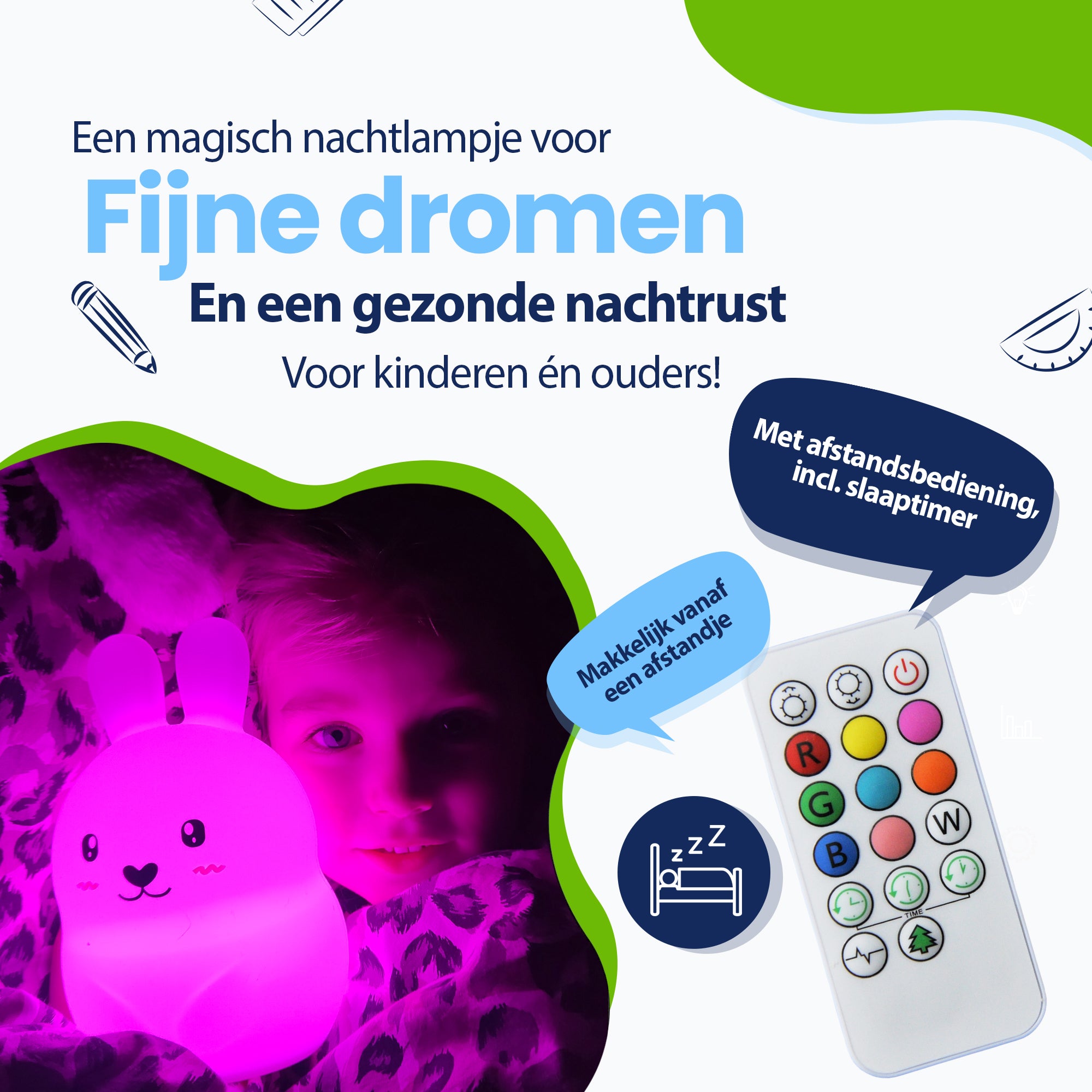
A child suddenly calling out from a dark bedroom. Many parents will recognise that moment. A night light for your child is often not just an extra, but a small tool that can bring a lot more calm. Not only for your child, but also for you, especially at those moments when tiredness and tension can quickly build up.
Why a night light for your child can make such a difference
For young children, the evening feels different from the day. During the day there is movement, sound and closeness. As soon as it becomes quiet and dark, a room can suddenly feel large or a little unsettling. A soft night light helps make that transition less abrupt.
That effect is not only about light. A fixed routine creates recognition. Pyjamas on, teeth brushed, a book read, light on. These repeated steps provide structure. Children know what is coming, and that gives them something to hold on to. For parents, it often makes bedtime calmer and more predictable.
Still, not every light works in the same way. One room may only need a small warm glow, while another child may need a little more visibility to feel safe. It depends on age, character and the sleep environment. Some children sleep best with a small light that stays on all night, while others only need a timer that switches the night light off after a while.
What should you look for in a night light for your child?
A beautiful design is nice, but with a night light for your child, safety, ease of use and atmosphere matter most. Especially when you use it every evening, you quickly notice the difference between a night light that really helps and a light that mainly looks cute.
Choose soft and warm light
Bright white or bluish light is usually less pleasant in the evening. Warm and dimmed light feels calmer in the bedroom. It makes the room visible without immediately making your child awake and alert. For most families, this works better while falling asleep and during short moments at night, such as comforting your child or going to the toilet.
A night light does not need to light up the whole room. A subtle glow is often enough. Too much light can feel restless, especially for children who are sensitive to stimuli.
Pay attention to safety and material
When it comes to products for young children, you want things to be simple and safe. A night light should be sturdy, should not become hot and should be made from child-friendly materials. This is especially important if a toddler wants to touch the night light or carry it around.
Rechargeable models are practical for many parents because you need fewer loose batteries. At the same time, a light with a cord can be convenient if it always stays in the same place. What works best depends on how you use the children's room.
Simple use is worth its weight in gold
In the evening, you do not want to search for complicated settings or bright buttons. A night light that works intuitively fits better into a calm routine. Think of a simple on-off function, a dimming setting or a timer. The latter can be especially useful if your child likes falling asleep with light, but you want the room to be dark again later.
The right night light for your child by age
What works for a baby is not automatically practical for a preschooler. Your child's needs change as they develop.
For babies, parents often use a night light during care moments in the evening or at night. Soft light is helpful then, so you can see enough without making the whole room bright. At this age, it is mainly about comfort and calm in the parent's routine.
For toddlers, recognition plays a bigger role. They become increasingly aware of their surroundings and may start to find the dark a little more exciting. A friendly children's light with a soft appearance can help make the bedroom feel familiar and safe.
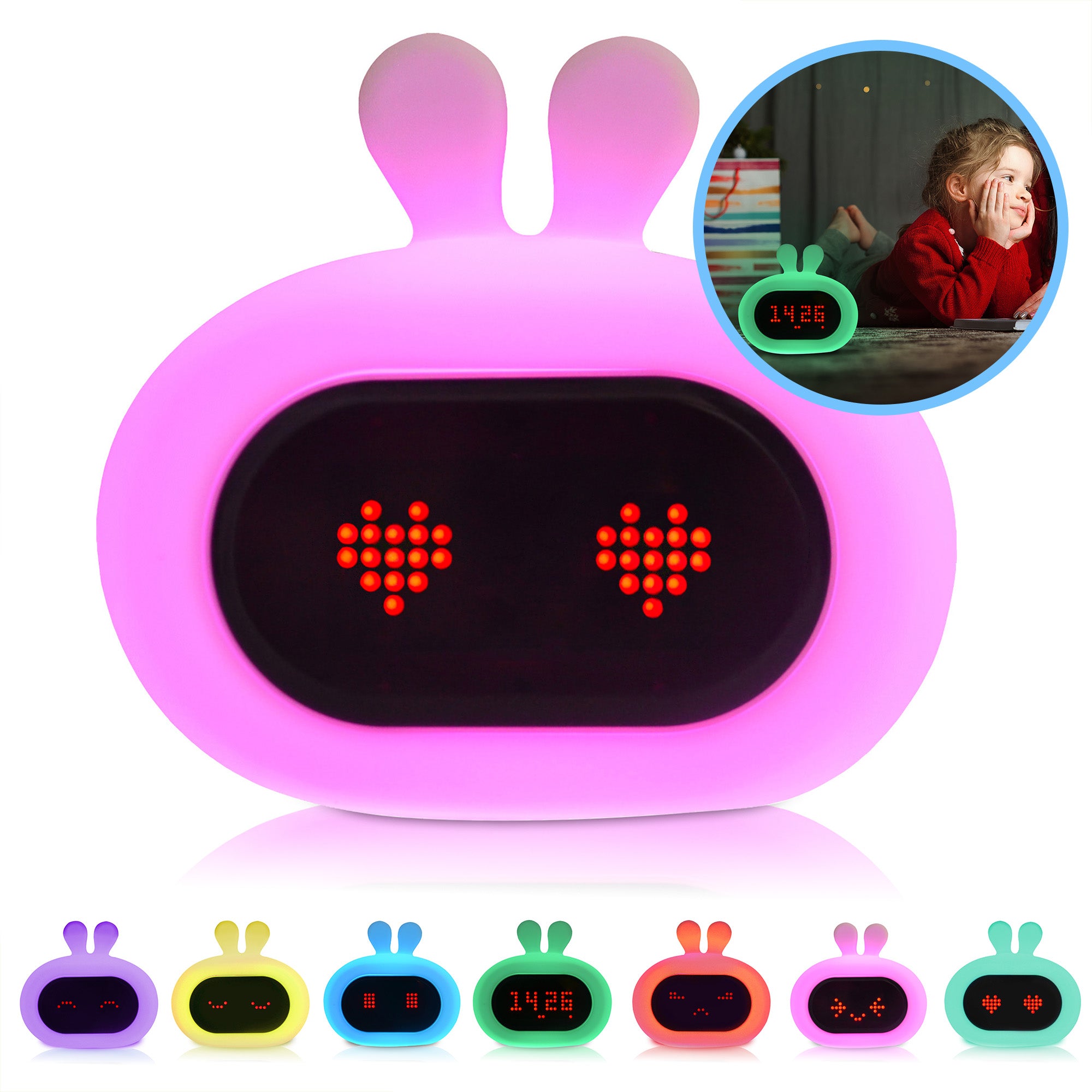
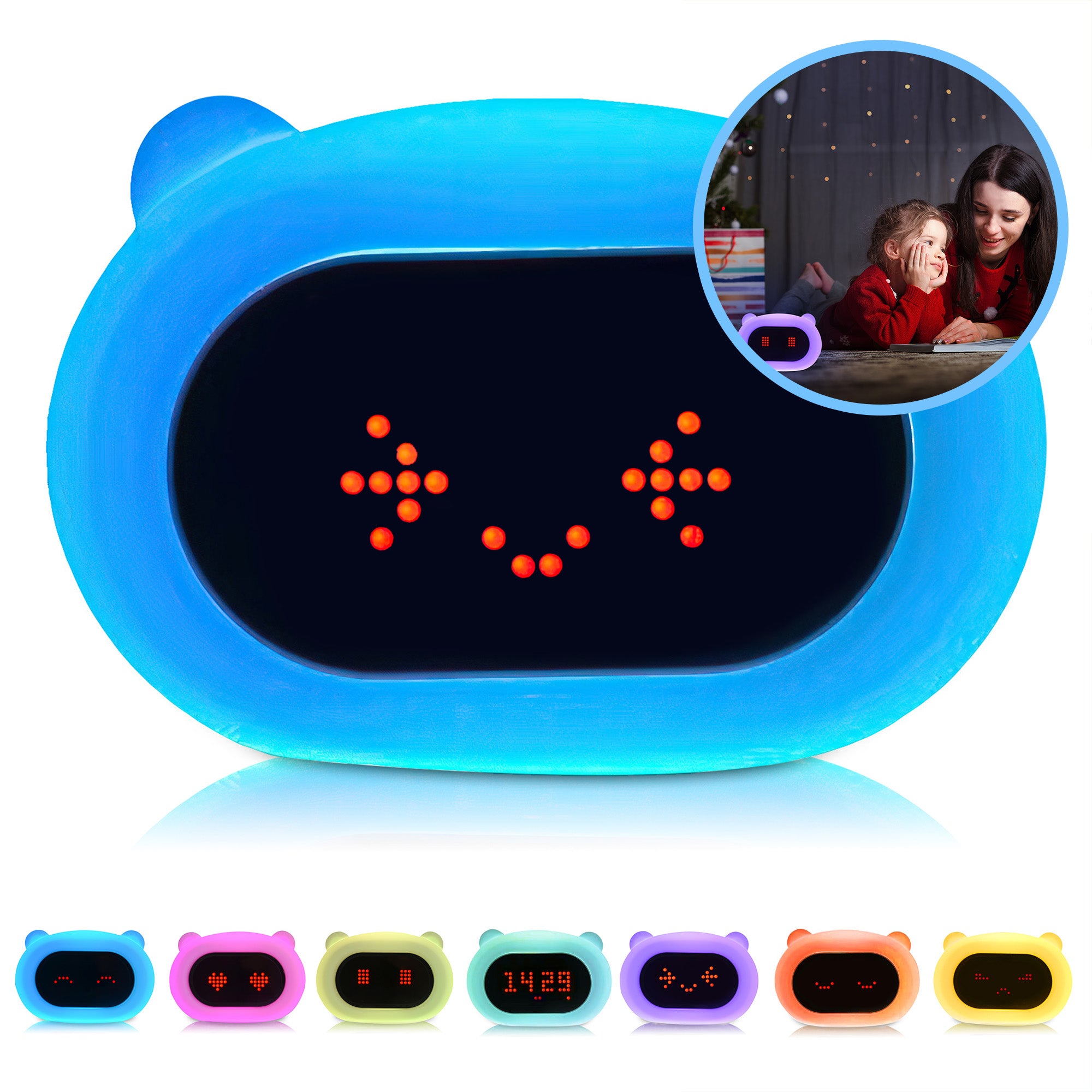
Preschoolers often want to do more themselves. Press the button themselves, see where their cuddly toy is, step out of bed for a moment. In that stage, an easy-to-use night light that does not shine too brightly is useful. Some parents choose a combination of night light and sleep trainer at this stage, because light and structure can complement each other well.
A night light as part of the bedtime routine
The greatest strength of a night light is often not in the product itself, but in how you use it. When the light returns every evening as part of a fixed ritual, it becomes a recognisable signal: the day is over, it is time to settle down.
You can start small. Turn on the night light while you read a book together. Or use it only after brushing teeth, so your child associates it with the last calm moment of the day. Through repetition, bedtime feels less like a sudden transition.
Some children like it when the night light stays softly on all night. Others sleep more calmly if it turns off after twenty or thirty minutes. Try to look mainly at what works in your family. A good routine is not the one that looks most perfect on paper, but the routine that brings calm at home.
When a night light may be less practical
A night light for children is often helpful, but not in every form. If a light is too bright, changes colour or invites play, it can have the opposite effect. What was meant as a calm point then becomes an extra stimulus.
The place in the room matters too. A light that shines directly into your child's field of vision can be disturbing. Often, a spot beside the bed, on a shelf or in a corner of the room works better than placing it directly at eye level.
And sometimes it turns out that a child mainly needs reassurance rather than more light. In that case, a night light works best in combination with closeness, a short chat or a fixed evening ritual. So it is rarely a standalone solution. It works especially well as part of a calm sleep environment.
Practical choices for everyday family life
In daily life, convenience matters most. Can you easily take the light to the hallway or bathroom? Does it stay charged long enough? Is it sturdy enough for little hands? These questions may be less exciting than design or extra features, but at home they are often much more important.
For parents who value a calm children's room, it helps to choose a night light that fits the rest of the interior. A soft shape and natural appearance quickly create a calm feeling. It may sound small, but in a room where sleep and relaxation are central, atmosphere really makes a difference.
More and more families also pay attention to sustainability. That is not only about material, but also about lifespan. A product that lasts a long time, is easy to recharge and remains useful through several stages often feels like a better choice than something that needs to be replaced quickly.
How do you know whether the night light really suits your child?
The best choice is usually not the night light with the most functions, but the model that best matches your child. A sensitive child often benefits from simplicity and softness. An adventurous preschooler may want control over a button or a fixed place next to the bed.
So do not only look at what a product can do, but at the moment when you use it. Is it mainly for falling asleep? For reassurance during the night? For early mornings when your child is already awake? The clearer your own situation is, the easier it becomes to choose.
For many parents, a combination of comfort and structure works best. A soft night light, a familiar cuddly toy and a predictable evening together create something powerful: a bedroom that feels safe and calm. That is also why brands such as Kadoing do not only look at a beautiful children's product, but at what a family really needs during those daily transitions.
Small light, big effect
A night light for your child does not have to be a miracle solution to be valuable. The strength often lies precisely in its simplicity. A little light at the right moment can be enough to soften tension and make bedtime feel kinder.
It is exactly those small, familiar habits that bring more calm into the home evening after evening. So choose a night light that fits your rhythm and the moments when a little extra calm can really make a difference.