The evening can suddenly take a different turn in many families. One moment there's still play, a cup of milk and a cuddly toy on the floor, and before you know it, you have an overtired child who no longer wants to cooperate. That's exactly when the question of how to start a sleep routine becomes very familiar. It's not about following a strict schedule, but about creating a calm sequence of familiar moments that help your child wind down after the day.
How do you start a sleep routine without a struggle?
The best sleep routine often starts more simply than parents think. A sleep routine does not have to be long, perfect or Pinterest-worthy. The most important thing is that the routine feels predictable. Children, and especially young children, often relax better when they know what is coming next. That sense of familiarity brings calm to both the mind and the body.
So do not start with ten new rules at once. Choose a fixed time when you allow the evening to slow down, and build a small ritual around it. Think of tidying up, putting on pyjamas, brushing teeth, reading a book and then going to sleep. When that order is roughly the same every evening, bedtime becomes less of a discussion and more of a familiar end to the day.
What helps is to look first at your child rather than at an ideal schedule. Some children benefit greatly from a longer wind-down period. Others become restless when there are too many steps. It depends on age, temperament and how the day has gone. A busy day at daycare may need more winding-down time than a quiet day at home.
Why fixed repetition works so well
A child does not have to work out every evening what is expected if the routine is always the same. That reduces tension. Especially in the transition from busy play to sleep, repetition helps to close the day.
There is also a practical benefit for parents. A clear routine does not prevent a child from ever protesting, but it does make the evening more manageable. You have to negotiate less, improvise less on the spot and start over less often. That creates calm for your child, but also for yourself.
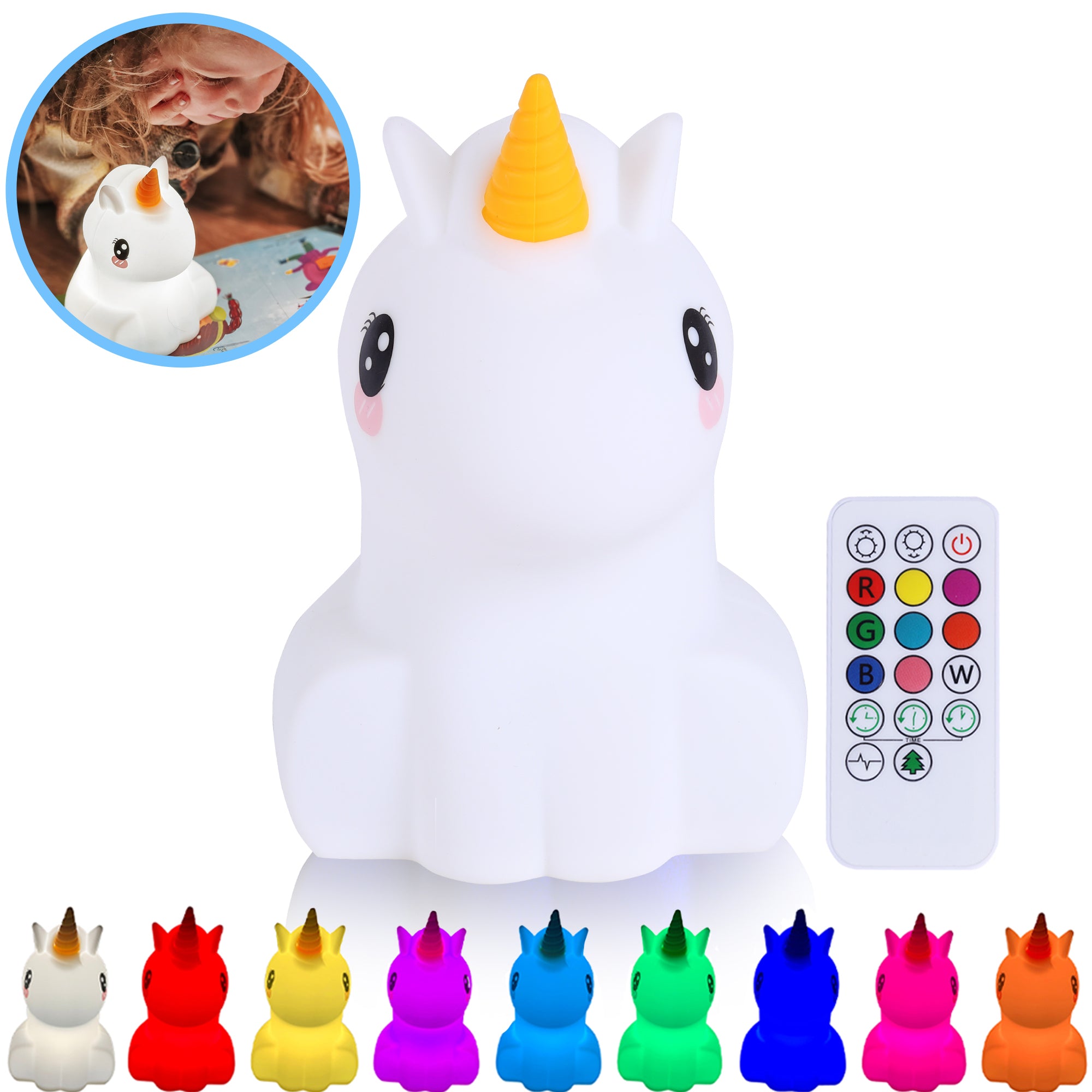
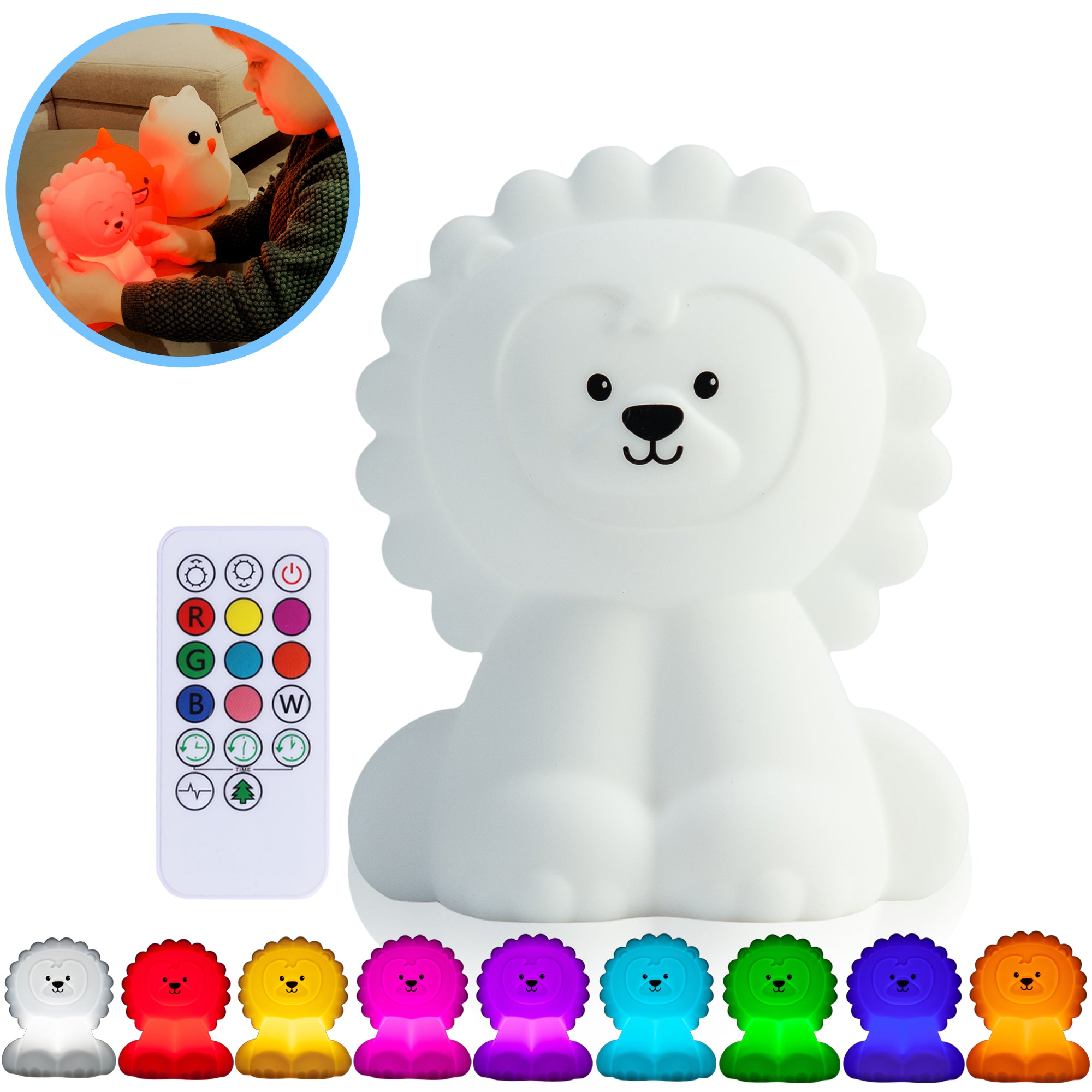
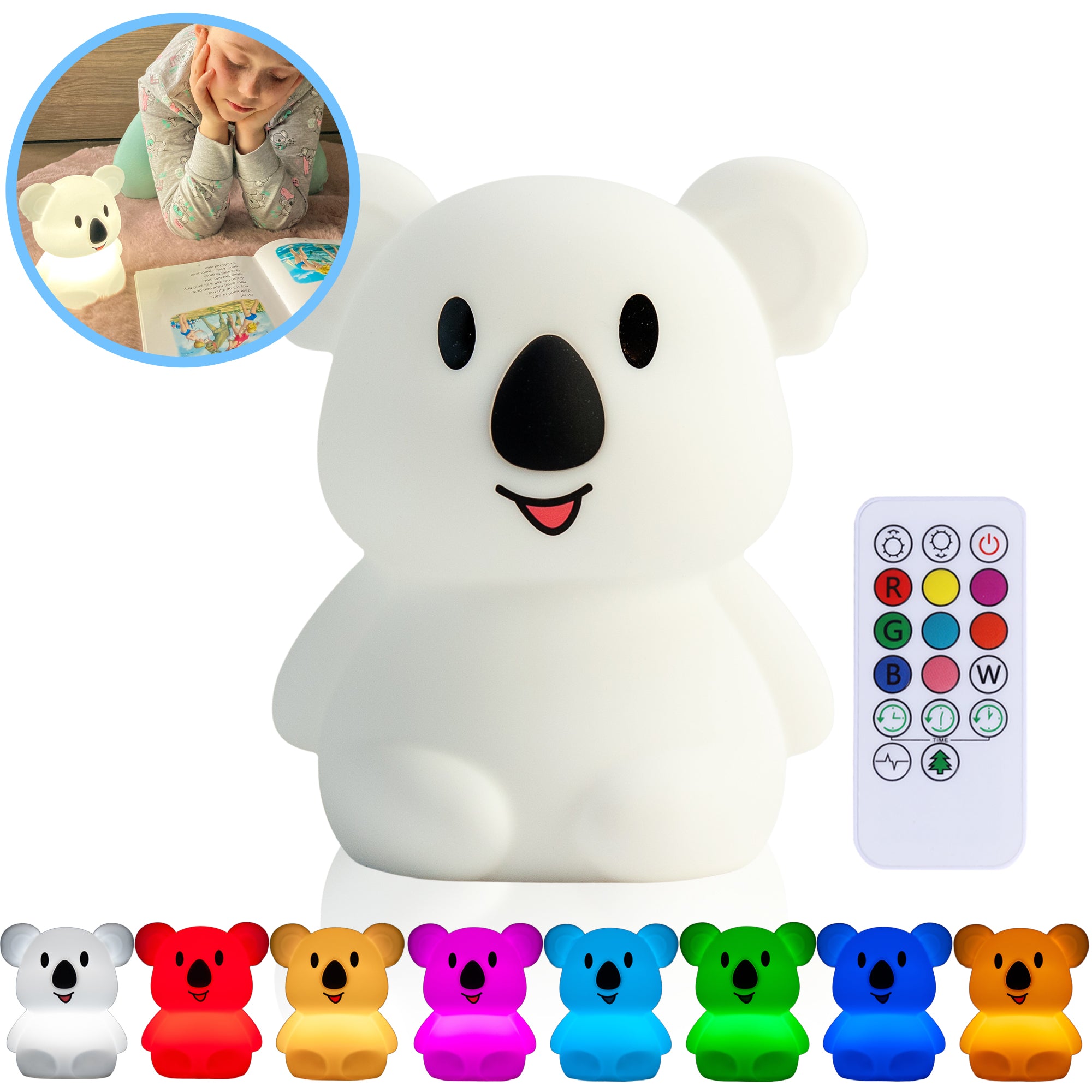
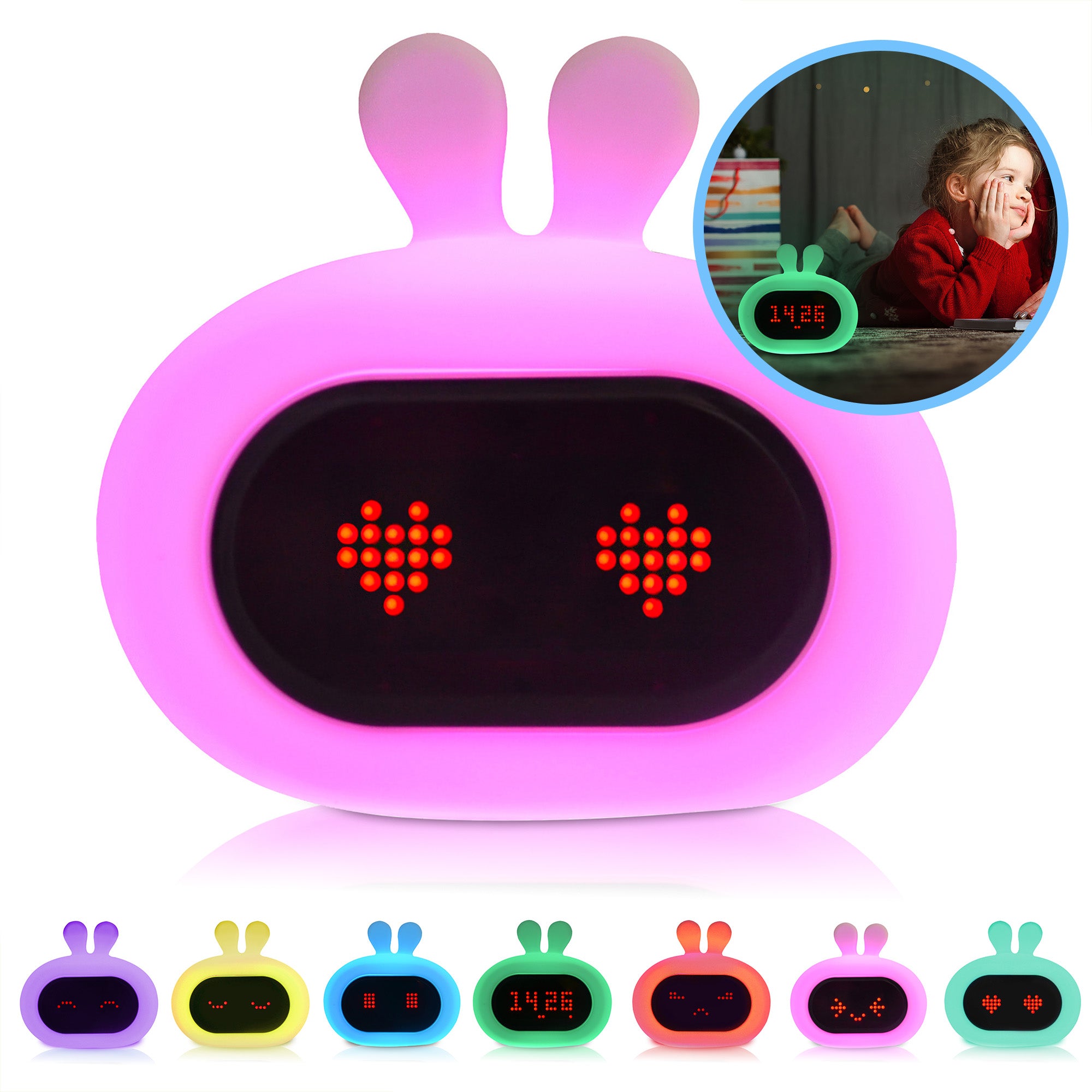
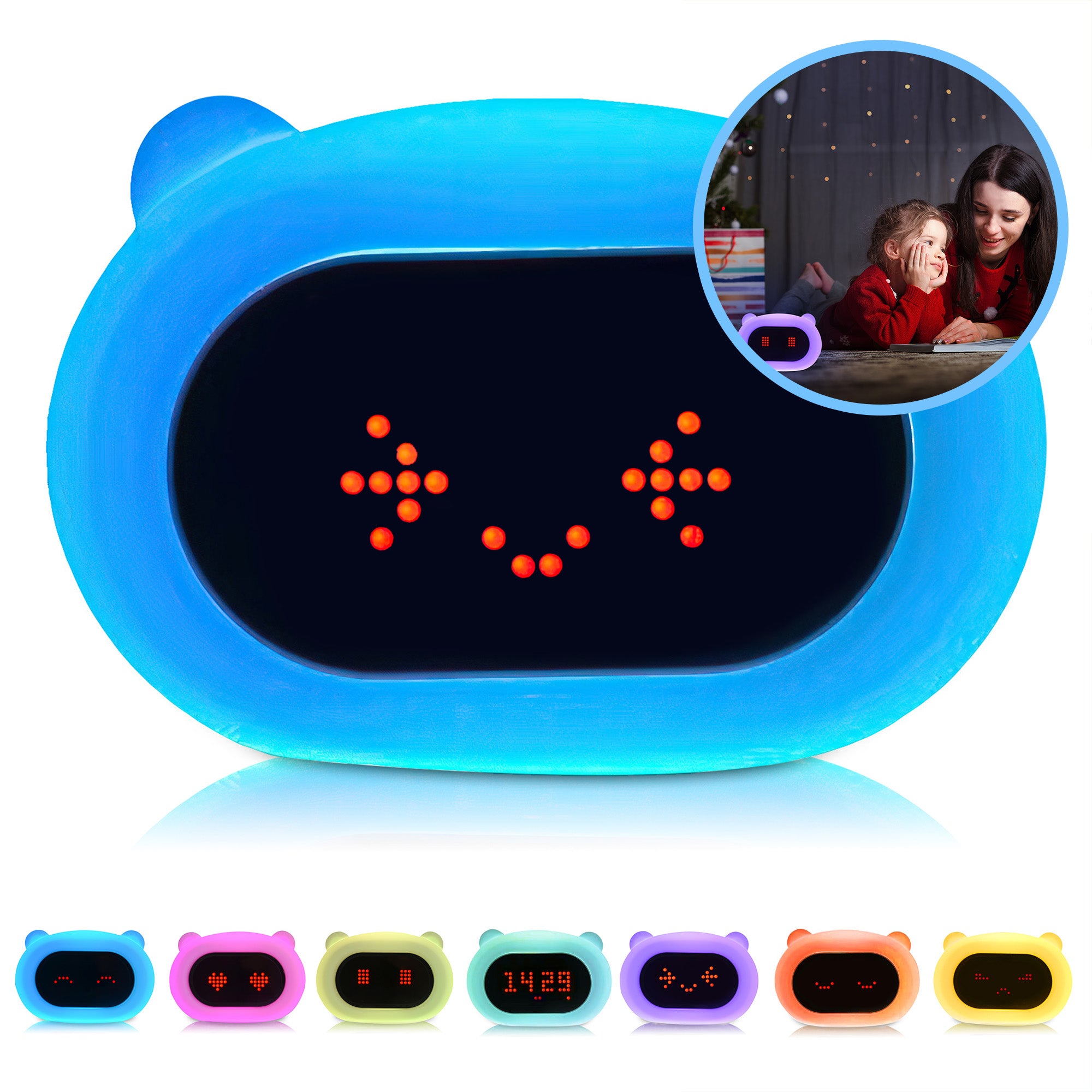
For young children, a fixed sleep routine with recognisable signals often works especially well. A familiar bedtime moment, soft light or a favourite cuddly toy can become a strong signal. Not as a magic solution, but as support. That is why many parents choose tools that make the routine more tangible, such as a night light or a children’s sleep trainer that clearly shows when the day ends and the night begins.
How do you start a sleep routine that is actually sustainable?
The mistake many parents make is starting too big. Before long, the evening turns into an extended routine with a bath, massage, three books, songs, another sip of water and one more trip back for that one cuddly toy. It sounds warm and cosy, but it is not always realistic on busy working days.
A good sleep routine is one you can keep up even when you are tired. Choose three to five fixed steps. Short, clear and loving. For example: wash, put on pyjamas, read a book, dim the light, say goodnight. It does not have to be more than that.
Also make sure the pace makes sense. Active moments belong earlier in the evening, calm moments just before bedtime. Rough play followed immediately by getting under the covers works against many children. Their body is still switched on. A puzzle, a soft music box or reading together often fits better into the final half hour.
Practical tips for a sleep routine that works
When building a sleep routine, not everything will go smoothly right away. That is completely normal. Many parents run into the same challenges without doing anything wrong. With a few simple adjustments, you can often make the sleep routine much calmer, more predictable and easier to maintain.
Choose a fixed starting point
A routine becomes stronger when it starts around the same time every evening. That does not mean every evening has to run exactly to the minute. But it does mean your child roughly knows: after dinner or after tidying up, we are moving towards bed. That predictability helps enormously.
For toddlers and preschoolers, a visual transition often feels reassuring. When the light becomes softer, toys are put away and the bathroom step begins, a child understands that the day is coming to an end. This way, bedtime does not seem to appear out of nowhere.
Keep the order simple
The order is often more important than the length. A child learns faster from a routine when it follows the same pattern each time. So it is better to have the same four steps every evening than a bath one day, extra play the next and then suddenly straight to bed.
If you notice that your child always gets stuck on a certain part, look not only at the behaviour but also at where that step sits in the routine. Maybe brushing teeth just before the final book is inconvenient, or getting changed too late in the evening creates extra resistance. A small adjustment can make a big difference.
What if your child struggles with the transition to bed?
This happens often, even when your routine is good. Going to sleep means saying goodbye to the day, to contact and to control. For small children, that can be quite a lot. Resistance at bedtime does not automatically mean your approach is not working.
What usually helps is staying kind and clear. You acknowledge your child’s feeling, but you do not keep changing the agreement. So yes: I can see you still want to play, one more book and then it is time to sleep. Not: alright, then we will go back downstairs. Boundaries feel safer when they are gentle but clear.
It is also worth looking at stimulation. A bright lamp, lots of noise in the house or busy toys just before bedtime can make the transition harder. A calmer atmosphere often helps more than extra persuasion. Soft light, a tidy room and a trusted cuddly toy give the feeling that everything is ready for the night.
The role of sleep associations and recognisable signals
Children often fall asleep more easily when certain signals return again and again. Not because they understand everything, but because it feels familiar. Think of the same bedtime song, the same blanket or a night light that is switched on every evening.
There is an important nuance here. A pleasant association supports the routine, but it is useful if it does not make your child completely dependent on you. If a child can only fall asleep while sitting on your lap for twenty minutes, that can become difficult on busy evenings. A fixed object or recognisable ritual is often more sustainable than a habit that requires a lot of time or presence.
For some families, a sleep trainer works well because the rhythm becomes visible. Especially for toddlers and preschoolers, this can help make the evening more concrete. It does not replace the routine, but it can become a calm and clear part of it.
How long does it take for a sleep routine to work?
Usually not after one evening. A routine is not a switch, but a habit. Children need repetition before something feels familiar. Often, after a week or two, you may already notice that the transition becomes smoother, although this can vary from phase to phase.
Do not expect a perfectly straight upward line either. A developmental leap, a busy weekend, a holiday or a cold can temporarily disrupt things. That does not mean you have to start over. This is exactly when it helps to fall back on the familiar order.
If you are unsure whether the routine fits, look at small signals. Does your child calm down more quickly? Is there less discussion around pyjamas or brushing teeth? Does your child already ask for the book or cuddly moment? These are often better indicators than only how quickly a child falls asleep.
A sleep routine looks different at every age
With babies, a sleep routine is mainly about rhythm, calm and familiarity. The steps are simple and sensory: changing, putting on a sleeping bag, feeding or cuddling, soft light and going to bed. Timing is often more important here than elaborate rituals.
With toddlers, the routine becomes more of a collaboration. They understand more, but they also test more. It helps to keep choices small. Do you want the blue or the green pyjamas? Shall we read this book or that one? This keeps the structure in place while your child still experiences a little control.
With preschoolers, clarity plays a bigger role. They can delay, negotiate and suddenly become very thirsty as soon as the light goes out. A fixed order is then especially valuable. What has been agreed happens. Warm, predictable and without endless stretching.
If you want to start today
Keep it small. Choose one fixed bedtime moment tonight and think of a short order that suits your family. Prepare the room in advance, lay out the pyjamas and cuddly toy, and keep the final half hour calm. You do not have to organise everything perfectly before making a good start.
Also tell your child simply what is going to happen. Now we are going to tidy up, then pyjamas on, then reading and then sleeping. By naming it in advance, the evening becomes less unexpected. And that alone can make a big difference.
Anyone looking for calm in the evening is often not looking for more things to do, but for less hassle. That is exactly what a sleep routine is meant for: not to fill the evening, but to let it end more gently. A good sleep routine does not have to be complicated. It is often the small, fixed habits that create more calm, better nights and more relaxed evenings for the whole family.
Frequently asked questions about a sleep routine
From what age can you start a sleep routine?
You can start with a simple sleep routine as early as babyhood. Short, fixed moments such as changing, feeding, putting on a sleeping bag and using soft light help babies learn to recognise the difference between day and night. As your child gets older, the sleep routine naturally grows with them.
How long does it take for a sleep routine to work?
That differs from child to child. Many parents notice after one to two weeks that bedtime becomes calmer. A sleep routine is not a quick fix, but a habit that develops through repetition. So try to keep the same order as much as possible.
What if my child refuses the sleep routine?
Resistance at bedtime is very normal, especially with toddlers and preschoolers. Stay calm and predictable. Acknowledge your child’s feeling, but stick to the agreed order. By being consistent, your child learns what to expect. If the resistance continues for longer, look at whether the routine suits your child’s age, needs and energy level.
What time should you start a sleep routine?
That depends on your child’s age and sleep schedule. Preferably start about 30 to 45 minutes before the desired bedtime. This gives enough time to wind down calmly without having to rush.
What belongs in a good sleep routine?
A good sleep routine consists of a few fixed, calm steps that return in the same order every evening. Think of tidying up, putting on pyjamas, brushing teeth, reading a book and then going to bed. Above all, choose a routine that suits your family and that you can also maintain on busy days.
Does a sleep routine have to be the same every evening?
The strength of a sleep routine lies mainly in recognisability. The exact time does not have to be the same every evening, but a fixed order of calm activities helps children settle more easily and feel safe. Small deviations are not a problem, as long as the basic structure of the routine remains recognisable.