Overstimulation can make children feel restless, angry, tired, or overwhelmed. Discover how to recognize the signs and help your child find calm again.
What Is Overstimulation in Children?
Children process a huge amount of information every day. Think about sounds, lights, screens, busy environments, social situations, school, sports, and all the information coming their way. Most of the time they handle it well, but sometimes it simply becomes too much.
When a child is overstimulated, the brain receives more information than it can effectively process. As a result, your child may become restless, tired, angry, sad, or withdrawn. Overstimulation is not attention-seeking behavior—it is a signal that your child needs rest and recovery.
How Can You Recognize Overstimulation?
Overstimulation does not look the same in every child. Some children become very active, while others become quiet or withdraw from their surroundings. Possible signs include:
- Reacting quickly with anger, tears, or frustration
- Being more hyperactive than usual
- Difficulty listening or concentrating
- Complaints such as headaches, stomach aches, or fatigue
- Not wanting to talk, or asking many questions
- Trouble sleeping after a busy day
- Increased sensitivity to sounds, light, or touch
Do you recognize these signs regularly? It may help to take a closer look at rest periods, screen time, and your child’s daily schedule.
How Does a Child Become Overstimulated?
Our brains process information through the senses all day long. Sounds, images, smells, tastes, and touch are constantly being received. Busy environments, loud noises, bright lights, and excessive screen use can be particularly intense for children.
Fatigue also plays a major role. A child who has not slept well or has had a demanding day at school may find it harder to cope with additional stimuli. Changes in routine, stress, excitement, or a packed schedule can further increase overstimulation.
Tip 1: Create a Calm Environment
When your child is overstimulated, reducing stimuli can help immediately. Find a quiet place with less noise, softer lighting, and fewer people. This could be a bedroom, a calm corner of the house, or even a short walk outdoors.
Keep this space simple. A few familiar items, soft lighting, and minimal distractions are often enough. A calming corner does not have to be elaborate—as long as your child has a place to unwind.
Tip 2: Reduce Screen Time on Busy Days
Screens can be fun and educational, but they also provide a lot of visual and auditory stimulation. After school, a party, or a busy day, extra screen time can make it harder for children to relax.
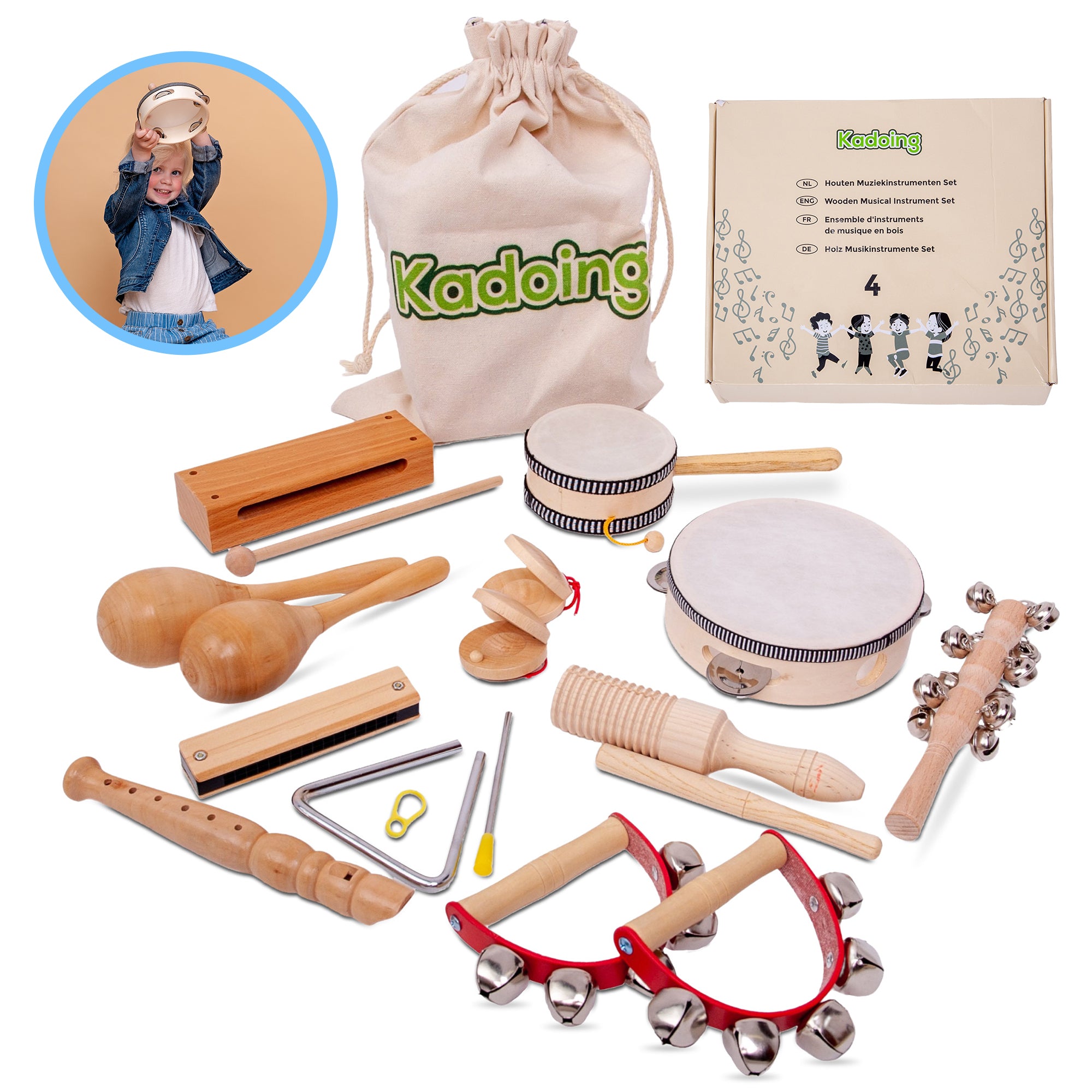
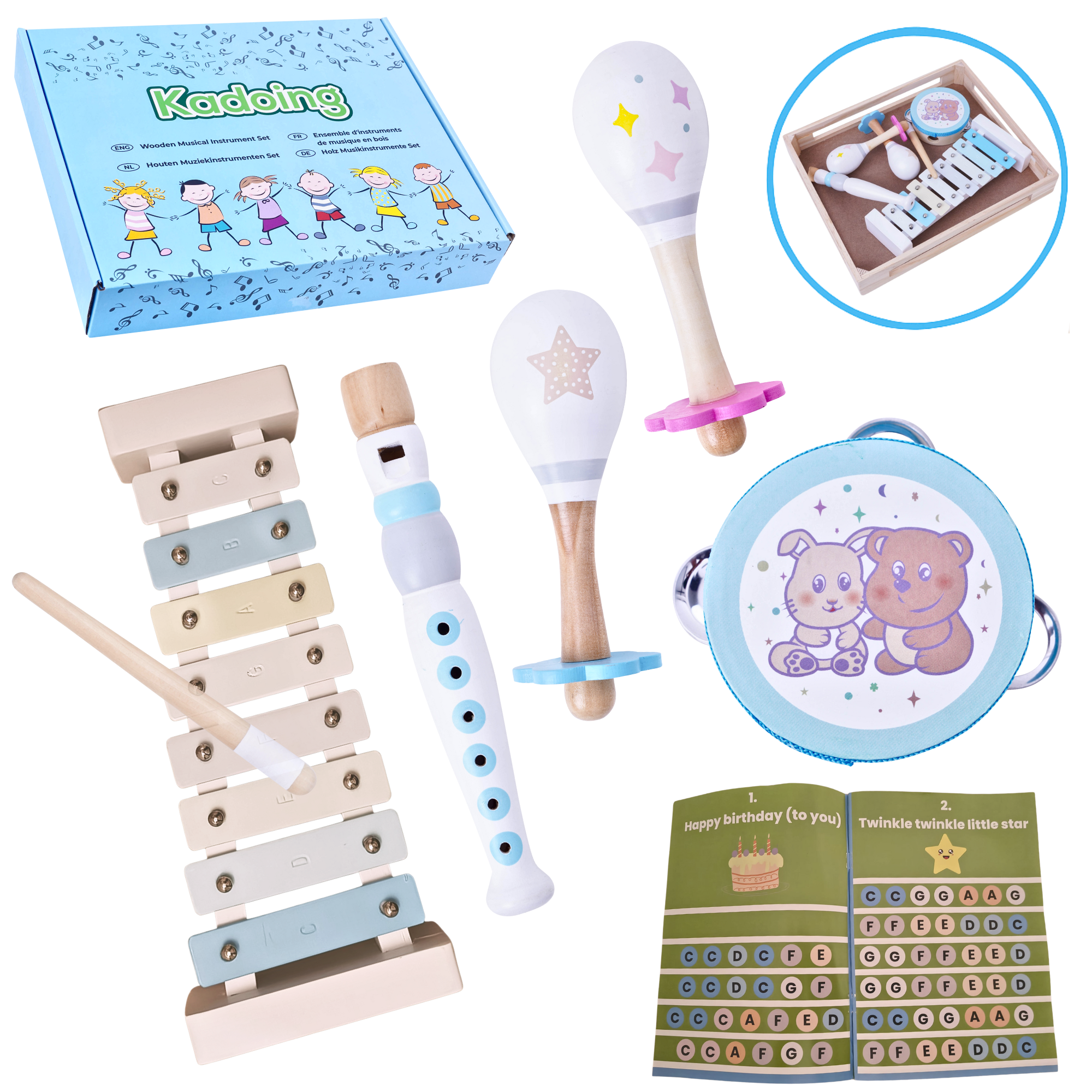
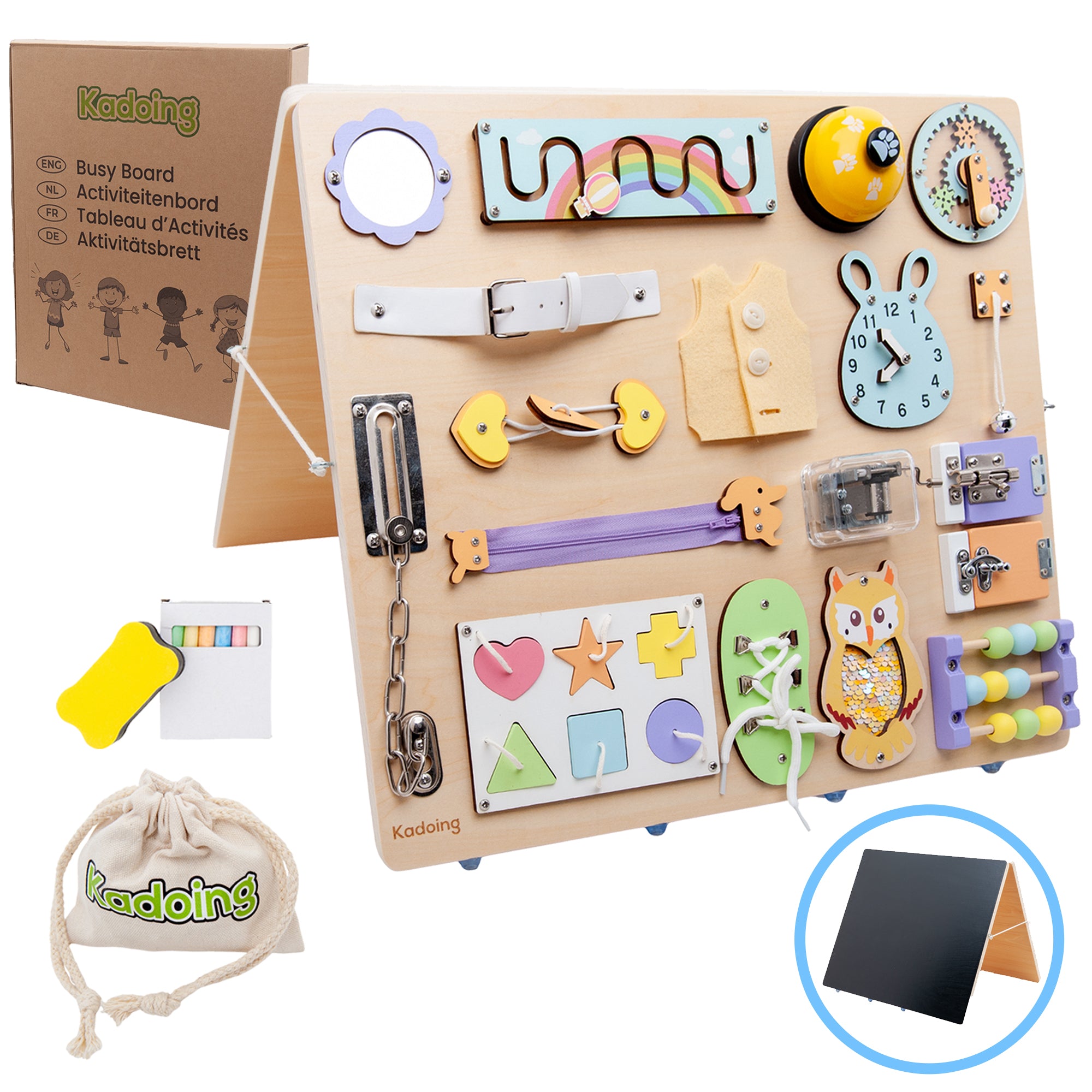
Instead, choose calming activities such as drawing, reading, building, listening to music, or playing together. Explore our collection of durable wooden toys for sustainable and low-stimulation play.
Tip 3: Help Your Child Use Breathing Exercises
A simple breathing exercise can help reduce tension. Keep it playful and short. For example, ask your child to pretend they are smelling a flower and then slowly blowing out a candle.
Do the exercise together. Your calm presence helps your child feel safe and supported. Don't expect instant results—the goal is simply to help the body gradually return to a relaxed state.
Tip 4: Make Sure Your Child Gets Enough Sleep
Sleep is essential for processing daily stimuli. Children who do not get enough sleep are often more sensitive to noise, emotions, and changes in routine.
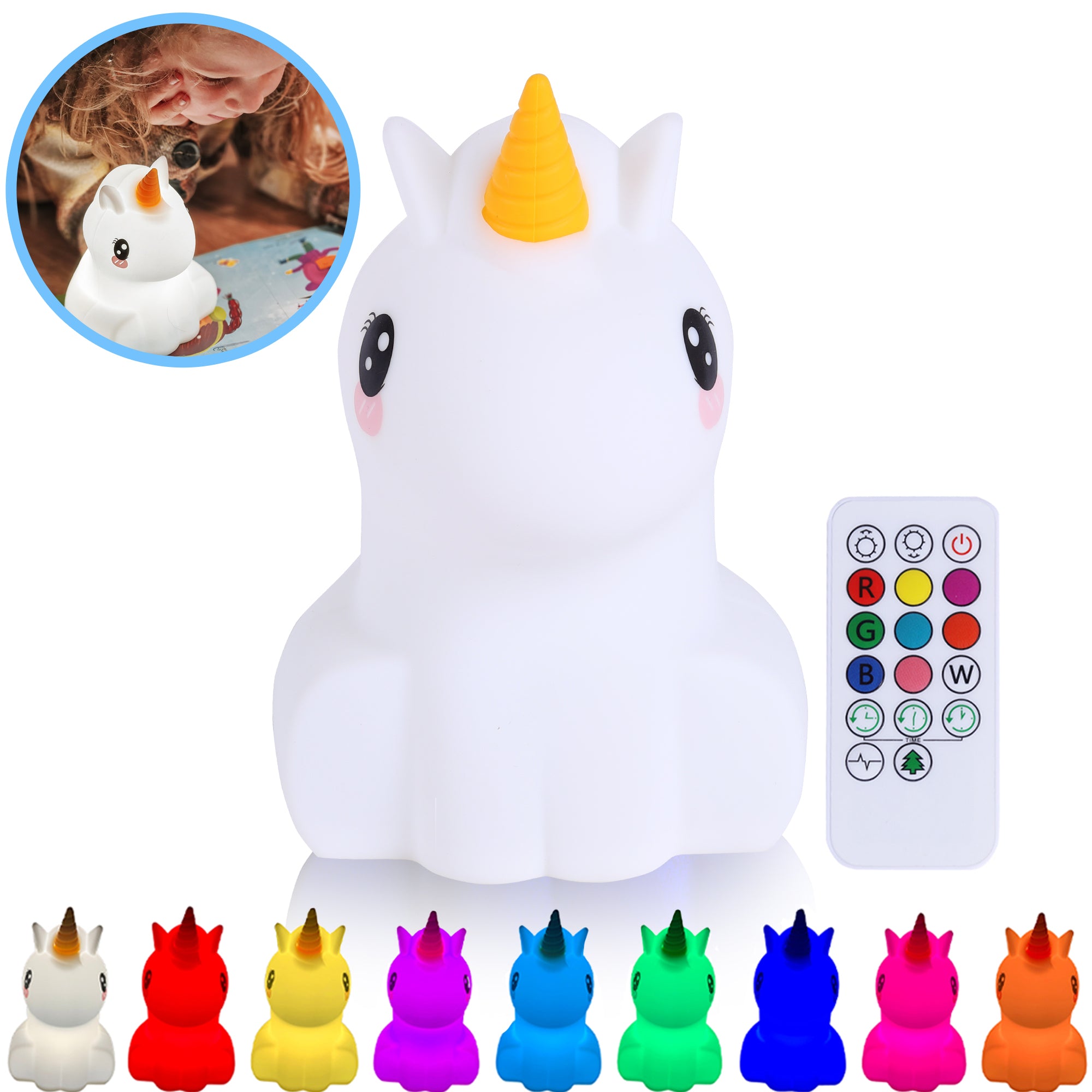
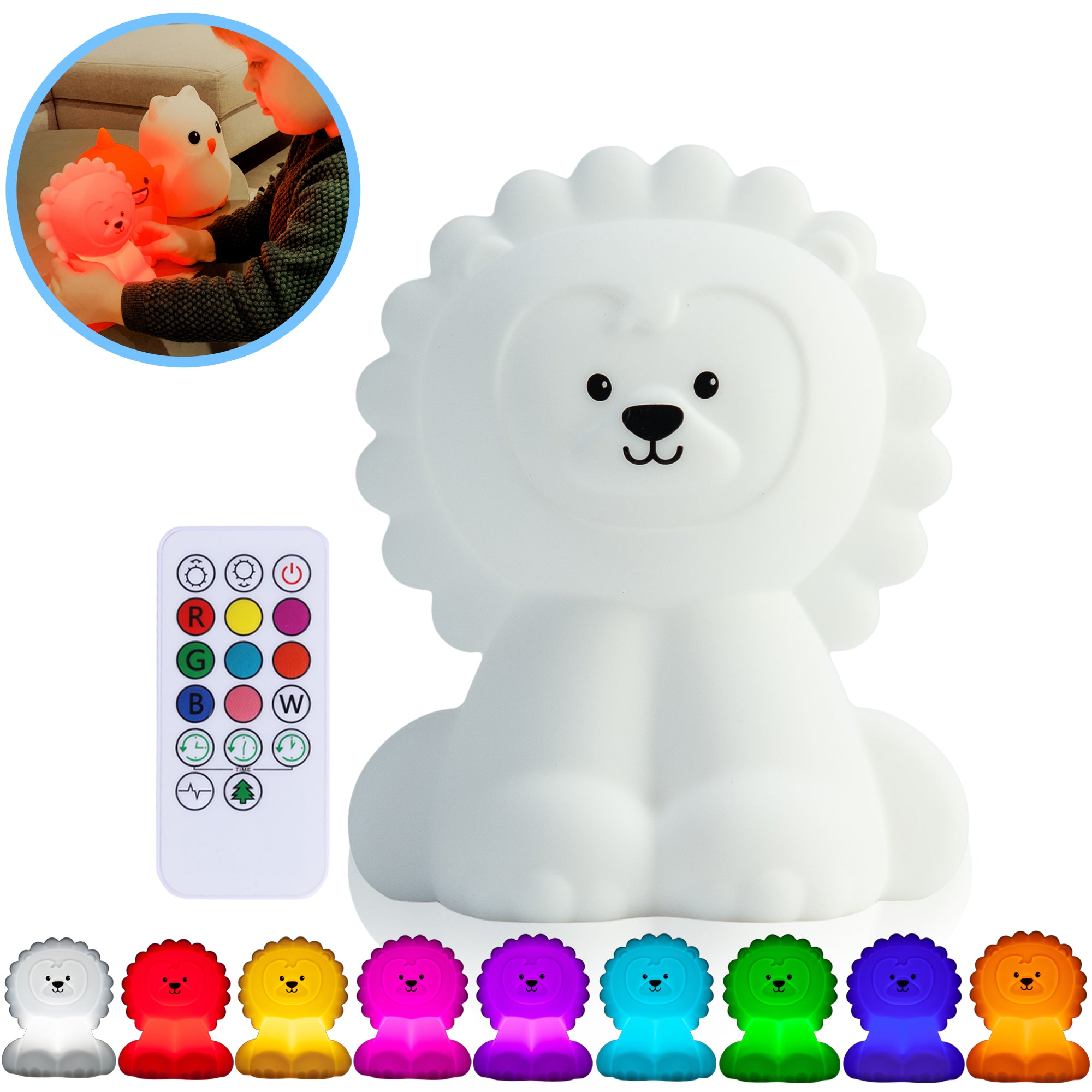
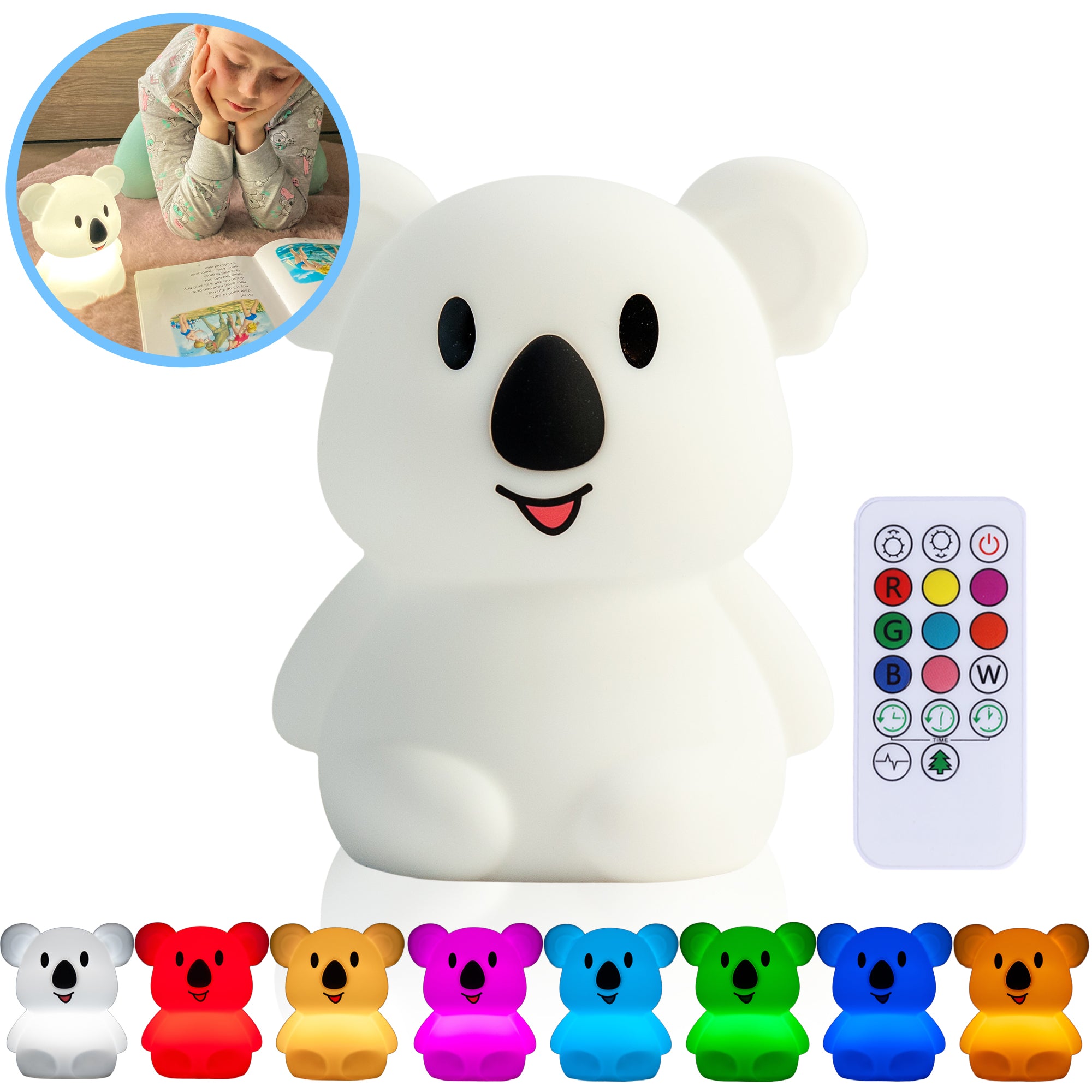
A consistent bedtime routine helps children unwind at the end of the day. Consider following the same sequence each evening: washing up, putting on pajamas, brushing teeth, reading a story, and going to sleep. A gentle night light can also create a calming and reassuring atmosphere.
Browse our collection of night lights for children if you would like to make your child's bedroom feel warmer and more relaxing.
Tip 5: Keep Routines Predictable
Predictability gives children a sense of security. When your child knows what to expect, their brain has less work to do. This can help prevent overstimulation.
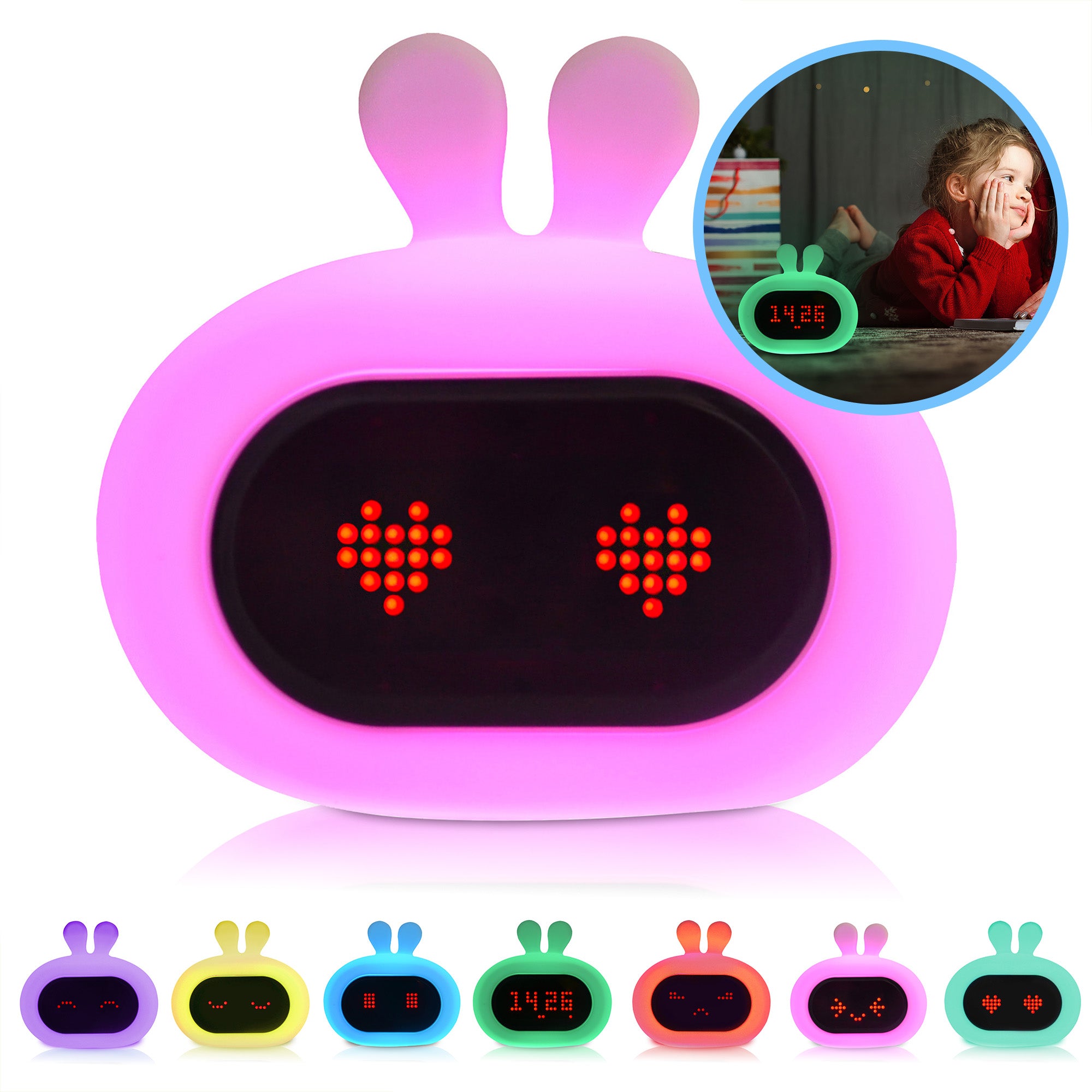
Consider using a consistent morning routine, a regular bedtime, and a predictable schedule for school days. For children who struggle with understanding time, a children's sleep trainer alarm clock can help make different parts of the day easier to understand.
Tip 6: Avoid Scheduling Too Much Back-to-Back
School, sports, playdates, swimming lessons, and family visits can quickly add up. Even enjoyable activities require energy. Try to schedule downtime between busy events.
A free afternoon without obligations may be exactly what a sensitive child needs to recharge. Sometimes doing less is actually better for a child's wellbeing and development.
Tip 7: Let Your Child Release Energy Through Movement
Physical activity helps many children release built-up tension. Think of outdoor play, cycling, dancing, jumping, or going for a walk. It does not need to be intense—the goal is simply to help your child relax physically.
After a busy or stressful event, moving outdoors is often more effective than expecting a child to sit still immediately.
Preventing Overstimulation Starts with Observation
Every child is different. One child may thrive in busy environments, while another needs more quiet time. By paying close attention to your child's behavior, energy levels, and emotions, you can learn what they need most.
At Kadoing, we believe children grow through balance, play, structure, and positive experiences. With child-friendly products and mindful routines, you can help your child discover the world one step at a time.
Would you like to learn more about sleep, play, parenting, and child development? Take a look at our latest blogs.
What helps your child unwind after a busy day?