Children develop step by step. Discover what to expect during each stage and how you can support your child along the way.
Your Child's Development: Every Child Grows at Their Own Pace
"They grow up so fast!" It's a phrase many parents say regularly. From birth to adulthood, children go through countless developmental milestones. Some changes are easy to see, such as learning to walk. Others are more subtle, like learning to manage emotions, build friendships, and become more independent.
Although every child develops at their own pace, there are recognizable stages in child development. These stages can help parents better understand what their child needs at different points in life.
What Do We Mean by Child Development?
Child development refers to a child's growth in various areas. This includes physical development, language skills, social-emotional development, independence, and cognitive abilities.
These areas do not develop separately. For example, when a toddler learns to talk, it also helps them express emotions. And when a preschooler learns to play with others, they simultaneously develop social skills, language abilities, and self-confidence.
The Baby Stage: 0 to 2 Years
The baby stage is the first major developmental phase. During this period, children learn an incredible amount: looking, grasping, rolling over, sitting, crawling, standing, and sometimes even taking their first steps.
Babies learn primarily through sensory experiences. They look at faces, listen to voices, feel different textures, and respond to touch. Communication also begins early through babbling, smiling, crying, pointing, and imitating facial expressions.
As a parent, you can support your baby by providing closeness, calmness, and repetition. Talking, singing, cuddling, and playing with simple objects help babies feel secure while discovering the world around them.
The Toddler Stage: 2 to 3 Years
The toddler stage is often known for the phrase: "I'm two, and I say no!" Toddlers discover that they have their own opinions and desires. While this can sometimes be challenging, it is also an important part of their development.
During this phase, children want to do more things independently. They practice dressing themselves, eating, tidying up, brushing their teeth, and making choices. Since these skills don't always come easily at first, frustration and tantrums are common.
Parents can help by setting clear boundaries while also allowing children opportunities to practice. Small responsibilities give toddlers a sense of pride and independence.
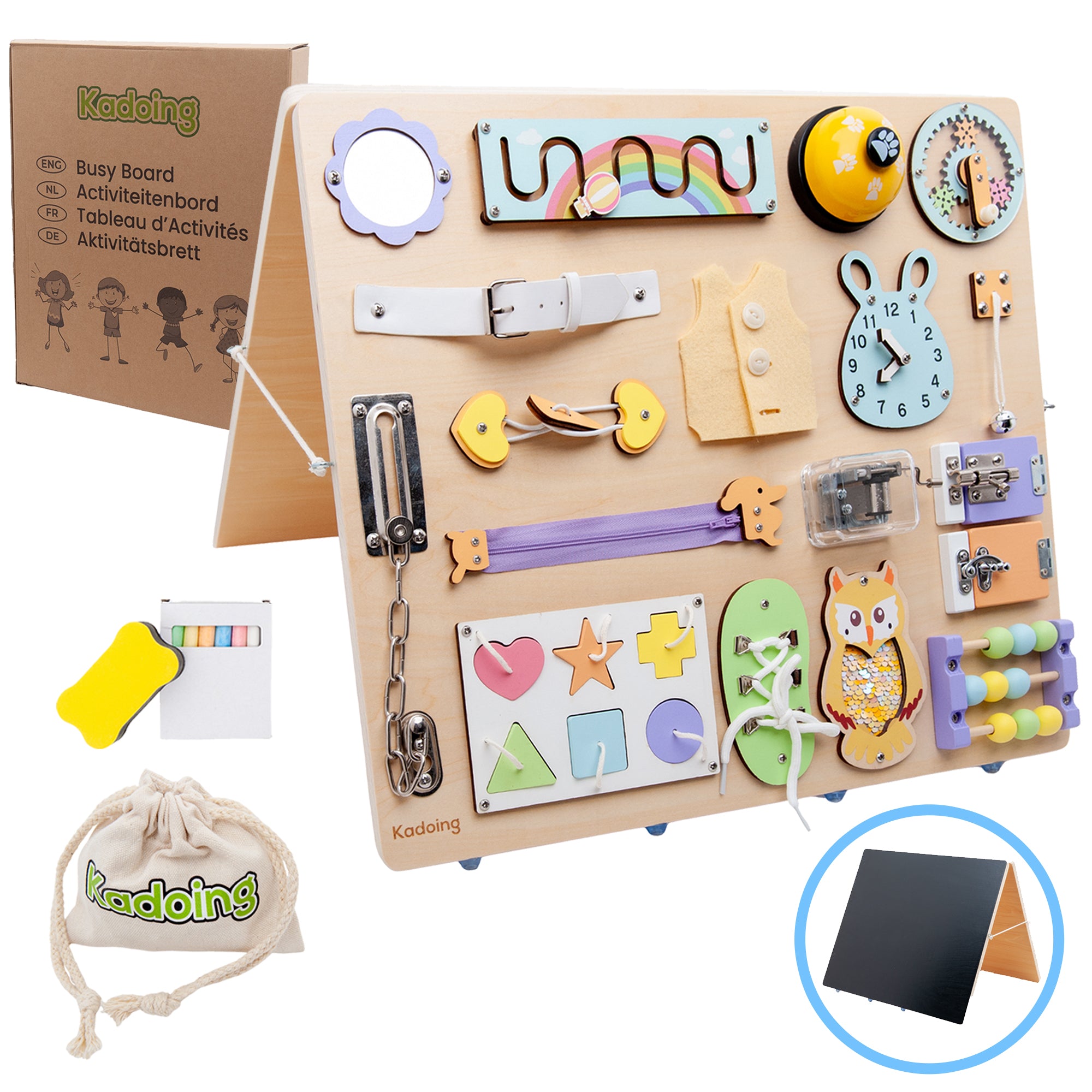
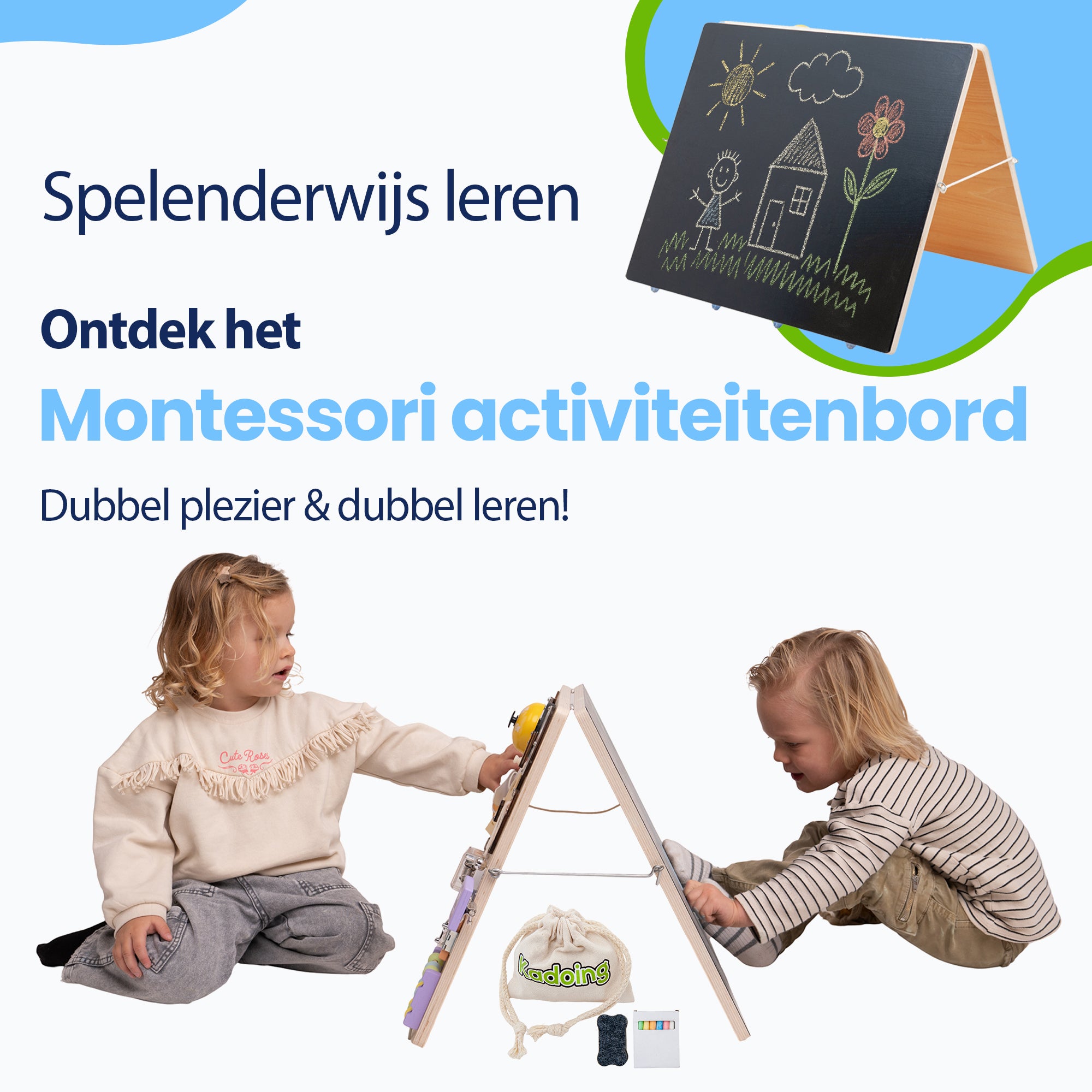
Toys that encourage children to explore, open, close, turn, and experiment independently are ideal for this stage. For example, a Montessori activity board that encourages practical skills can be a great choice.
The Preschool Stage: 3 to 5 Years
During the preschool years, children's imagination grows tremendously. They invent stories, engage in pretend play, and become better at playing with other children. Language skills also develop rapidly, allowing preschoolers to explain their thoughts and feelings more clearly.
Many children begin primary school during this period. This is a significant milestone. New routines, a classroom environment, teachers, and friends can make a big impression.
It's completely normal for preschoolers to feel tired or irritable after school. They are processing a lot of new information. Consistency, repetition, and predictable daily routines help make this stage smoother and more enjoyable.
The Primary School Years: 5 to 12 Years
During the primary school years, children increasingly develop into individuals with their own personalities. They learn to read, write, calculate, plan, cooperate, and follow rules.
Social development also accelerates. Friendships become more important, and children learn to consider the feelings and needs of others. They develop their own opinions, compare themselves to peers, and seek greater independence.
As a parent, you can support your child by showing interest in school, friendships, and hobbies. Give them space to try things independently while remaining available whenever they need guidance or support.
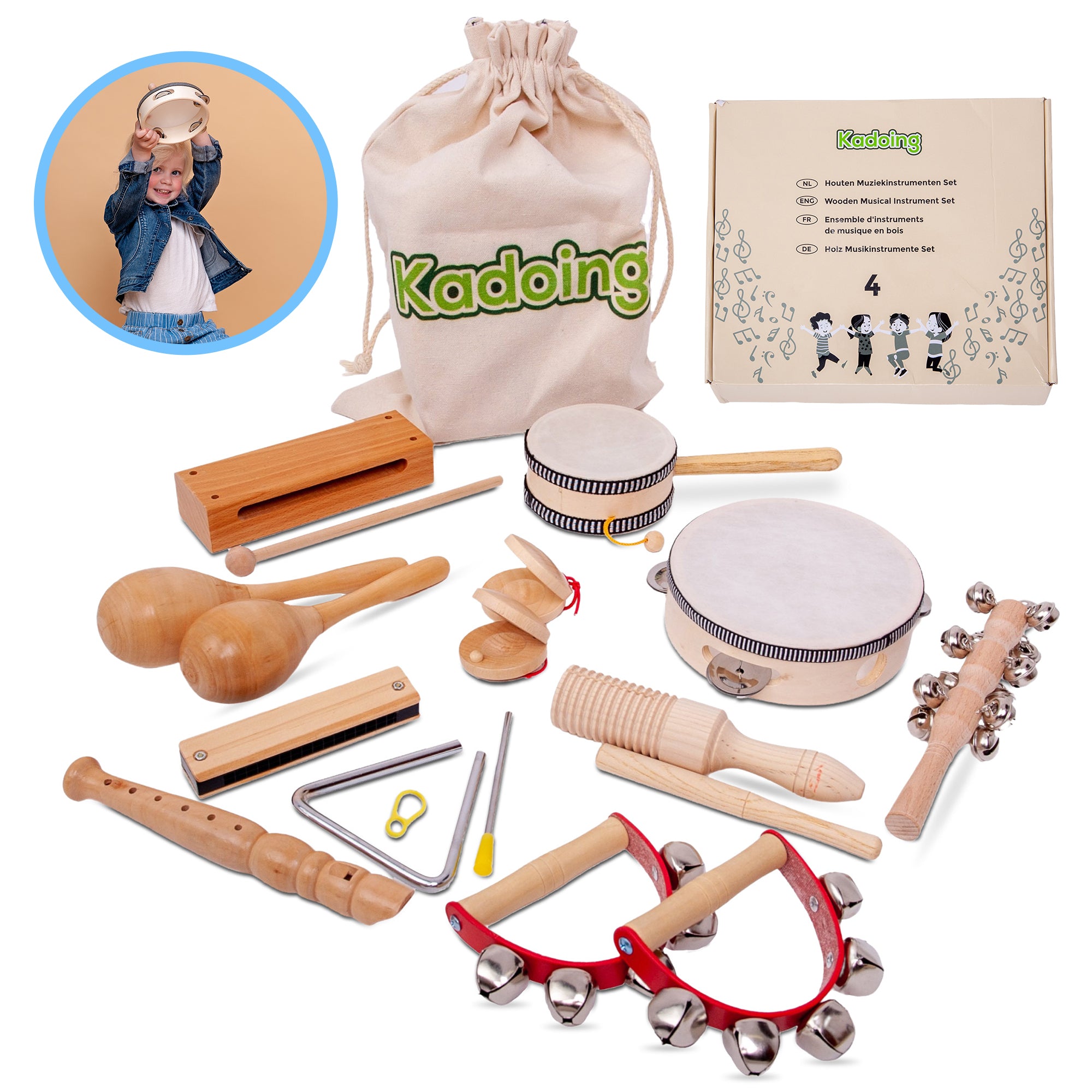
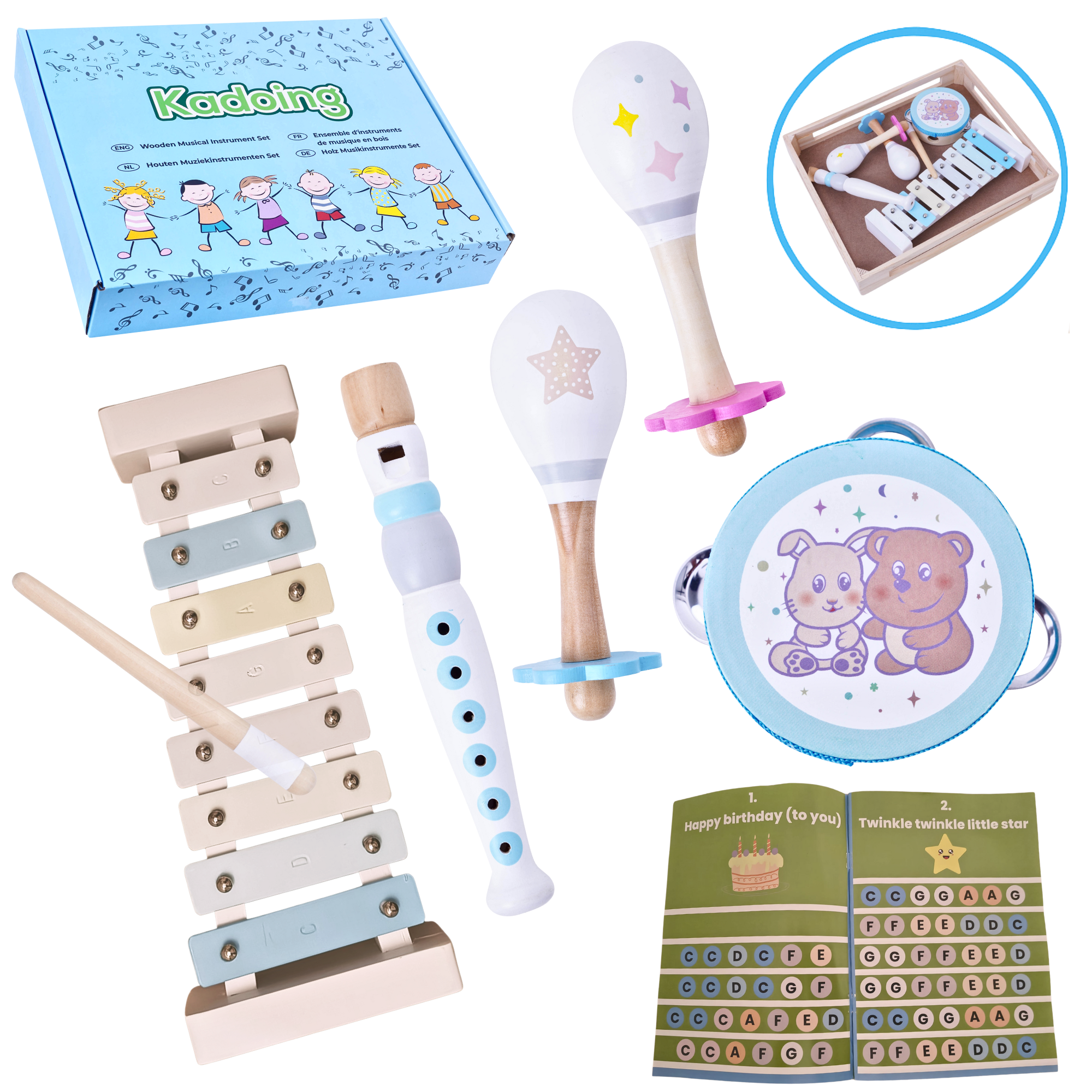
Creative activities such as building, crafting, and making music remain valuable at this age. A musical instrument set for children, for example, can help develop rhythm, concentration, and self-expression.
The Teenage Years: 12 to 18 Years
Adolescence is a period of significant physical, emotional, and social change. Hormonal developments affect both the body and emotions, often leading to mood fluctuations.
Teenagers begin searching for their identity. They want more privacy, make independent decisions, and sometimes challenge rules and expectations. While this can be an adjustment for parents, it is a natural part of growing up and becoming independent.
During this stage, trust is especially important. Teenagers need space, but they also benefit from clear boundaries and the reassurance that they can always turn to their parents for support.
How Can You Support Your Child at Every Stage?
Although each developmental phase is different, there are several things children need at every age:
- Security: Children develop best when they feel safe and loved.
- Structure: Routines provide stability and peace of mind.
- Opportunities to practice: Making mistakes is an important part of learning.
- Attention: Genuine interest helps children feel valued and understood.
- Play and discovery: Play remains one of the most important ways children learn.
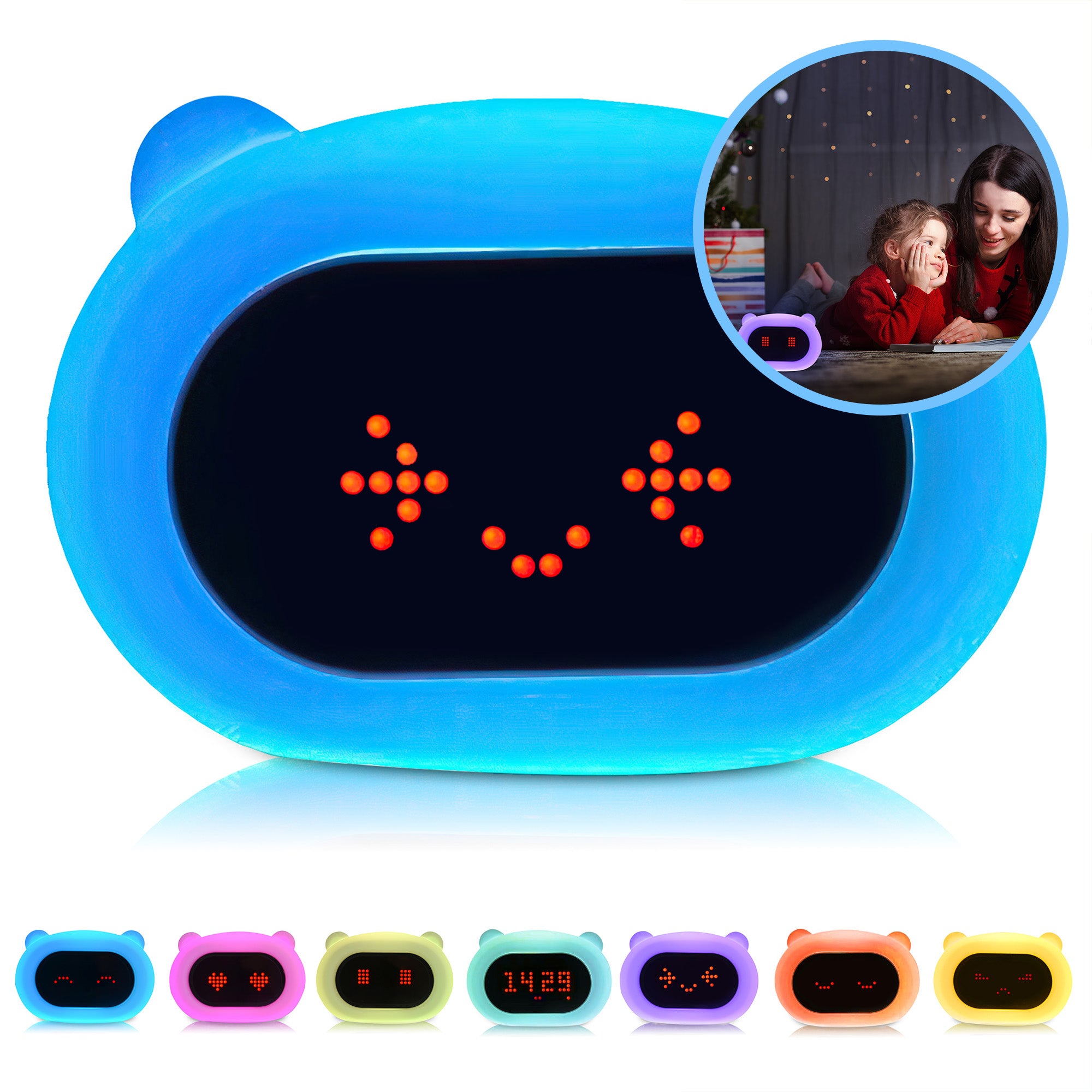
For younger children, consistent routines can be especially beneficial. Tools such as a children's alarm clock or sleep trainer can help children develop an understanding of time, bedtime routines, and morning schedules.
Development Is Not a Competition
It can be tempting to compare children to one another, especially when peers seem to reach milestones earlier. However, development is not a race. Some children talk early, while others walk sooner or feel socially confident at a younger age.
What's more important than timing is paying attention to your own child. What do they need? What makes them happy? Where do they need additional support or more independence?
Growing Alongside Your Child
Parenting changes as your child develops. During the baby stage, the focus is mainly on care and safety. Later, it shifts toward guidance, trust, independence, and finding balance together.
That's what makes parenting so special. You grow alongside your child through every stage, every new insight, and every milestone. Sometimes it feels natural, and sometimes it requires patience and adjustment, but every phase brings beautiful moments worth cherishing.
Would you like to read more about parenting, play, and child development? Visit our latest blog articles for more inspiration and practical tips for parents.