Does your child suddenly refuse to go to bed? Discover possible causes and practical tips to make bedtime calmer and more enjoyable.
Why does my child suddenly not want to go to bed?
Sleepless nights are something many parents know all too well. Sometimes it's because a child isn't sleeping through the night yet, but it can also happen that your child suddenly refuses to go to bed at all. This can be frustrating and exhausting, especially when bedtime turns into a daily battle.
Fortunately, this phase is usually temporary. There is often a clear reason behind it, such as anxiety, a need for attention, fear of the dark, or changes in sleep patterns. By calmly looking at what might be causing the issue, you can better support your child and create a pleasant, predictable bedtime routine.
Possible reasons why your child doesn't want to sleep
- A change in their environment: A new bedroom, moving house, or even a different room layout can create uncertainty. Children sometimes need time to adjust to a new sleeping environment.
- A need for attention: Some children discover that getting out of bed results in extra attention. This is completely normal, but it does require clear and consistent boundaries.
- Fear of the dark: Toddlers and preschoolers may suddenly become afraid of shadows, sounds, or imaginary monsters under the bed. Acknowledge the fear while keeping the bedtime routine calm and reassuring.
- Growing pains or physical discomfort: Physical discomfort can make it harder for a child to relax. Pay attention to signs such as pain, frequent tossing and turning, or crying.
- Worries or stress: Children can also have concerns on their minds. Think about challenges at school, daycare, changes at home, or exciting upcoming events.
- A changing sleep schedule: When naps change or disappear altogether, it can take time for a child to settle into a new routine.
- Overtiredness: Surprisingly, children often sleep worse when they are overly tired. A calmer evening and an earlier bedtime can sometimes help.
If you suspect there may be a more serious issue, such as ongoing pain, severe anxiety, or long-term sleep difficulties, contact your family doctor or pediatric healthcare provider.
Tips to help your child go to bed more easily
- Stick to a consistent bedtime routine: Children feel secure when things are predictable. Think of brushing teeth, putting on pajamas, reading a story, choosing a favorite cuddly toy, and then going to sleep.
- Make bedtime predictable: Explain what will happen and follow the same sequence every evening. This helps your child know exactly what to expect.
- Stay calm and consistent: If your child gets out of bed, calmly guide them back. Keep your response short, loving, and clear.
- Build in quiet moments during the day: A busy day can affect the evening. Quiet play, reading, or listening to music can help reduce stress and overstimulation.
- Limit screen time before bed: Screens can make children feel more alert. Choose a calm activity or a book instead.
- Take fears seriously: Don't dismiss your child's fears. Let them know you understand something feels scary, then work together to find ways to feel safe.
A night light can help with fear of the dark
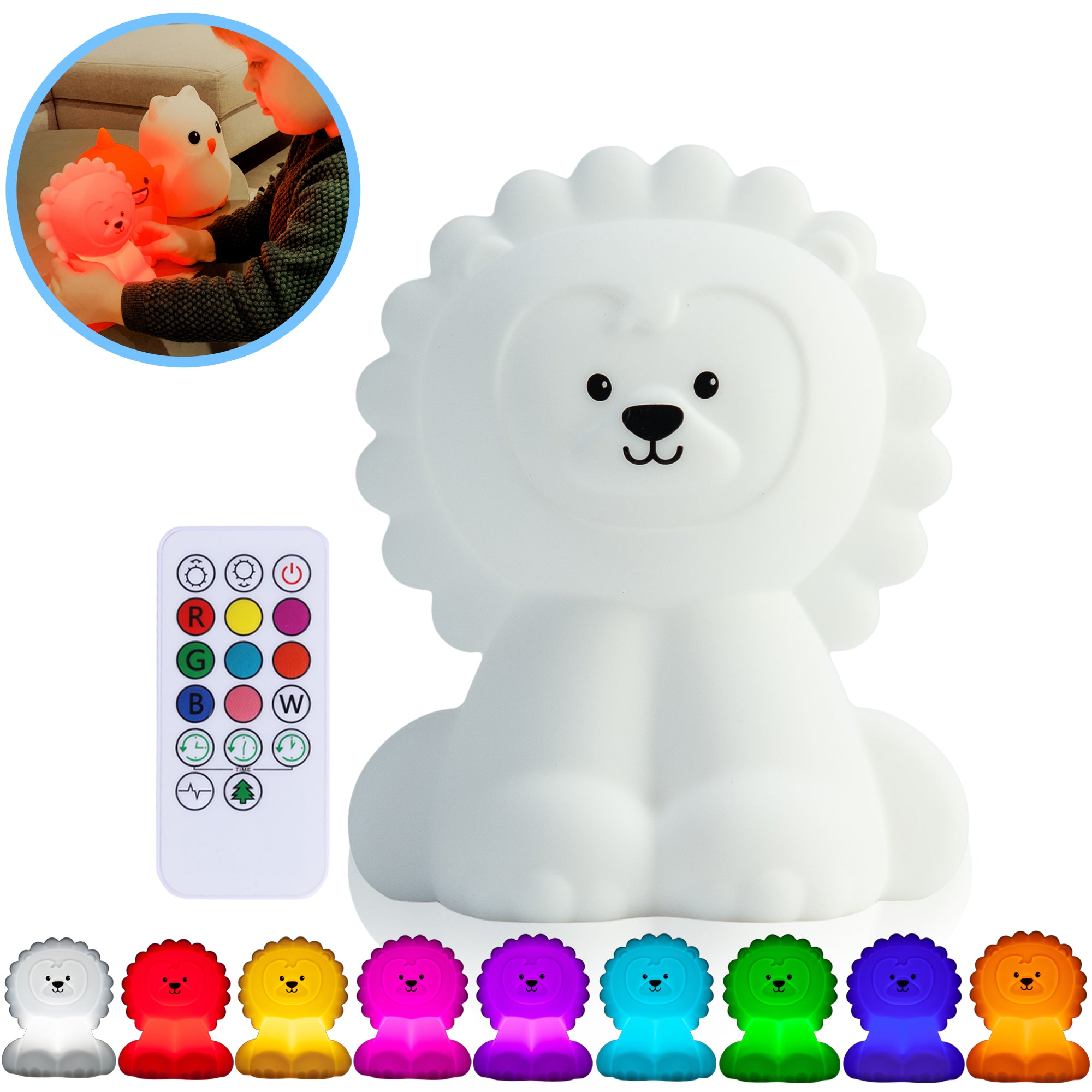
Many children resist bedtime because they feel afraid in the dark. A soft night light can make the bedroom feel safer and more familiar. Choose a warm, gentle light that is not too bright and helps maintain a calm atmosphere.
Explore the Kadoing night lights for child-friendly lamps designed to create a peaceful bedtime environment.
Use a children's alarm clock for more clarity
For young children, the concept of time can be difficult to understand. As a result, they may not always know when it's time to sleep or when it's okay to get out of bed. A children's alarm clock can help make this visually clear.
A sleep trainer teaches children, step by step, the difference between sleeping time and wake-up time. Take a look at the Kadoing children's alarm clocks, designed to provide children with structure and reassurance.
Create a calming bedtime routine
A pleasant evening routine doesn't have to be complicated. Simple habits often work best: tidying up together, putting on pajamas, brushing teeth, reading a story, and then going to sleep. Repeating the same routine every evening creates familiarity and calm.
A favorite cuddly toy can also help your child feel safe and secure. You may want to explore the Kadoing plush toys, soft companions that provide comfort and reassurance at bedtime.
Peaceful bedtimes begin with trust
When your child suddenly refuses to go to bed, it can feel overwhelming. However, it helps to stay calm and try to understand the reason behind the behavior. With clear boundaries, a consistent routine, and a safe sleeping environment, bedtime often becomes easier again over time.
A good night's sleep is important for both children and parents. By remaining loving and consistent, you provide exactly what your child needs: security, clarity, and confidence.