A toddler running their fingers over different fabrics, listening intently to the gentle tapping inside a wooden drum or placing bare feet on a rug is doing far more than simply playing. This guide to sensory play helps you make room for these small discoveries without turning your home into a craft corner.
Sensory play is about experiencing things through the senses: touch, hearing, sight, smell and sometimes taste. It gives young children different ways to discover the world around them. They explore the differences between hard and soft, heavy and light, quiet and loud. At the same time, it can be a lovely opportunity to discover together what captures your child’s attention.
What is sensory play?
In sensory play, the process matters more than the end result. A child does not need to create a beautiful work of art or carry out an activity perfectly. They can scoop, listen, sort, press, roll and start again. That repetition in particular can become enjoyable and familiar for toddlers.
Think of a basket filled with fabrics in different textures, large wooden shapes or a few wooden instruments for exploring sounds together. These activities give a child space to touch, listen, try and imagine, while for your child it still feels like ordinary play.
That does not mean every stimulus will always feel pleasant. Some children want to put their hands straight into sand or clay, while others prefer to watch first or begin with a spoon. Both responses are absolutely fine. During sensory play, you can give your child room to explore at their own pace.
Why sensory play is so enjoyable for toddlers
Toddlers discover a great deal by looking, touching, listening and trying things for themselves. While we as adults are often quick to explain, a young child gathers information by doing. What does a little bell sound like when you move it quickly or gently? What happens when water drips from a sponge into a bowl? Can this smooth wooden shape roll too?
You can also connect these experiences with simple words. Calmly describe what is happening: “That feels rough”, “You can hear a loud sound” or “The fabric feels soft.” It does not need to become a lesson. A few simple words while playing together are enough.
Sensory play can also provide a pleasant transition between busier moments. After an outing, before dinner or on a rainy morning, a simple, well-organised activity can offer some children a welcome quiet moment. Do not expect a magical calm button: one child relaxes while playing with water, while another does so through movement and making music. Above all, notice what your child shows you.
A practical guide to sensory play
A good activity does not begin with lots of supplies, but with a clear and safe invitation to play. Choose one material or one type of experience. A table full of options can feel overwhelming to a toddler, while a low tray with large wooden blocks and a cloth may already offer plenty to explore.
Make it easy for yourself too. Put down a washable mat for wet or grainy play, choose a time when you can stay nearby and keep a towel within reach. Sensory play does not need to last long. Follow your child’s interest and finish when their attention fades or they become restless.
Start with what you already have at home
Textiles make a calm starting point. For example, gather a smooth flannel, a soft sock, a ribbed cloth and a small fleece blanket. Let your child feel them, hide a wooden figure beneath a cloth or make a simple sensory basket together. Only choose sturdy, clean materials without loose parts.
Water also offers plenty of possibilities. A shallow container with a small cup, a sponge and a few large floating toys encourages scooping, squeezing and pouring. Always stay close and empty the container immediately afterwards. Even a shallow layer of water requires an adult’s full attention.
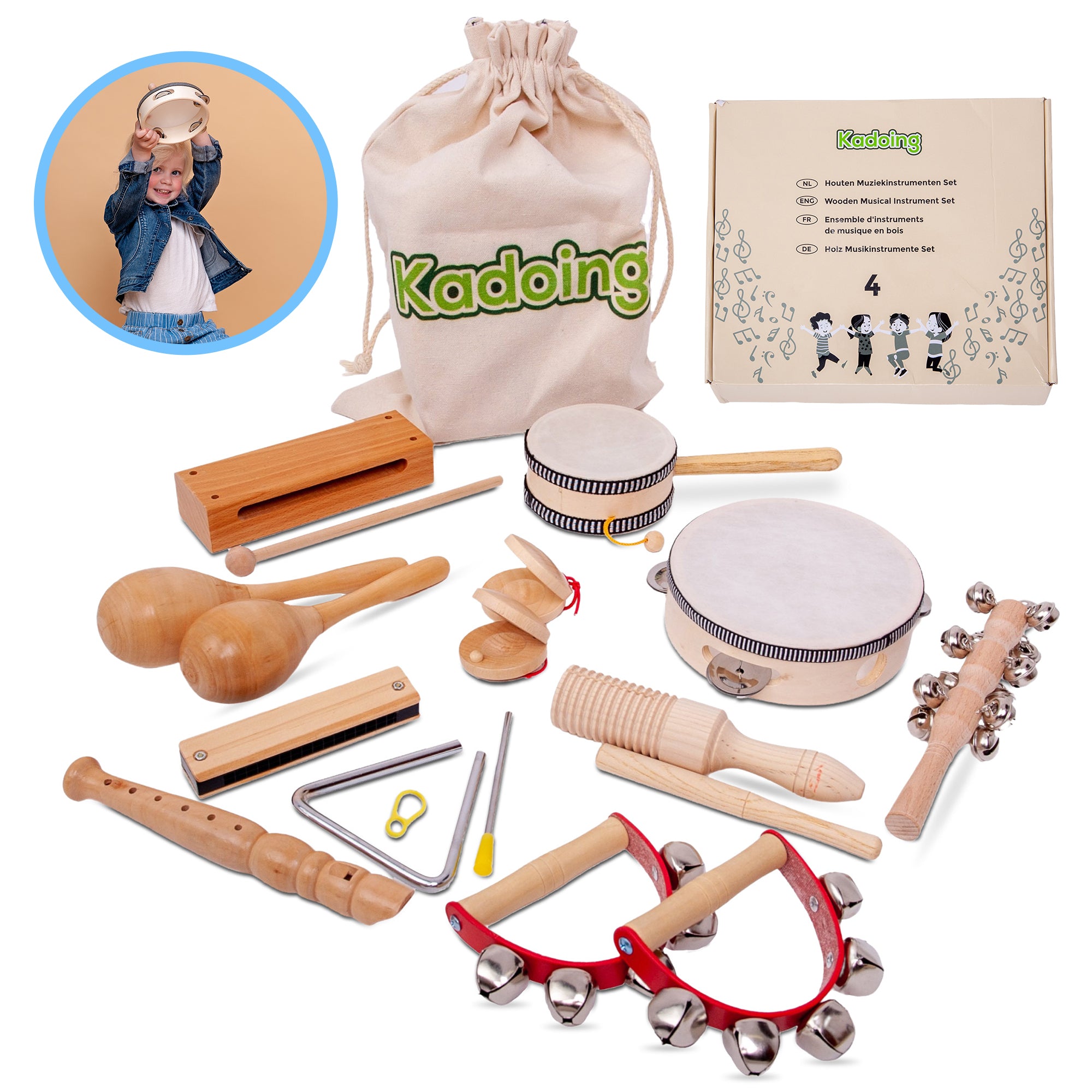
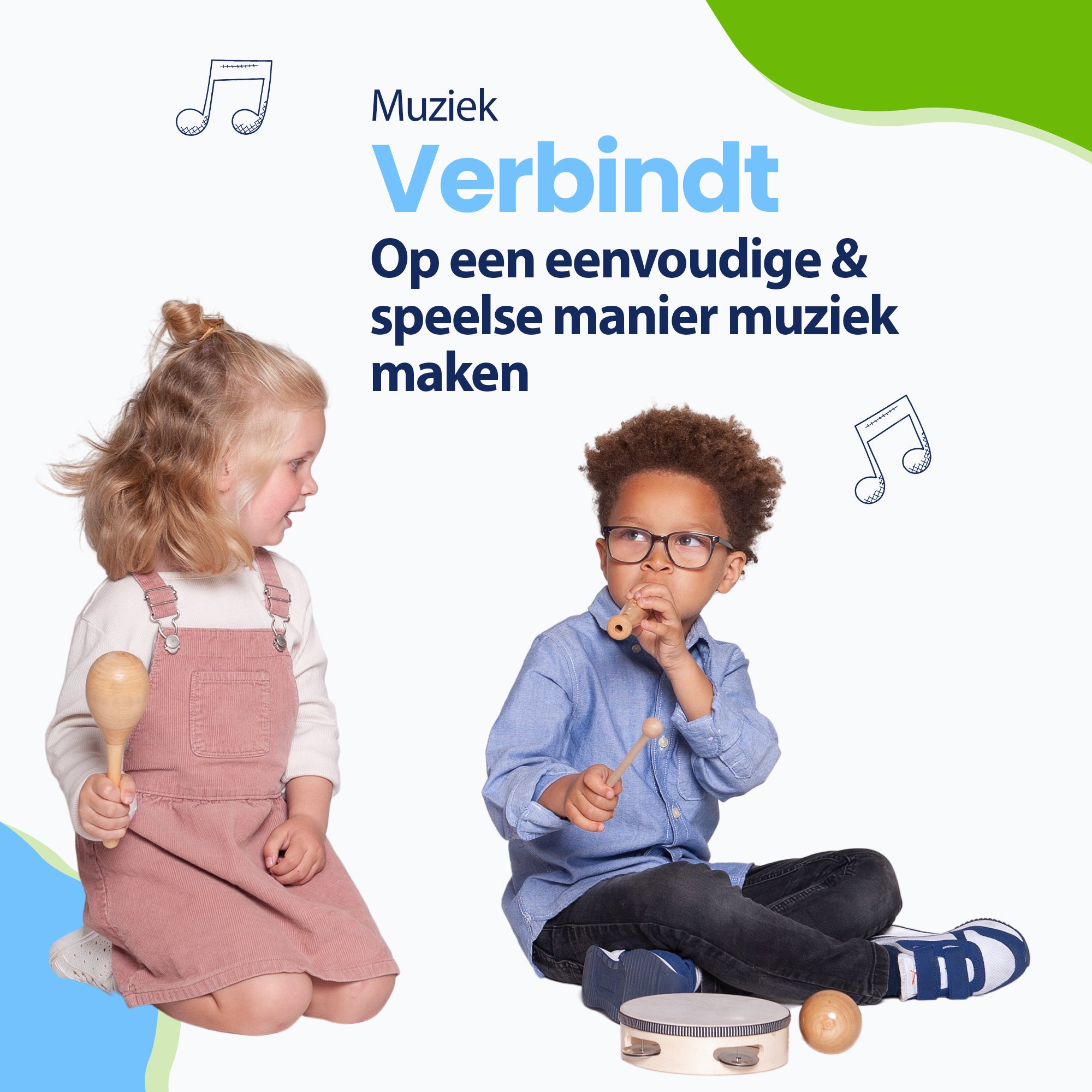
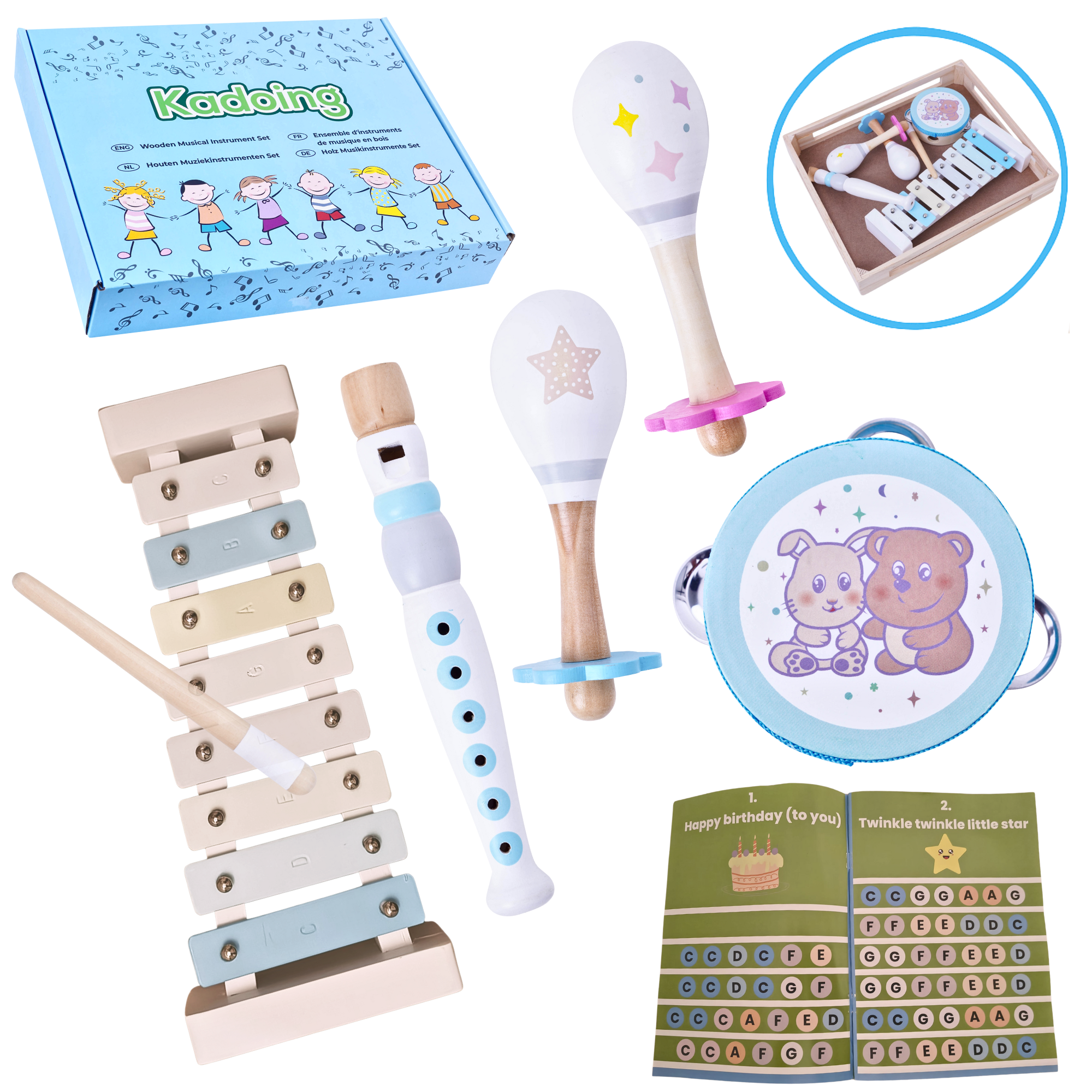
Music is an accessible form of sensory play that involves little tidying up. Clap a rhythm, let your child copy it and alternate between loud and soft. With a wooden musical instrument, your toddler can explore different sounds while you listen, tap and take turns making sounds together.
Ideas for calm sensory moments
You can make a sensory path using a few safe surfaces on the floor, such as a towel, a soft rug and a sturdy textured mat that cannot slide. Let your child walk across them in socks or bare feet and talk about what you can feel. Stop as soon as you notice it is no longer pleasant.
A sorting activity works well for children who enjoy organising things. Put large wooden shapes, sturdy fabric objects or other age-appropriate sorting materials in a basket and provide two containers. You can ask which objects are soft and which are hard, but also let your child invent their own system.
For a simple scent experience, smell familiar ingredients your child already knows together, such as a piece of orange peel or a mint leaf. Only choose ingredients that are suitable for your child and keep products that are not intended for eating out of reach.
Would you like to try something more creative? Choose an age-appropriate modelling material and follow the instructions for use and safety. Rolling, pressing and making prints with large shapes can already provide plenty of room for discovery.
Safe play without losing spontaneity
Safety does not make play less free. In fact, it gives you the peace of mind to let your child experiment. Check materials beforehand for splinters, sharp edges, loose buttons and parts small enough to disappear into the mouth. Only use paint, clay and toys suited to your child’s age.
Keep these four principles in mind:
- Always stay nearby, especially around water, food, small materials and activities on the floor.
- Only use materials and toys suited to your child’s age, and pay extra attention to loose or small parts if your child still puts many things in their mouth.
- End the activity if any material becomes damaged or if your child clearly no longer wants to play.
- Wash hands afterwards and put loose materials away immediately.
Pay attention to the surroundings too. Choose a stable place where your child can play safely and where you can easily stay close. For an activity involving sound, you can keep the volume gentle. Making music can be cheerful, but a child does not need to be overwhelmed by sound to have fun.
Follow your child’s cues
The loveliest thing about sensory play is that you do not need to steer it towards one correct outcome. Watch what your child naturally does. Perhaps they keep stacking the same blocks, touch the clay with just one finger or want to spend several minutes listening to a rattle. That is also a way of exploring the material.
You can join in with open observations instead of asking lots of questions. For example, say: “You chose the soft cloth” or “You are listening very carefully to that sound.” This helps your child feel noticed without turning play into a performance.
Do you notice your toddler walking away, throwing things or becoming frustrated? Calmly bring the activity to an end. The material or the timing may simply be less suitable at that moment. You can offer something simple again later or choose fewer stimuli. A child who initially only wants to watch may want to join in another time.
Sustainable choices for play that lasts
You do not need a disposable box full of craft supplies to create rich sensory experiences. Sturdy, reusable materials can last a long time. Simple objects can also return to play in many different ways.
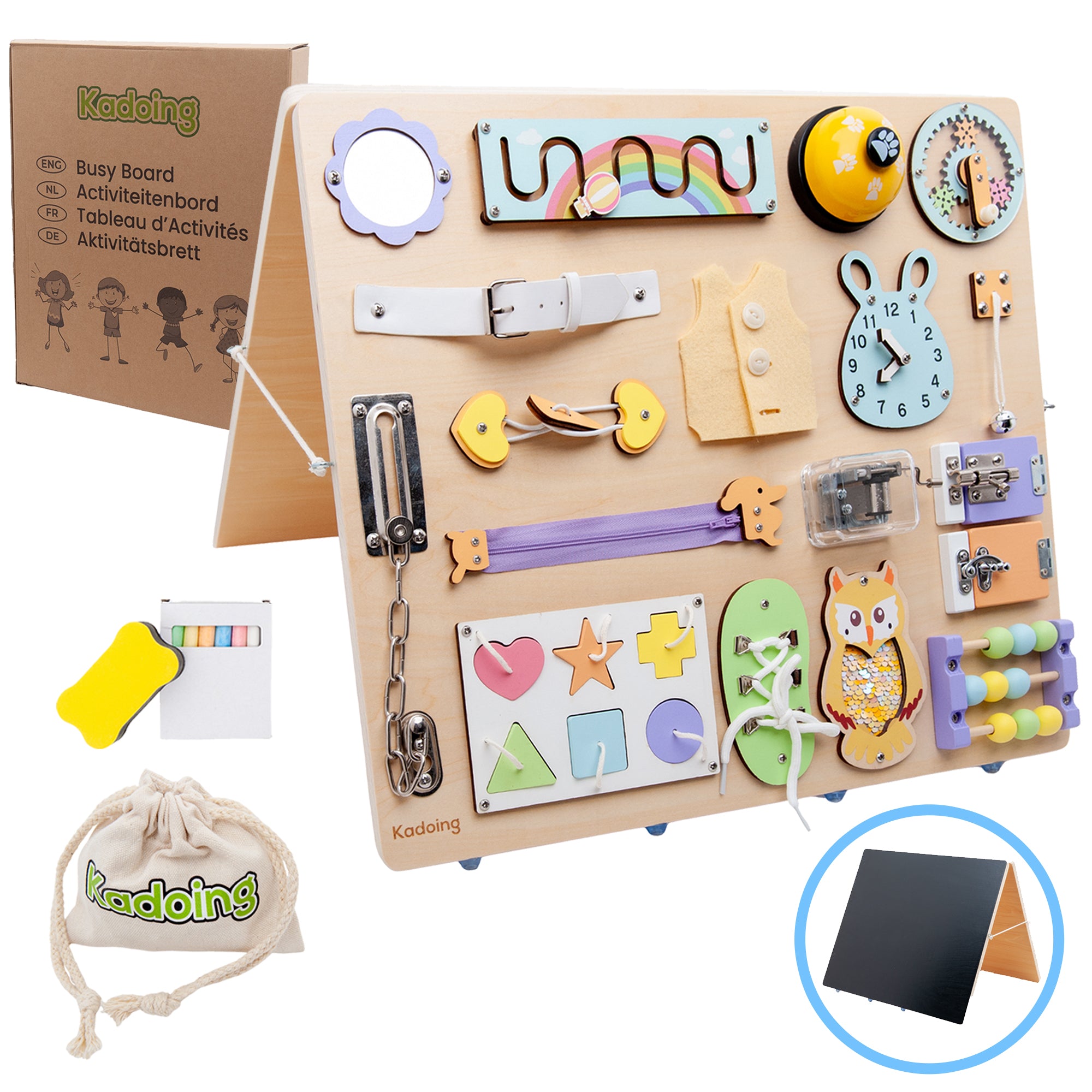
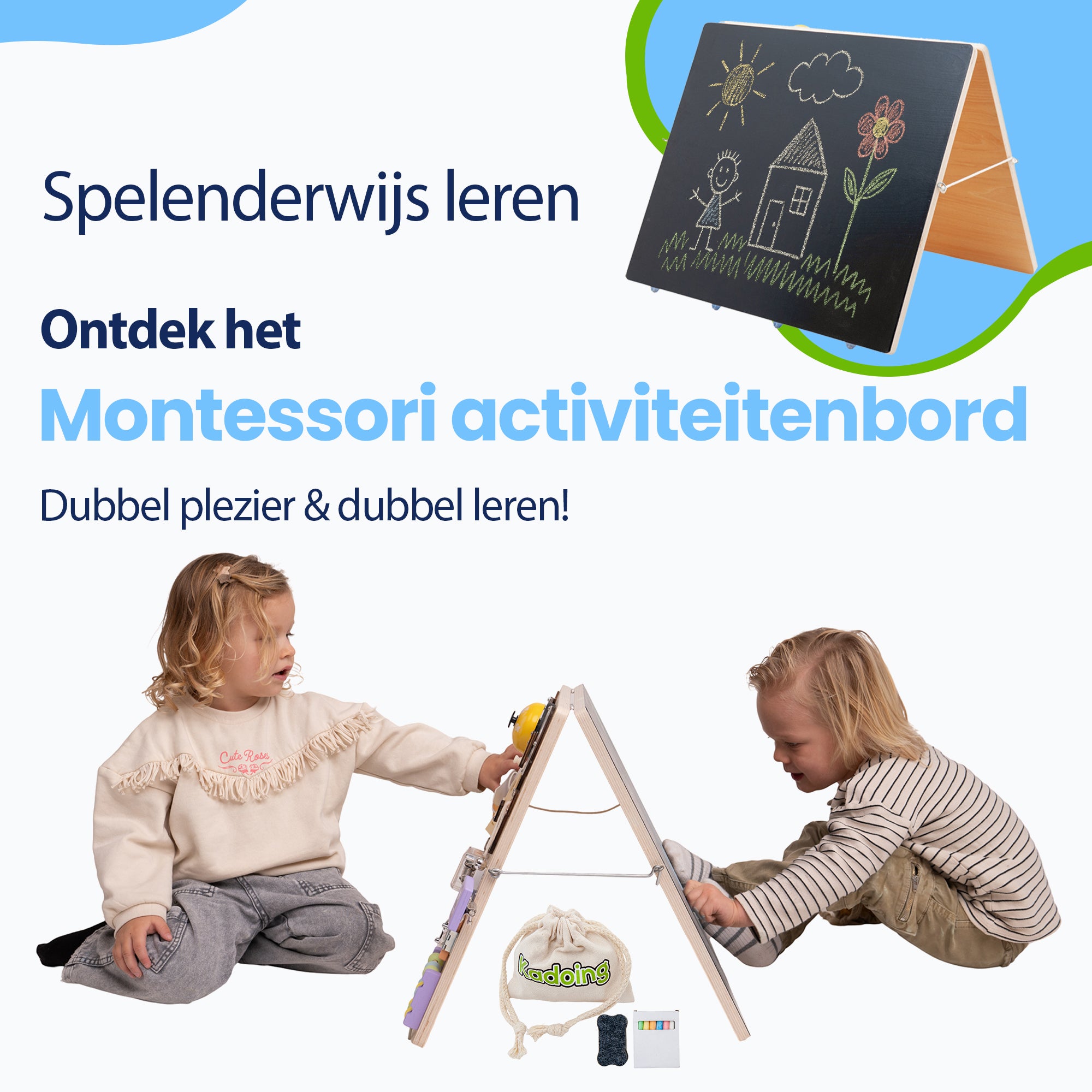
When choosing toys, look for a simple finish, safe materials and a shape that suits small hands. Wooden musical toys, activity toys with different textures and soft cuddly toys can each have their own place in everyday play. At Kadoing, this combination of calm design, enjoyment and discovering together is at the heart of what we do.
Do not rotate everything at once. By putting a few materials away for a while and bringing them back later, they often feel new again. This is kinder to your budget, creates a calmer play area and makes things easier for your child to take in.
A tray with a cloth, a few attractive wooden objects and your attention may be all you need. Give your toddler time to touch, listen and discover independently. It is precisely in these ordinary little moments that playing together can become something special.