A rattle that fits comfortably in little hands, a soft toy for a quiet moment or wooden blocks to feel and stack: good baby toys do not need to do much. When choosing baby toys, parents often look for something attractive, safe and durable, but above all something that suits their baby's age and curiosity.
The first months and years are full of small discoveries. Babies look, listen, grasp, taste and repeat. Toys can fit into this quite simply. The idea is to leave room for attention, closeness and play at your baby's own pace, rather than fill every moment with stimulation.
Which baby toys are suitable for each age?
Age recommendations are a useful starting point, rather than a fixed rule. Every baby develops at their own pace and has different preferences. One may be fascinated by a soft tag for ages, while another would rather tap, roll things or listen to sounds.
In the first few months, simple things often work well. Contrasts, simple shapes and different textures can spark curiosity without too much happening at once. A soft toy or comfort cloth can be pleasant during supervised play together. Keep loose soft toys, cloths and other toys out of a baby's sleep space. A clear, safe cot remains important.
As your baby begins to reach for things more deliberately, light rattles, grasping toys and soft balls often become interesting. They encourage holding, passing from hand to hand and trying again. Your baby does not need to manage it straight away. Practising, dropping and picking things up again are all part of play.
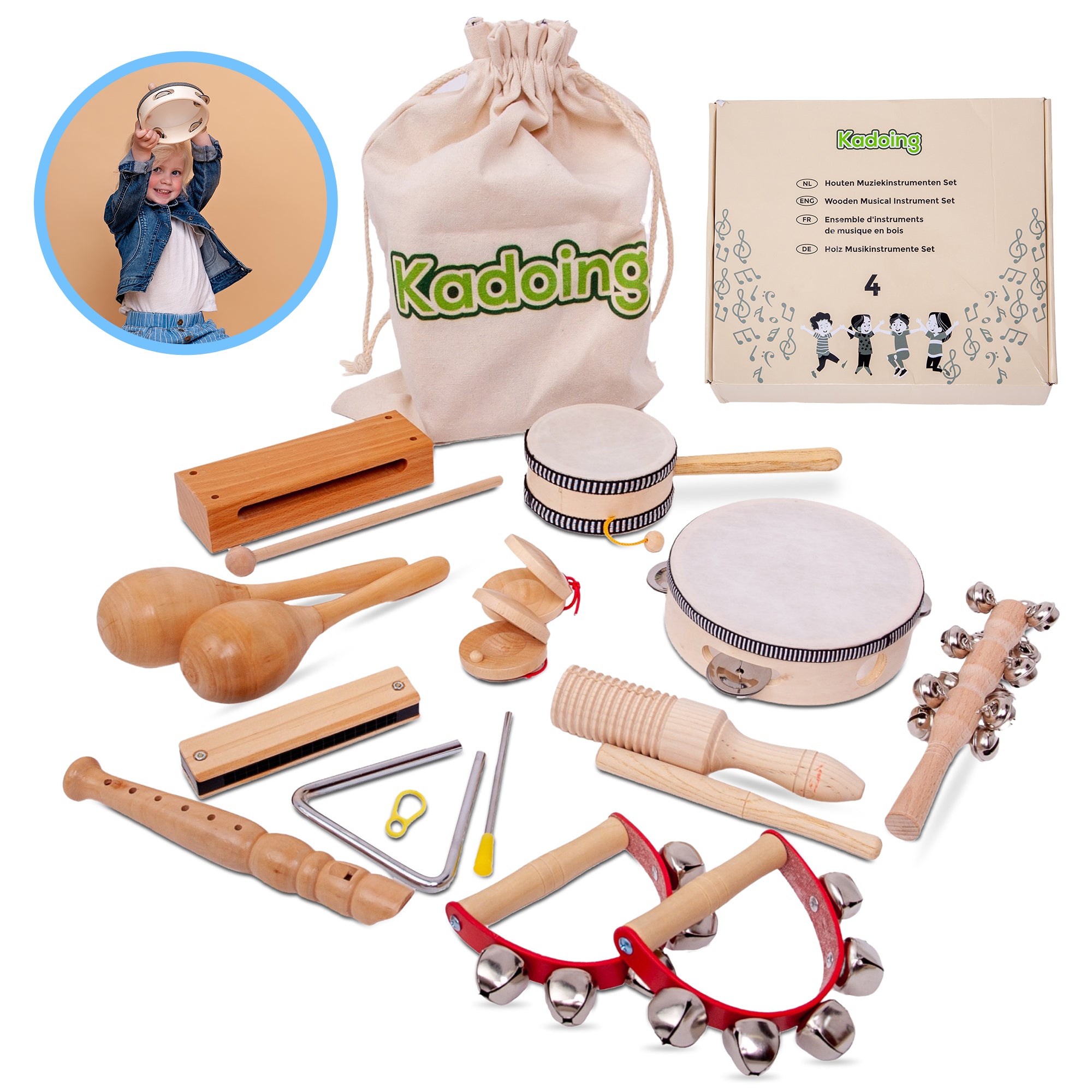
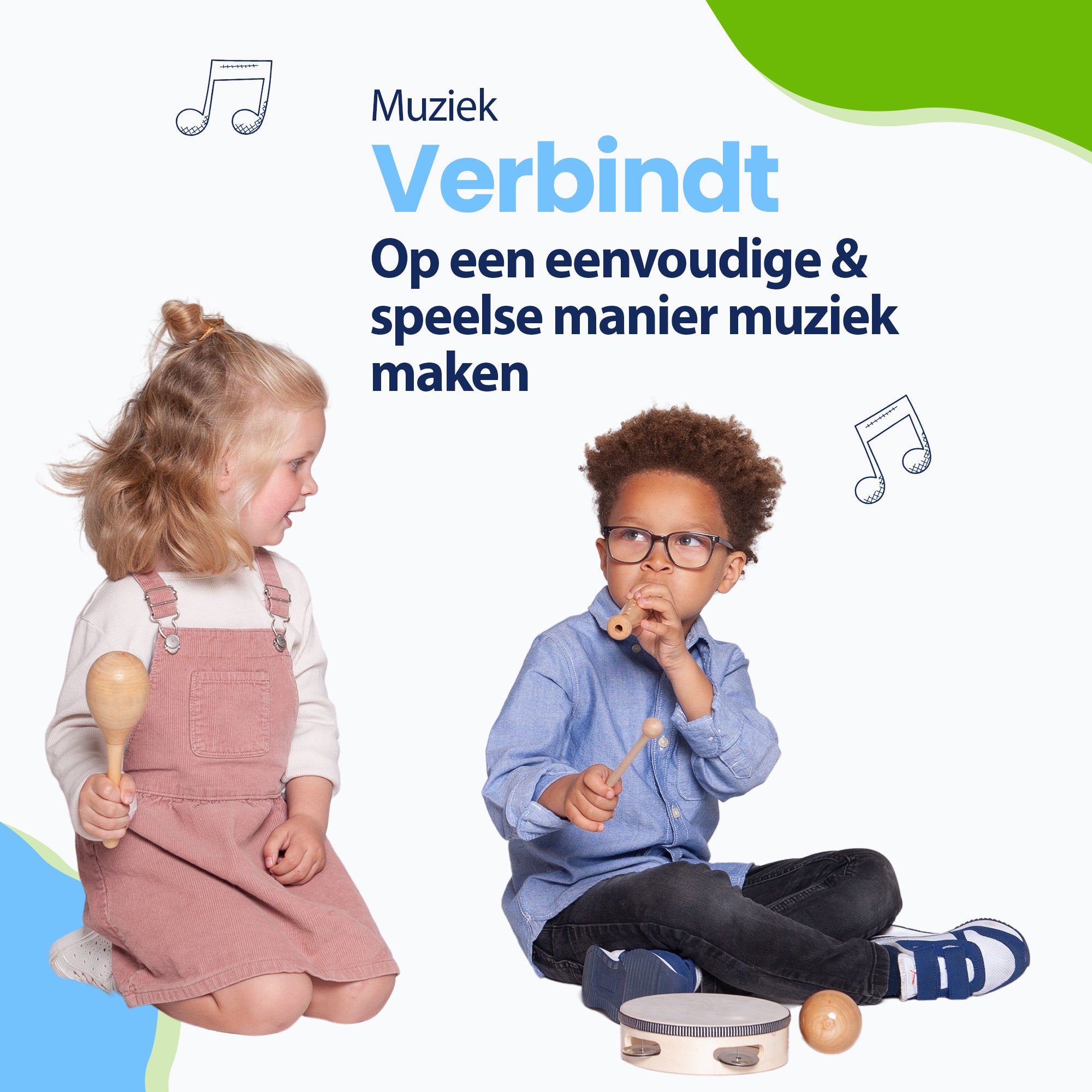
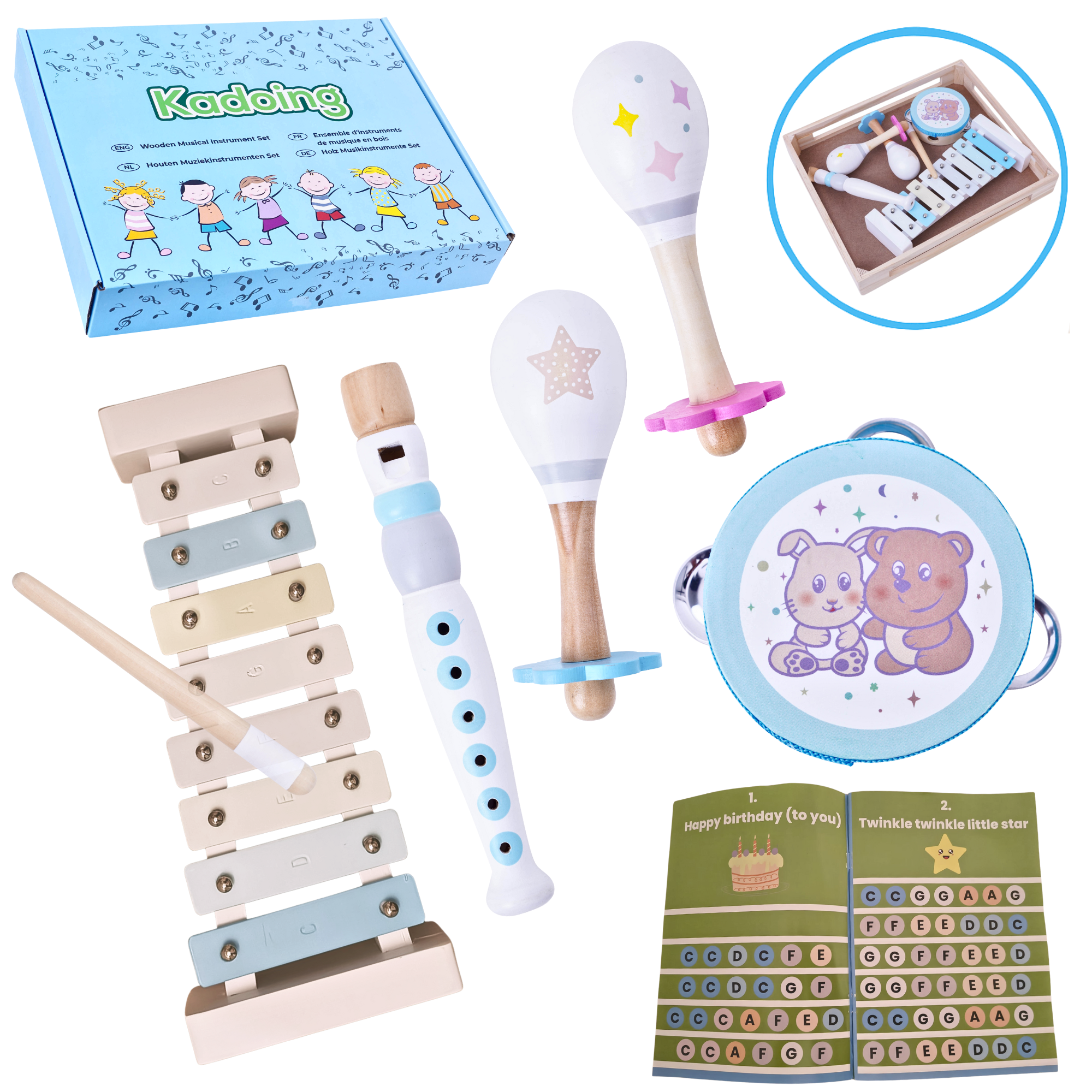
Later, stacking, rolling and cause-and-effect play become more appealing. Think wooden blocks, simple shapes or musical toys with a clear, gentle sound. A wooden musical instrument can be an invitation to explore rhythms together. The pleasure comes from listening, repeating and responding to each other, rather than playing a perfect tune.
Less stimulation, more room for play
Toys with lights, sounds and lots of features can be fun, but they are not always needed. On a busy day in particular, simple toys can feel more calming. Your baby can explore at their own pace: a rattle makes a sound, a soft ball rolls away and, later, blocks can be stacked and knocked down.
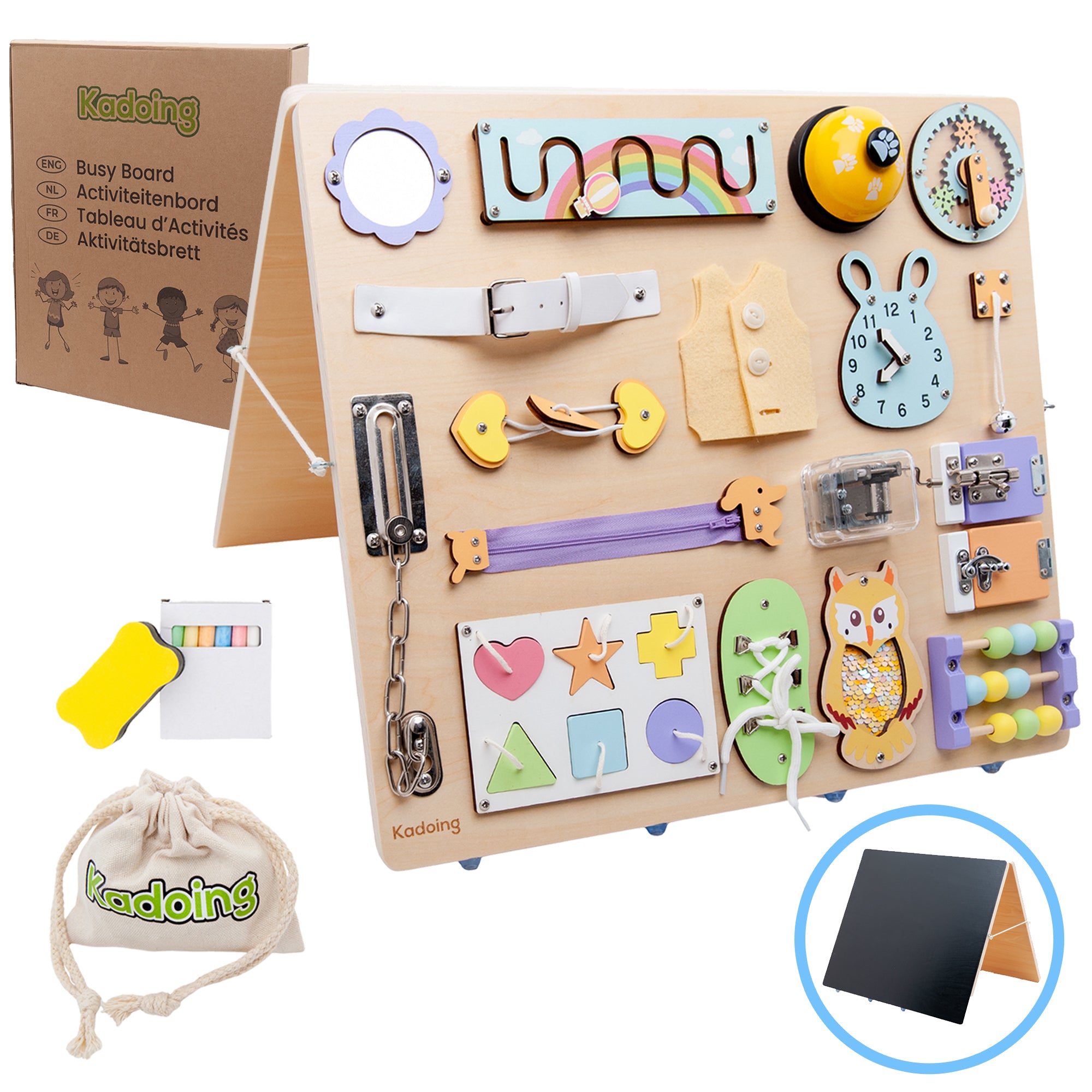
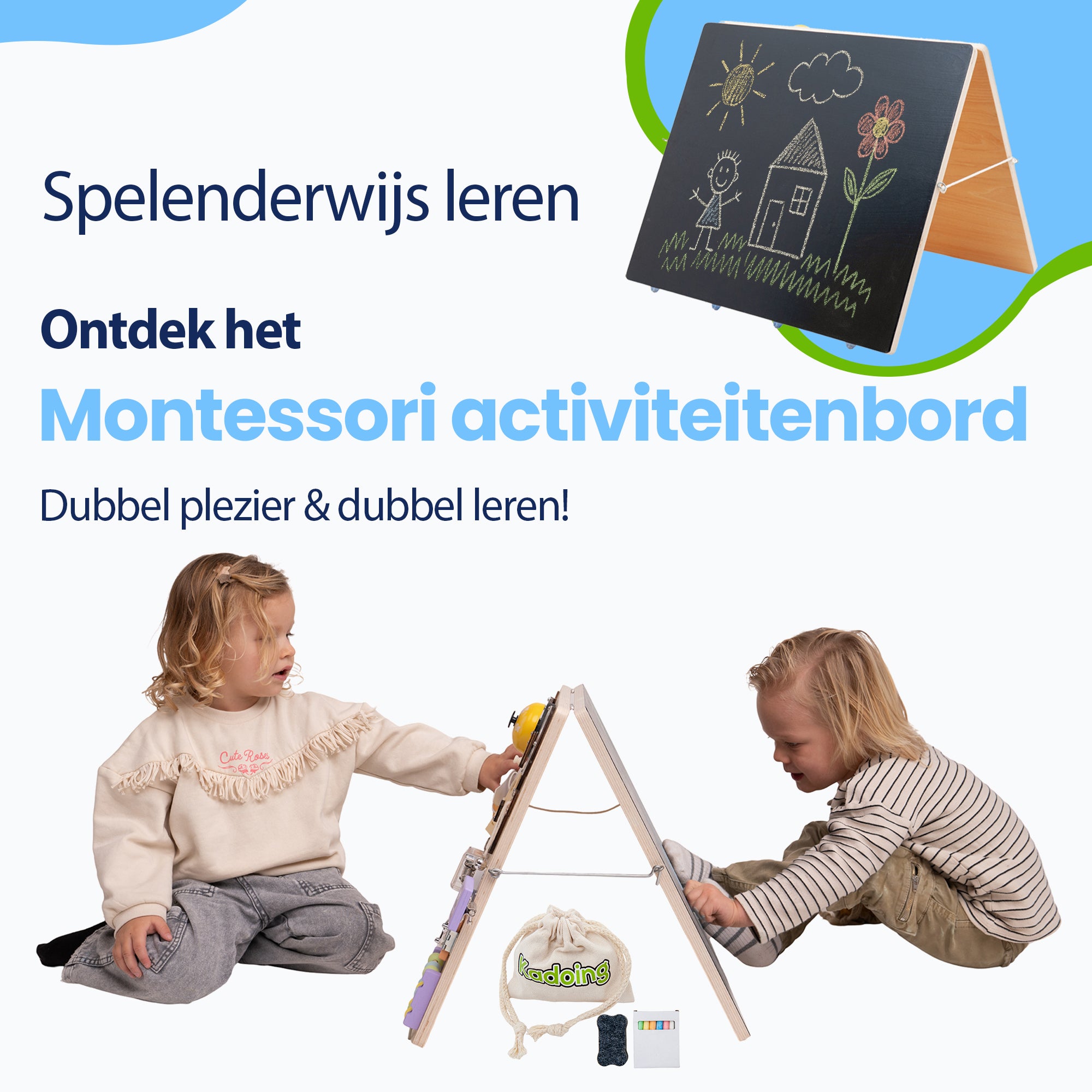
That does not mean avoiding sound or colour. It is about balance. For instance, choose a few toys that make sounds and combine them with open-ended toys such as blocks, fabric figures or a simple activity cube. This gives your baby variety without making the play area feel crowded or busy.
Where and when you play also makes a difference. After a busy visit, a quiet book or a familiar soft toy may suit the moment better than a new toy. On a morning when your baby is well rested, there may be time to stack blocks or make music together. Watching your baby often helps you see what they need at that moment.
What to look for in materials and finish
More and more parents are choosing toys that can last and feel at home in their living space. Wood, fabric and other carefully chosen materials often give toys a calm look. Yet the material alone does not tell you everything. Also look at the finish and how sturdy it is, and check that the toy is suitable for your child's age.
Always check new and used toys before giving them to your baby. Are there loose parts, damage or sharp edges? Is the toy big and sturdy enough to prevent small parts from coming loose or being swallowed? Babies often explore toys with their mouths, so choose only toys that are safe and suitable for this. Follow the manufacturer's age guidance and instructions for use and cleaning.
Wooden toys can be a good choice for families who want to bring less plastic into their homes. They often have a timeless look and can stay in use for a long time, sometimes even for a younger brother, sister or another child in the family. Choosing sustainably does not mean buying everything new. Passing on well-maintained toys, swapping them or buying second-hand can be just as thoughtful, provided you check their condition and suitability carefully.
With fabric toys, being able to wash them is often useful. Babies explore with their mouths, and soft toys often go everywhere with them. Choosing one that can be cleaned according to its instructions makes everyday use a little easier.
Toys that encourage playing together
To a baby, your voice, face and reactions are often at least as interesting as the toy itself. A rattle becomes more fun when you move it slowly from side to side. Blocks take on meaning when you build a tower together and react with delight as it falls. A song with a wooden musical toy can become a little ritual you share again and again.
There is no need to plan a whole programme. A few minutes of attention can already feel worthwhile. Describe what you see: “You've got the ball” or “There it goes, rolling away.” Keep it simple and follow your baby's interest. If their attention fades, it is fine to stop.
Toys can also help make transitions feel calmer. A familiar soft toy while you share a story, a gentle song while getting dressed or an age-appropriate grasping toy during play will not solve every unsettled day, but can bring a sense of familiarity. What works varies from family to family and may change over time.
How many toys does a baby need?
Probably fewer than you think. A full basket does not automatically make play more fun. Some babies seem to enjoy themselves more when they can choose from a small number of toys. Rotating them from time to time can make a familiar toy interesting again without having to buy something new each time.
A practical starting point might include a few soft items, something to hold, something to roll or stack, and a toy that lets you explore sound or rhythm together. A small, thoughtfully chosen collection that suits your family is better than lots of toys that go unused.
When visiting a newborn or celebrating a first birthday, a toy that grows with the child often makes a lovely gift. A soft toy, wooden blocks or a simple musical toy are examples that need not be limited to one brief stage. Pay attention to the age guidance, even if the gift is intended for later.
Choose what fits into your day
The best baby toys are not necessarily the ones with the most features or the brightest packaging. They are the ones that suit your child's age, interests and everyday moments. That might be a wooden rattle for the playpen, a soft toy for outings or a few blocks for the play mat.
That is the kind of play at the heart of Kadoing: products that encourage attention, enjoyment and little moments together, with a calm look and thoughtfully chosen materials. Play does not have to be complicated. A little time, a familiar object and your presence can be enough for a lovely moment together.