Adequate sleep is essential for children's growth, development, and overall well-being. But how much sleep do they actually need?
Sleep plays a crucial role in a child's development. Throughout the day, children are constantly learning, exploring, playing, and processing new information. During sleep, the brain has the opportunity to organize and process all of these experiences. That is why a healthy sleep routine is just as important as nutritious food and regular physical activity. But what is the right bedtime for your child? And how many hours of sleep do children need at different ages?
Why is sleep so important for children?
During sleep, much more happens than simply resting. The body recovers, growth hormones are released, and the brain processes new experiences and knowledge.
Children who get enough sleep often:
- concentrate better;
- learn new skills more easily;
- have a more positive mood;
- feel physically stronger and more energetic;
- process emotions more effectively.
A lack of sleep, on the other hand, can lead to fatigue, irritability, concentration difficulties, and challenges with learning.
Sleep needs of babies and young children
The younger a child is, the more sleep they generally require. Babies do not yet have a fixed sleep schedule and usually sleep whenever their bodies need rest.
As children grow, their sleep gradually becomes more structured. Nighttime sleep periods become longer, while daytime naps slowly decrease. Children often show when they are ready for fewer naps by taking longer to fall asleep or showing less interest in daytime sleep.
It is important to remember that every child develops their own sleep pattern. Try not to compare your child too closely with others.
How much sleep does a child need?
Sleep requirements vary by age and individual child. The following guidelines provide a good indication of the average amount of sleep children need each night.
| Age | Average Sleep Duration |
|---|---|
| 4 years | 11.5 hours |
| 5 years | 11 hours |
| 6 years | 10 hours 45 minutes |
| 7 years | 10.5 hours |
| 8 years | 10 hours 15 minutes |
| 9 years | 10 hours |
| 10 years | 9 hours 45 minutes |
| 11 years | 9.5 hours |
| 12 years | 9 hours 15 minutes |
These figures are averages. Some children need slightly more sleep, while others function perfectly well with a little less.
What is a good bedtime for each age?
In addition to getting enough sleep, having a consistent bedtime is also important. Regularity helps the body develop a healthy sleep rhythm.
| Age | Recommended Bedtime |
|---|---|
| 4 to 6 years | Between 6:30 PM and 7:30 PM |
| 7 to 8 years | Between 7:00 PM and 8:00 PM |
| 9 to 10 years | Between 7:30 PM and 8:30 PM |
| 11 to 12 years | Between 8:00 PM and 9:00 PM |
These guidelines provide a helpful starting point. However, always pay attention to your child's individual needs. If your child often seems tired, irritable, or struggles to concentrate during the day, an earlier bedtime may be beneficial.
How can you tell if your child is not getting enough sleep?
Children do not always show tiredness by yawning or becoming quiet. Sometimes sleep deprivation appears in less obvious ways.
Common signs include:
- difficulty waking up in the morning;
- irritability or frequent frustration;
- concentration problems;
- hyperactive behavior;
- frequent crying or emotional reactions;
- falling asleep regularly in the car or while traveling.
How to create a healthy sleep routine
A good night's sleep begins long before the lights go out. A predictable bedtime routine helps children relax both physically and mentally.
A healthy sleep routine may include:
- a consistent bedtime;
- limited screen time before bed;
- a calm and comfortable bedroom;
- reading a story together;
- a familiar evening routine repeated every night.
A night light can provide extra comfort
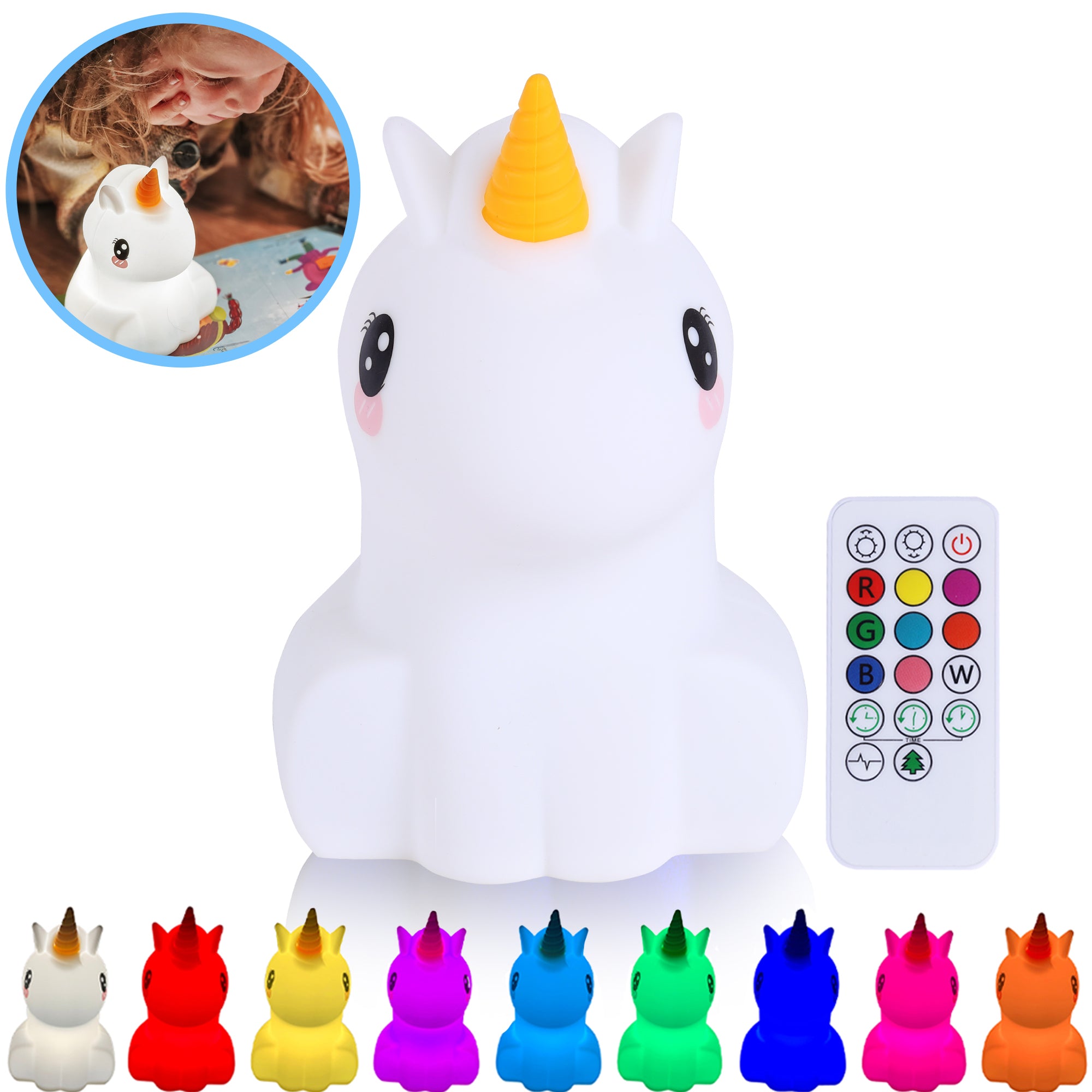
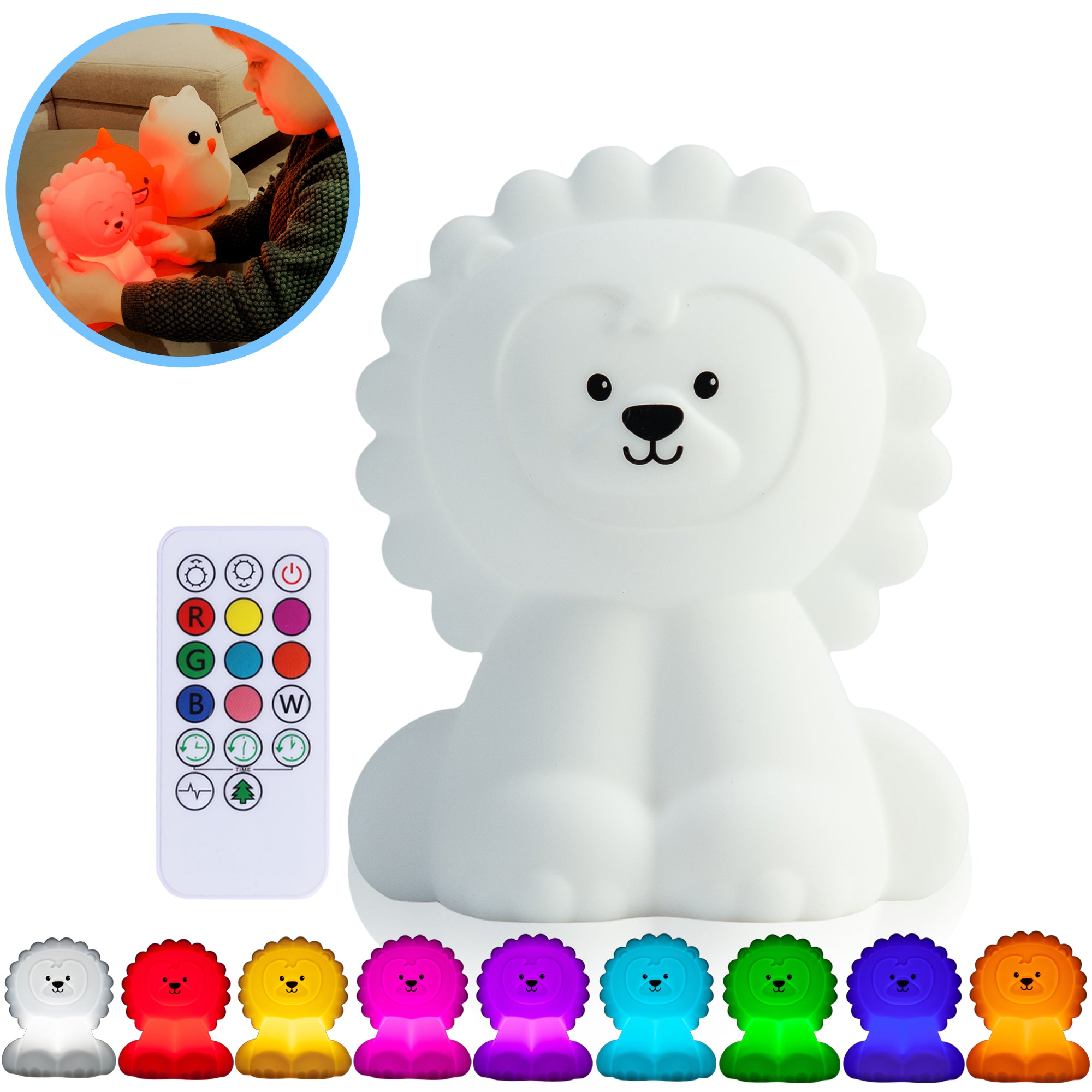
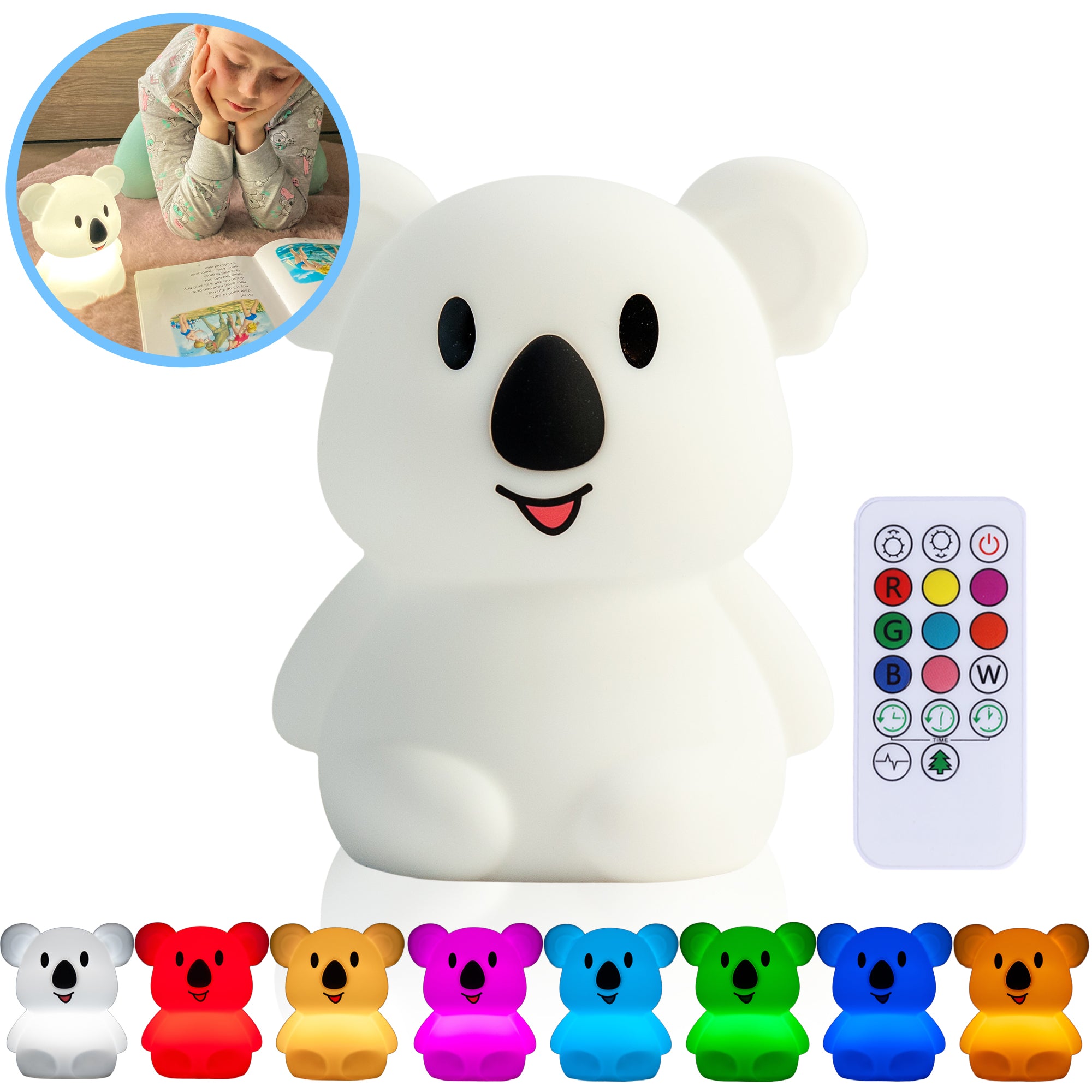
Some children feel uneasy when it becomes dark. A soft night light can help create a safe and comforting atmosphere without disrupting sleep.
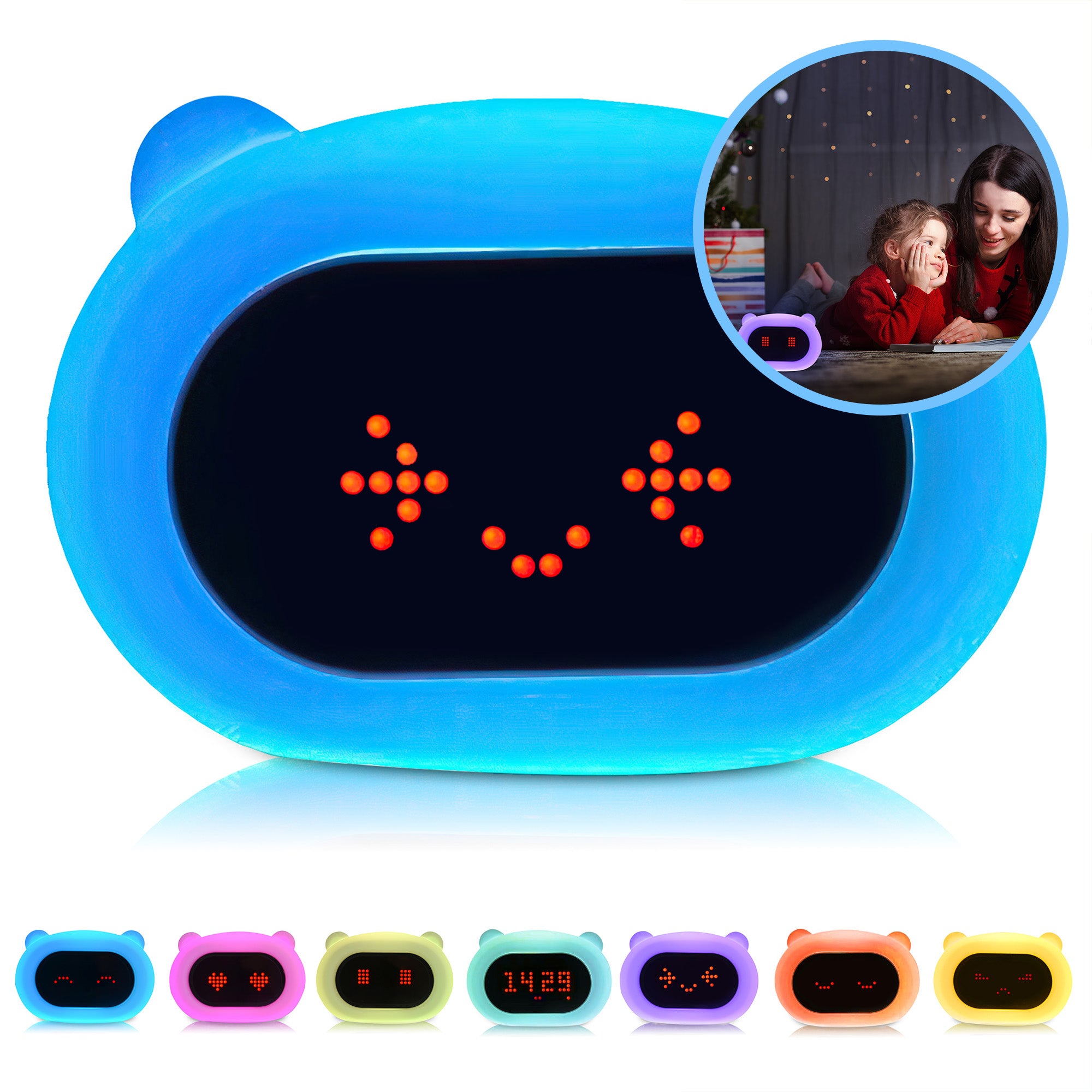
Explore our collection of night lights for children, featuring adorable animal friends specially designed to support peaceful evenings and restful nights.
More structure with a children's alarm clock
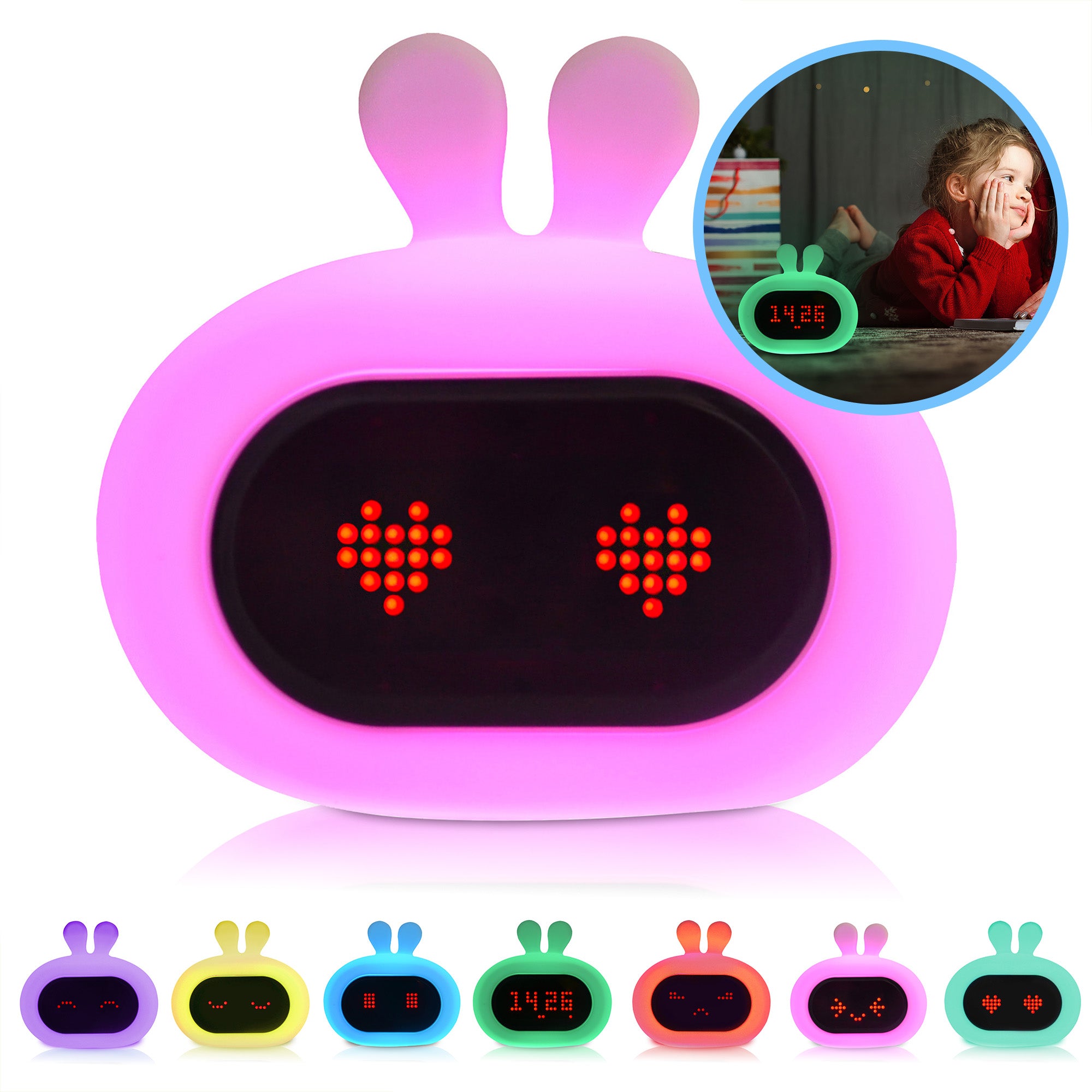
For young children, the concept of time can be difficult to understand. A children's alarm clock or sleep trainer visually shows when it is time to sleep and when it is time to start the day.
Our children's alarm clocks and sleep trainers help children develop healthy sleep habits in a fun and engaging way, while often giving parents a little more peace during the morning routine.
Active play during the day also helps
Children who stay active and play regularly during the day often sleep better at night. Physical activity helps them burn off energy and supports a healthy day-night rhythm.
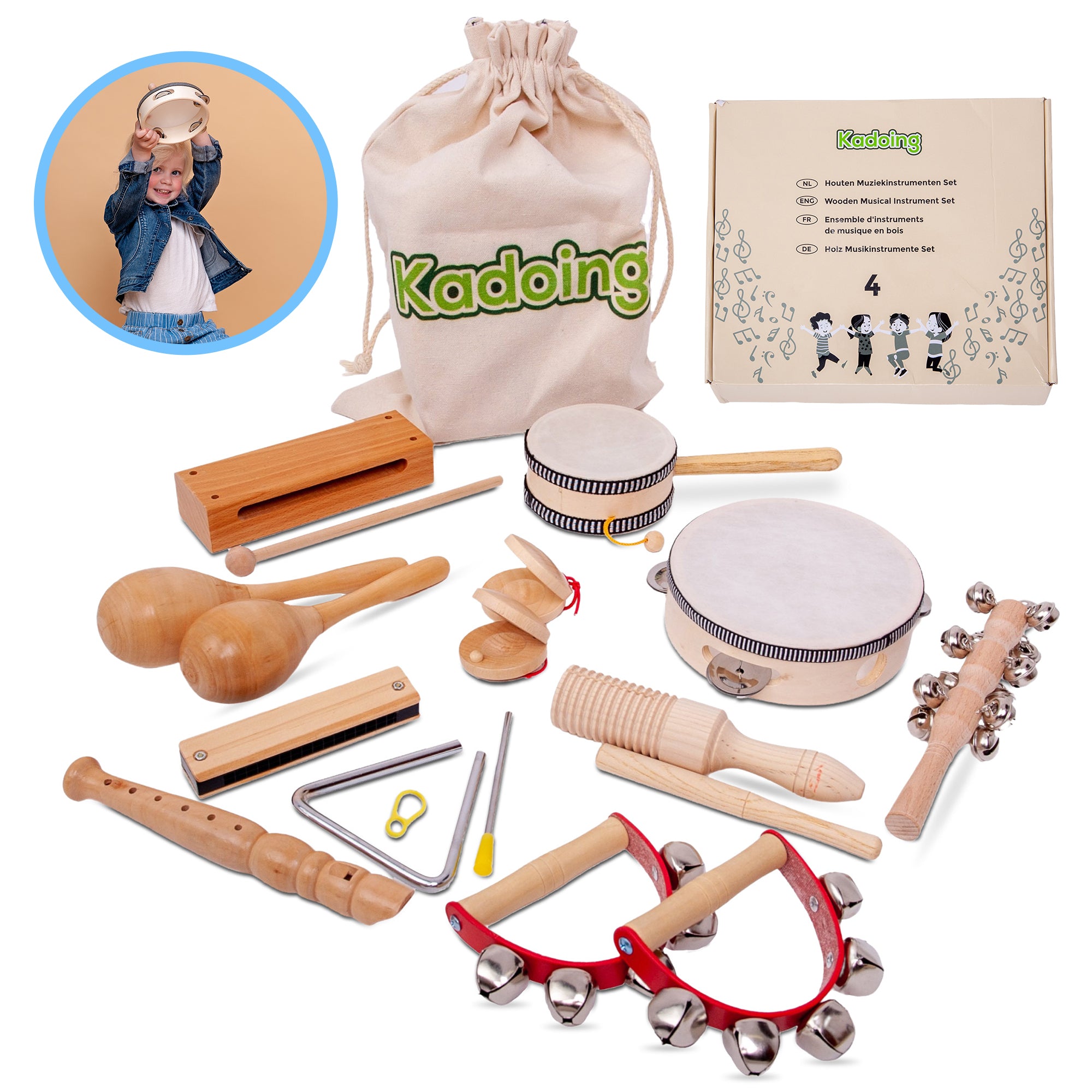
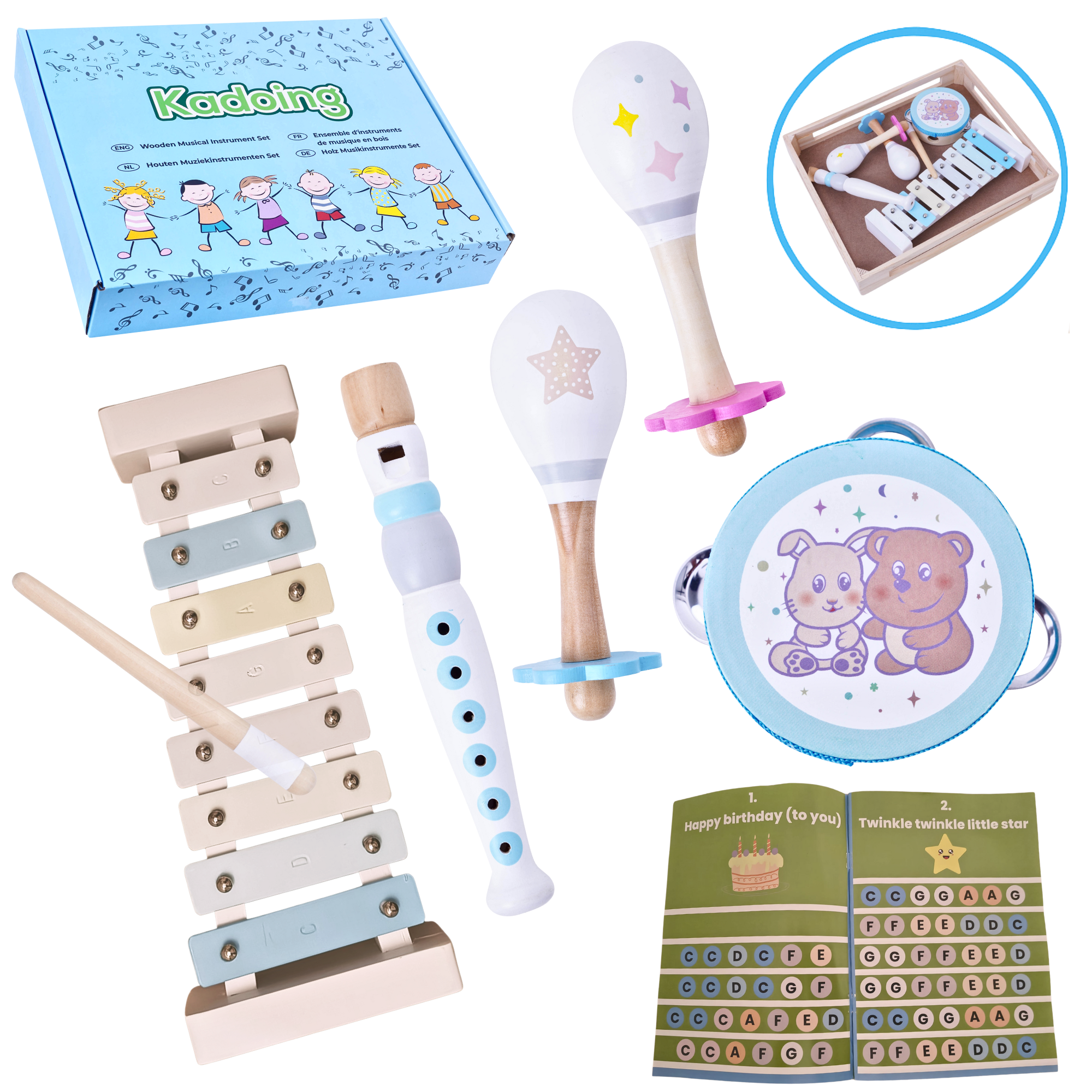
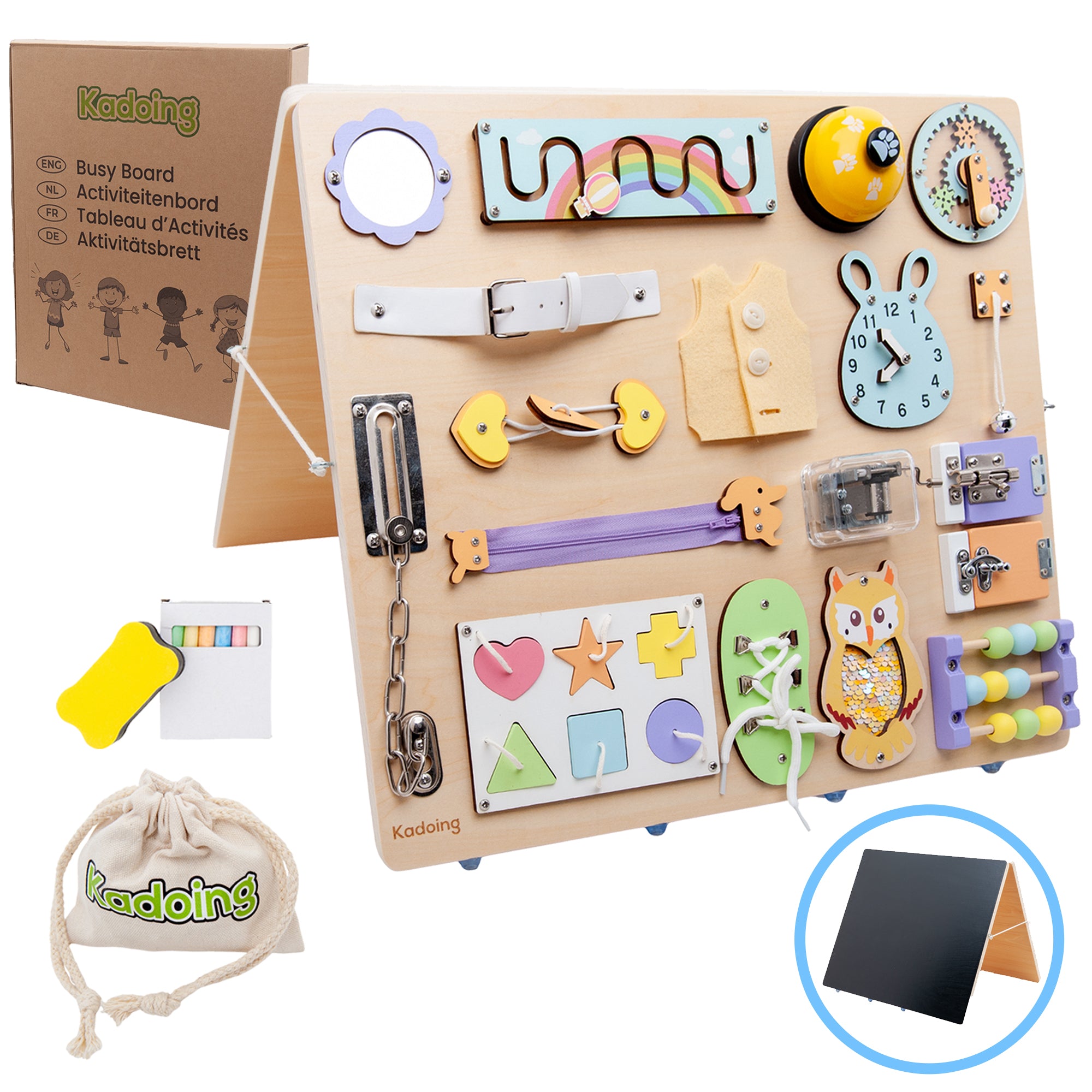
With durable wooden toys, children can explore, build, create, and develop new skills through play.
The right bedtime is different for every child
Although guidelines provide a useful starting point, every child is unique. Try not to focus only on the clock, but also pay attention to your child's behavior and individual needs.
A well-rested child is often happier, learns more easily, and enjoys daily life more. That makes a healthy sleep routine one of the greatest gifts you can give your child.
What time does your child usually go to bed?