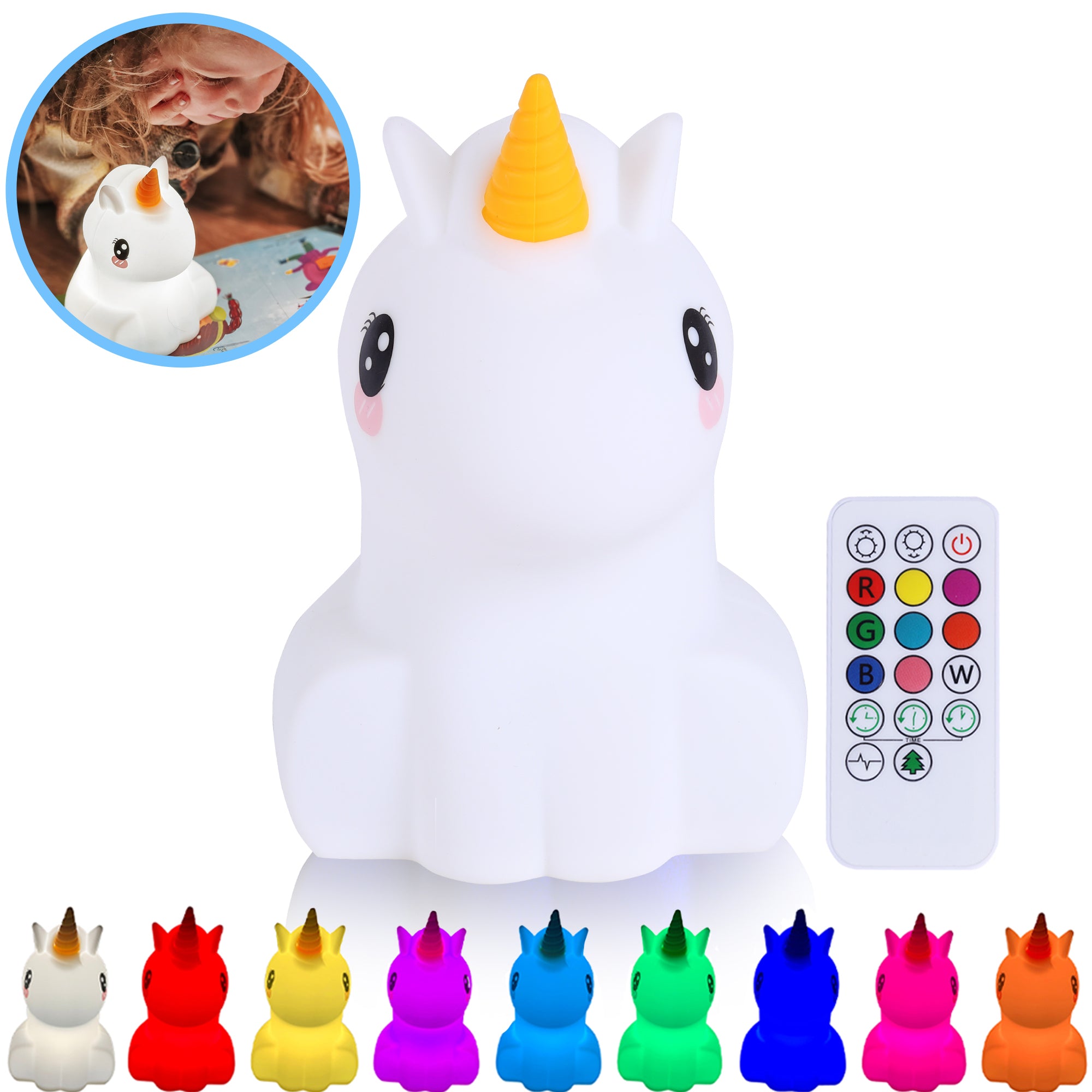
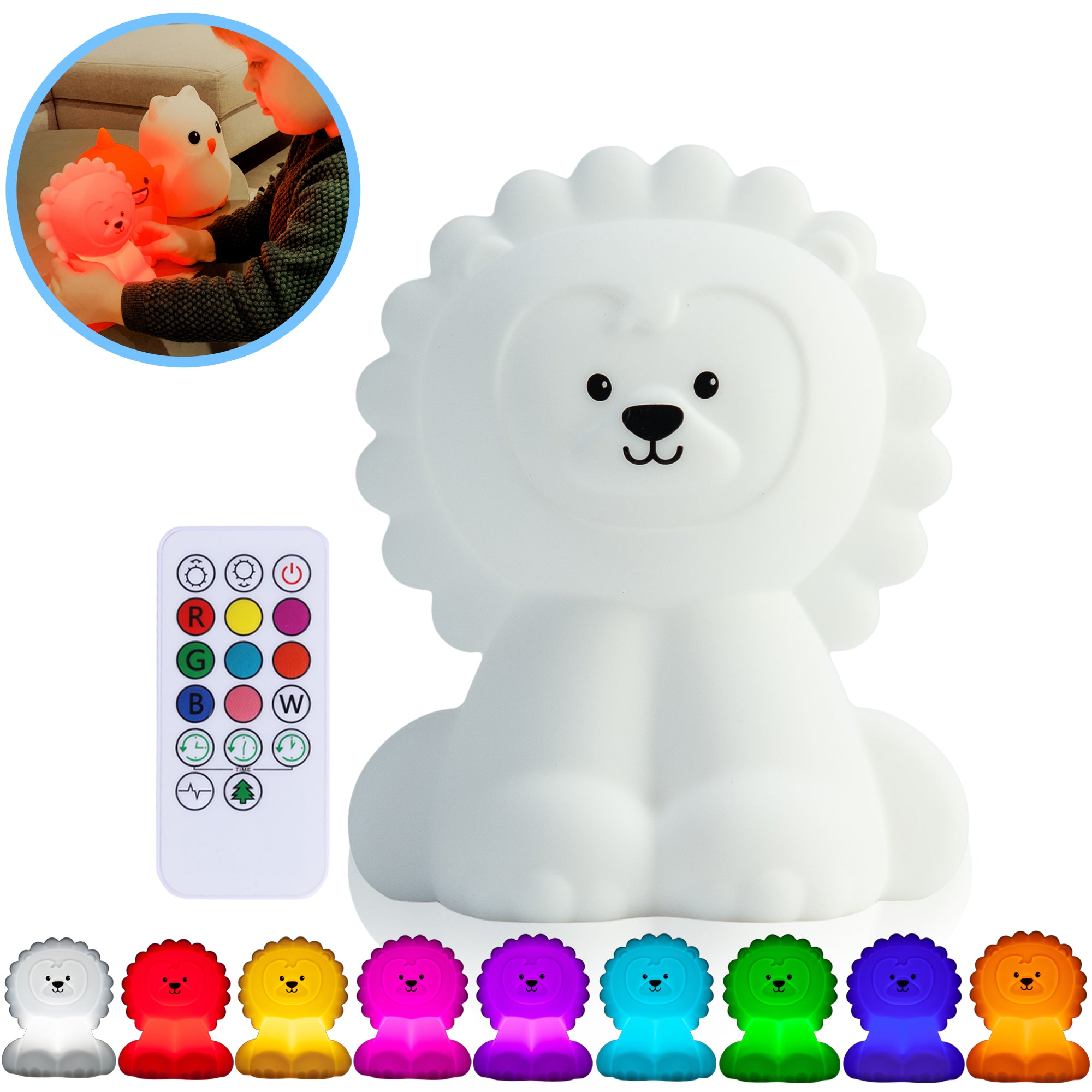
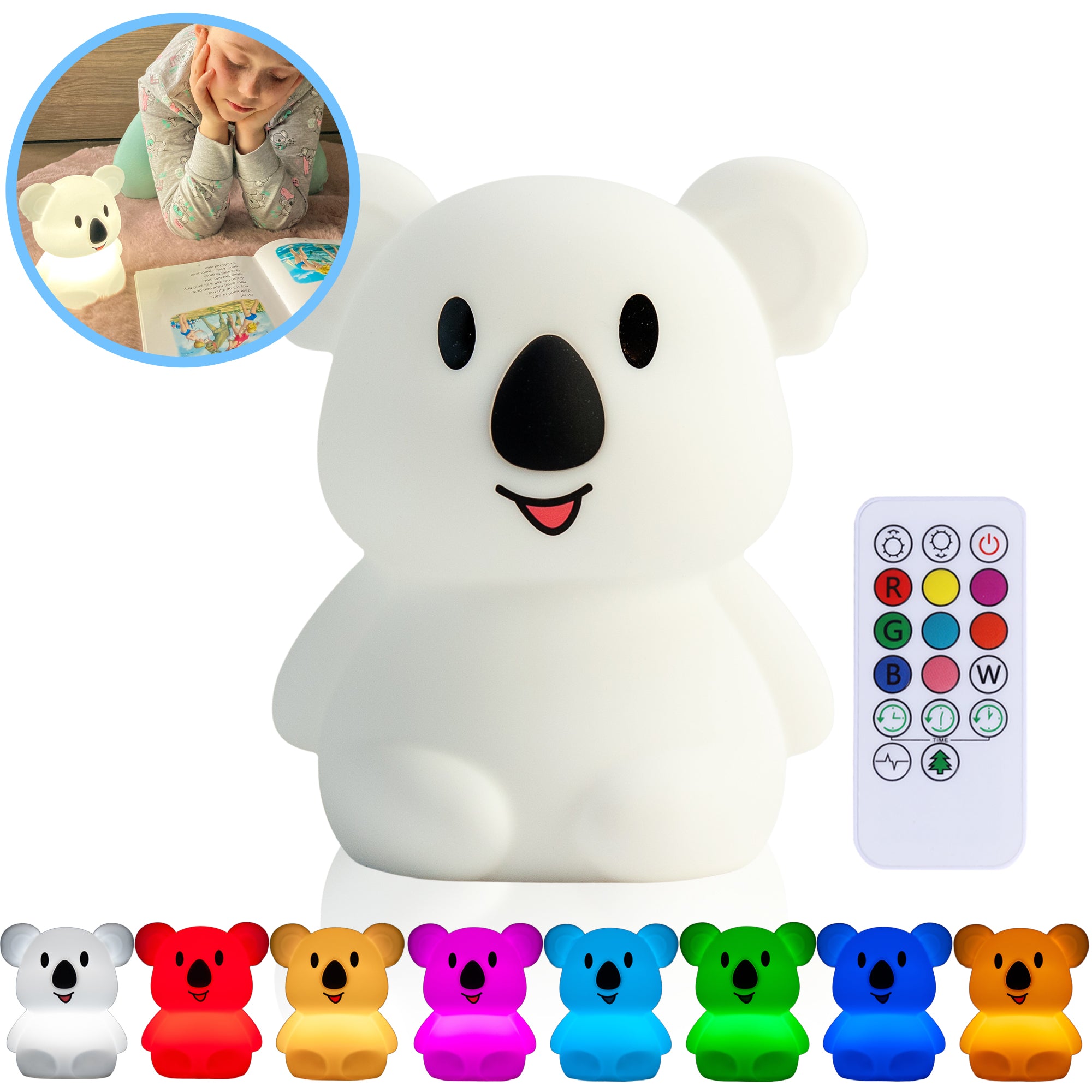
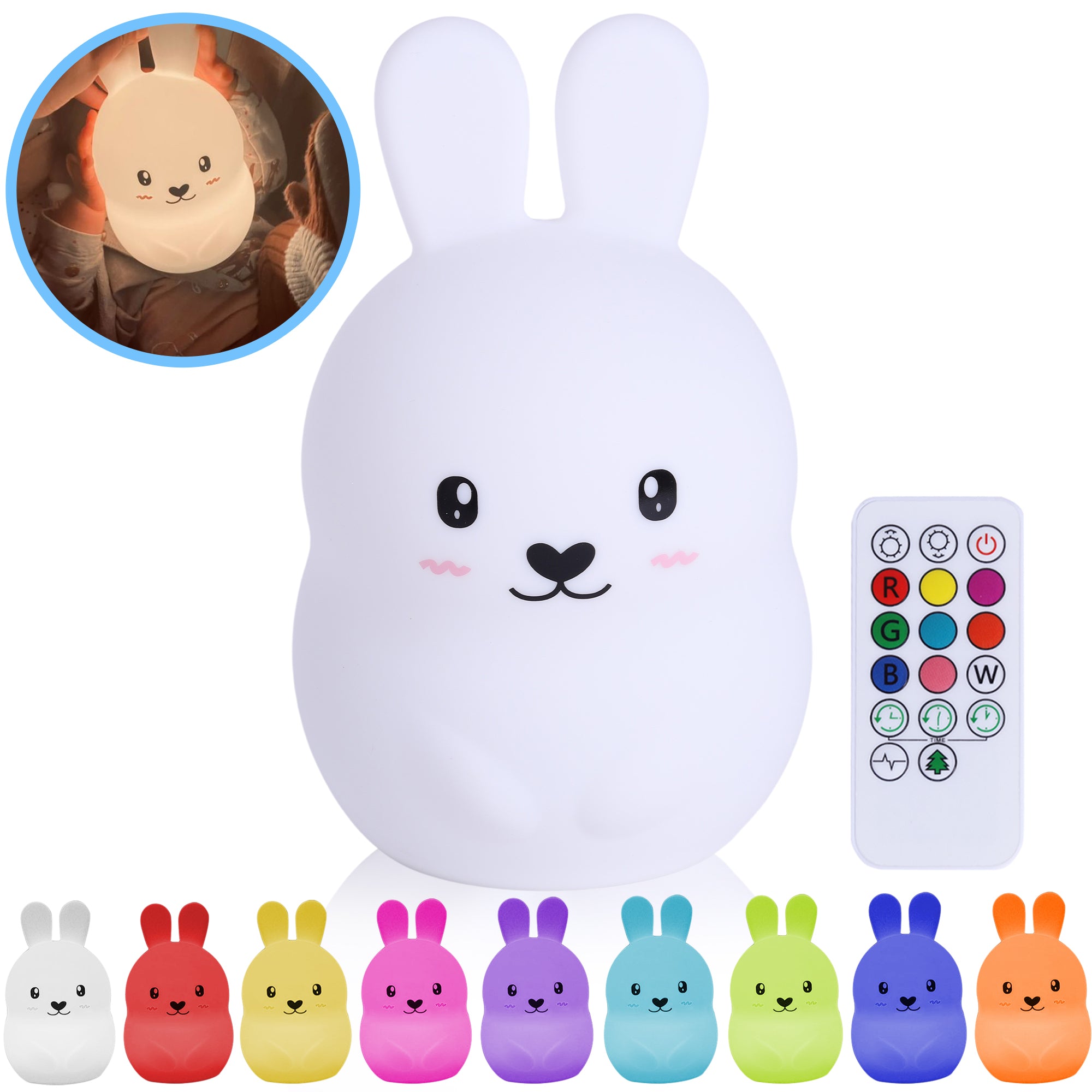
A child asking for one more sip of water, feeling nervous about a dark corner or finding it hard to let go of the day: the transition to bedtime can ask a lot of them. By consciously choosing calming light for the child’s bedroom, you can make that transition feel familiar and gentle. Not to force sleep, but to help the room feel calmer and to build a pleasant routine together.
The right light does not need to be large or eye-catching. A small, warm point of light can be enough to read a book, find the last cuddly toy or walk to the toilet independently. It is not only the colour of the lamp that matters, but also the brightness, its position in the room and the way you use the light each evening.
1. Choose a warm light colour for the evening
For a child’s bedroom, warm white light is usually more pleasant than bright, cool white light. Warm light looks softer and cosier, especially when the rest of the house is already becoming quieter. Check the colour temperature of a lamp in kelvin: a value of up to around 2700 K generally gives a warm glow.
Some night lights have an amber, orange or reddish setting. These colours are often less harsh on the eyes when your child has just woken up. That can be useful for a short moment during the night, for example if you want to offer some comfort without lighting up the whole room.
Above all, take your child’s reaction into account. One child may find a soft yellow light reassuring, while another prefers a neutral warm glow. A colour that your child finds unsettling or too noticeable will not feel calming, no matter how attractive the lamp looks.
2. Pay more attention to brightness than size
A large night light does not automatically provide more comfort. In the evening, a small light with a low intensity is often more suitable. The aim is to help your child find their way around, not to make the room feel as though playtime is still going on.
Ideally, choose a lamp that can be dimmed or has several brightness levels. Start with the lowest setting that still provides enough visibility. If the light is clearly visible on the ceiling or wall from the bed, it is probably brighter than necessary.
A dimmer also has a practical advantage. The light can be slightly brighter while you are reading, then turned down when it is time for a cuddle and to say goodnight. This gives the light a natural place within your regular bedtime routine.
3. Decide what you need the light for
Before choosing a model, it helps to answer one simple question: what should this light solve for our family? In a baby’s room, a very soft light is often mainly useful for feeds, nappy changes or a quick check. For a toddler or preschooler, a night light can provide reassurance in a dark room or when walking independently into the hallway.
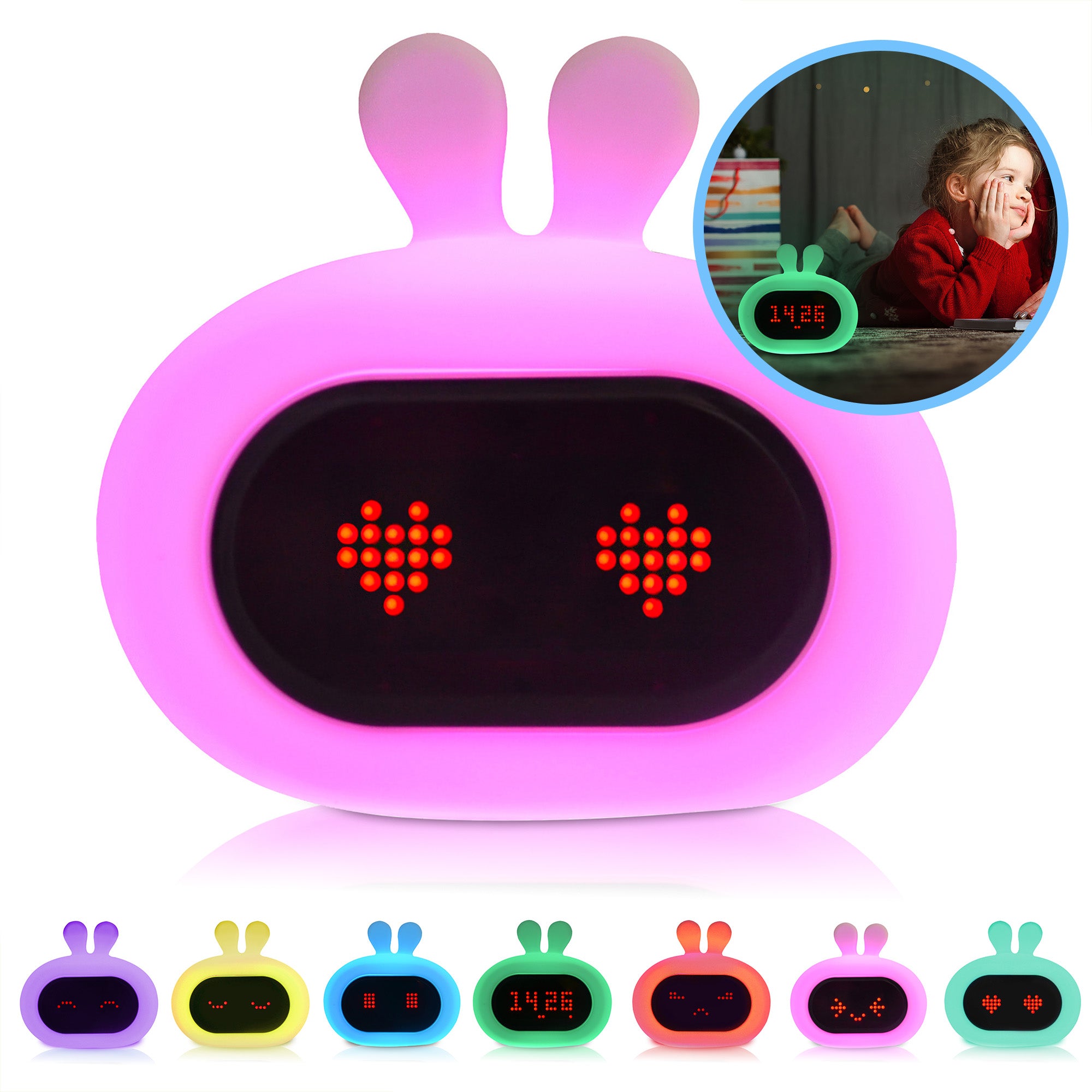
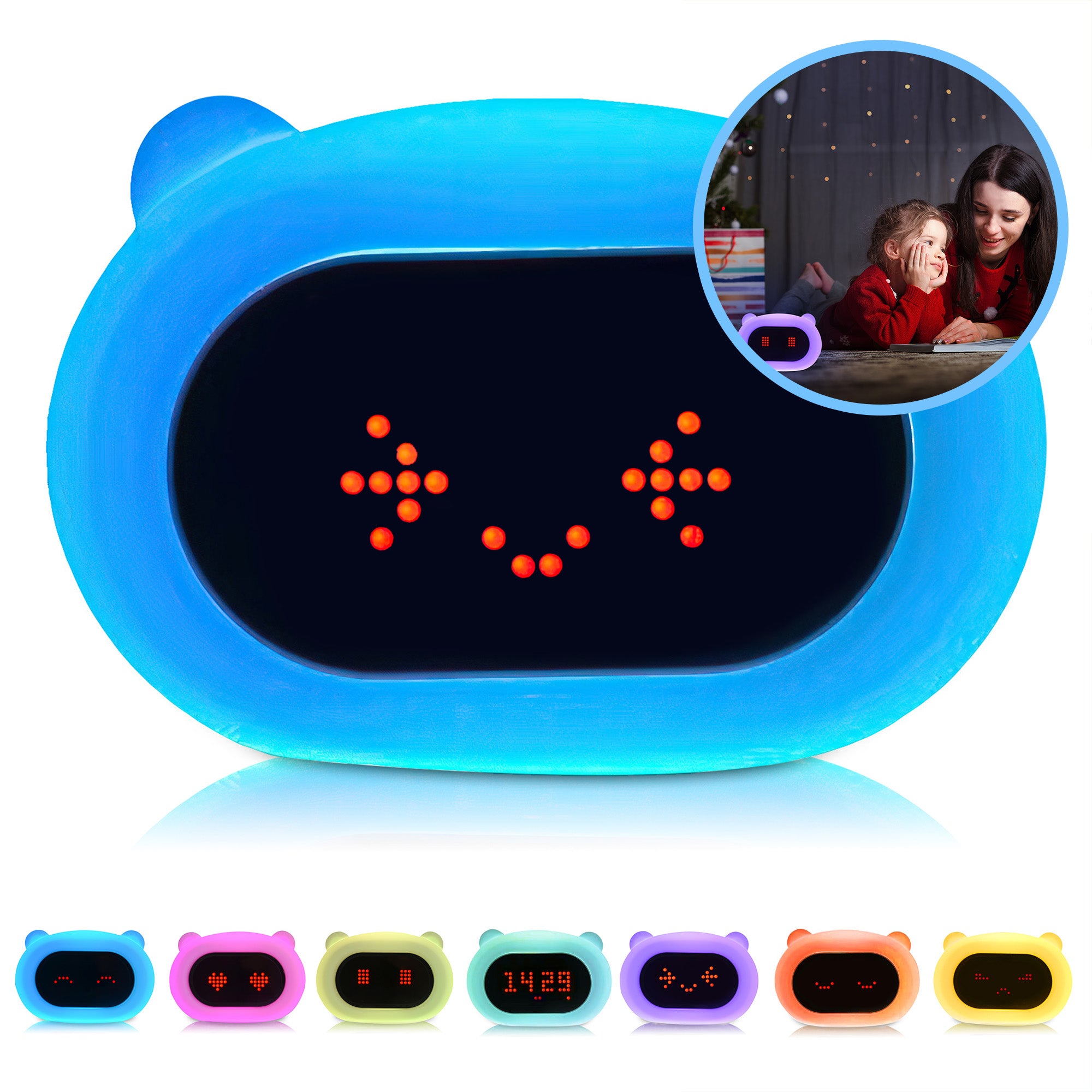
For children who are already getting used to a regular morning routine, a sleep trainer can be a useful addition. This type of light combines a gentle glow with a clear signal for getting up and waiting. That is different from an ordinary night light: one mainly provides comfort during the night, while the other can also help make daily structure easier to understand.
Sometimes one product with both functions is ideal. Sometimes a simple, fixed point of light is actually calmer. Choose what suits your child’s age, the room and your daily rhythm rather than collecting as many functions as possible.
4. Place the light somewhere calm and safe
Positioning has a big influence on how bright a lamp feels. Avoid directing the light straight towards the bed or your child’s face. A place on a low chest of drawers, cupboard or shelf can create a soft reflection. Make sure young children cannot reach it independently if the lamp is not intended for play.
With a corded lamp, it is important to keep the socket out of reach and the cable neatly secured. LED lighting is preferable: it generally becomes less hot than traditional bulbs and uses little energy. Also check that the product is suitable for use in a child’s bedroom and always follow the manufacturer’s instructions.
Do not place a lamp, cable or loose part inside a cot. For babies, an empty and safe sleep surface remains the starting point. A night light can illuminate the room without being placed in or directly against the cot.
5. Turn the light into a familiar bedtime signal
A calming lamp becomes more valuable when it is part of a predictable sequence. Children do not need to watch the clock to understand what comes next. They often recognise a familiar moment through small signals: the curtains close, the main light goes off, the night light comes on and a story follows.
Keep the routine simple. A calm example might be: tidy up, wash or brush teeth, put on pyjamas, read a book, give a kiss and dim the light. If you do roughly the same thing each evening, your child has less need to guess what is expected. That provides reassurance, even after a busier day.
Try not to keep using the lamp as part of a negotiation. If the light only comes on after protests or can only be switched off when your child asks, it may become a subject in itself. It is better to calmly agree in advance when the light will be on and what happens afterwards.
6. Choose a timer that suits your evening
A timer can give parents a great deal of practical peace of mind. You do not have to return later to switch the lamp off, and your child knows that the light will not stay bright all night. The best timer setting differs from one family to another.
For some children, ten to twenty minutes is enough to fall asleep with a familiar glow. Other children feel more comfortable with a very soft light that stays on for longer. In that case, choose a genuinely low setting and see how the room feels over a few evenings.
Automatic switch-off is particularly useful if your child does not need the light to fall asleep again during the night. If your child becomes unsettled when the lamp turns off, a longer timer or a very dim night setting may work better. There is no perfect setting for every child: what matters is what feels calm and manageable in your home.
7. Keep the rest of the room visually calm
A night light works best when it does not have to compete with lots of other stimulation. Bright toy lights, flashing decorations or a ceiling light that is still fully on can disturb the calm atmosphere. Keep illuminated toys for daytime where possible, or put them out of sight before bed.
A calm design can also contribute to a relaxed atmosphere. A friendly animal figure, a simple moon or a softly shaped lamp can add to the feeling of calm without making the room look busy. Durable materials and a sturdy design are helpful for everyday family use, especially if a child wants to operate the lamp independently.
At Kadoing, this combination of comfort, child-friendly design and a clear routine is central. A lamp can look lovely, but its real value lies in the small ritual it supports: a room that becomes noticeably calmer and a child who knows the day is coming to a gentle close.
When a night light works less well
If you notice that your child stays awake looking at the lamp, first try a lower setting, a different position or a shorter timer. Sometimes the light is not too bright but is simply placed exactly where it attracts too much attention. Turn it slightly away from the bed or choose a lamp with a more diffuse glow.
It is also completely normal if your child no longer needs a night light after a while. Needs change with age and with the confidence your child develops in their own room. Let the light change with them: first every night, then perhaps only after a frightening dream, during a sleepover or on a dark winter evening.
A calm child’s bedroom is not created by one lamp alone. It is the small, repeatable moments around it: your voice, a cuddle, a familiar book and a gentle glow. Together, they make bedtime a safe ending to the day.