A toddler making breakfast for a cuddly toy, a preschooler playing doctor or a child building their own village with wooden figures: it may look like simple play, but plenty is often happening in those little stories. The best toys for pretend play mainly give children room to imagine, imitate and try again. Not with a fixed end goal, but in their own way and at their own pace.
Toys that can be used in different ways can also remain interesting throughout different stages. A play kitchen becomes a restaurant, then a bakery and perhaps later a place where a doll is put to bed. Just a few carefully chosen materials can create an entire world of play.
What happens during pretend play?
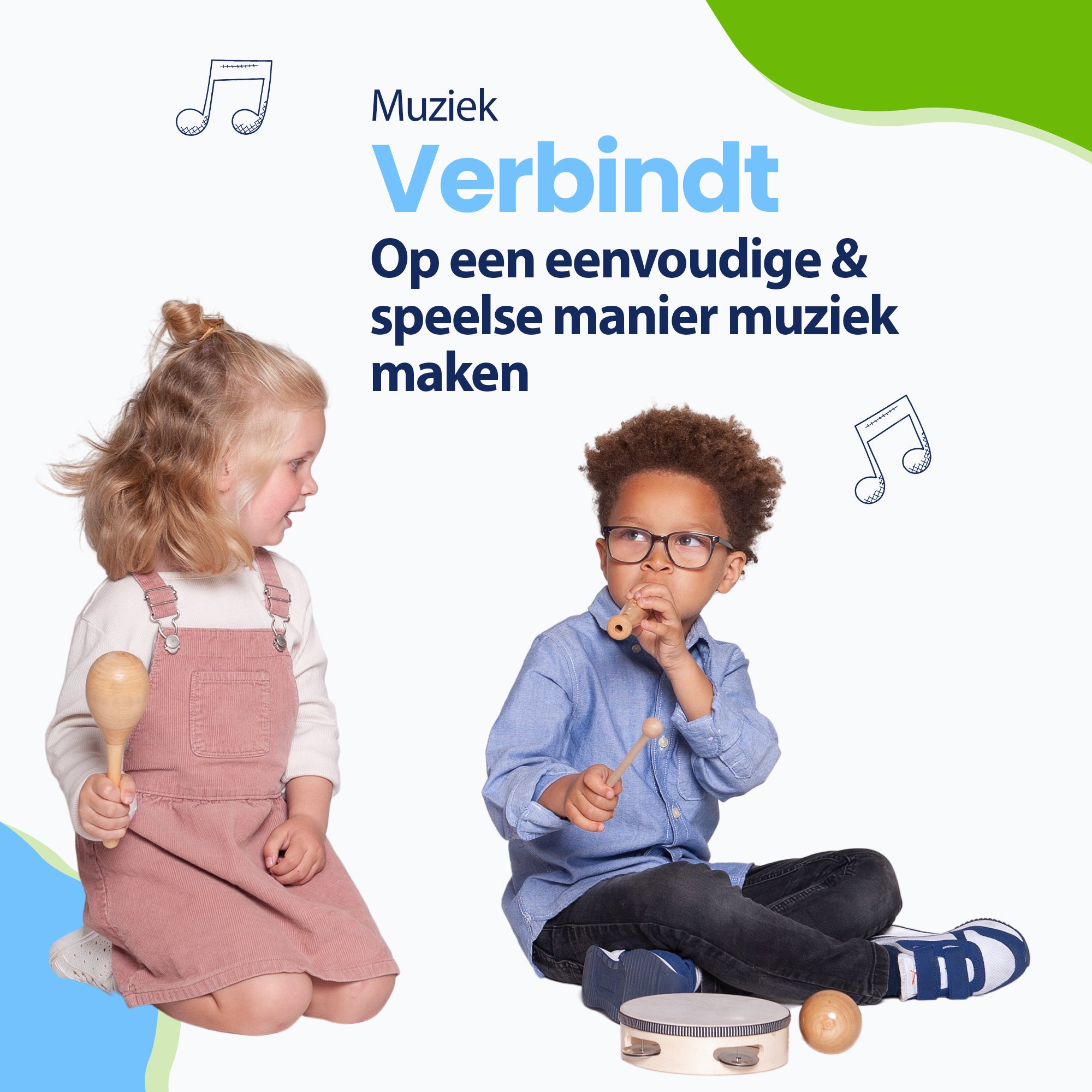
Pretend play means acting as if something is real. Children imitate everyday moments they see and experience: cooking, shopping, making a phone call, caring, building or making music. They invent words, roles and little events along the way. Sometimes they play together and sometimes they are wonderfully absorbed in play on their own.
During this kind of play, familiar situations, words and actions return. When children play together, taking turns, discussing ideas and considering one another can also become part of the game. This does not mean that every play moment needs to be educational. It is precisely the free, relaxed nature that makes imaginative play so enjoyable.
Toys do not need to dictate exactly how they should be used. A till with sounds, for example, may inspire a different kind of play from a simple till without preset effects. What suits your child depends on their interests and the way they play with it.
Best toys for pretend play by age
The age on the packaging is a helpful starting point, but also look at what your child currently enjoys. Are they mainly watching and imitating? Or are they already telling complete stories? Always choose toys that suit their developmental stage and follow the manufacturer’s instructions, especially for loose parts.
For young toddlers: familiar and simple
Young children often begin by imitating. A wooden telephone, a soft doll, a small set of wooden vegetables or a simple tea set connects with moments they recognise. A doll can be fed, tucked in or taken along in the pushchair. A cuddly toy is given a cup of imaginary tea.
You can start with a manageable selection of toys, such as a wooden spoon, bowl, small pan and a few play vegetables. Simple objects can also represent something different each time during play. A block, for example, can become a biscuit, telephone or train.
Soft materials also have a place in imaginative play. A cuddly toy can become a character in a story or form part of quiet play and an evening ritual. Above all, leave room for the story your child invents.
For preschoolers: stories and playing together
As children begin to include more stories in their play, a play kitchen, shop, doctor’s case or tool set can offer new possibilities. Children link actions together: first they go shopping, then cook and finally serve the meal.
Play food can be combined with a play kitchen, market stall or picnic, for example. Bread, fruit, vegetables and a small pan are already enough to recreate different situations.
Figures, animals and vehicles can also become part of all kinds of stories. A wooden animal may be a customer in a shop today and a passenger on a bus tomorrow.
For older preschoolers: building their own world
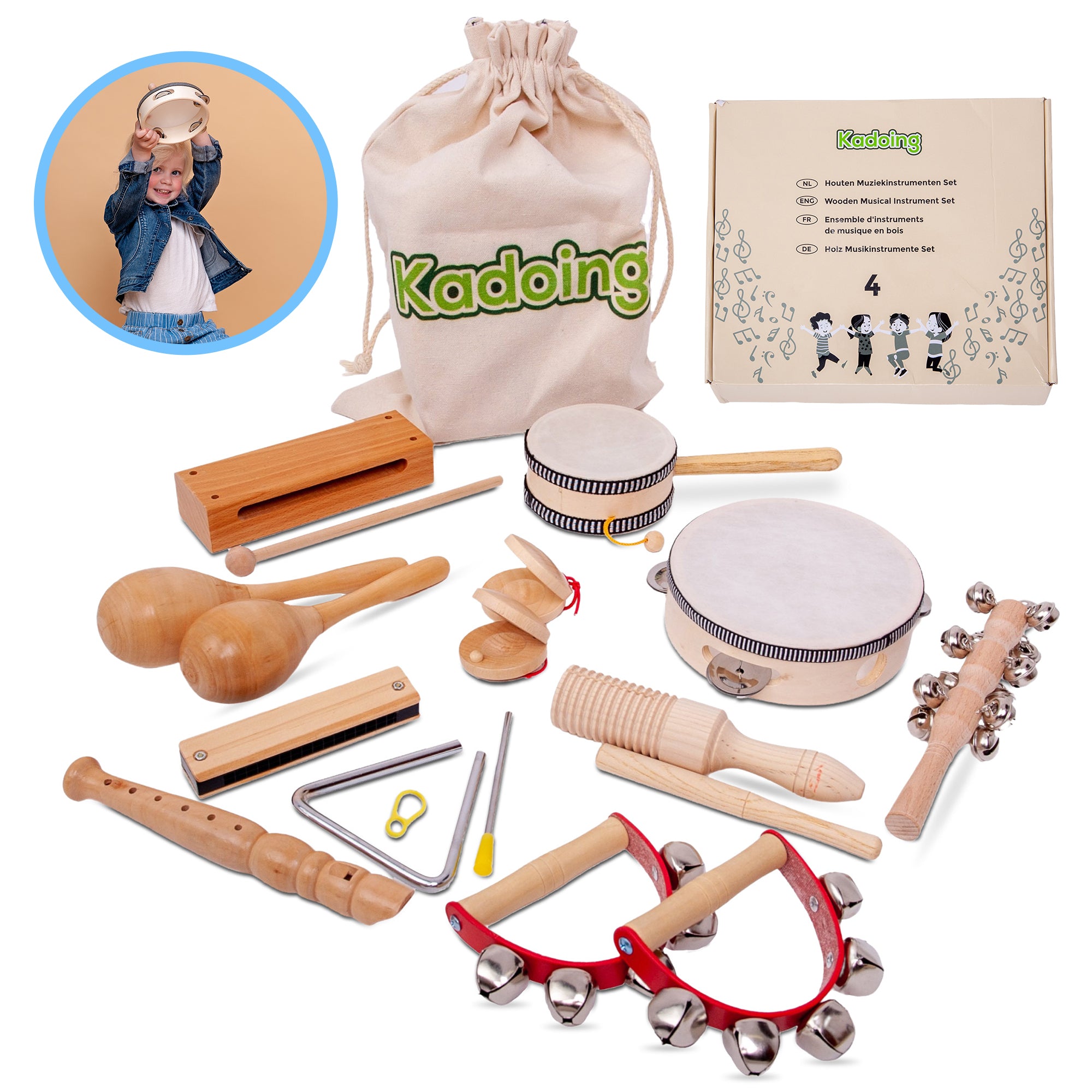
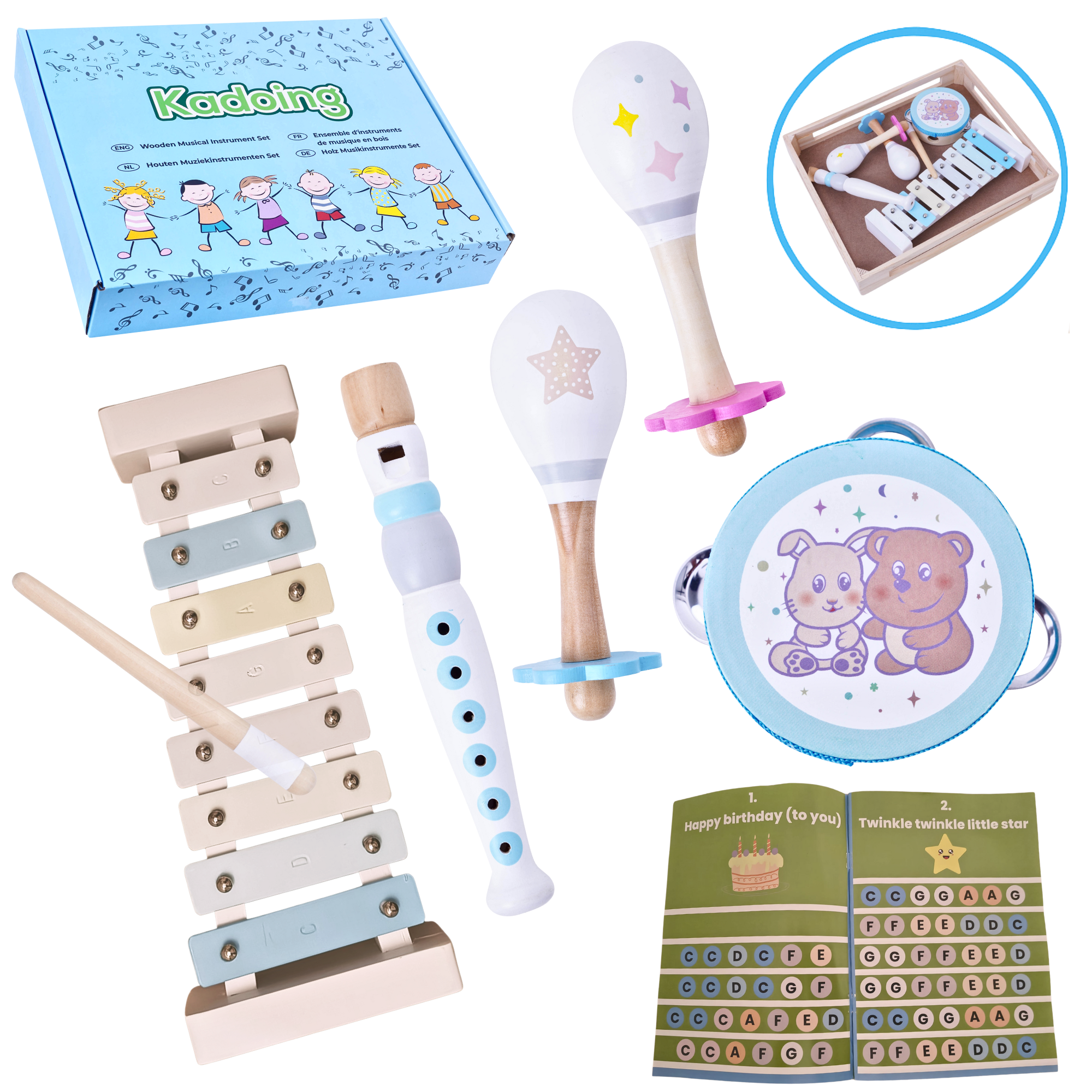
Older preschoolers often combine different kinds of toys. The doll’s room stands next to the garage, the animals go to the market and a wooden musical instrument provides music for a party. Play sets with dolls, buildings, accessories and vehicles can be combined in different ways.
A set of building blocks can work surprisingly well here. Blocks become a house, bridge, counter or animal enclosure. Add a few figures and the structures can become part of the pretend play. This is also a good choice if you are looking for toys that children of different ages in one family can use together.
Choose toys that leave room for your child’s own ideas
When choosing toys for pretend play, consider how many different play possibilities they offer. Think, for example, of cups, cloths, baskets, blocks, animals and simple figures. These objects can take on different roles in different stories.
With small accessories, always check the age recommendation and warnings about small parts. Also read what to look for when recognising safe children’s toys. Choose toys that suit your child’s age and abilities. Also think about how you store the toys. A basket, box or regular place can help keep different pieces together and make them easier to find again later.
Making more sustainable choices without making it complicated
If you want to make more sustainable choices, you can consider durability, materials, repairability and whether the toys can later be passed on. Wooden toys can be one option, but toys made from other materials can last a long time too.
Look at sturdiness, finish and whether the toy can be used or expanded in different ways. Second-hand toys or swapping toys with family can also be an option.
Making a more sustainable choice does not automatically mean avoiding plastic toys. Different materials can be practical depending on how and where the toy is used. The main question is: does this suit the way my child plays, and do we expect it to be used more often?
How to encourage pretend play at home
You do not need to build a complete play corner. A low table, a rug or a little space beside the kitchen may already be enough. You can occasionally rotate toys, for example by putting out play vegetables and crockery for a while and cuddly toys with a vet set at another time.
You can gently start the play with an open question: “May I order something?” or “Where will the bear sleep tonight?” You do not need to take the lead afterwards. Wait for a moment and see how your child continues shaping the game.
Tidying up together is part of it too, although that does not always work without help. Give each type of toy a regular place: figures in a basket, accessories in a small box and larger pieces on a shelf. Regular places for the different pieces also make it easier to bring the toys back together later.
A gift that grows with the story
When giving pretend-play toys as a gift, consider the child’s interests and not only the age recommendation. For a child who loves caring for cuddly toys, a doll or wooden tea set may be a lovely gesture. For a little builder, figures and blocks might be a better fit than an elaborate play set.
Pretend-play toys do not need to be extensive. A few objects that match your child’s interests and age can return in play in different ways. So do not look only at a complete play set, but especially at what your child enjoys imitating, imagining and combining.