You often notice it in the little moments. A toddler who wants to put on their own coat, a child who endlessly pours water from one container to another, or proudly grabs a cloth to clean something. Applying Montessori at home in everyday life starts exactly there – with children's natural desire to participate, explore and become independent. Not with a perfectly designed playroom, but with a home that adapts a little more to your child.
For many parents, Montessori sounds appealing but also overwhelming. As if you immediately need to buy wooden furniture at child height, remove all plastic from your home and completely change your daily routine. Fortunately, that's not necessary. The core idea is actually simple and practical for everyday life: take your child seriously, give them room to practise, and create calm and structure.
What does applying Montessori at home mean?
Montessori is not a trend but a way of looking at child development. The principle is that children naturally want to learn. What they need most is an environment that is safe, clear and inviting. At home, that means doing less for them and allowing them to try more for themselves.
That sounds simple, but it can sometimes require patience from parents. Doing something yourself is often faster, especially during a busy morning. Yet slowing down often creates more calm. A child who learns to tidy up, make choices and help independently needs less guidance at every step. This not only builds confidence in your child but also creates more breathing space at home.
Applying Montessori at home does not mean that everything must always be done independently. Children still need closeness, explanations and repetition. It is about finding a healthy balance between helping and letting go.
Start with the environment, not with perfect toys
The biggest gains usually come not from what you buy, but from what you adjust. Try looking at your home through your child's eyes. Can your child reach their own coat? Are toys and books visible and accessible? Is there a designated place for everyday items?
Children often feel calmer in an organised environment. That does not mean empty or strict, but clear and predictable. It is better to display a few activities than to offer one large box filled with everything mixed together. Too many choices often make play shorter and more restless. A limited selection helps children play more deeply and make better choices independently.
In the living room, this can be very practical. A low shelf with a few wooden toys, a basket of books and perhaps an activity that encourages repetition, such as stacking, sorting or a simple activity board. The same idea works in the bedroom. Calm, predictability and items stored in fixed places support a relaxed transition to bedtime and the start of the day.
Child-height makes a big difference
Children cooperate more easily when the environment takes them seriously. A hook at their height, a low chair or a small jug for pouring water are simple adjustments that make independence immediately achievable.
It doesn't have to be expensive. Often, you can achieve a lot with things you already have at home. A sturdy step stool in the bathroom, a low drawer for socks or a small basket with cleaning cloths can be enough. It's not about creating a showroom but about making everyday life easier.
Independence grows through everyday routines
Montessori is sometimes associated mainly with toys, but daily routines are at least as valuable. Children learn an enormous amount through recurring moments. Getting dressed, setting the table, tidying toys, watering plants or putting their pyjamas in the laundry basket are small tasks with a big impact.
Children often enjoy making a real contribution. Not as a game invented by an adult, but as a meaningful part of the day. Give them genuine, achievable tasks. A toddler can peel a banana, place napkins on the table or match socks together. A preschooler can help pour drinks, sweep the floor or prepare their bag.
It also helps to present routines in the same way each time. Calm repetition provides security. A consistent order in the morning or before bedtime creates clarity without constant correction. This fits well with families who want more structure without it feeling strict.
Make practice more important than speed
This is often the biggest challenge. When children do things themselves, it takes longer and is often less tidy. Water spills beside the glass, shoes go on the wrong feet and tidying up happens slowly. Yet that is exactly the learning process.
If you constantly step in to make things faster or neater, children become more dependent on help. If you instead give small pieces of responsibility, their confidence grows. Sometimes it helps to build extra time into moments when practising is encouraged. Not every morning allows for this, and that's perfectly fine. Montessori is not a competition in consistency but a gentle direction.
Choose toys thoughtfully
When applying Montessori at home, toys should be clear, open-ended and inviting. Think of materials that allow children to discover, repeat or refine skills. Montessori toys for toddlers, sorting games, stacking towers, music activities and simple puzzles often fit very well, especially when they suit the child's age and do not demand too much at once.
The most important thing is not whether a toy carries the Montessori label. A more relevant question is: what can my child do independently with this? Does it encourage concentration? Is it calmly designed? And is it durable enough to be used frequently?
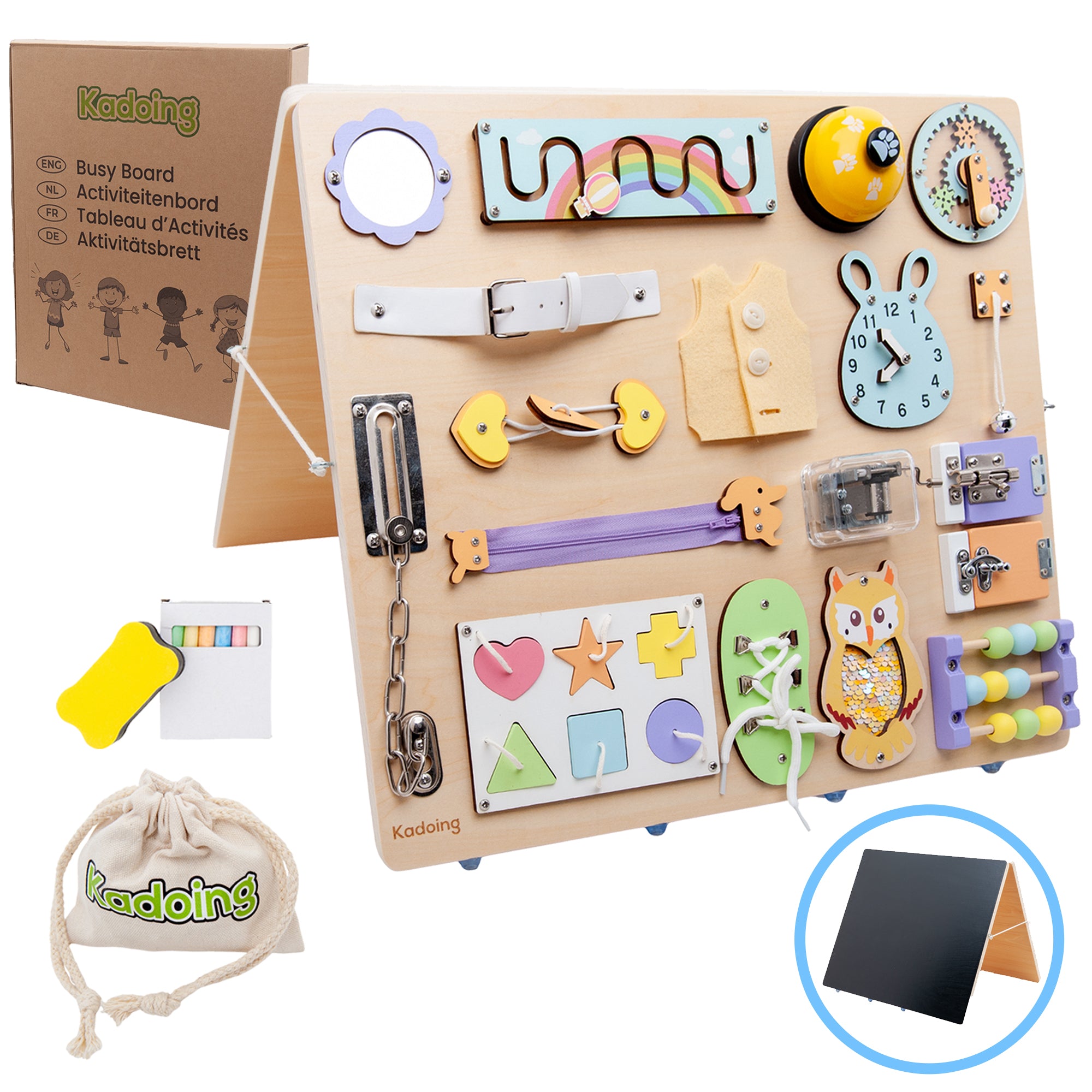
Toys with one clear purpose often work better than toys filled with lights, sounds and many buttons at once. Children do not need constant stimulation to stay engaged. Simple materials provide space for focus and initiative. For a toddler, a Montessori activity board can be especially enjoyable because the activities are clear and understandable. Children can independently open locks, slide pieces, turn knobs and practise everyday skills at their own pace.
Less choice, more depth
Many parents recognise this situation: a room full of toys, yet a child jumps from one toy to another. In that case, rotating toys can help. Put some away temporarily and offer a smaller, fresh selection instead. It feels new without constantly adding more toys.
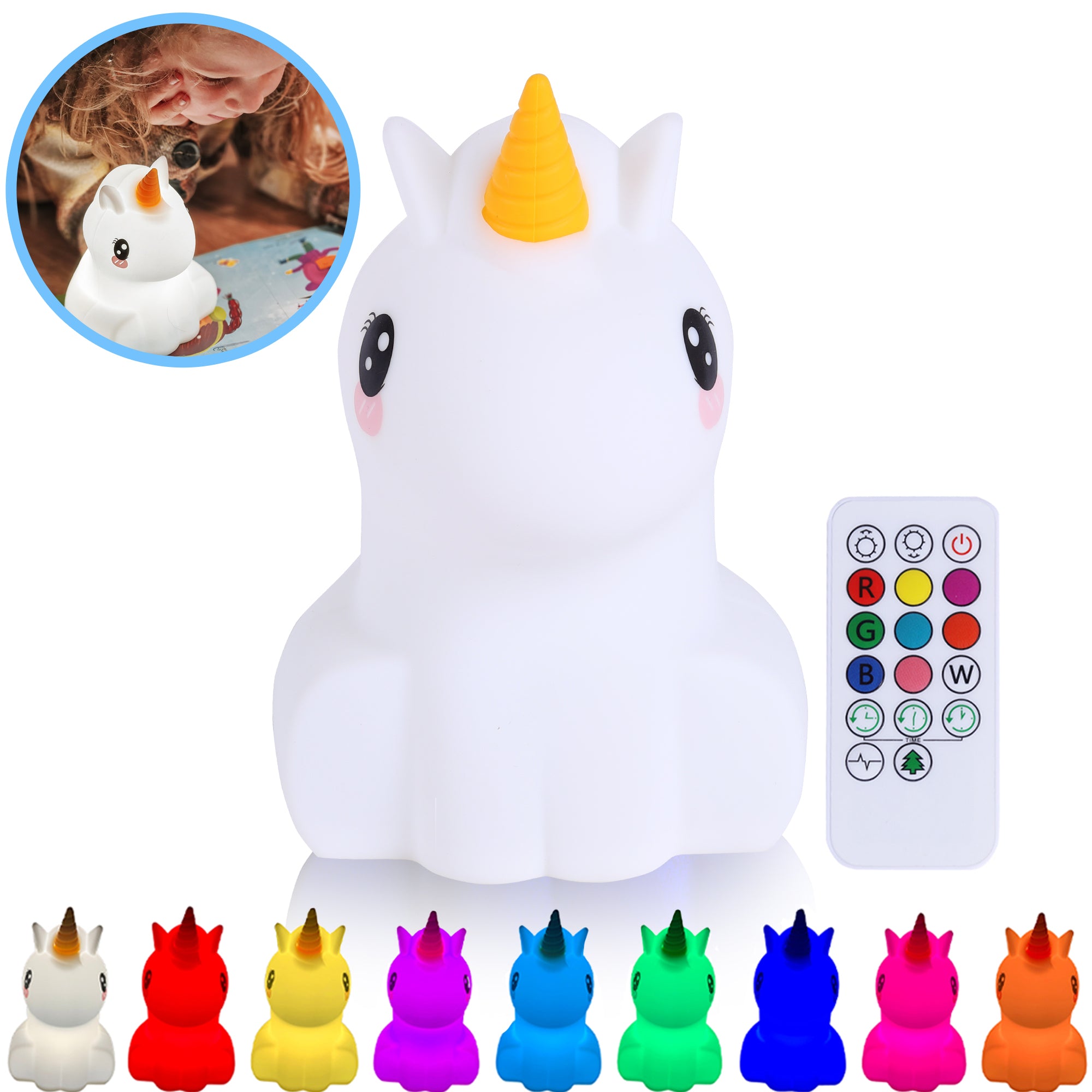
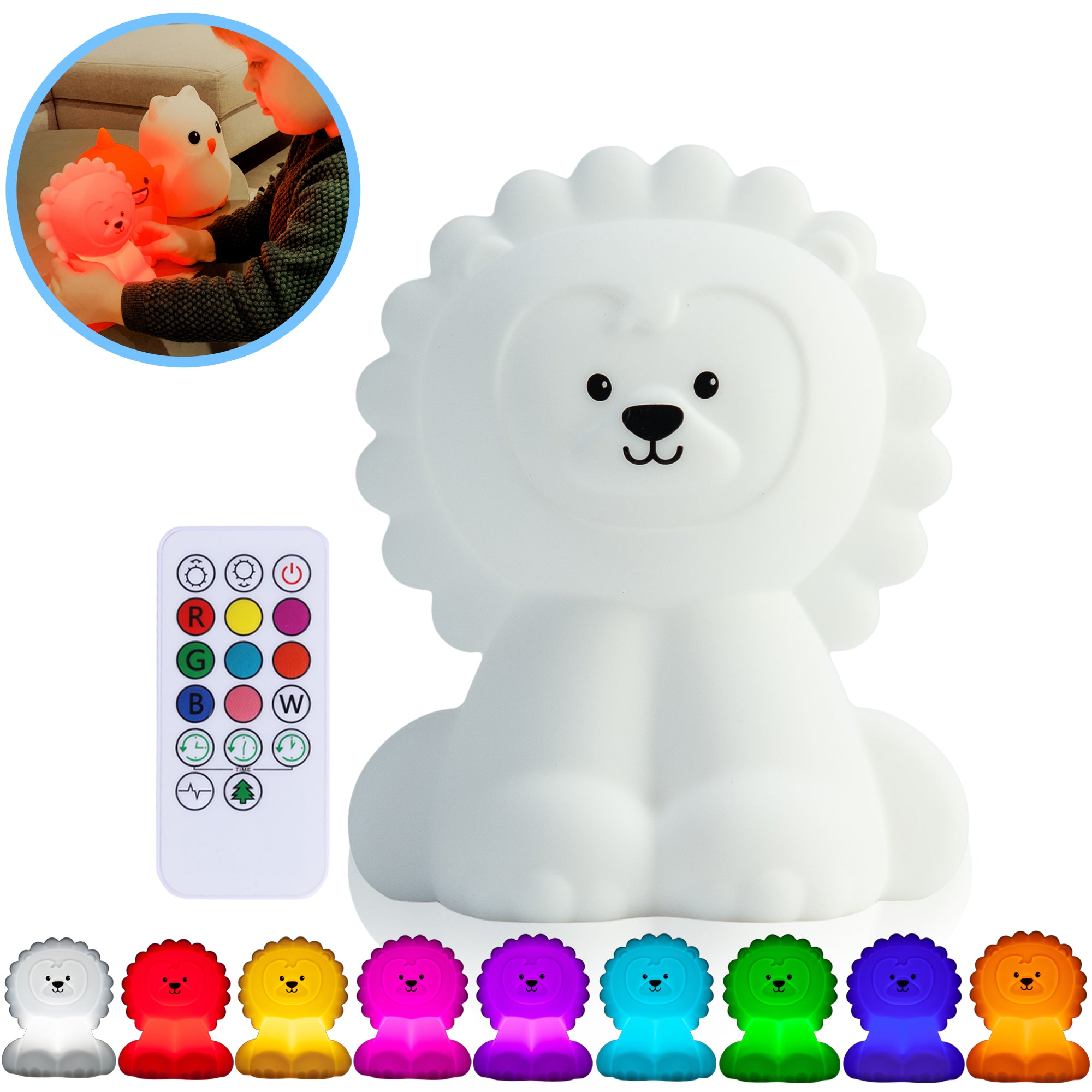
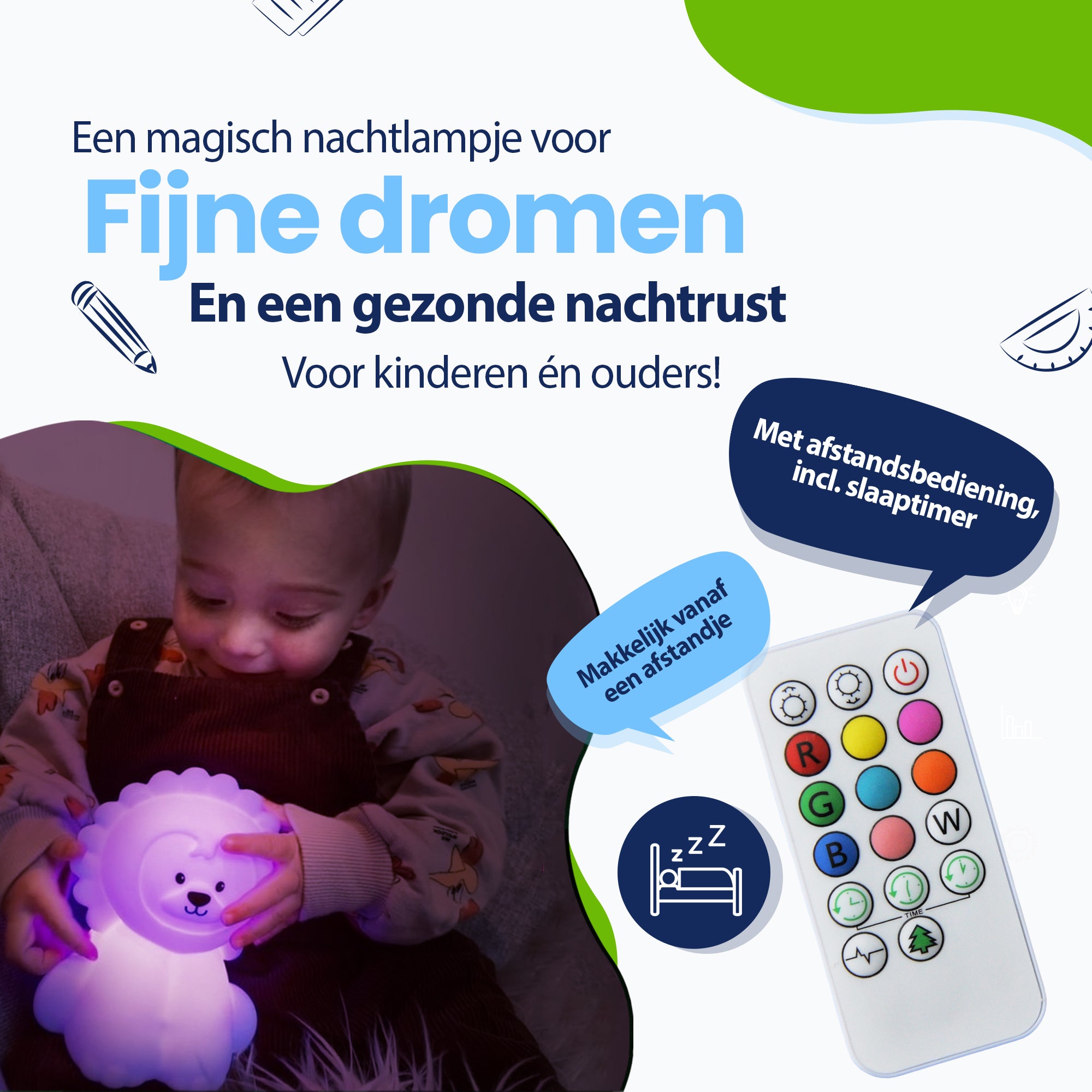
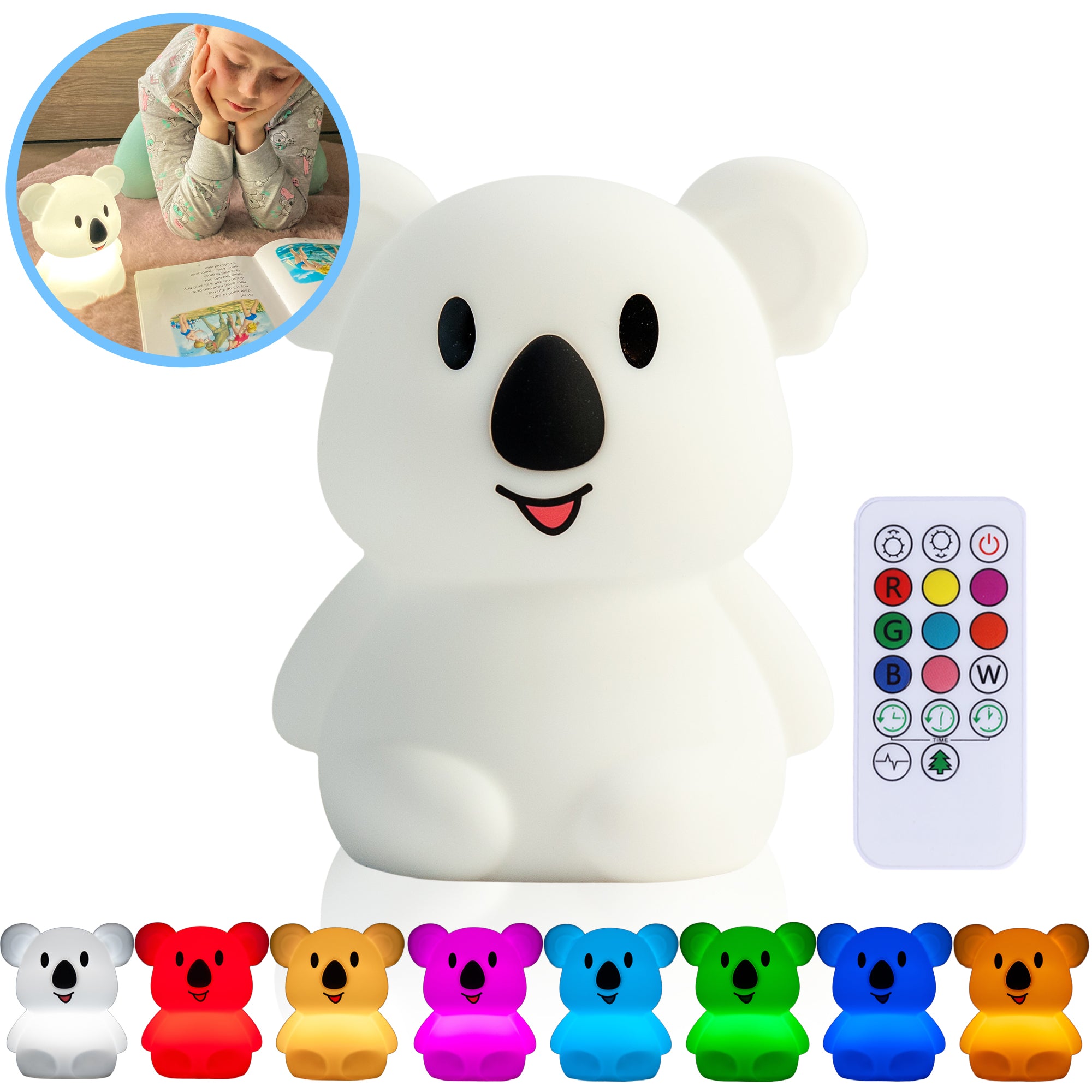
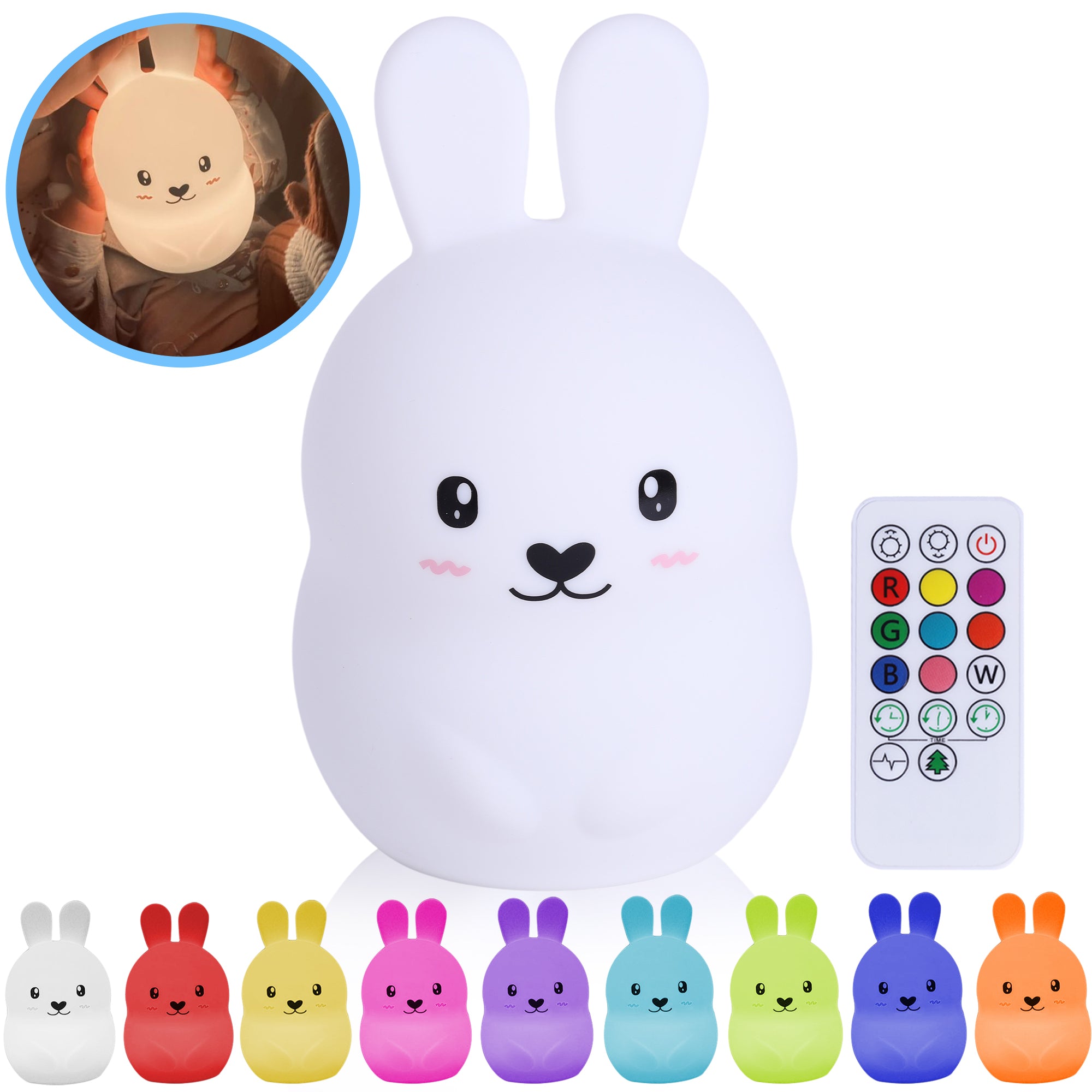
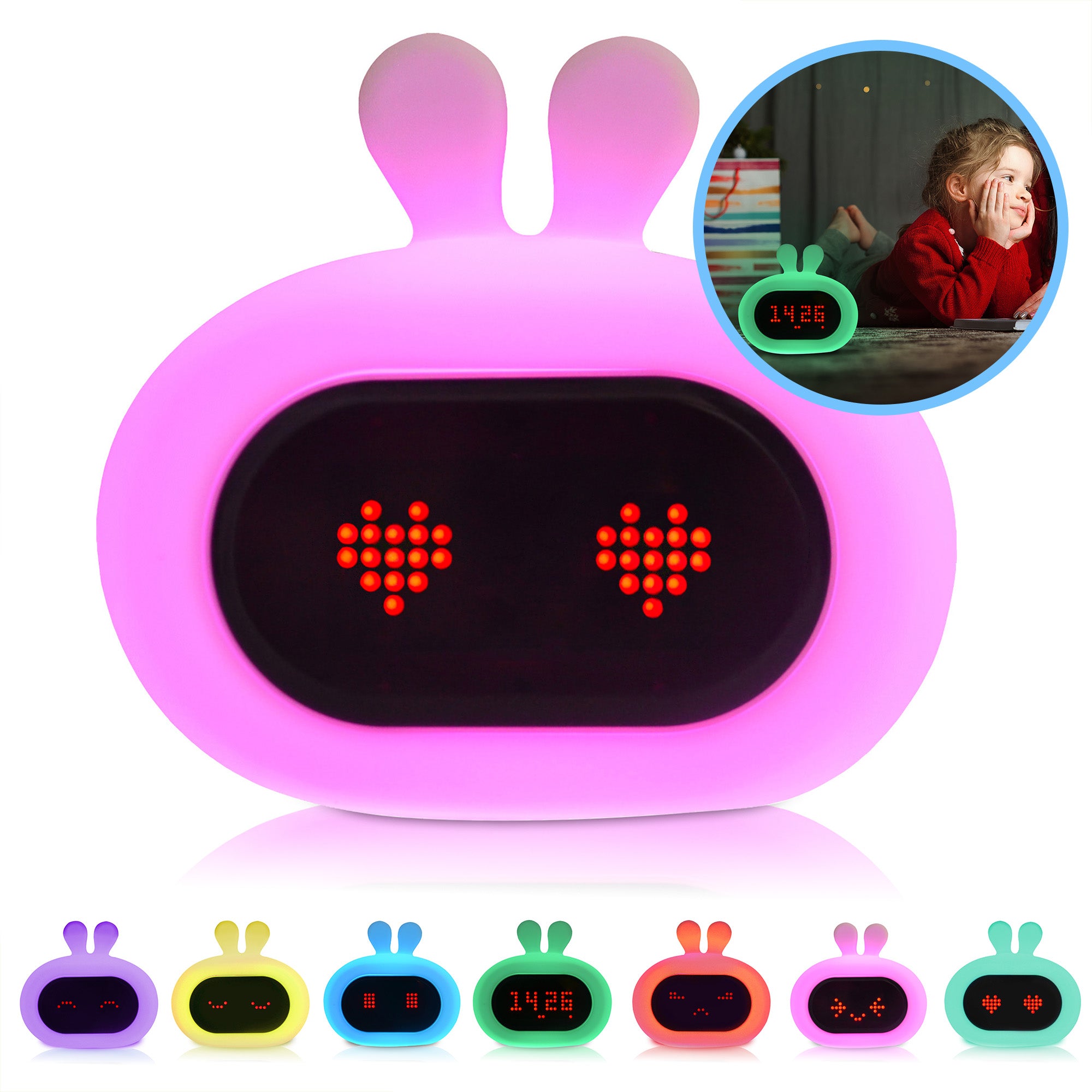
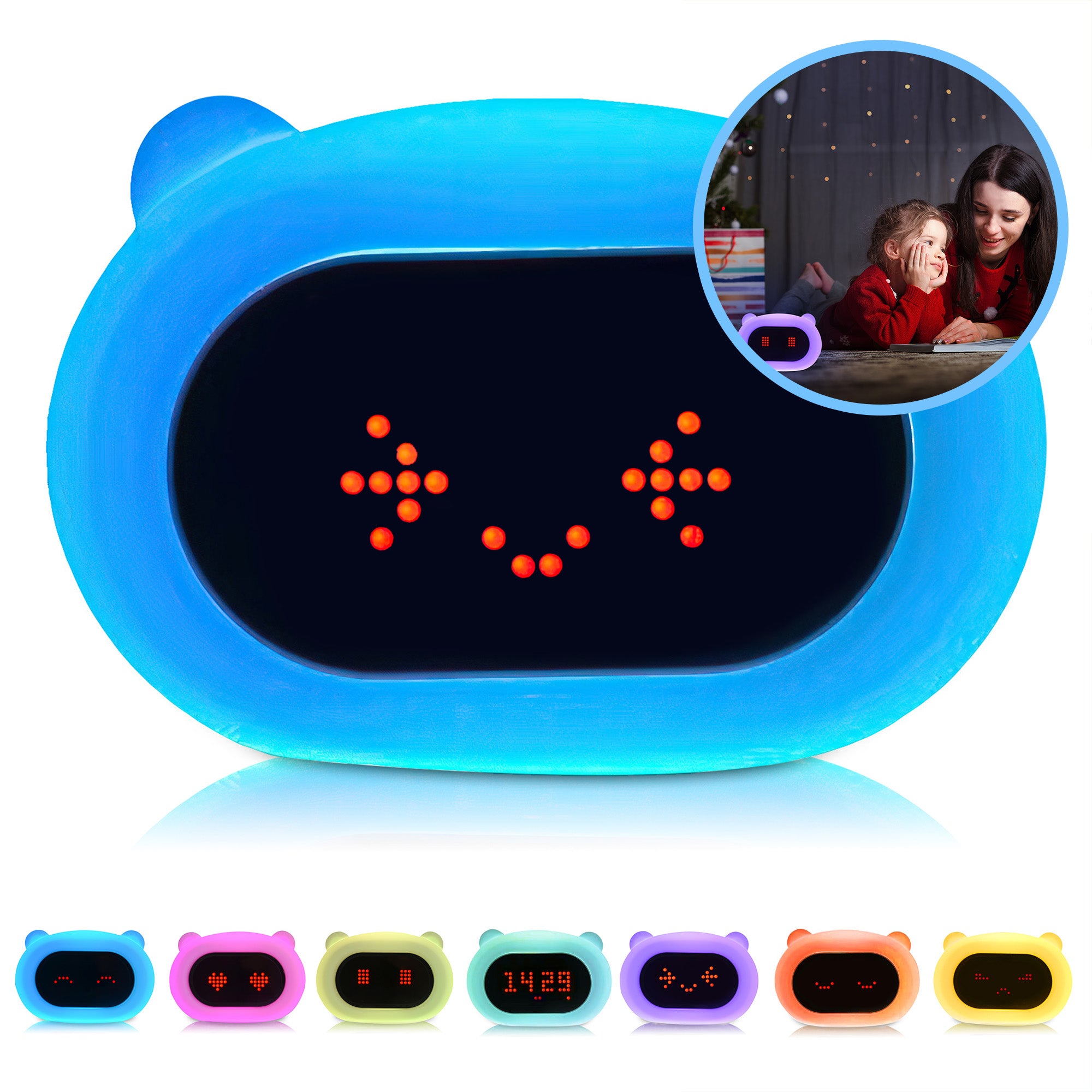
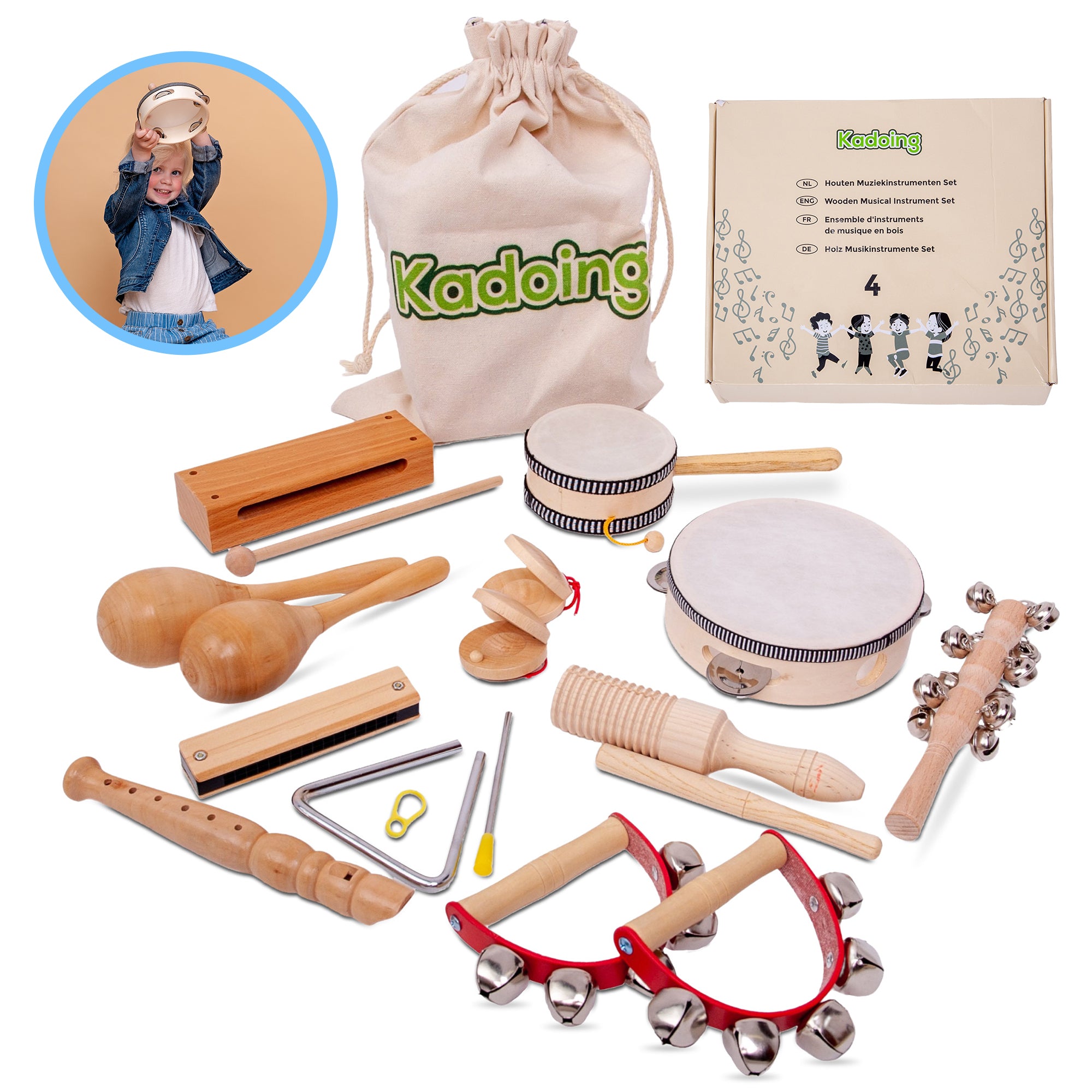
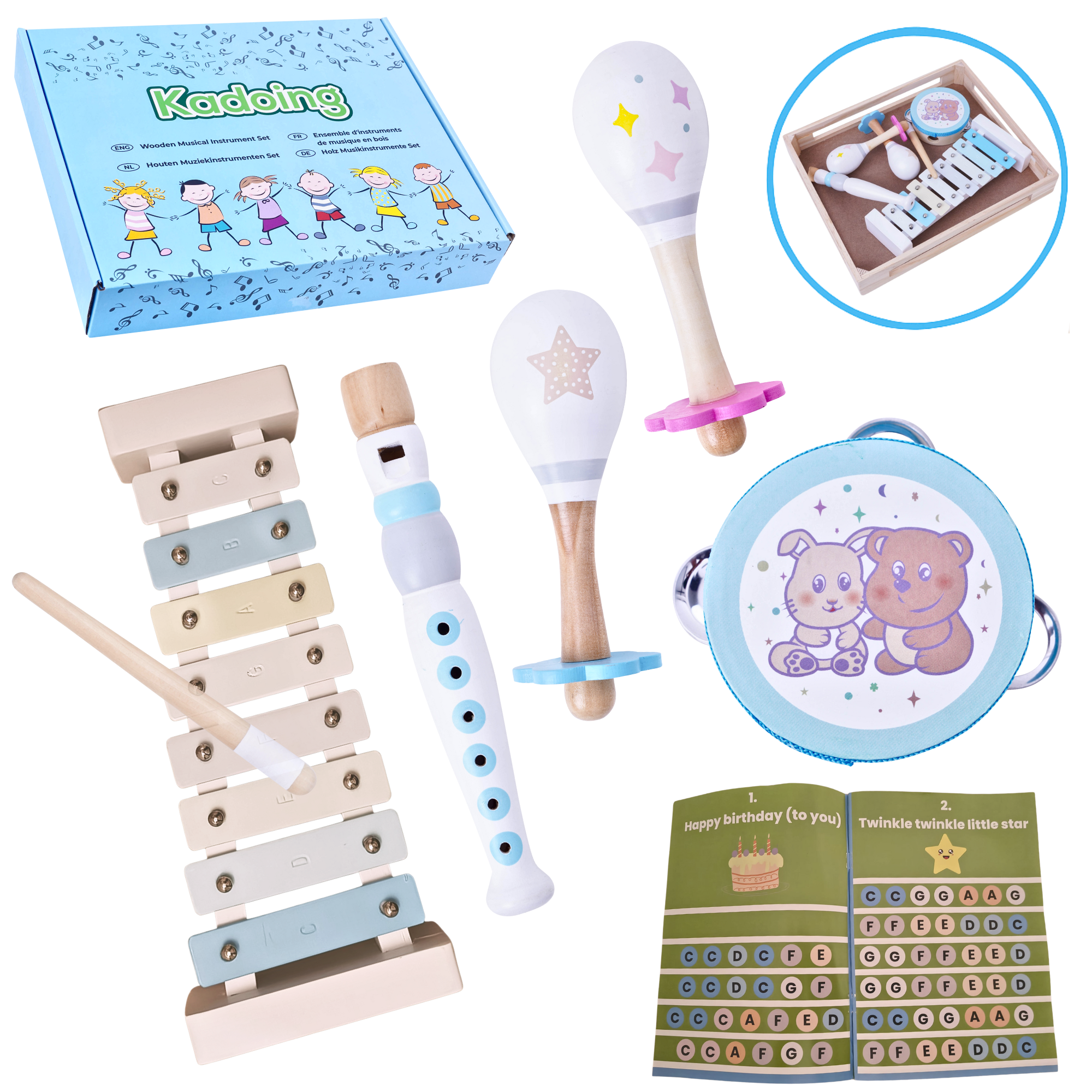
Books and music can also play a valuable role. A few familiar songs, a wooden musical instrument or a calm bedtime routine with a night light can help children transition from active exploration to relaxation. These kinds of transitions are just as important at home as play itself.
Freedom within clear boundaries
A common misconception about Montessori is that children can always decide everything for themselves. In reality, freedom works best when boundaries are clear. Your child may choose between two shirts, but not from an overflowing wardrobe. They may pour their own drink, but using a small jug. They may play where they like, but tidy up afterwards.
This combination of choice and clarity feels safe. Children know what to expect while also experiencing that their contribution matters. This often prevents conflicts about small things because there is less uncertainty.
This approach also requires trust. You do not need to plan every moment or constantly offer new activities. Boredom is not automatically a problem. Sometimes it is the beginning of engaged play, creativity or a self-chosen task around the house.
Applying Montessori at home at every age
With babies, the focus is mainly on calm, predictability and freedom of movement. A safe space on the floor, a few simple objects and plenty of repetition are often enough. For young toddlers, the focus shifts towards doing things independently: eating, helping, carrying, opening, closing, stacking and sorting.
Preschoolers can take on more responsibility. They can think along, make small choices and use materials independently. Yet the principle remains the same: follow your child's abilities. Don't force, but invite.
Try not to compare your child too much with others. One child wants to do everything independently at an early age, while another prefers to observe longer first. Both are completely normal. Montessori is not a schedule that every child follows at the same pace.
What if your home is small or your schedule is busy?
This approach can still work wonderfully. You do not need a dedicated Montessori corner to apply the principles. A shelf in a cupboard, a basket of dress-up clothes, a step stool by the sink or a calm bedtime routine can already make a significant difference.
A busy schedule doesn't have to be an obstacle either. Instead, choose two or three moments where you intentionally create space for independence. For example, during dressing, preparing fruit or before bedtime. These recurring moments make the biggest difference because they help children build security and routine.
For many parents, this is also the most realistic path. Not changing everything, but looking more thoughtfully at what is already there. It fits well with modern family life, where calm is valuable and practical solutions are welcome.
A home that grows with your child
Ultimately, applying Montessori at home is not about a particular style but about trust. Trust that children want to learn, that small adjustments can have a big impact, and that independence can grow through ordinary days. Sometimes with spills, sometimes with delays, but almost always through repetition.
If there is one thing to take away today, let it be this: look at what your child is already trying to do independently and make it just a little easier. That is often where the greatest calm, the greatest pride and the most meaningful quality time together begin.