Your tea is still warm, your toddler is absorbed in building with blocks and you wonder whether you can stay seated for a moment. Encouraging your toddler to play independently often begins with small moments just like these. Not with an hour of playing alone, but with a few minutes in which your child discovers: I can choose something myself, try it and start again.
Independent play does not mean that your toddler does not need you. You can stay nearby while giving your child space to choose, try and play independently. Some toddlers become absorbed in their play for a while, while others soon seek contact again. How long a child plays independently can vary from one child and moment to another. With a gradual approach, a clear play area and realistic expectations, you can practise independent play step by step.
What does independent play mean for a toddler?
During independent play, your child chooses what to do and stays occupied for a while without you having to direct the play. You remain nearby and available. Think of a toddler driving toy cars along a homemade road, tucking dolls under a cloth or sorting blocks by colour.
It is not about deliberately leaving your child alone or keeping things quiet at all costs. Your child may still seek contact in between, for example to get a reaction or ask for help when something does not work. Sometimes you play together, sometimes your child watches while you clear the table, and sometimes a game of their own begins spontaneously on the floor.
The length of time can vary depending on the child, the moment and the surroundings. On one occasion your toddler may stay occupied for longer, while at another time they may need contact sooner. It is therefore better not to compare your toddler with stories about other children who supposedly play alone effortlessly for 45 minutes.
Build up independent play gradually
You do not need to create a lot of distance straight away. You might sit at the table with a book while your toddler plays on a play mat. This way, you are available without constantly joining in.
Briefly explain what you are going to do: “I’m unloading the dishwasher, and you can play with your train in the meantime. I’m right here.” Keep your word. If you say you will stay close, try not to slip upstairs unnoticed. This helps your child know where you are and what you are doing.
Try not to respond too quickly to every small moment either. When a tower falls over, for example, you can wait for a moment before helping. Your child may pick up the blocks again independently. You can wait and describe what you see: “Your tower fell over. You’re having a look at what you want to do next.” If frustration seems to be building, you can of course offer support without immediately taking over.
Build it up in small steps
Choose a calm moment when nothing else needs to happen straight away. At first, stay in the same room while doing something of your own. If that feels comfortable, you can repeat this at other times and see what suits your child.
A familiar playtime, for example after breakfast or while you start cooking, can be practical. There is no need for a strict schedule. Above all, notice how long your child remains occupied independently and when they seek contact again.
An inviting play area makes choosing easier
You do not need to offer all the toys at once. You can put a few familiar materials within reach so that your child can easily see and pick up what they want to play with. You can also read more about how many toys a toddler needs.
Place a low basket or cupboard where your child can reach it independently. You might set out a set of wooden blocks, a few animal figures and a simple puzzle. You can also rotate toys occasionally if you notice that certain materials are rarely used.
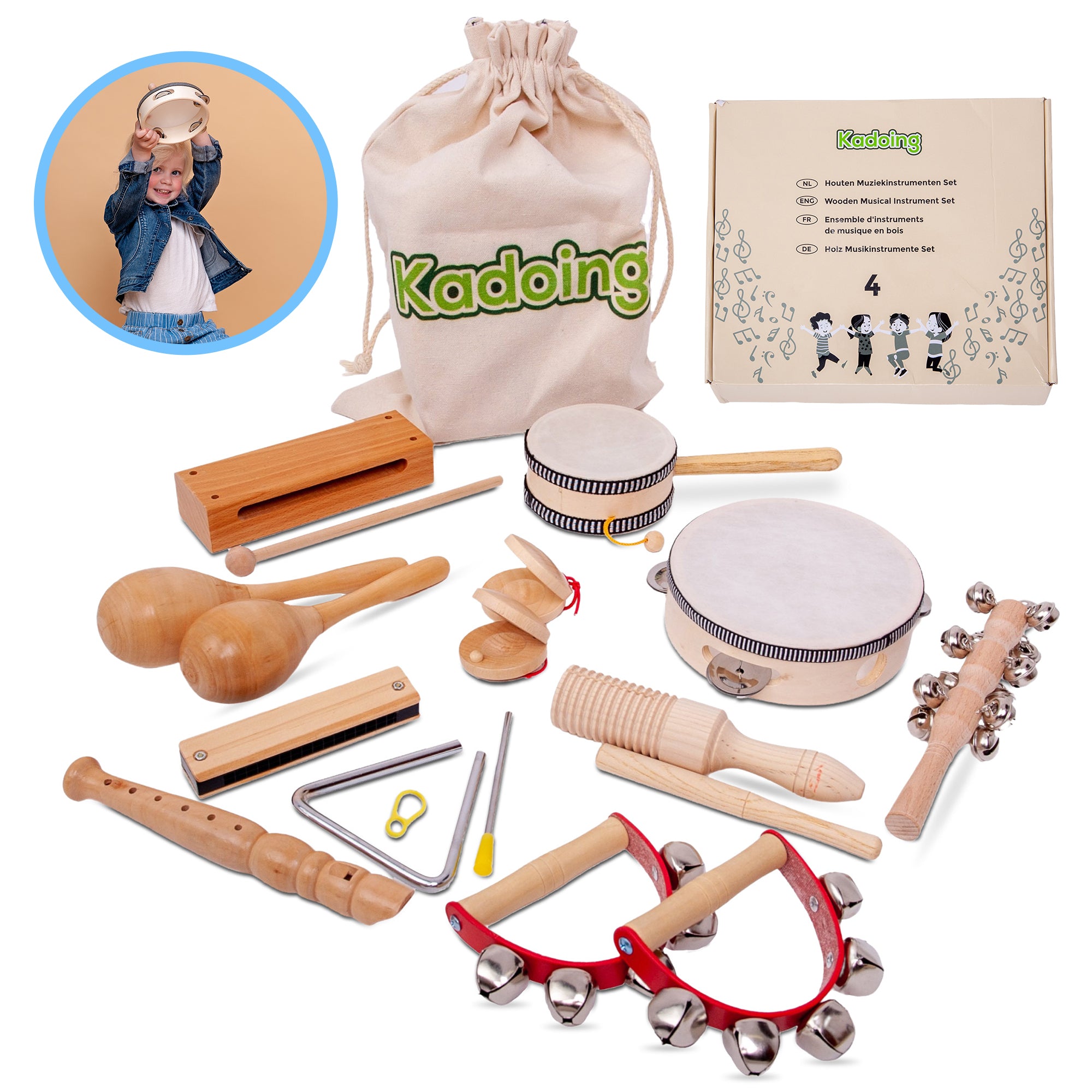
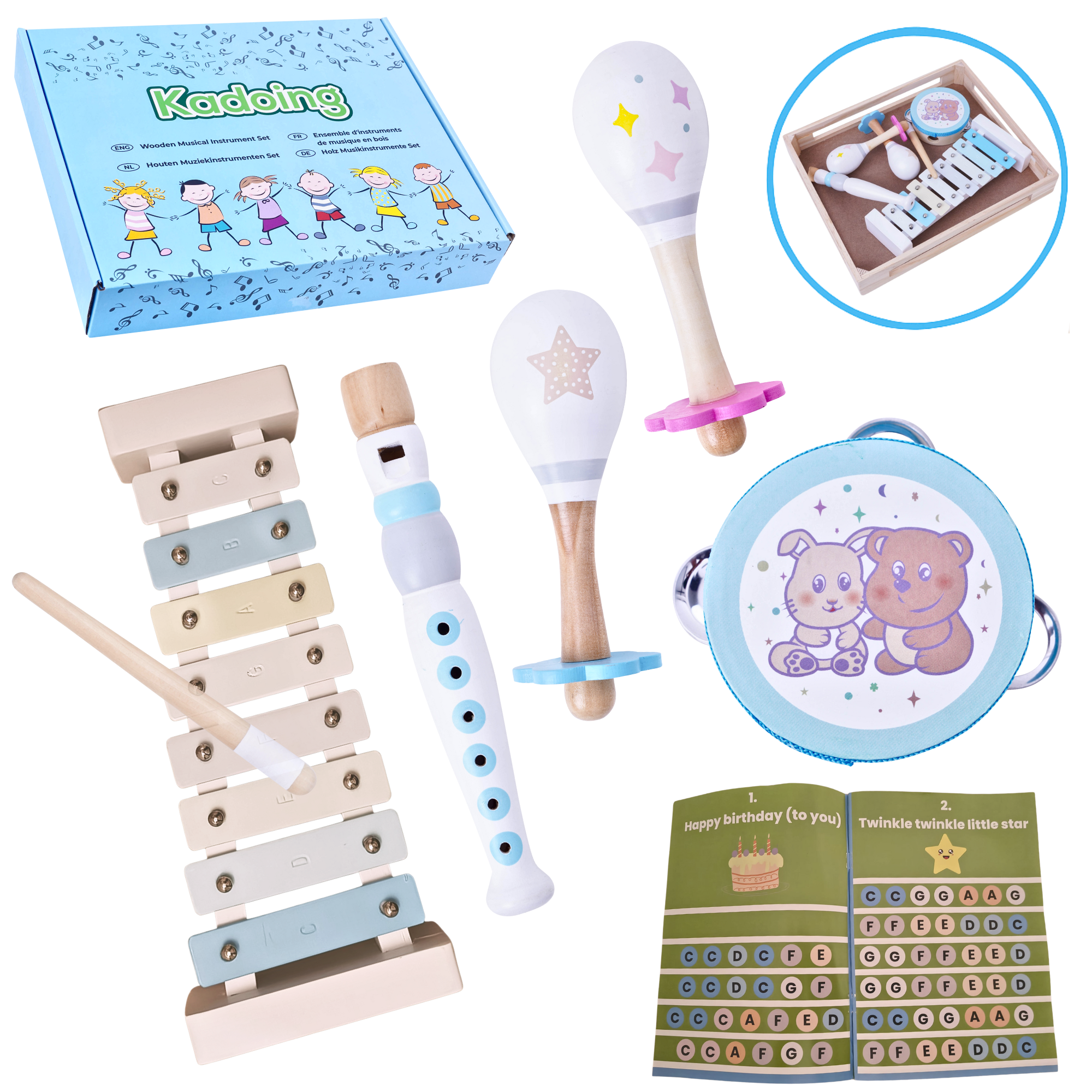
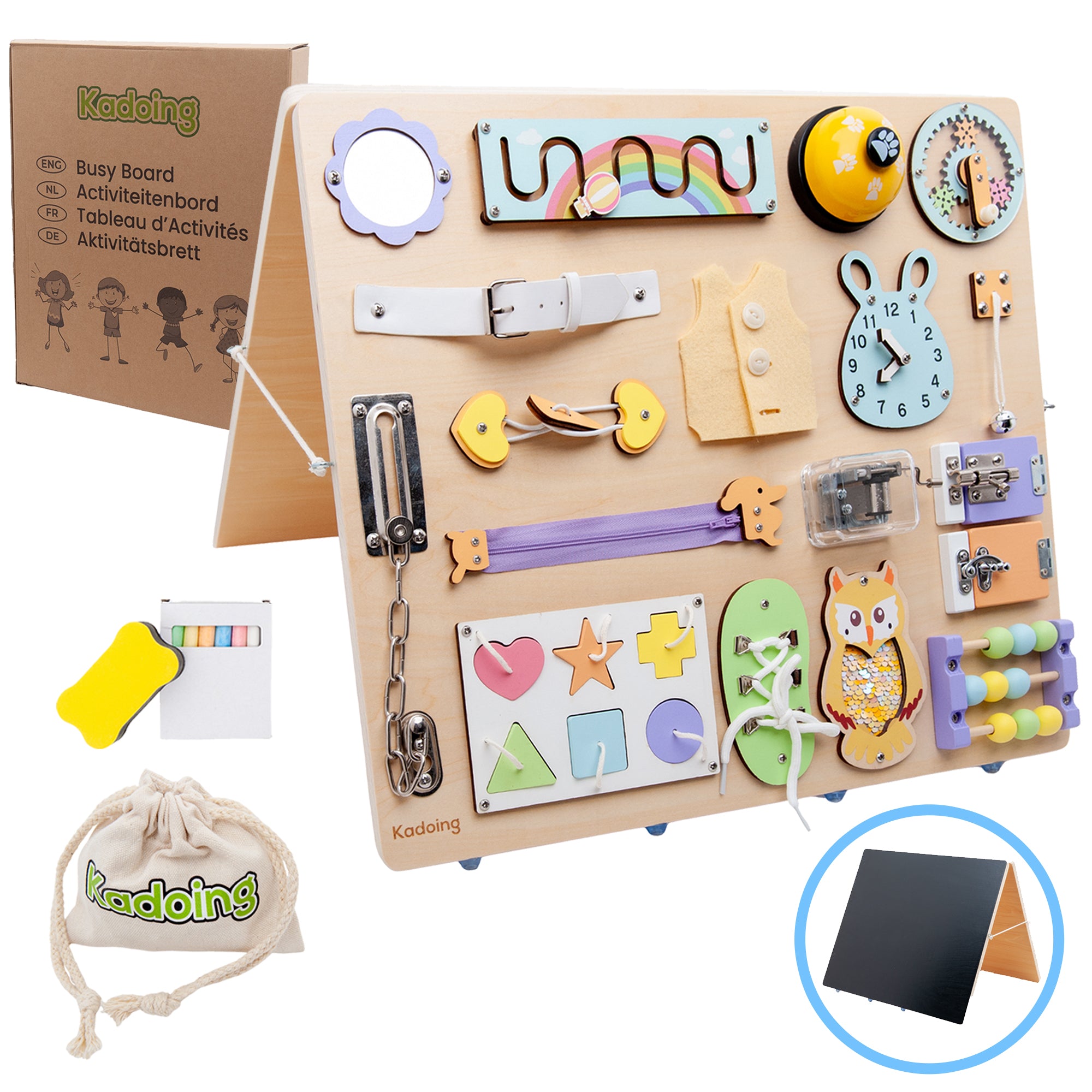
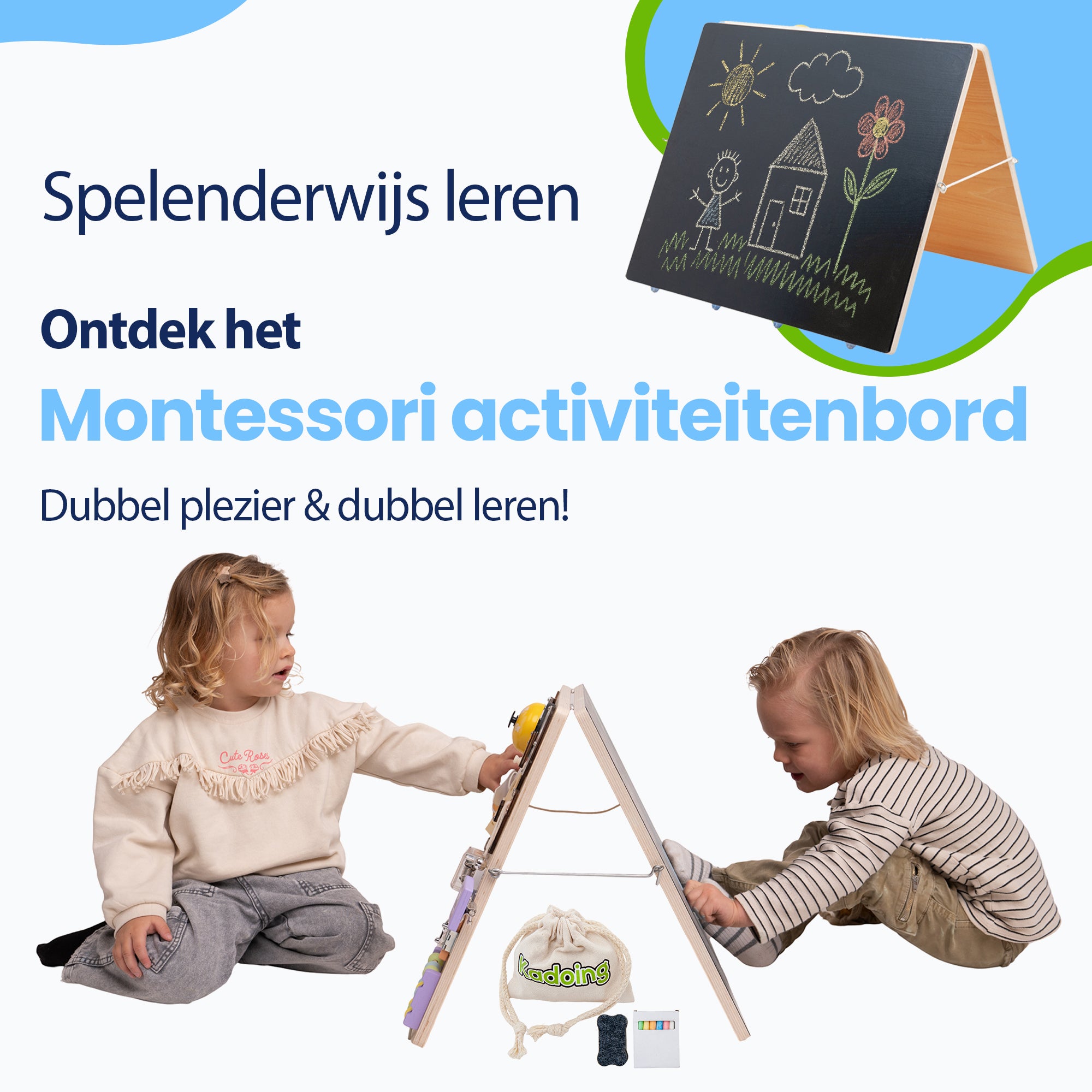
Materials without a fixed outcome leave room for your child’s own ideas. A cloth can become a cape, a picnic blanket or a bed for a cuddly toy. Blocks become a house, bridge or cake. Wooden toys, simple musical instruments and an activity board can all work well, as long as they match what your child enjoys and is already able to use.
Consider the practical side of the space too. A rug gently defines the play area. A low table can be suitable for drawing or modelling clay. Keep safety in mind when arranging the space. Follow the age recommendations and warnings on toys, and keep small parts out of reach when they are unsuitable for your child’s age. Independent play calls for a place that your child can use as independently as possible, without you constantly having to intervene.
Fewer instructions, more room for their own ideas
As a parent, you may sometimes want to help: “Make a garage here” or “That one goes there.” This is understandable, especially when you want to enjoy the play together. But independent play does not need to have an objective.
You can describe what you see without immediately offering a solution. “You’ve put all the animals together” or “That drum makes a loud sound” shows that you are paying attention without deciding the direction of play. A question such as “What could happen next?” can be fun, but a toddler does not always have to answer.
When your child says, “I don’t know what I want,” you do not always need to offer a new toy immediately. You can wait for a moment and see whether your child chooses something independently. If your toddler keeps looking, you can offer two specific choices: “Would you like to play with the blocks or the doll?” That is easier to take in than opening an entire cupboard.
When your toddler keeps asking for you
Some children mainly want to play together. That does not have to be a problem. You can then build up independent play in even smaller steps.
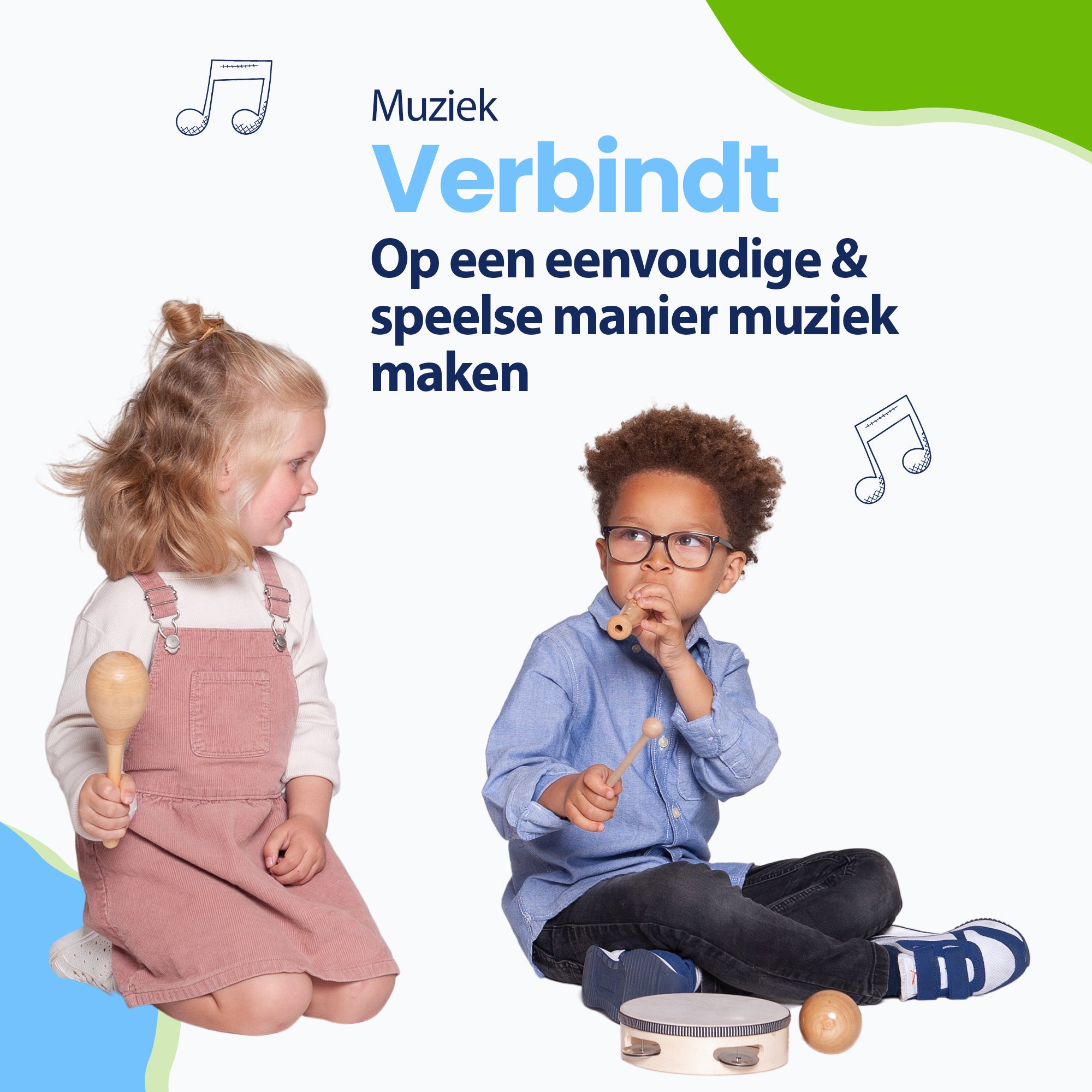
Start with a short period of playing together. Build a road for the cars, put out two cups for the cuddly toys or sing a song while playing a wooden musical instrument. Then say calmly: “I’m going to sit beside you for a while now. You can carry on playing, and I’ll watch.”
You can also choose a task nearby. Fold laundry on the floor while your child puts socks in a basket, or let your toddler ‘wipe’ a table with a cloth while you cook. It is not completely independent play, but your child does have an activity of their own while you remain close by.
Give attention before you need to do something
Spending a little time playing together can be pleasant before you begin another task. Put your phone away, for example, follow your toddler’s play for a moment and describe what is happening. You can then explain that you are going to do something else. There is no guarantee that your child will subsequently play independently for longer, but the transition may feel more comfortable for some children.
Independent play and screen time are different moments
A video can sometimes be practical, for example when you need to make a call or prepare food. Screen time is simply different from independent free play. During free play, your toddler decides what to do with the available materials.
You do not need to see screen time in black and white to make room for play. If you want to create space for free play, you can first put out a few familiar play materials and see whether your child gets started with them.
Make it manageable for your family
Independent play does not need to become a project that you carry out perfectly. Perhaps mornings work well in your home, while afternoons are a time for cuddling, cooking together or reading a book. Perhaps your toddler only plays independently when you are in the same room. Even when you stay in the same room, your child can still be independently absorbed in their own play.
Notice what makes your child enthusiastic. Is it music, sorting, building, caring for cuddly toys or moving around? Build on what your child enjoys without having to offer a new toy or activity every day.
Independent play does not need to last long or look the same every day. Above all, consider what suits your child and your daily rhythm. By giving your child space to choose and try independently, while remaining available when needed, you can gently make independent play part of the day.