At 6:00 a.m., your child is standing next to your bed, ready to start the day. Many parents know that moment all too well. That is exactly why so many families look for a guide to sleep trainers for children: not to find a miracle solution, but to create more calm, predictability, and gentler mornings.
A sleep trainer helps children understand when it is time to sleep and when the day really begins. For many families, modern children's alarm clocks and sleep trainers are a practical tool. It sounds simple, but for young children, time is still a vague concept. A clock with colours, lights, or a recognisable character suddenly makes that abstract idea visible. For parents, this means fewer discussions at the start of the day. For children, it provides structure and reassurance.
What exactly is a sleep trainer?
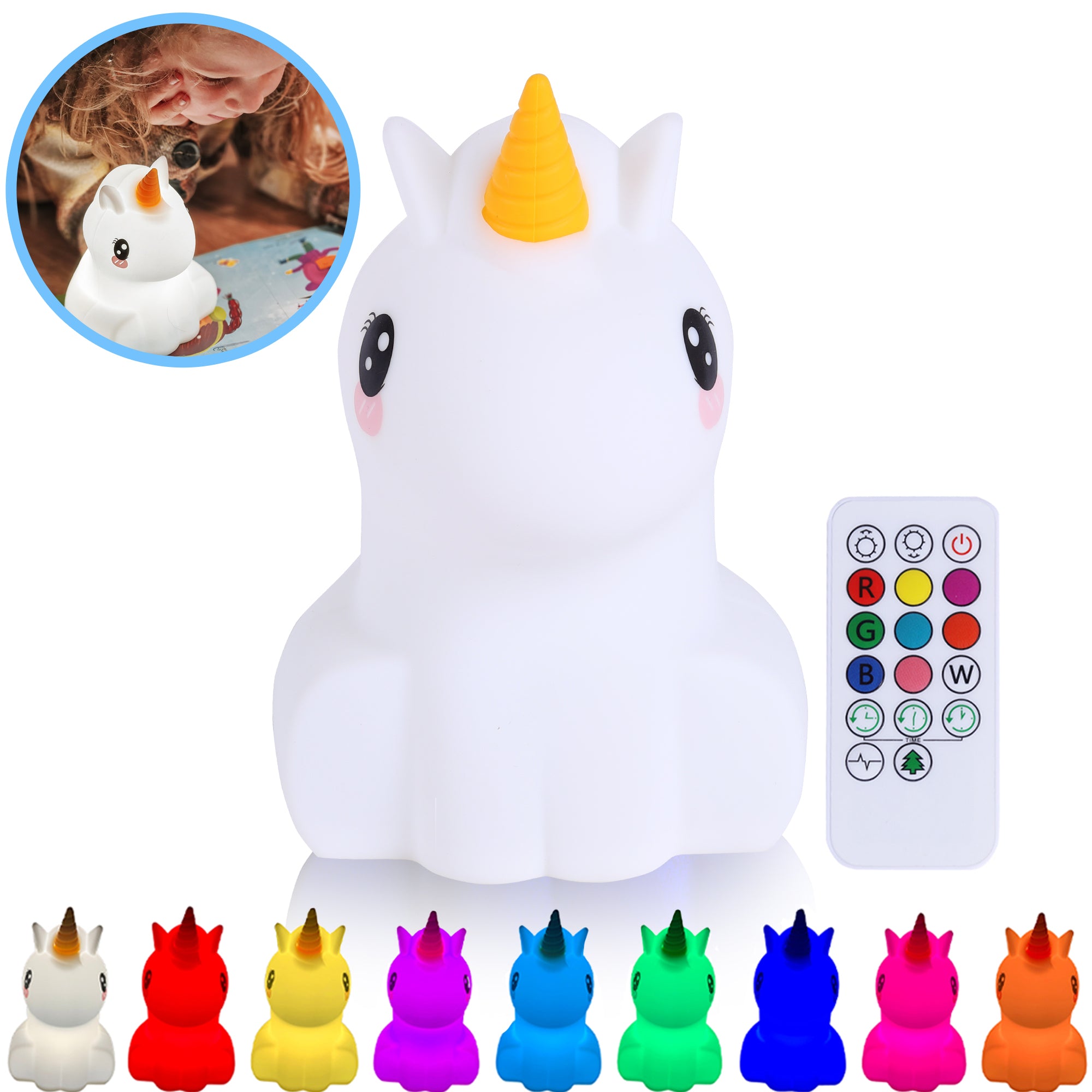
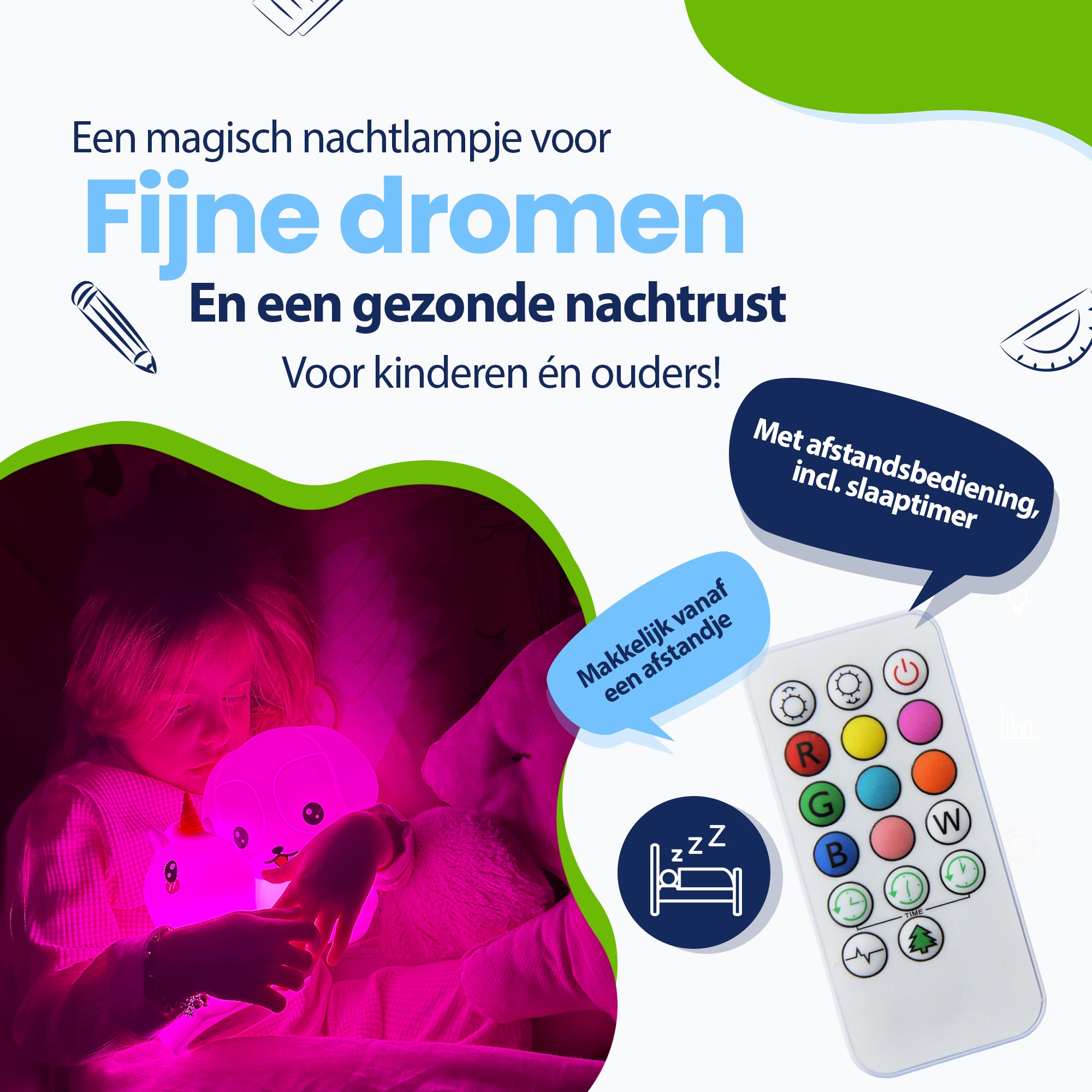
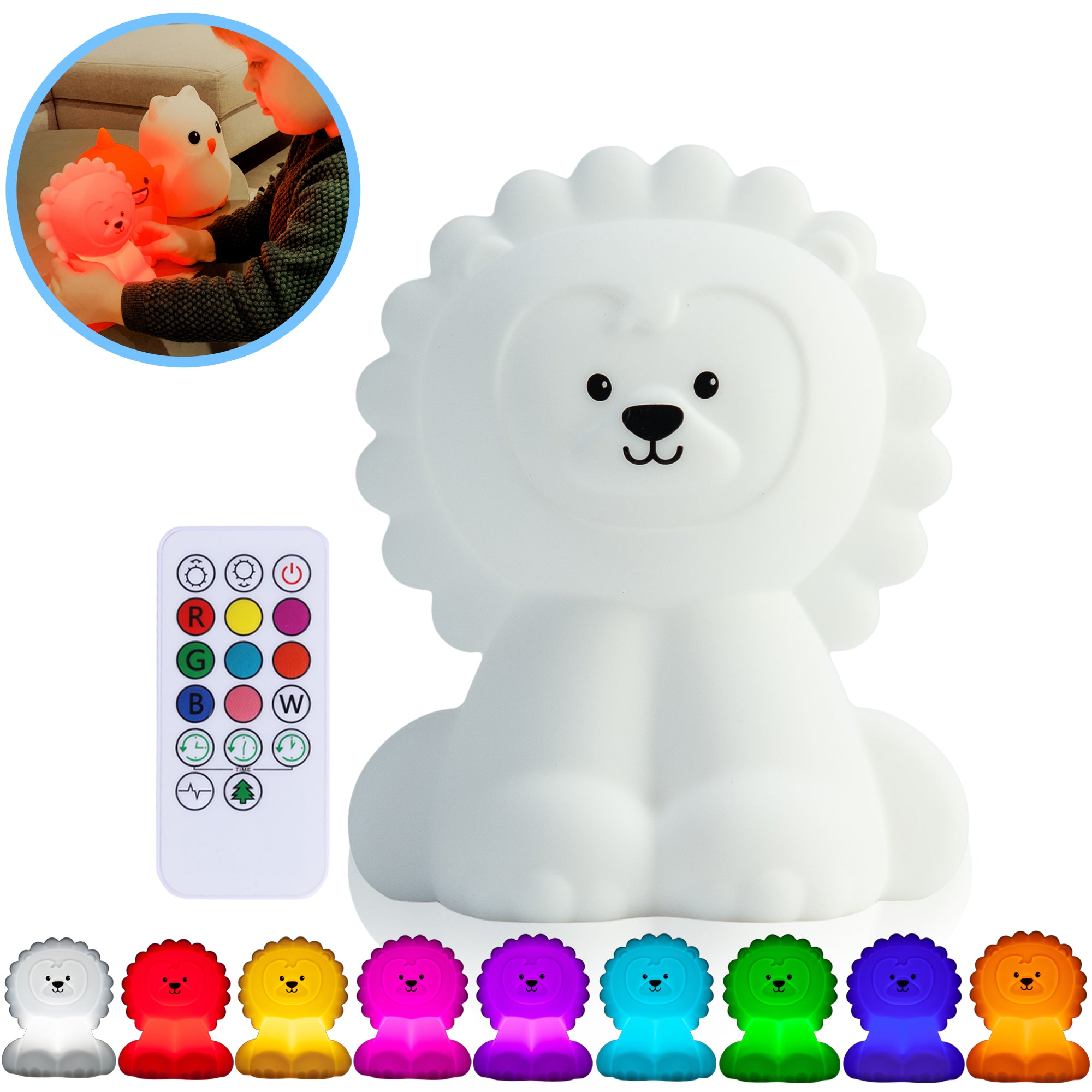
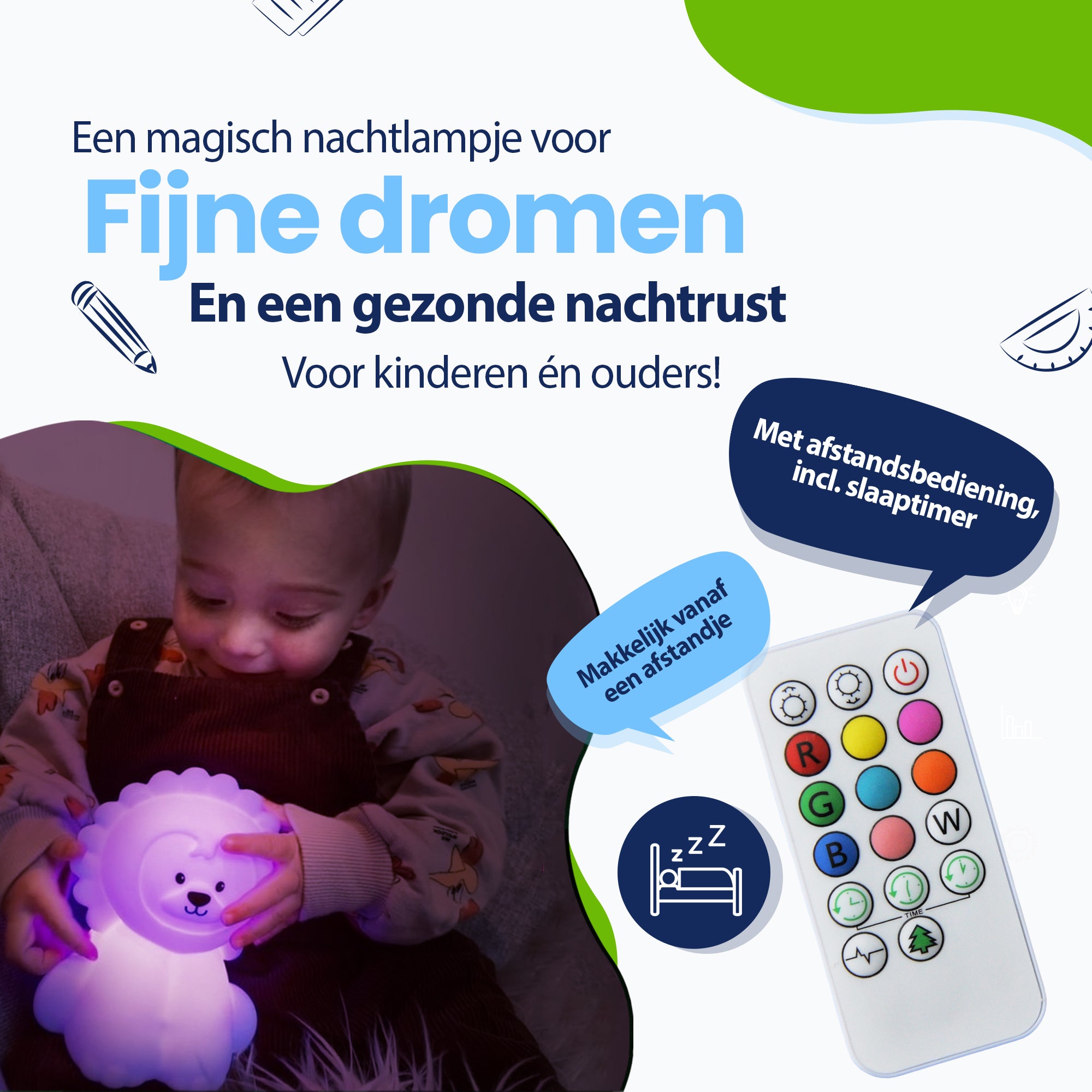
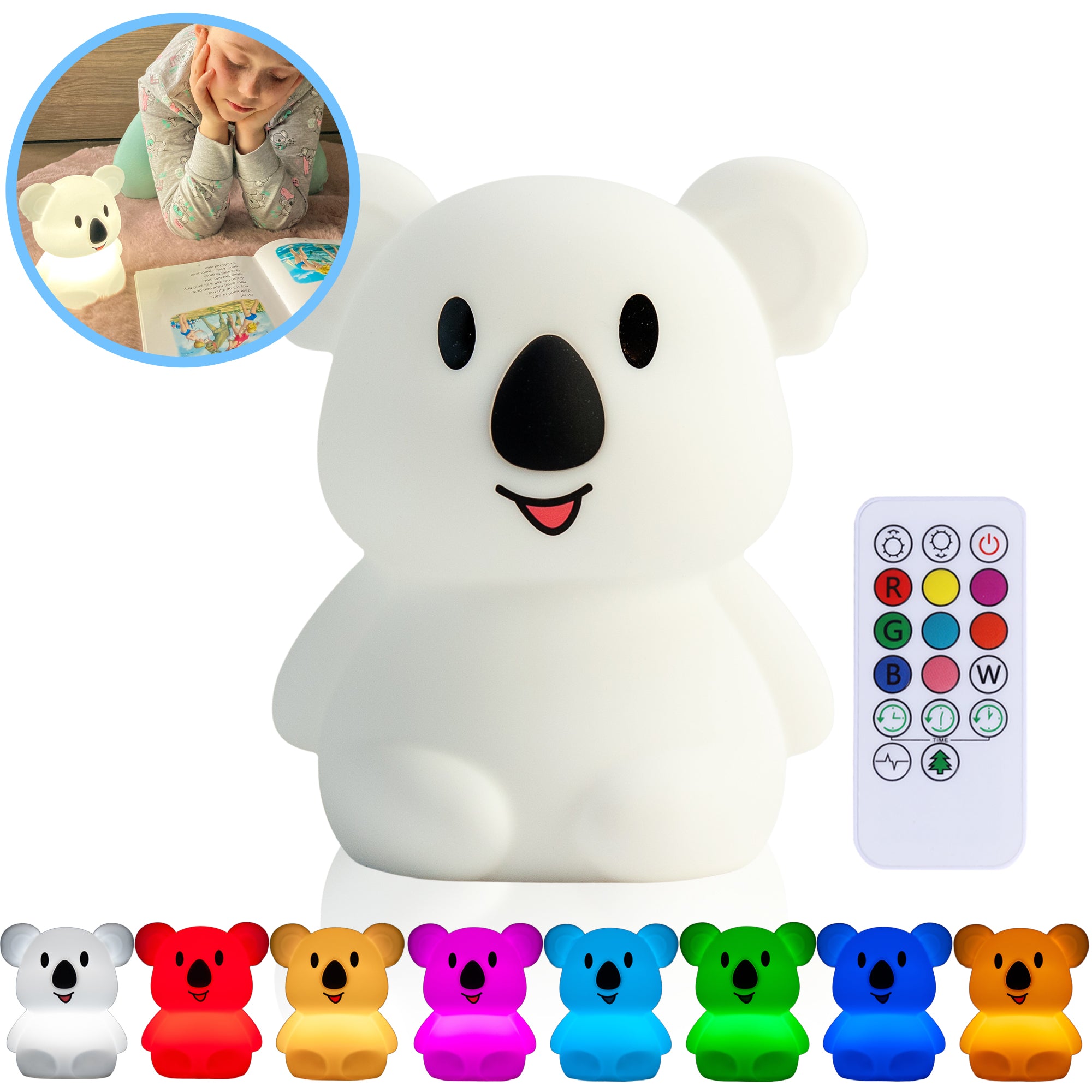
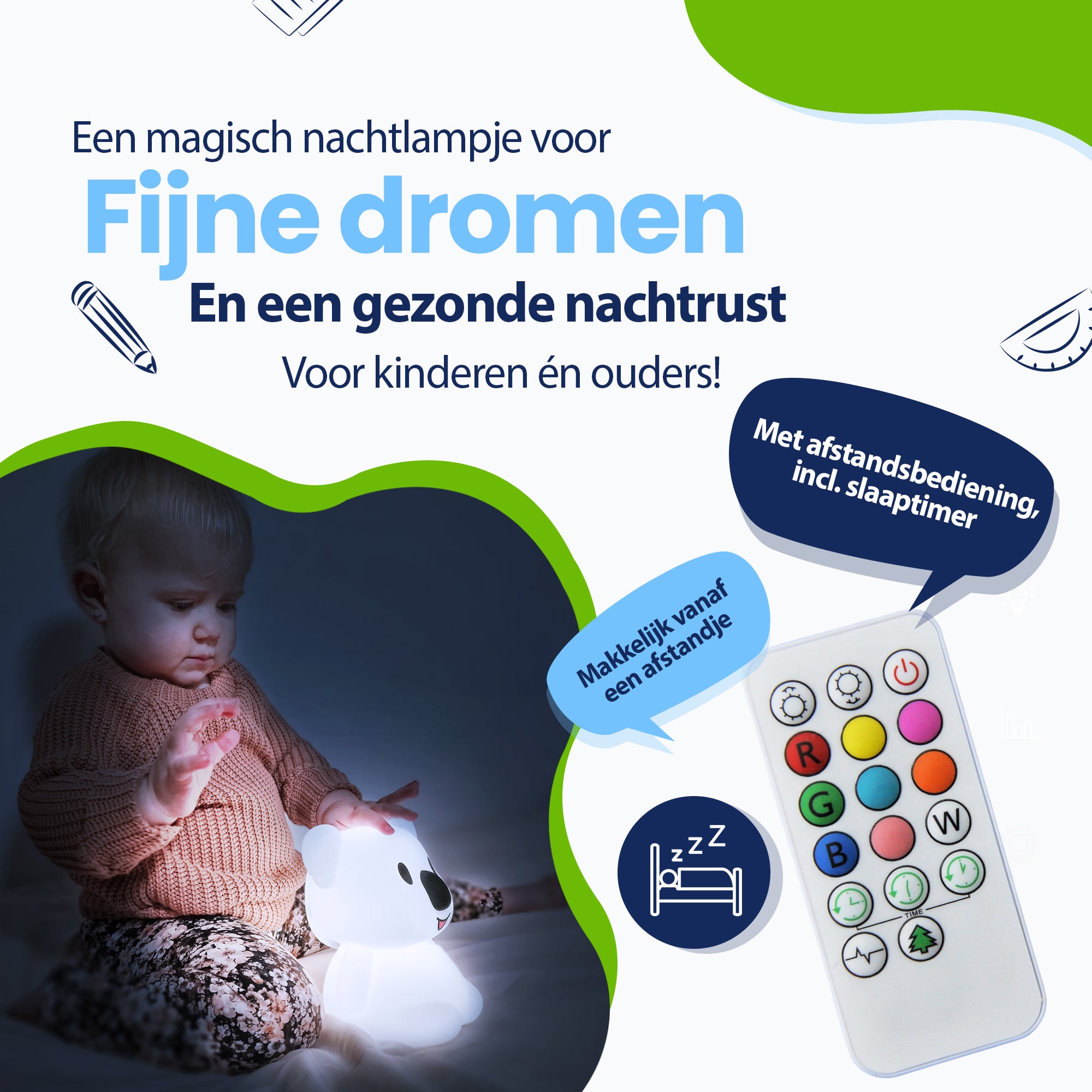
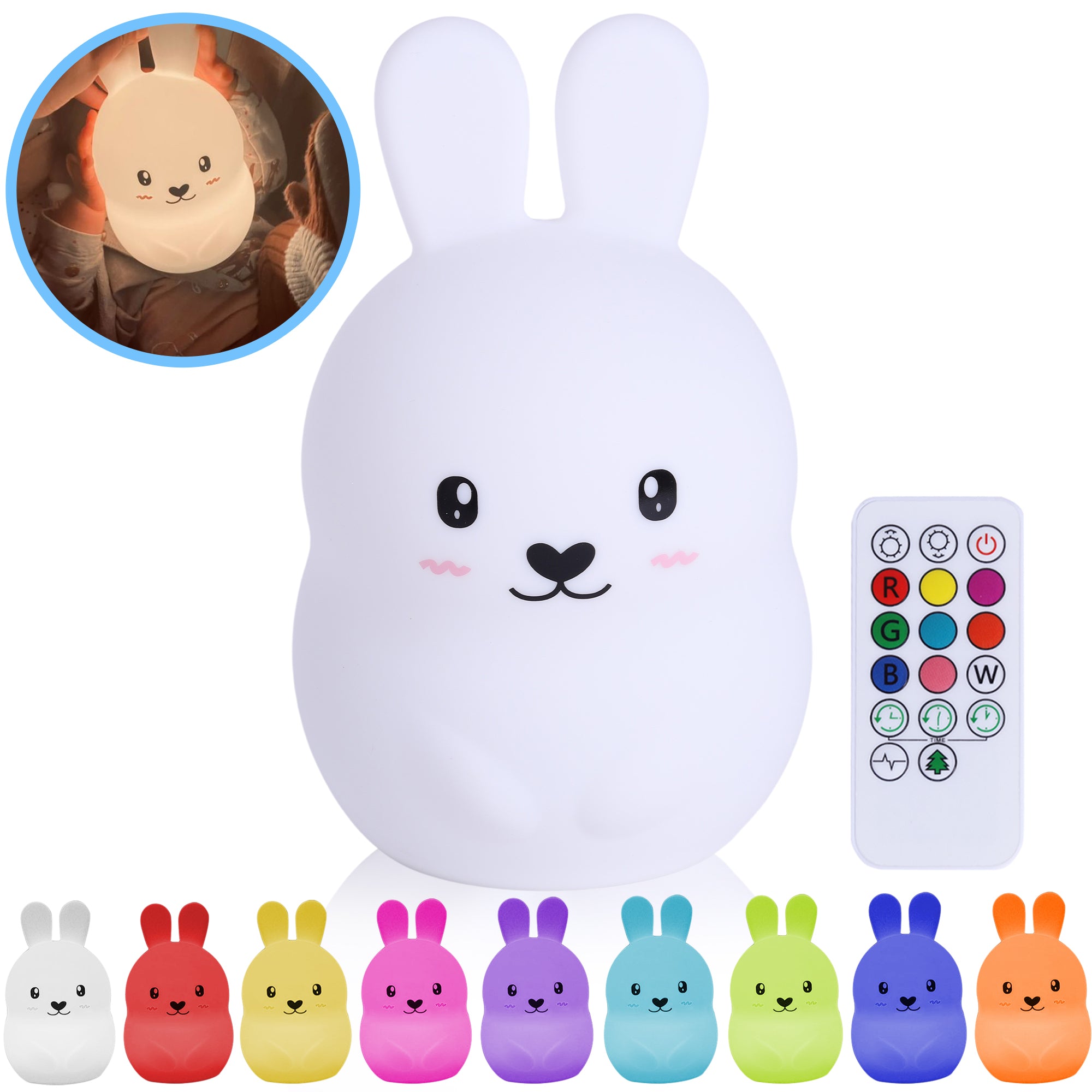
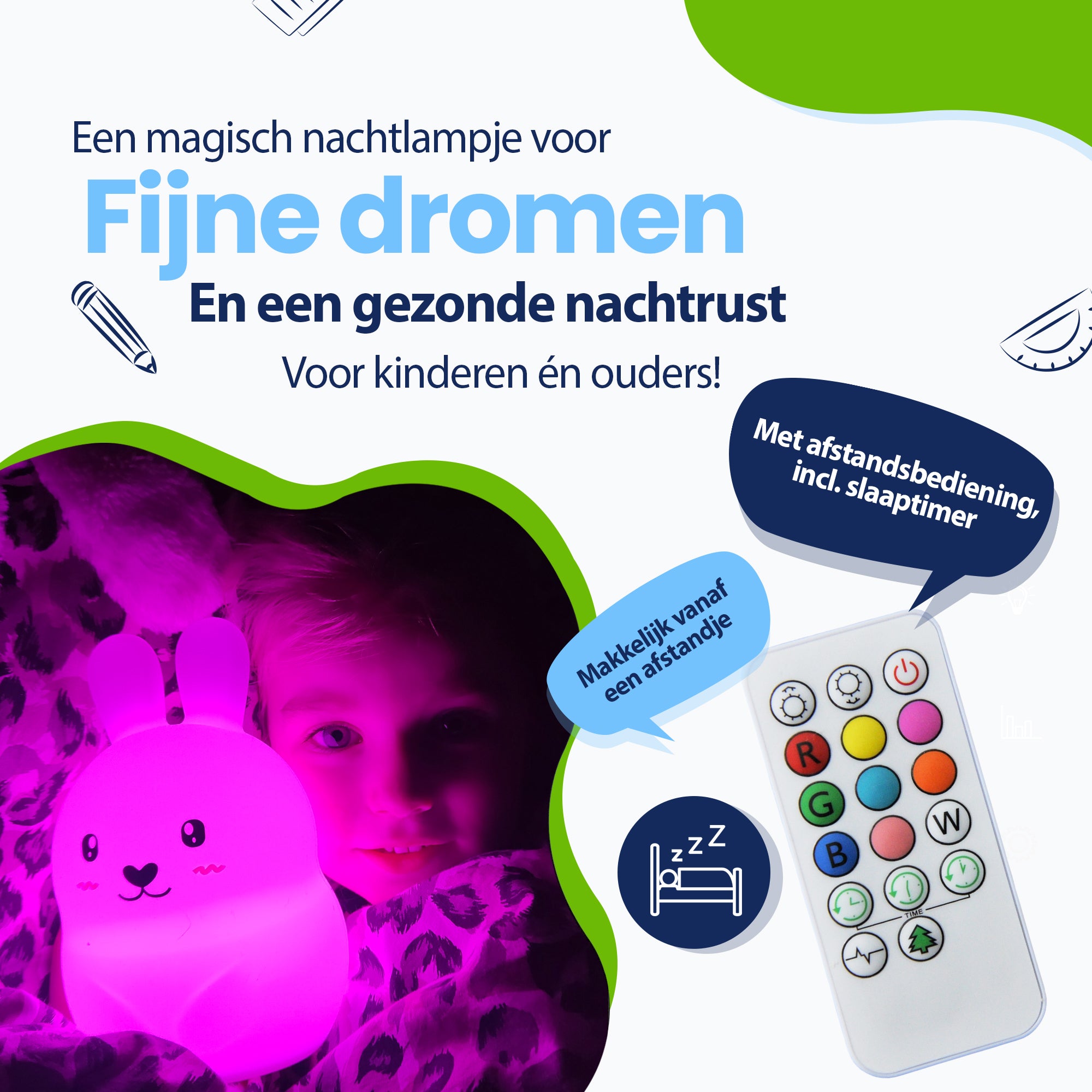
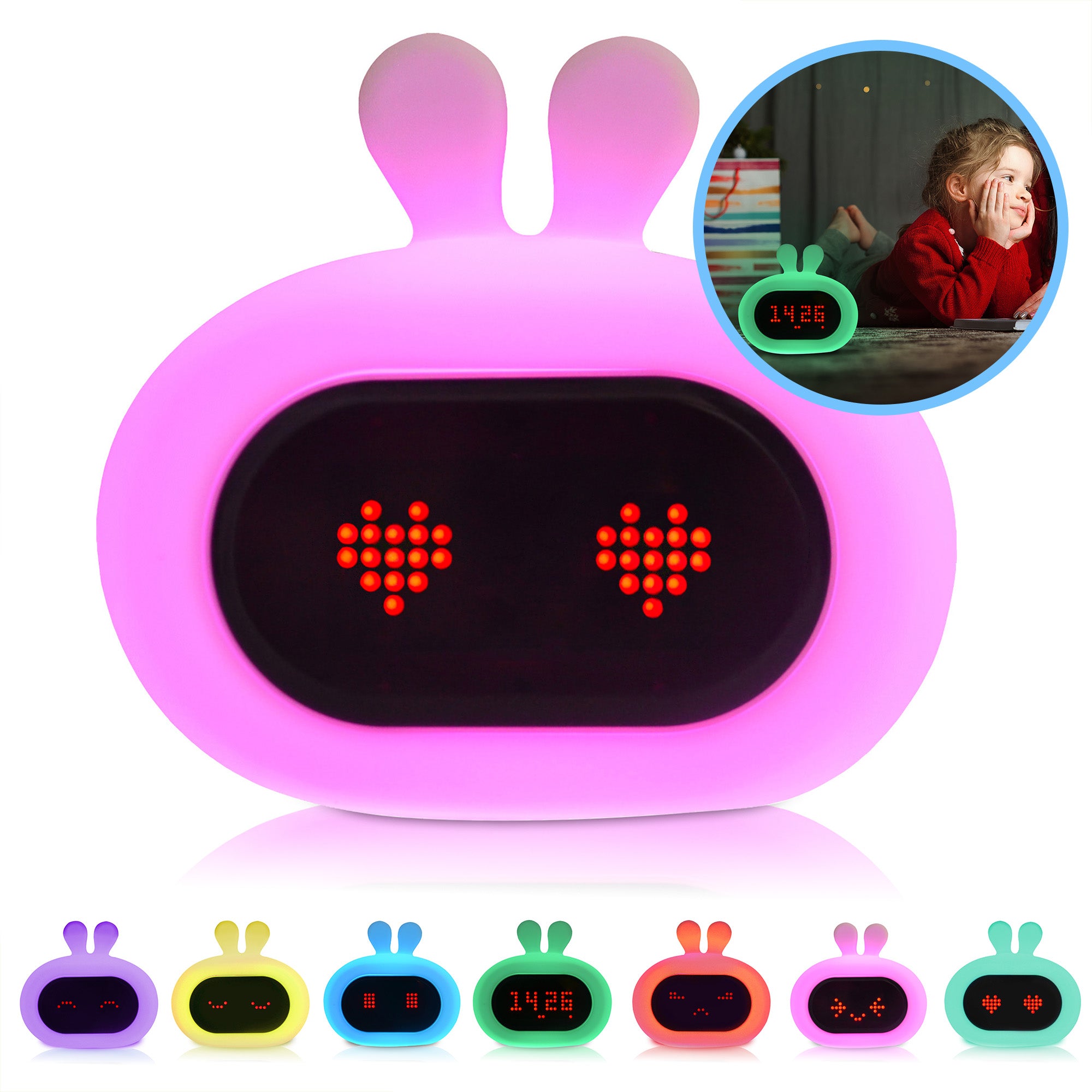
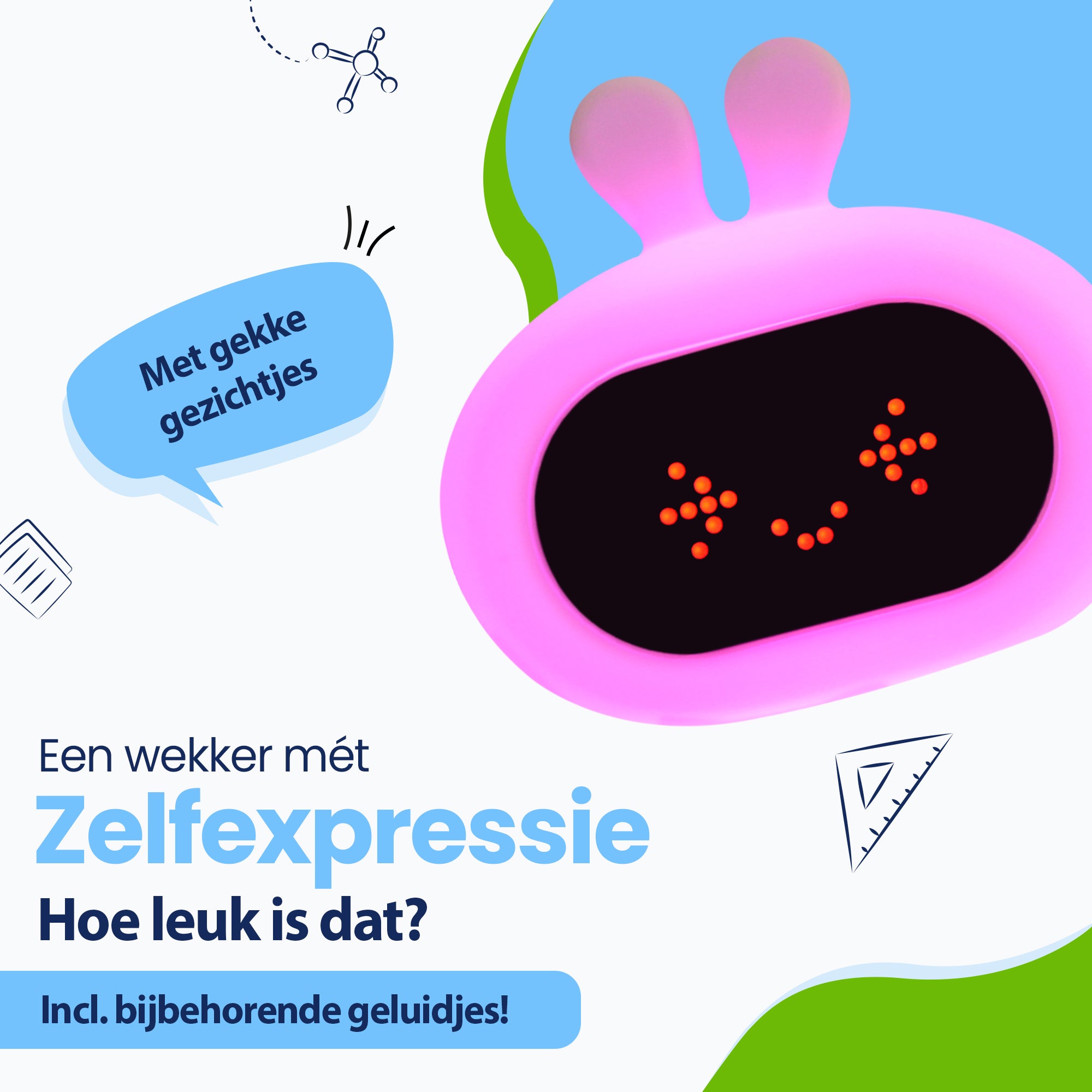
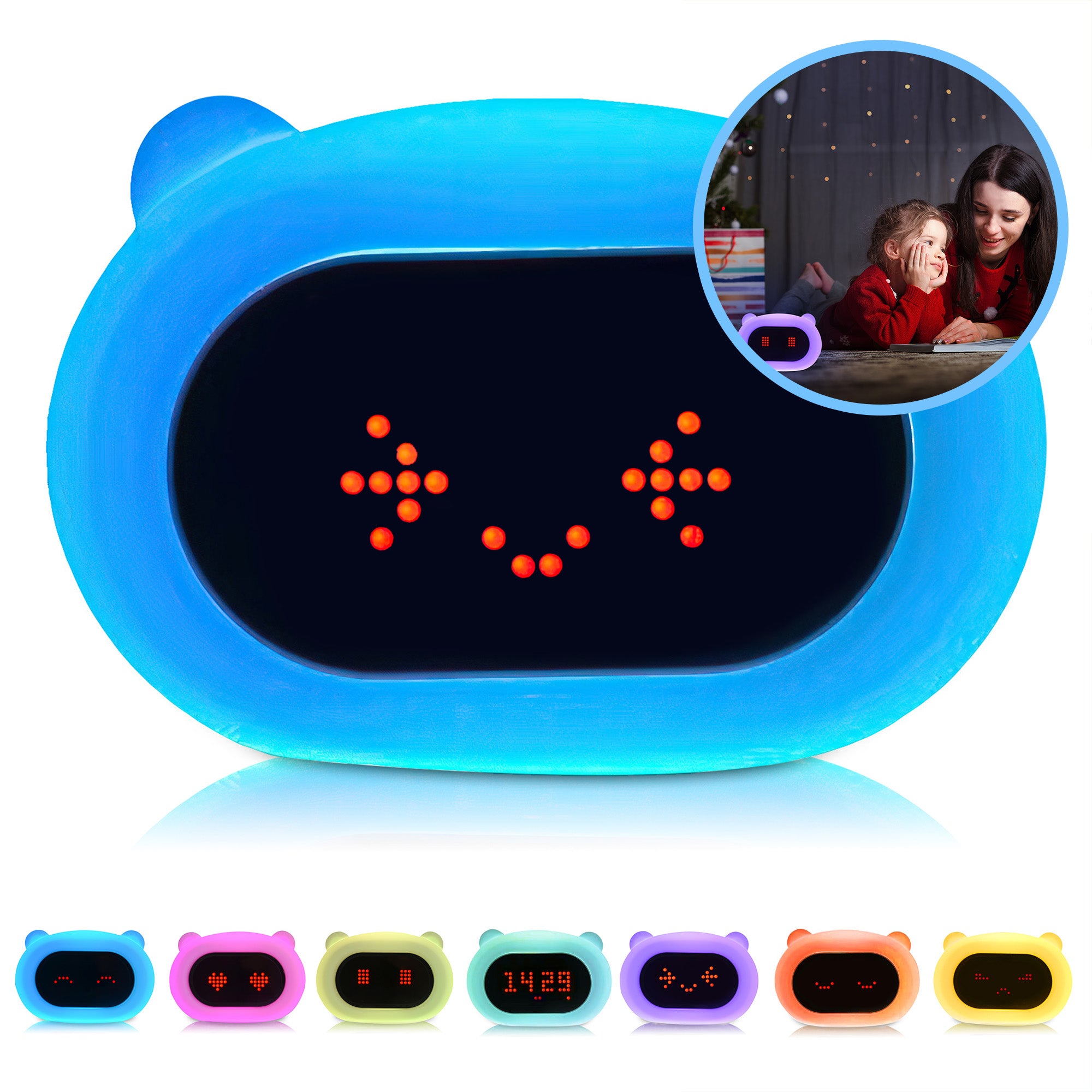
A sleep trainer is usually a child-friendly alarm clock or clock that uses lights, colours, or symbols to indicate whether a child should stay in bed or can get up. For example, the display may change colour, or a little sun may appear when it is morning. Some models combine this with a night light, soothing sounds, or a nap timer.
The biggest difference compared to a regular alarm clock is not the technology, but the simplicity. A toddler cannot do much with 06:30 on a digital display. A red light that means "still sleeping" and a yellow or green light that means "you can get up now" is much easier for a child to understand.
That is also where the strength lies. A sleep trainer supports routines without requiring parents to constantly be the "time keeper". The device takes away a small but often recurring source of tension.
At what age are sleep trainers useful for children?
Sleep trainers are often most useful from around the age of 2, although some children may benefit a little earlier or later. It depends less on age itself and more on development. Does your child understand simple agreements? Do they respond well to routines? Then a sleep trainer can already work very effectively.
For younger toddlers, simplicity works best. One colour or one clear symbol is often enough. Older toddlers and preschoolers can usually handle additional steps, such as a phase that signals morning is approaching. Think of a light that slowly turns orange before becoming green. This can help children who become restless as soon as they realise the night is nearly over.
At the same time, it is important to keep expectations realistic. A sleep trainer does not teach a sleep routine overnight. It is primarily a tool that works best as part of a calm and consistent routine.
What should you look for when choosing a sleep trainer?
When choosing a sleep trainer, it is wise to look at your child first and the features second. A model that looks attractive but is too complicated can create confusion rather than calm.
Clarity should come first. The signal should be understandable at a glance. Clear colours, a friendly icon, and a simple display help with this. Too many buttons, sounds, or changing settings can be distracting, especially for younger children.
Brightness also makes a difference. A sleep trainer should be visible in the dark, but the light should remain soft. A screen that is too bright can be disruptive in a dark bedroom. A warm, dimmable glow usually feels more comfortable, especially if the trainer also functions as a night light.
Ease of use for parents is equally important. Can the times be set easily? Are settings saved? Is the device straightforward enough to use without constantly checking the manual? In busy family life, simplicity is often best.
Materials and design matter too. More and more parents consciously choose safe, durable products that fit into a calm and peaceful nursery. A sleep trainer is usually visible every day. It is therefore nice when it is not only practical but also looks gentle and fits the atmosphere of the room.
Which features are actually useful?
Not every extra feature adds the same amount of value. For many families, three elements are the most important: a clear sleep and wake-up signal, a soft night light, and a simple timer for naps or quiet time.
A night light is especially useful for children who still feel uncertain in the dark. It helps keep the room familiar and reassuring without making it too bright or stimulating. A nap timer can also be helpful if your child still naps during the day or has quiet time in their room.
Sounds or sleep music can be pleasant, but this depends on your family. Some children find them relaxing, while others become more alert with any additional sound. If calm is the goal, fewer stimuli often work better than more.
How do you introduce a sleep trainer without creating conflict?
The way you introduce a sleep trainer often determines how successful it will be. Do not simply place it in the room and tell your child they now have to wait until the light turns green. Instead, make it a friendly and consistent part of the bedtime routine.
Explain in simple terms what the colours or symbols mean. For example: when the light is still sleeping, you stay resting in your bed too. When the sun appears, you can get up. Use language that matches your child's world. For a toddler, visual explanations work much better than talking about specific times.
It is also helpful to practise during the day. Show your child what happens when it becomes morning. Turn it into a little game. This removes tension and makes the sleep trainer familiar before it becomes part of the early morning routine.
After that, stay consistent but gentle. If your child still gets out of bed too early, calmly refer them back to the sleep trainer. Not in a strict or punitive way, but clearly and consistently. Children learn through repetition and predictability.
Why one sleep trainer works and another does not
Sometimes parents say a sleep trainer does not work when the real issue lies elsewhere. Perhaps the explanation was too abstract, perhaps the rules changed from day to day, or perhaps everyone expected results too quickly.
A sleep trainer works best when it matches your child's temperament. A sensitive child often benefits from gentle transitions and a calm design. An independent preschooler may become excited by a clock that clearly shows: now I can get up.
The wake-up goal should also be realistic. If a child is used to waking at 5:30 a.m., jumping straight to 7:00 a.m. is often too much. Small steps usually work better. First 5:45, then 6:00. This keeps the new expectation understandable and achievable.
Choices parents are often happy with later
Parents are often most satisfied with a sleep trainer that remains simple and calm to use. That means no crowded display, no loud beeping sounds, and no unnecessarily bright colours. A simple system usually feels familiar more quickly.
A model that grows with the child is often a smart choice too. During the toddler years, colours and symbols are usually enough. Later, a child may benefit from an actual clock or alarm function. This helps the product remain useful for longer instead of ending up in a drawer after a few months.
For families who value a calm home environment, design matters as well. A child's bedroom does not need to be filled with loud, flashy products to be practical. In fact, products that create a sense of calm often support the bedtime routine more effectively.
Sleep trainers for children and a calm bedtime routine
A sleep trainer works best as part of a broader bedtime routine. Think of a consistent order: soft lighting, putting on pyjamas, brushing teeth, reading a story, and then going to sleep. In this way, the sleep trainer becomes not just a device but a familiar part of ending the day.
That is also why many parents choose products that do more than simply display the time. A sleep trainer with warm lighting can help make the transition from playtime to bedtime smoother. And when a product is safe, durable, and designed with children in mind, it provides extra confidence in everyday use.
For parents, calm is often not just about a quiet house. It is about less hassle. Less negotiating early in the morning. Less uncertainty about what your child understands. More predictability for everyone.
When is a sleep trainer a good choice for your family?
If your child wakes up very early, struggles to understand morning time, or benefits from visual routines, a sleep trainer can add a great deal of value. Not because it solves everything, but because it provides clarity at a time of day when clarity is often missing.
Still unsure? Then ask yourself what you are really looking for. Is it later wake-up times, a smoother bedtime routine, a gentle night light, or greater independence for your child? That question is usually more helpful than searching for the model with the most features.
Ultimately, a good sleep trainer should not feel like extra work. It should feel like support. That is exactly what makes it valuable for families with young children: it brings structure in a friendly way, without being strict or complicated.
That is why sleep trainers for children are, for many families, a simple way to bring more calm, structure, and predictability into everyday life.