One evening, your child asks for one last sip of water; the next, they want to tell you a little more about their day. It is precisely in these small moments that calming bedtime activities can help make the transition from playtime to bed feel more peaceful. Not as a strict rule or quick fix, but as a familiar ritual in which you end the day together.
Why a calm evening routine can be helpful
For young children, a day is often full of impressions: playing, exploring, talking, moving and learning new things. A familiar ritual can help signal that the day is slowly coming to an end. When several steps return regularly, the sequence becomes familiar.
A bedtime routine does not need to be long or perfect. Above all, choose activities that suit your child's age and preferences as well as your own family rhythm. Some children like to talk, while others would rather listen to a short song or a familiar book.
8 calming activities before bedtime
1. Get the room ready for the night together
Turn getting ready for bed into a small, peaceful moment. Your child can choose their pyjamas, put cuddly toys in their places or help close the curtains. By repeating these simple actions regularly, they can become a familiar part of the evening.
Keep the atmosphere calm and offer one simple choice rather than lots of options. For example: “Would you like to put on your pyjamas first or brush your teeth first?” This keeps your child involved without making the moment too busy.
2. Read a short, familiar story
Reading aloud is a regular part of the evening in many families. A familiar book can be particularly comforting: your child knows what is coming and can join in with sentences they already know. Choose a gently paced story and, above all, see what kind of story suits your child at that moment.
You do not always have to finish an entire book. With young children, looking at a few pages, naming the pictures or choosing one story together may already be enough. What matters most is the attention you give each other, not the number of pages.
3. Sing a gentle lullaby
A quiet song can be a warm way to end the day. Your voice does not need to sound beautiful or perfect. For example, choose one or two songs that return regularly so they can become a familiar part of the ritual.
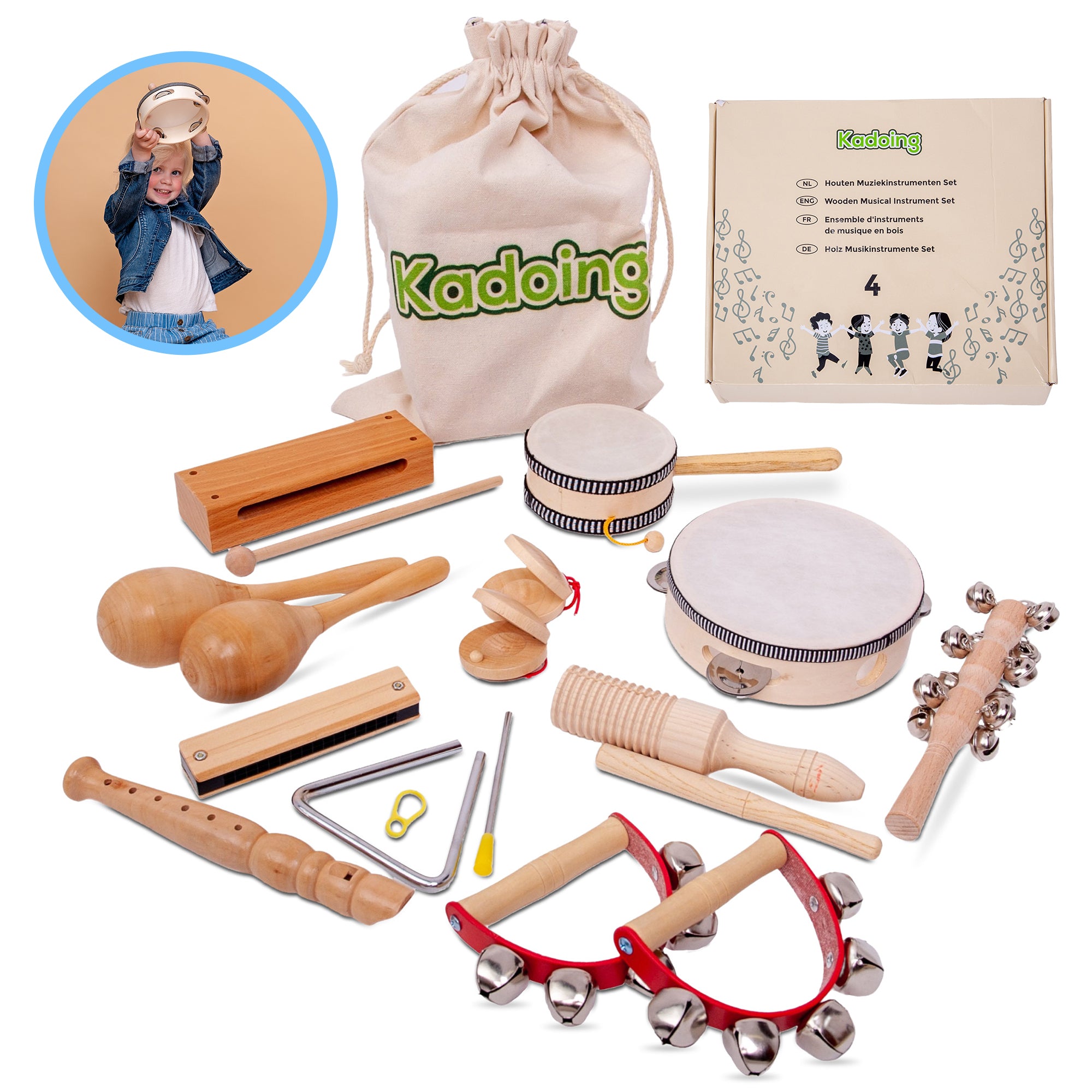
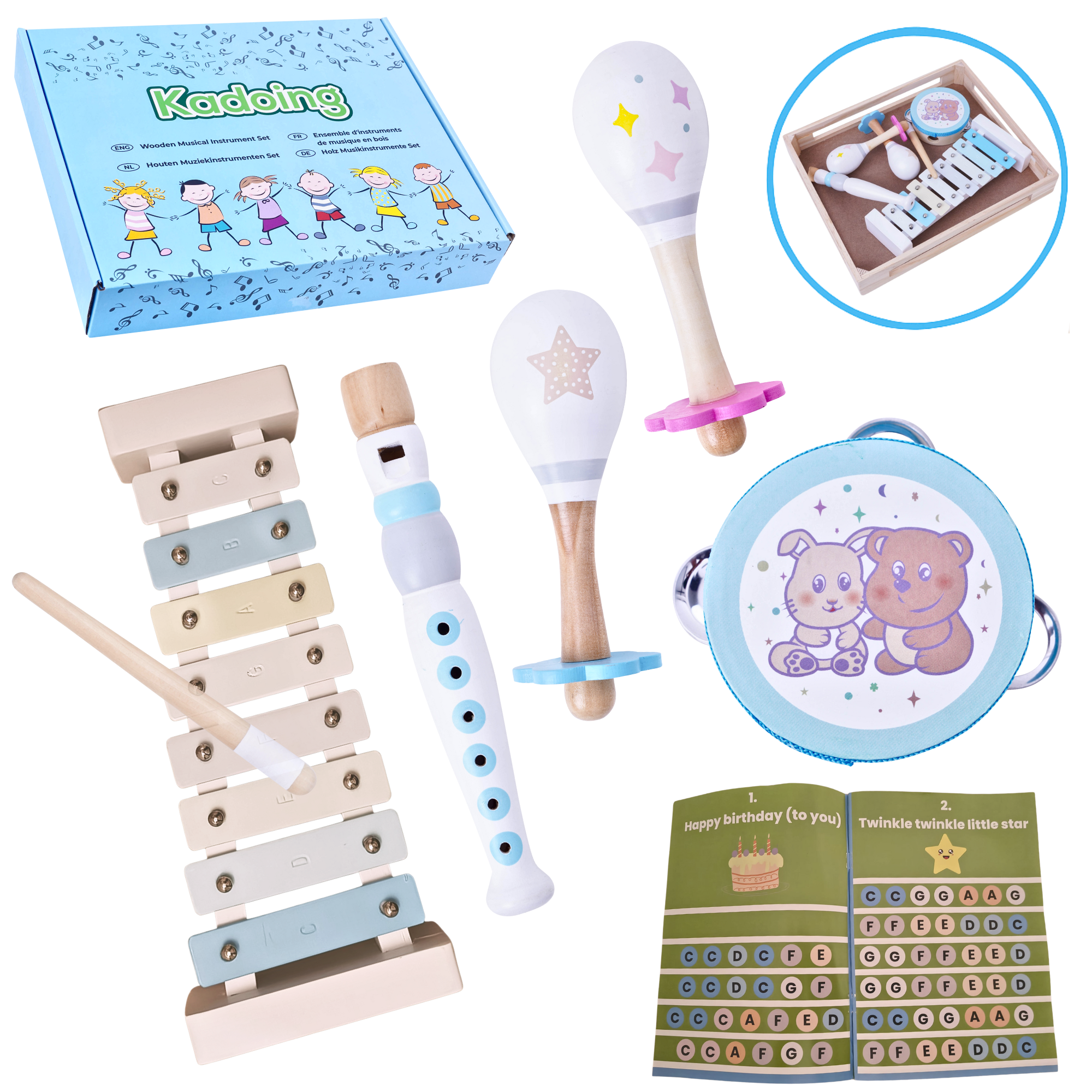
A wooden musical instrument can encourage you to make music together during the day. Just before bed, you can keep things simple with a gentle song or quiet humming, for example. Above all, see what suits your child and your routine.
4. Talk briefly about the day
Some children start sharing their stories just at bedtime. A few regular questions can help create space for this without turning it into a long conversation. For example, ask what was fun, what felt difficult or what your child is looking forward to tomorrow.
If your child does not feel like saying much, that is perfectly fine too. You can share something small yourself: “I liked sitting at the table together.” This lets you share something without expecting your child to talk at length.
5. Choose a cuddly toy for the night
A familiar cuddly toy can become part of the bedtime routine. For example, let your child choose a cuddly toy, tuck it in together or say goodnight to it. In this way, the toy can playfully become part of the regular routine.
Keep it simple. If choosing from lots of cuddly toys makes the ritual longer, you could agree that one favourite toy comes along.
6. Try a calm breathing game
Instead of asking your child to lie still, turn it into a little game. Blow an imaginary feather through the air together, smell an imaginary flower and then slowly blow out a candle. Keep it light and brief, without expectations.
Not every child enjoys this kind of game or wants to join in. So do not force it. Taking a few calm breaths together, or simply lying hand in hand for a moment, can suit your evening just as well.
7. Create a regular goodnight round
A goodnight round gives the evening a clear ending. Say goodnight together to the room, the cuddly toy, the moon outside the window or the people in the house. By regularly repeating the same elements, the round can become a familiar part of bedtime.
You can adapt this ritual to your family. Perhaps your child waves to a photograph, names something nice from the day or gives you one last cuddle.
8. Use soft light as a transition
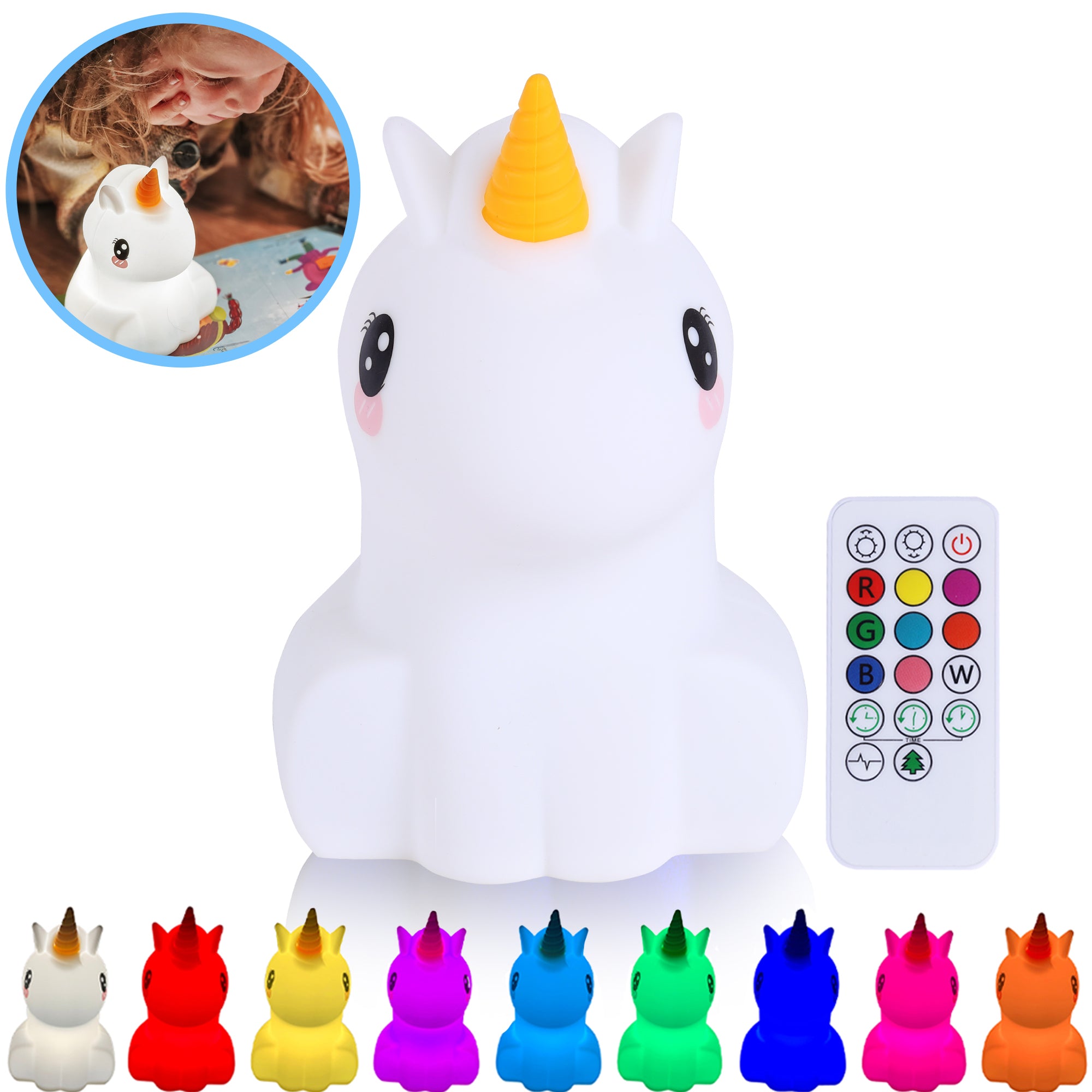
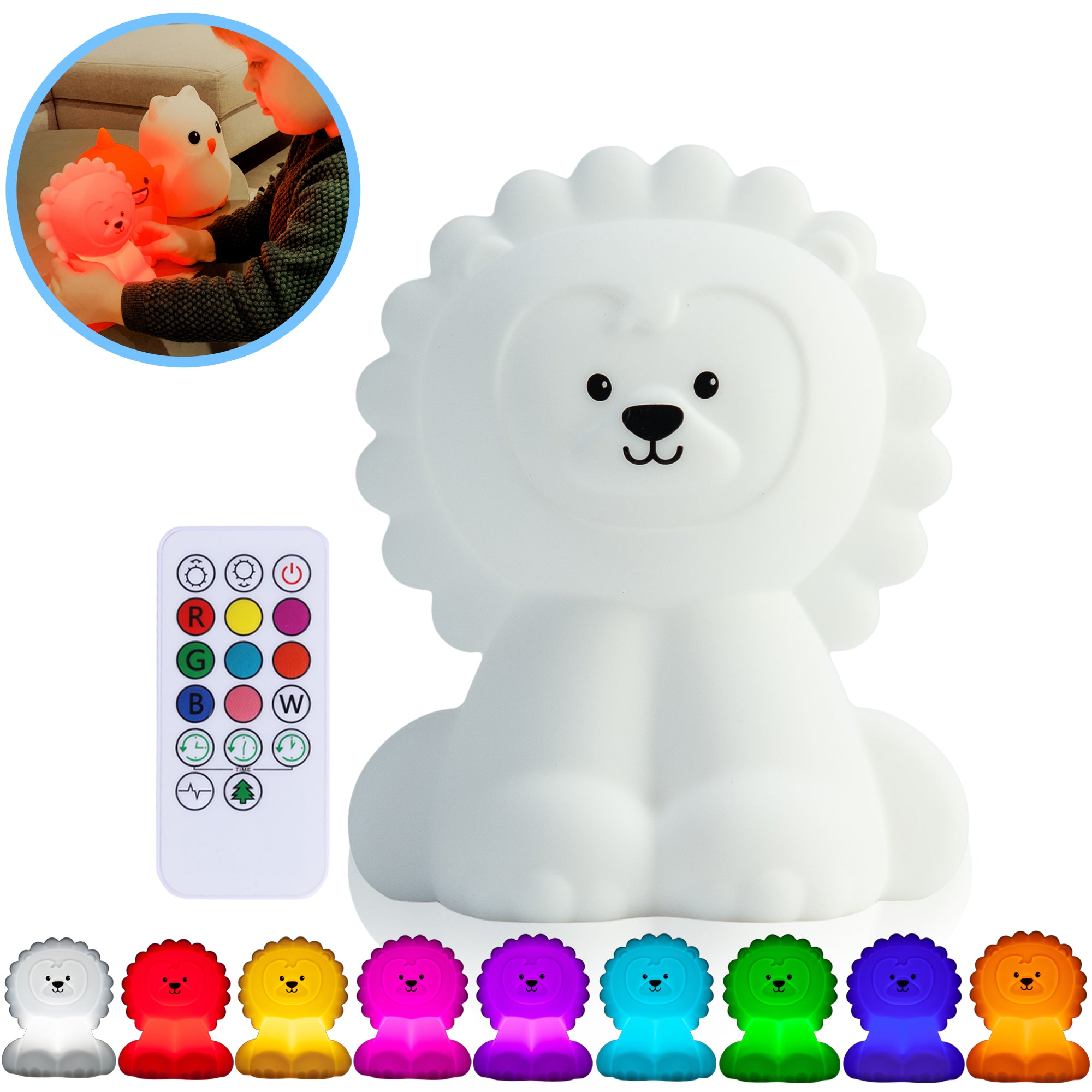
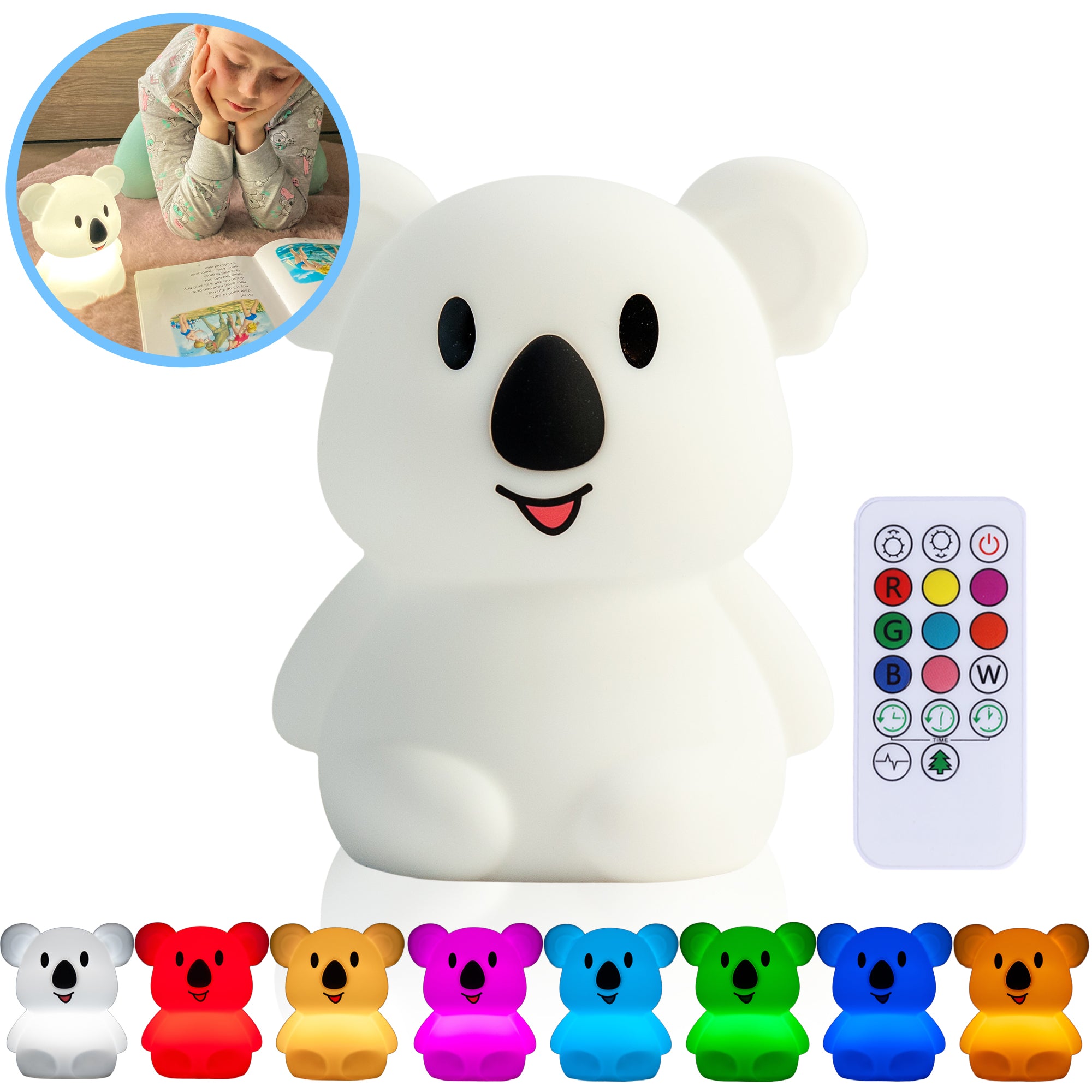
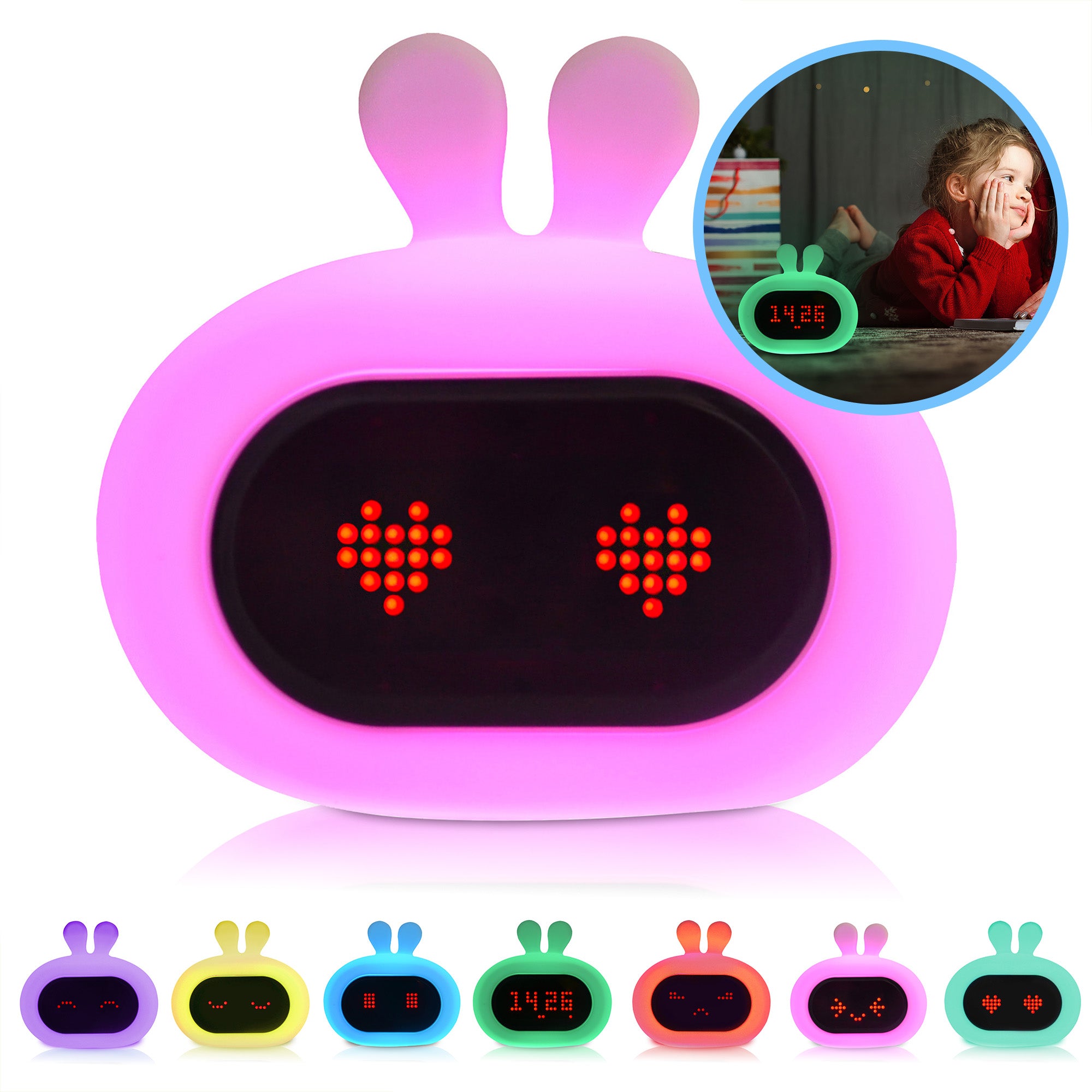
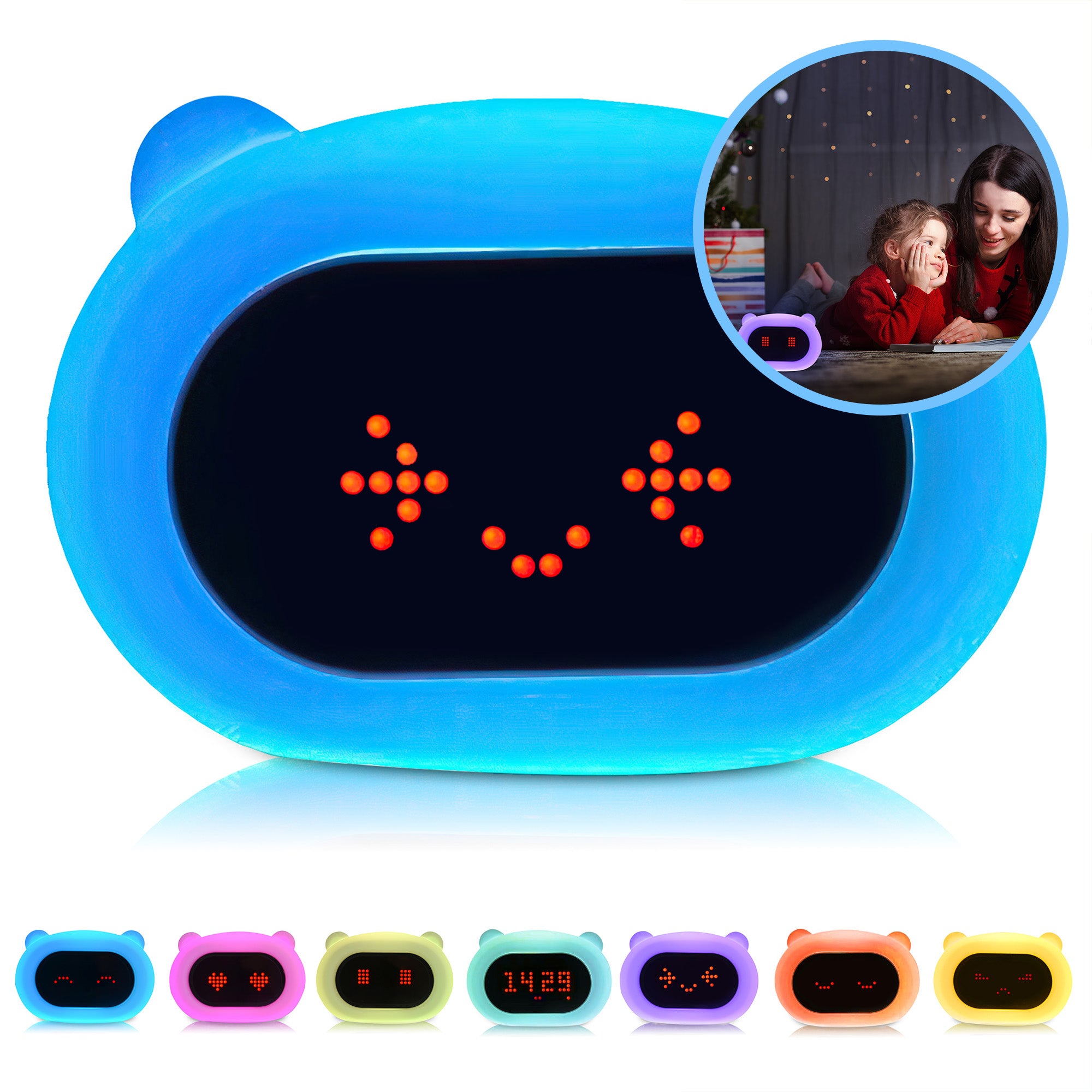
During the final part of the evening ritual, you can switch off the main light and choose softer lighting. For example, let your child help switch on the night light. This makes the change in lighting a familiar part of the routine too.
A night light is not essential for a good evening routine. Some children prefer to sleep in a dark room, while others find a small point of light comforting. Above all, choose what suits the room and your child's preference.
How to keep bedtime manageable on busy evenings
Not every evening goes to plan. Some days bring a late meal, visitors, a long car journey or simply little patience on either side. At such times, you can choose a shorter version of your routine: pyjamas, brushing teeth, one song and a kiss. This keeps the familiar sequence in place, even when there is less time.
Try not to add too many new activities at once. Choose two or three regular elements, for example, and see how they fit into your evening routine. If a book, song and goodnight round feel right, that is already a valuable ritual. You can always make changes, but do so gradually and see what works for your family.
Age makes a difference too. What works well may change as your child grows older. An activity that suits your evening now may later make way for a different book, a short conversation or a new regular ending. There is no ideal approach that is the same for every child.
Make space for connection, not perfection
Calming bedtime activities do not require elaborate planning. A story, a song, a short conversation or saying goodnight together can already become part of your regular ending.
Above all, let the ritual grow with you. What feels right today may be different in a few months' time. By choosing a few familiar elements while leaving room for change, you can create an evening ritual that suits your child and family.