Good toys are not only fun, but they can also help children develop valuable habits that will benefit them for years to come.
Would you like your child to grow into an independent, responsible, and confident adult? Then positive habits play an important role. Think of tidying up, following routines, taking responsibility, getting enough sleep, and making independent decisions. In an earlier blog about good habits for children, we explained why these skills are so important. But did you know that toys can play a surprisingly big role in developing them? With the right toys, children learn life skills through play that they can carry with them throughout their lives.
Why Are Good Habits Important for Children?
Good habits provide children with structure, clarity, and confidence. When children learn from an early age to take responsibility, they build a foundation that will benefit them later in life.
For example:
- Cleaning up independently after playing.
- Developing a consistent sleep and wake routine.
- Taking care of their belongings.
- Persevering when something does not work immediately.
- Making decisions and solving problems independently.
The earlier children practice these habits, the more naturally they become part of everyday life.
How Can Toys Help Develop Good Habits?
Children learn primarily through play and experience. While adults often explain things verbally, children learn much faster when they can discover something for themselves. That is why toys can be a powerful tool in parenting.
Educational toys help children understand routines, practice responsibility, and become more independent—without it feeling like "learning."
The most important thing is choosing toys that match your child's age and stage of development. When play remains enjoyable, children are naturally motivated to practice new skills.
3 Types of Toys That Encourage Positive Habits
There are several types of toys that help children develop positive habits through play. Here are three examples.
1. Toys That Encourage Independence
Toys that allow children to imitate everyday situations help them become more independent. Think of play kitchens, toy shops, tool sets, or role-playing games.
When children pretend to cook, tidy up, shop, or care for others, they practice important skills such as planning, responsibility, and cooperation. They also learn that household tasks are a normal—and even enjoyable—part of daily life.
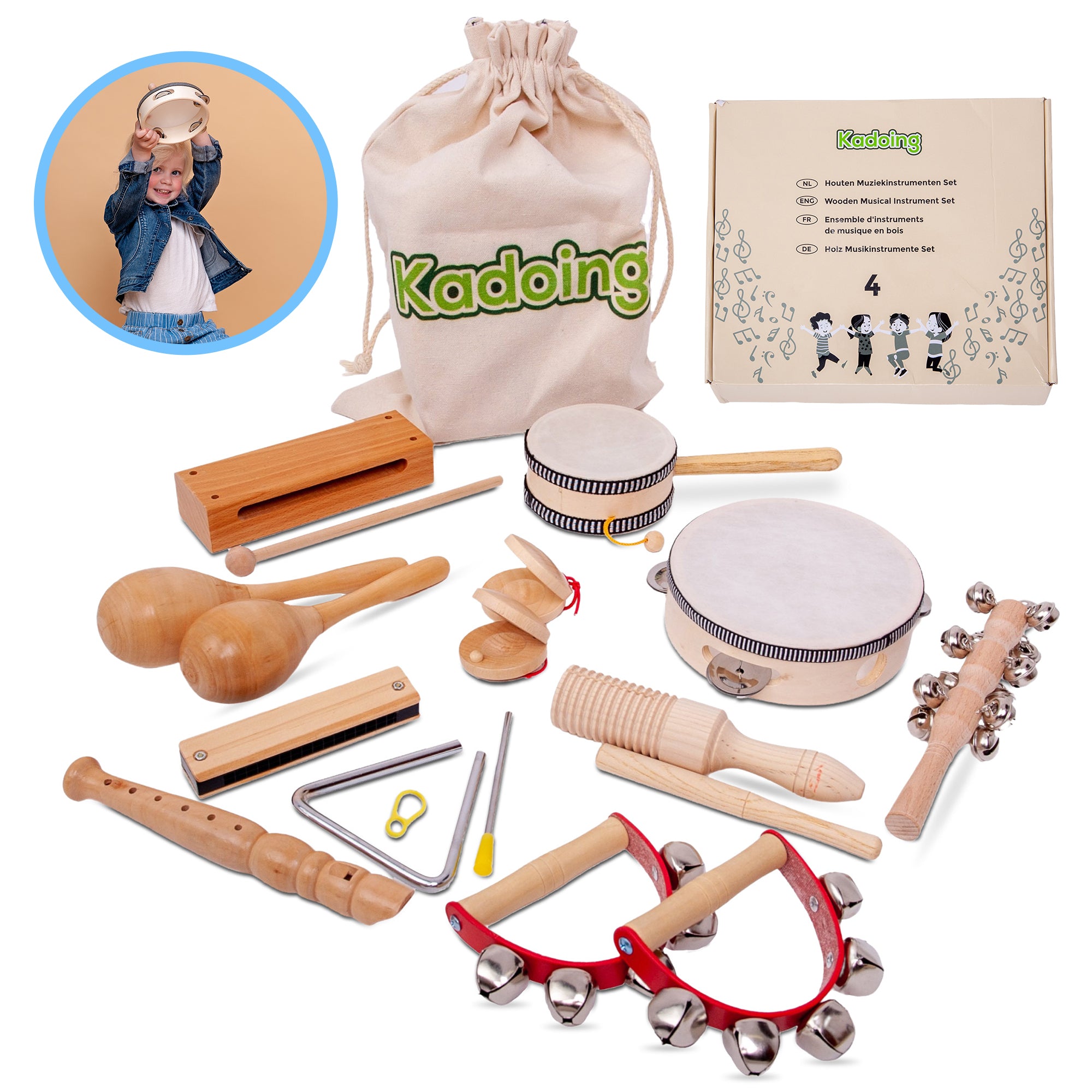
Activities such as building, sorting, and exploring also contribute to independence. In our collection of durable wooden toys, you'll find products that encourage creativity, problem-solving, and independent play.
2. Children's Alarm Clocks Help Build Structure and Routine
One of the most important habits children can develop is a healthy daily routine. Getting enough sleep contributes to concentration, mood, growth, and overall development.
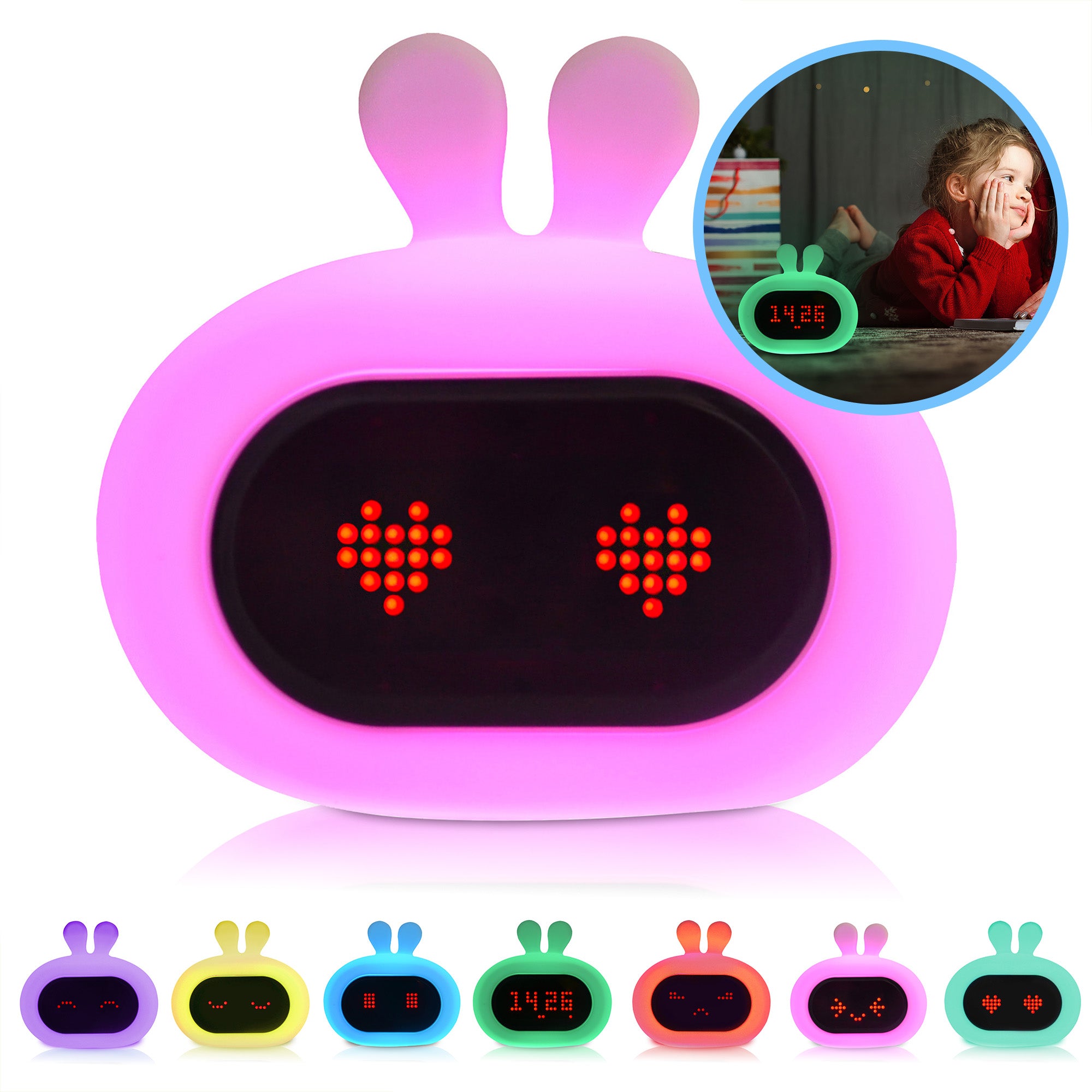
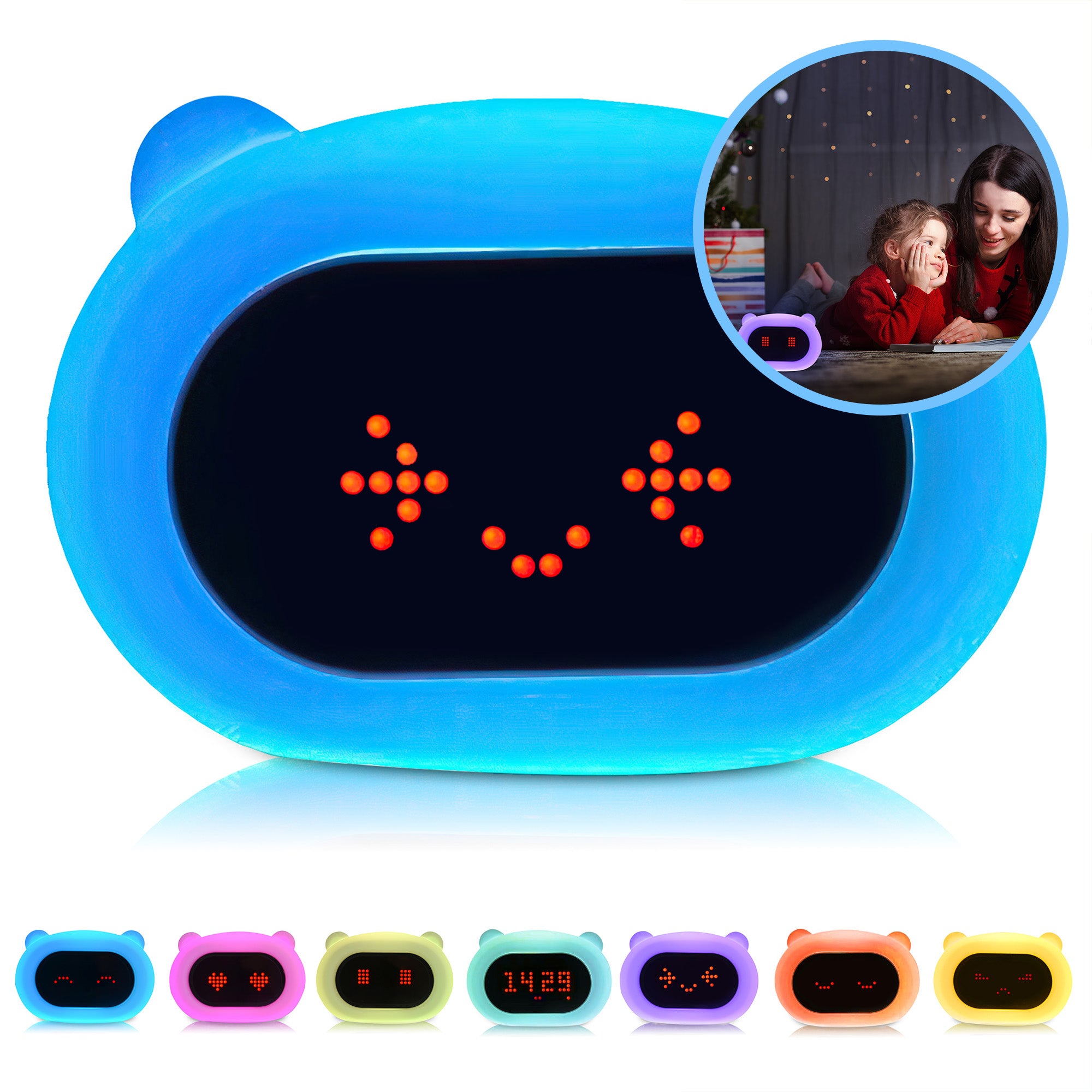
For young children, time can still be a difficult concept to understand. A children's alarm clock with a sleep trainer helps children learn in a playful way when it is time to sleep and when it is time to start the day.
Our children's alarm clocks and sleep trainers help children develop consistent routines, greater independence, and healthier sleep habits.
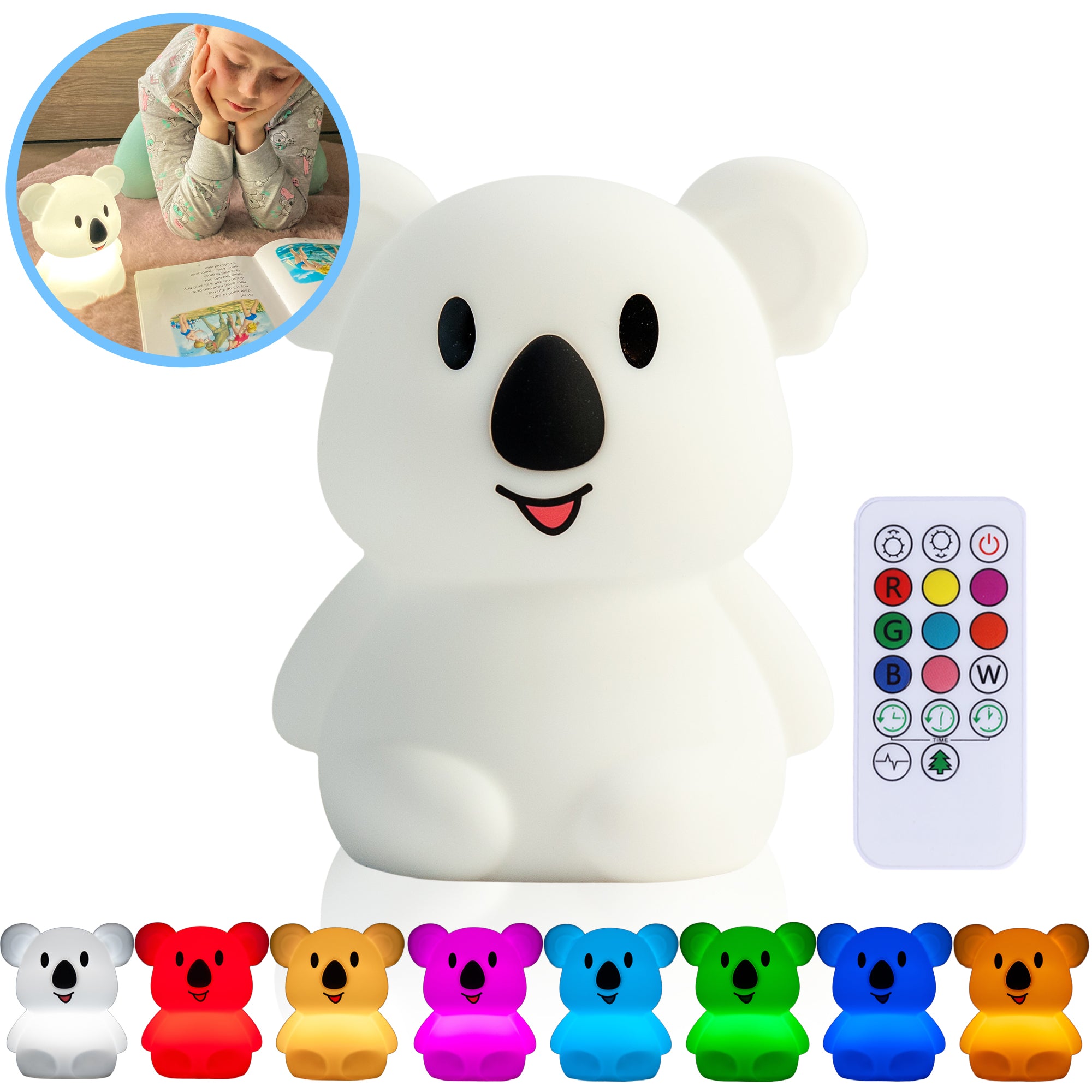
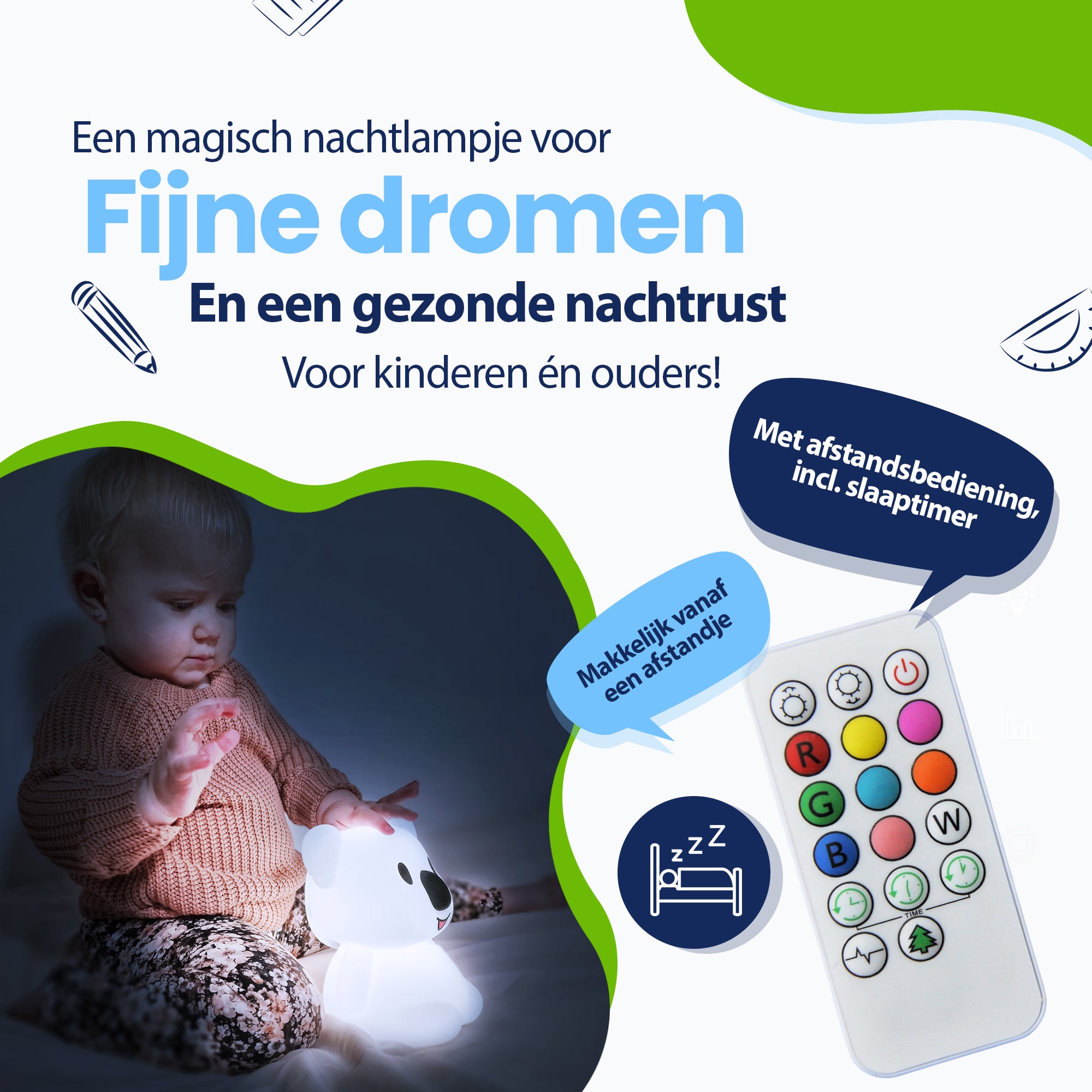
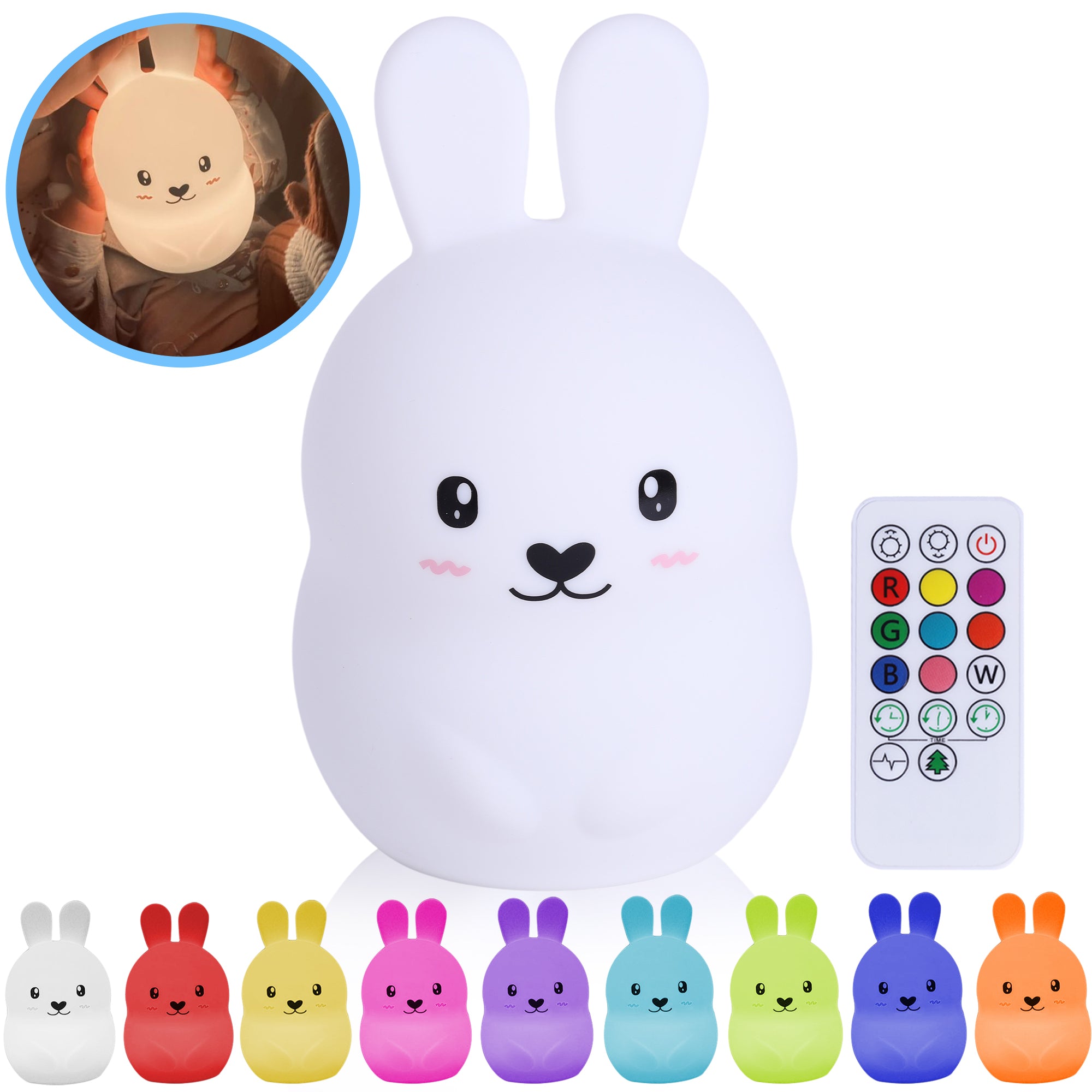
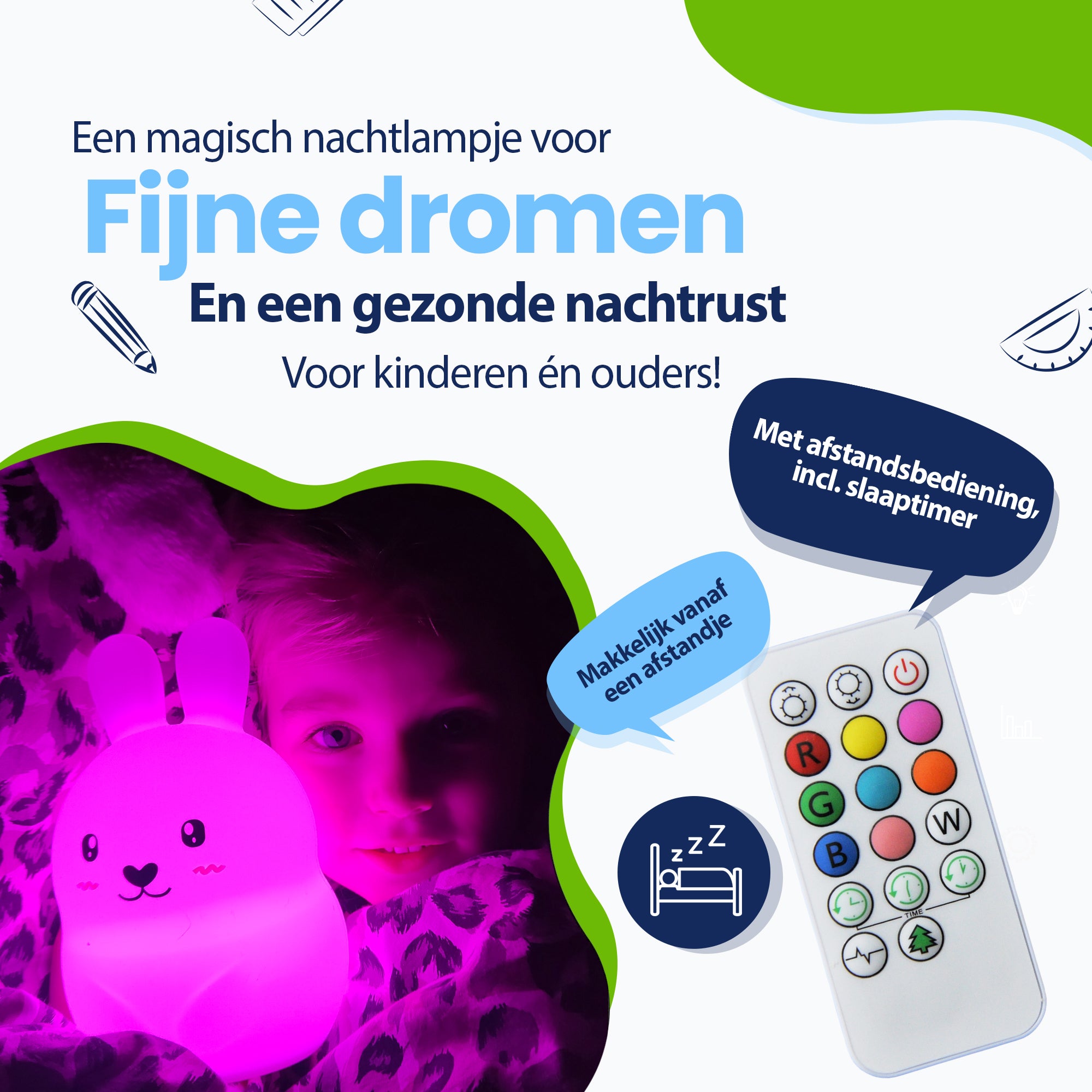
3. Night Lights Support Healthy Bedtime Routines
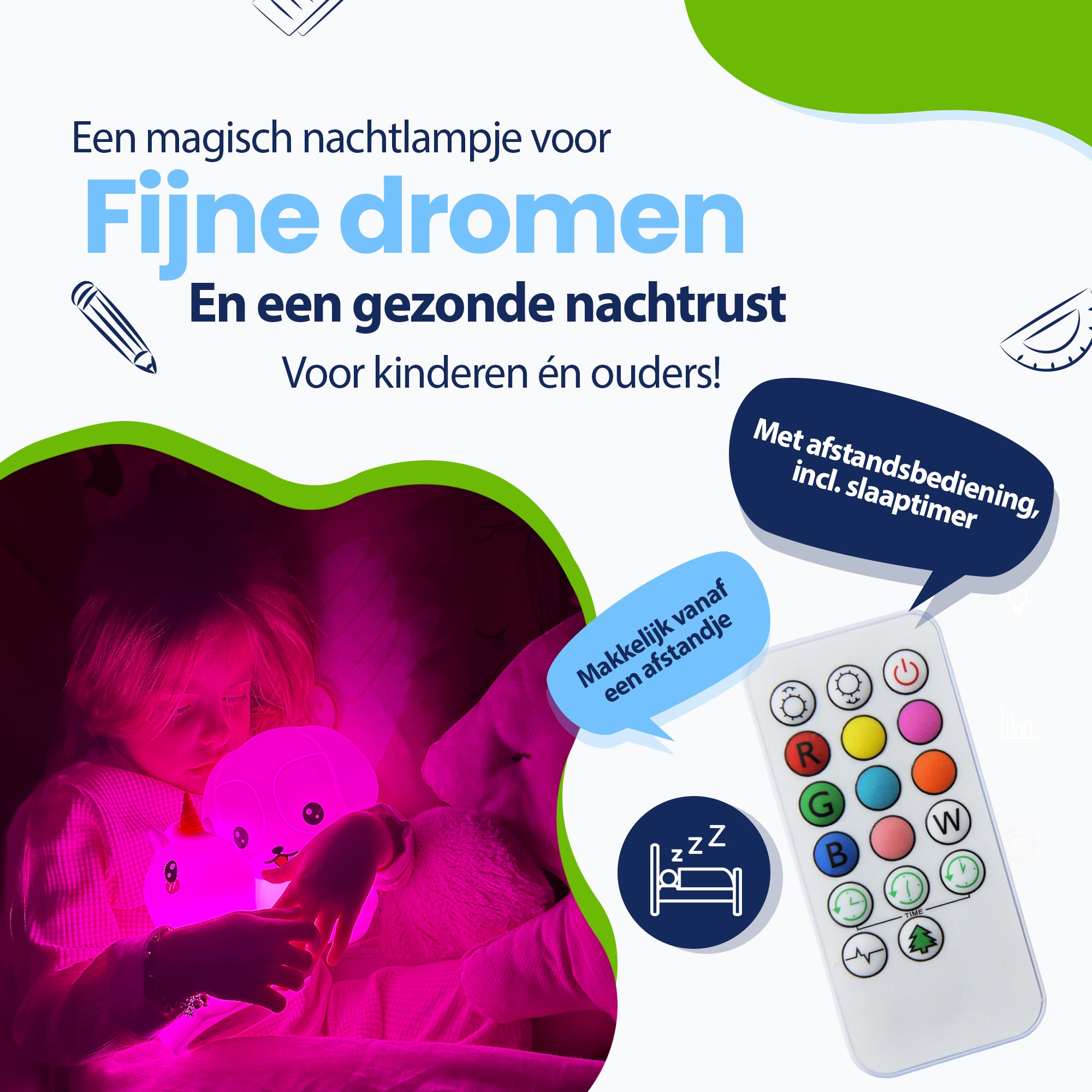
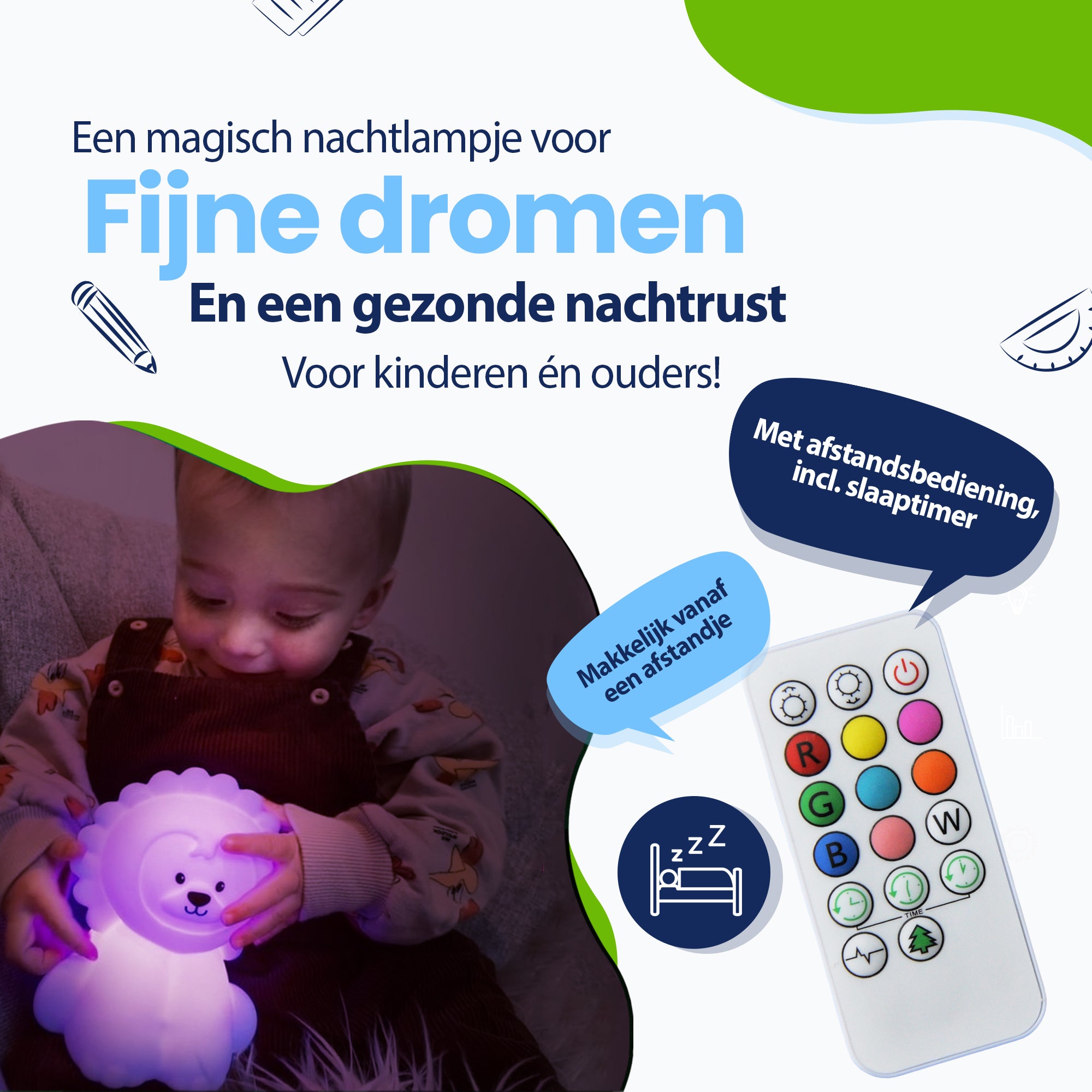
Good habits often begin with calmness and predictability. For many children, a consistent bedtime routine is an important part of that. Think about brushing teeth, reading a bedtime story, and falling asleep peacefully.
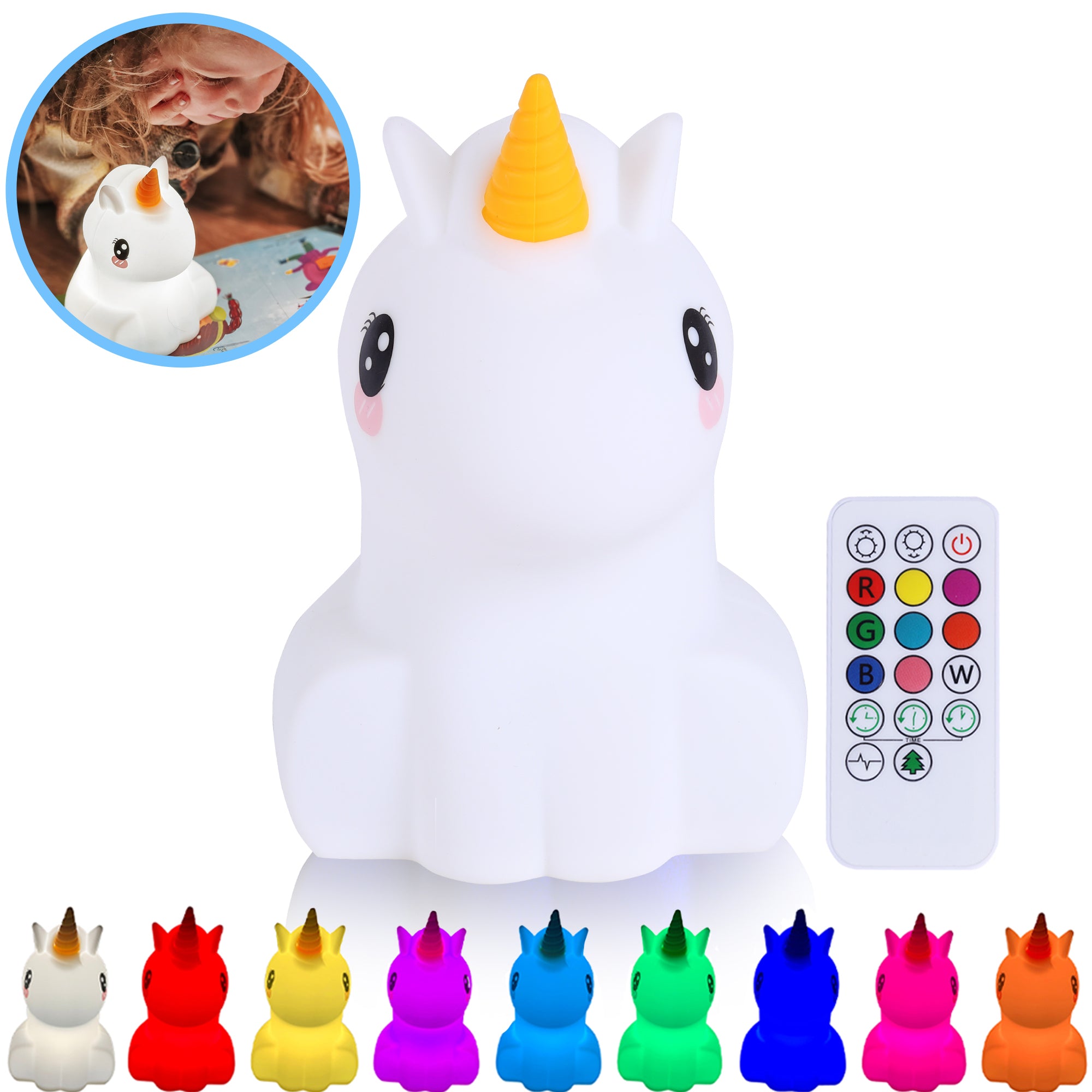
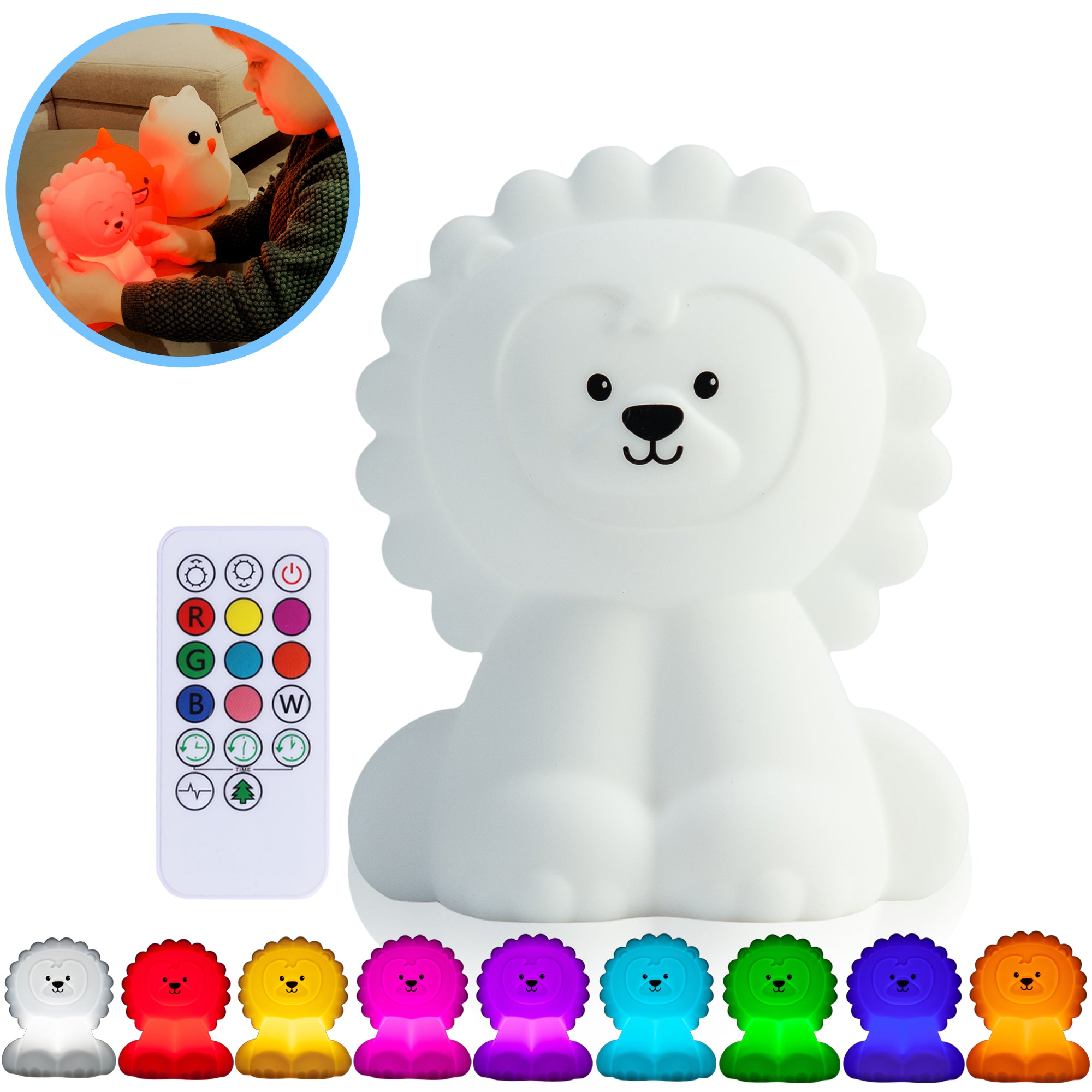
A night light can help children feel safe and relaxed when darkness falls. Children who struggle with sleeping alone or who are afraid of the dark often feel more comfortable with a gentle light nearby.
Explore our collection of night lights for children, designed to create a calm and familiar sleep environment.
Good Habits Don't Develop Overnight
Building new habits takes time. Don't expect your child to suddenly tidy up independently or go to bed on time every evening after just one week.
Consistency is more important than perfection. Small steps, clear expectations, and positive encouragement usually produce the best long-term results. Toys can support this process, but practicing, repeating, and encouraging make the real difference.
Tips for Parents
- Lead by example.
- Make routines predictable.
- Praise effort more than results.
- Keep expectations age-appropriate.
- Use toys as tools, not obligations.
- Make learning fun and playful.
Building the Future Through Play
Toys do not have to be just entertaining. They can also help develop important skills and habits that children will use throughout their lives—from cleaning up independently and taking responsibility to maintaining healthy sleep habits and building confidence.
By consciously choosing toys that encourage development, you give your child a strong foundation for the future through play.
Of course, as a parent, you decide which toys are best suited to your child. But one thing is certain: play and learning often go hand in hand.