Healthy children often feel happier, more energetic, and more confident. Discover the key pillars of health that help build a strong foundation for the future.
As a parent, nothing is more important than seeing your child happy and healthy. Health is about much more than simply not being ill. Regular physical activity, healthy nutrition, quality sleep, and a stable daily routine all contribute to a child's physical and mental well-being. In this blog, we explore the most important health pillars that support healthy development.
1. A Healthy Body Stays Active
Physical activity is essential for children. Running, cycling, jumping, climbing, and outdoor play help develop not only muscles and fitness but also motor skills. In addition, regular movement supports healthy weight management and contributes to overall physical development.
The benefits go beyond physical health. Children who stay active often experience less stress, sleep better, and find it easier to concentrate at school. Physical activity also helps build self-confidence and social skills when children play or participate in sports together.
Experts recommend that children engage in at least one hour of active movement every day. This does not always have to be organized sports; a walk, playground visit, or bike ride all count toward a healthy lifestyle.
2. Quality Sleep Is Essential for Growth and Development
Just like exercise, sufficient sleep is a key requirement for good health. During sleep, the brain processes the experiences of the day, while the body has the opportunity to recover and grow.
Children who get enough sleep are often better able to concentrate, regulate emotions, and retain new information. A healthy sleep routine can also contribute to a stronger immune system and a lower risk of obesity.
A consistent bedtime and predictable evening routine can make a big difference. Reading a book, engaging in calm activities, and avoiding screens before bedtime are all helpful habits. Want to learn more about improving your child's sleep? Read our previous blog: What Should I Do If My Child Isn't Sleeping Well?.
3. Healthy Nutrition Provides Energy
Food is the fuel that powers a growing body. Children need nutrients to grow, learn, move, and feel their best. A healthy diet includes plenty of vegetables, fruits, whole grains, healthy fats, and adequate water.
Of course, there is room for an occasional cookie, ice cream, or special treat. Healthy eating is not about perfection; it is about balance. Introducing children to a variety of flavors and healthy choices from an early age helps create lifelong habits.
Cooking together or involving children in grocery shopping can also be valuable. Many children enjoy helping and naturally learn more about healthy food choices in the process.
4. Structure and Routine Create Calm
Children often feel more secure when they know what to expect. Consistent routines for waking up, eating, playing, and sleeping provide clarity and stability.
A predictable daily schedule helps children become more independent and often reduces stress or resistance around everyday activities. Young children especially benefit from regular routines.
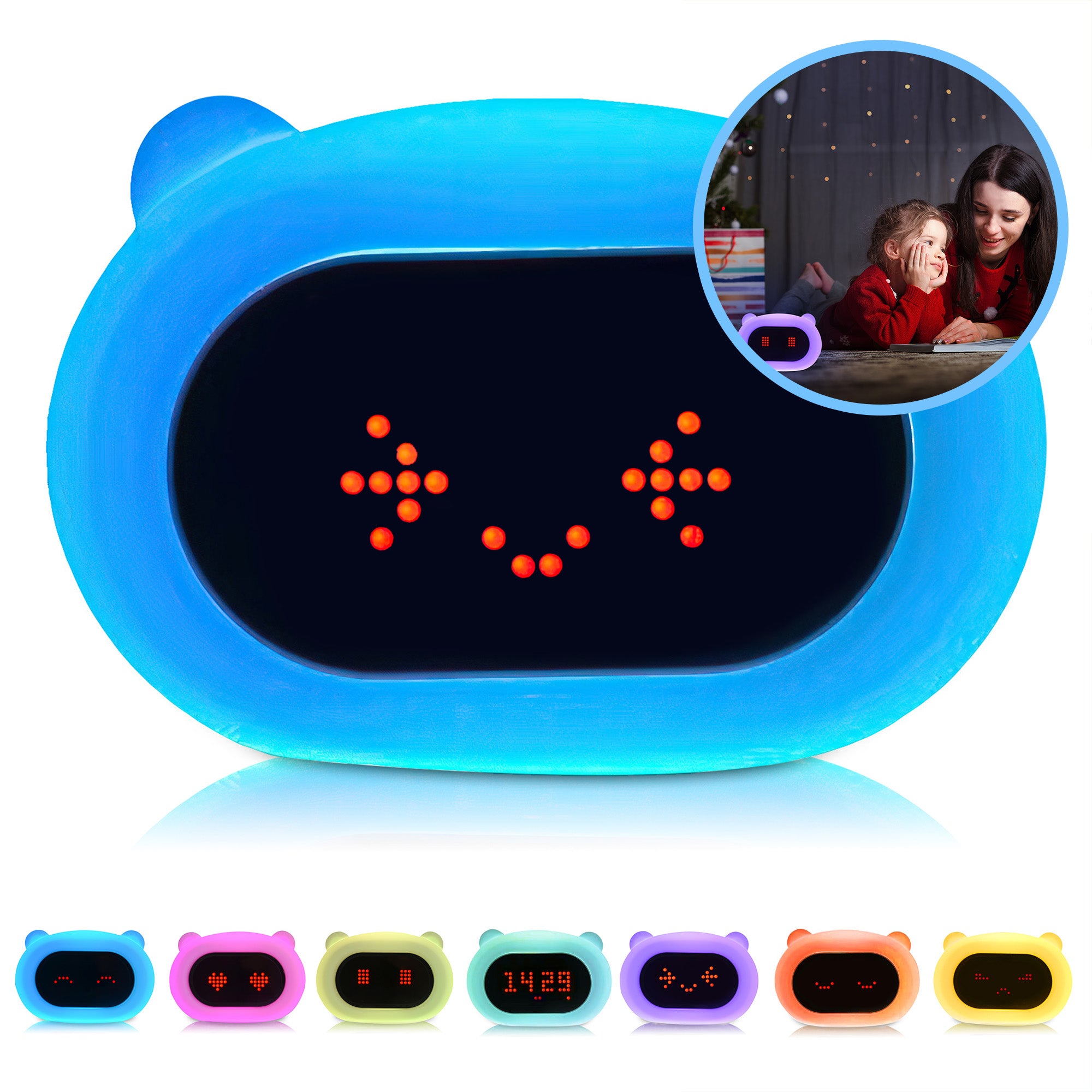
A helpful tool such as a children's alarm clock can help children understand concepts like time, sleeping, and waking up in a playful way. This supports the gradual development of independence and responsibility.
5. Relaxation Is Just as Important as Activity
In addition to staying active, children need moments of rest and relaxation. Reading, drawing, listening to music, cuddling, or engaging in quiet play allows children to process the many experiences and impressions they encounter throughout the day.
Children grow up in a world filled with stimulation. That is why it is important to create enough opportunities for relaxation. These moments support emotional well-being and help children learn how to cope with stress in healthy ways.
6. Play Supports Healthy Development
Free play may seem like pure fun, but it is also highly educational. Through play, children develop creativity, social skills, motor abilities, and problem-solving skills.
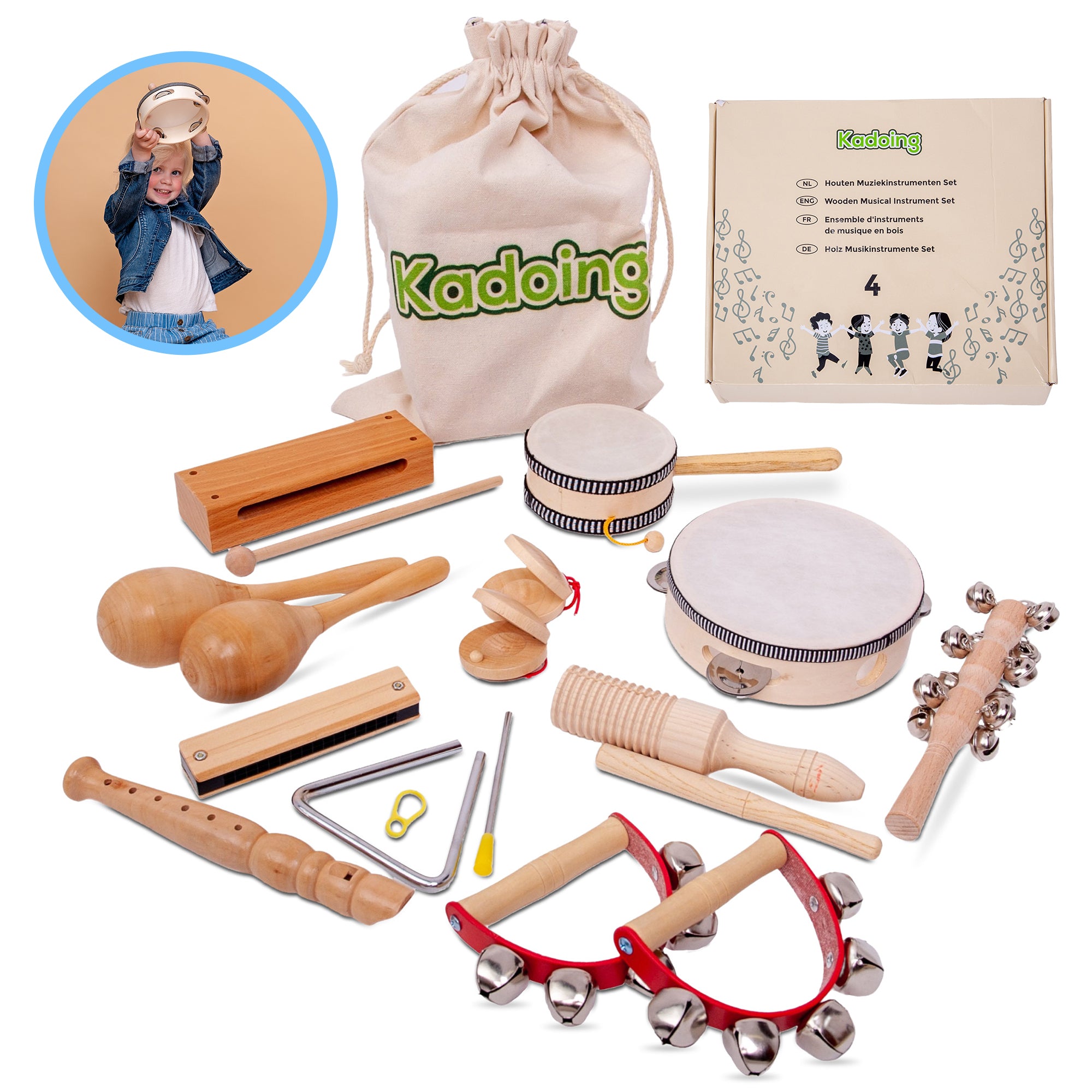
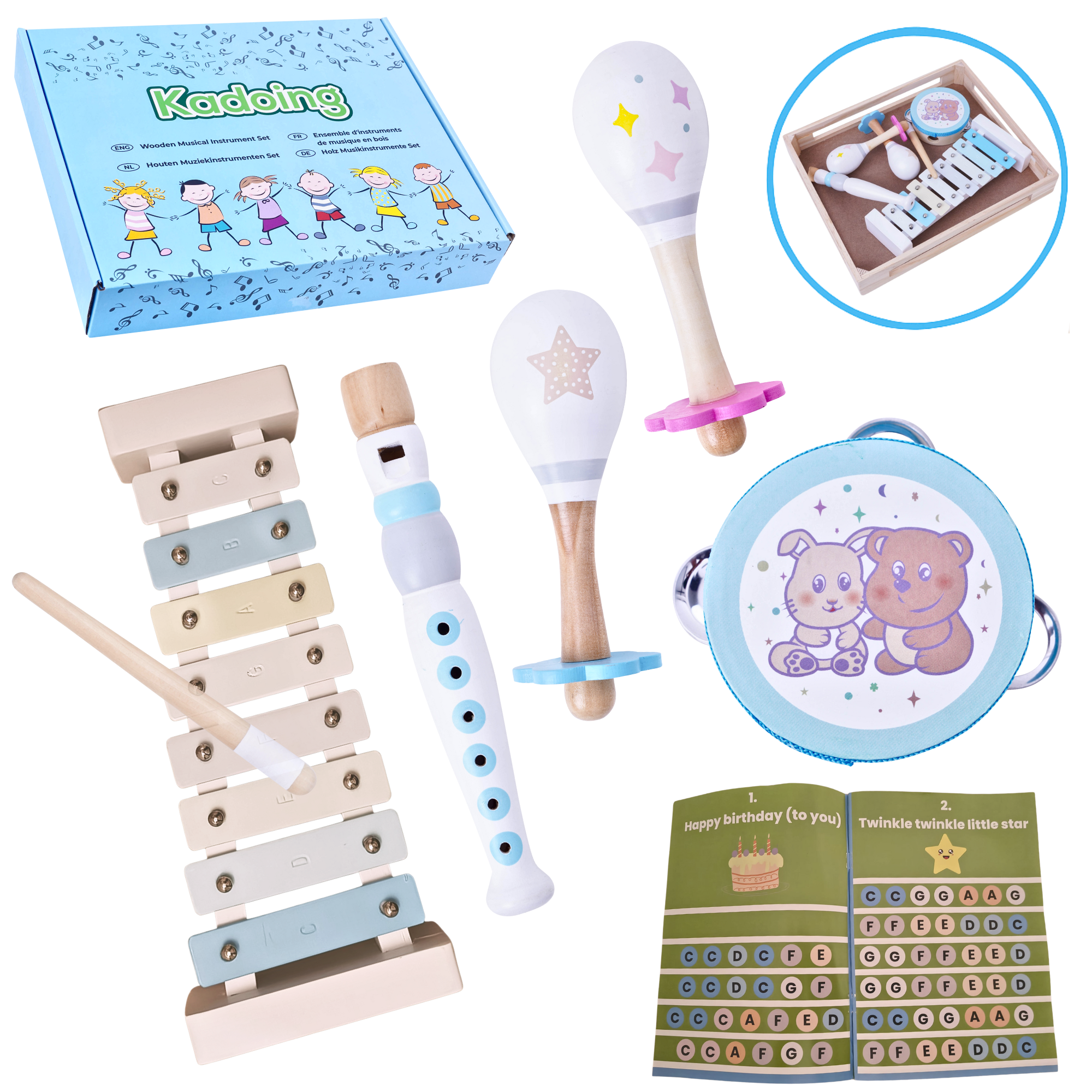
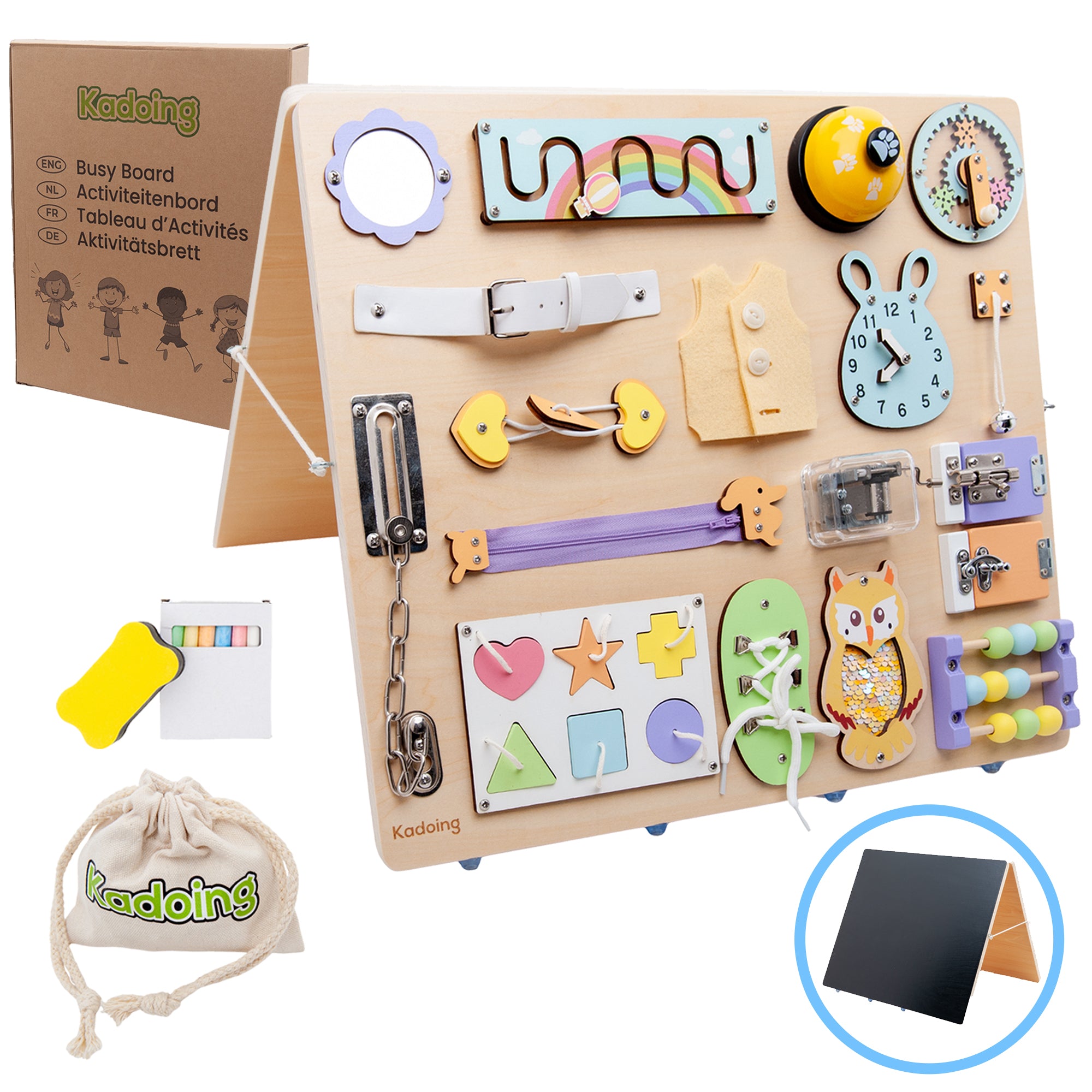
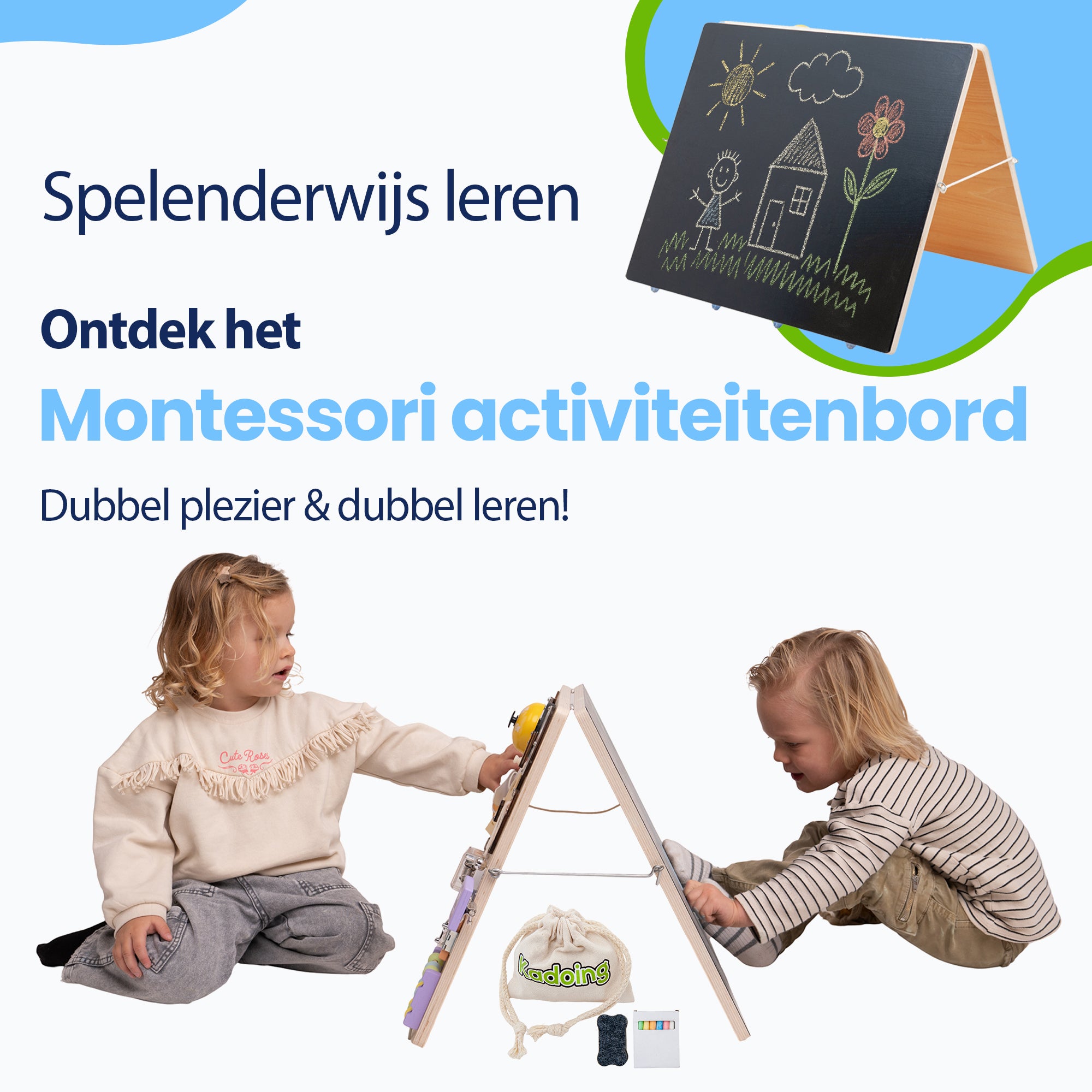
Educational and sustainable toys encourage children to discover, build, move, and learn. In our collection of durable wooden toys, you'll find products that support active, development-focused play.
Health Is About Balance
There is no perfect formula for health. Every child is unique, and every family has its own rhythm. However, physical activity, sleep, nutrition, relaxation, and structure together form a strong foundation for a healthy childhood.
By making small healthy habits part of everyday life, you help your child grow stronger both physically and mentally.
Conclusion
Healthy children are often energetic, curious, and happy children. By paying attention to movement, sleep, nutrition, relaxation, and a consistent routine, you give your child the best opportunity to thrive and develop.
At Kadoing, we believe that playing, discovering, and growing go hand in hand. That is why we create products that support independence, development, and sustainable play for children.
How do you help your child build a healthy future?