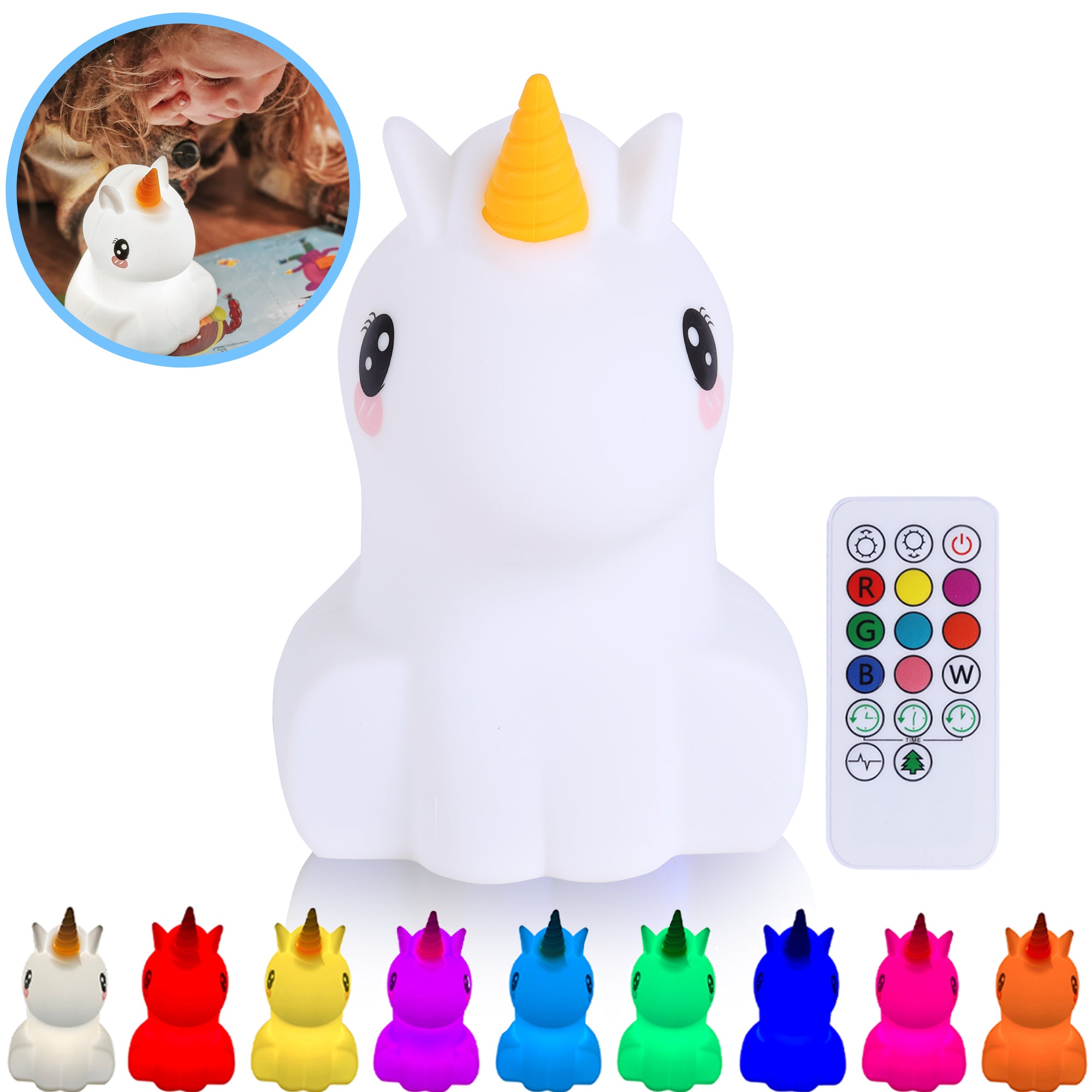
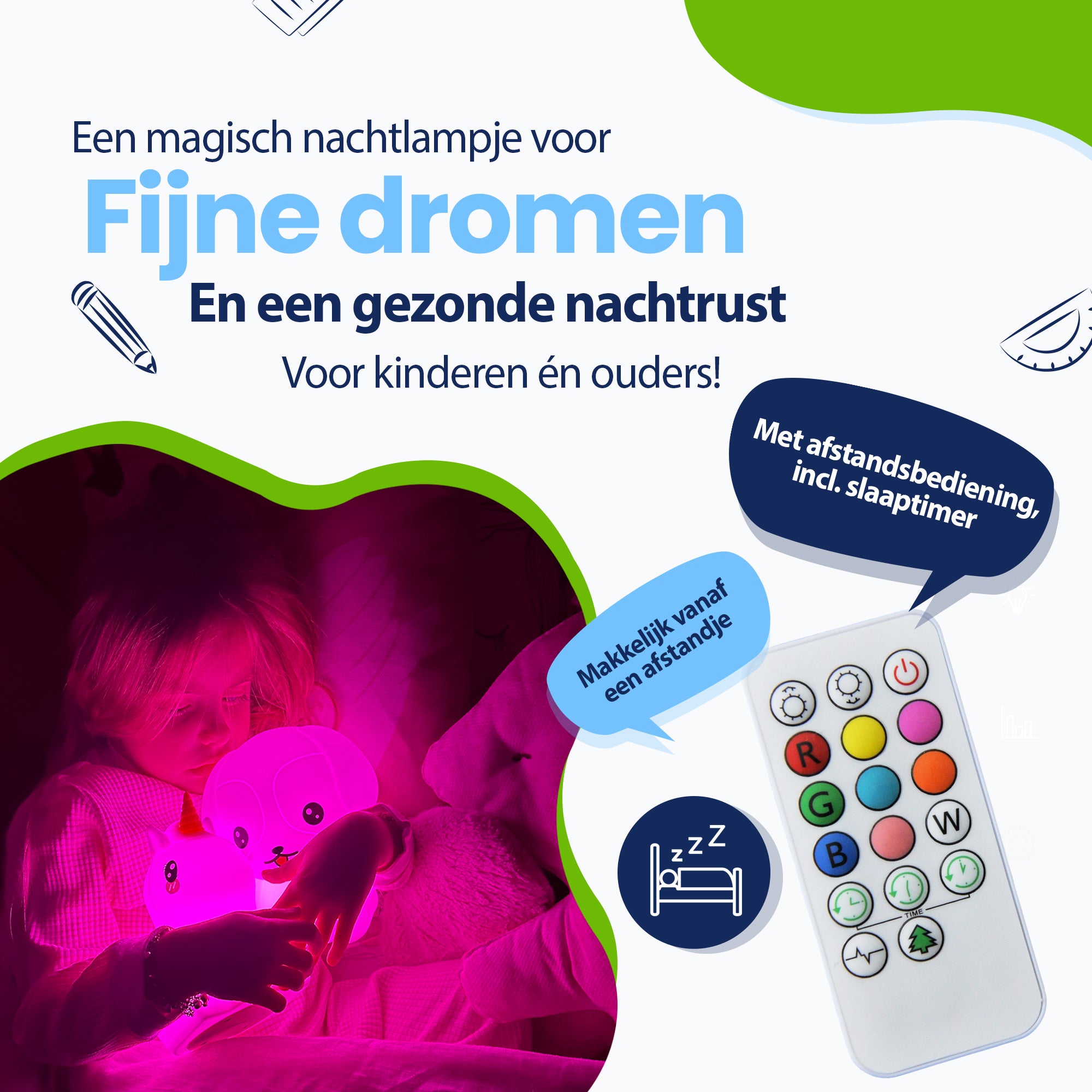
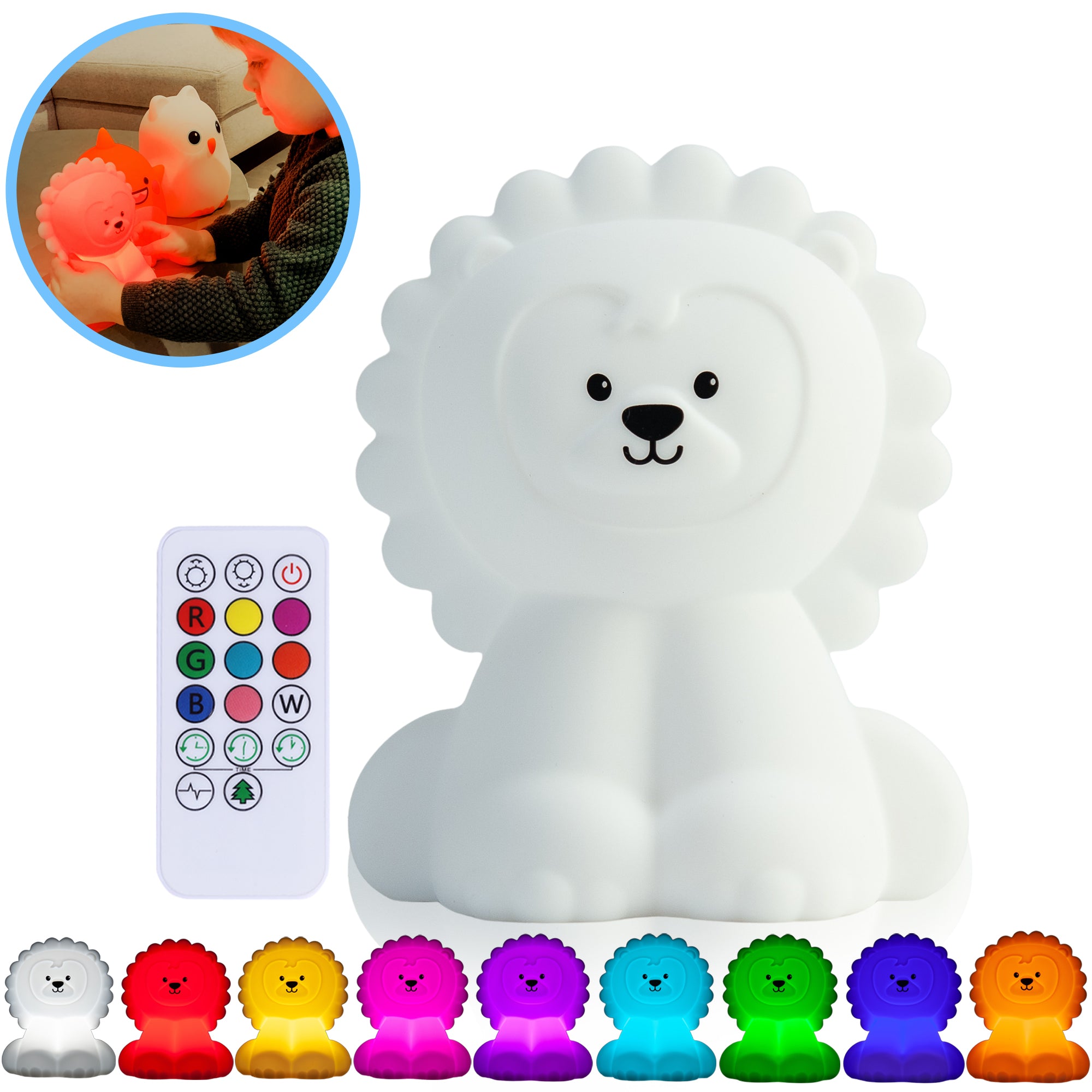
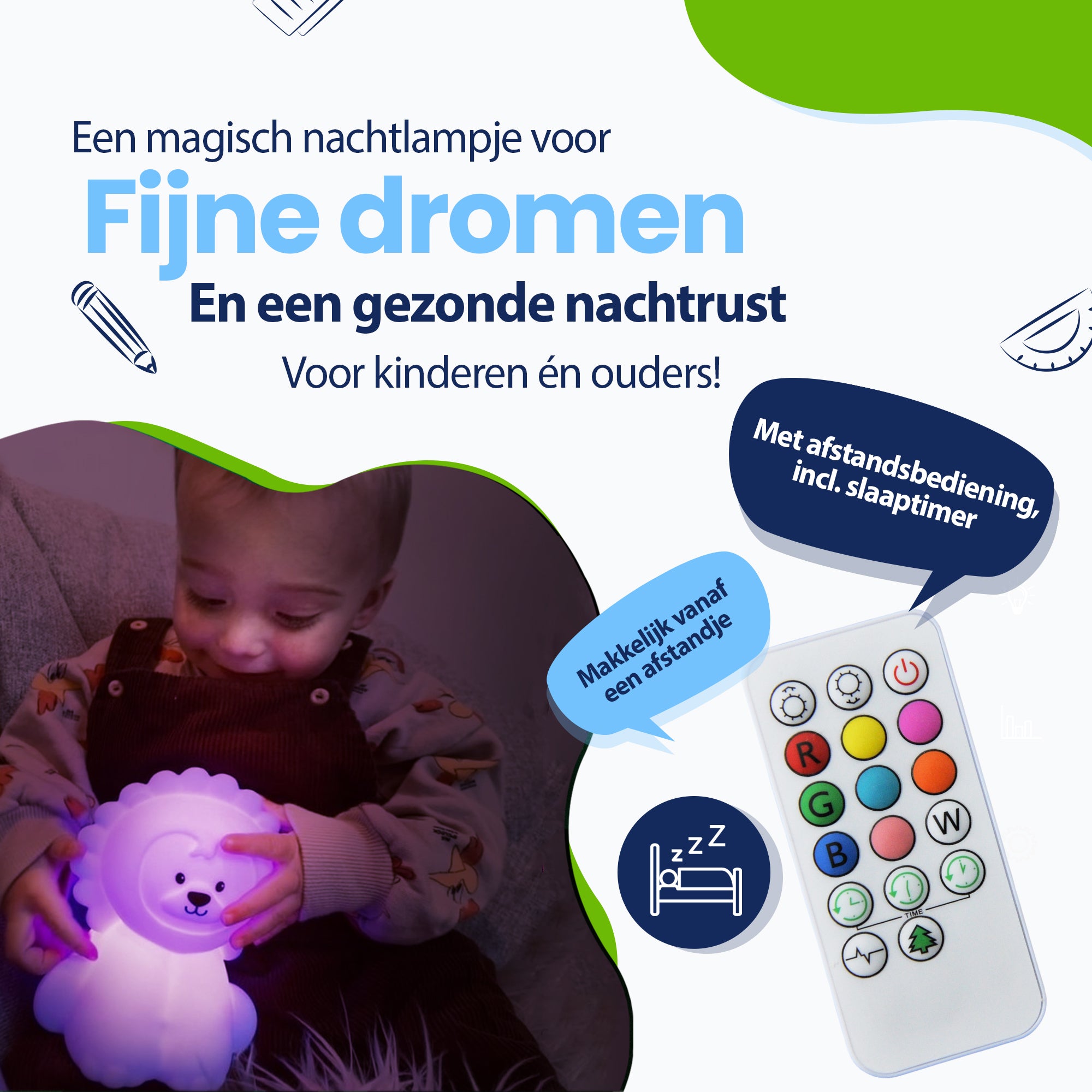
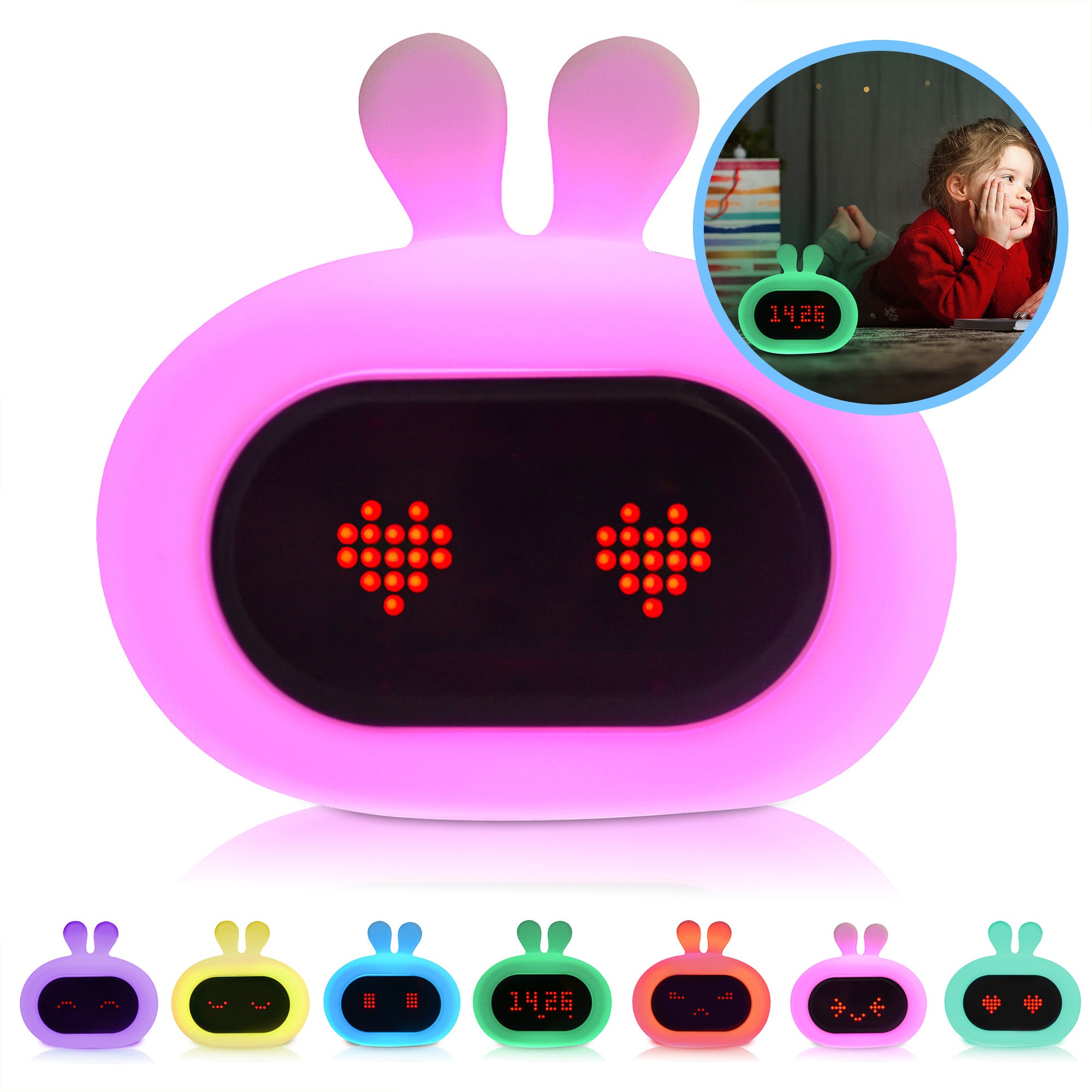
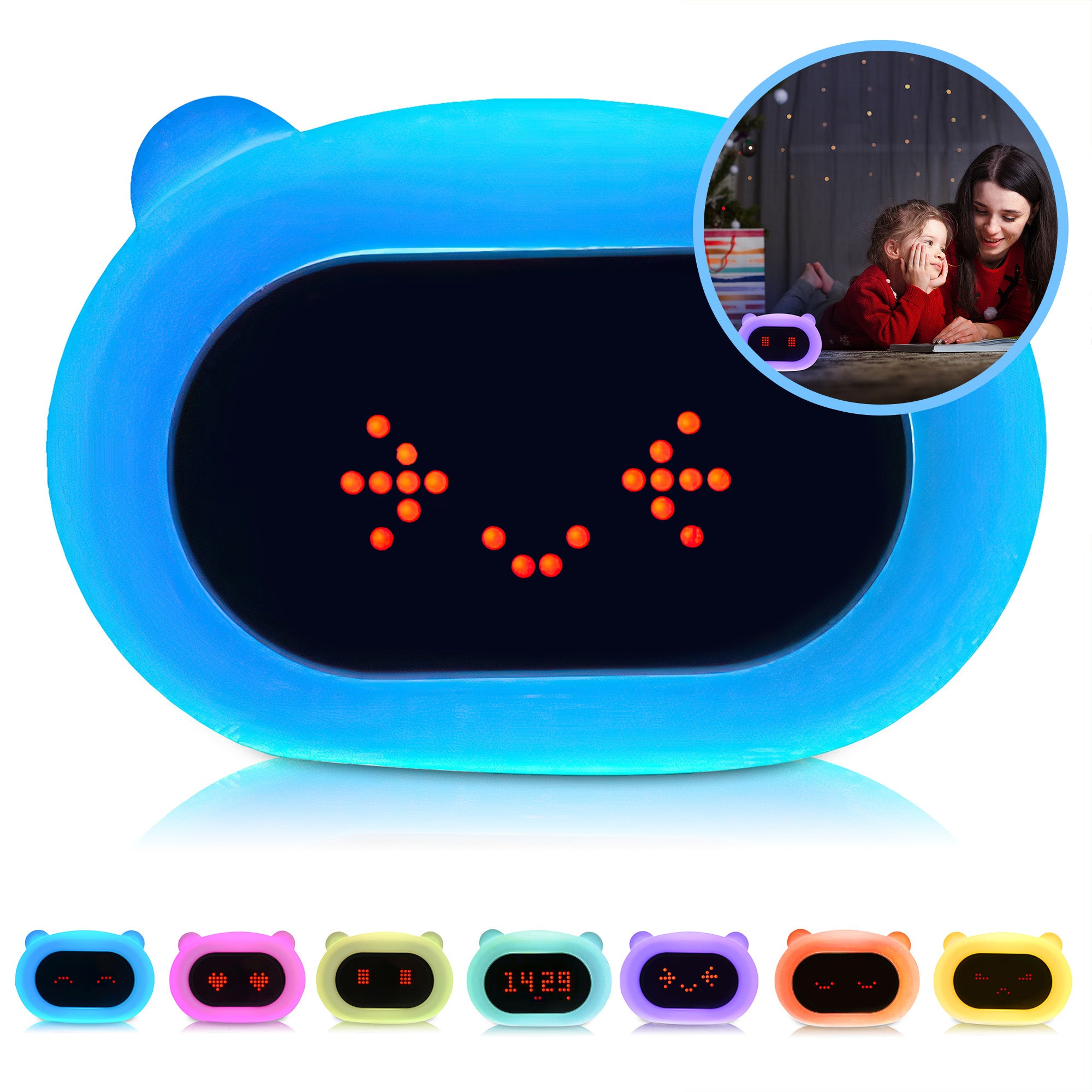
When should you start using a sleep trainer clock? This question often comes up when your child regularly wakes early, calls out before the day begins or wants to know when it is time to get up. A sleep trainer clock can help make the difference between rest time and getting up visible. Not as a strict rule, but as a familiar part of your morning routine.
There is no perfect age that applies to every child. Some toddlers understand the idea at around two, while another child may only benefit from a clock with colours or a character later on. It is less about age and more about what your child already understands, how your mornings unfold and whether there is room to practise together.
When should you start using a sleep trainer clock?
Many families start somewhere between the ages of two and four. Around this age, children often recognise regular moments in the day and become better at following simple agreements. A sleep trainer clock makes time visible: a colour, light or symbol shows that the night is not over yet or that the day can begin.
For a baby, a sleep trainer clock usually has little meaning yet. Babies cannot yet understand the agreement behind a colour or a particular time. Of course, you can use the device as a soft night light or as part of your routine, but do not expect a baby to act on it yet. This helps avoid disappointment and keeps the focus on what suits your family at that stage.
Even with a toddler, it does not work overnight. Recognising the signal and linking it to waiting calmly takes repetition. So see the sleep trainer clock as an aid you introduce together, rather than something your child needs to manage independently straight away.
Signs that your child may be ready
You do not need to wait for a particular birthday. These signs may suggest that your child is ready to explore the idea:
- Your child understands simple, recurring agreements, such as getting dressed before having breakfast.
- Colours, pictures or familiar characters attract their attention and are recognised.
- Your child talks about morning, evening or waking up, even if times are still difficult to understand.
- Your child is beginning to understand that certain signals show what will happen next, such as a song at tidy-up time or a light at bedtime.
Not every sign needs to be present. A curious two-and-a-half-year-old may already enjoy practising, while a four-year-old might show little interest in colours or clocks. Follow what your child enjoys and keep it simple.
What does a child learn from a sleep trainer clock?
A sleep trainer clock does not tell a child the time in the way adults understand it. It translates an abstract idea into something simple: this light means it is still rest time, and that light means the day can begin. This can give children a sense of reassurance, especially when mornings still feel hard for them to make sense of.
Its strength lies mainly in repetition. When the same signal appears every morning, it can become a familiar part of the routine. Some children enjoy looking at a book in bed or playing quietly with a cuddly toy when they wake early, until the agreed signal changes. Other children still call for a parent. Both responses are completely normal.
A sleep trainer clock does not replace attention or closeness. If your child is frightened, upset or clearly unsettled, responding is still appropriate. The clock is not a test your child has to pass, but a gentle explanation of the rhythm you are trying to maintain together.
How to introduce a sleep trainer clock gently
The first few days are about understanding, rather than waiting. Choose a simple signal that suits your sleep trainer clock. On some models the light changes colour, while others use symbols or a combination of both. Explain to your child which signal means it is still rest time and when it is time to get up. Keep the explanation simple and use the same words each time. Too many colours, times or functions can be unnecessarily confusing for young children. A clear, easy-to-understand sleep trainer clock with a calm design is therefore often better suited to a toddler than a device with lots of settings.
Introduce the clock during the day. Switch it on together and explain what happens in simple words. For example, you could say: “When the sun lights up, it is morning. Then we will come and get you, or you can come to us.” You could also have a playful practice during the day: the light changes, you say good morning and begin a small morning ritual together.
Start with a time that feels manageable for your child. If your child often wakes at half past six, do not immediately set the clock for eight. A big difference can be frustrating and makes it harder to build up positive experiences. Instead, choose a time close to when your child naturally wakes and, if it feels right, move it later in small steps.
Make the agreement specific
Young children benefit more from a short, friendly agreement than a long explanation. Tell them what they can do if they wake earlier: cuddle a toy, look quietly at a book or call for mum or dad if something is really wrong. This helps prevent ‘not getting up yet’ from feeling like nothing but waiting.
Also acknowledge what went well, without turning it into a big achievement. “You noticed the sun was not on yet. Well done for staying with your cuddly toy for a little while.” This links the clock to a positive, familiar moment. Did it not work out? Simply explain again the following evening what the light means. Calm repetition usually feels better than correction.
A sleep trainer clock as part of the bedtime routine
The sleep trainer clock often becomes more meaningful when it is not only used in the early morning. Include it in a quiet moment in your bedtime routine. After pyjamas, brushing teeth, a story and a cuddle, you can look together at which light comes on for the night. This way, your child knows what the device does before waking up.
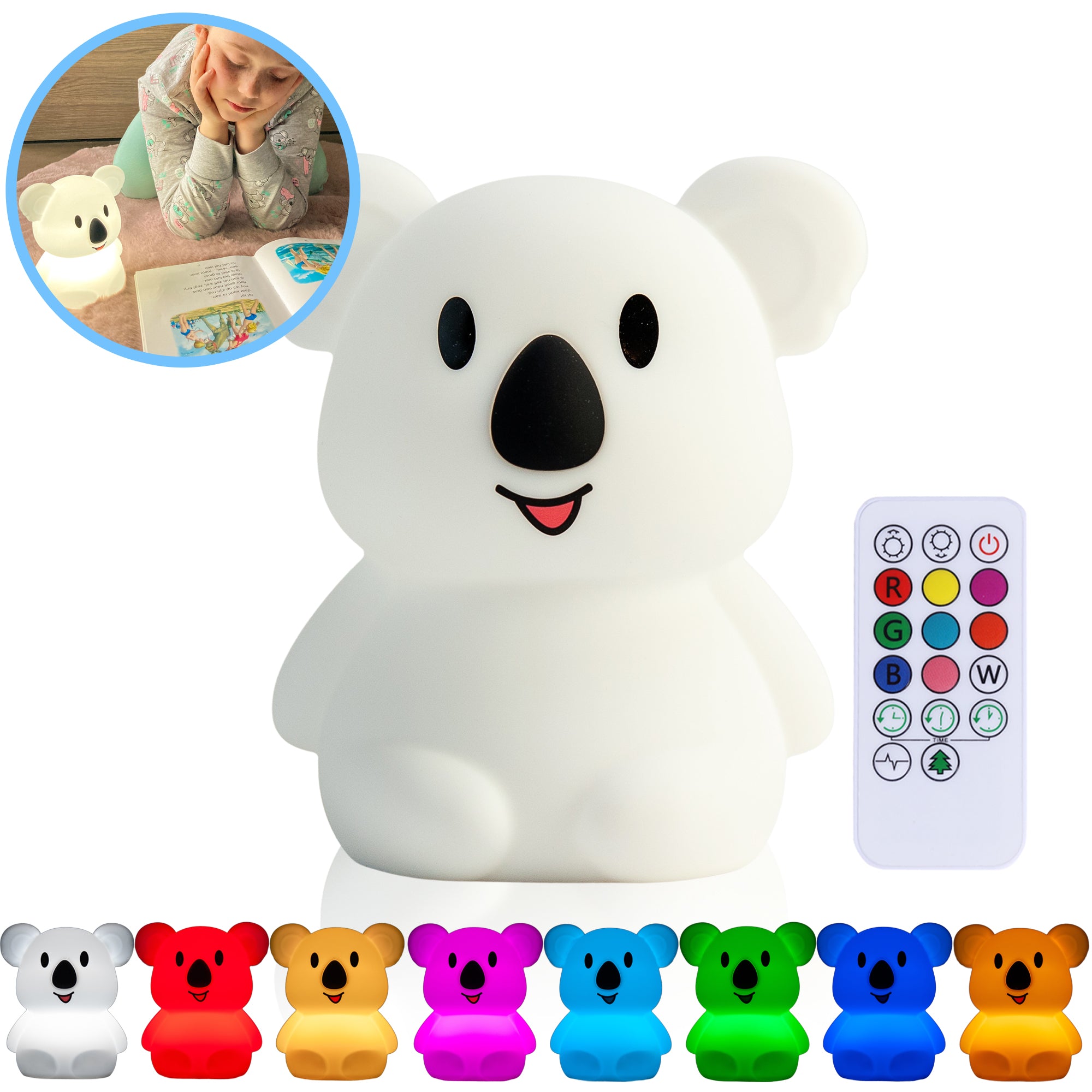
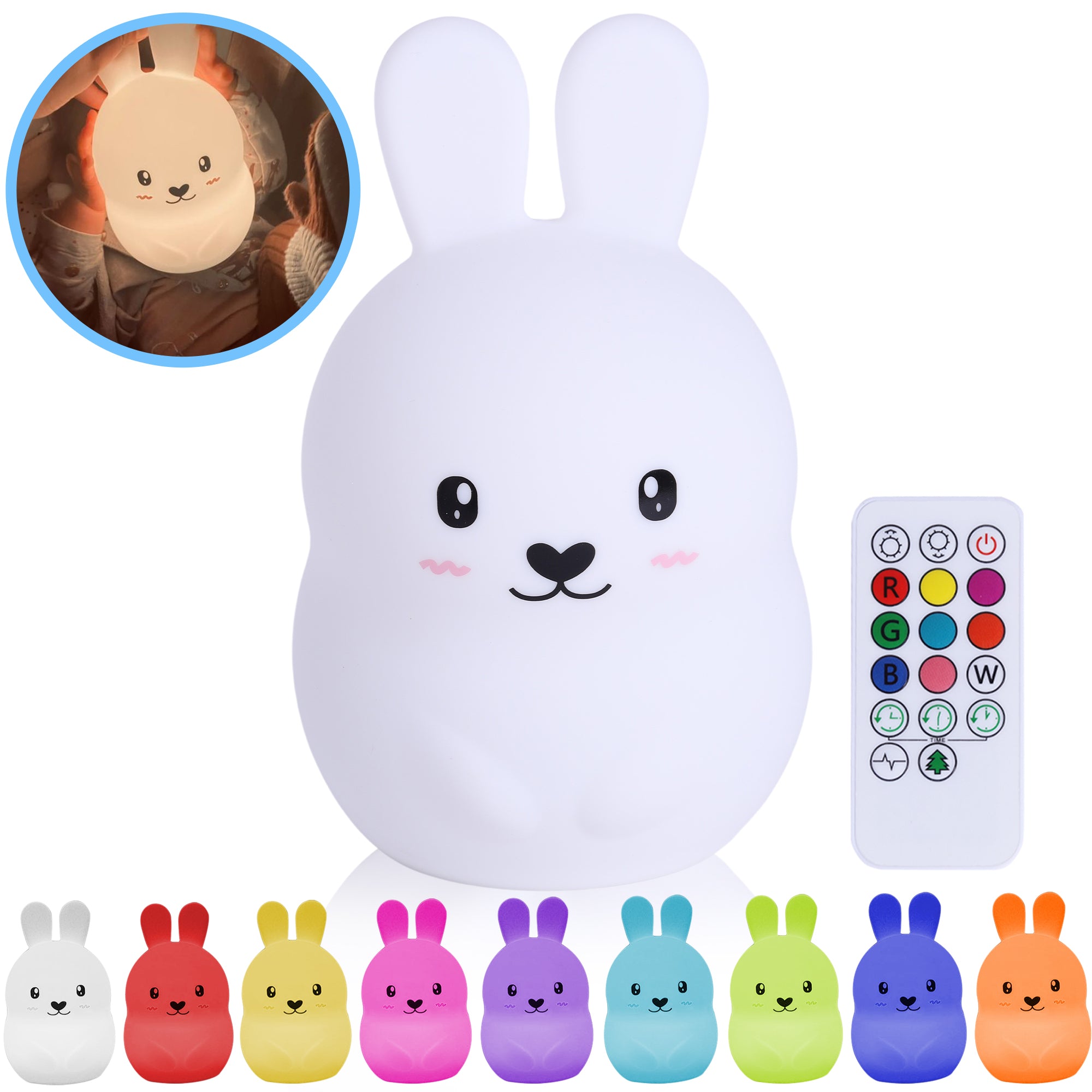
Keep the bedtime routine simple, though. A familiar order often brings more calm than a long list of steps. Choose what suits your family: perhaps a song, a story and a soft light. For some families, a sleep trainer clock with a built-in night light is useful because one familiar device can be used in both the evening and the morning.
What if your child keeps waking early?
Waking early can have all kinds of causes and sometimes changes again on its own. Focus on the role you can realistically give the sleep trainer clock. Perhaps it helps your child recognise that it is still a quiet time. Perhaps it mainly offers a pleasant start to the day, while your child still wakes early. That is valuable too: an aid does not have to change everything to be useful.
Does your child stay in bed after the signal? Then you can keep the agreement simple: wait until the light changes, or only come to your room afterwards. If your child gets out of bed earlier, gently guide them back or start the day calmly together, depending on what feels manageable at that moment. Being consistent does not mean that every morning has to unfold in exactly the same way. Family life is not always predictable.
Remember special occasions too. During a sleepover, on holiday or after a busy period, a different routine may be a better fit. You can temporarily change the clock's settings or leave it aside for a while. Once you are home again, gently return to the familiar agreement.
Common expectations you can let go of
A sleep trainer clock is not a stopwatch for parents or an assignment for children. So do not expect your child never to wake early again, to understand every colour immediately or always to wait calmly. Taking away that pressure helps it remain a gentle aid rather than a source of conflict.
Try not to compare your mornings too much with those of other families either. One child naturally wakes early, another sleeps longer and a third varies from one phase to the next. Choose a starting point and an agreement that suit your home, your rhythm and your child's needs.
Start using a sleep trainer clock when your child begins to understand simple signals and agreements. Practise during the day, keep explanations short and choose a getting-up time that fits your morning routine. Give your child time to get used to it and adjust your agreements when needed. This way, a sleep trainer clock can become a practical aid for clearer mornings.