A small light can make a big difference to how a child’s bedroom feels at the end of the day. But if the night light is too bright, that cosy glow can suddenly become rather noticeable. Your child may squint, keep looking at the light or the room may simply feel less calm than you had hoped. Fortunately, the night light does not have to go: with the right brightness, colour and position, it can become a familiar part of your bedtime routine.
When is a night light too bright?
There is no single light setting that works for every child and every bedroom. A baby’s room, a toddler’s room with dark corners and a shared bedroom all call for something different. Yet you will often notice quickly when a light gives off too much light: the entire room is clearly visible, bright colours stand out strongly or the light shines directly towards the bed.
A night light is mainly intended to provide a small, reassuring point of light. For example, during a brief feed, a comforting moment, a visit to the toilet or to show the way to the door. It does not need to take over the role of the ceiling light. If you can easily pick out toys on the other side of the room, the light is probably stronger than necessary during the night.
Also consider when you assess the light. Almost every light looks soft during the day. Try switching it on when the curtains are closed and all other lights are off. This will give you a better idea of how the light actually falls in the room.
Why bright light in the evening can feel unsettling
In the hours before bedtime, a calmer environment helps many families make the transition from play to sleep feel familiar. Soft light can be part of this, alongside regular habits such as tidying up, putting on pyjamas, reading a book or having a final cuddle.
A bright white or cool light often feels more like functional daylight than evening light. This does not mean that one unsuitable lamp will immediately disrupt bedtime. Children differ, and a busy day, a new developmental phase or simply a need for closeness can also play a part. A dimmer light can, however, help keep the bedroom visually calm.
The position of the light matters too. A small light at eye level beside the bed can feel much more direct than the same light placed low to the floor or behind a cabinet. Sometimes moving it is enough to change the atmosphere, without having to buy anything new.
Choose a soft colour and low brightness
When discussing night lighting, people often refer to warm and cool light. Cool light looks whiter or bluer, while warm light has more of a soft yellow, amber or orange glow. A warm shade can feel pleasant in the evening, but the actual brightness depends on the light intensity. Warm light can also be too bright when a light is set to a high level.
Brightness is at least as important as colour. A light with a dimming function gives you room to try what suits your situation. A very low setting may be enough to reassure your child, while slightly more light may be useful temporarily for a short care moment. Afterwards, you can lower the light again or switch it off.
Does your night light not have a dimmer? A different position may help. Place the light on a stable surface where it does not shine directly onto the bed, for example. Keep it a safe distance from bedding and other materials, and always follow the manufacturer’s placement and safety instructions.
Avoid placing a light right beside the face
A night light on a bedside table can look attractive, but it is not always the calmest position. Especially when it shines directly towards the bed, a small light can be surprisingly bright. Try a low cabinet further from the bed, a wall shelf outside the direct line of sight or a corner of the room.
Look at it from your child’s perspective. Sit or lie beside the bed yourself and switch off all the other lighting. Can you constantly see the light as soon as you open your eyes? It may then be wise to turn it slightly, move it or dim it.
Night light too bright? Try this tonight
You do not always have to buy a new night light straight away. Start with small adjustments and see what feels comfortable over a few evenings. Ideally, change one thing at a time so you can tell what makes the difference.
- Set the light to its lowest level, if that option is available.
- Move the light away from the bed and out of the direct line of sight.
- If the light offers different colours, choose a soft, warm shade instead of bright white.
- Only use the light when it is genuinely needed, such as while putting your child to bed or during a brief night-time moment.
- See whether a timer suits your routine, so the light does not remain on unnecessarily.
For some children, a light that stays on all night feels reassuring. For others, light while falling asleep is enough. Both choices can be suitable. It is not about a perfect rule, but about a sleep environment that feels calm and practical for your family.
Make light a familiar part of the routine
Children often recognise recurring signals quickly. A regular sequence can therefore be comforting: first washing, then brushing teeth, putting on pyjamas, a story and finally switching off the main light. The night light can mark the final moment of soft light.
Keep the transition simple. For example, you can say together: “Now the soft light goes on; it is time to settle down.” It is not a magical solution for every evening, but a repeatable ritual can help make the moment recognisable. Especially on days filled with many impressions, that predictability can feel comforting.
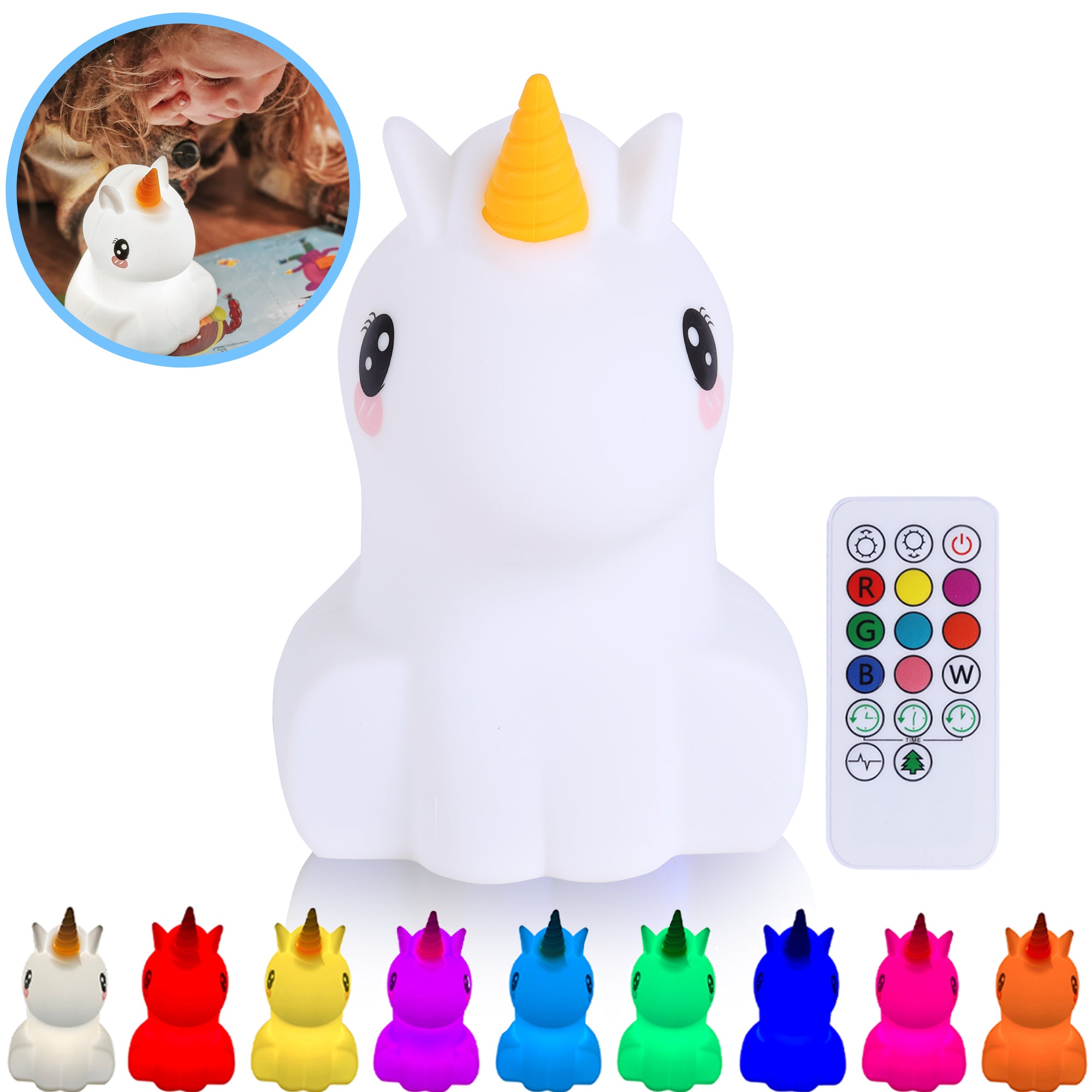
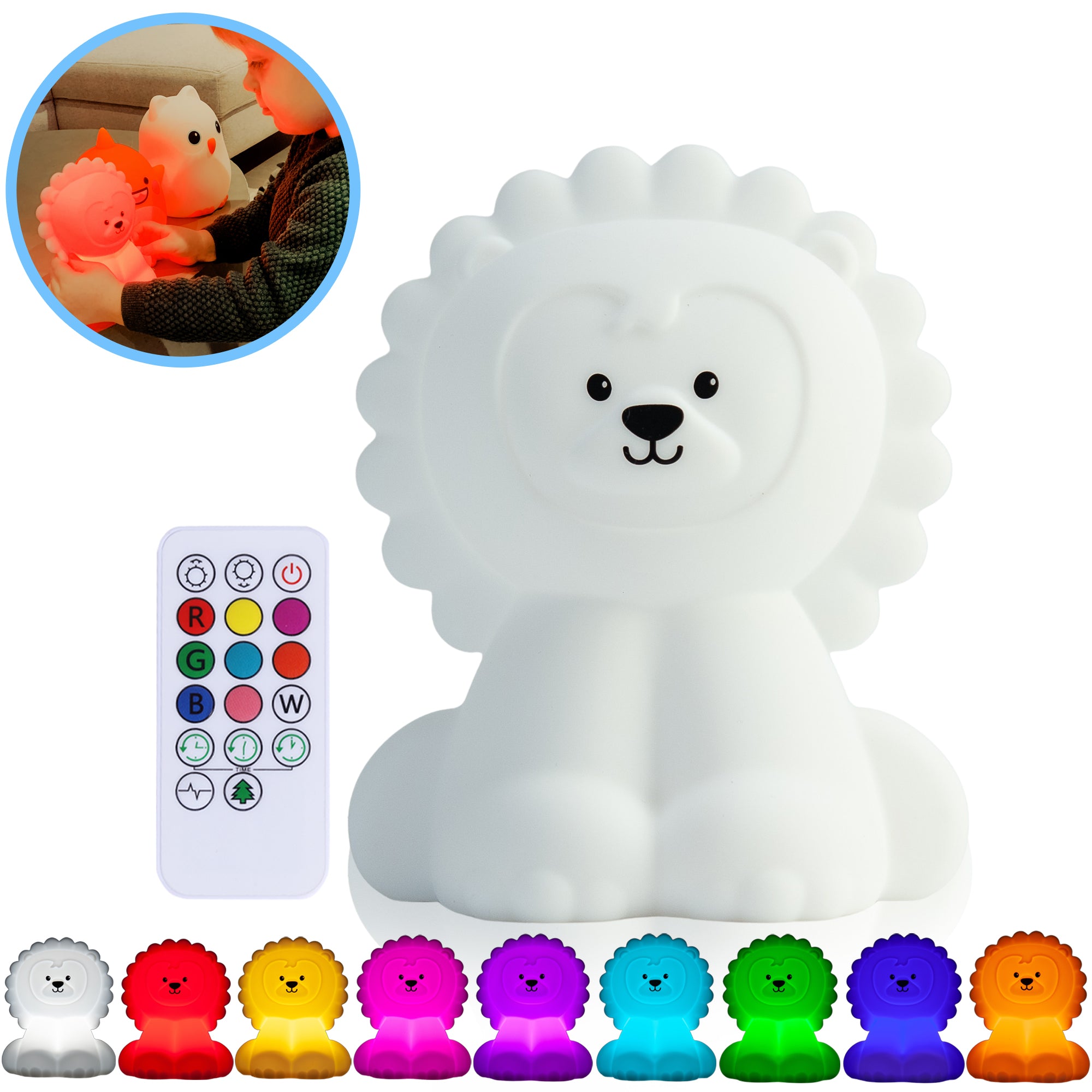
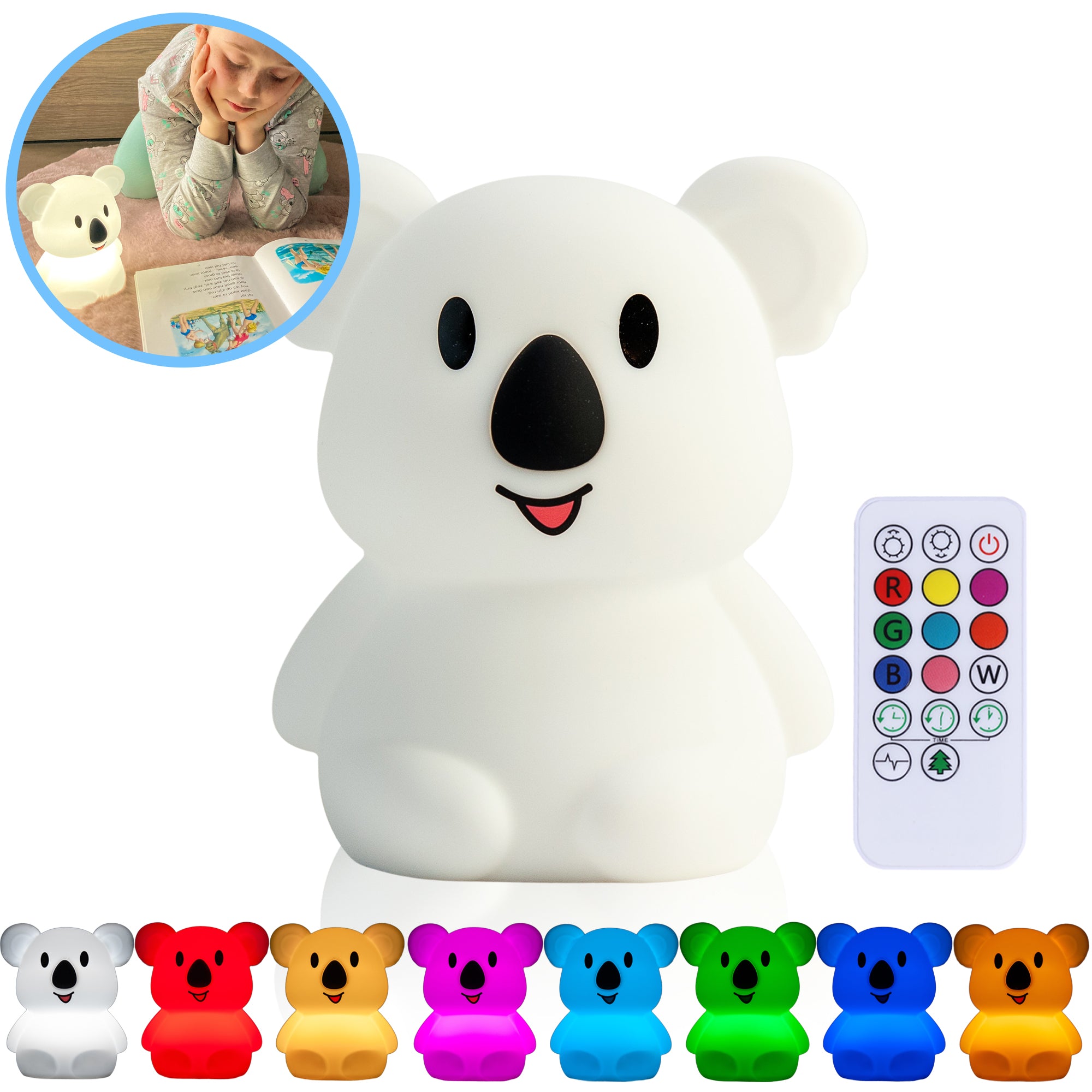
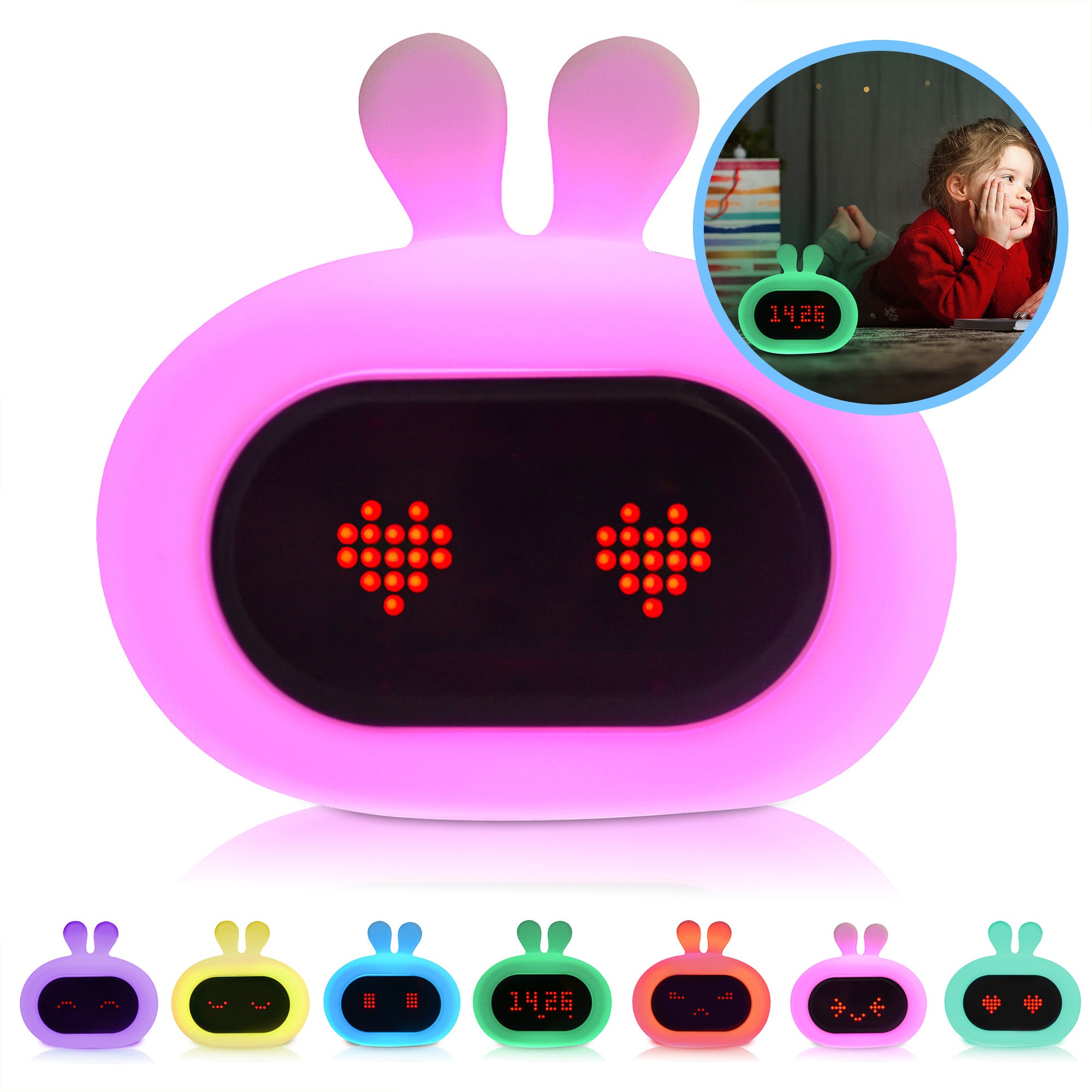
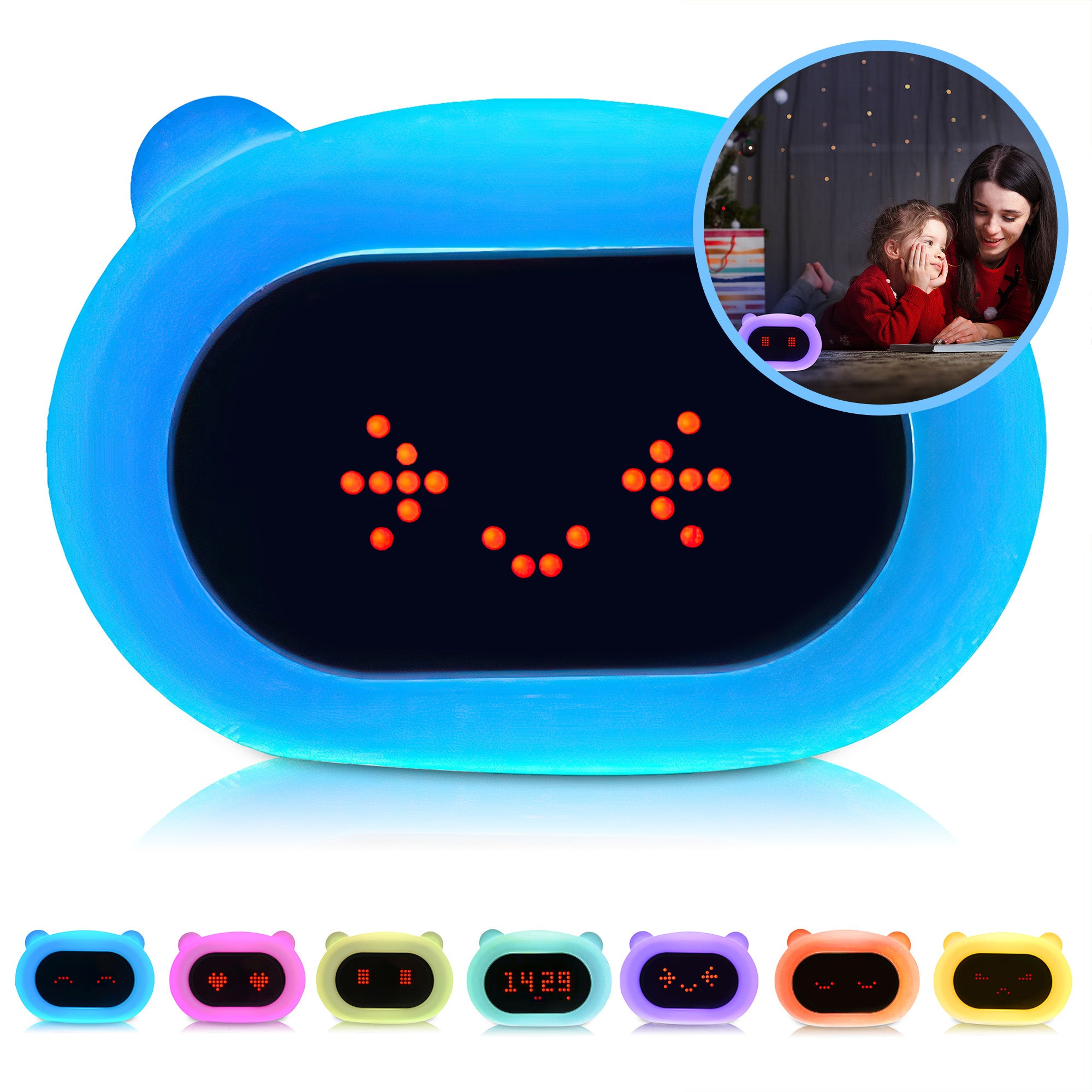
A light with a friendly character can also gain a familiar place in the room. If you notice that changing colours or striking effects keep your child watching attentively, choose a calm design instead. What feels cosy to one child may be too stimulating for another.
Also consider light outside the bedroom
Sometimes the night light seems to be the culprit, while the strongest light actually comes from the hallway, bathroom or landing. An open door with bright light can illuminate the child’s room far more than a small night light. Using a softer light there or closing the door a little further often makes the bedroom darker by itself.
Also think about light sources that are easily forgotten: a bright baby monitor display, a charger with a blue indicator light or a toy that unexpectedly lights up. The room does not have to be completely dark, but a room with fewer separate points of light often looks calmer.
When is a different night light more practical?
If your current light remains bright even from a distance, does not offer a warm setting or only shines in a strong beam, a different model may be more practical. In that case, look beyond appearance and focus mainly on whether the light can be dimmed, the colour of the light and how it can be positioned in the room.
A rechargeable night light often provides extra flexibility because you can place it wherever it works best at that moment. A light with a timer can be useful if you do not want it to remain on all night.
Is the night light too bright? Start with a lower setting, a different position or a warmer light colour. Then observe what works comfortably for your child and the bedroom. A small adjustment is often enough to create softer lighting without immediately buying a new night light.