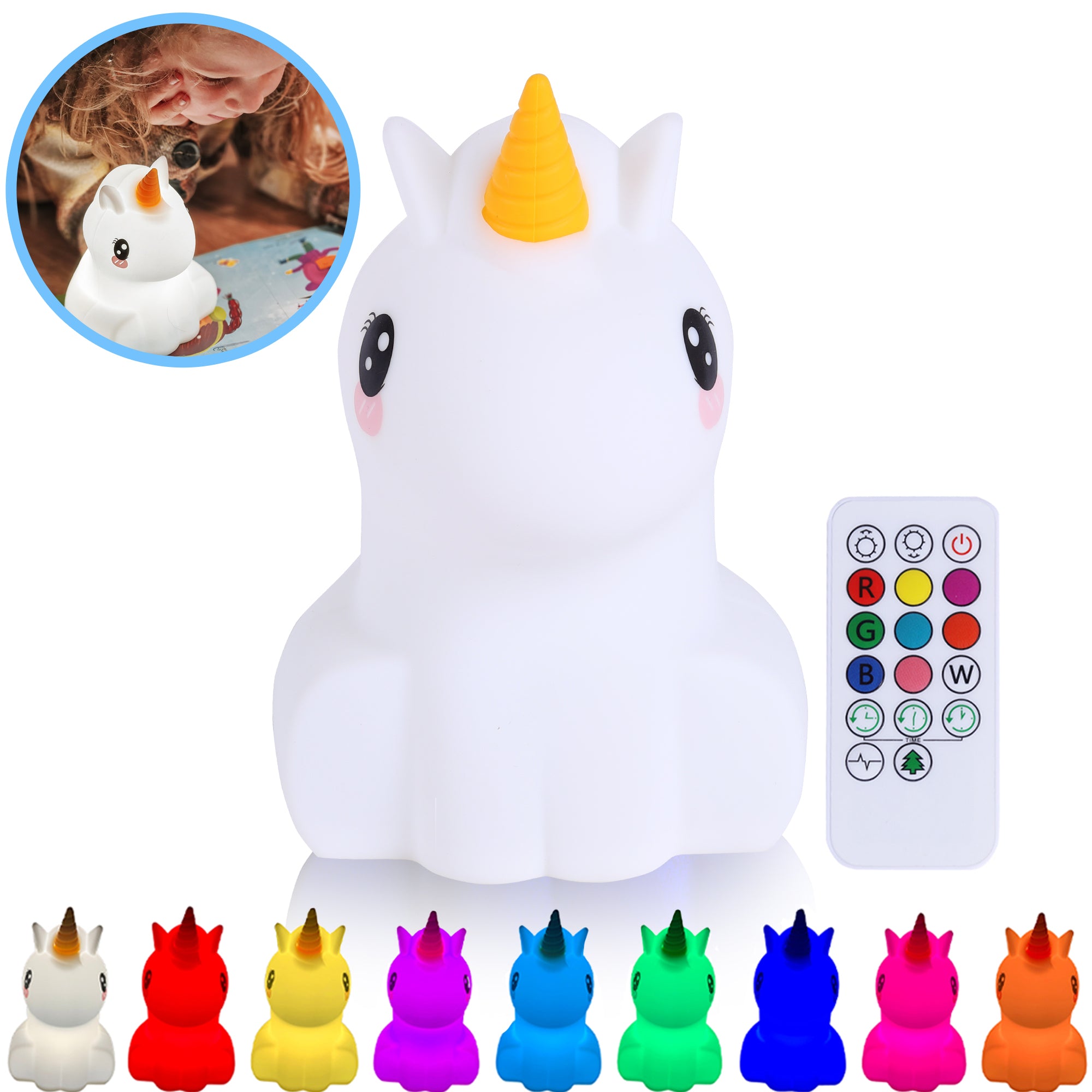
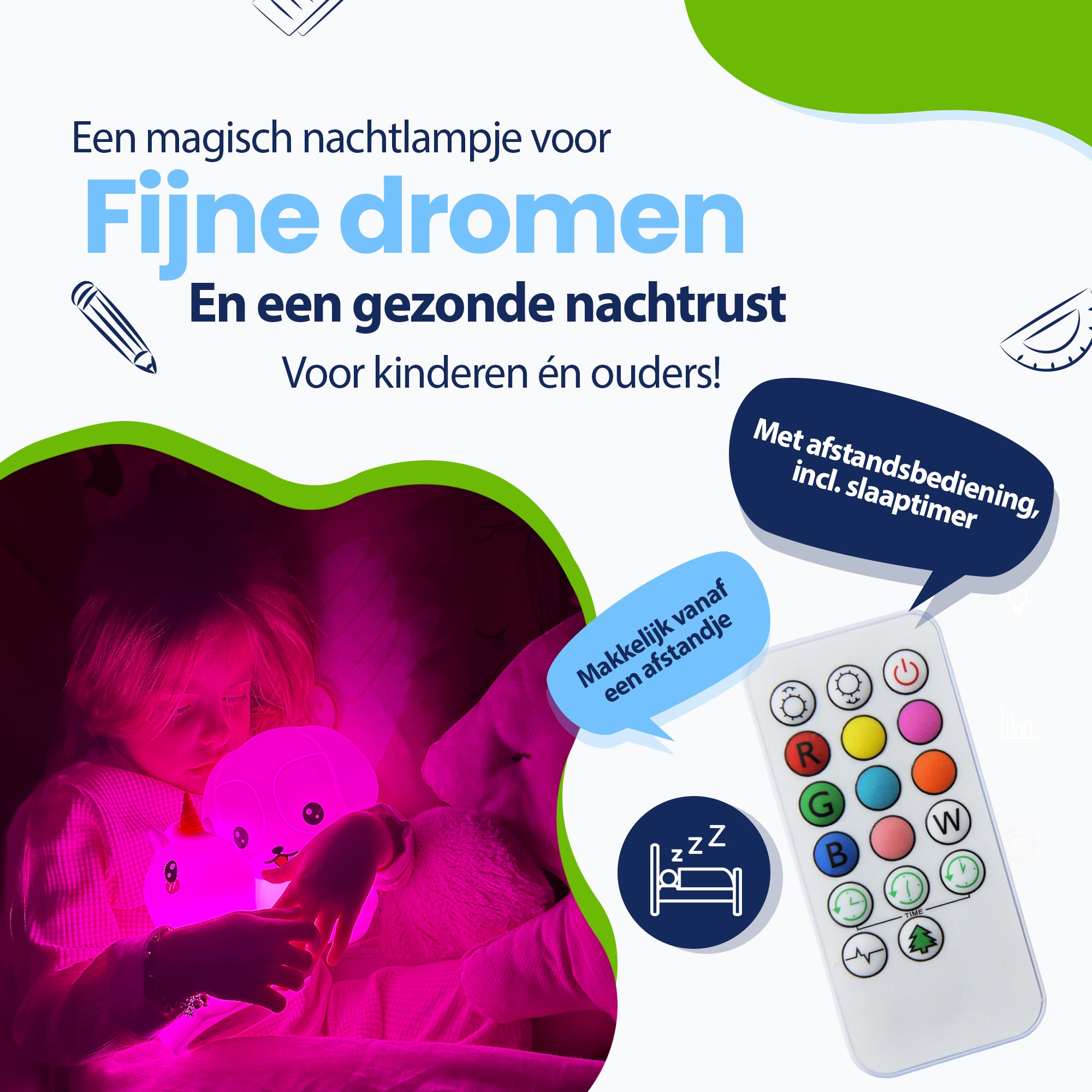
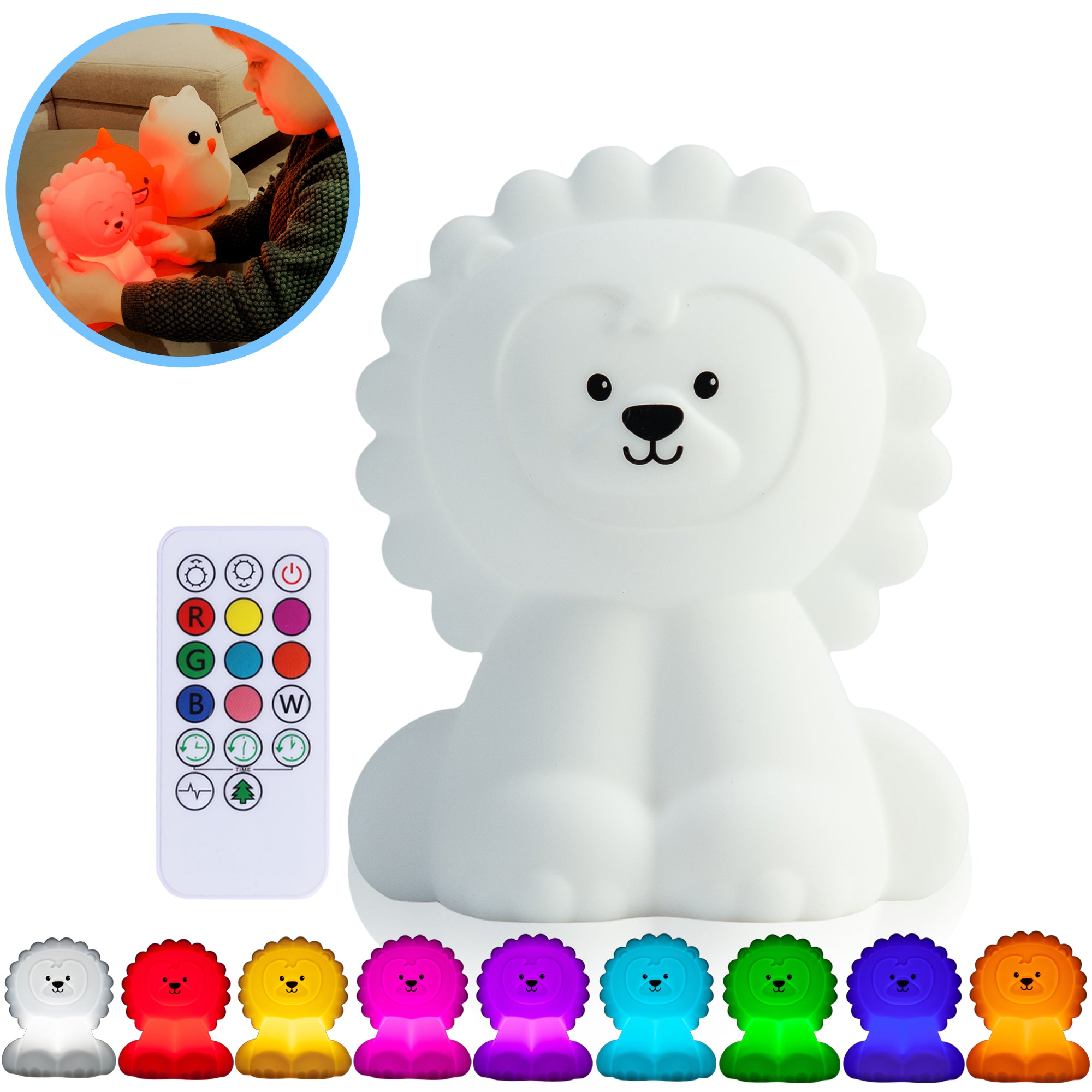
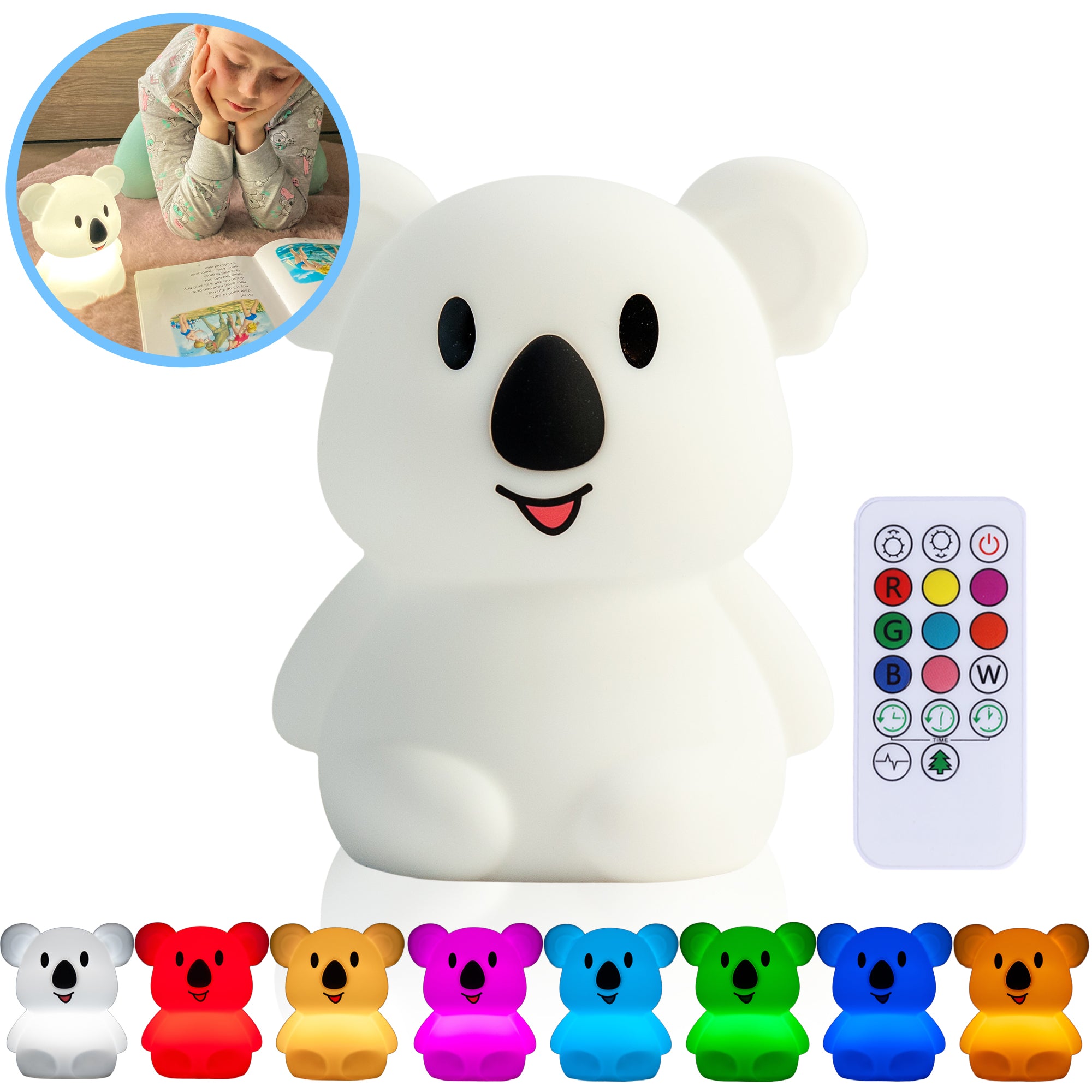
A child who still looks around after the bedtime story, wants the door left slightly open or feels afraid of a dark corner: these are familiar bedtime moments. Are you wondering how to use a night light in the best way to create real calm? It is not about using as much light as possible, but about providing a small, predictable point of light that helps your child feel safe.
A night light can become part of a familiar evening routine. It marks the transition from playtime to sleep and gives young children just enough visibility when they wake up. With the right colour, position and setting, the bedroom remains calm for both your child and you.
Why a night light can be helpful
For many young children, darkness is something they still need to become familiar with. During the day, their room feels reassuring, but in the dark shadows change and familiar objects disappear from view. A soft light makes the room recognisable without turning it into a place for play.
A night light can also be practical. Your child can see where their favourite soft toy is, find the way to the bedroom door more easily and feel less alone when they wake briefly. Soft light is pleasant for parents too when they want to reassure their child, change a nappy at night or check in without switching on the ceiling light.
Every child is different, however. Some children sleep wonderfully in complete darkness, while others benefit from a small light. Pay close attention to your child’s behaviour rather than following a fixed rule or copying what works for other families.
How do you use a night light in the bedtime routine?
Do not wait until your child is frightened before introducing the night light. By using it at the same point every evening, it becomes a calm and ordinary part of the routine. You could switch it on after your child has put on their pyjamas, just before reading together. Simply say: “The little light will stay softly on while you go to sleep.”
Keep the rest of the routine simple. A bath, brushing teeth, a cuddle, a short book and then switching on the night light is already enough for many families. Repetition gives young children something to rely on. The night light then becomes a familiar sign that the day can end quietly, rather than a solution that demands more and more attention.
Try not to make the ritual longer as soon as your child asks for extra steps. Staying warm and clear often works better: give a kiss, remind your child about the light and leave the room in the same calm way each evening. This helps your child know what to expect.
Choose warm, dimmed light
The colour and brightness of the light make a big difference. Preferably choose warm, dimmed light, such as amber, soft orange or warm white. This feels less bright than cool white or blue light and creates a relaxed atmosphere in the room.
Avoid a night light that brightly illuminates the entire room. If you can immediately see every detail of the bedroom from the hallway, it is probably too strong. The purpose is orientation and reassurance, not reading, building or playing in bed.
A light with many changing colours, bright patterns or moving projections can also be overstimulating for some children. That does not mean these functions are always unsuitable, but use them consciously. A short period of gentle star projection while reading can be lovely; afterwards, it is better to switch to one calm light setting.
Place the night light in the right spot
Position the night light so your child can see the glow without looking directly into the light source. A place on a cabinet, on a shelf out of reach or on the other side of the room often works well. Aim the light towards a wall if possible, or use a lamp with a shade that diffuses the light.
Do not place it right next to the pillow or directly opposite your child’s face. This can be distracting when your child is trying to relax. A light near the door can be a good choice if your child mainly feels reassured by seeing the exit or the familiar outline of the room.
Always pay attention to safety. Choose a child-friendly light that does not become hot, keep loose cables out of reach and follow the manufacturer’s instructions. Near a cot, place the light outside the bed and well away from blankets, cloths and curious hands. A sturdy, durable design is useful because a night light often remains part of the evening routine for years.
Use a timer or leave it on all night?
A timer is useful when your child mainly needs light while falling asleep. Set a short, fixed period, for example, so the light switches off automatically once the room has become quiet. This means you do not have to remember it later and keeps the routine predictable.
Some children feel more reassured by a very soft light that remains on throughout the night. This can work well if the lamp is truly dimmed and your child sleeps peacefully with it. A rechargeable model with a long operating time or an energy-efficient LED light is then a practical choice.
Does the light have a timer, and are you unsure which setting to use? Start with one fixed setting and observe how your child responds over several evenings. If your child becomes unsettled when the light switches off, temporarily choose a longer setting. If your child sleeps just as well without light after falling asleep, a short timer is probably sufficient. Small adjustments are better than a different approach every evening.
A night light for every age
For babies, a night light is mainly practical for parents. Keep the light as soft as possible during feeding, changing or the final song so the room remains calm. Bright light is usually unnecessary during night feeds and care moments; a consistent, peaceful environment is what matters most.
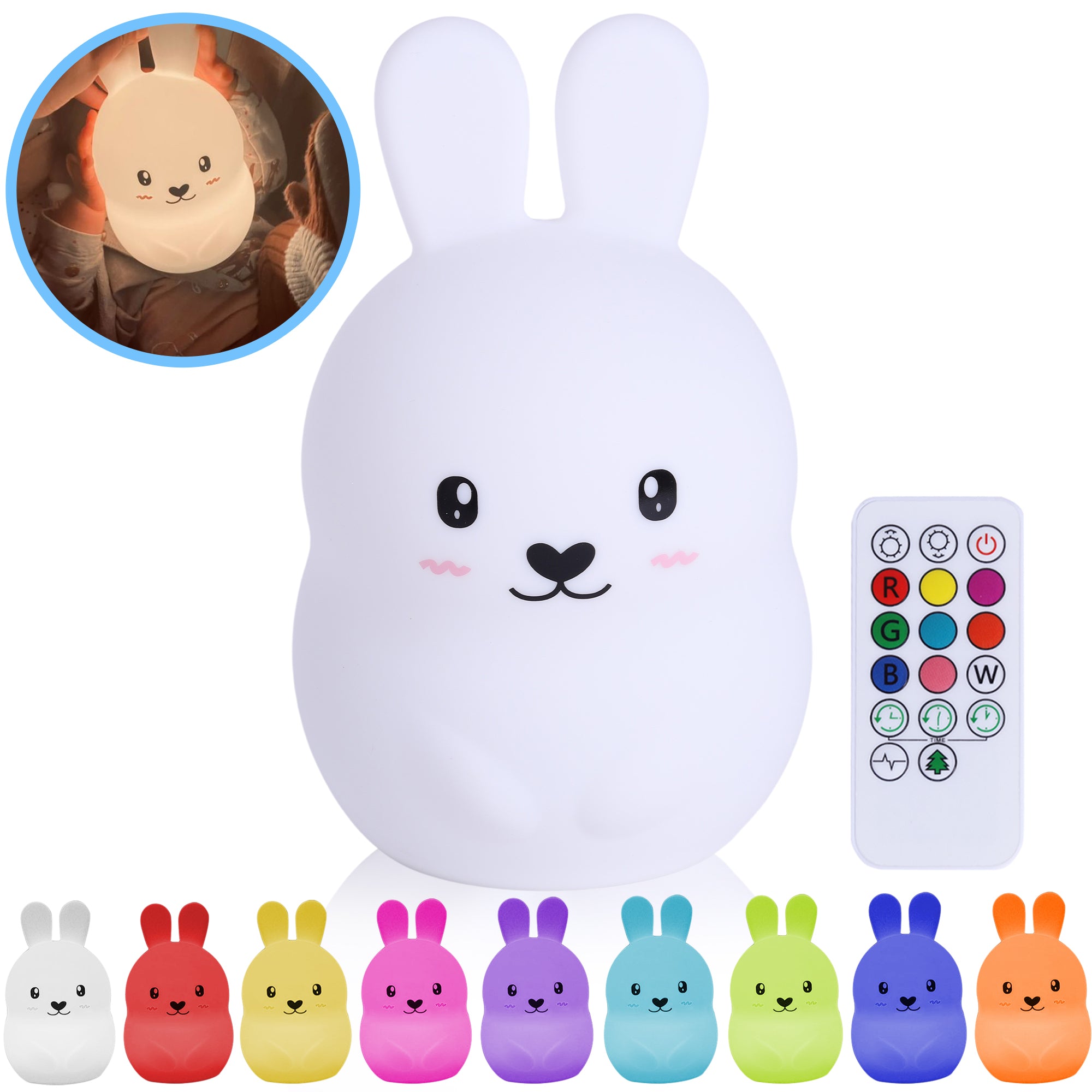
Toddlers are discovering more and more and can connect a night light with their own routine. A familiar shape, such as a friendly animal, can provide comfort. Choose a light designed for children and try to prevent it from becoming a new toy at the very moment when sleep should be the main focus.
Preschoolers can often explain what feels comfortable to them. They may want a light beside the bed or prefer one near the door. Feel free to involve your child in this small choice. Asking whether the light should be softer or a little farther away gives a sense of control without removing the calm boundaries around bedtime.
For older children, a night light can also serve a practical purpose, such as helping them go to the toilet independently. A subtle light in the bedroom or on the landing is usually calmer than a bright lamp that wakes everyone up.
Combine light with other familiar signals
A night light works best as part of an environment that encourages calm. A favourite soft toy, a tidy bedroom and a few familiar words before sleep can make more difference together than one product alone. For babies, keep the cot free from loose soft toys and other objects during sleep. Also take sounds, room temperature and a busy day into account: sometimes a child simply needs a little more time to settle.
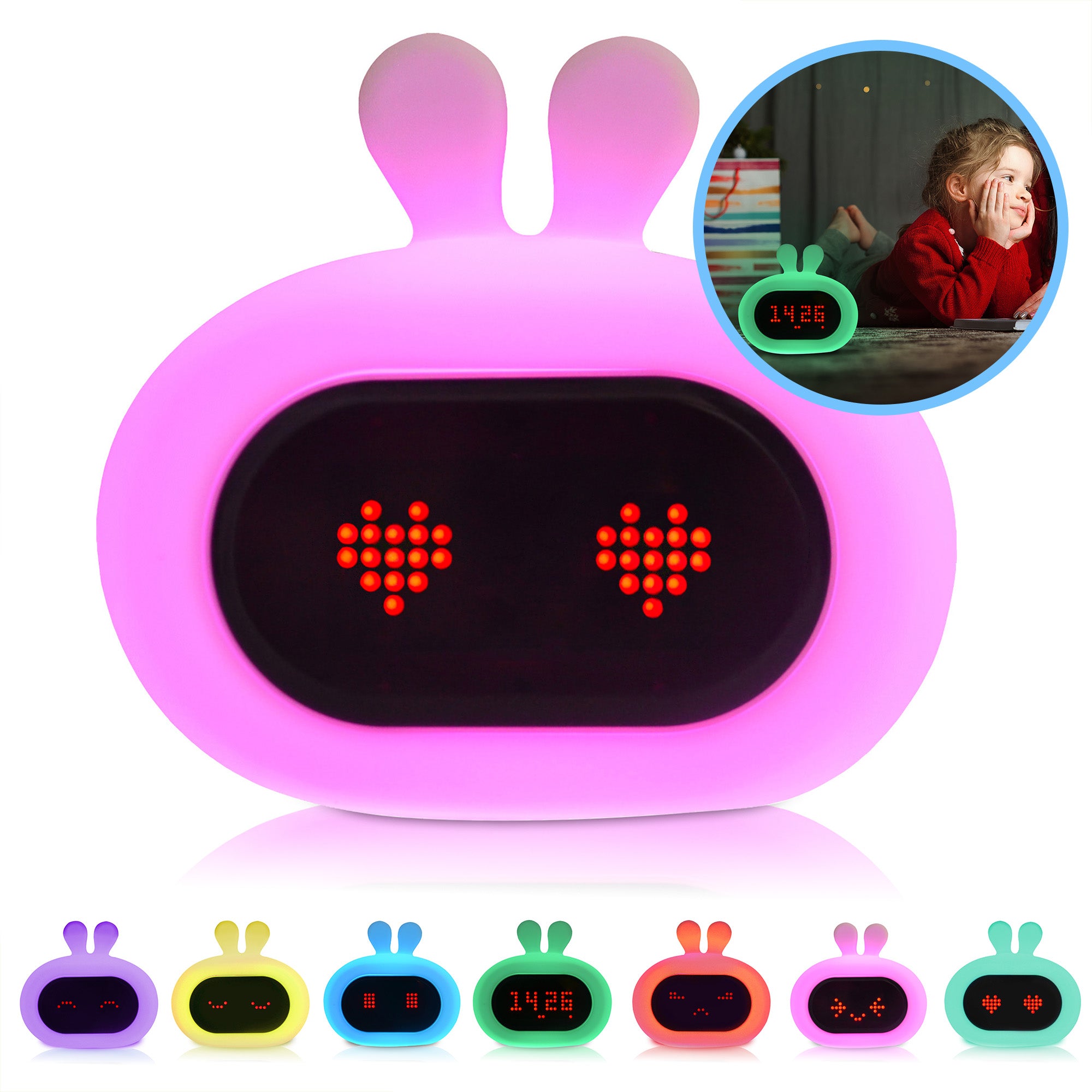
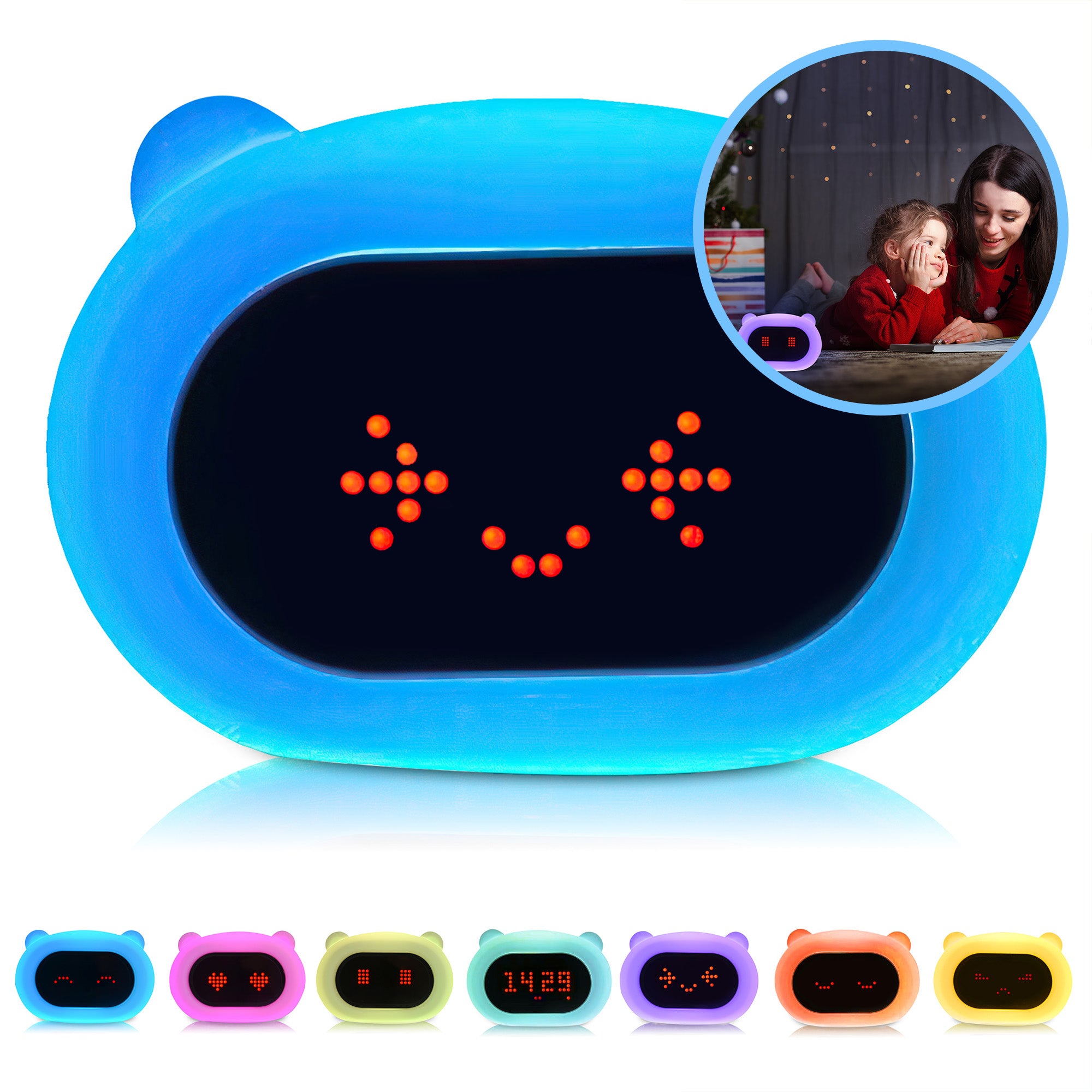
A sleep trainer can be a helpful addition for toddlers and preschoolers. In a child-friendly and clear way, it shows when it is still time to rest and when the day may begin. The night light provides reassurance during the night, while the sleep trainer helps make the morning predictable. This supports structure without turning the bedroom into a place full of rules.
If your child keeps asking for the light to be brighter or starts actively playing with it, simplify the setup. Choose one warm setting, move the light farther from the bed or use a timer. The calmest solution is often the best one.
A good night light does not need to transform the night. It can simply be a small, reliable point of light that says: your room is familiar, you are safe and tomorrow is a new day.