A wooden train becomes a delivery van, a veterinary clinic or an adventure to the moon. That freedom is exactly what makes gender-neutral toys so valuable: a child does not need to fit into a box before they can enjoy playing. It is not about toys without colour or character, but about items that inspire children to create their own ideas, roles and stories.
For parents and gift-givers, the choice can sometimes feel confusing. Many toys are still marketed as being ‘for boys’ or ‘for girls’, even though interests vary from one child to another and can change quickly too. A few calm principles can help you choose toys that suit a child’s age, curiosity and everyday life.
What are gender-neutral toys?
Gender-neutral toys do not assume fixed expectations about who should play with them. A doll, toolbox, construction set, cuddly toy or musical instrument is fundamentally for any child who enjoys it. The packaging, colours and examples do not dictate which role or interest is considered ‘suitable’ for a boy or girl.
This does not mean that pink, blue, glitter or vehicles should be avoided. A child who happily chooses a pink doll’s pram is playing just as freely as a child who spends hours building with blocks. The key is freedom of choice: offer different possibilities and let the child discover what appeals to them.
Gender-neutral does not have to mean plain either. Soft colours, cheerful illustrations, animal figures and playful shapes can all be part of an inviting play environment. What matters more is that children can choose toys based on their interests, without colours, shapes or play themes determining who they are intended for.
Why freedom of choice during play is valuable
Play is often a time when children process everyday experiences and try out new ideas. In imaginative play, for example, they can cook, care for others, build, perform or go on a journey. When different types of toys are available, a child can switch more easily between moving, making, imitating and inventing.
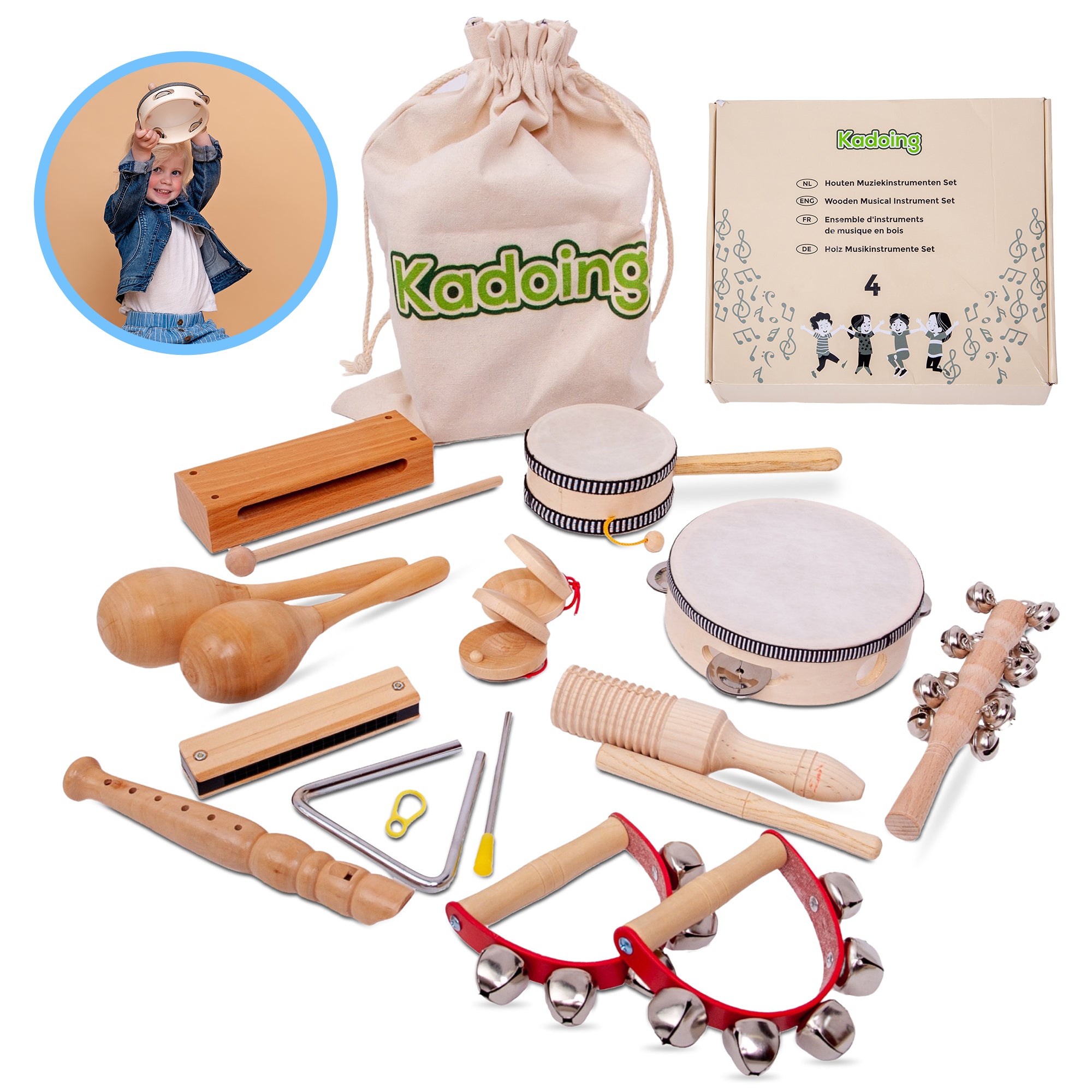
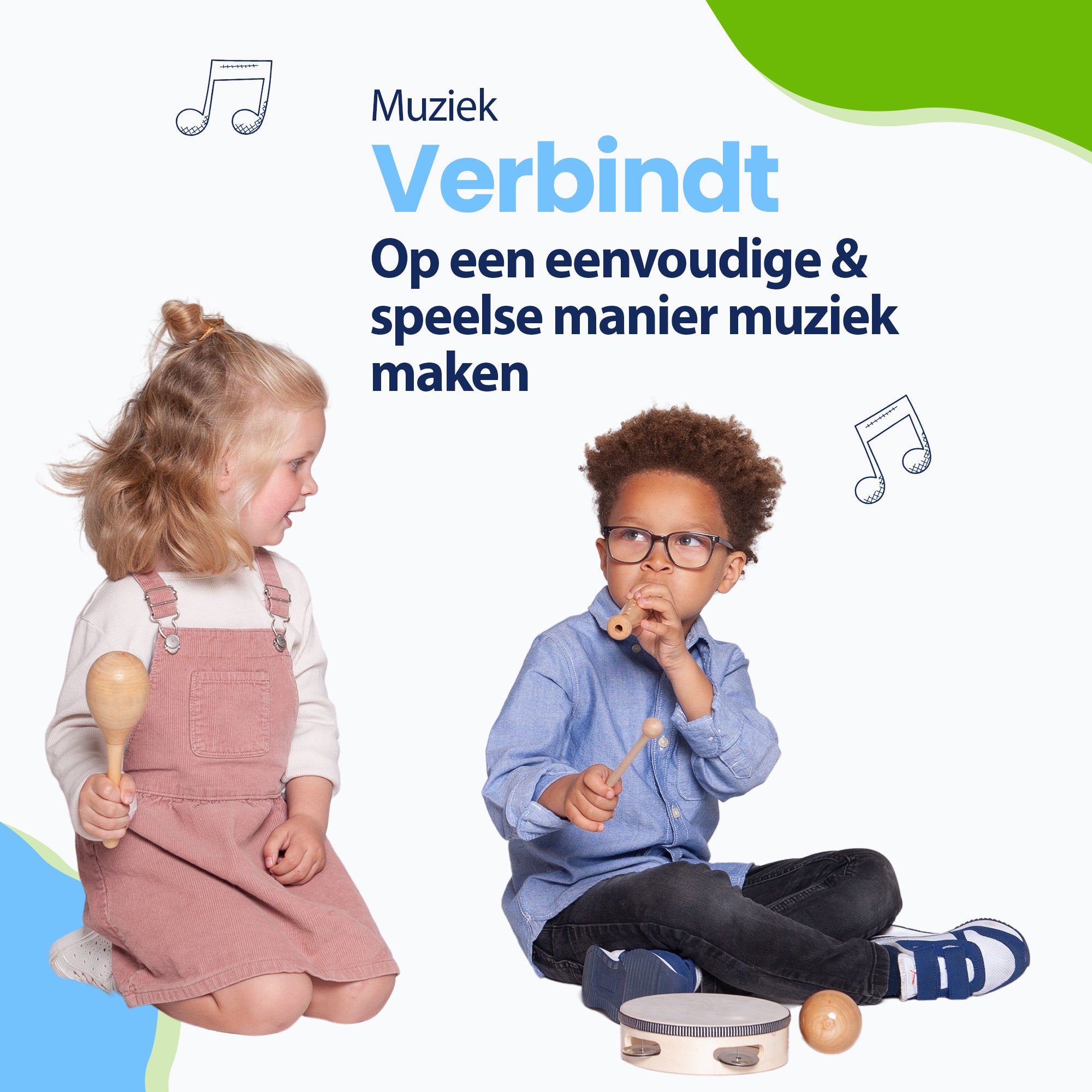
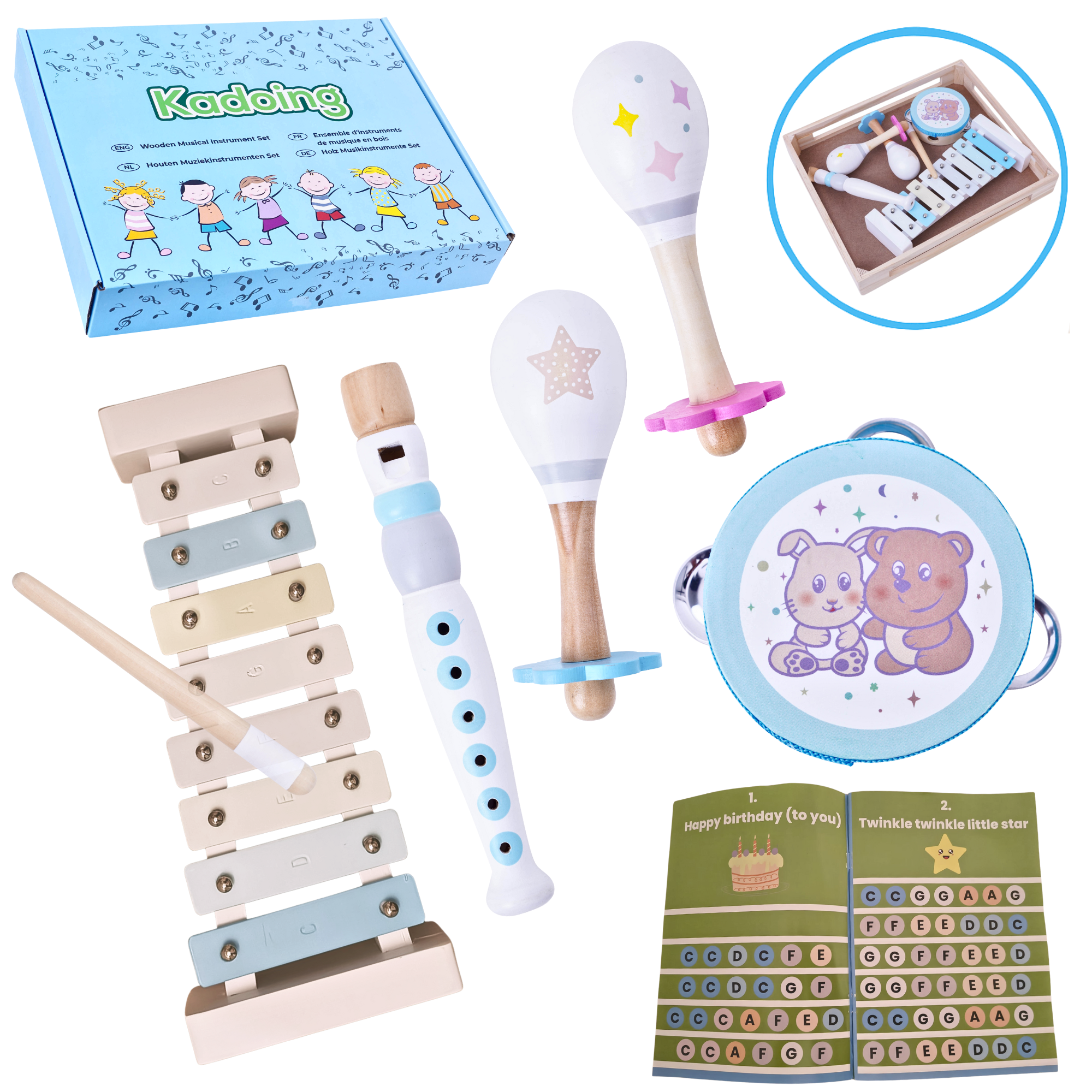
A doll can be part of caring play, but it can also become a passenger on a homemade bus. A set of wooden musical instruments can lead to a small living-room concert, a rhythm game with siblings or a calm moment together. The object does not determine the game – the child gives it meaning.
This can also be practical for families. Versatile toys can be used by different children, even when their interests vary, provided they are suitable for their age. This can help keep the play area organised and encourage more considered purchases. How long a toy remains interesting will naturally vary by child and stage. Toys that can be used in different ways leave room to try out new play ideas.
Choosing gender-neutral toys: look at the child first
Age recommendations and safety warnings are important starting points when choosing toys. Also consider what a child currently enjoys doing. Do they like making sounds, sorting things, building, role play or cuddling? A suitable gift reflects that interest without limiting their choices for the future.
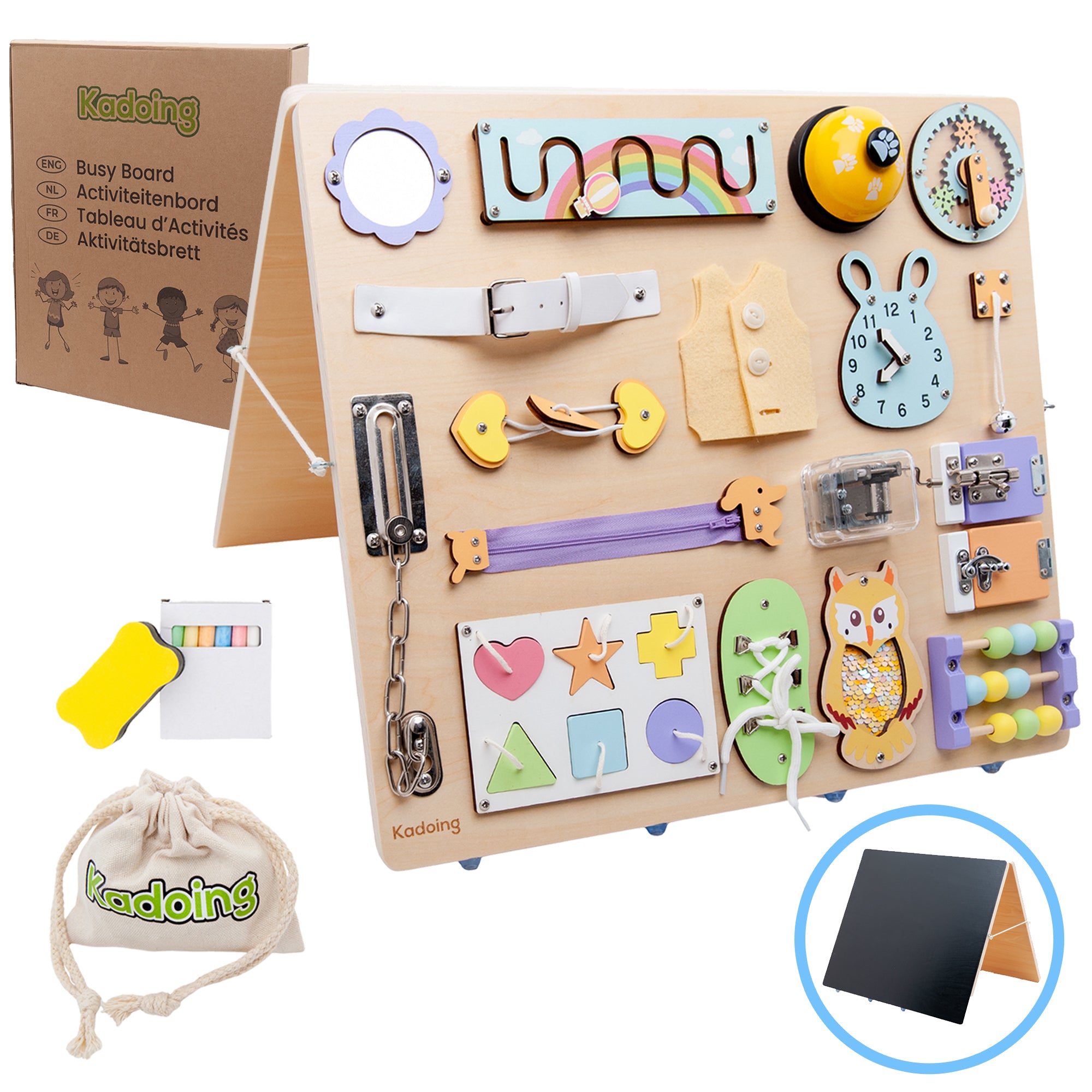
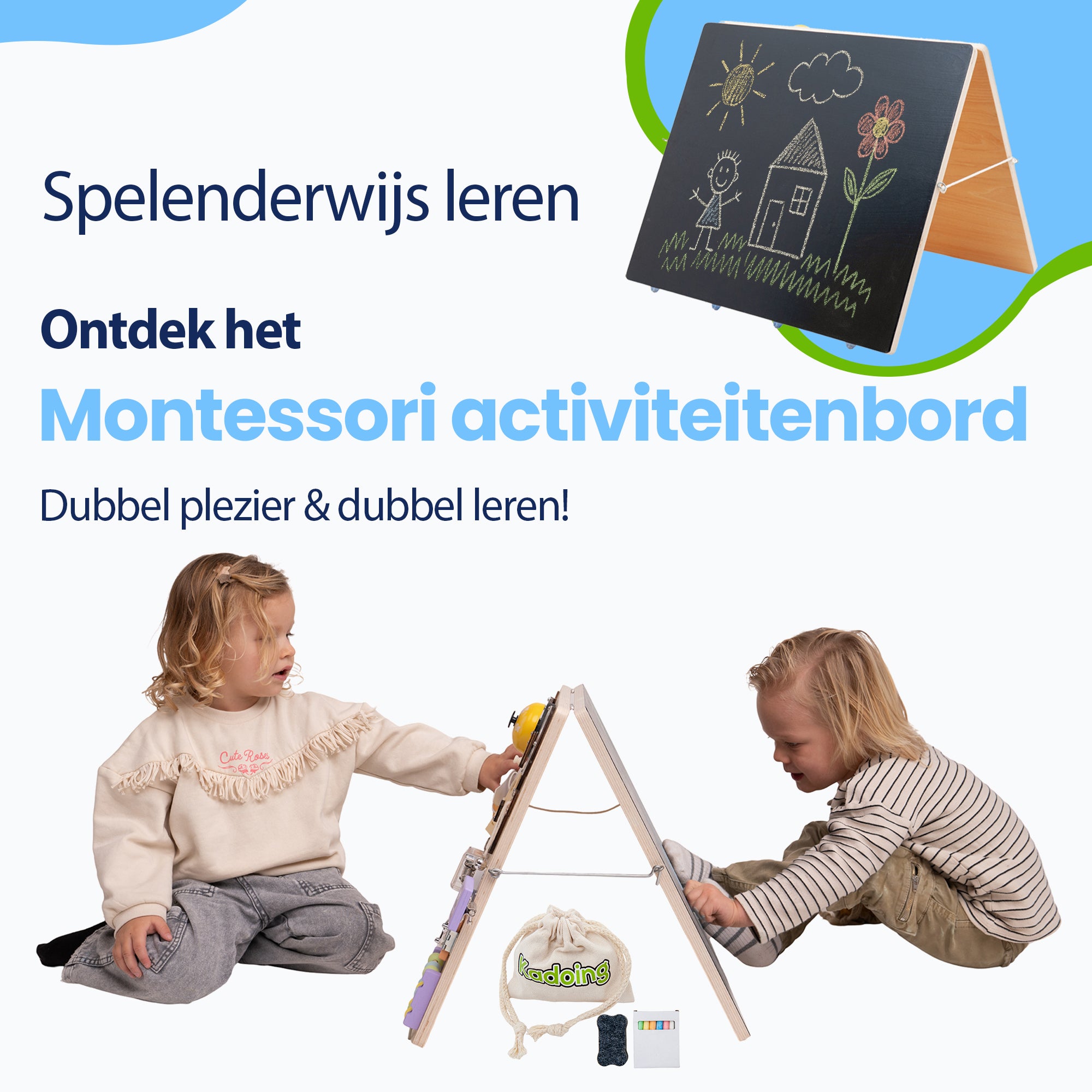
For young children, look for simple play materials specifically suited to their age. Think of stacking blocks, cuddly toys or other materials that match their interests and abilities. For older toddlers and pre-schoolers, activity boards, wooden musical instruments, dressing-up clothes, play kitchens and building materials may also be interesting, depending on the age recommendation and safety information. These allow children to explore different activities and try out their own play ideas.
Also pay attention to how a child plays. Some children enjoy contact and want to make music together or play shops. Others are content with a quiet moment arranging blocks or looking at a puzzle. Neither is better. A varied selection makes it easier to suit the time of day and the child’s needs.
Choose toys with more than one possibility
Open-ended toys often grow with a child’s imagination. Wooden blocks may first be stacked and later become a house, bridge or animal shelter. Animal figures can be sorted by colour, used in a story or taken on a journey in a bag.
This does not mean that toys without a clear purpose are always the best choice. A shape sorter, music box or activity board offers a clearly defined activity that may appeal to young children. A pleasant balance comes from a play area containing both toys for focused discovery and materials for free play.
Consider safety and everyday use
Always choose toys that suit the child’s age and follow the manufacturer’s instructions, especially where small parts are concerned. Check wooden toys from time to time for splinters, loose parts or damage. With fabric cuddly toys, it is helpful to check the age recommendation and washing instructions. Keep babies’ sleep spaces free from loose cuddly toys and other soft toys.
Practical use matters too. A large toy set may look wonderful, but it requires space and time to tidy away. Sometimes one carefully chosen item provides more enjoyment than a basket full of separate things. A basket for instruments, blocks or dressing-up accessories also helps children restore order together after play.
Making sustainable choices without aiming for perfection
Choosing sustainable toys is not just about the material. It is also about whether a product can be used for a long time, passed on or rediscovered. Sturdy wooden toys, a well-made cuddly toy or a timeless play idea can therefore be a considered choice. Look at the materials used, the finish, care options and information about origin where available.
However, not everything at home needs to be made of wood to be a responsible choice. Some materials are particularly light, easy to clean or pleasant for a specific play activity. A realistic approach often works best: buy less, choose thoughtfully and give toys the chance to become part of regular play.
Second-hand toys and passing toys on to family or friends can also be good options, provided they are still in good condition and remain suitable for the child’s age. Toys that can be used in different ways may interest another child too. In this way, a toy choice may have a longer story than just the first gift-giving moment.
How to make room for different interests
The words adults use around toys make a difference. Instead of saying that a toy car is ‘for boys’ or a doll is ‘for girls’, you could ask: “How would you like to play with it?” Or: “Shall we see together what you can do with it?” This places the emphasis on curiosity rather than expectations.
Put different types of toys within reach. A small combination of building materials, figures, books, cuddly toys and music can already be enough. There is no need to put everything out at once. By occasionally storing some toys and rotating them later, familiar materials can feel interesting again without constantly needing something new.
When choosing a gift, it helps to think about the moment in which it will be used. A cuddly toy suits a calm bedtime routine. A wooden instrument can be fun for a playful quarter of an hour together. An activity board can invite focused discovery at the table or on the floor.
A gift that says: you choose
Choosing gender-neutral toys starts with your child’s interests and age, not with the question of whether a toy is meant for boys or girls. Consider safety, ease of use and the different ways your child can play with it. This gives them room for their own preferences and play ideas, without deciding in advance what should suit your child.