Playing is essential for children's development. Discover why play is so important and how you can encourage it.
Why play is so important for children
Adults may sometimes take play for granted, but for children it is one of the most important ways to learn. Through play, children discover the world around them, practice new skills, and learn how to interact with others.
Whether it involves building, running, imaginative play, making music, or playing a board game together, every moment of play contributes to development. Play not only helps children grow physically stronger, but also supports their social, emotional, and cognitive growth.
Play and motor skill development
Children use their entire bodies when they play. Think about climbing, crawling, jumping, drawing, stacking, or building. All of these activities help develop both gross and fine motor skills.
Gross motor skills develop through activities such as running, hopping, cycling, and climbing. Fine motor skills are stimulated through smaller movements, such as solving puzzles, crafting, sorting, or handling toys.
By giving children plenty of opportunities to move and explore, they gain better control over their bodies and build confidence in their abilities.
Learning social skills through play
When children play together, they practice social skills without even realizing it. They learn to consider others, wait their turn, explain rules, and cope with winning or losing.
Examples of social skills children develop through play include:
- Sharing toys with other children.
- Handling disappointment or loss.
- Agreeing on and following game rules.
- Forming and expressing their own opinions.
- Resolving conflicts in a healthy way.
Playing together teaches children that things do not always go exactly as they would like. While this can sometimes lead to disagreements, it is an important part of growing up.
At what age do children start playing?
Children actually begin playing from a very early age. For babies, play is mainly about exploration: looking, touching, grabbing, listening, and responding to faces and sounds. For children between birth and two years old, play revolves around sensory experiences and simple repetition.
As children grow older, their play changes. Toddlers begin to imitate others and engage in imaginative play. Preschoolers increasingly learn to play together, assign roles, and follow simple rules.
There is no single "right" age to start playing. The earlier children are given the opportunity to explore safely, the better.
Playing alone or playing together?
Some children seek out other children from an early age, while others prefer spending time playing independently. Both forms of play are valuable. Independent play helps children develop self-reliance, imagination, and problem-solving skills.
Playing together, on the other hand, is important for developing social skills. Children learn to communicate, cooperate, and consider the needs of others. It is therefore beneficial to encourage both forms of play.
Do not worry if your child does not immediately want to play with others. Every child develops at their own pace.
Why free play is so valuable
Free play means that children decide what they want to do, how they want to play, and what rules apply. This type of play is important because it teaches children how to make choices, solve problems, and use their imagination.
As a parent, you do not always need to direct the play. Sometimes it is better to take a step back and allow your child to explore independently. This creates space for creativity and self-confidence.
Open-ended toys such as blocks, musical instruments, or wooden play materials are perfect for this purpose. In a collection of durable wooden toys, you will often find products that encourage children to build, create, and discover on their own.
Playdates with other children
When friends come over to play, it can be an incredibly valuable learning experience. Children practice sharing, negotiating, and planning activities together. As a parent, it can be tempting to step in immediately when disagreements occur, but sometimes it is beneficial to allow children to try resolving issues themselves first.
Of course, you should intervene when a situation becomes unsafe or when children genuinely cannot work things out on their own. However, small disagreements are a natural part of learning to play together.
Tips to encourage your child to play more
- Start playing yourself: by joining in for a moment, you invite your child to participate.
- Give compliments: acknowledge positive behaviors such as sharing, cooperating, or persevering.
- Allow boredom: some of the most creative play ideas emerge from moments of boredom.
- Avoid controlling everything: let children decide how they want to play.
- Arrange playdates: playing with others helps develop social skills.
- Limit screen time: less screen time often creates more opportunities for active and creative play.
Play helps children become more independent
During play, children constantly make small decisions. What should I build? Which role should I play? How can I solve this problem? These choices help strengthen independence and self-confidence.
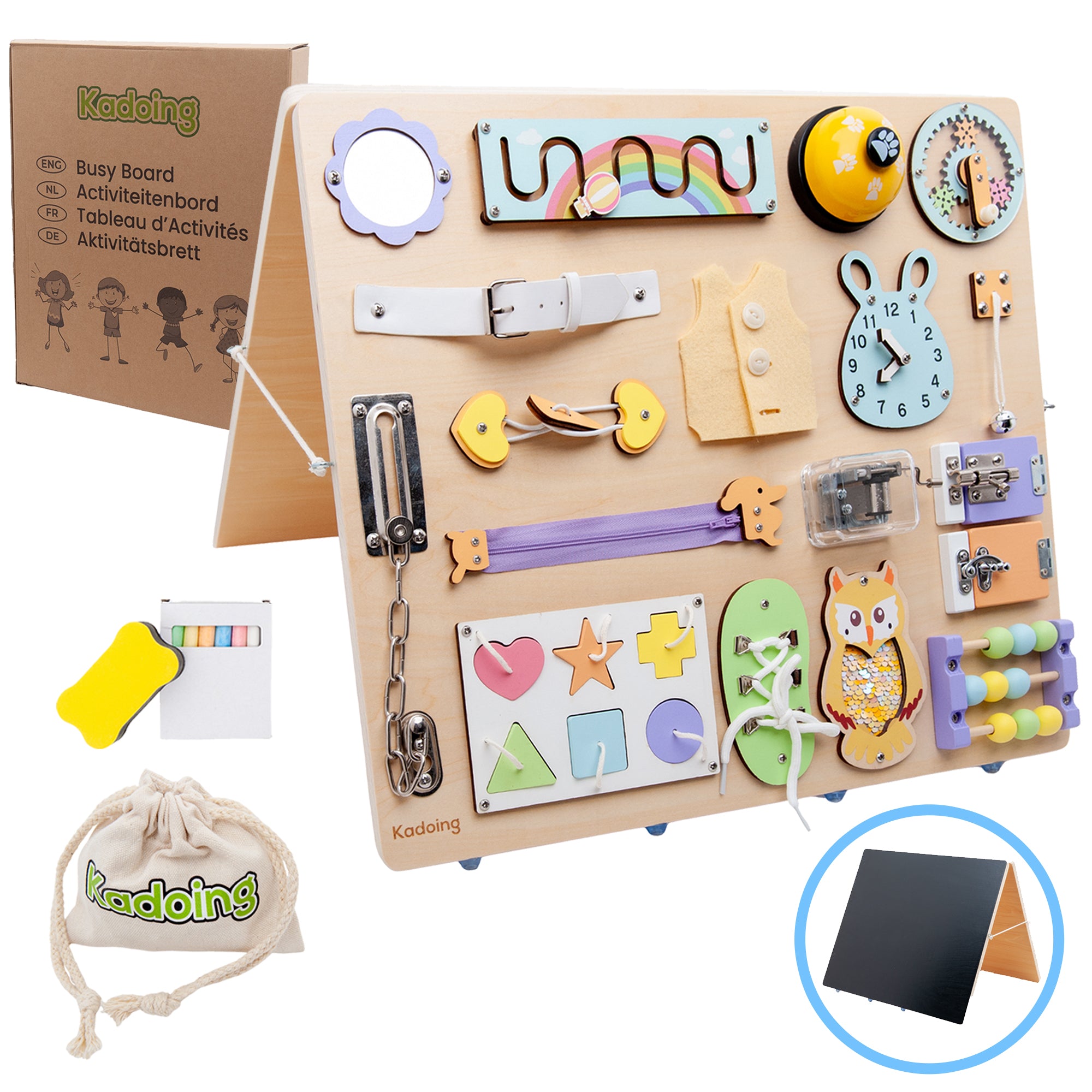
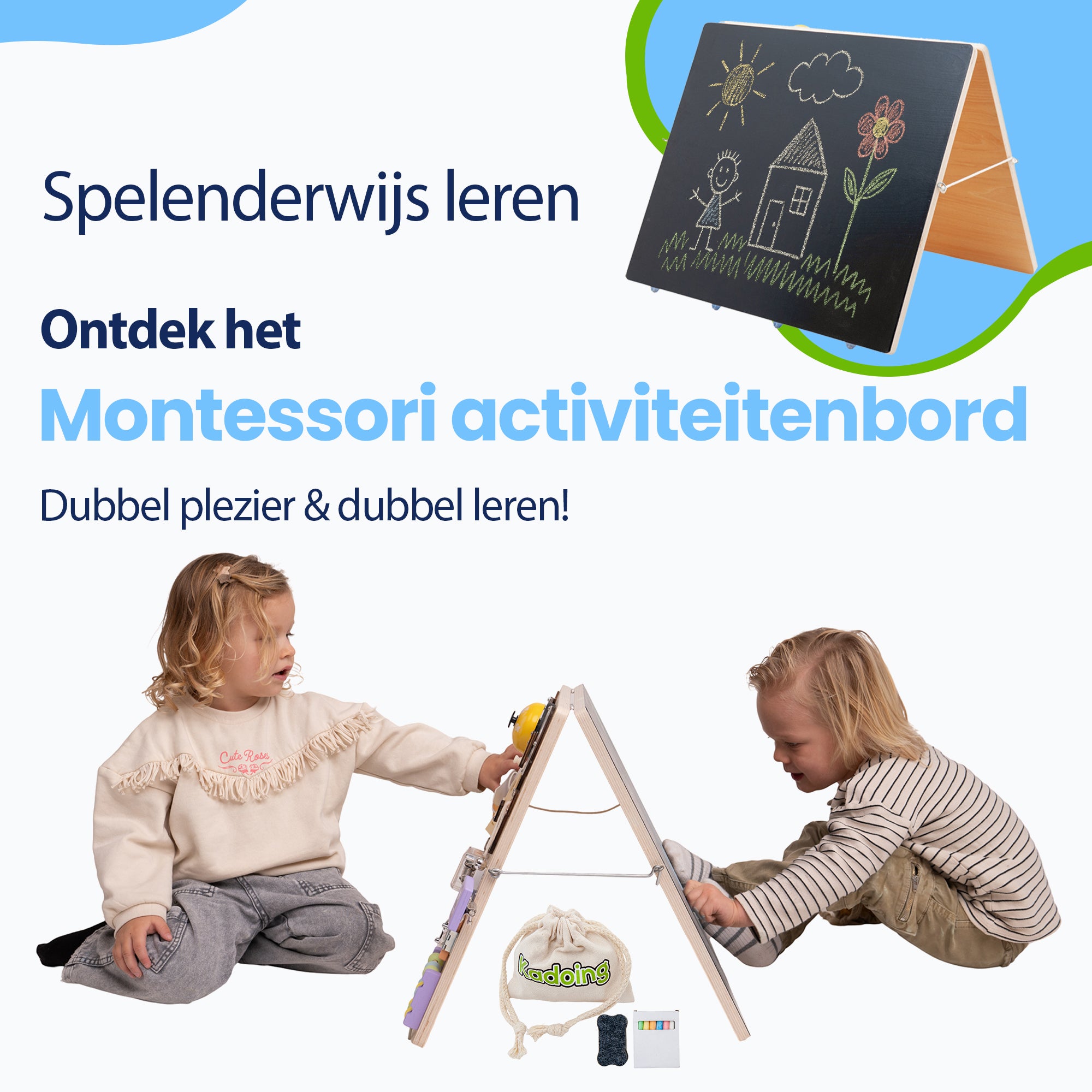
Toys that encourage children to practice everyday actions can be particularly helpful. Think about opening, closing, turning, sliding, fitting, and experimenting. A busy board for exploratory play, for example, can help young children practice practical skills in a playful way.
Music and play encourage creativity
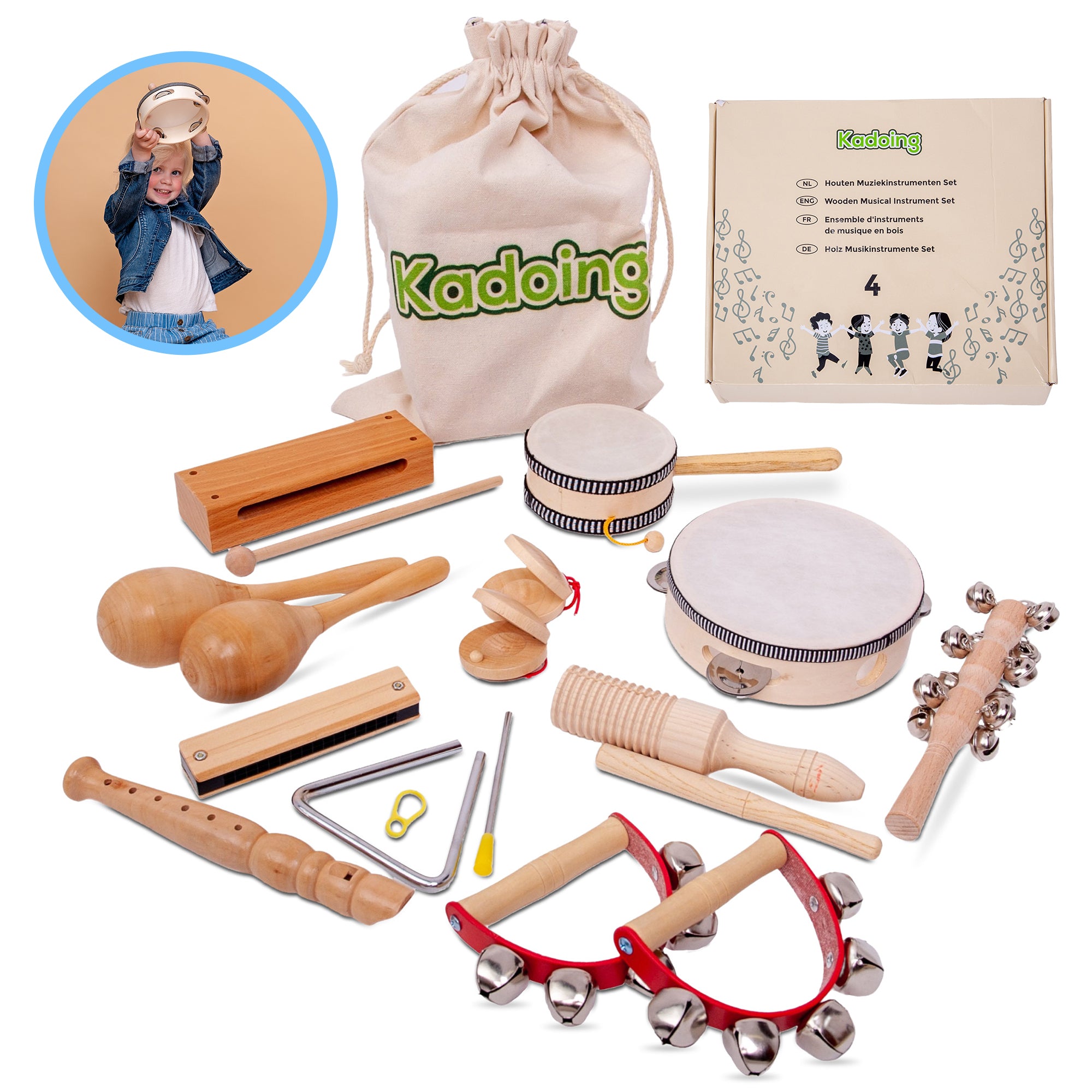
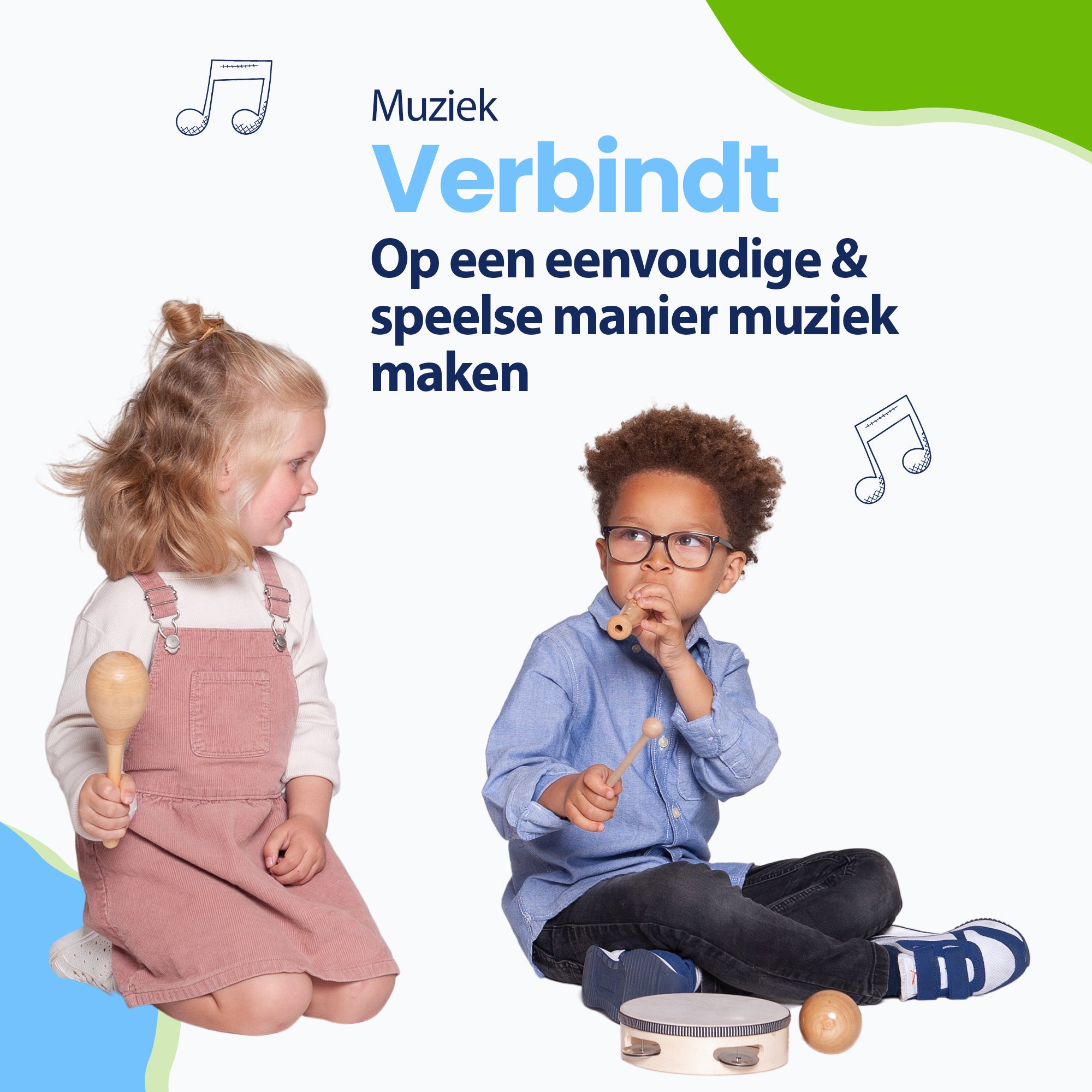
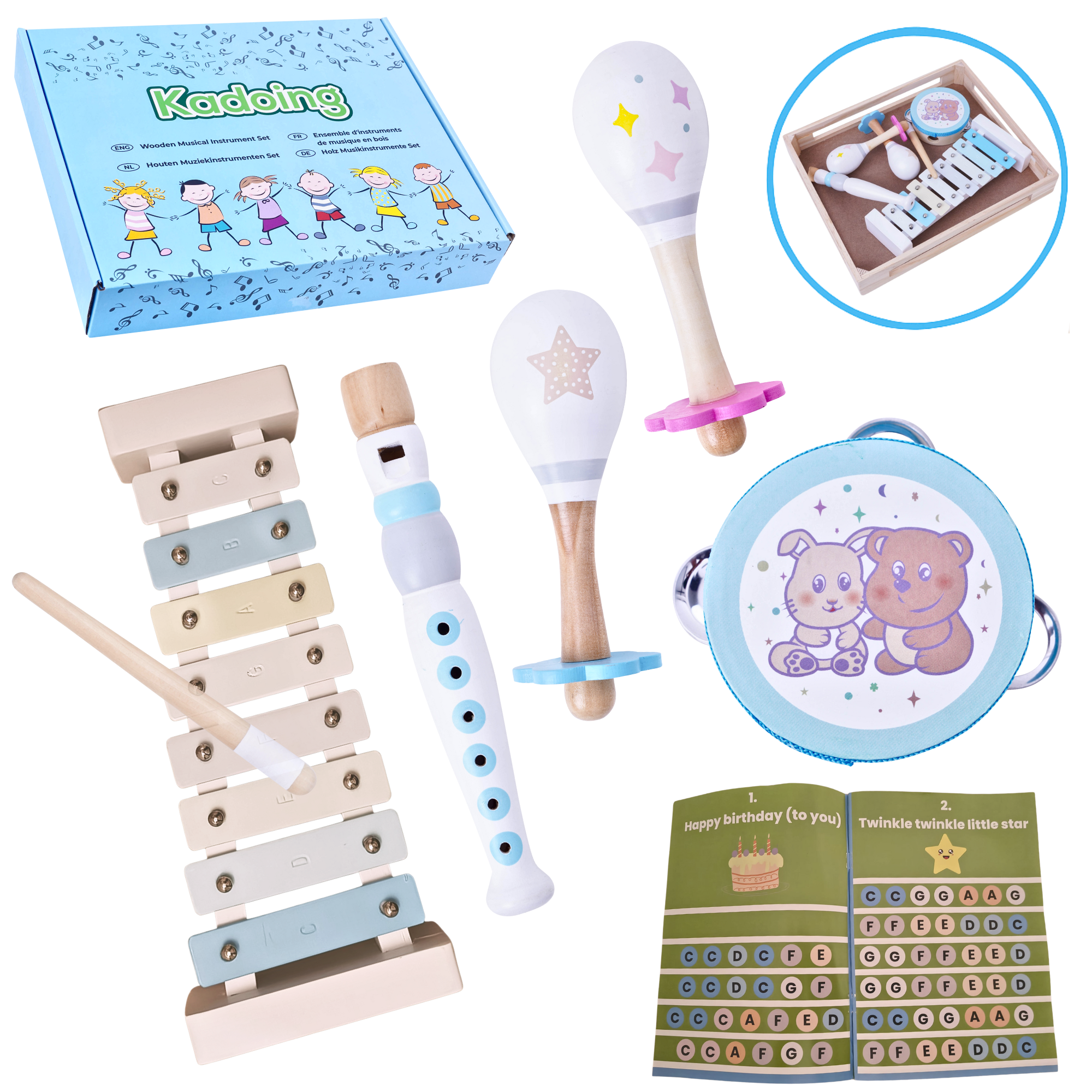
Making music is also a form of play. Children explore rhythm, sound, and movement as they experiment with instruments. This stimulates creativity, concentration, and self-expression.
With a wooden musical instrument set, children can easily discover sounds, rhythms, and the joy of making music together.
Play does not have to be complicated
Children often need less than we think. A cardboard box, a few blocks, a book, a ball, or some simple materials can be enough to inspire an entire world of play.
The most important thing is that children have the time, space, and safety to explore. By taking play seriously, you give your child the opportunity to grow in a way that feels both natural and enjoyable.
Would you like to learn more about play, child development, and parenting? Explore the latest articles in our blog section.