Reading stimulates language development, imagination, and self-confidence. Discover why children's books are so important for your child's growth and development.
From exciting adventures to funny bedtime stories, children's books play an important role in a child's development. Today is International Children's Book Day, a wonderful opportunity to reflect on the benefits of reading. Children's books are not only entertaining, but they also help children grow, learn, and discover the world around them.
Why Is Reading Important for Children?
Reading opens the door to new worlds. Through books, children meet different people, places, emotions, and ideas. At the same time, they develop important skills that are valuable not only at school but throughout their entire lives.
Whether you are reading aloud to a toddler or reading together with a child in elementary school, every reading moment contributes to language development, concentration, and creativity.
1. Children's Books Develop Language Skills
Language forms the foundation of communication. Children use language to play, ask questions, express emotions, and gain new knowledge. By reading regularly or being read to, children are introduced to new words, sentences, and expressions.
Books often contain richer language than everyday conversations. As a result, children's vocabulary grows more quickly. They also learn how stories are structured and how language is used to communicate ideas.
These skills support not only reading and writing but also learning at school and communicating with others.
2. Reading Helps Children Understand Emotions
Children learn a great deal about emotions through stories. Characters experience happiness, sadness, fear, pride, and anger. By following these situations, children discover what emotions mean and how people deal with them.
When a main character feels disappointed or achieves success, children can recognize those feelings. This helps them gradually connect words to emotions and gain a better understanding of their own feelings.
As a result, children learn to identify, understand, and manage emotions more effectively in everyday life.
3. Stories Increase Empathy
A good story allows children to see the world through someone else's eyes. They empathize with characters, understand their challenges, and share in their experiences.
Research shows that reading can contribute to empathy and social understanding. Children learn that people can have different backgrounds, feelings, and opinions.
This makes books not only educational but also highly valuable for children's social development.
4. Reading Stimulates Imagination and Creativity
While movies show everything visually, books require imagination. Children create their own mental images of characters, castles, magical worlds, and adventures.
These mental images stimulate creativity and imagination. In addition, children learn that problems can be solved in different ways. Many stories include creative solutions, unexpected twists, and inspiring ideas.
Creativity plays an important role in learning, playing, and later in solving challenges in everyday life.
5. Books Improve Concentration and Attention
In a world full of screens and constant stimulation, reading helps children develop the ability to focus for longer periods. While listening to a story or reading independently, children must pay attention to words, events, and characters.
This strengthens their attention span and helps them process information more effectively. These skills are extremely valuable both at school and later in life.
6. Reading Aloud Strengthens the Parent-Child Bond
Reading aloud is more than simply sharing a story. It is also a valuable moment of attention and connection. Reading together on the couch or in bed creates calm moments and lasting memories.
It also provides opportunities to ask questions, discuss emotions, and discover new things together. This makes reading both educational and enjoyable.
A regular bedtime reading routine can also contribute to a calm evening schedule. Would you like to learn more about creating a healthy sleep routine? Explore our collection of children's alarm clocks, designed to help children develop a predictable sleep and wake routine.
Reading and Play Go Hand in Hand
Children learn best when they combine different ways of exploring. For example, reading a story about animals can inspire imaginative play or a creative building project. In this way, reading and play reinforce one another.
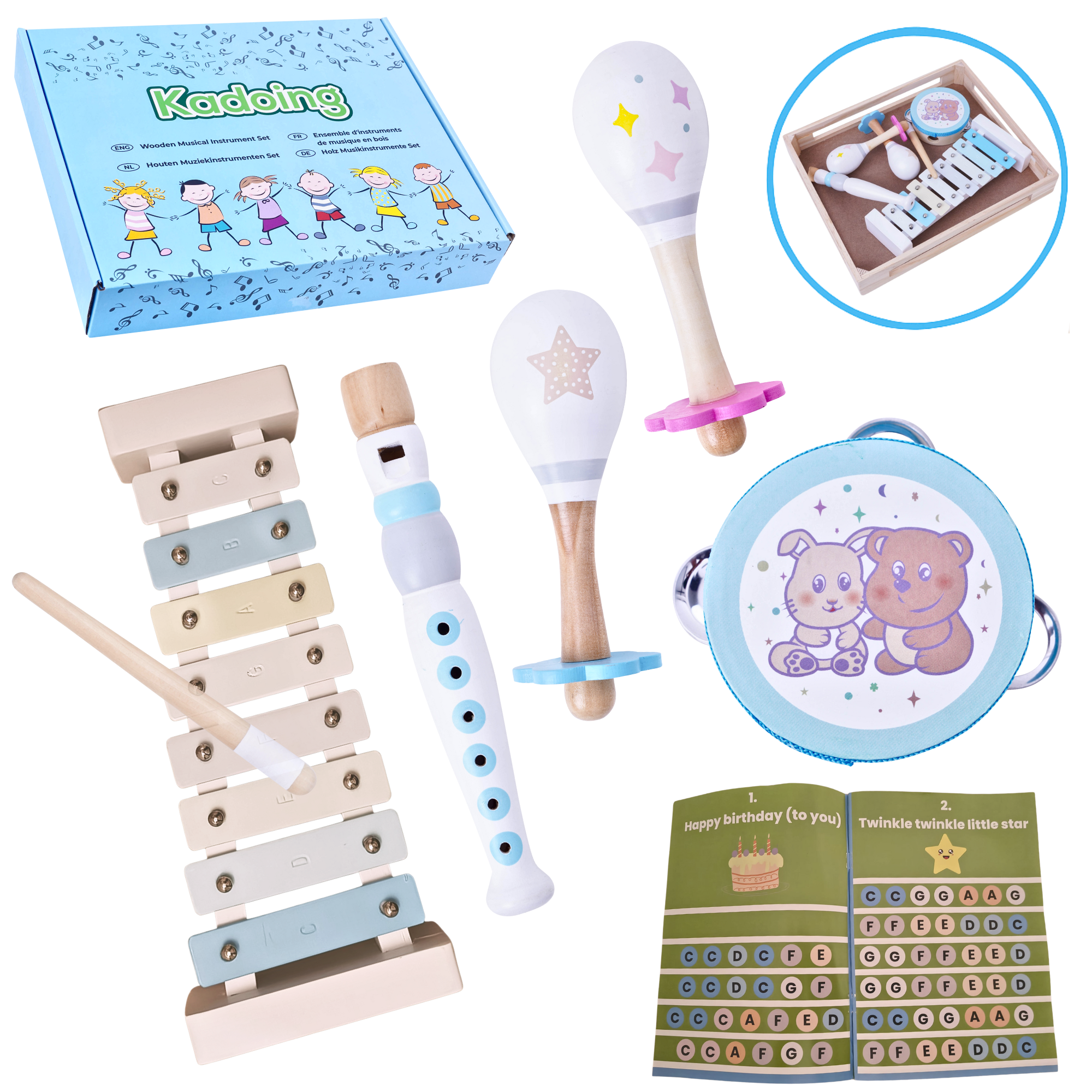
With educational and sustainable wooden toys, children can bring their imagination to life and continue learning through play.
Conclusion
Children's books are much more than simple stories. They help children develop language skills, empathy, creativity, concentration, and emotional understanding. They also create valuable moments together with parents and caregivers.
Whether you read aloud every evening or discover a new book together, every reading moment contributes to your child's development. So grab a wonderful children's book and dive into a new adventure together.
Children's books are filled with life lessons and adventure. Which book will you read together with your child today?