Children learn to understand time step by step. With consistent routines, play, and visual aids, their sense of time develops naturally.
Understanding Time in Children: When Does It Begin?
For young children, time is an abstract concept. They mainly live in the moment and associate events with activities such as playing, eating, or sleeping. Concepts like “tomorrow,” “next week,” or “in an hour” are therefore often difficult to understand.
However, the development of time awareness begins at an early age. Through daily routines and familiar moments, children gradually learn to distinguish between the past, present, and future.
How Do Children Experience Time?
Children experience time differently from adults. While adults think in hours and minutes, children tend to think in events and activities. That is why it helps to make time visible and concrete.
For example, start with simple parts of the day such as:
- Morning
- Afternoon
- Evening
- Night
Counting “sleeps” is also often effective. For example, say: “Two more sleeps and then we’ll visit Grandma and Grandpa.” This helps children gain a better understanding of the passage of time.
A calendar can also be helpful. Let your child cross off days, color them in, or place stickers on special events. This makes time literally visible.
Why Is Time Awareness Important?
A well-developed sense of time helps children experience more structure and calm. They better understand what is expected of them and can prepare more easily for changes throughout the day.
This contributes to:
- Greater independence
- Better daily structure
- Less uncertainty
- Better understanding of daily routines
- Smoother transitions between activities
Fun Ways to Teach Children About Time
Children learn best through play. That is why educational tools can provide valuable support in developing a sense of time.
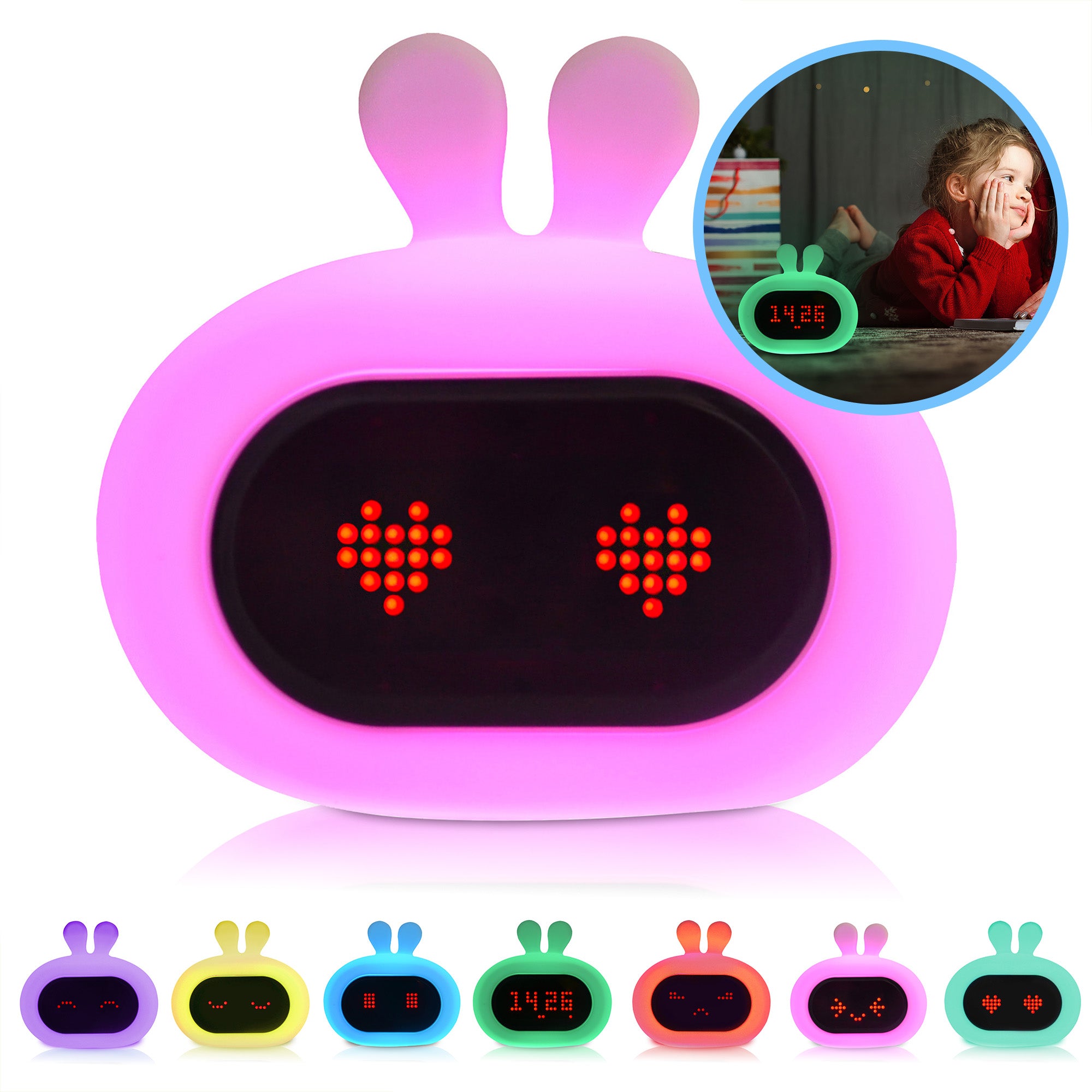
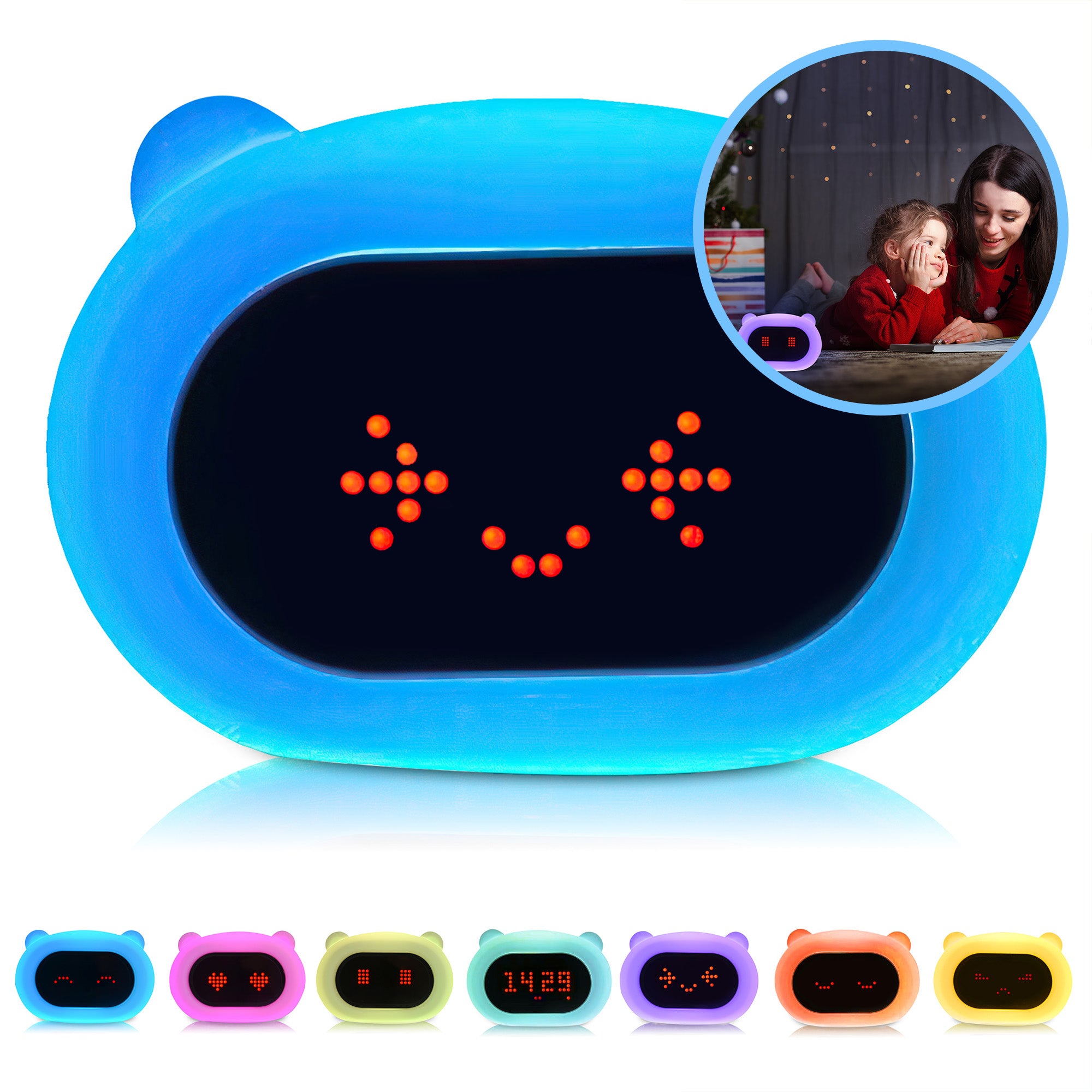
Think of children's watches, learning clocks, or a children’s alarm clock with a sleep trainer function. These tools make it clear when it is time to sleep, wake up, or finish an activity.
By linking fixed moments to recognizable signals, children gain more clarity and predictability. This creates a sense of calm for both children and parents.
7 Practical Tips to Encourage Time Awareness in Children
- Link activities to specific times of the day.
- Talk regularly about yesterday, today, and tomorrow.
- Use a calendar to make events visible.
- Let your child count down using “sleeps.”
- Create a timeline together of a fun event or experience.
- Use a children’s alarm clock or sleep trainer to support daily routines.
- Practice with short time blocks, such as 15 or 30 minutes of playtime.
Children Learn to Tell Time Step by Step
Learning to tell time does not have to happen all at once. Start by recognizing parts of the day and daily routines. Then children can gradually become familiar with hours, half hours, and eventually minutes.
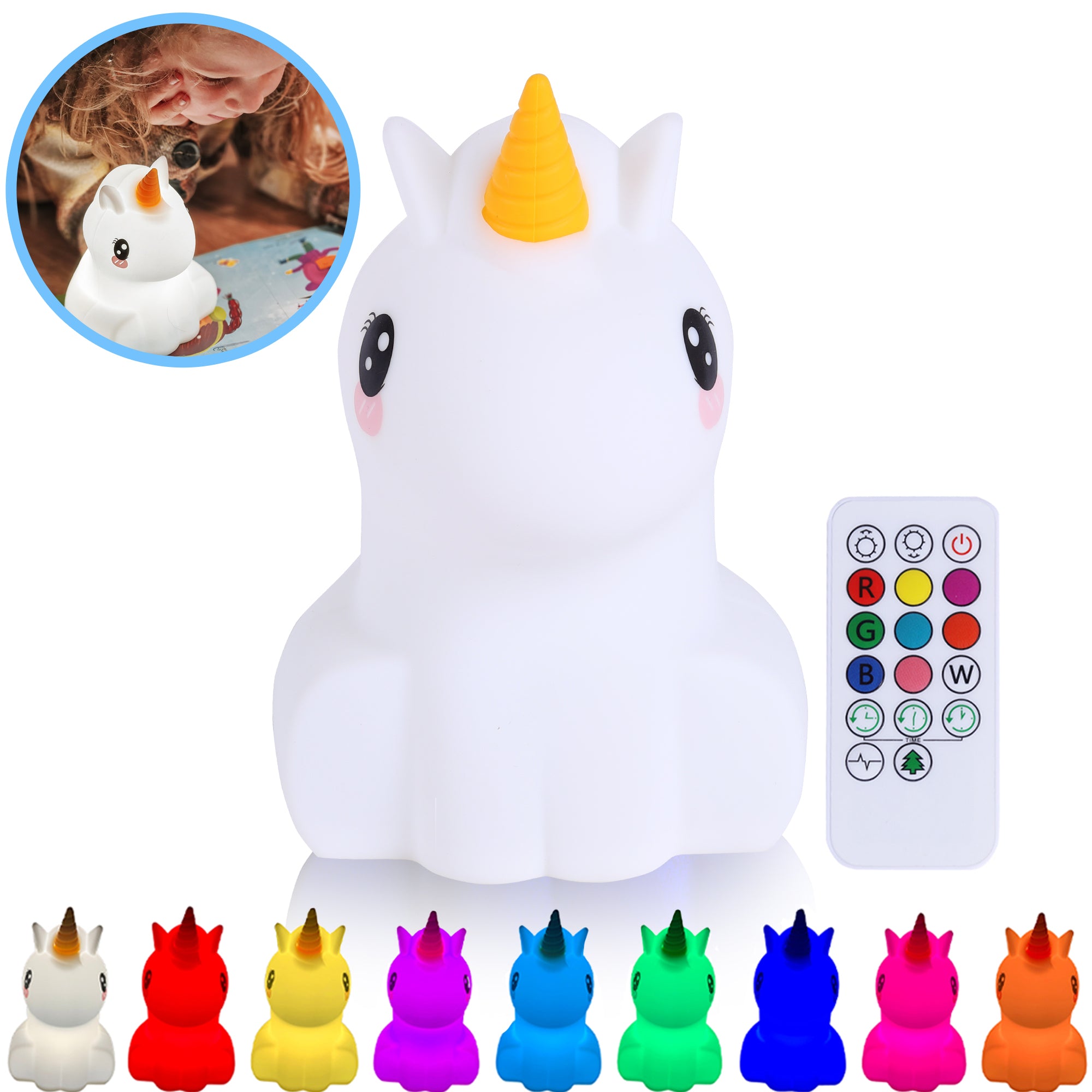
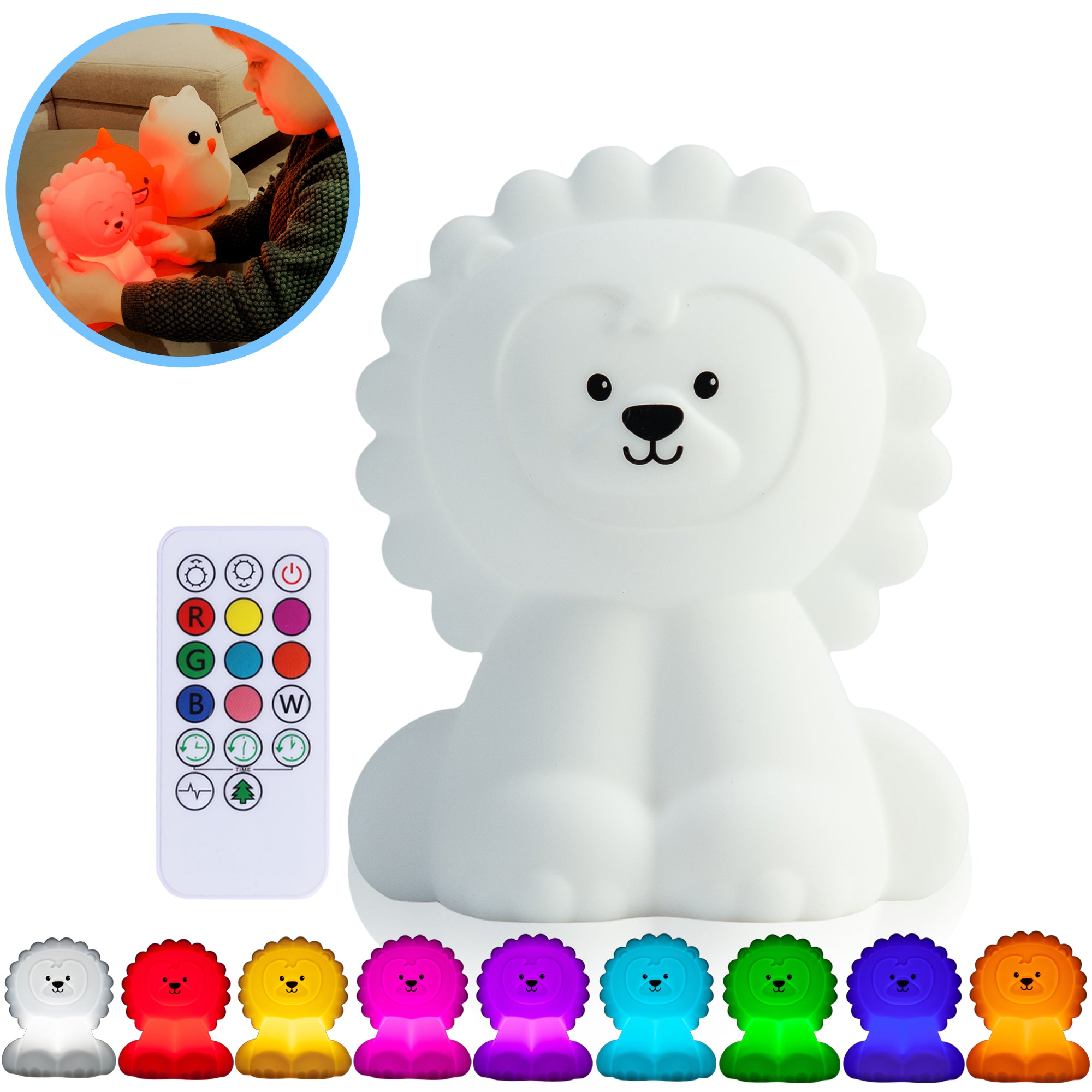
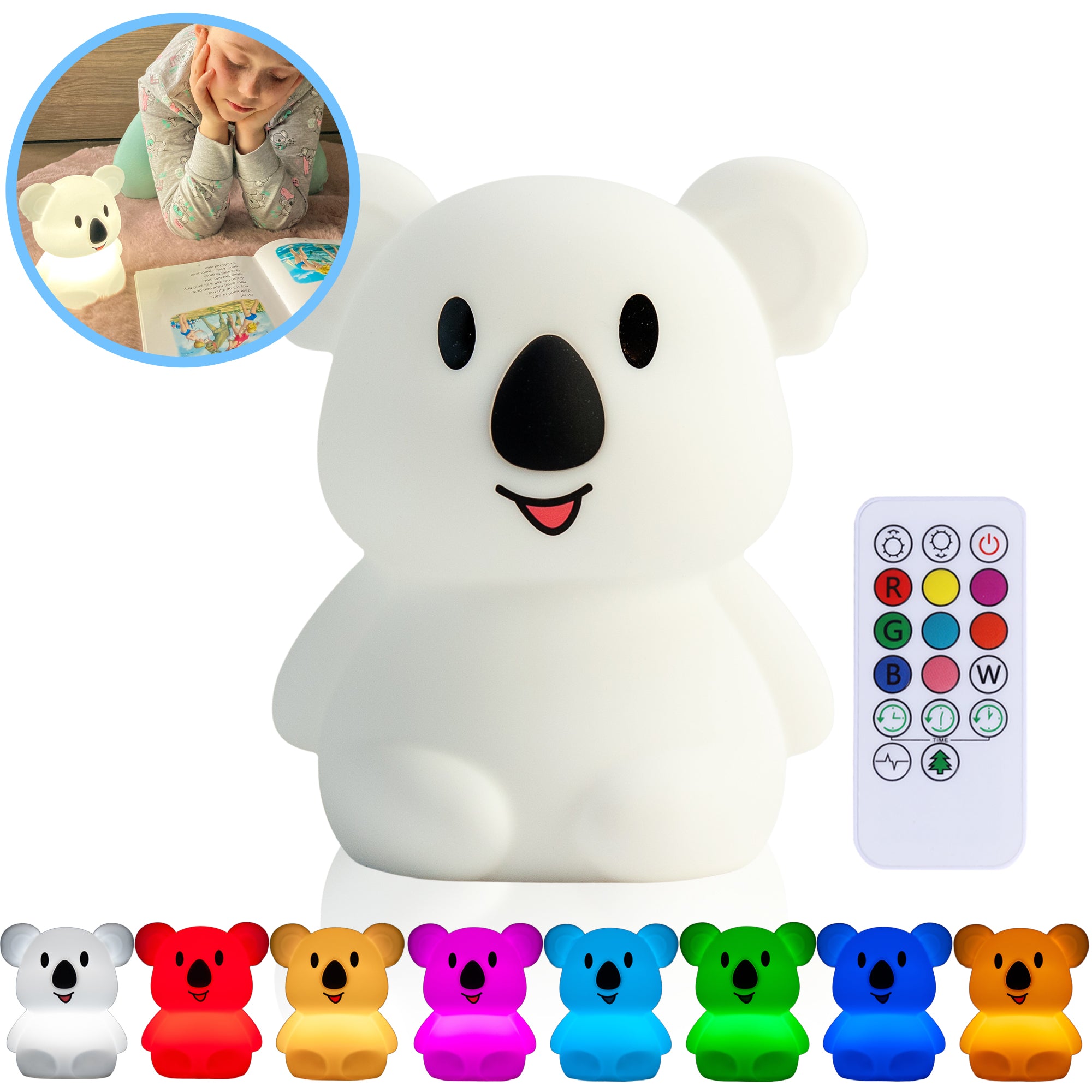
A children’s alarm clock can help because it allows children to recognize time visually. A soft night light for children can also become part of a calming bedtime routine.
Would you like more information about setting up and using a Kadoing children’s alarm clock? Be sure to check out our video tutorials.
With patience, repetition, and playful learning tools, understanding time develops naturally. This helps your child build structure, independence, and confidence in a positive way.