Social skills help children communicate, cooperate, and manage emotions. Discover how you can encourage these skills at home.
Social skills are an important part of your child's development. They help with playing together, making friends, understanding emotions, and showing consideration for others. Fortunately, children don't only learn these skills at school. They also develop them at home through play, sports, conversations, and creative activities.
Why Are Social Skills Important for Children?
Social skills form the foundation of healthy relationships. Children learn how to connect with others, listen, share, cooperate, and resolve conflicts. These are essential skills they will use at school, during playtime, and later in everyday life.
Empathy also plays an important role. By practicing social situations, children learn to understand the feelings and perspectives of others. This helps build both self-confidence and the ability to interact positively with people around them.
1. Encourage Your Child to Play with Friends
Playing together is one of the best ways to practice social skills. During play, children learn to share, take turns, make agreements, and consider the needs of others.
Invite friends over from time to time or visit a playground together. As a parent, you can observe from the background and offer support when situations become challenging, without immediately taking over.
2. Encourage Cooperation Through Play
Not every game needs to be competitive. Building together, using imagination, or making music helps children communicate, negotiate, and come up with ideas as a team.
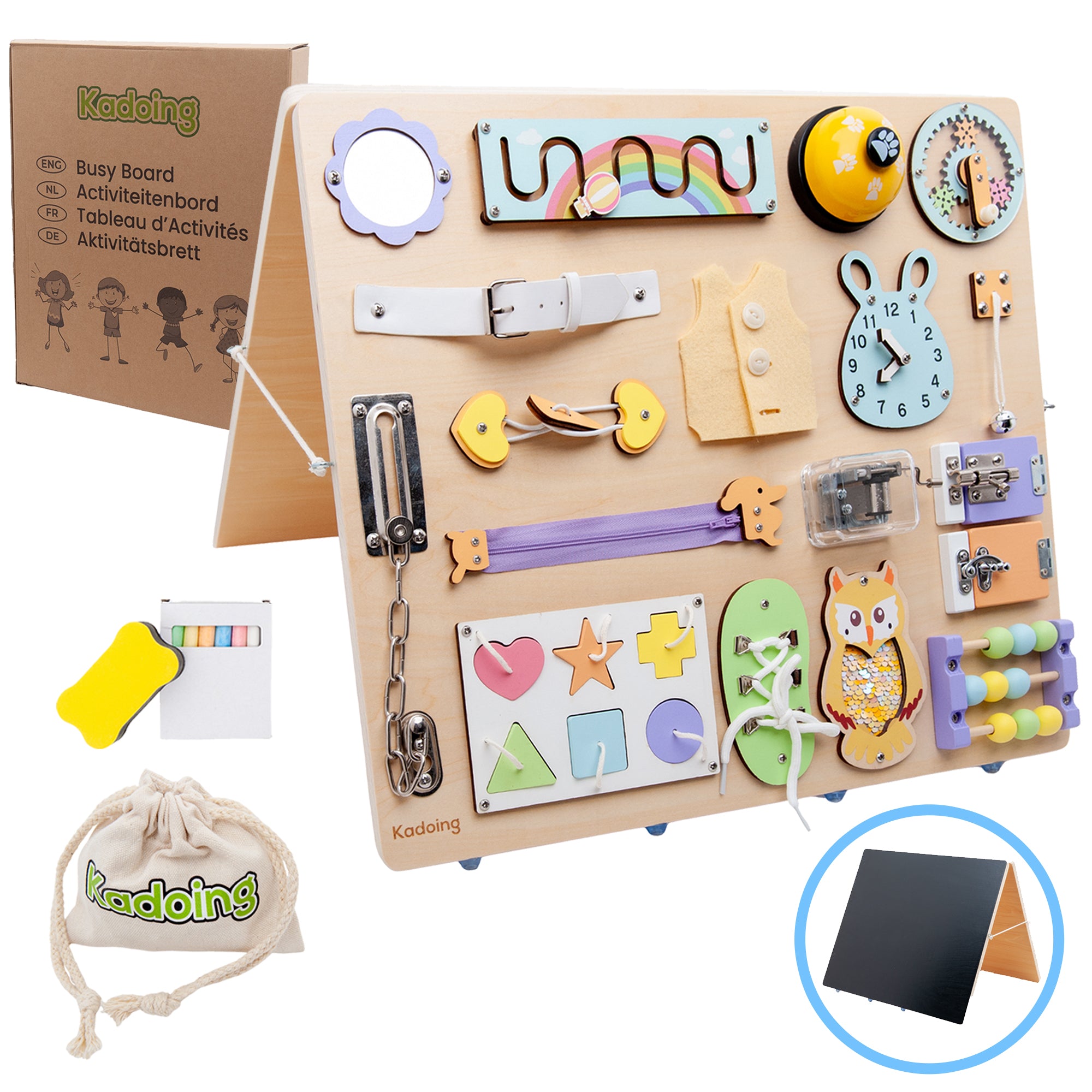
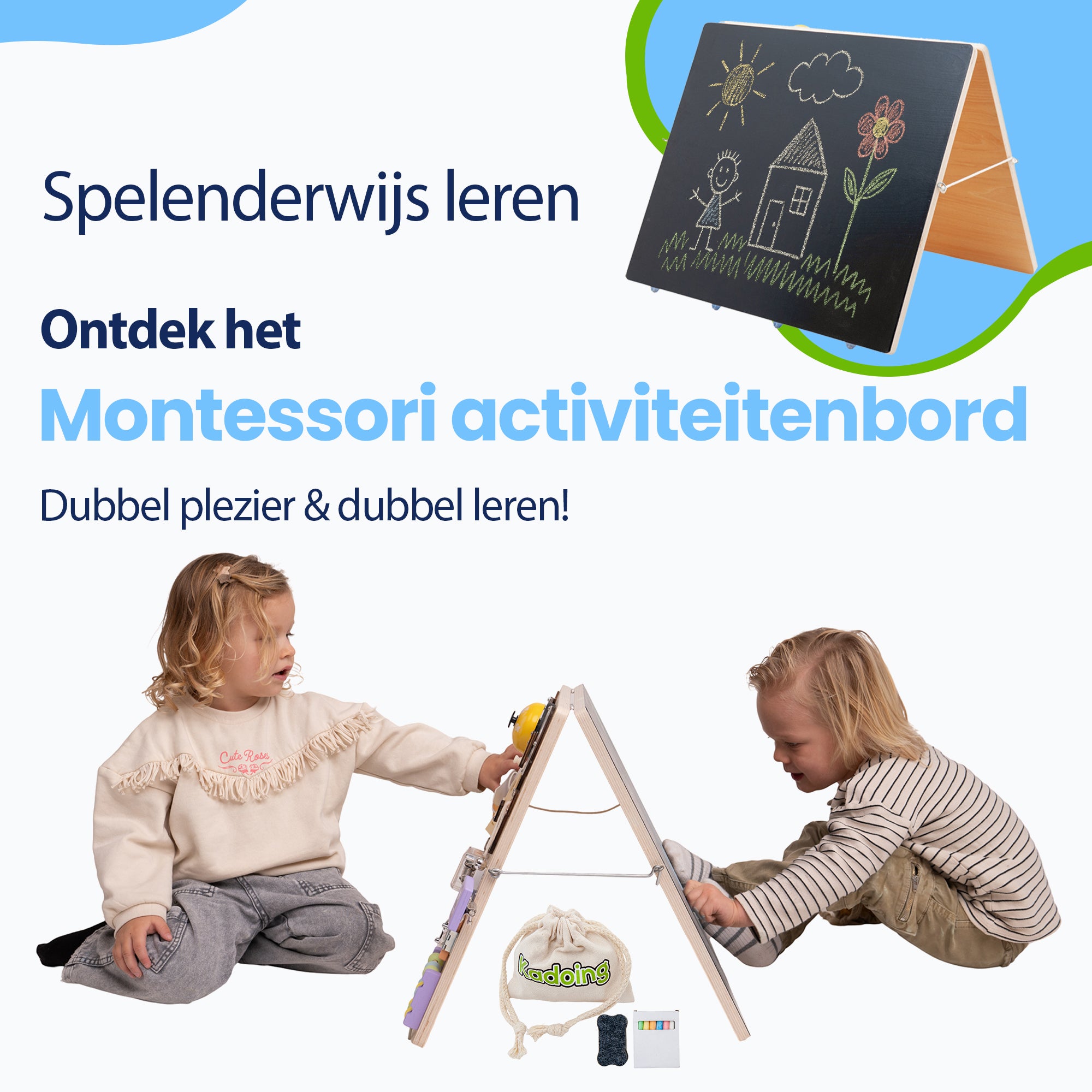
With open-ended toys such as durable wooden toys, children can explore, build, and create stories together. This encourages both creativity and social interaction.
3. Join a Sports Club or Group Activity
A local sports club, chess club, dance class, or other group activity can contribute greatly to your child's social development. Children learn teamwork, how to follow rules, and how to show respect for others.
In team sports, children learn to work together toward a shared goal. In individual sports, they develop sportsmanship, perseverance, and respect for opponents.
4. Use Music, Art, and Creative Activities
Not every child enjoys competition. Creative activities such as singing, dancing, acting, drawing, or making music can be wonderful ways to develop social skills.
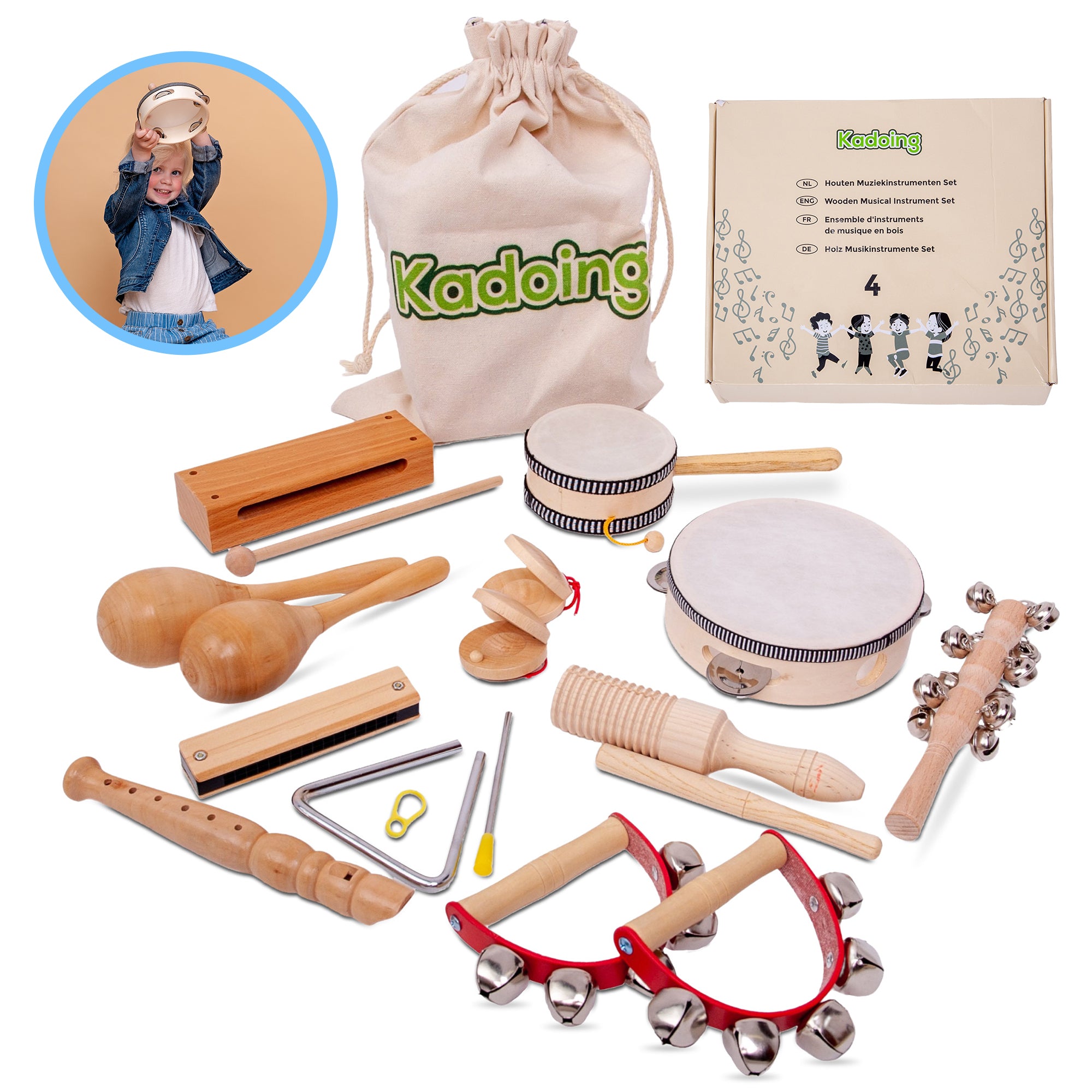
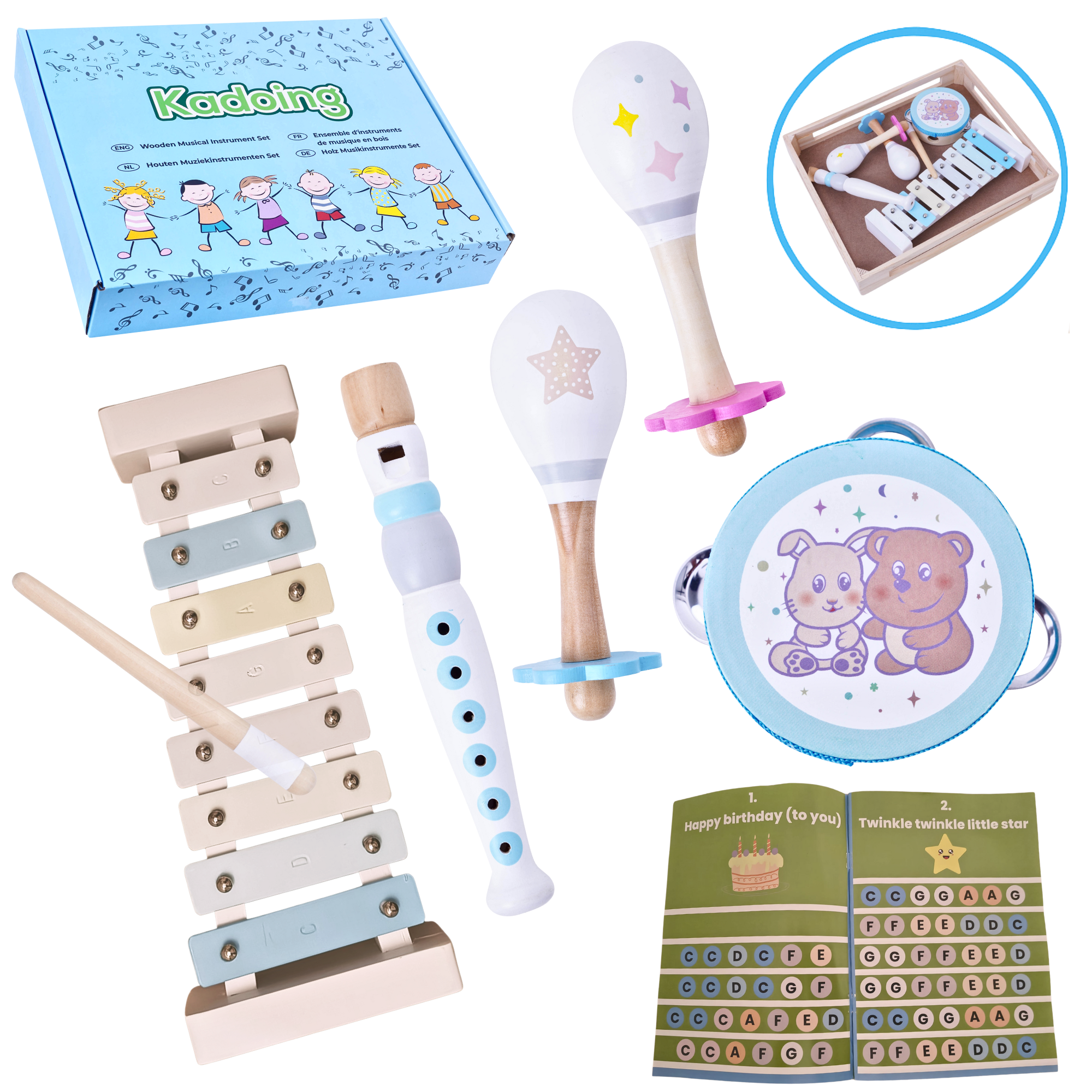
Children learn to listen to each other, create something together, and express themselves. With a wooden musical instrument set, children can discover rhythm, cooperation, and self-expression through play.
5. Talk About Social Situations Together
Conversations are just as important as activities. Ask your child about a playdate, school day, or sports activity. What was fun? What was challenging? How do you think the other person felt?
By talking calmly, children learn to identify emotions and better understand different situations. Listen without immediately judging or offering solutions. Sometimes your child simply needs to feel heard and understood.
6. Set a Good Example
Children learn a great deal by observing adults. The way you communicate, listen, apologize, or handle disappointment is consciously and unconsciously copied by your child.
Show your child how to communicate kindly, keep promises, and treat others with respect. This helps social skills become a natural part of everyday life.
7. Practice Recognizing Emotions
Social skills are closely connected to emotional awareness. A child who can recognize feelings such as anger, sadness, happiness, or nervousness is better able to respond to both their own emotions and those of others.
Use everyday situations to talk about feelings. For example: “I can see that you're disappointed,” or “How do you think your friend felt?” Step by step, this helps your child develop greater empathy and understanding.
Growing Social Skills Together
Developing social skills takes time. Your child does not need to get everything right immediately. By practicing, making mistakes, and trying again, confidence gradually grows.
By playing together, being creative, having meaningful conversations, and setting a positive example, you help your child become more comfortable and confident in social situations.
Would you like to support your child's development through play? Discover Kadoing's collection of durable toys, designed to help children play, learn, and grow.
How do you help your child navigate social situations?