Curiosity, play, and discovery form the foundation of learning. Discover how you, as a parent, can positively influence your child's development.
The Important Role Parents Play in a Child's Development
As a parent, you naturally want the very best for your child. From their first words to learning how to read and write, every new step feels like a special milestone. However, learning doesn't begin at school. From birth onward, children constantly discover new things about themselves and the world around them.
Parents play a crucial role in this process. Not by constantly teaching, but by creating an environment where children feel comfortable being curious, asking questions, and exploring independently. This foundation often becomes the starting point for a lifelong love of learning.
Curiosity: The Driving Force Behind Learning
Children are born with a natural sense of curiosity. They want to know how things work, why something happens, and what will happen if they try something new. This curiosity forms the basis of almost every learning process.
When parents encourage questions and exploration, children gain confidence in continuing to investigate new things. Learning often happens in everyday moments rather than major events. Think of cooking together, observing an insect in the garden, or discussing why the sky changes color during sunset.
By showing genuine interest in your child's questions, you demonstrate that learning is enjoyable, valuable, and exciting.
Why Play Is Such a Powerful Learning Experience
For children, play and learning are closely connected. Through play, they practice skills without feeling like they are studying. They build, explore, imagine, experiment, and discover.
Play helps develop:
- Problem-solving skills.
- Creativity and imagination.
- Motor skills.
- Social interaction.
- Self-confidence and independence.
Open-ended play, where children decide for themselves what to do, is especially valuable. Materials that can be used in different ways often encourage more creativity than toys with only one fixed purpose.
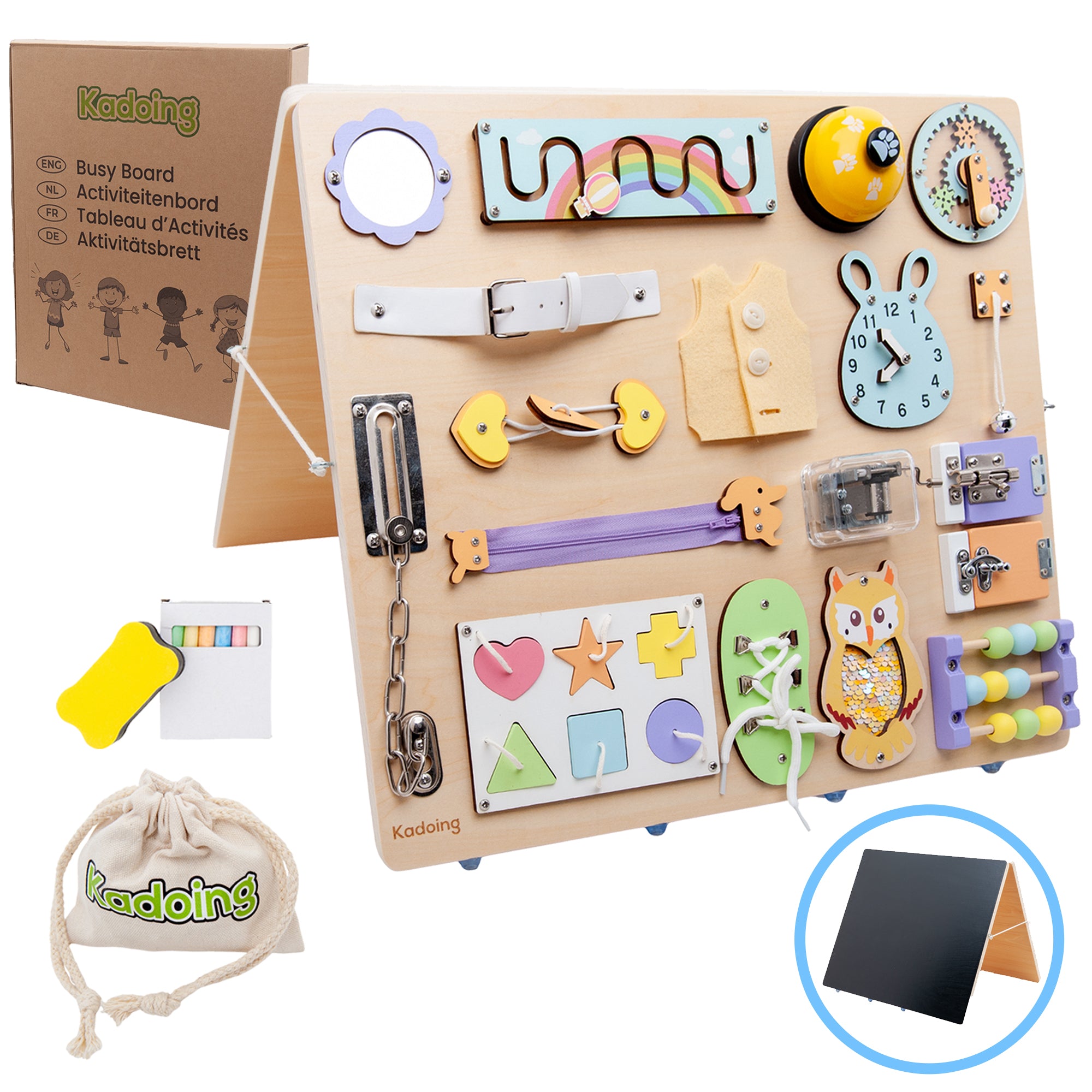
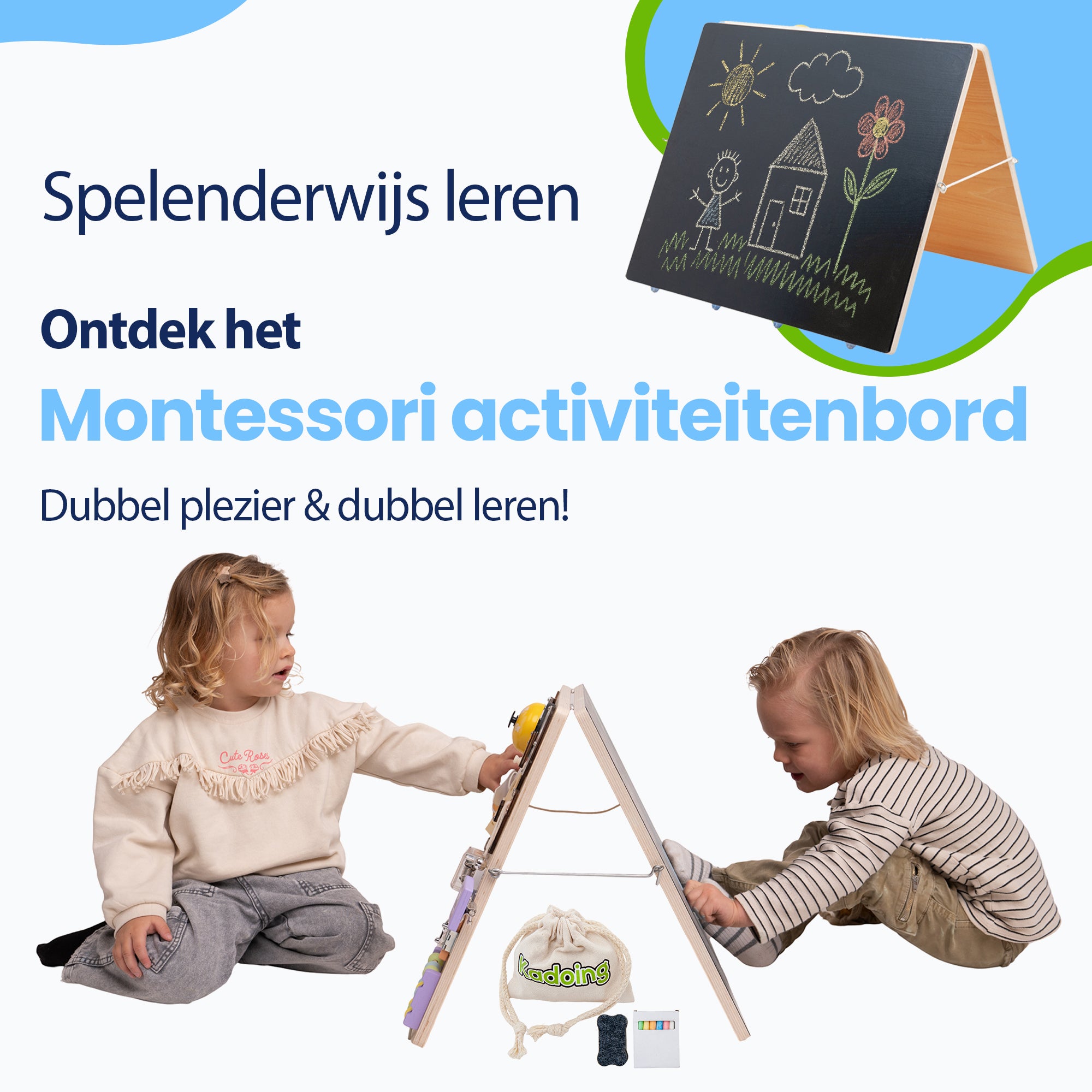
For young explorers, activities that allow children to investigate, open, close, and experiment independently can be particularly educational. For example, a Montessori activity board designed for independent discovery offers plenty of opportunities to learn through play.
Learning Doesn't Only Happen at School
Although school plays an important role in a child's development, much learning takes place outside the classroom. Every day offers opportunities to gain new knowledge and experiences.
A walk in the forest teaches children about nature. A museum visit sparks curiosity. Grocery shopping together provides opportunities to count, compare, and plan. Even conversations around the dinner table contribute to language development and critical thinking skills.
When children experience learning as something that happens everywhere around them, they often develop a broader and more positive view of knowledge and personal growth.
7 Ways Parents Can Encourage Learning
1. Make Learning Fun
Children learn best when they enjoy themselves. Use games, stories, experiments, and creative activities to make new topics engaging and exciting.
2. See Mistakes as Learning Opportunities
Children who are afraid of making mistakes are often less willing to try new things. Show them that mistakes are normal and actually help us grow.
3. Discover New Things Together
Explore together. Visit a museum, nature reserve, or library, and encourage your child to ask questions and search for answers independently.
4. Lead by Example
Children observe their parents closely. When they see you being curious, reading, learning, or developing new interests, they learn that learning is something valuable.
5. Encourage Reading
Books open up new worlds. Reading aloud and reading together help children develop language skills, concentration, and imagination.
6. Focus on Effort Rather Than Results
Children build confidence when their effort is appreciated. Compliment not only achievements but also perseverance, curiosity, and determination.
7. Create a Positive Learning Environment
Children learn best when they feel safe asking questions and trying new things. Encouragement and trust play a key role in this process.
Creativity Supports Development
Creative activities help children express ideas, solve problems, and discover their own interests. Drawing, building, crafting, and making music stimulate multiple areas of the brain simultaneously.
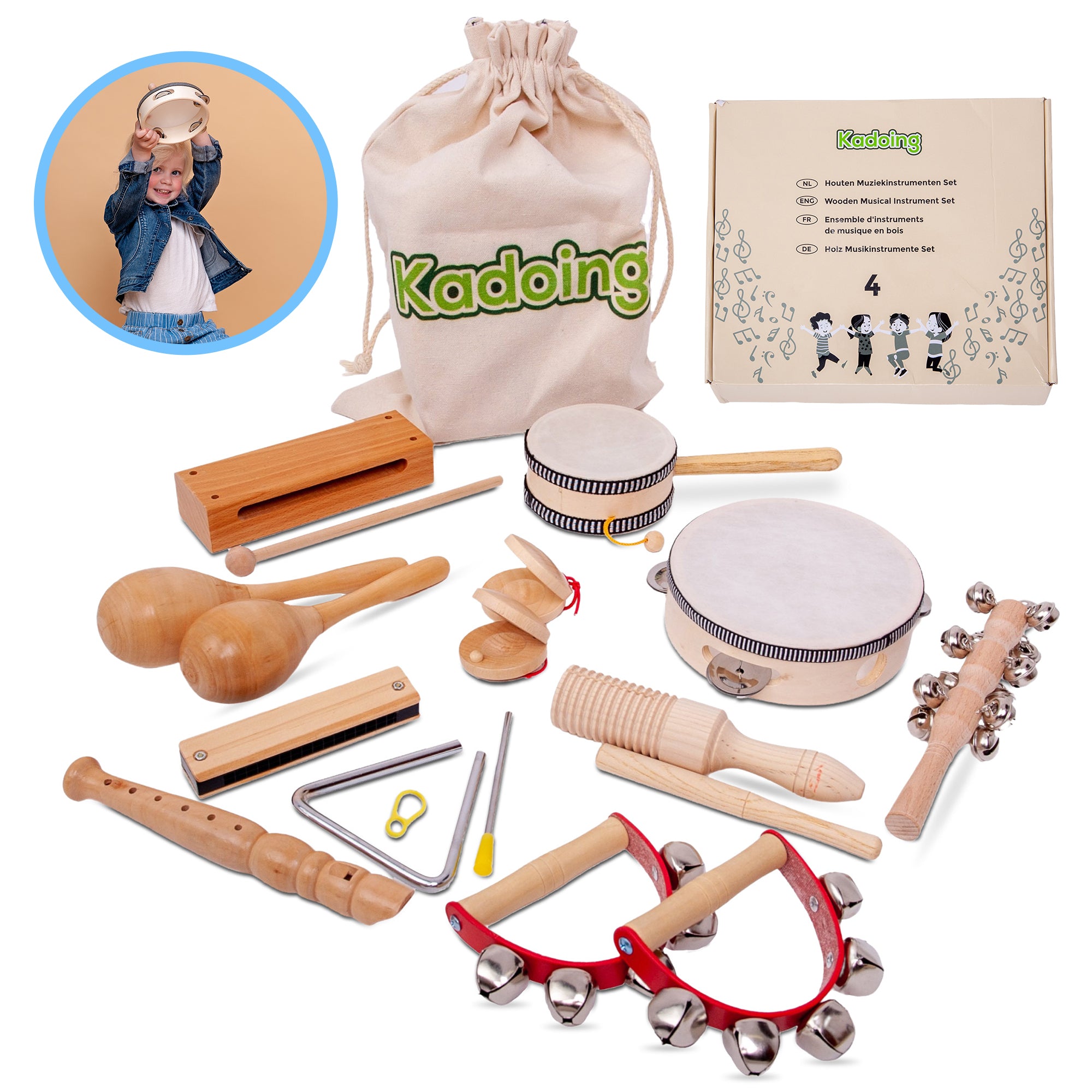
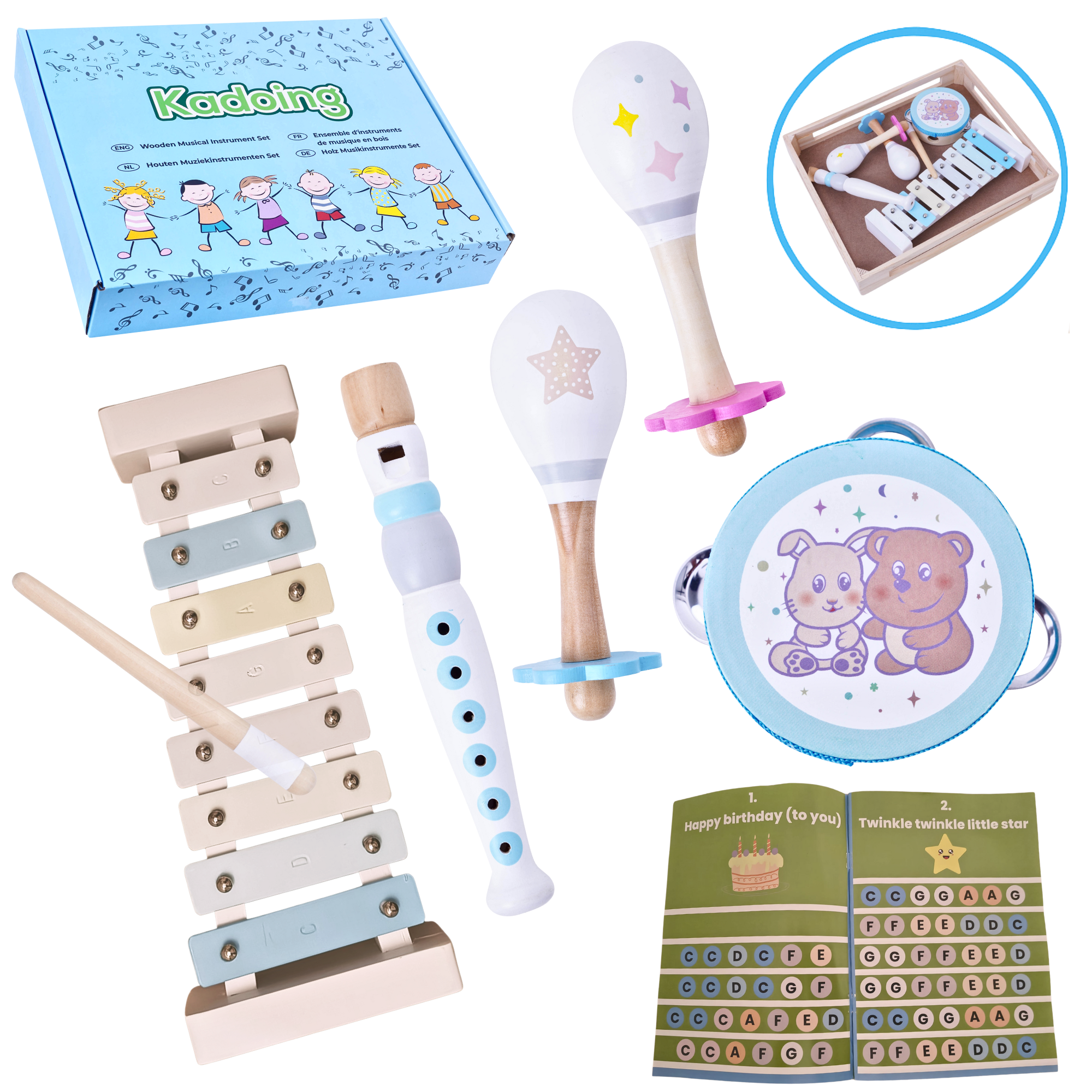
Music is a great example. By exploring rhythms and creating sounds, children practice concentration, motor skills, and self-expression. A musical instrument set for children can support this development in a fun and playful way.
Independence Grows Through Trust
Children develop most effectively when they are given the freedom to try things for themselves. This doesn't mean parents should step back completely, but rather that guidance gradually evolves into trust.
When children experience that they can find solutions on their own, their sense of independence grows. They carry this confidence into school, social situations, and future challenges.
The Most Valuable Lessons Often Happen in Everyday Moments
A child's educational development is shaped by much more than grades, tests, or textbooks. Often, the small moments have the biggest impact: reading a book together, answering a question, discovering something new, or simply listening to what interests your child.
Years from now, children may not remember every worksheet or lesson, but they will remember the feeling that they were allowed to explore, experiment, and grow. By nurturing curiosity and making room for play and wonder, you help your child build a strong foundation for the future.
Looking for more inspiration about parenting, child development, and learning through play? Take a look at our articles in the Kadoing parenting and play inspiration blog.