Toys help children explore, practice, and grow. Discover how play supports motor skills, imagination, emotional development, and independence.
Toys are much more than simple entertainment. Through play, children learn to understand the world around them. They practice new skills, process emotions, use their imagination, and discover what they enjoy. Whether it's building blocks, plush toys, musical instruments, or a children's alarm clock, well-chosen toys can play a valuable role in your child's development.
Why Are Toys Important for Children?
Children learn by doing. Play is a natural way for them to explore, experiment, repeat, and grow. Toys give children the opportunity to make independent choices, solve problems, and use their creativity.
For young children, toys can also provide a safe way to express emotions. A plush toy can offer comfort, a doll can help them act out situations, and building toys can teach them about cause and effect.
How Do Toys Contribute to Your Child's Development?
Toys support multiple areas of development. Here's how play can contribute to a child's growth.
1. Physical Development and Motor Skills
Through toys, children practice both fine and gross motor skills. Think of stacking blocks, holding puzzle pieces, drawing, dancing, or building. These activities help develop hand-eye coordination, balance, and muscle control.
2. Cognitive Development
Toys such as puzzles, sorting games, and construction sets help children develop logical thinking skills. They learn to recognize patterns, solve problems, and understand relationships between objects and actions. These are important skills that will also benefit them later in school.
3. Emotional Development
Play helps children recognize and process their emotions. By acting out situations with figures, plush toys, or role-playing games, children learn to cope with feelings such as happiness, frustration, disappointment, and excitement.
4. Social Development
Playing together teaches children how to share, take turns, cooperate, and communicate. These experiences help them build relationships with siblings, friends, and classmates.
5. Creative Development
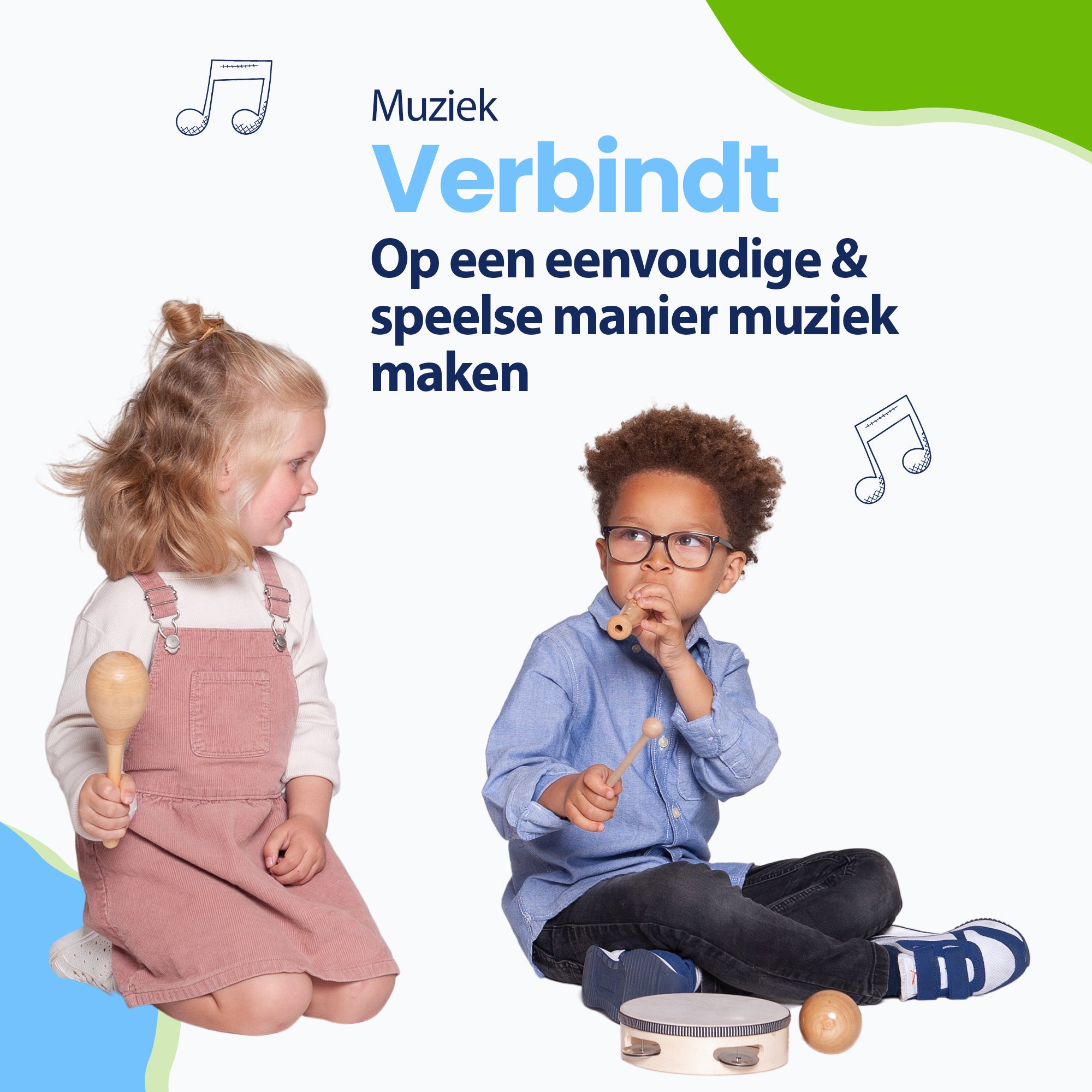
Open-ended toys, such as wooden toys, musical instruments, and arts-and-crafts materials, encourage imagination. Children create their own rules, stories, and solutions. This freedom is exactly what makes play so valuable.
Which Toys Match Your Child's Development?
The best toys match your child's age, interests, and stage of development. Ideally, choose toys that encourage exploration, repetition, and independent thinking. Durable toys that can be used in multiple ways and last for years are often an excellent choice.
3 Types of Enriching Toys for Children
If you're looking for toys that are both fun and educational, these three categories are worth considering.
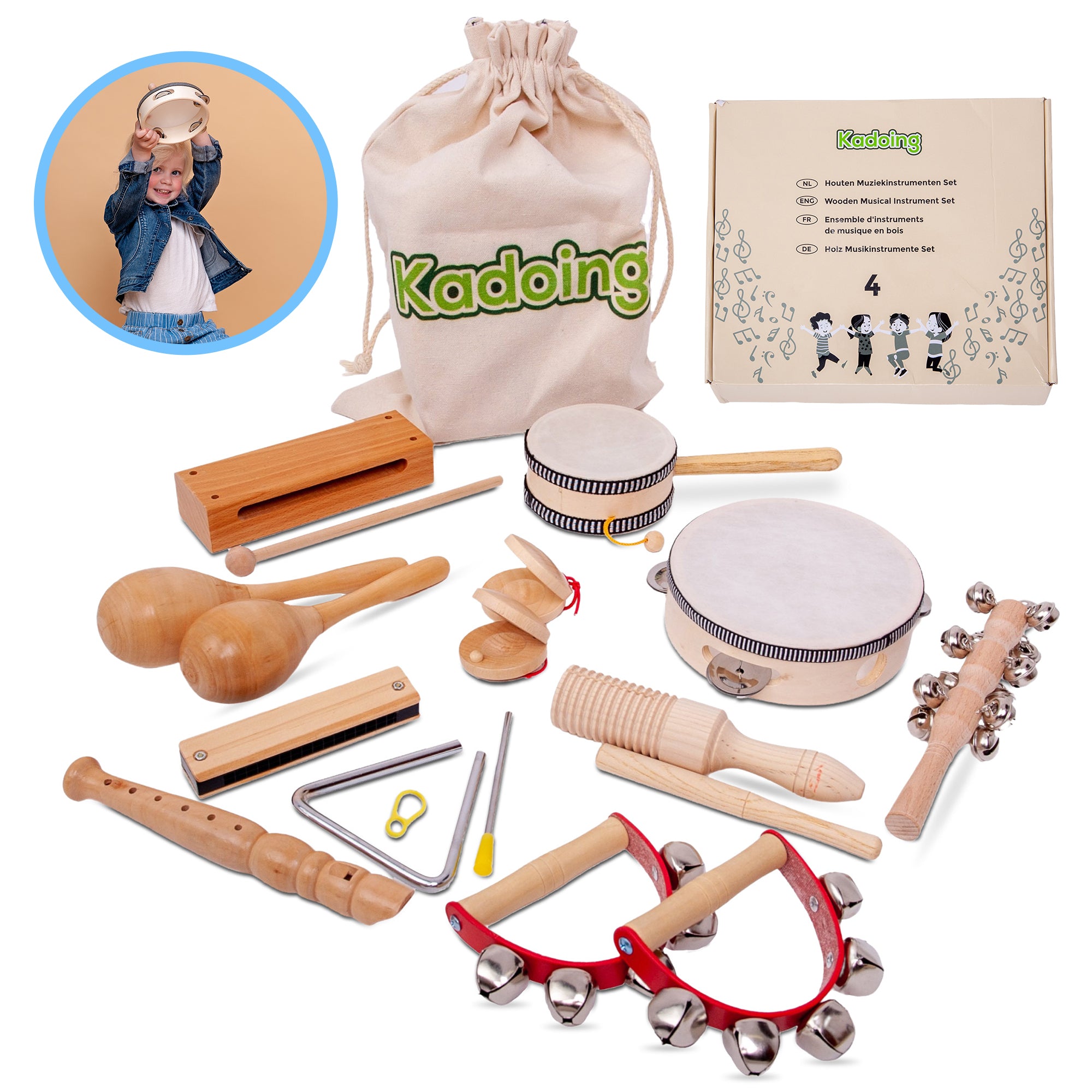
1. Wooden Toys for Creativity and Motor Skills
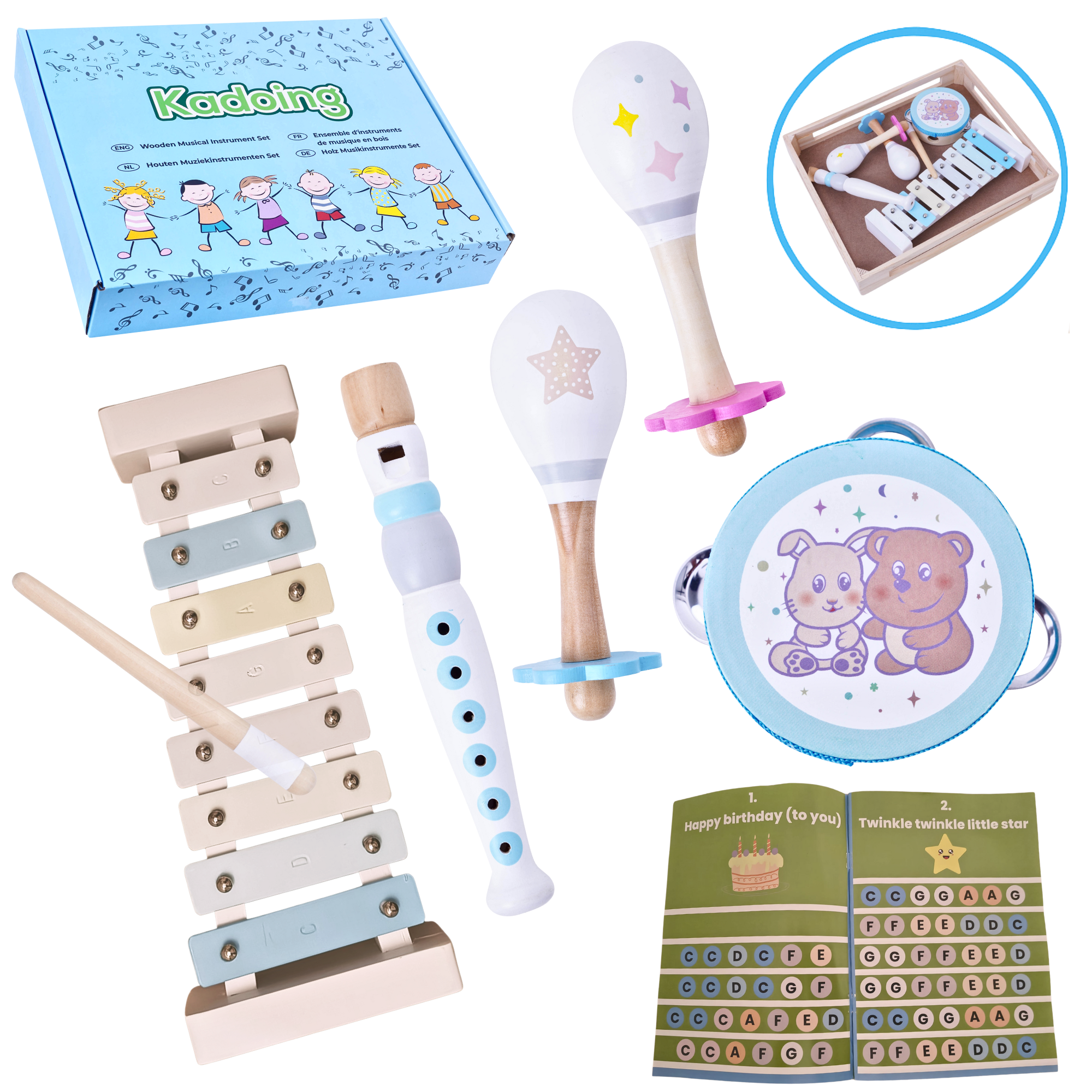
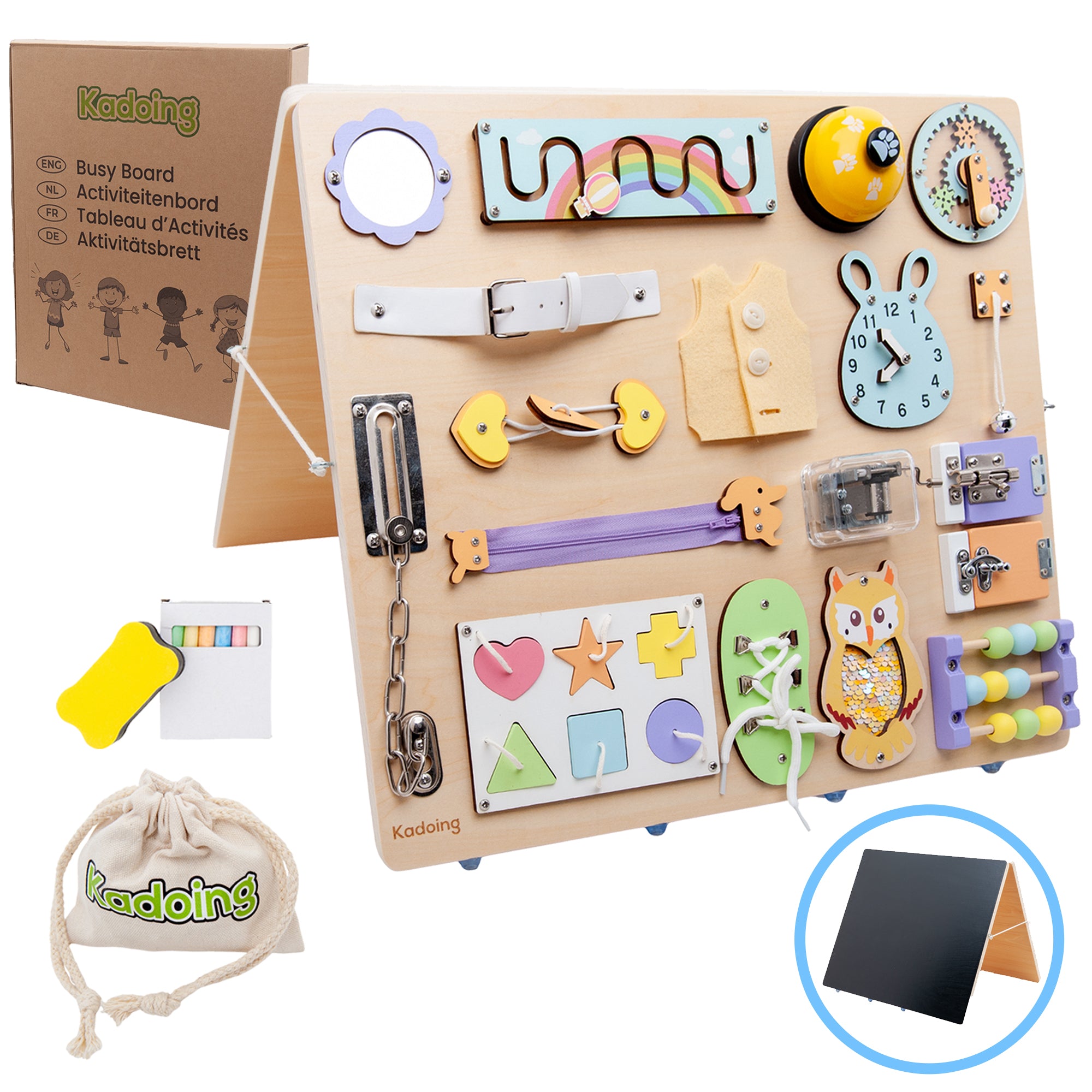
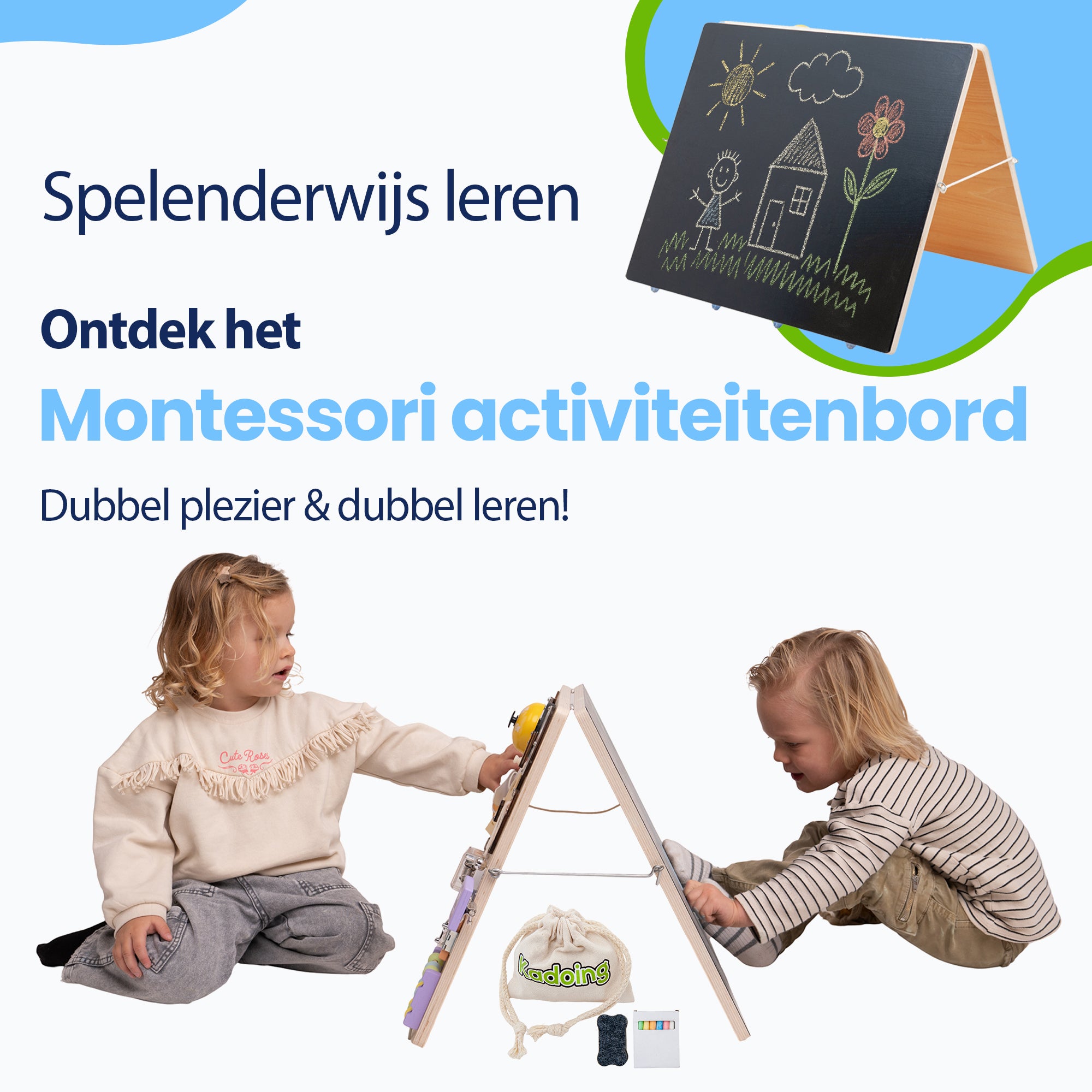
Wooden toys are durable, timeless, and often encourage open-ended play. Think of building blocks, musical instruments, puzzles, or activity boards. Children can use them to touch, stack, turn, sort, create music, and engage their imagination.
At Kadoing, you'll find a wide selection of durable wooden toys, including musical instruments and educational toys that support children's development through play.
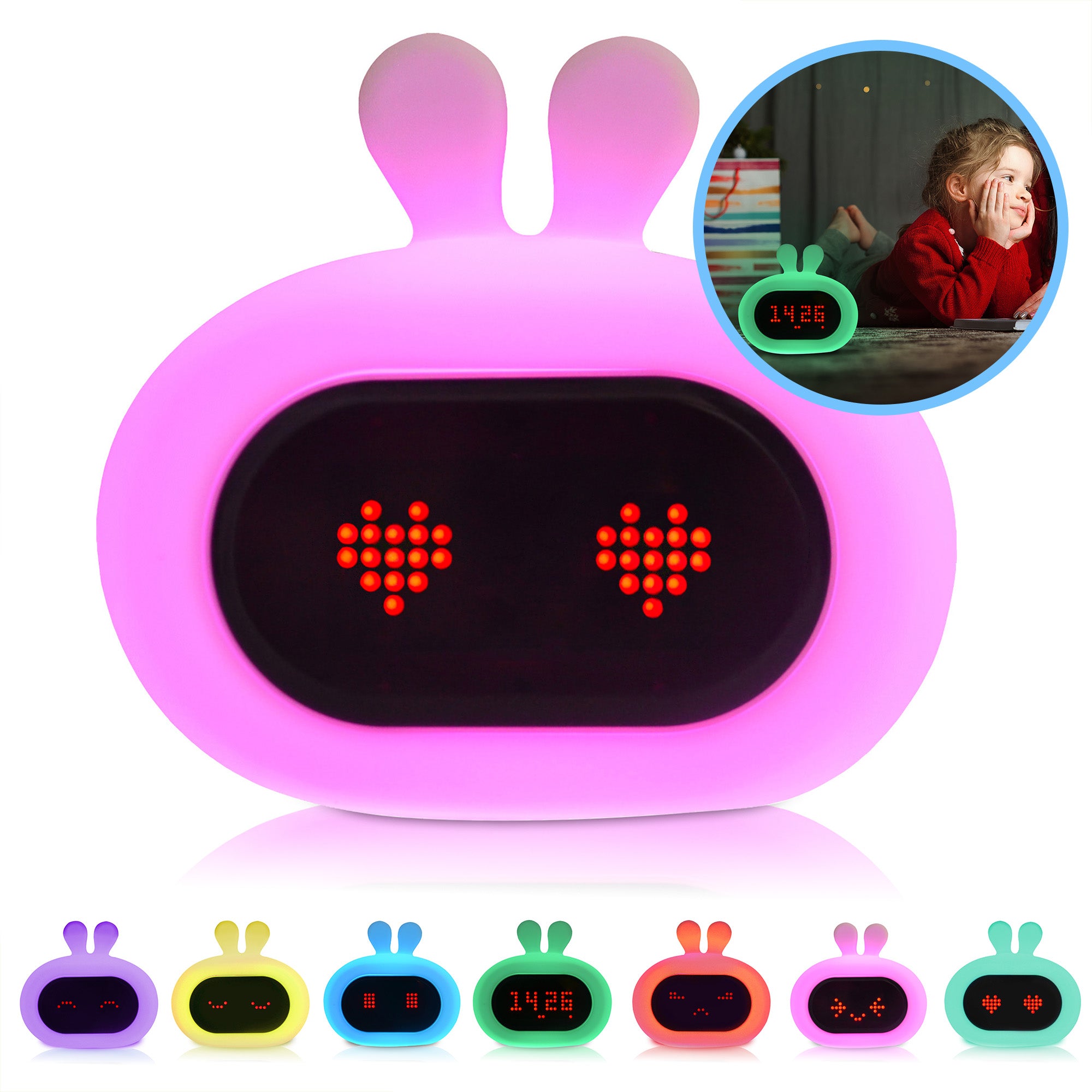
2. Children's Alarm Clocks for Independence and Time Awareness
A children's alarm clock isn't just useful for parents—it can also be educational for children. It introduces them to concepts such as time, daily routines, and independence. Young children often struggle to understand time, and an alarm clock with sleep-training features can help them learn when it's time to sleep and when it's okay to get up.
Explore our collection of children's alarm clocks and sleep trainers designed to help children develop structure and confidence in a gentle way.
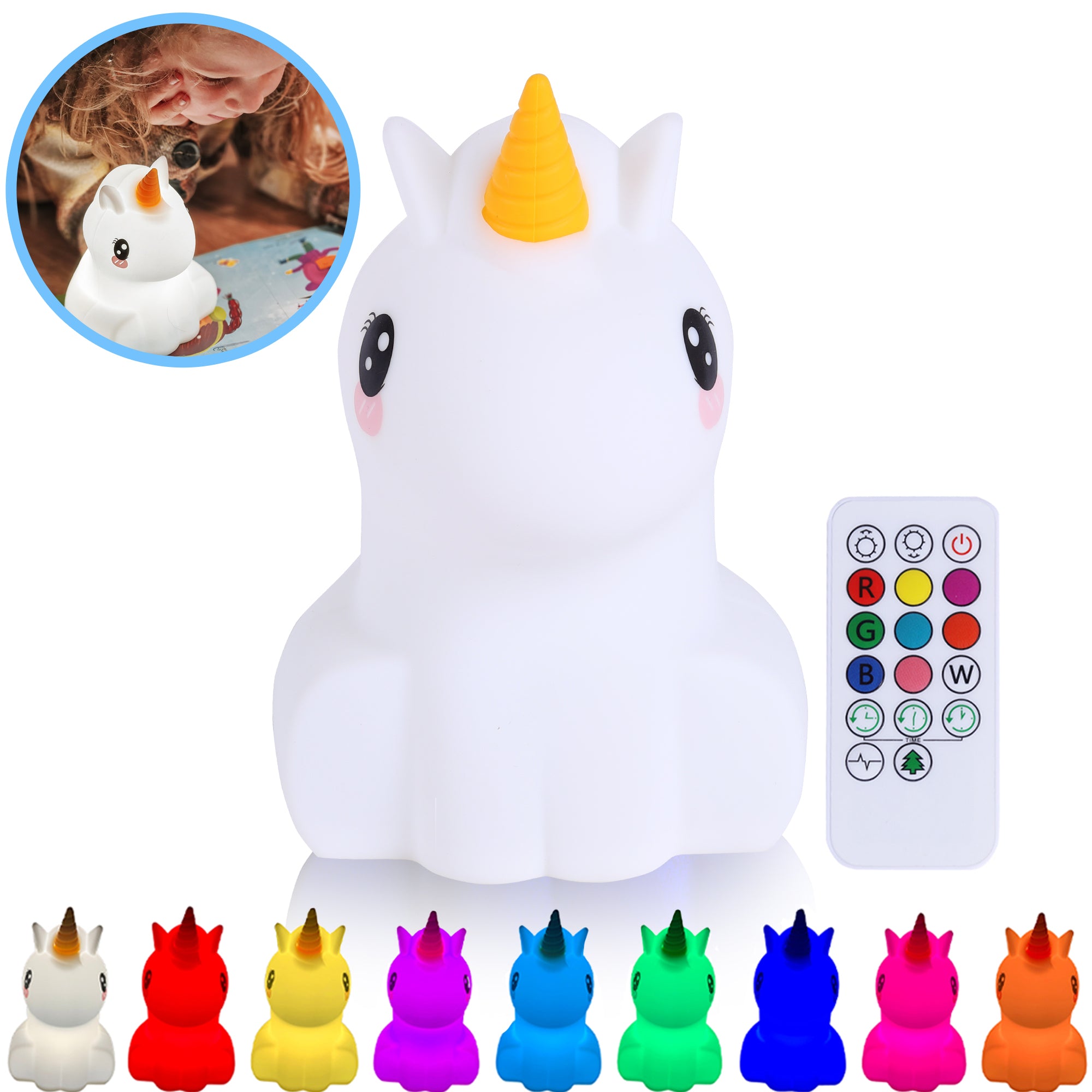
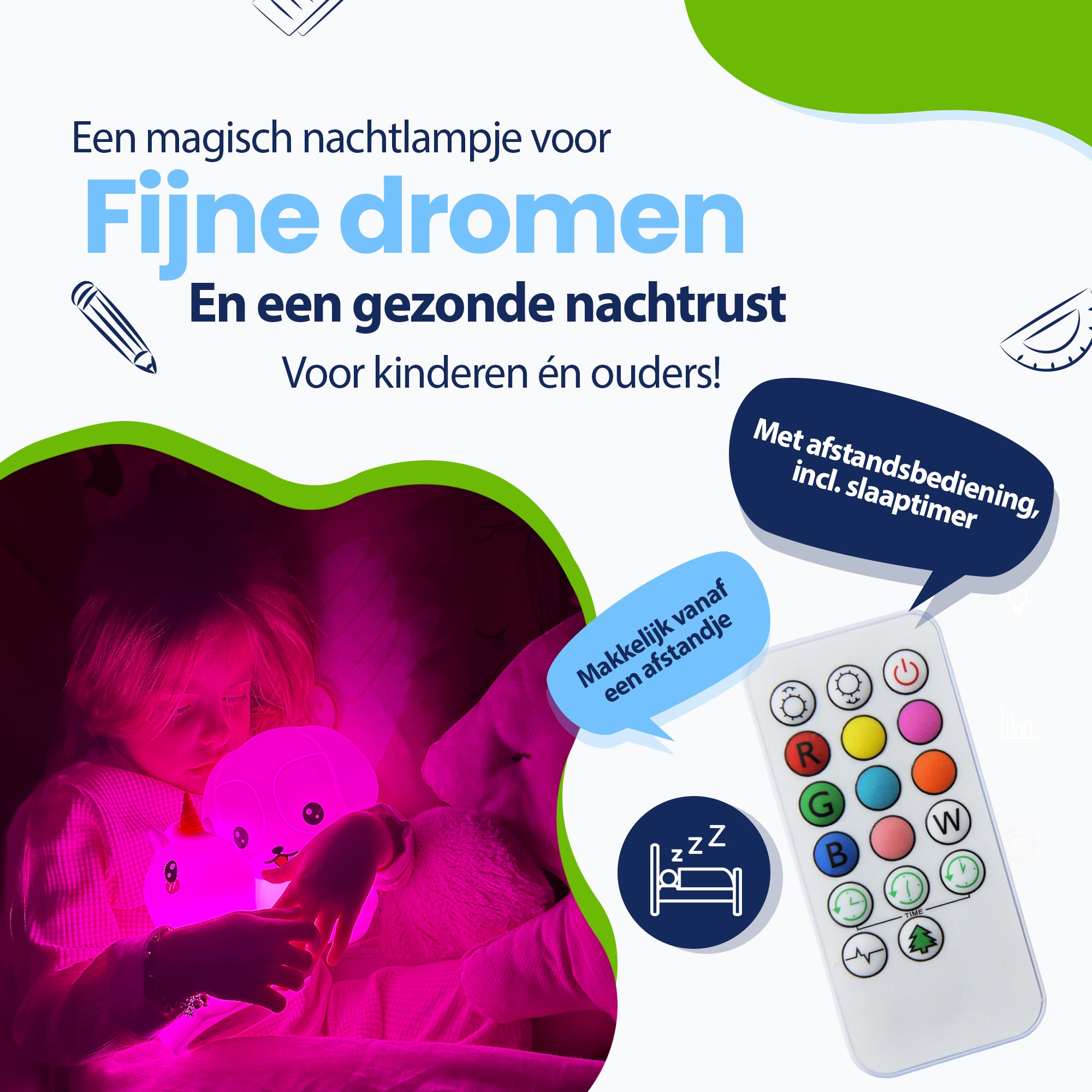
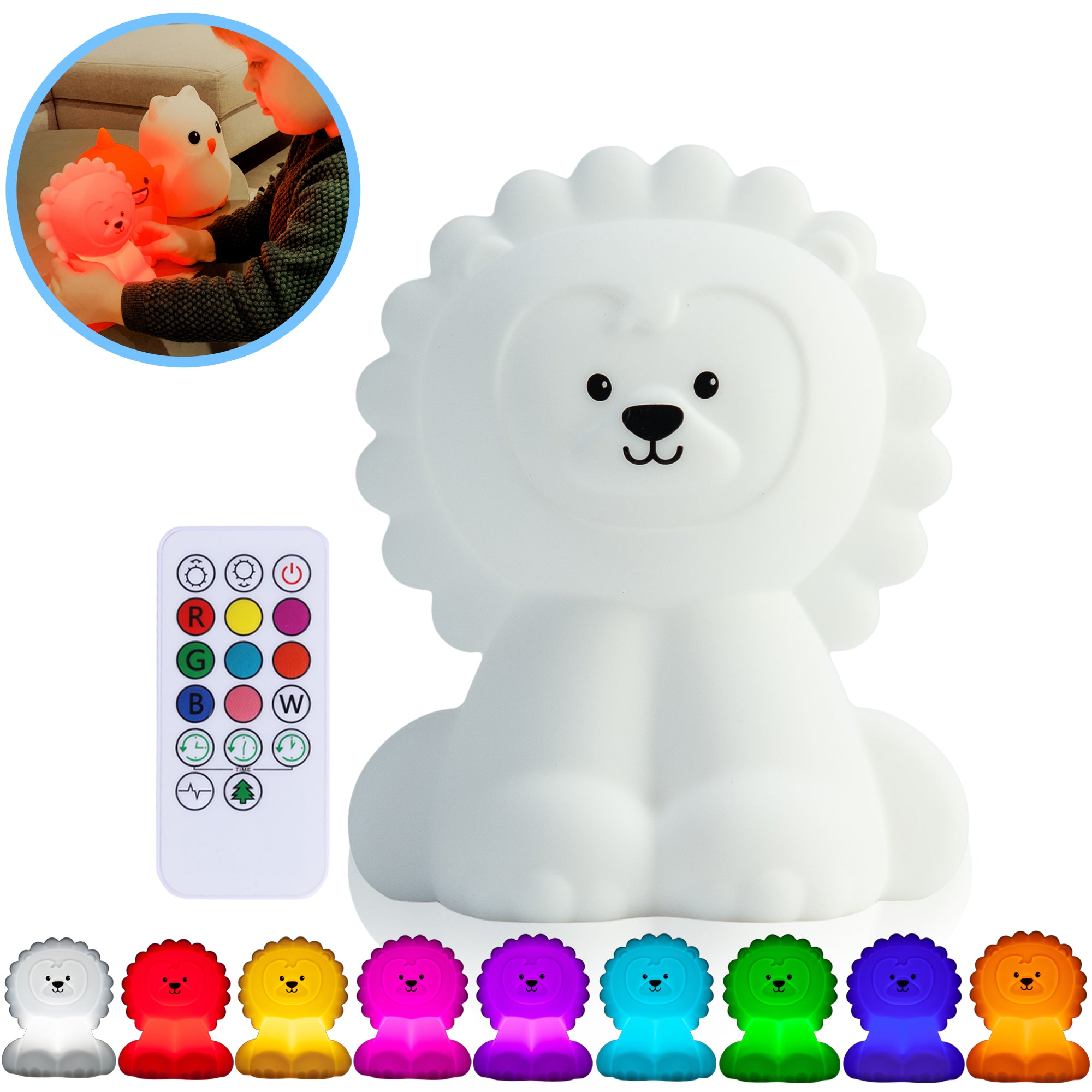
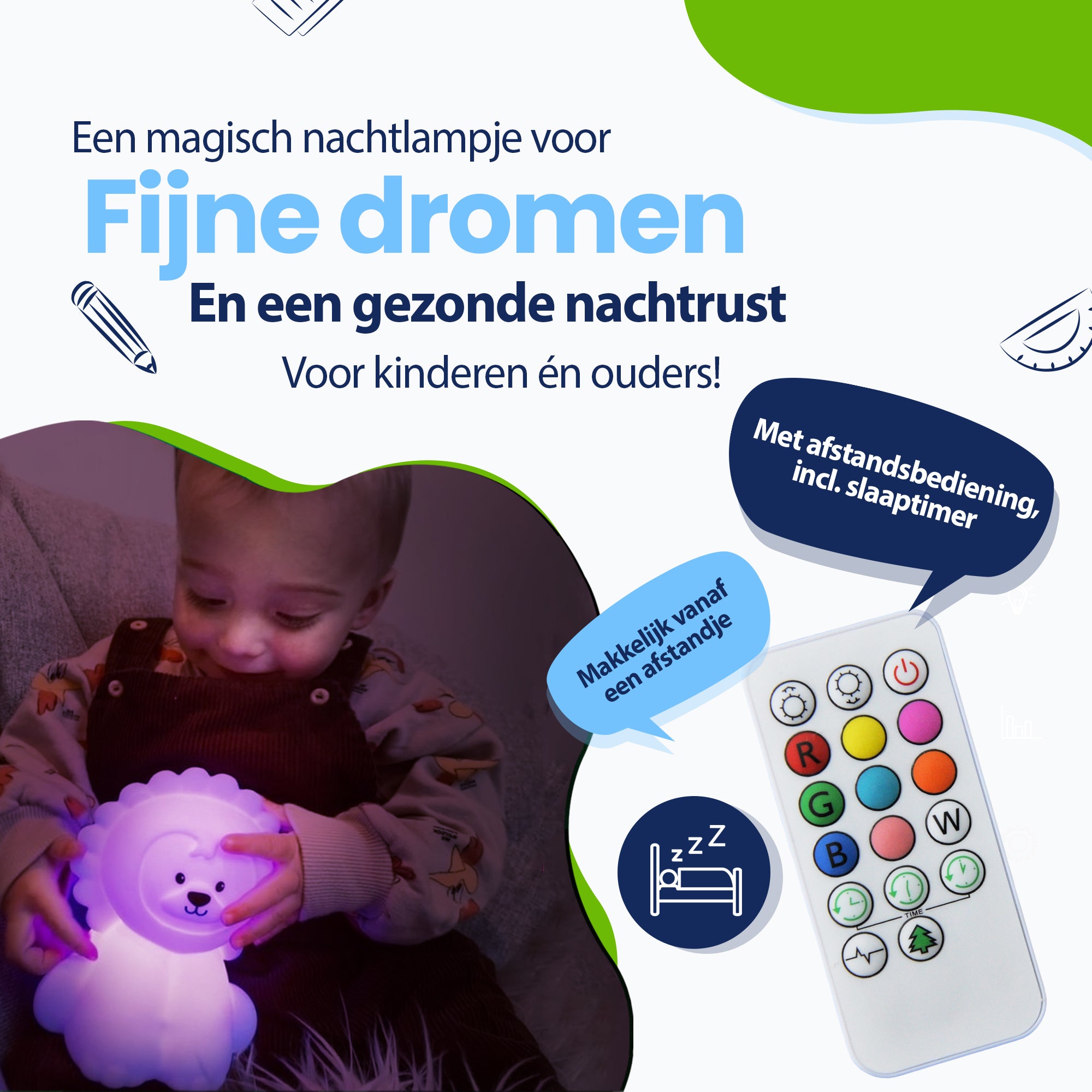
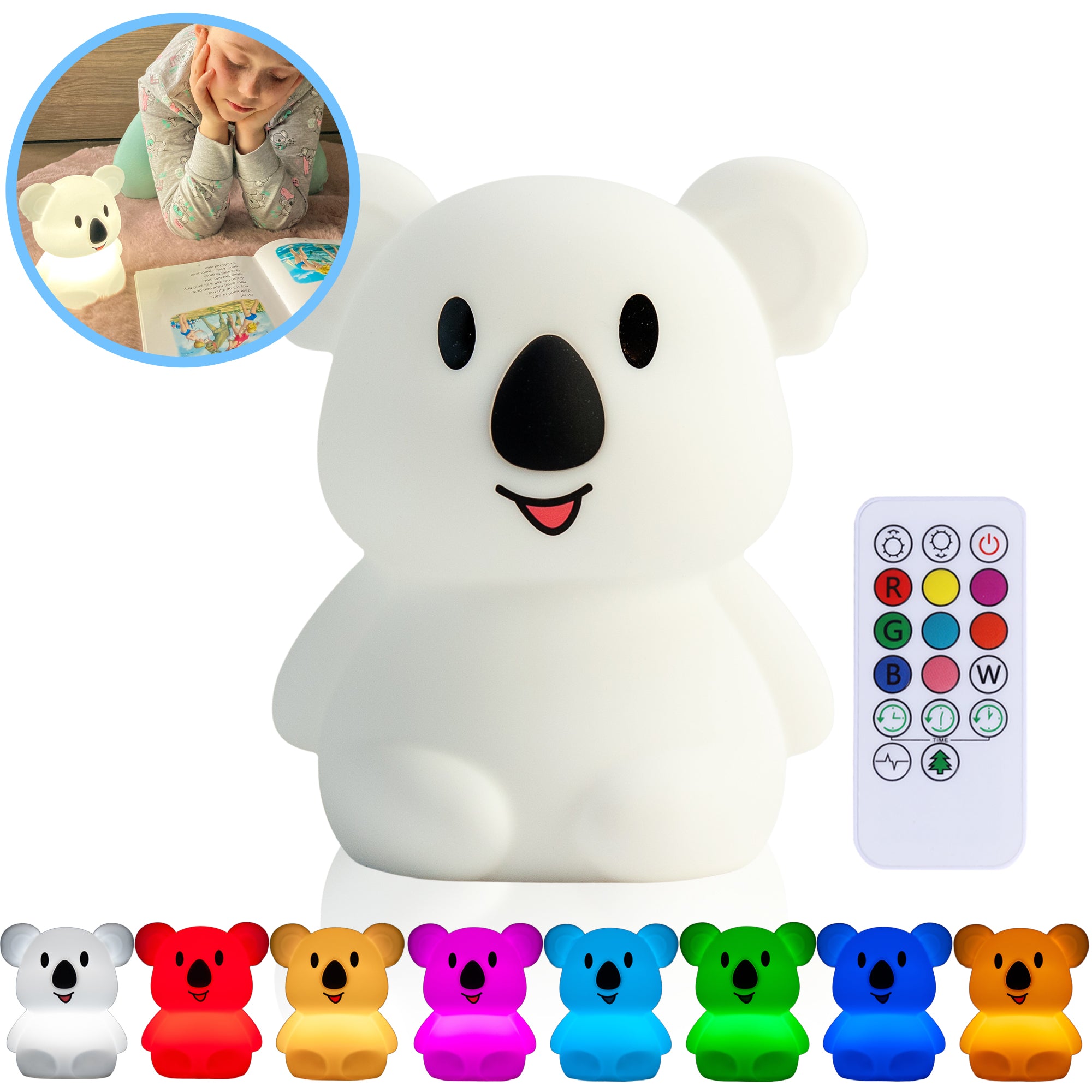
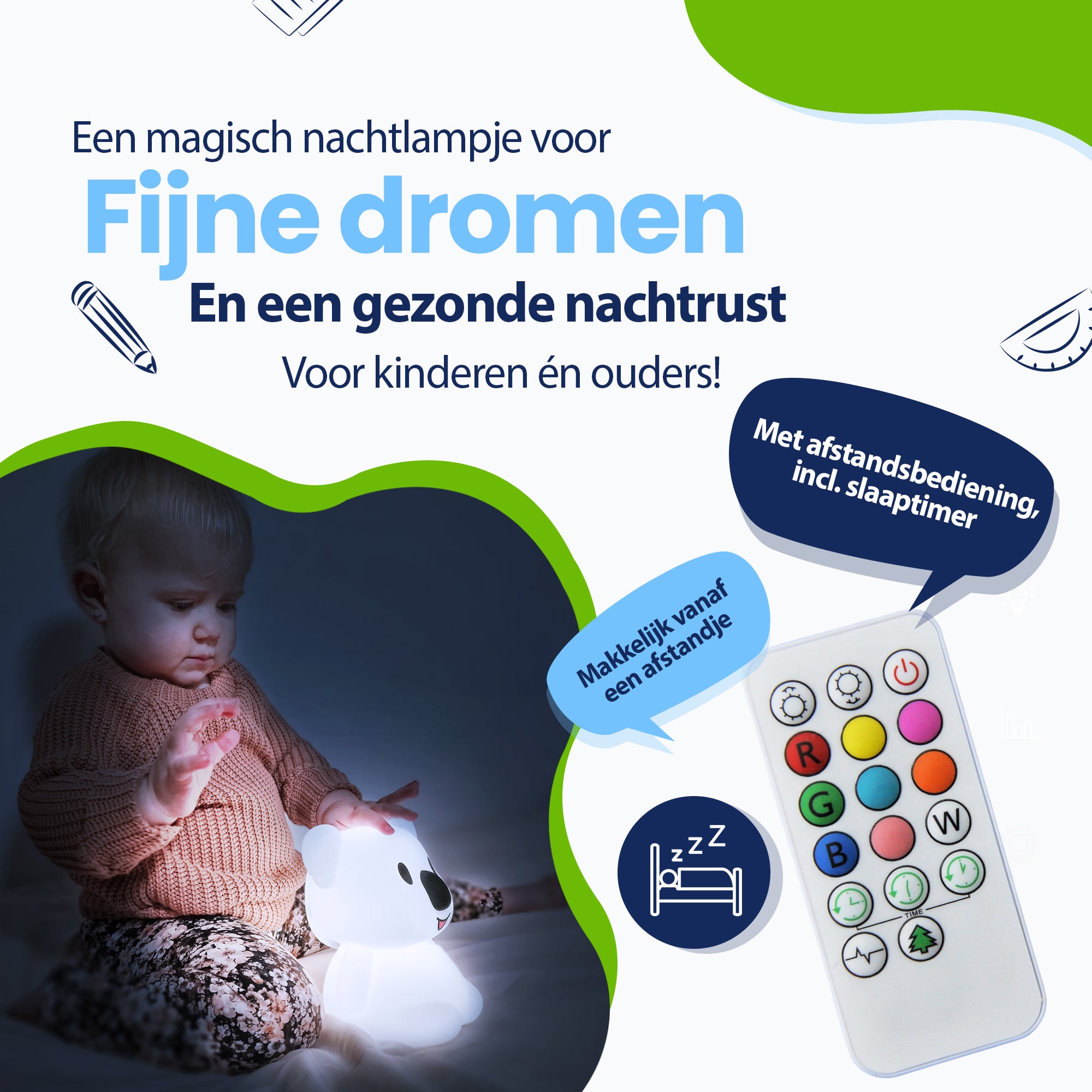
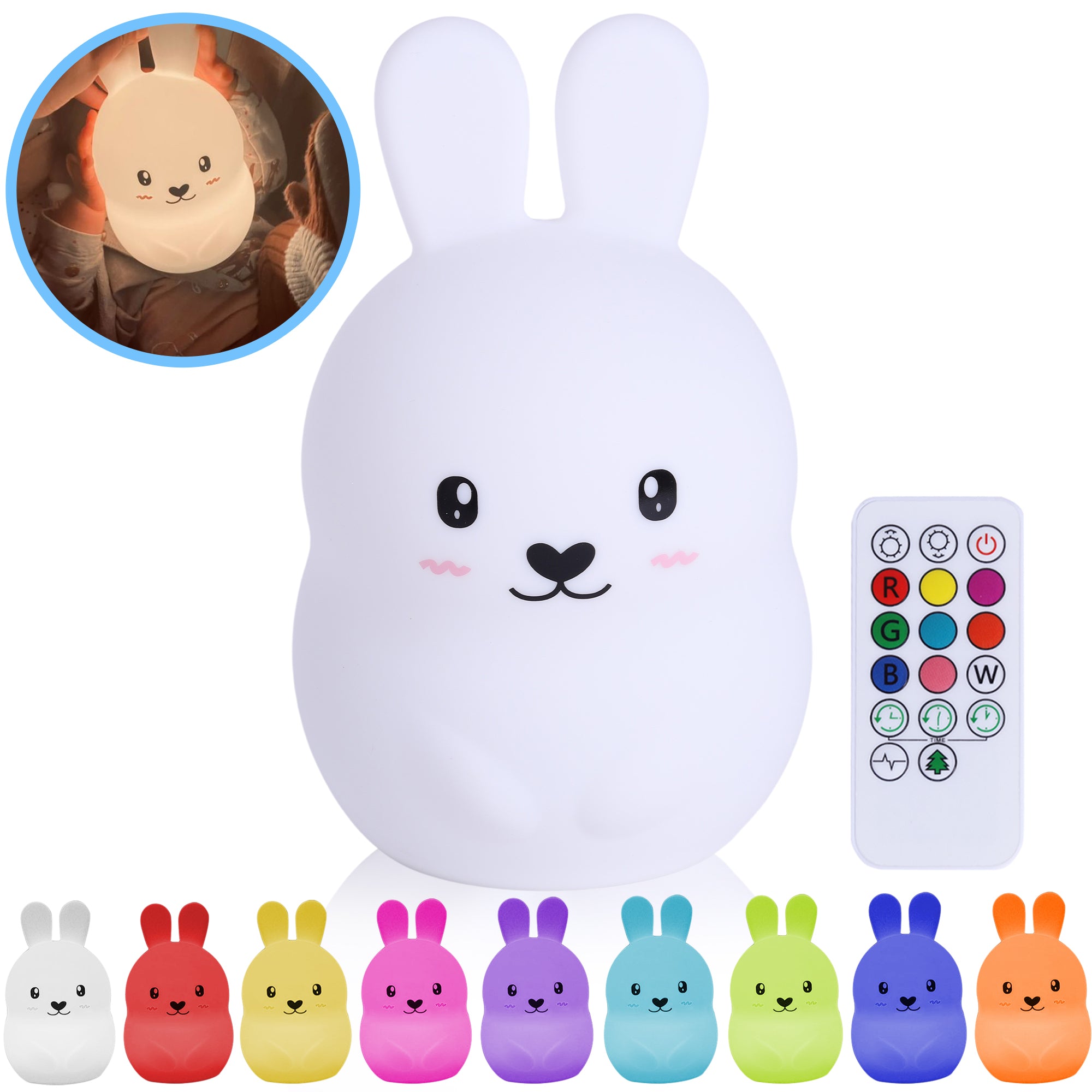
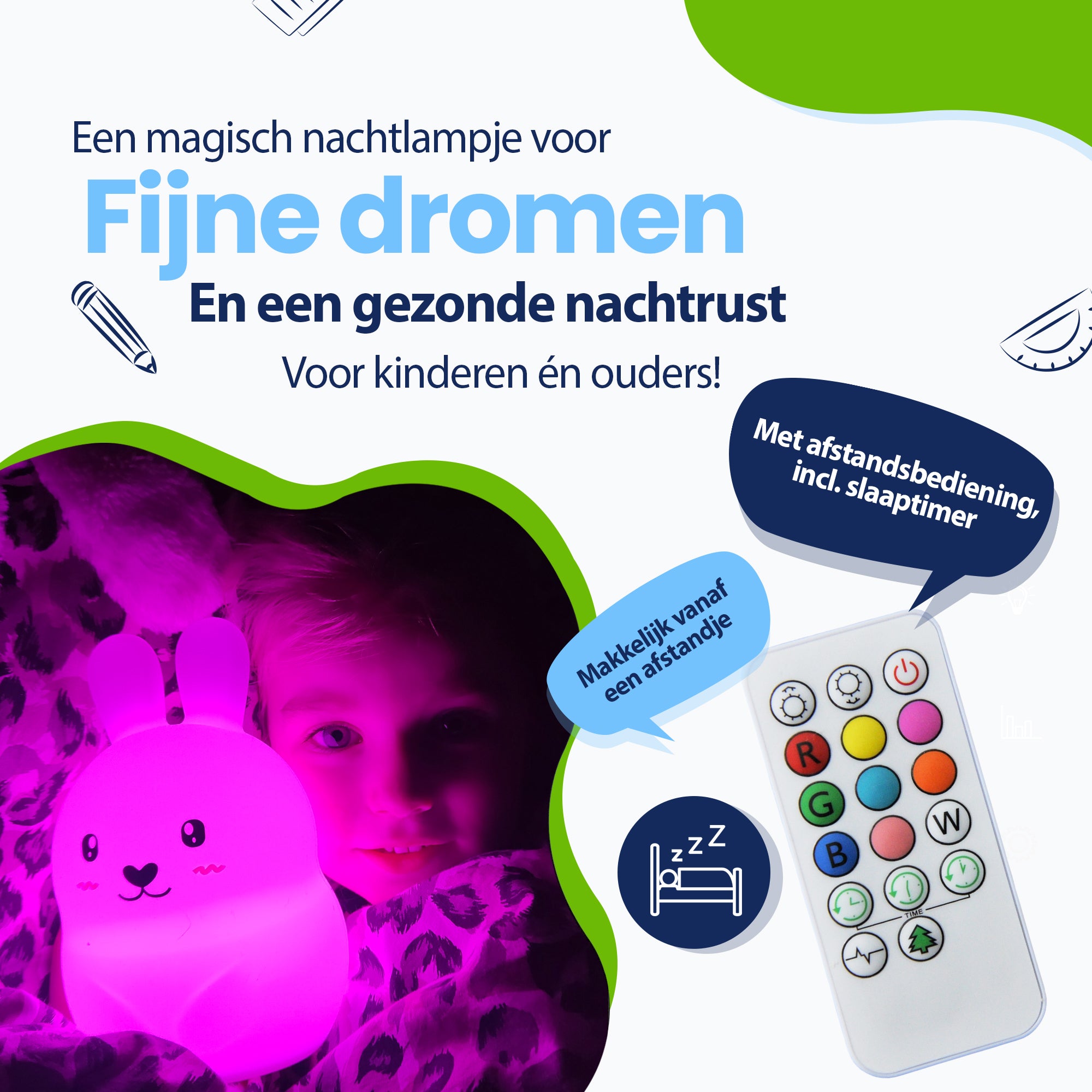
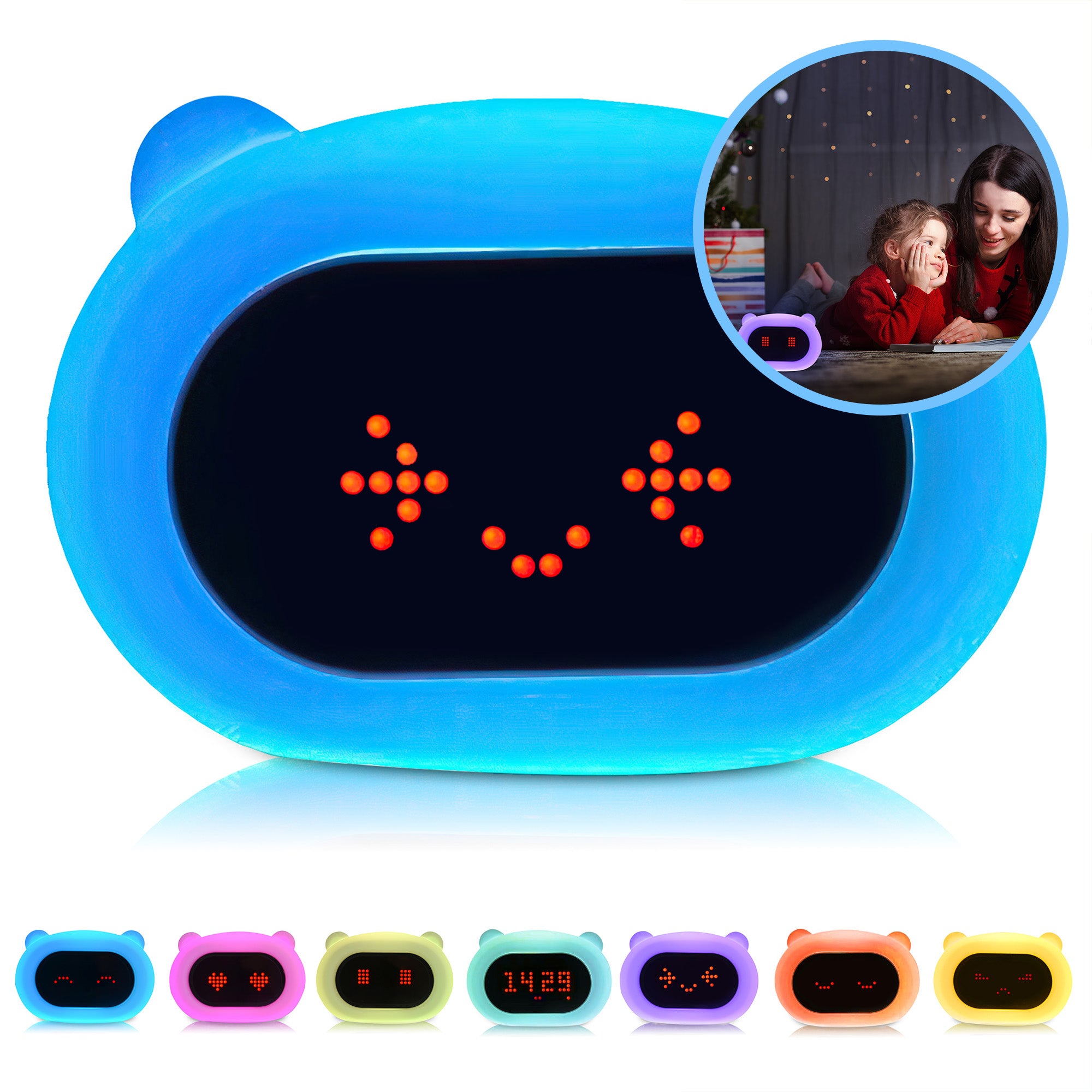
3. Night Lights for Comfort and Security
Rest and relaxation are also important parts of healthy development. A good night's sleep helps children process experiences, grow, and focus better during the day. A night light can help children feel safe when falling asleep or waking up during the night.
A soft glow can become part of a comforting bedtime routine. Discover our collection of night lights for children to create a calm and reassuring atmosphere in the bedroom.
Choosing Toys: What Should You Look For?
When selecting toys, it's worth looking beyond the recommended age on the packaging. Consider the toy's play value, safety, and durability. Toys that can be used in multiple ways often remain interesting for much longer.
Ask yourself questions such as:
- Does this toy match my child's age and developmental stage?
- Does it encourage imagination, movement, creativity, or independence?
- Can my child play with it in different ways?
- Is it durable, safe, and suitable for everyday use?
- Does it match my child's interests?
Play Is Learning Without Feeling Like Learning
Children don't always need structured educational activities. Free play naturally helps them develop important skills. They experiment, make mistakes, solve problems, and celebrate small successes.
As a parent, you don't need to direct every moment of play. In fact, it's often most valuable to allow your child to explore independently. Provide suitable toys, give them space, and occasionally join in for some shared fun.
The Importance of Toys in Child Development
Toys support children's physical, social, emotional, cognitive, and creative development. They give children the opportunity to explore the world at their own pace. From wooden toys to children's alarm clocks and night lights, every product can contribute in its own way to comfort, independence, imagination, and growth.
With so many toys available, which type of toy is the best fit for your family?