Playing outdoors is healthy, educational, and important for children. Discover why outdoor play is so beneficial for their development.
As the weather gradually improves, many children are eager to spend more time outside. And that's a great thing. Outdoor play helps children move, explore, cooperate, and relax. Whether your child is running through the park, climbing in the playground, or creating imaginary adventures in the garden, outdoor play contributes to healthy development in many ways.
Why Is Outdoor Play So Important?
Outdoor play is much more than simply burning off energy. Outside, children have space to move freely, use their senses, and discover the world around them. This makes outdoor play valuable for physical, social, emotional, and creative development.
For young children, playing outdoors is also a natural way to practice new skills. They learn to explore boundaries, assess risks, work together, and make independent choices.
The Benefits of Outdoor Play for Children
Playing outside regularly offers many benefits. Below, you'll discover why outdoor play is so good for children.
1. Outdoor Play Supports Motor Development
Running, jumping, climbing, cycling, balancing, and scrambling help children develop their gross motor skills. They strengthen their muscles, coordination, balance, and endurance.
Fine motor skills are also stimulated outdoors. Think of collecting pebbles, digging in the sand, picking up sticks, or examining flowers. All of these small activities help children improve control over their movements.
2. Outdoor Play Improves Social Skills
At the playground, in the park, or around the neighborhood, children meet other children. They learn to play together, make agreements, share, take turns, and resolve conflicts.
These social experiences are important. Children discover how friendships work, how to consider others, and how to communicate their own boundaries.
3. Outdoor Play Stimulates Imagination and Creativity
Outside, there is no fixed play scenario. A stick can become a magic wand, a bush turns into a secret hideout, and a sandbox transforms into a construction site. This open environment encourages imagination.
Children create their own stories, roles, and adventures. This helps develop creative thinking and problem-solving skills.
4. Outdoor Play Helps Children Relax
After a day at school, daycare, or in front of a screen, outdoor play can help children release built-up energy and stimulation. Movement, fresh air, and free play give children the opportunity to unwind.
An active daily routine often supports better sleep as well. After spending time outdoors, children frequently find it easier to relax in the evening. A consistent bedtime routine, supported by a children's alarm clock or sleep trainer, can provide additional structure.
5. Outdoor Play Encourages Independence
Outside, children discover what they are capable of. They try climbing equipment on their own, invent games, and find solutions when something doesn't work. This builds confidence.
By gradually giving children more freedom, they learn to take responsibility and make their own decisions.
How to Encourage Your Child to Play Outside More Often
Although outdoor play is healthy and educational, children do not always choose it automatically. These tips can help make playing outside more appealing.
Tip 1: Keep Outdoor Play Fun and Varied
Not every neighborhood naturally invites children to play. Look for places where your child can safely move, explore, and discover, such as playgrounds, parks, forests, beaches, or nature play areas.
Vary the activities. One day you might go cycling, another day visit the playground, draw with sidewalk chalk, blow bubbles, or take a walk together.
Tip 2: Play Along with Your Child
Some children need a little encouragement to get started outdoors. Join them from time to time. Play tag, collect leaves, build a den, or create a simple obstacle course together.
Children often enjoy outdoor activities even more when their parents participate. It also sets a positive example.
Tip 3: Arrange Playmates
Outdoor play is often more enjoyable with friends. Invite classmates, neighbors, cousins, or other children to play together. Children are usually more motivated to go outside when they know someone will join them.
Playing together also helps develop social skills such as cooperation, communication, and consideration for others.
Tip 4: Limit Screen Time Positively
Tablets, television, and video games can be very tempting, especially after school. Set clear agreements about screen time. For example: spend some time outside first, then enjoy a game or a show.
Rather than simply restricting screens, offer an attractive alternative. A short treasure hunt, a sidewalk chalk competition, or a bike ride may be all it takes to get children excited.
Tip 5: Bring Indoor Fun Outdoors
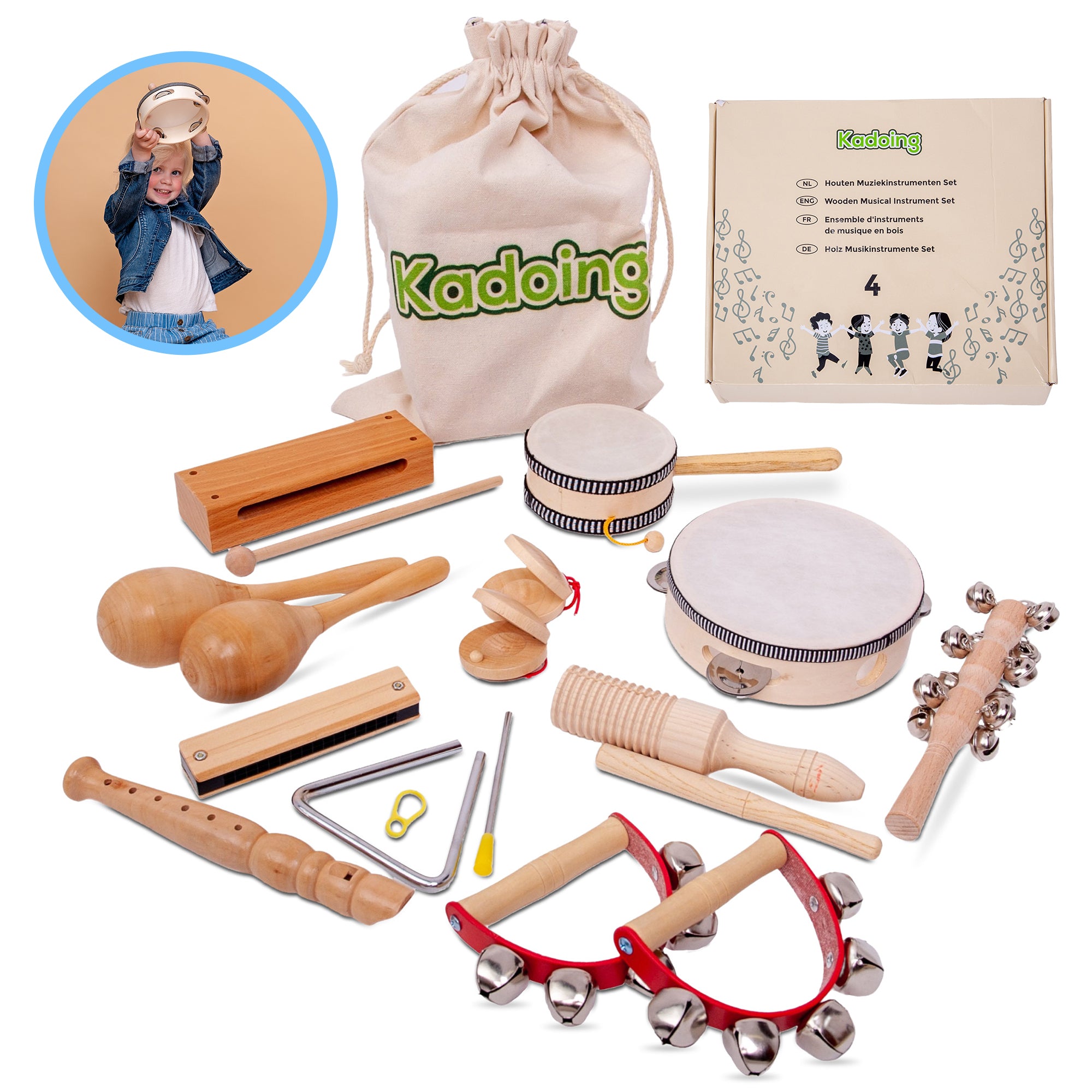
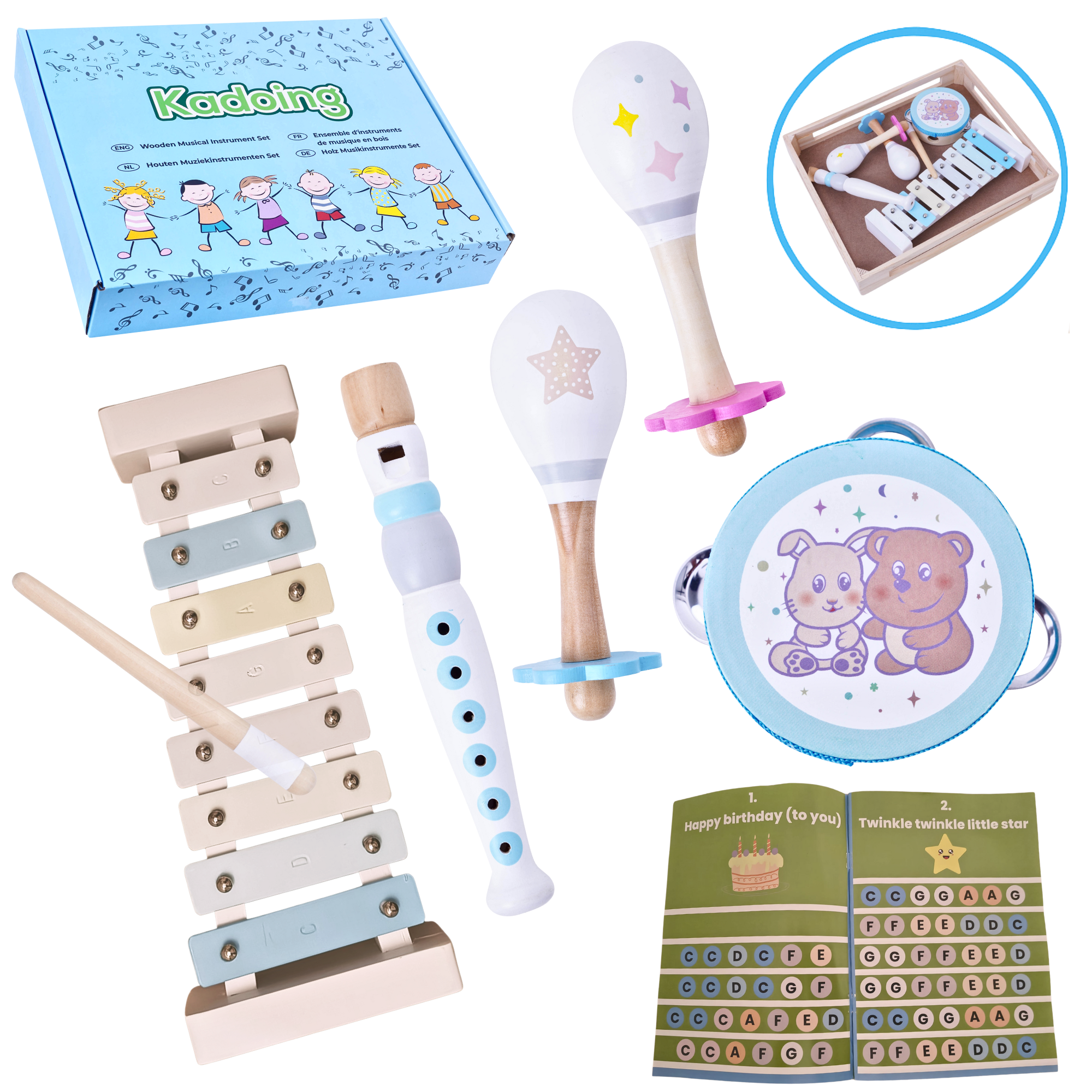
Children who enjoy building, collecting, or imaginative play can do the same outdoors. Encourage them to search for nature treasures, build a stick fort, or perform a small music show in the garden.
Indoor toys can also inspire outdoor activities. With durable wooden toys, children can explore, create, and use their imagination through play.
Outdoor Play and Rest: A Healthy Balance
After lots of running, climbing, and exploring, rest is just as important. Children process the experiences of the day during quiet moments and sleep. A familiar evening routine helps make the transition from active play to restful sleep easier.
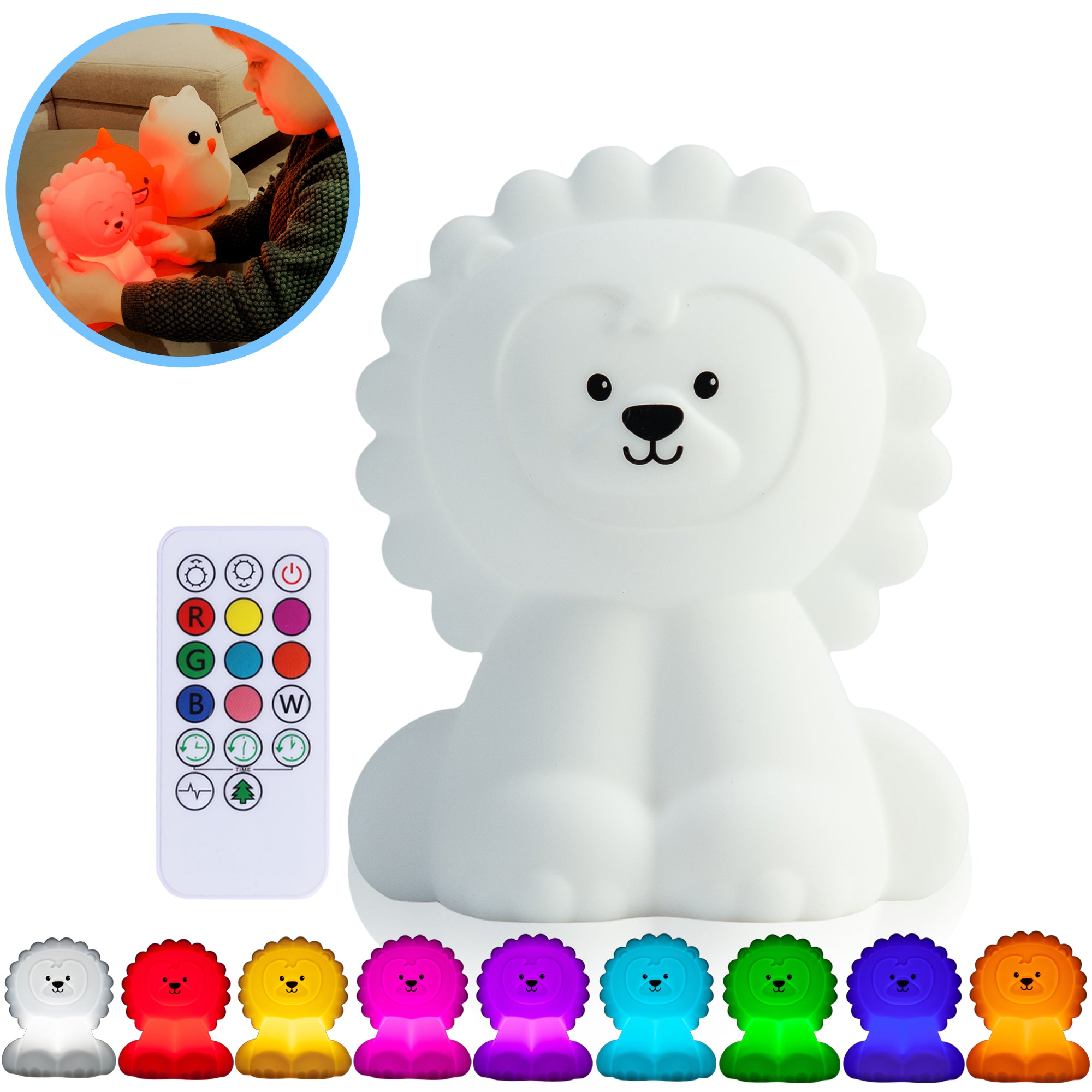
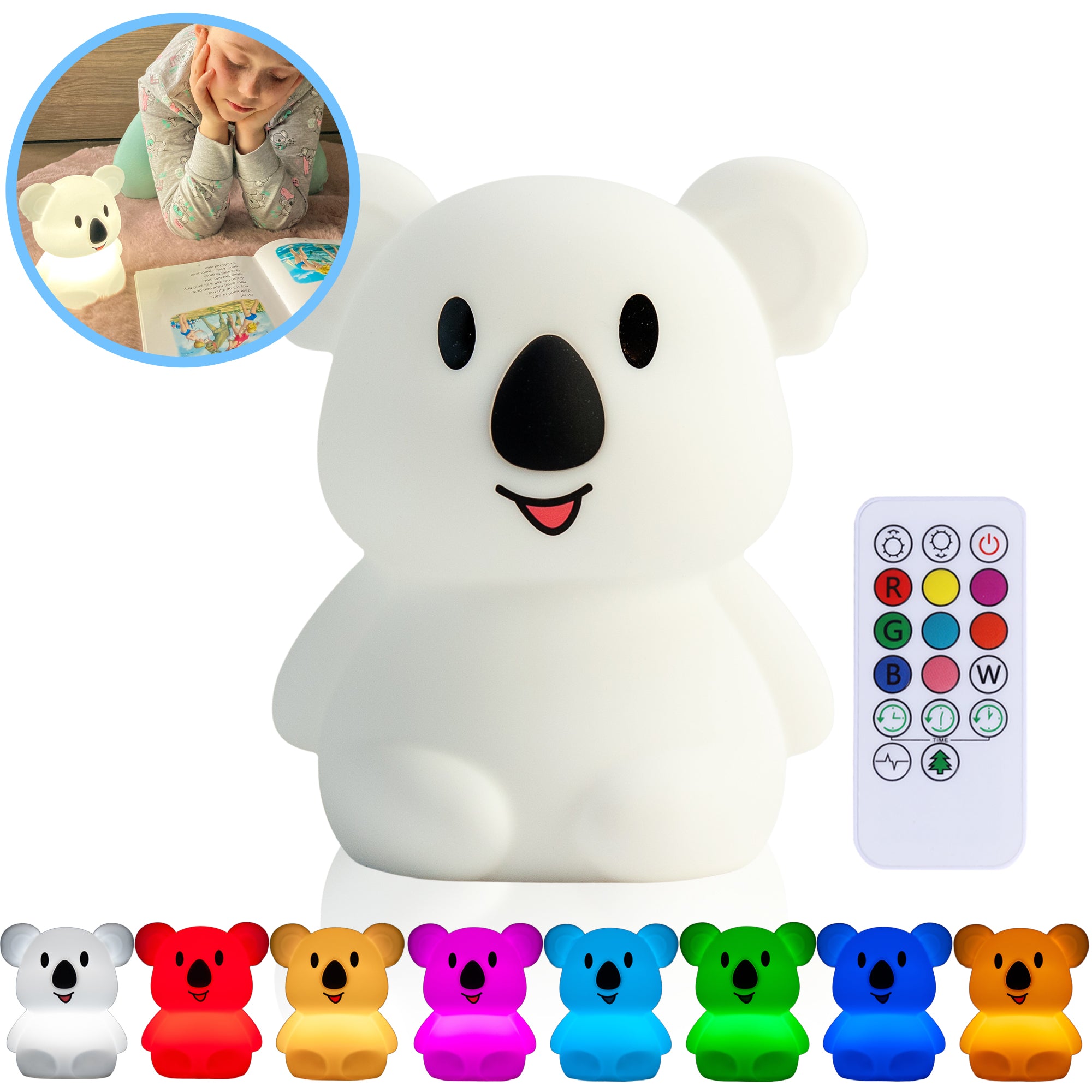
A gentle night light for children can help create a calm atmosphere in the bedroom, especially after a busy day full of new experiences.
Outdoor Play Helps Children Grow
Outdoor play contributes to physical activity, imagination, social skills, independence, and relaxation. By encouraging children to play outside regularly, you give them the opportunity to discover their bodies, their environment, and their talents.
Does your child enjoy playing outdoors? And what do you do as a parent to encourage outdoor play?