Teaching children how to manage money starts at a young age. Discover how to introduce saving, spending, and budgeting through everyday experiences and play.
Financial education often receives less attention than language, mathematics, or sports. Yet learning how to manage money is a skill that benefits children throughout their entire lives. By talking about saving, spending, and making choices from an early age, you help your child develop healthy financial habits and make responsible decisions later on.
Why is financial education important?
Children encounter money earlier than ever before. Think about pocket money, piggy banks, online purchases, birthday gifts, or eventually having their own bank account. The better children understand how money works, the more likely they are to manage their income and expenses responsibly as they grow older.
Financial education is about much more than counting money. It also involves planning, patience, decision-making, and understanding that money is a limited resource.
Children who develop these skills often find it easier to save and better understand that some purchases require waiting and planning.
What can children learn about money?
Depending on their age, children can gradually develop different financial skills:
- Understanding that money has value.
- Learning to choose between spending and saving.
- Managing a budget.
- Saving for a larger goal.
- Understanding income and expenses.
- Learning that borrowed money must be repaid.
These lessons do not need to be complicated. Everyday situations often provide the best learning opportunities.
At what age should you start teaching financial skills?
Many experts recommend introducing basic money concepts around the age of five. At this age, children begin to understand that money is needed to buy things.
This does not mean you need to explain bank accounts or taxes right away. Small, simple lessons are usually enough.
For example, you can explain how paying at the supermarket works, count coins together, or play shop at home. These activities help children understand that products have different prices and that making choices is part of everyday life.
Learning about money through play
Young children learn best through play. Role-playing games are therefore an excellent way to make financial concepts easy to understand.
Pretend to run a shop, restaurant, or market stall together. Use play money and let your child buy and sell products. This allows them to practice counting, basic math, and budgeting without it feeling like a lesson.
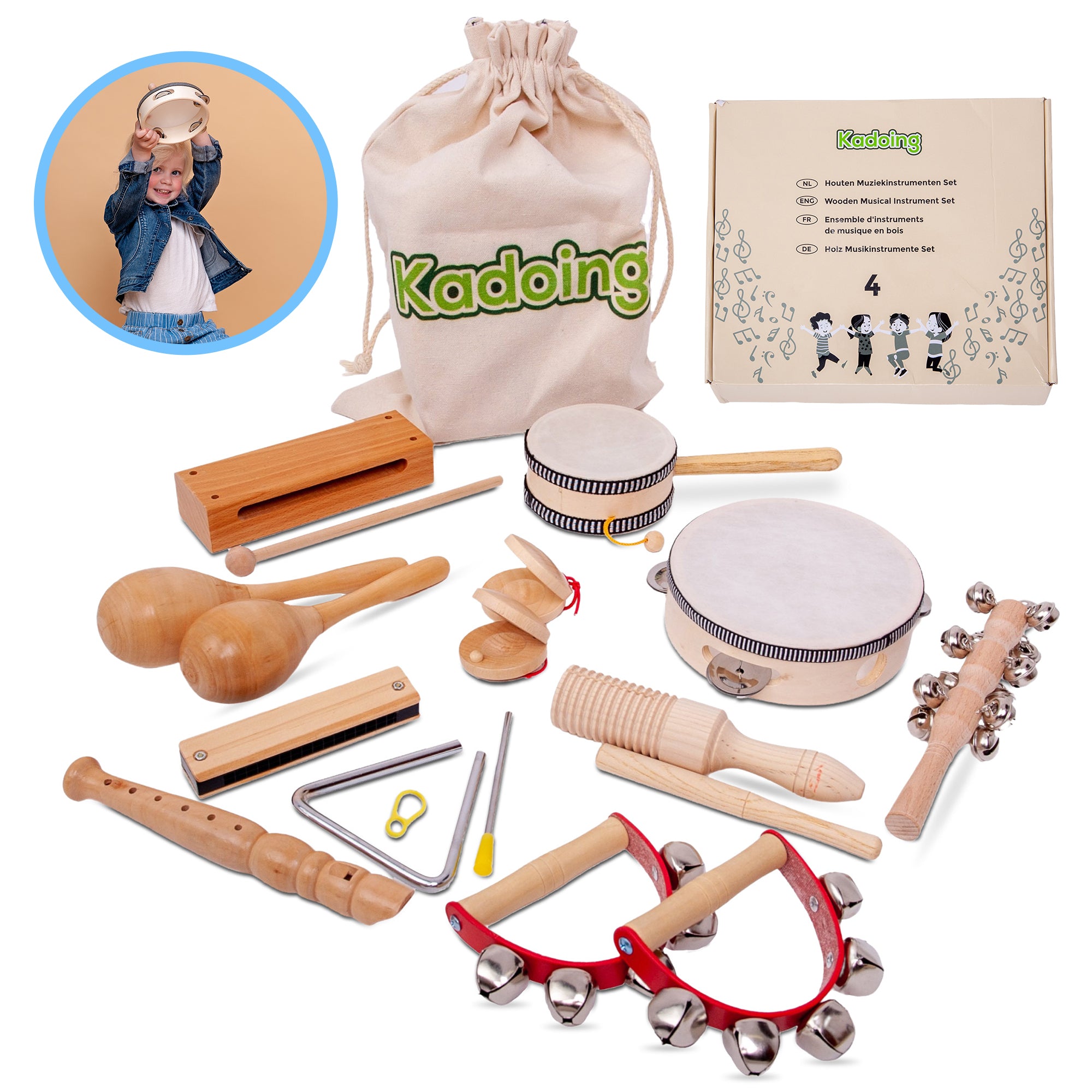
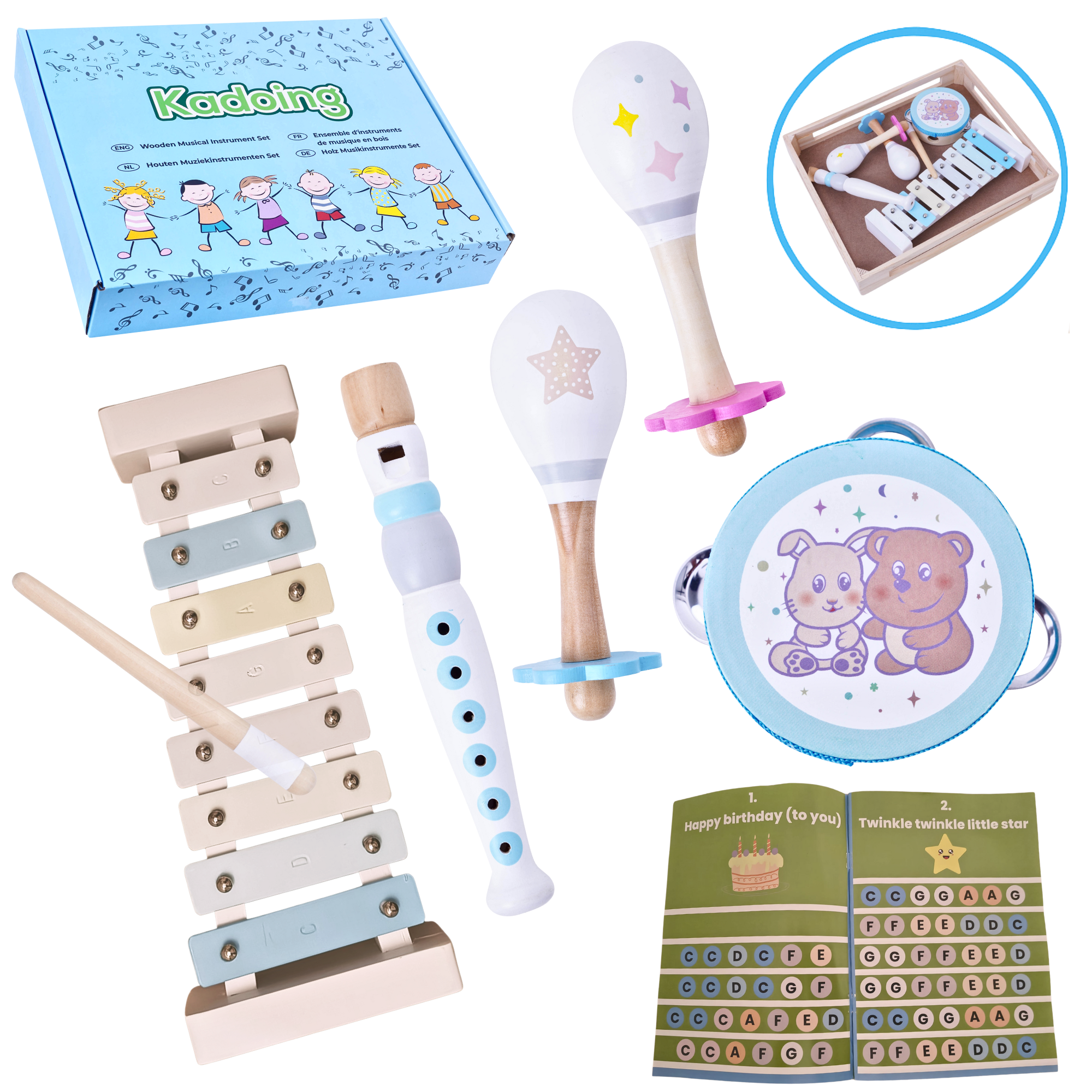
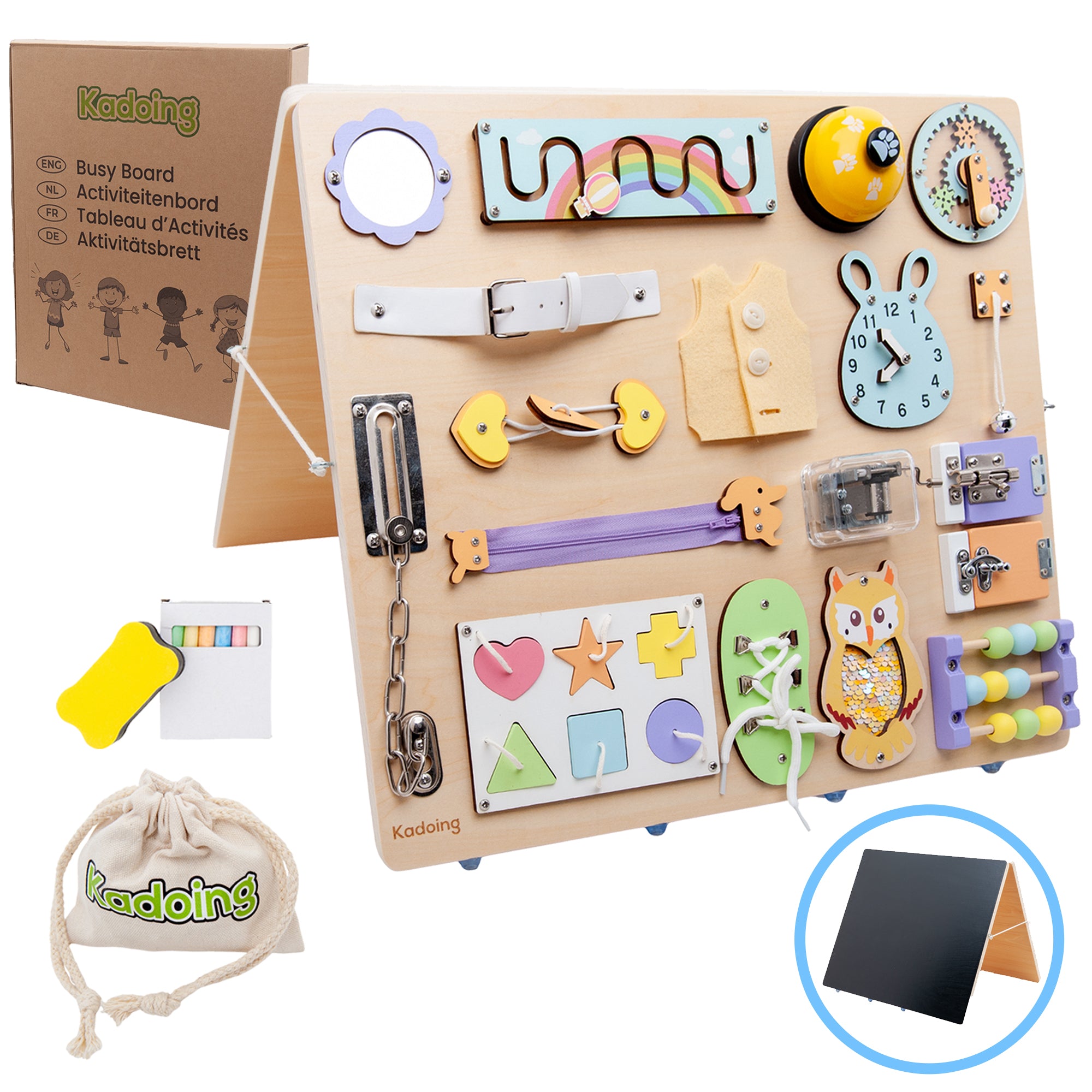
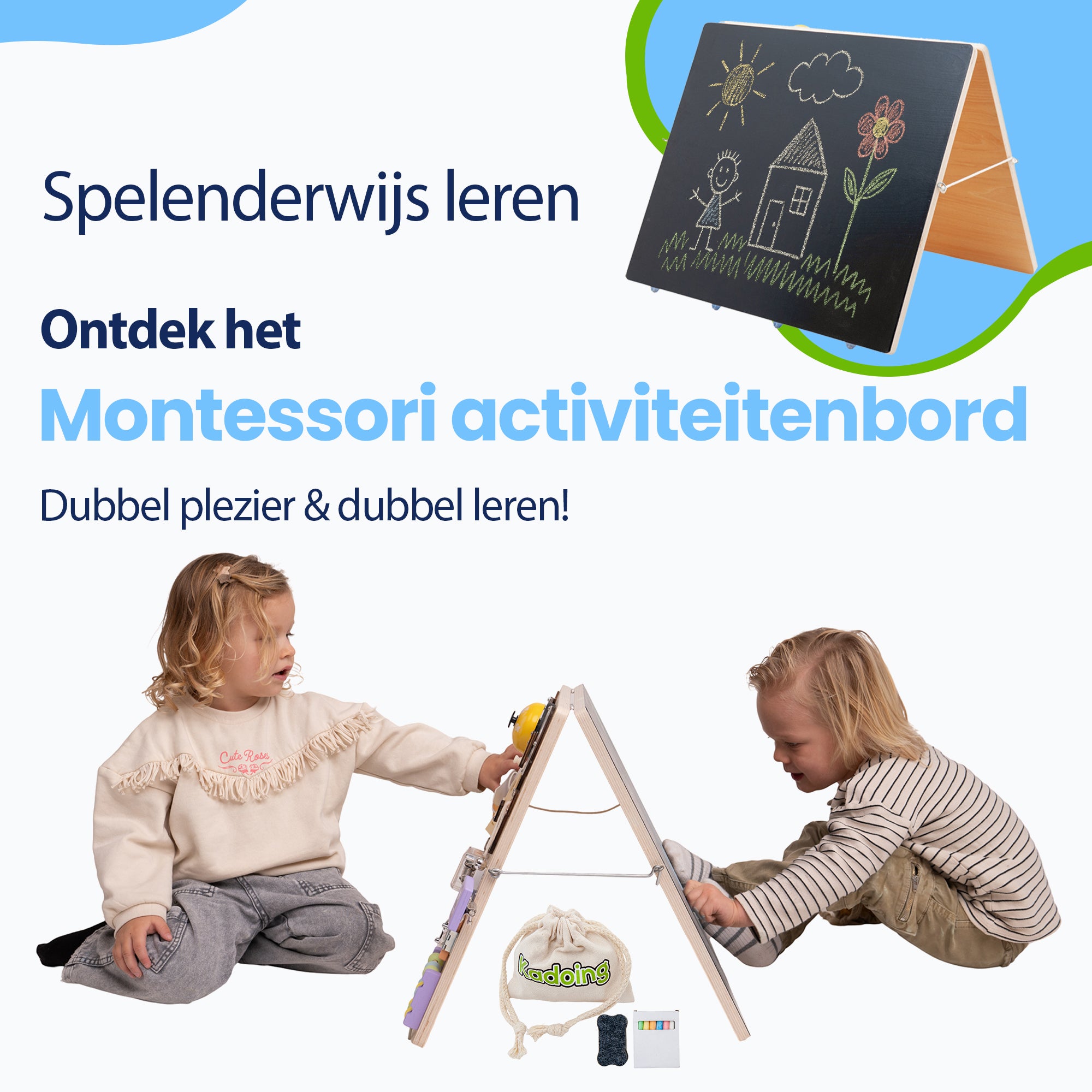
Educational toys can also support these skills. With durable wooden toys, children learn planning, organization, and problem-solving through play—skills that are also valuable when managing money later in life.
When should children start receiving pocket money?
Many parents begin giving pocket money once children have a better understanding of the value of money. This is often between the ages of six and eight, although every child develops differently.
Pocket money gives children the opportunity to make independent decisions. They learn that when their money is gone, they must wait until the next allowance payment.
This teaches valuable lessons about responsibility and self-control.
How do you teach children to save?
Saving is one of the most important financial skills children can learn. Having a clear savings goal often makes the process more enjoyable and meaningful.
Examples include saving for:
- a new toy;
- a book;
- a game;
- a special outing;
- a gift for someone else.
By choosing a goal together, children learn that patience can be rewarding. They experience firsthand that not everything needs to be purchased immediately.
Tips for teaching children to manage money
1. Set clear expectations
Agree on when pocket money will be given and how long it should last. This creates clarity and consistency.
2. Allow mistakes to happen
Did your child buy something they later regret? That can actually be a valuable lesson. Small financial mistakes help children make better decisions in the future.
3. Create savings goals together
A visible goal motivates children to save. Consider using a piggy bank or a savings chart where progress can be tracked.
4. Talk openly about money
Children learn a great deal through conversation. Explain why you make certain choices when shopping, planning holidays, or making purchases. This helps them understand how money works in daily life.
5. Give age-appropriate responsibility
As children grow older, they can take on more responsibility. For example, they might buy a birthday gift for a friend themselves or manage part of their own spending budget.
Digital payments make financial education even more important
For many children today, money seems almost invisible. Payments are made using debit cards, smartphones, or online accounts. As a result, it can be harder for children to understand that money is limited.
This makes it even more important to explain where money comes from, how saving works, and why making thoughtful choices matters.
Structure helps children learn financial responsibility
Children learn best when expectations are clear. This applies not only to money but also to everyday routines.
A structured environment helps children develop responsibility. That is one reason many parents use tools such as a children's alarm clock or sleep trainer, which help children understand routines, commitments, and independence.
Patience is important
Learning how to manage money does not happen overnight. It is a gradual process that continues for years as children gain new insights and experiences.
Give children room to practice, ask questions, and occasionally make mistakes. These experiences are exactly what help them become financially independent adults later in life.
A valuable investment in the future
By paying attention to financial education from an early age, you give your child skills that will benefit them for a lifetime. From saving and budgeting to planning and taking responsibility, these are lessons that extend far beyond money itself.
Would you like to learn more about parenting, child development, and practical family tips? Explore our latest articles in the Kadoing parenting and family blog.
How do you teach your children about pocket money and saving at home?