Sustainable play starts with conscious choices: toys that last longer, are safe, and encourage children to explore and learn.
Why Sustainable Play Matters
Sustainability is becoming increasingly important in everyday life. Families are also becoming more conscious about their choices: reducing waste, choosing better materials, and investing in products that last longer.
For children, play is an essential part of development. That is why it is valuable to consider quality, safety, and sustainability when choosing toys. Toys that last a long time, are used frequently, and encourage learning through play are better for your child and for the world around us.
Sustainability Starts with Small Choices
Living sustainably does not have to be complicated. Small choices can make a big difference together. Think about using fewer disposable products, repairing items, passing toys on to others, or choosing materials that are built to last.
Children can also be involved in these choices in a playful way. For example, explain why you tidy up toys carefully, why batteries should not simply be thrown away, or why it is wonderful to share toys with a sibling or friend.
What Is Sustainable Toying?
Sustainable toys are designed with thoughtful consideration for usability, durability, and safety. It is not only about the materials used, but also about how long children can enjoy them and how much value they add to a child's development.
Toys that break quickly or end up forgotten after one use often create unnecessary waste. Toys that continue to challenge and engage children naturally have a longer lifespan.
Choose Quality Over Quantity
Children do not always need lots of toys. In fact, many children play better when there are fewer options and their toys are well organized. A few high-quality products that encourage creativity, movement, and imagination can be more valuable than a toy cabinet full of unused items.
Quality toys invite repeated play. Think of building, making music, exploring, sorting, practicing skills, and creating stories. This perfectly matches the idea of sustainable play.
Sustainable Choices in Parenting
As a parent, you set an example every day. When you make conscious choices, your child learns that possessions have value. This can start with simple habits such as tidying up toys, handling materials carefully, and looking together at what can still be used.
You can also involve your child in decision-making. Ask questions such as: “What do you really enjoy playing with?” or “Which toys should we keep, repair, or pass on?” This helps children think about ownership, care, and responsibility.
Sustainable Toys from Kadoing
At Kadoing, we believe in sustainable play. Our products are designed to help children discover, learn, and grow in a safe and playful way.
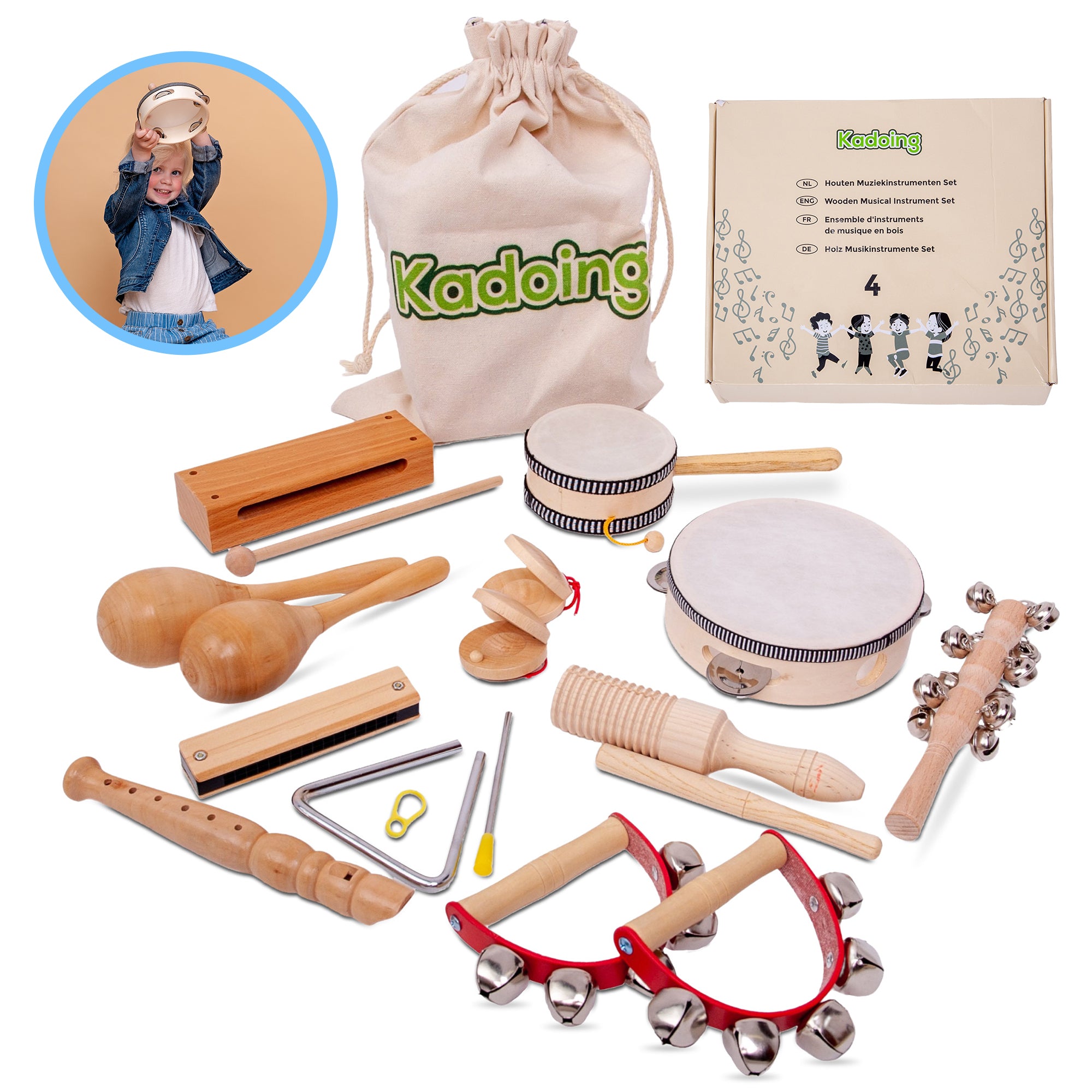
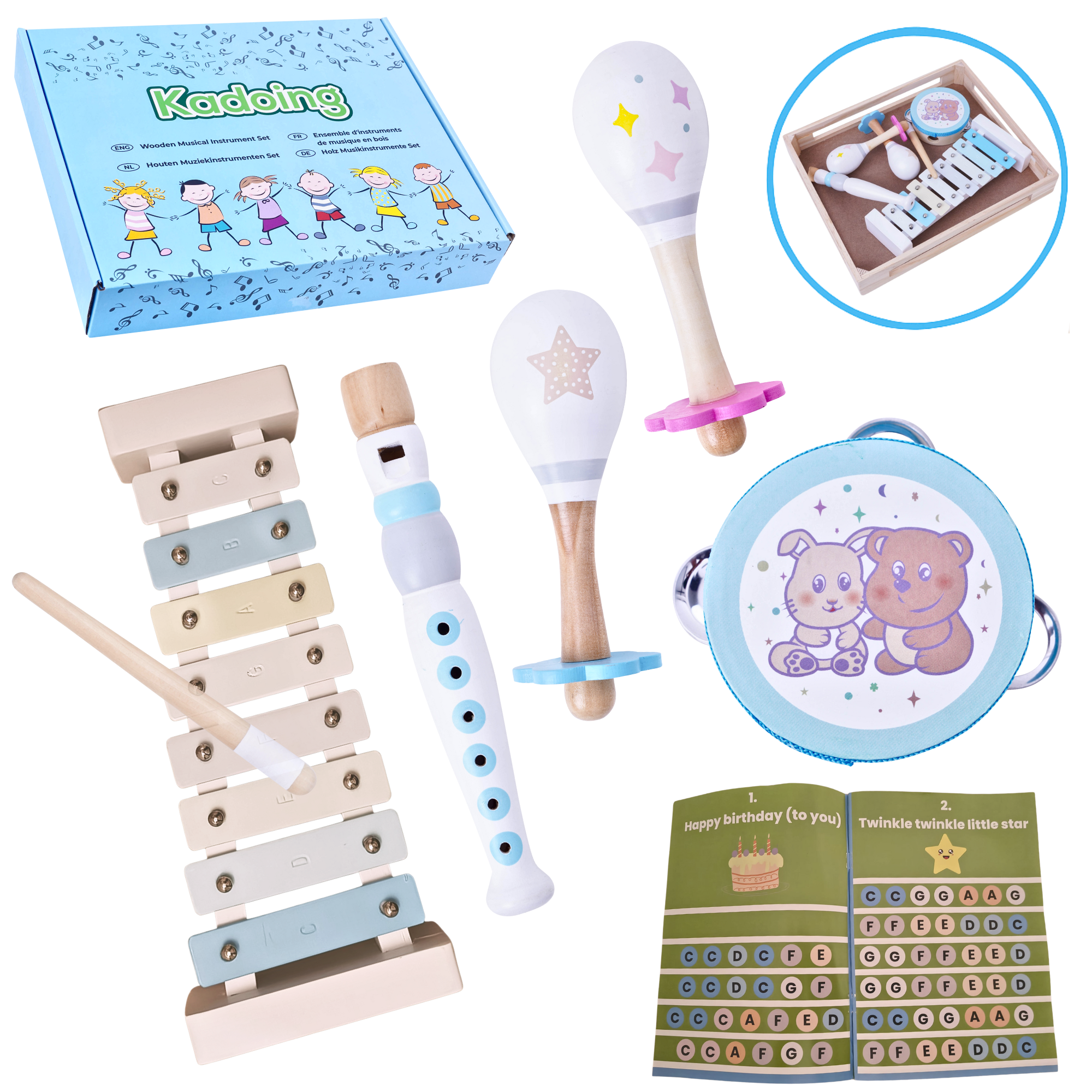
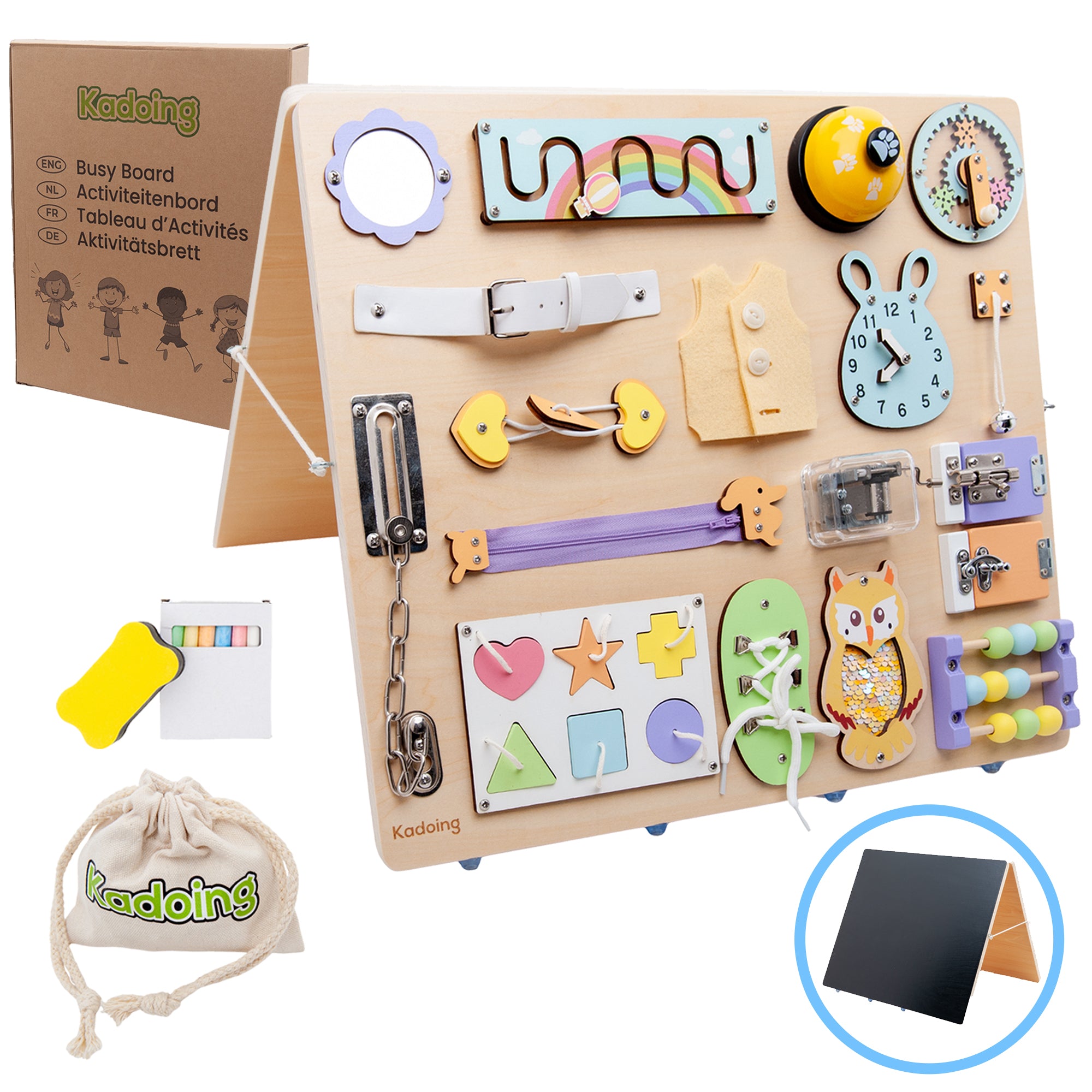
In our collection of durable wooden toys, you will find toys that support mindful play. Think of musical instruments and activity boards that encourage children to explore independently without the need for a screen.
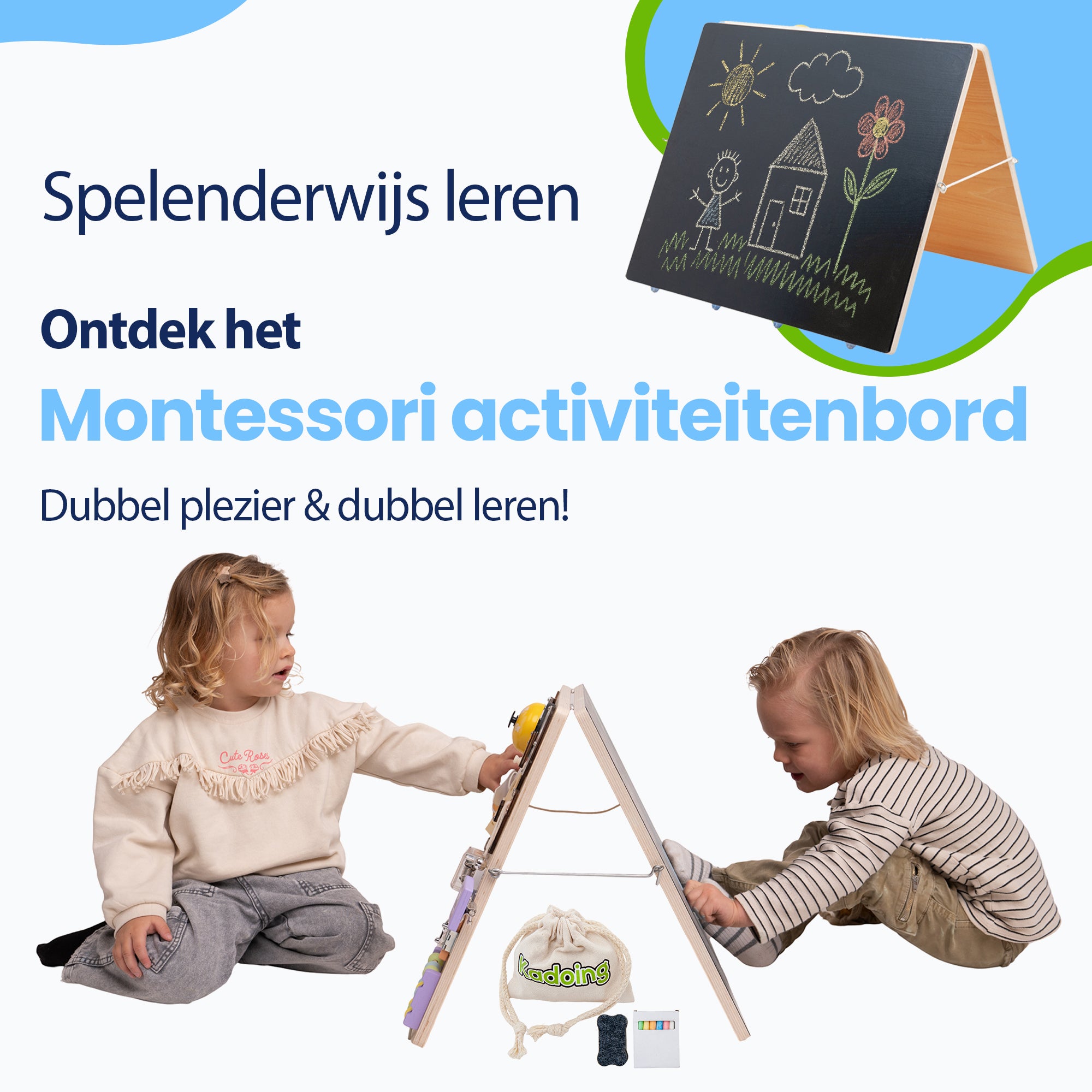
A great example is the Kadoing Montessori Activity Board. It helps children develop motor skills, concentration, and problem-solving abilities through play. Its sturdy design ensures long-lasting enjoyment.
Rechargeable and Reusable
Sustainability also comes down to practical choices. Products with rechargeable batteries can help reduce the need for disposable batteries. That is convenient for parents and better for the environment.
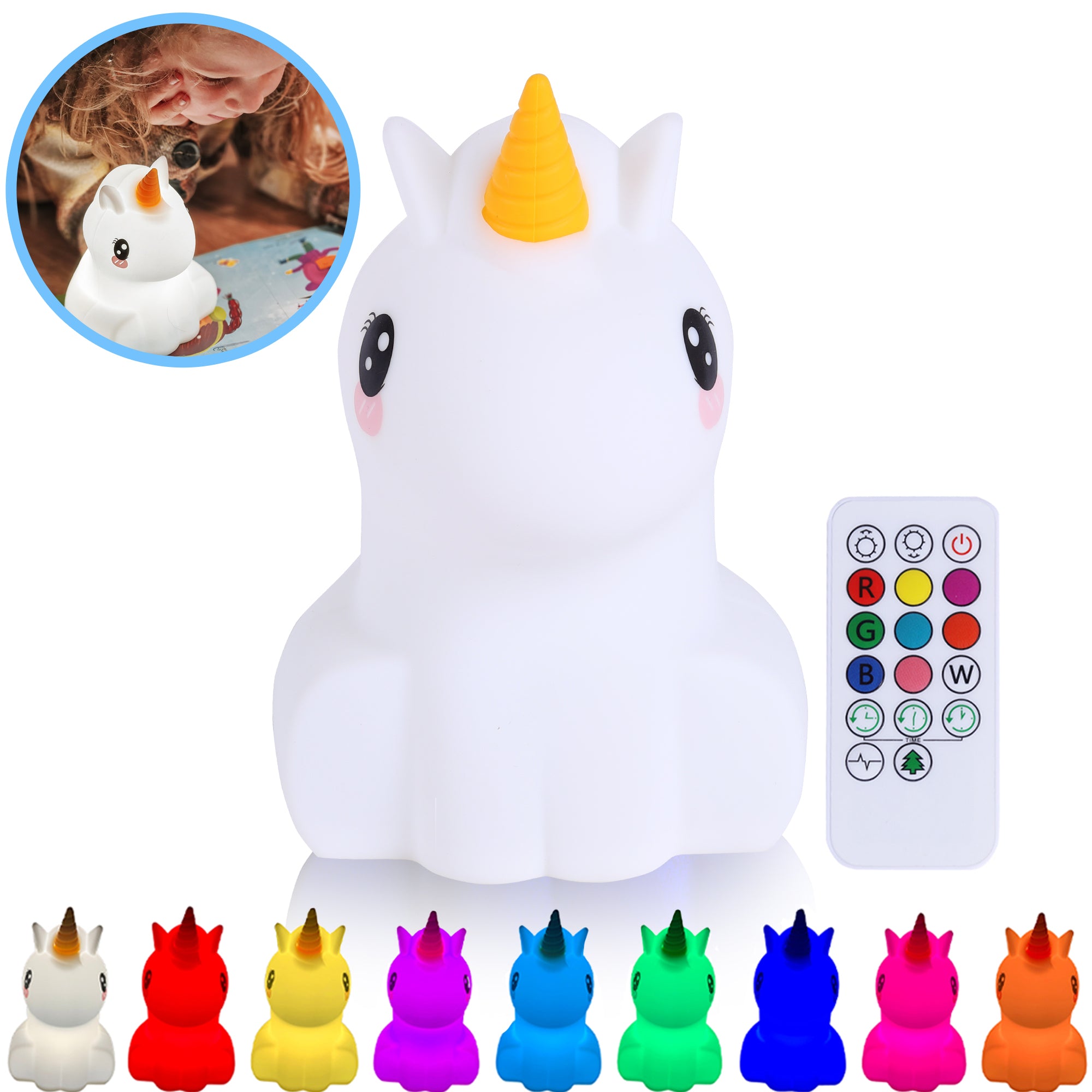
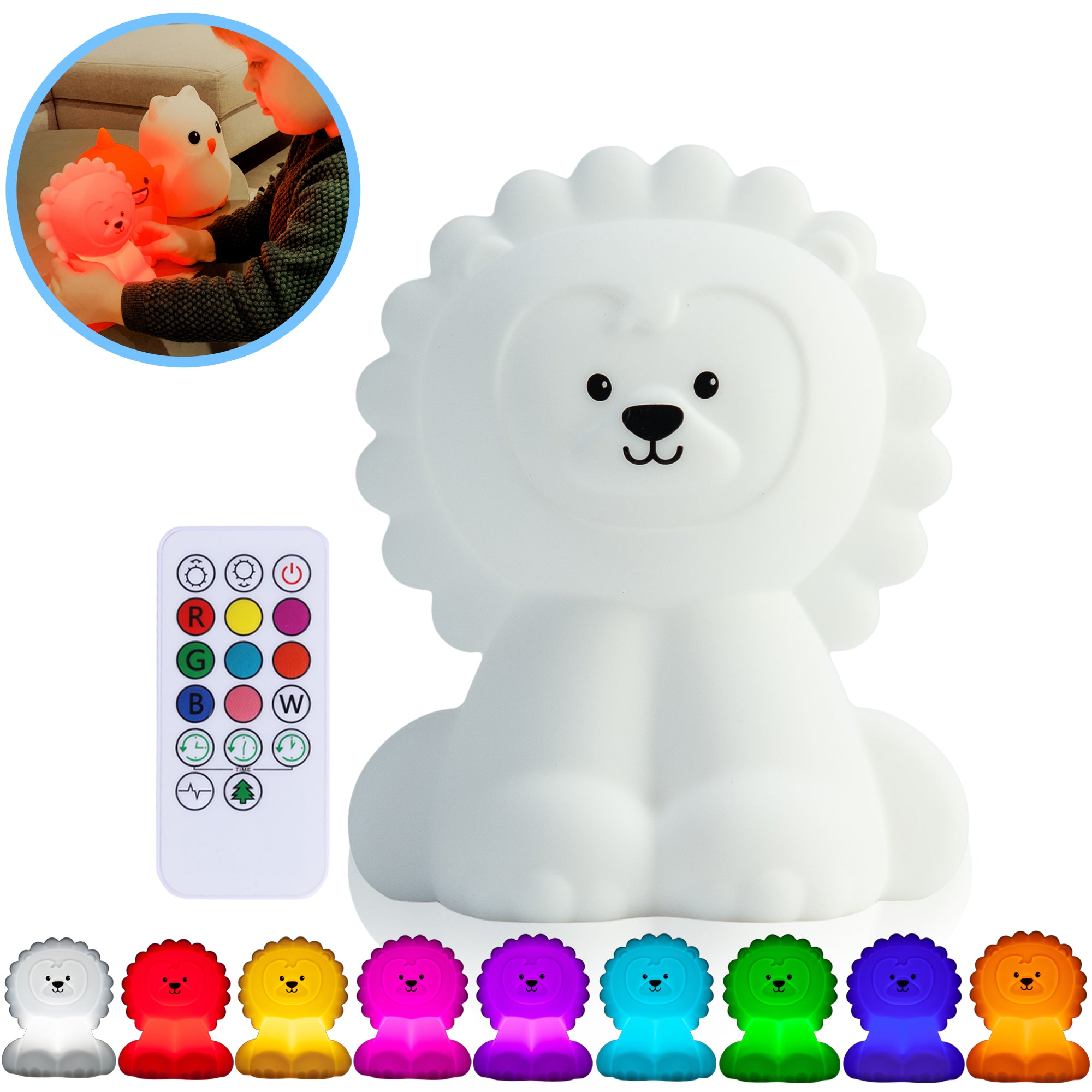
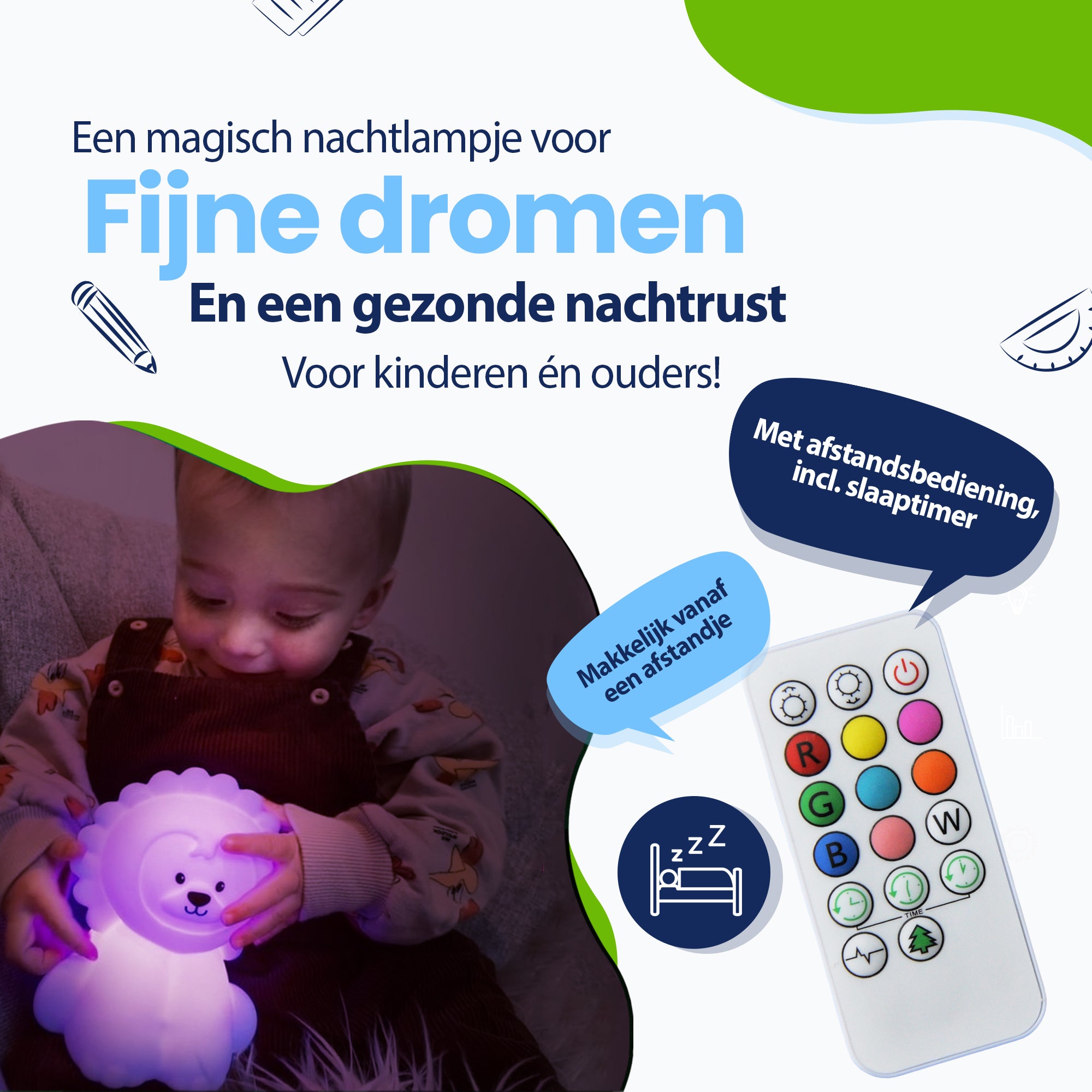
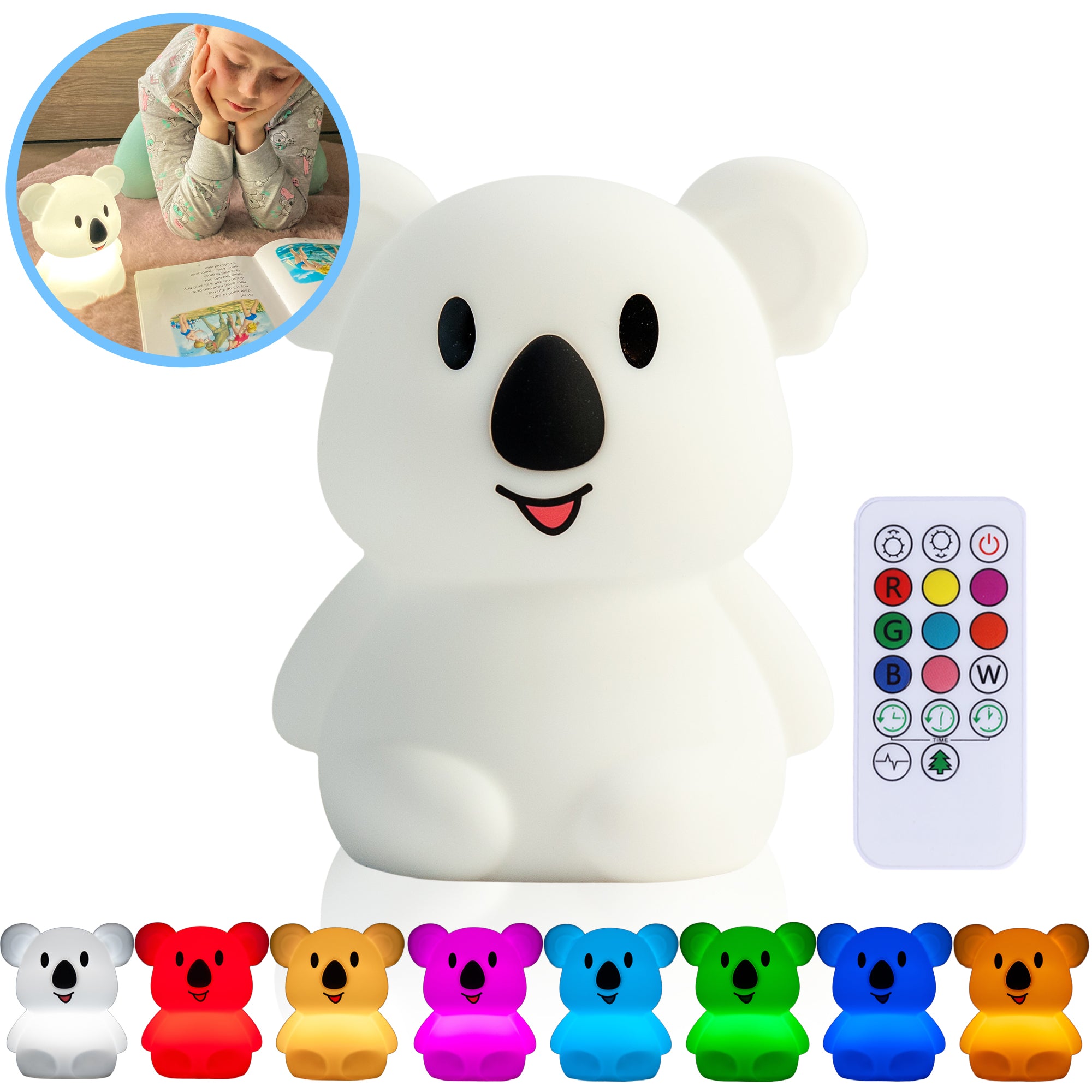
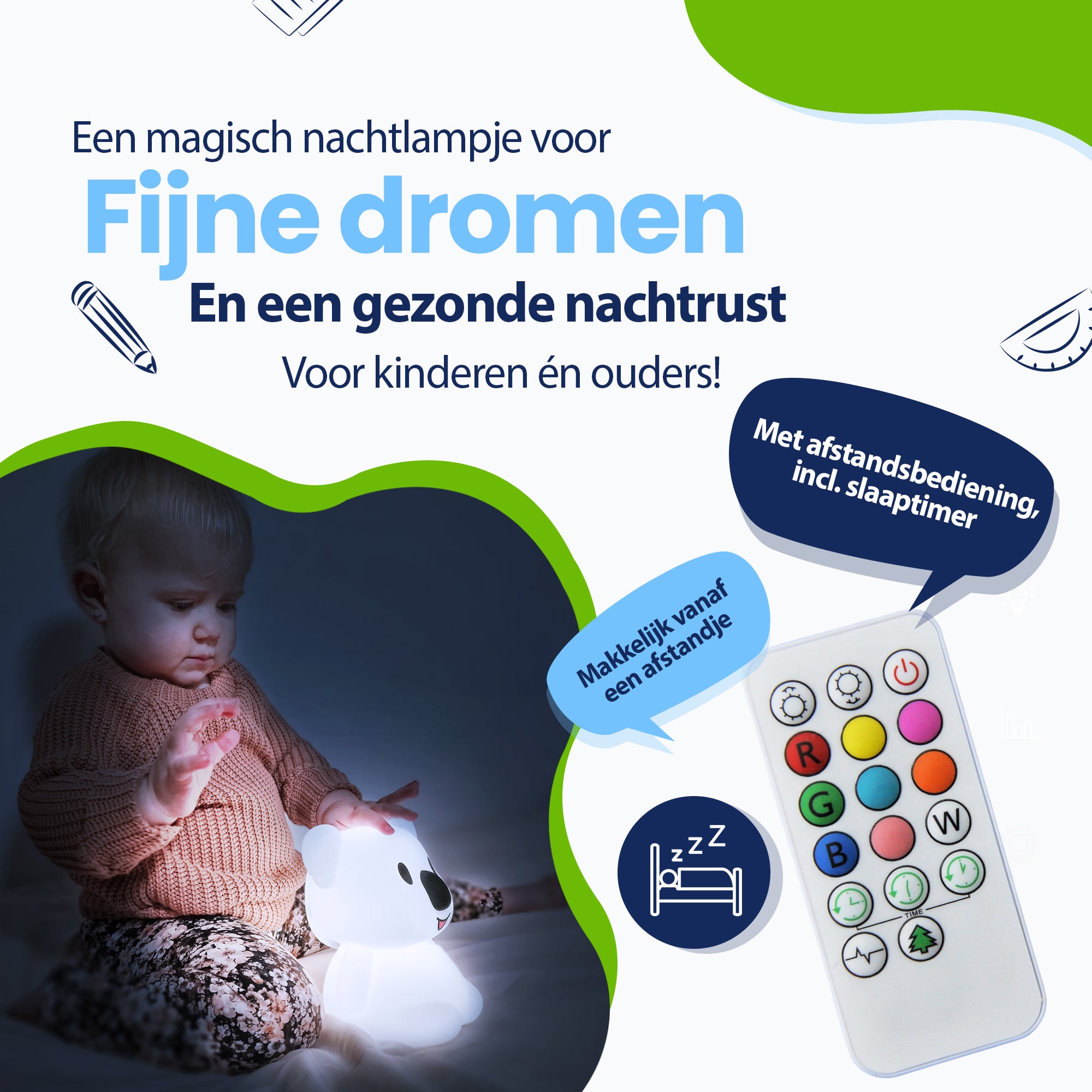
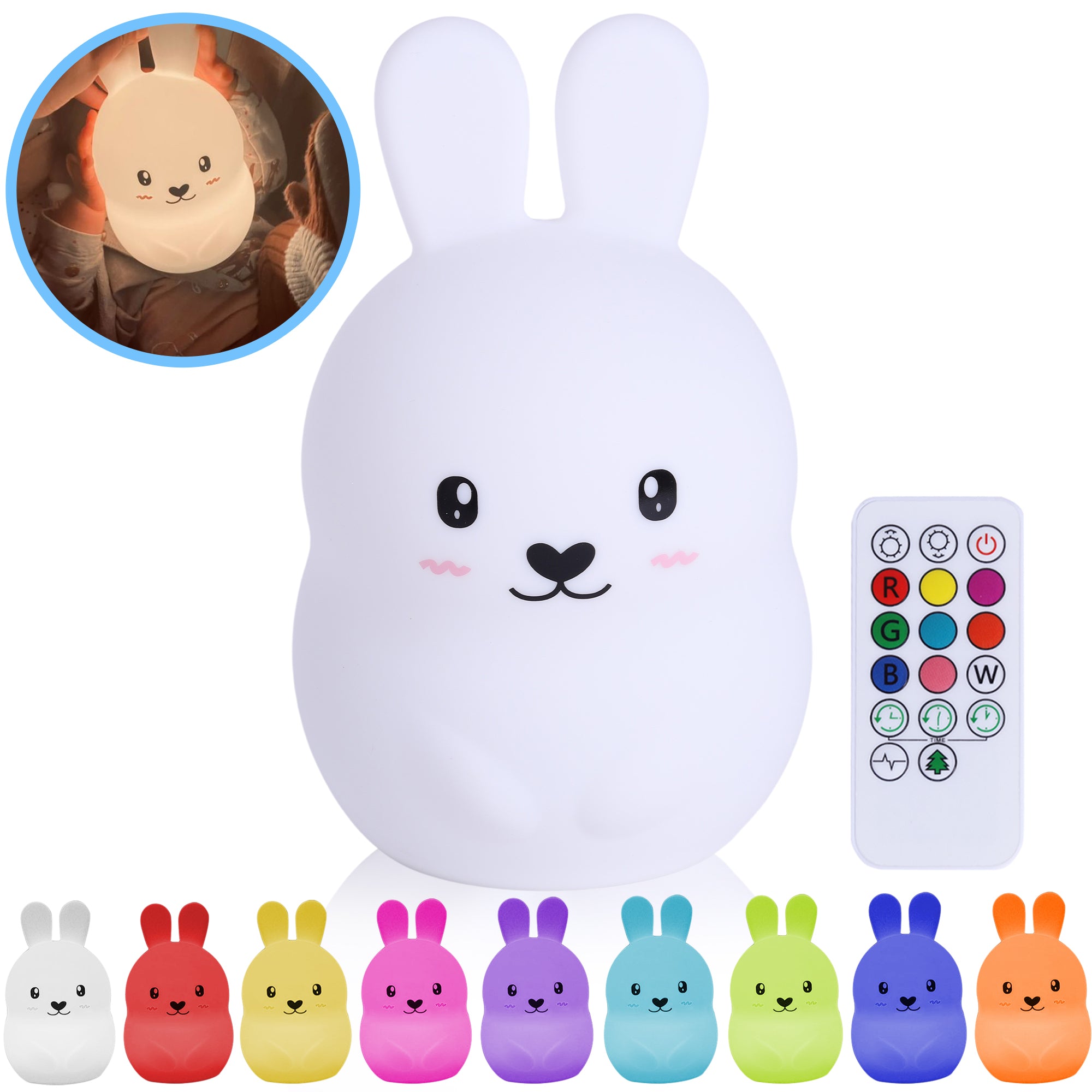
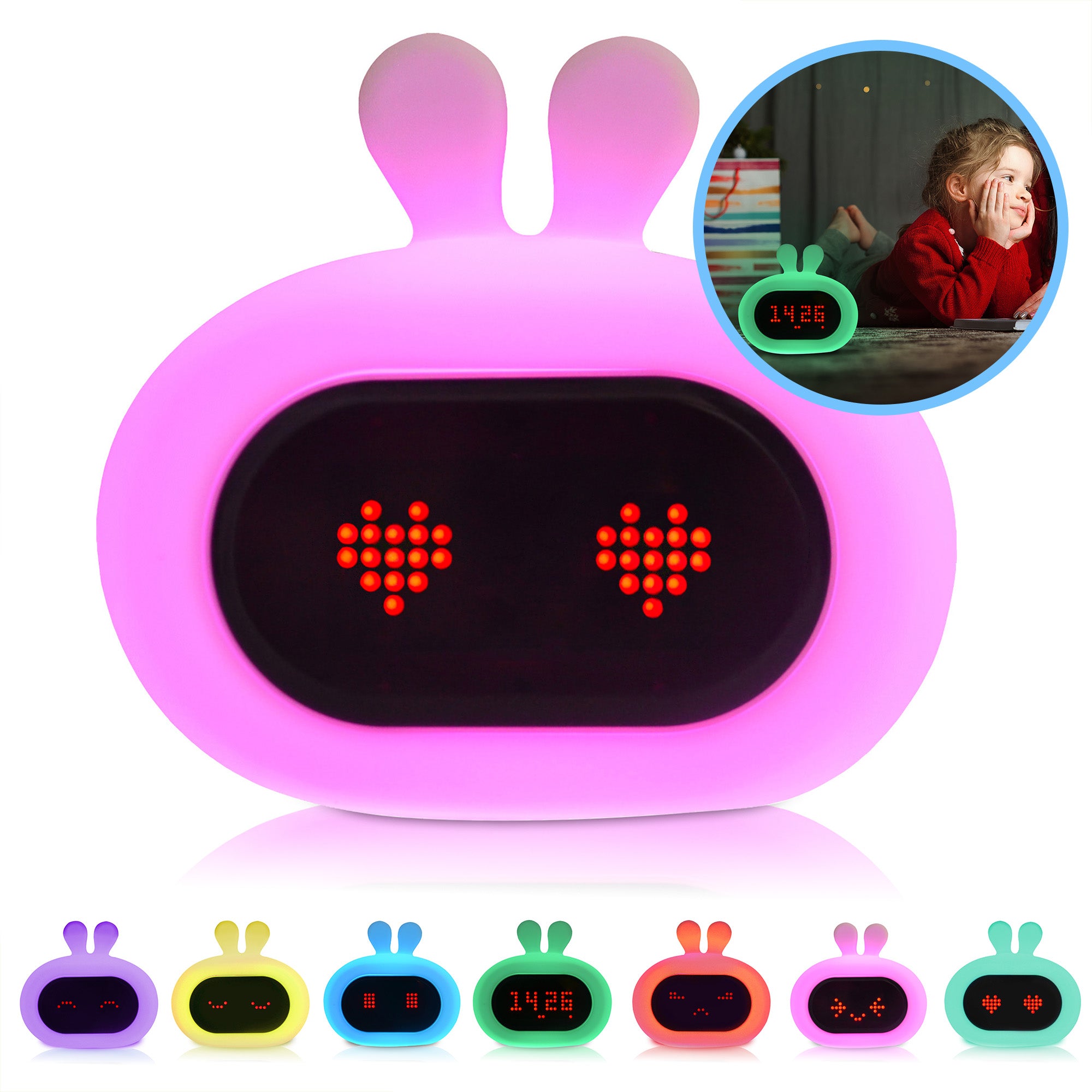
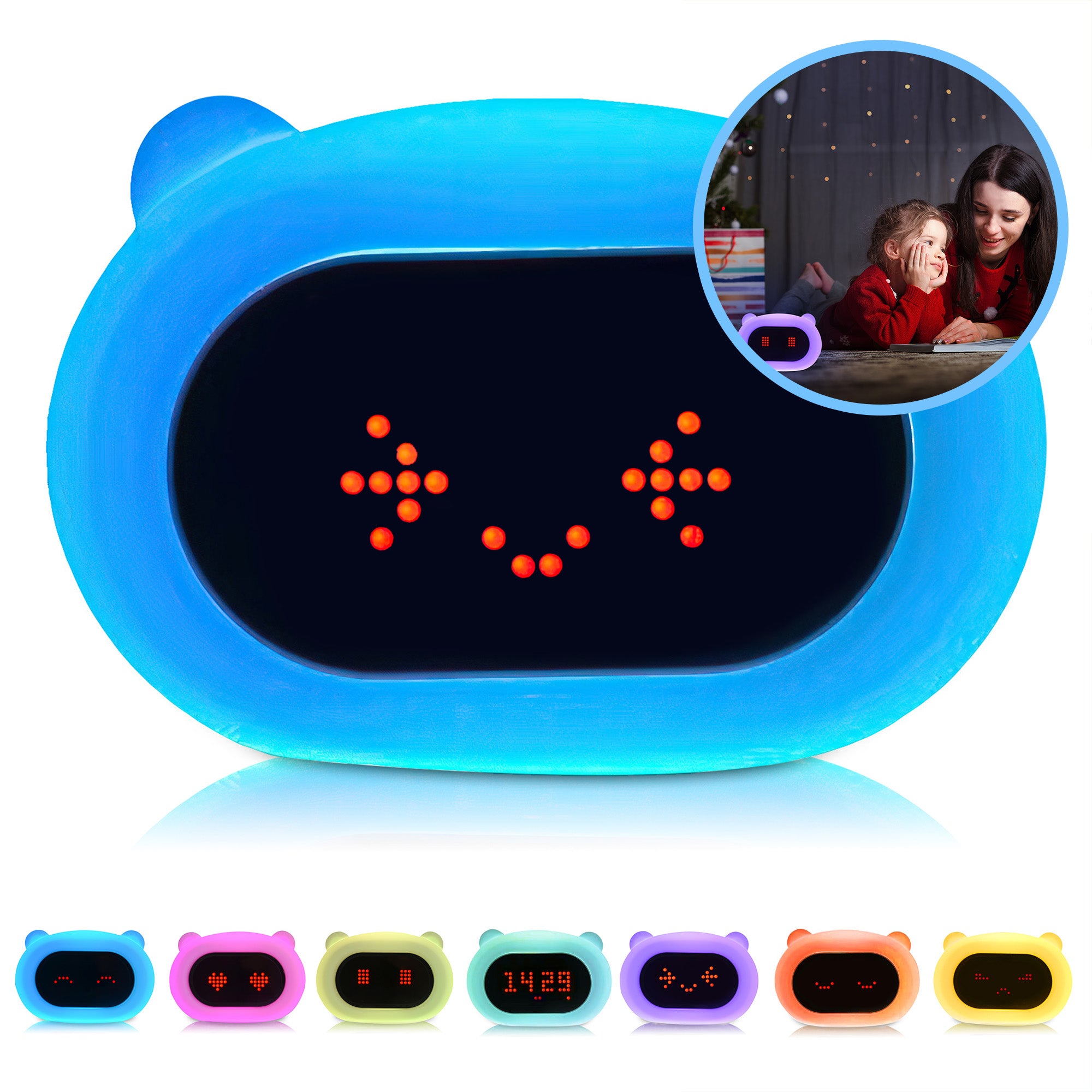
Our children's night lights are also designed with ease of use and long-term enjoyment in mind. They provide a gentle glow in the nursery or bedroom and can become part of a familiar bedtime routine.
Teach Your Child to Care for Toys
Sustainable play habits begin with care. Teach your child to tidy up toys after use, keep them clean, and handle them carefully. Not as a strict rule, but as a natural part of play.
Make tidying up fun by turning it into a small ritual. Play a song, use storage baskets, or let your child decide where each toy belongs. This teaches children that their belongings are valuable.
Pass Toys On or Save Them
Toys that are no longer suitable for your child's age do not need to be thrown away. Perhaps they can be passed on to a sibling, cousin, friend, or another family.
You can also sort through toys together and donate them to a charity shop or a good cause. This helps children understand that toys can have a second life and that sharing is meaningful.
Sustainable Play Without Screens
In a world filled with screens, offline play is more important than ever. Sustainable toys encourage children to explore, build, move, and use their imagination independently.
With musical instruments, wooden toys, plush toys, or an activity board, children can enjoy play that does not depend on apps or chargers. This gives them the freedom to follow their own ideas and creativity.
Sustainability Can Be Fun
Sustainability does not have to feel serious or complicated for children. In fact, making it playful helps them understand why conscious choices matter.
Let your child help with tidying up, repairing, sharing, or choosing toys. Explain in simple terms that toys last longer when they are cared for properly. This makes sustainability a natural part of everyday life.
Making Conscious Choices for the Future
Sustainable play starts with conscious decisions. By choosing quality, safety, and toys that continue to challenge children, you are giving them something truly valuable.
At Kadoing, play is all about discovering, growing, and enjoying life. With sustainable toys, you are not only creating fun today but also contributing to a brighter future for the children of tomorrow.
Looking for more inspiration about mindful play, parenting, and child development? Visit the Kadoing Blog.