Sinterklaas is a magical time of year, but for some children it can also be stressful. Discover how to recognize and prevent Sinterklaas stress with practical tips.
What is Sinterklaas stress in children?
For many children, the Sinterklaas season is all about fun, presents, and exciting activities. However, it can also create feelings of stress and anxiety. Children suddenly experience changes to their daily routines, increased stimulation, and high expectations. This can lead to what experts often refer to as "Sinterklaas stress."
Especially sensitive children may struggle with all the excitement surrounding the holiday season. Think about putting out their shoe for treats, visits from Sinterklaas at school, family gatherings, and counting down to gift-giving evening. All these events combined can lead to overstimulation.
How can you recognize Sinterklaas-related stress?
Not every child shows stress in the same way. Some become extra energetic and restless, while others withdraw or become quieter than usual. During the Sinterklaas season, pay extra attention to the following signs:
- More hyperactive behavior than usual
- Difficulty concentrating
- Becoming angry, sad, or emotional more quickly
- Frequently asking questions about Sinterklaas or presents
- Restless sleep or waking up more often during the night
- Stomach aches or other physical complaints without a clear cause
- A stronger need for closeness and reassurance from parents
If you recognize several of these signs, it may be wise to schedule extra moments of rest and lower expectations around the celebrations.
Why does Sinterklaas cause stress?
Children experience the world differently from adults. What feels like a fun tradition to us can sometimes feel overwhelming to them. The main causes of Sinterklaas stress include:
- Many new impressions in a short period of time
- Changes to daily routines
- Excitement surrounding gifts
- Busy schedules with multiple activities
- Uncertainty about what will happen
- Fatigue from going to bed later than usual
That is why it is important to maintain a healthy balance between festive activities and relaxation during this period.
Tip 1: Don't schedule too many activities
In November and early December, it can seem like there is a Sinterklaas event every week. At school, sports clubs, shopping centers, and family gatherings, there are often many opportunities to celebrate.
While these activities can be enjoyable, your child does not need to attend all of them. Choose the events that matter most and leave enough room for relaxation at home. A calmer schedule helps children process all the excitement more effectively.
Tip 2: Stick to regular routines
Children feel safe when they know what to expect. Try to maintain normal daily structures as much as possible. Think of consistent meal times, bedtimes, and morning routines.
Does your child struggle with bedtime during exciting periods? A consistent sleep routine can make a big difference. Children who get enough rest are generally better able to process emotions and stimulation.
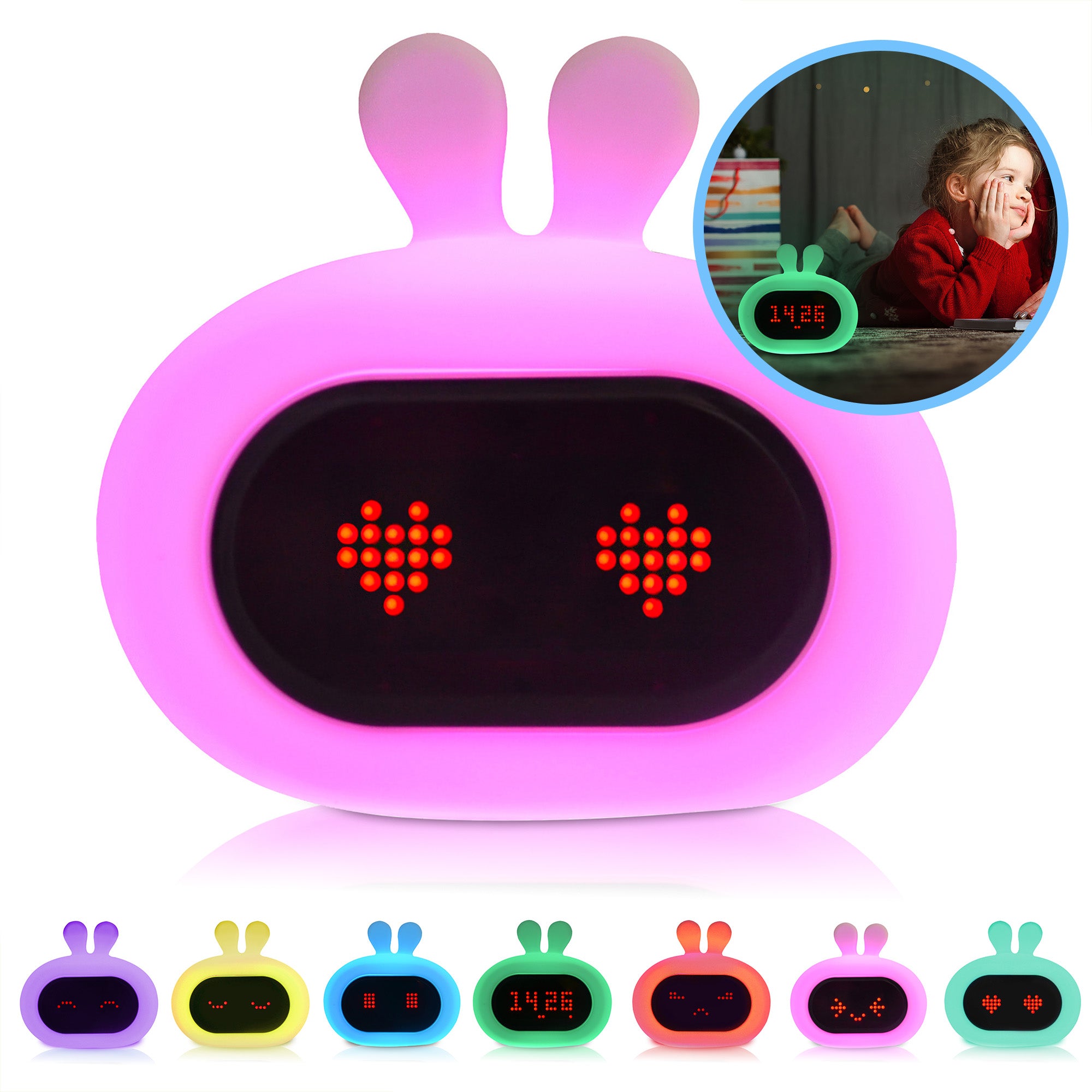
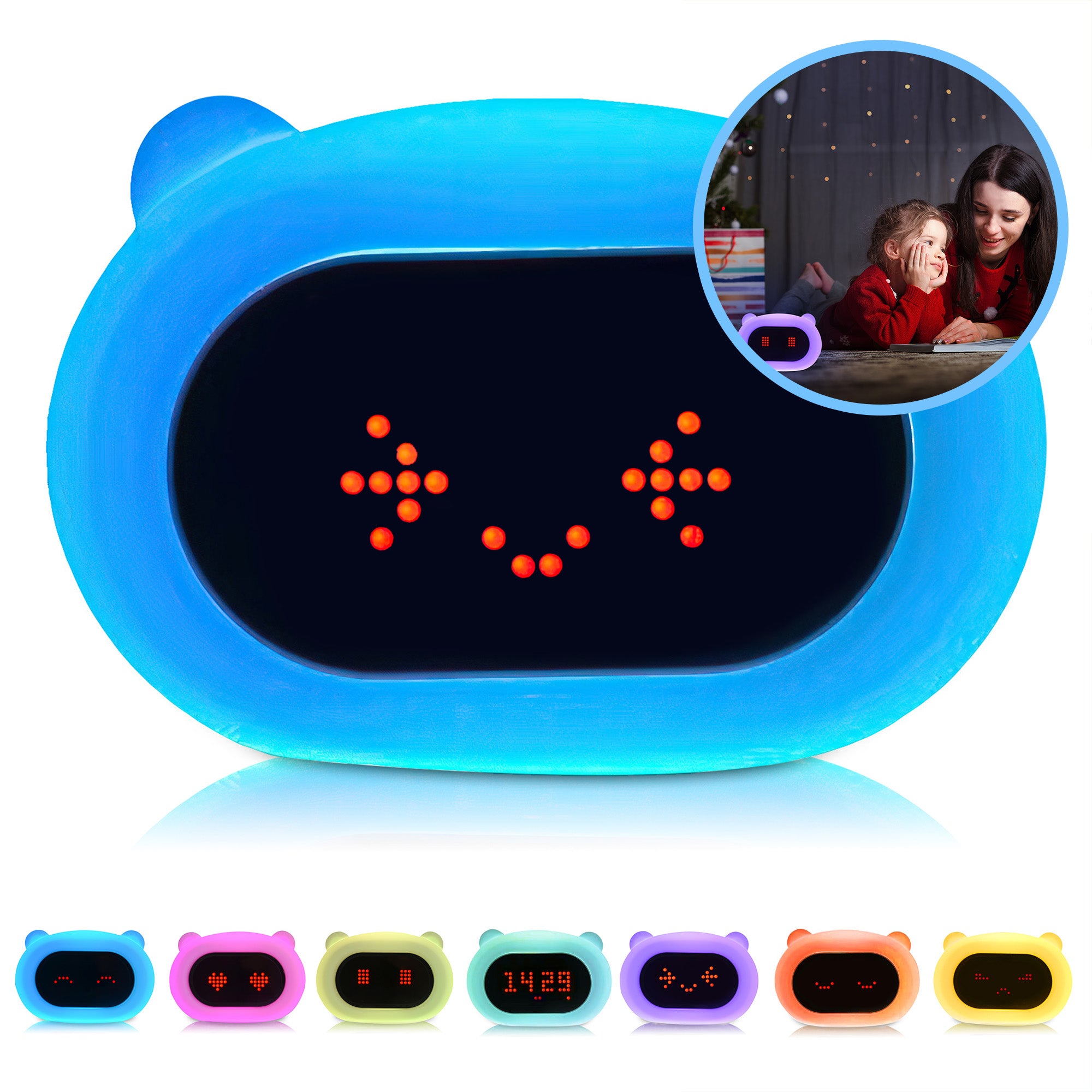
Many parents use a children's alarm clock with sleep trainer to create more predictability around bedtime and waking up.
Tip 3: Be clear about expectations
Children can become very focused on their wish lists. What will they receive? What won't they get? Will Sinterklaas visit in person?
Open and honest communication helps prevent unnecessary anxiety. Explain how the celebration will work and emphasize that the most important part is spending quality time together.
You can also create a wish list together with a limited number of wishes. This helps children maintain perspective and reduces decision stress.
Tip 4: Make time for relaxation
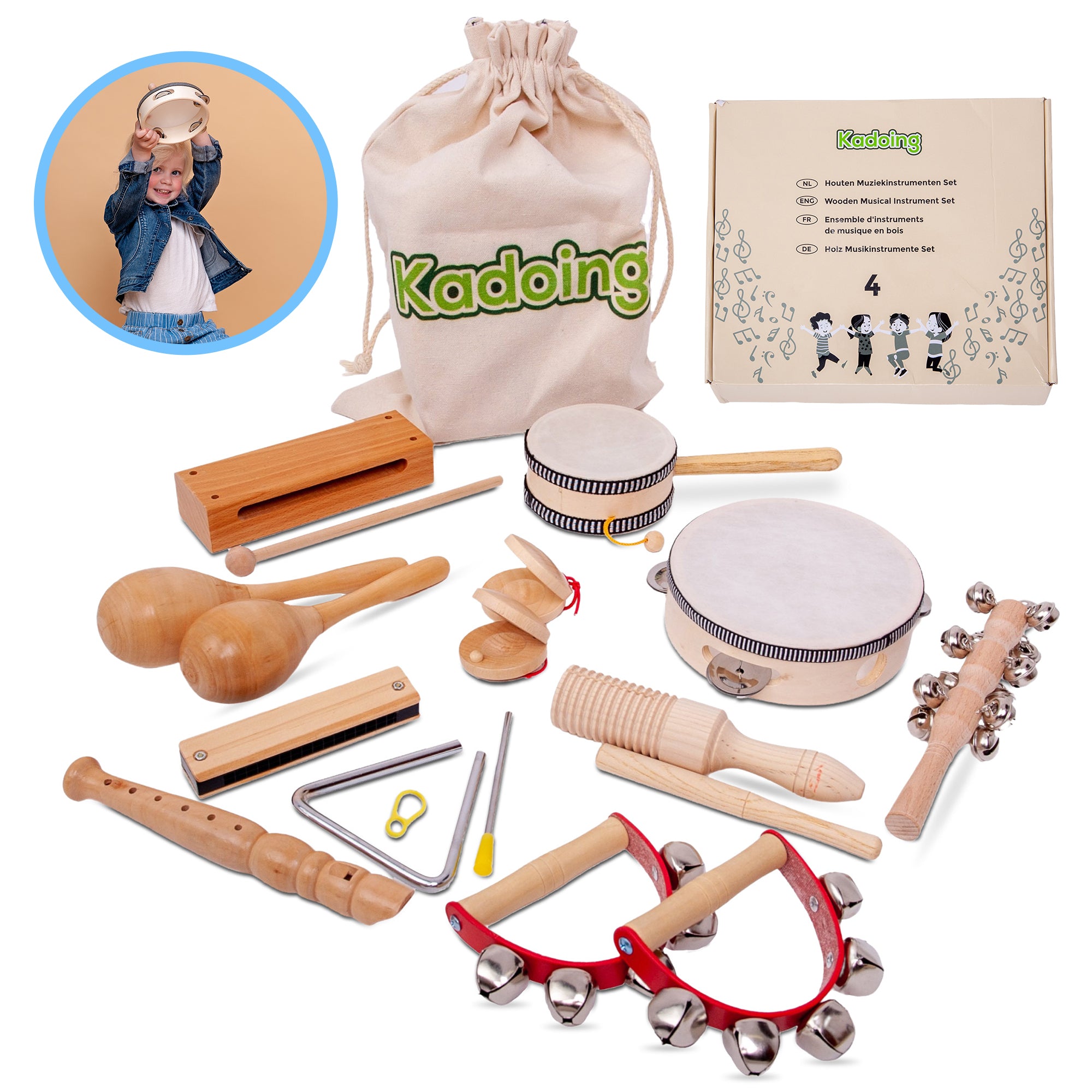
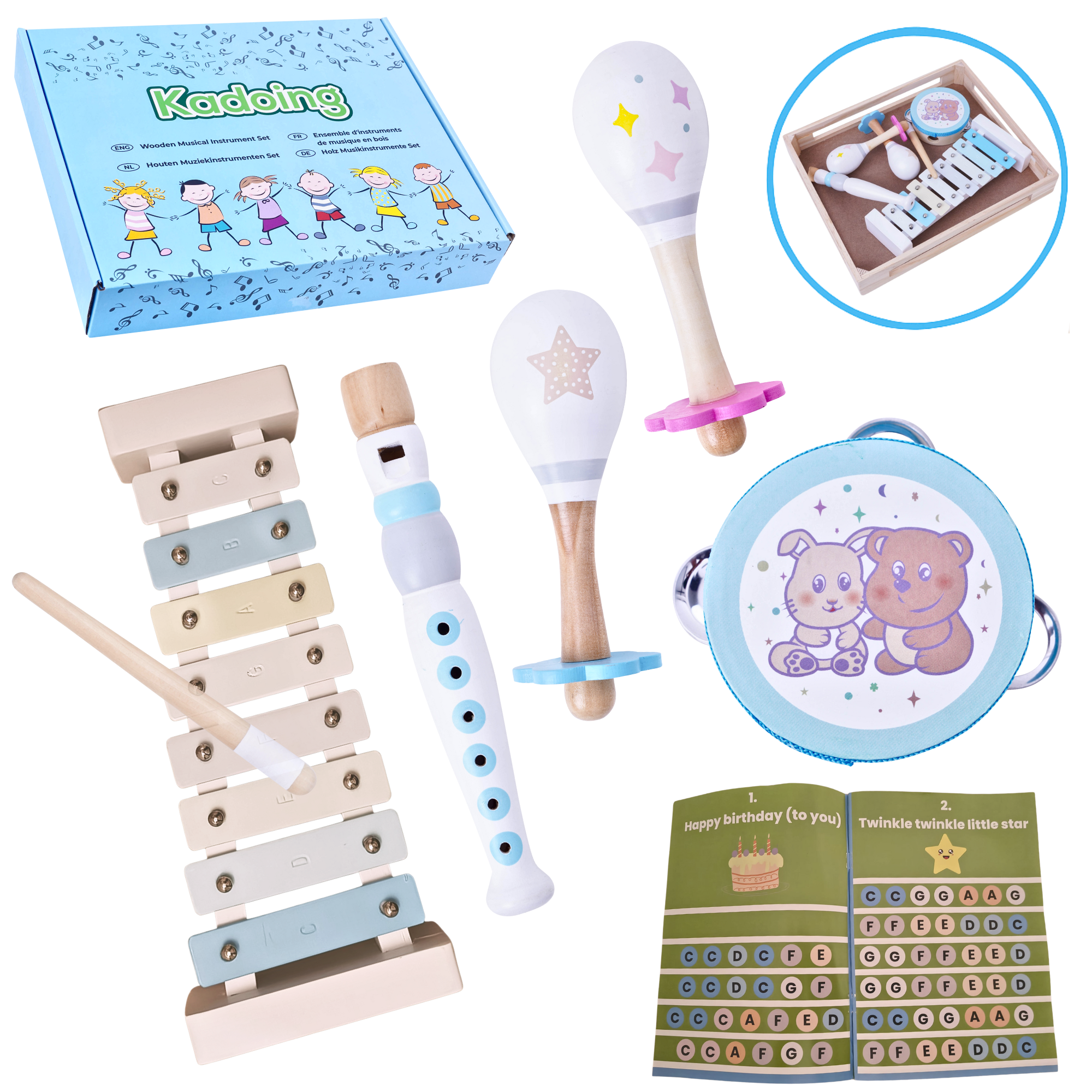
Between all the festive activities, it is important to schedule quiet moments. Reading together, coloring, doing puzzles, or making music can help children unwind.
Creative activities promote relaxation while giving children an opportunity to process everything they have experienced. Take a look at our collection of wooden toys for calm and educational playtime.
Tip 5: Don't force your child into anything
Not every child enjoys sitting on Sinterklaas's lap or posing for photos with Piet. That is perfectly normal.
Respect your child's boundaries and allow them to decide how much interaction feels comfortable. Taking their feelings seriously helps prevent additional stress and provides a sense of safety.
Tip 6: Create a calm bedroom environment
A peaceful sleep environment helps children process the events of the day more effectively. Consider maintaining a consistent bedtime routine, limiting screen time before bed, and creating a relaxing atmosphere in the bedroom.
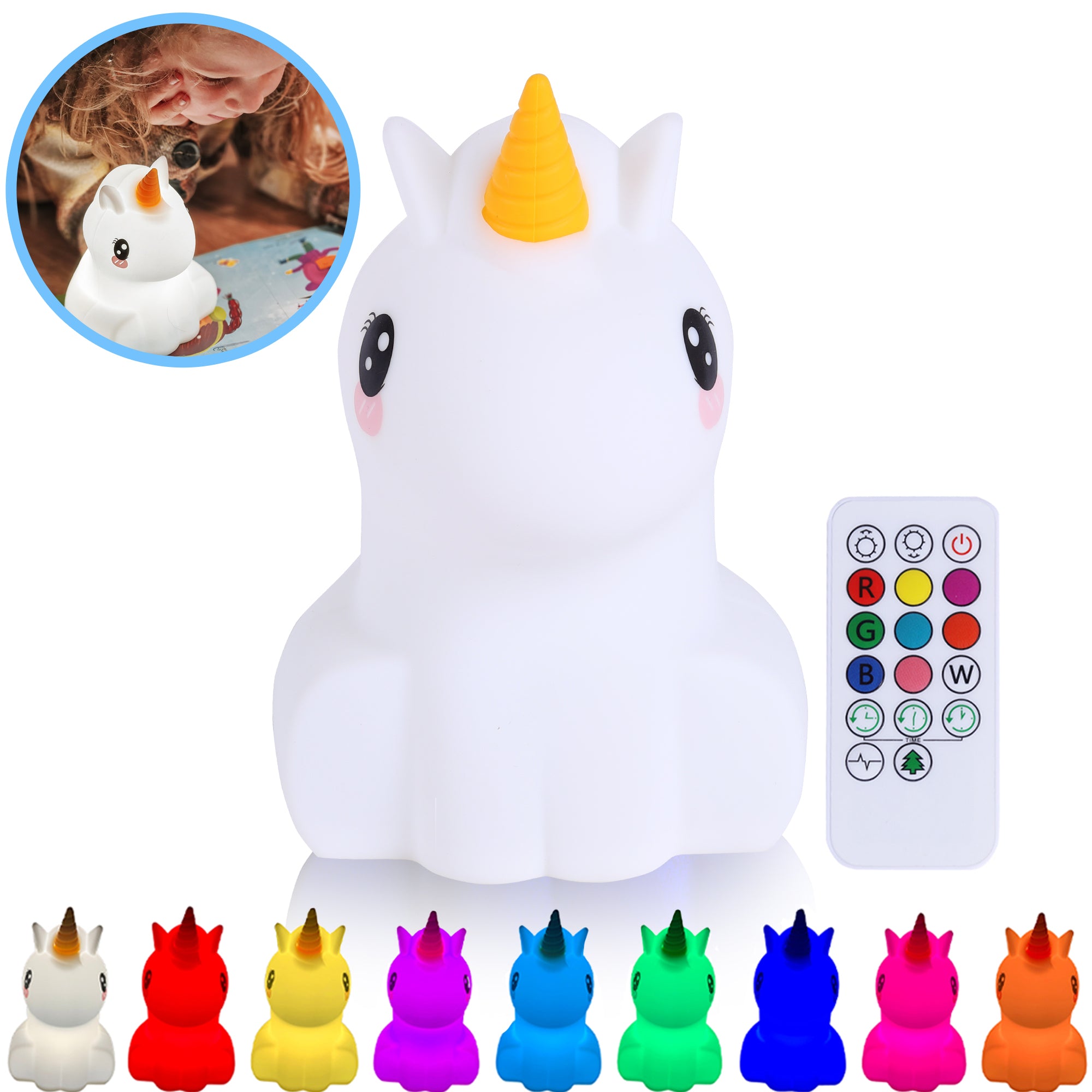
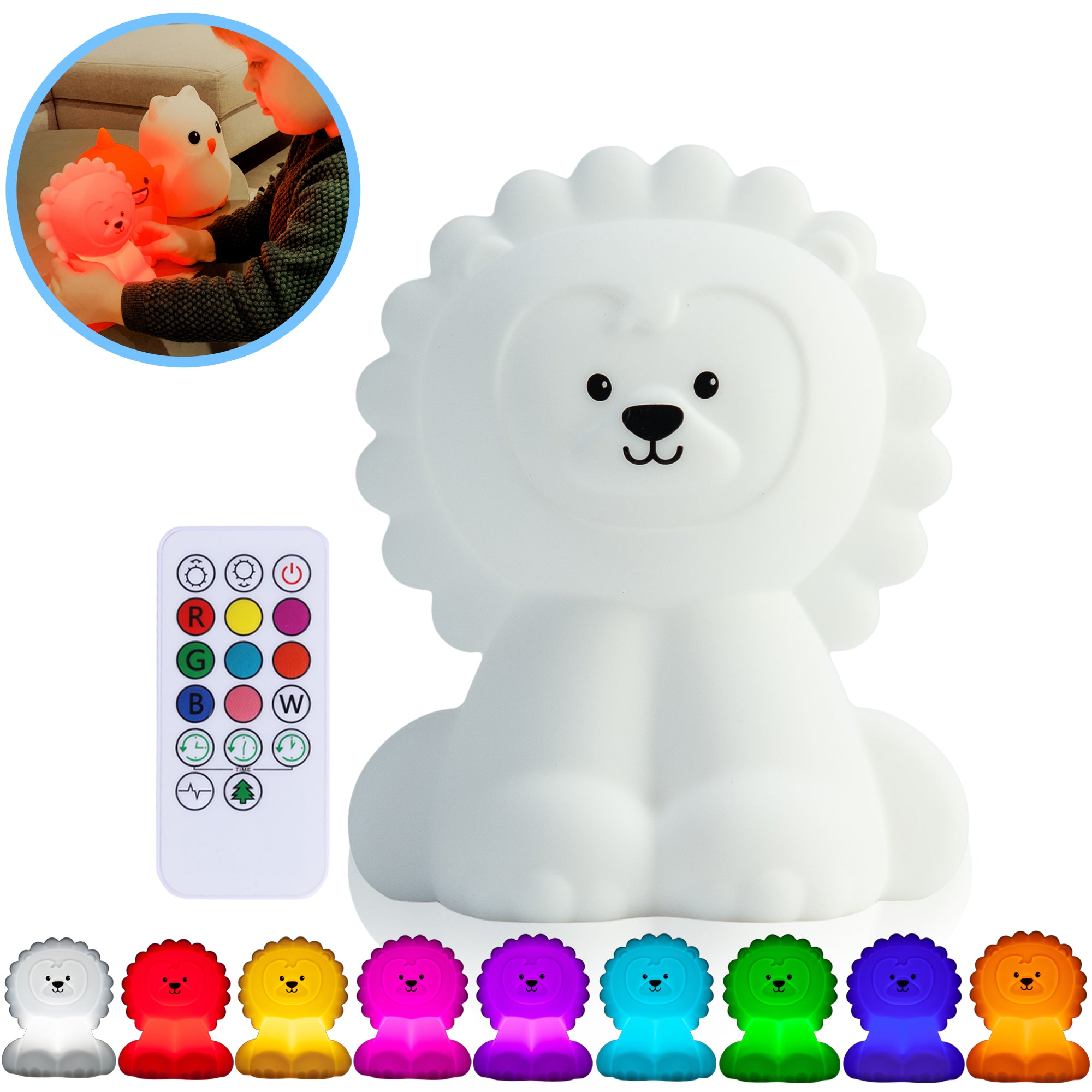
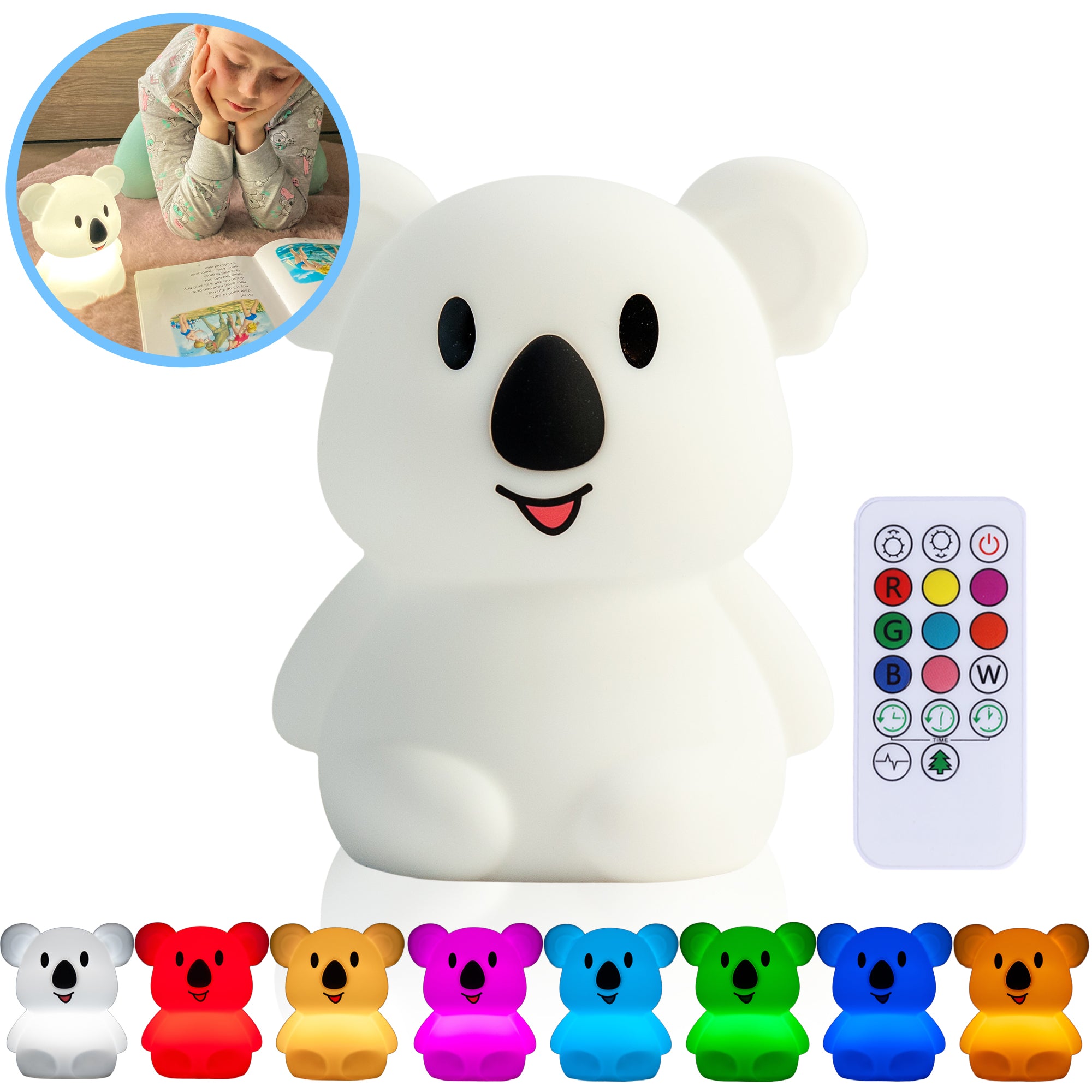
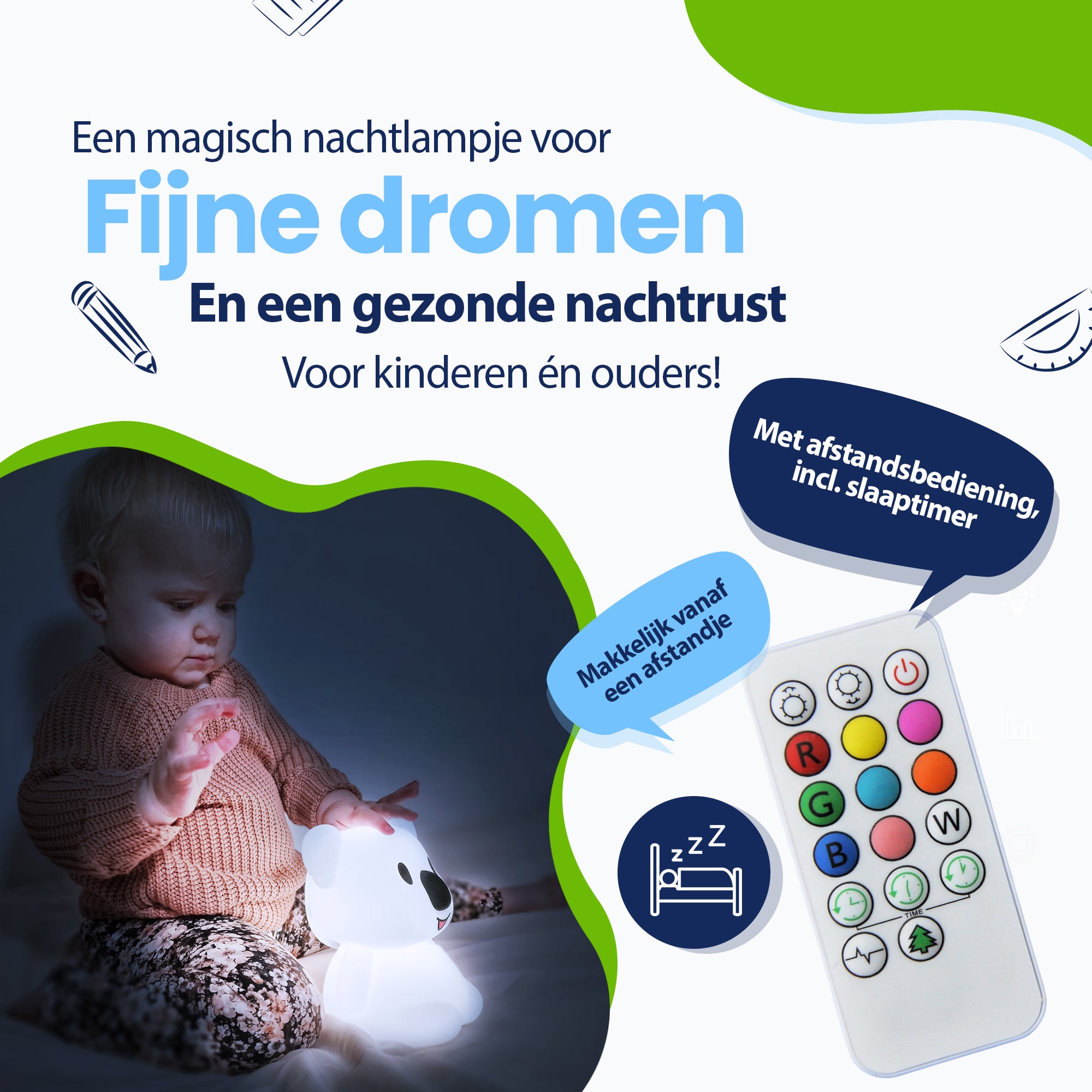
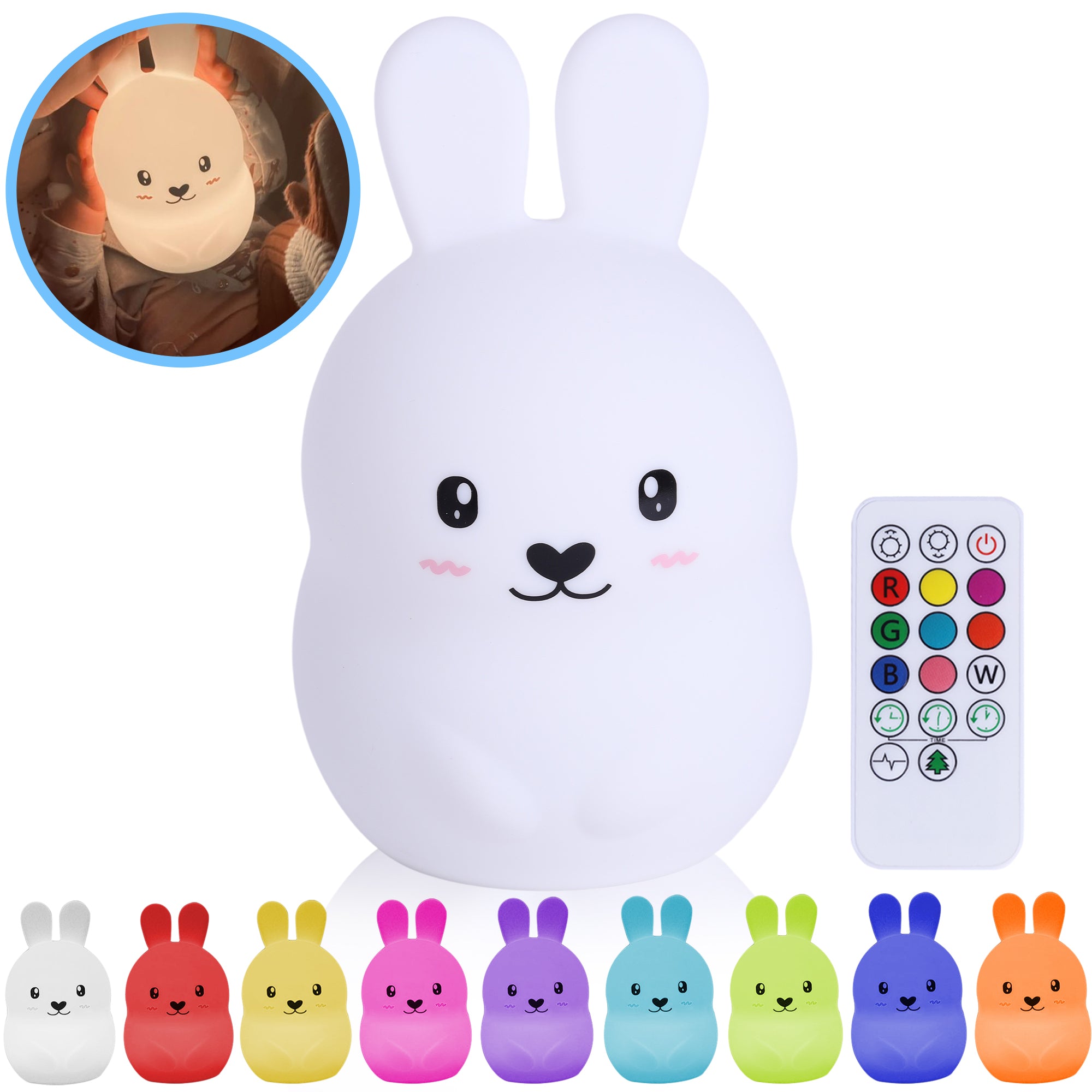
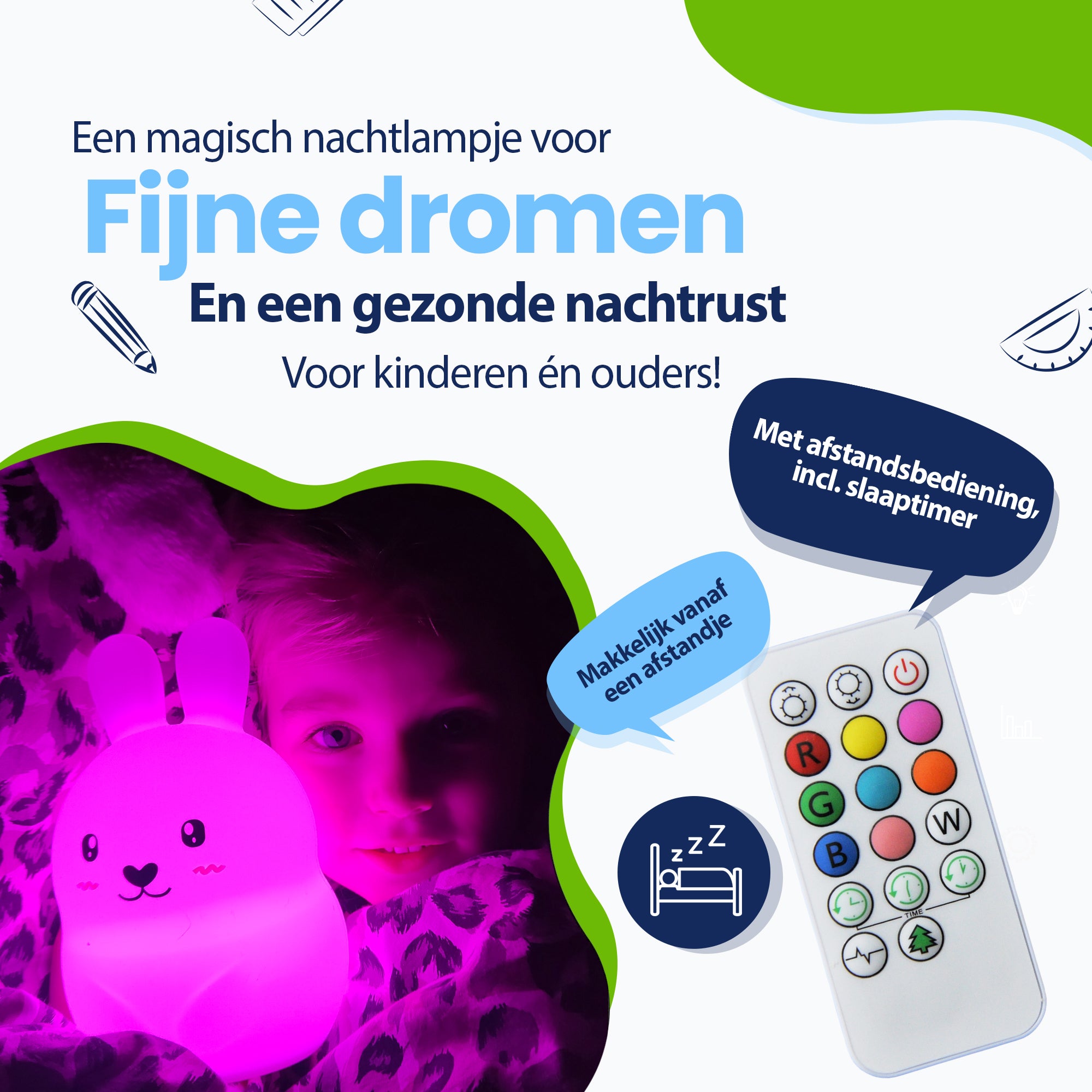
A gentle light can be helpful. Explore our collection of night lights for children, designed to create a safe and calming environment.
Preventing Sinterklaas stress starts with balance
Sinterklaas should primarily be a warm and joyful time of year. By providing enough rest, structure, and clear expectations, you help your child enjoy this special season to the fullest.
Remember that every child is different. Focus on what your son or daughter needs most. Sometimes a quiet afternoon at home can be more valuable than attending yet another Sinterklaas event.
Looking for more tips about parenting, sleep, play, and child development? Be sure to explore our latest blogs or browse our blog archive.
How does your child cope with the excitement surrounding Sinterklaas?