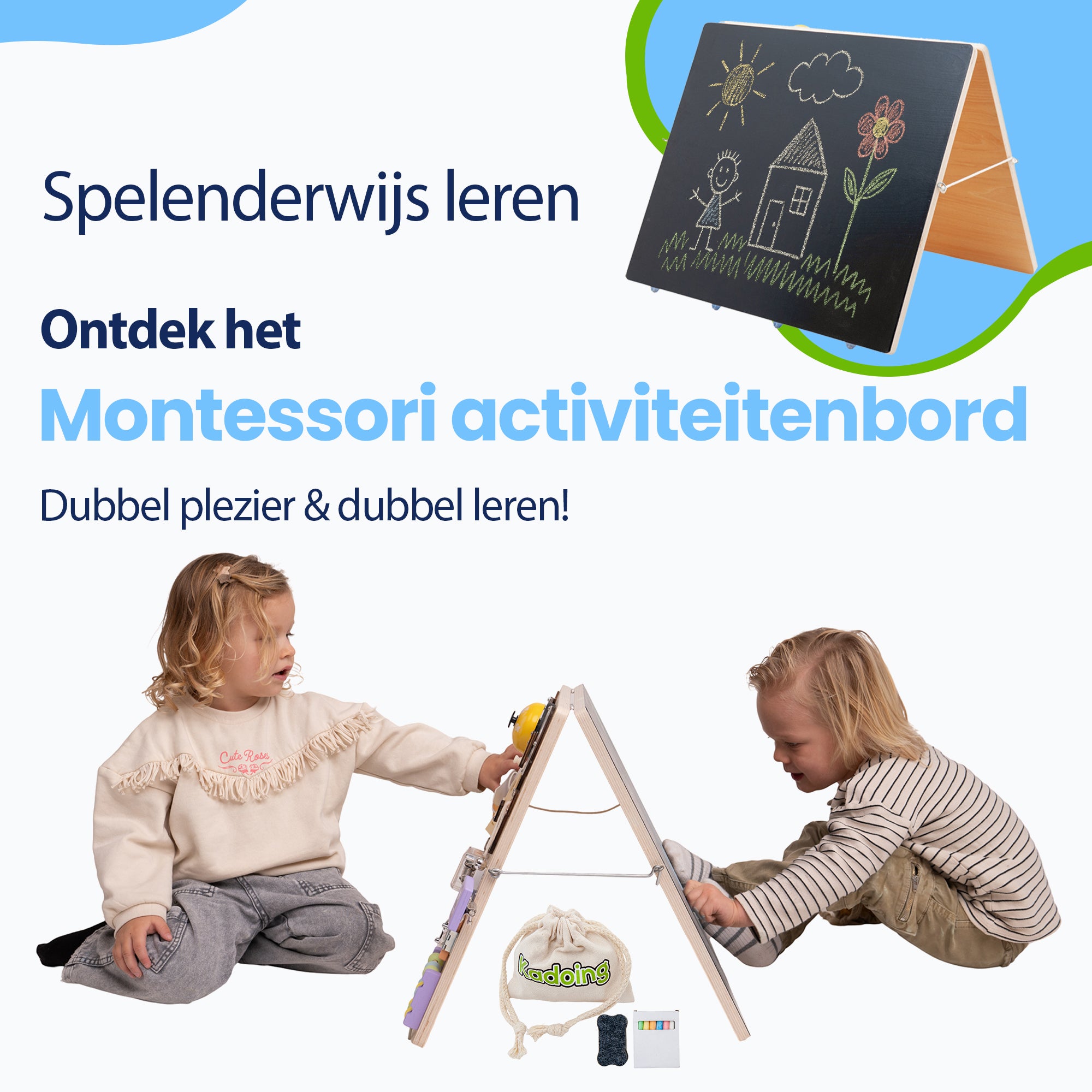
Playing is not only beneficial for children, but also for parents. It brings relaxation, connection, and fun.
Why Playing with Your Child Is Good for You Too
We all know that play is important for children. It supports their physical, social, emotional, and creative development. Through play, children learn to explore, experiment, imagine, and cooperate.
But play is not only valuable for your child. Playing together also offers many benefits for parents. It helps you unwind after a busy day, strengthens your bond with your child, and creates moments you'll both look back on with a smile.
Play Helps Parents Relax
As a parent, you're often busy with work, household tasks, schedules, school, appointments, and everything in between. That's exactly why playing together can be such a great way to clear your mind.
When you're building, dancing, making music, or playing a game with your child, you're focused on the present moment. For a while, there's nothing to organize or solve. That makes play a simple yet effective way for parents to relax.
Playing Together Strengthens Your Bond
Children feel seen when you genuinely join in their play. Not just watching from the sidelines, but actively participating. Laughing together, building something, or creating an imaginary world strengthens your connection.
You also get to know your child better. What makes them laugh? What excites them? How do they react when something doesn't work right away? These moments provide valuable insights for parents.
Play Improves Communication
Children often find it easier to talk while they play. They explain what they're doing, describe the rules of a game, or share what's happening in their imaginary world. This makes play a natural and accessible way to connect with your child.
As a parent, you also learn to listen and follow along. Sometimes a game doesn't have to make perfect sense. For your child, what's most important is that you're involved, interested, and open to their ideas.
Playing Encourages Physical Activity
Playing together can also be physically active. Think of tag, dancing, football, building obstacle courses, or creating games around the house. That's not only great for your child but also for you.
You stay active without it feeling like exercise. Especially after a long workday, active play can help release stress and boost your energy.
Create a Comfortable Play Space at Home
A dedicated play area makes playing together easier. It doesn't need to be a large room. A corner of the living room, a play mat on the floor, or a low shelf with toys can be enough.
Make sure the space is safe, organized, and inviting. When toys are easy to access, children are more likely to start playing independently. Tidying up also becomes easier when everything has its own place.
Let Your Child Take the Lead
One of the best ways to play together is to let your child guide the activity. Allow them to choose what you'll do and try to follow their imagination.
Maybe today you're the customer in their shop, the patient at their pretend doctor's office, or the musician in a made-up concert. By joining their play, you boost your child's confidence and show that their ideas matter.
Choose Toys That Encourage Imagination and Development
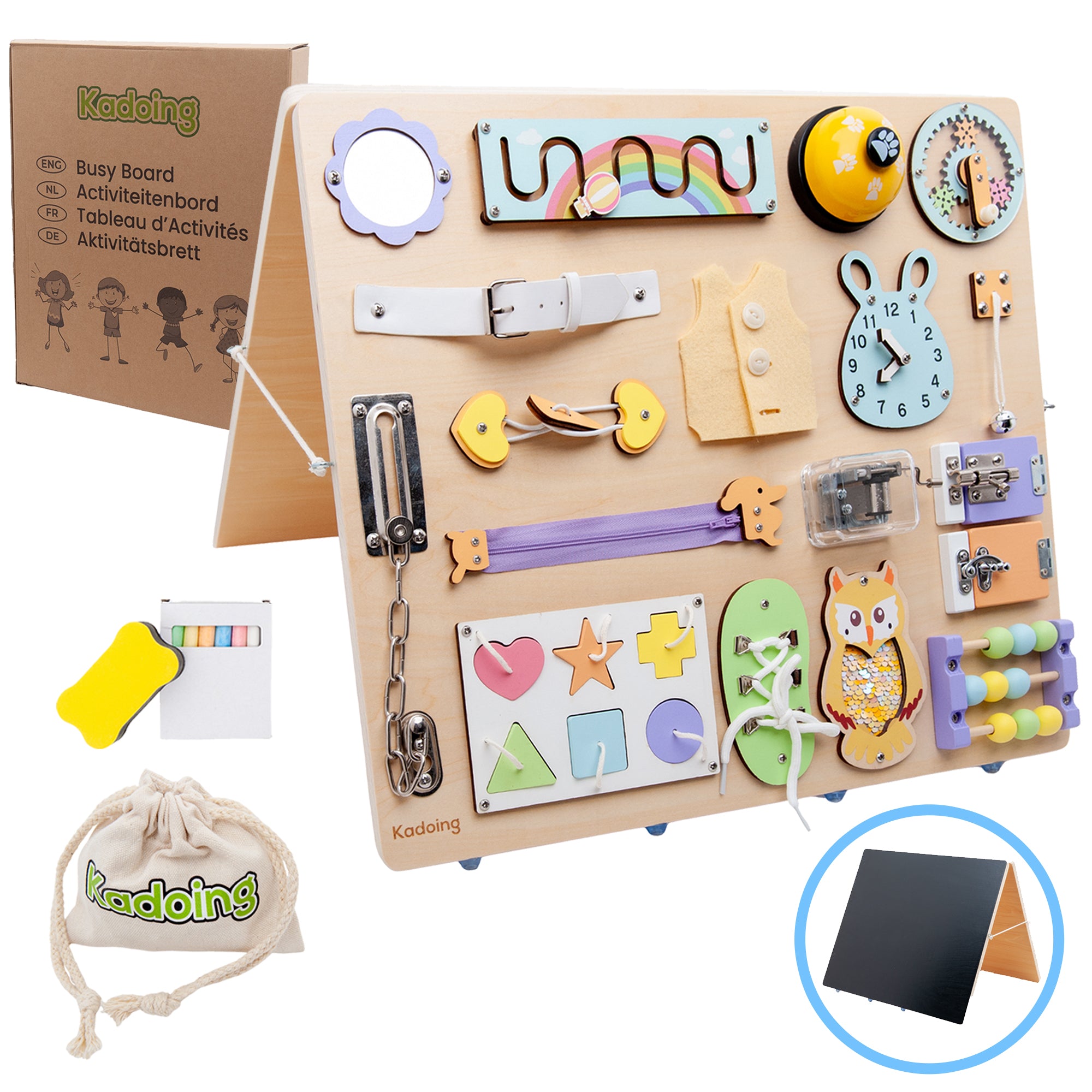
Good toys don't have to be complicated. In fact, toys that leave room for imagination often provide the most lasting enjoyment. Think of wooden toys, musical instruments, building materials, puzzles, or activity boards.
In our collection of durable wooden toys, you'll find sustainable toys that encourage children to explore, build, practice, and play creatively.
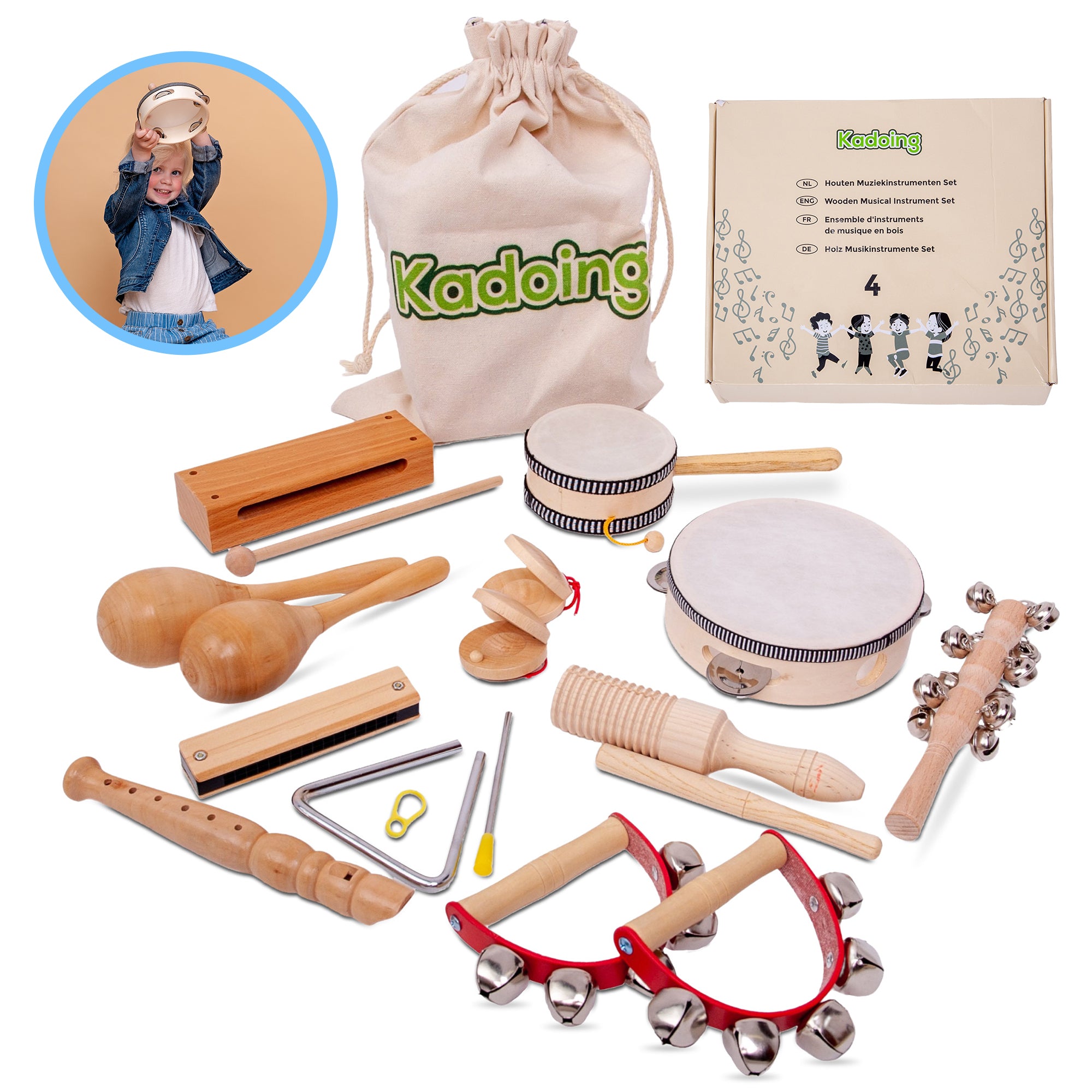
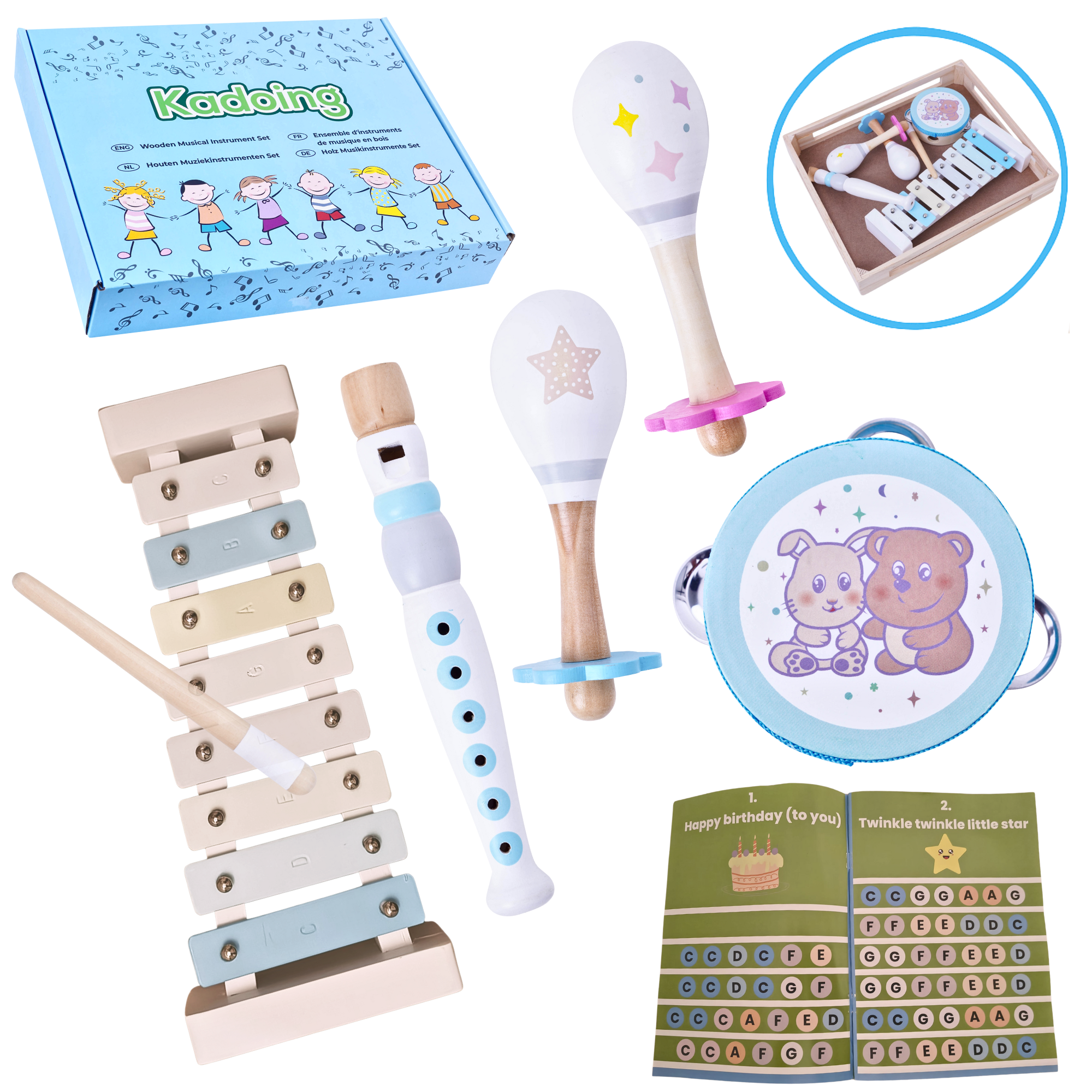
Would you like to make music together? Then the 18-piece wooden musical instruments set is a fun way to combine rhythm, sound, and movement. Playing becomes not only enjoyable but also educational.
Make Time for Fun on Purpose
In a busy family life, playing together can sometimes be pushed aside. However, it doesn't have to take much time. Even ten minutes of genuine attention can mean a lot to your child.
Try scheduling small play moments throughout the day. For example, after dinner, before bath time, or during a quiet moment on the weekend. Put your phone away and focus on being present. Those short moments are often the ones children remember most.
End Playtime Calmly
After active play, it can be difficult for children to settle down. That's why it helps to wind down gradually. Read a book together, do a puzzle, listen to calming music, or tidy up toys together.
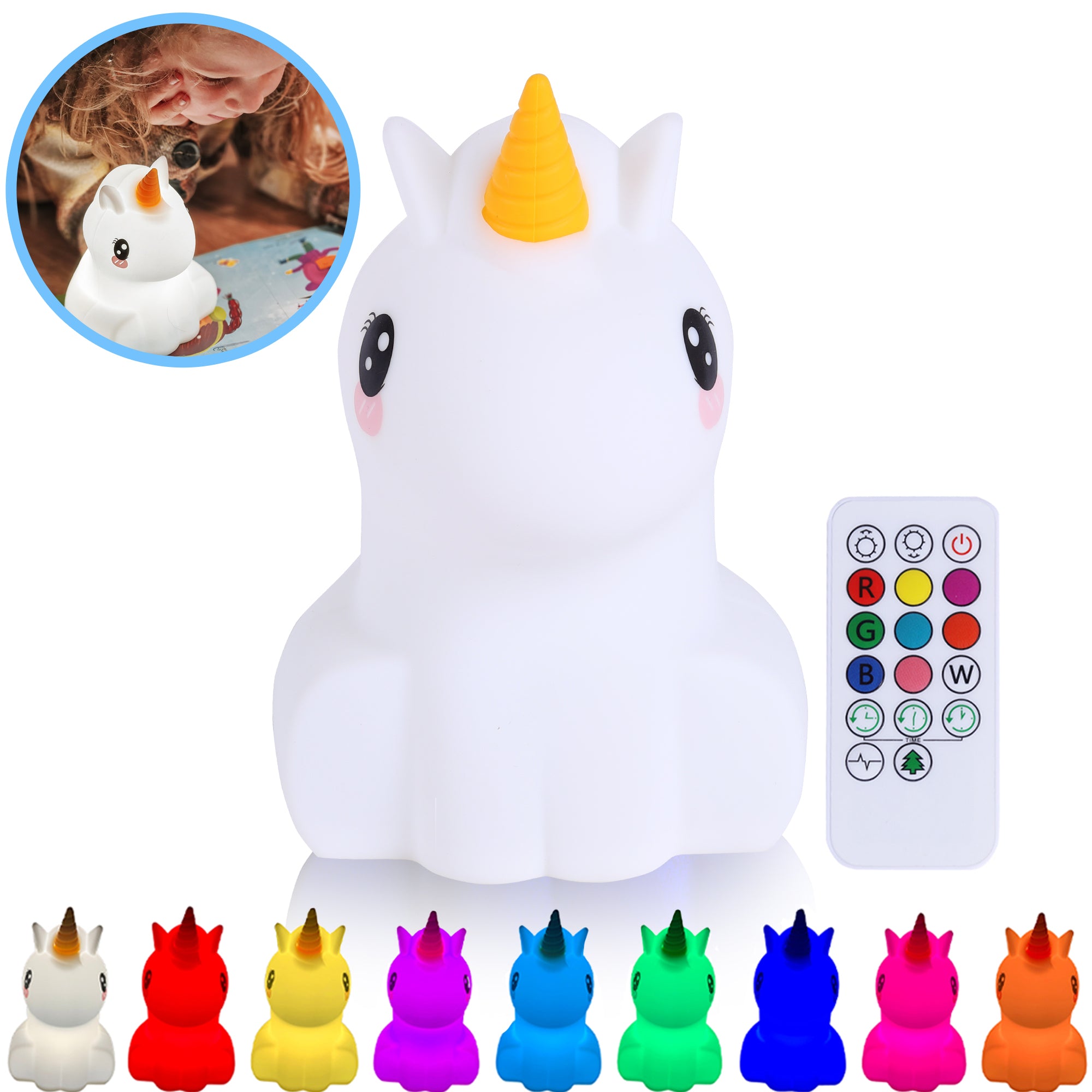
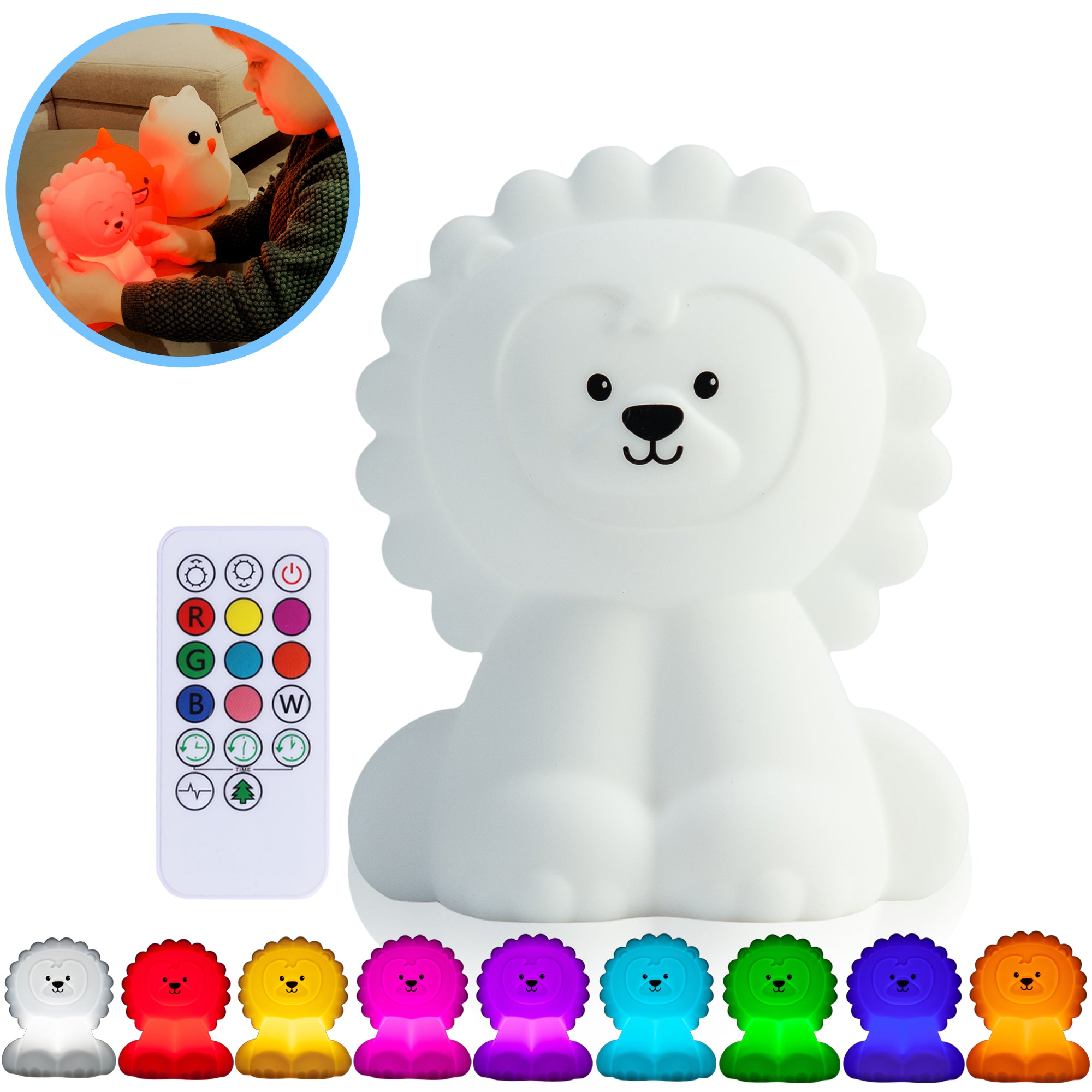
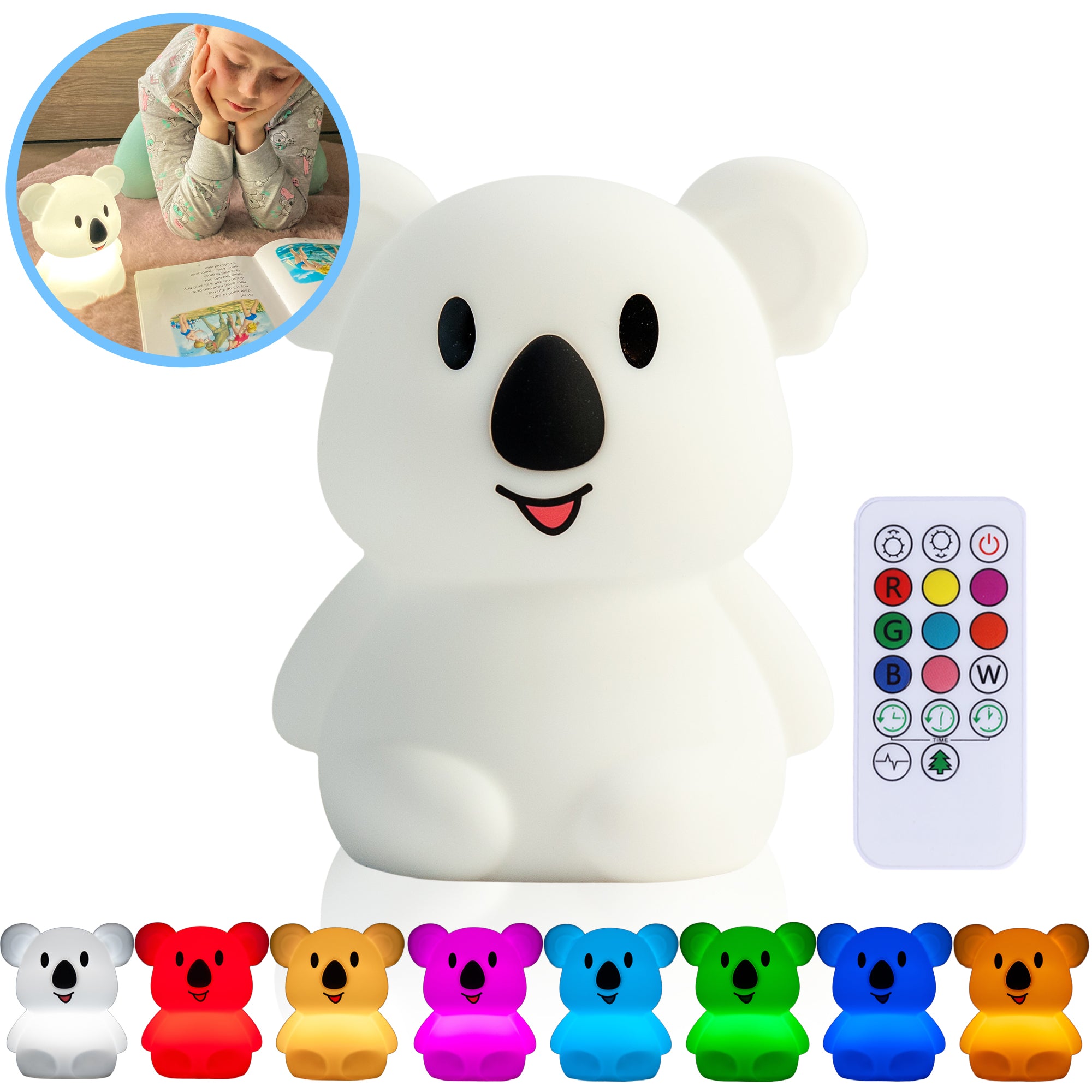
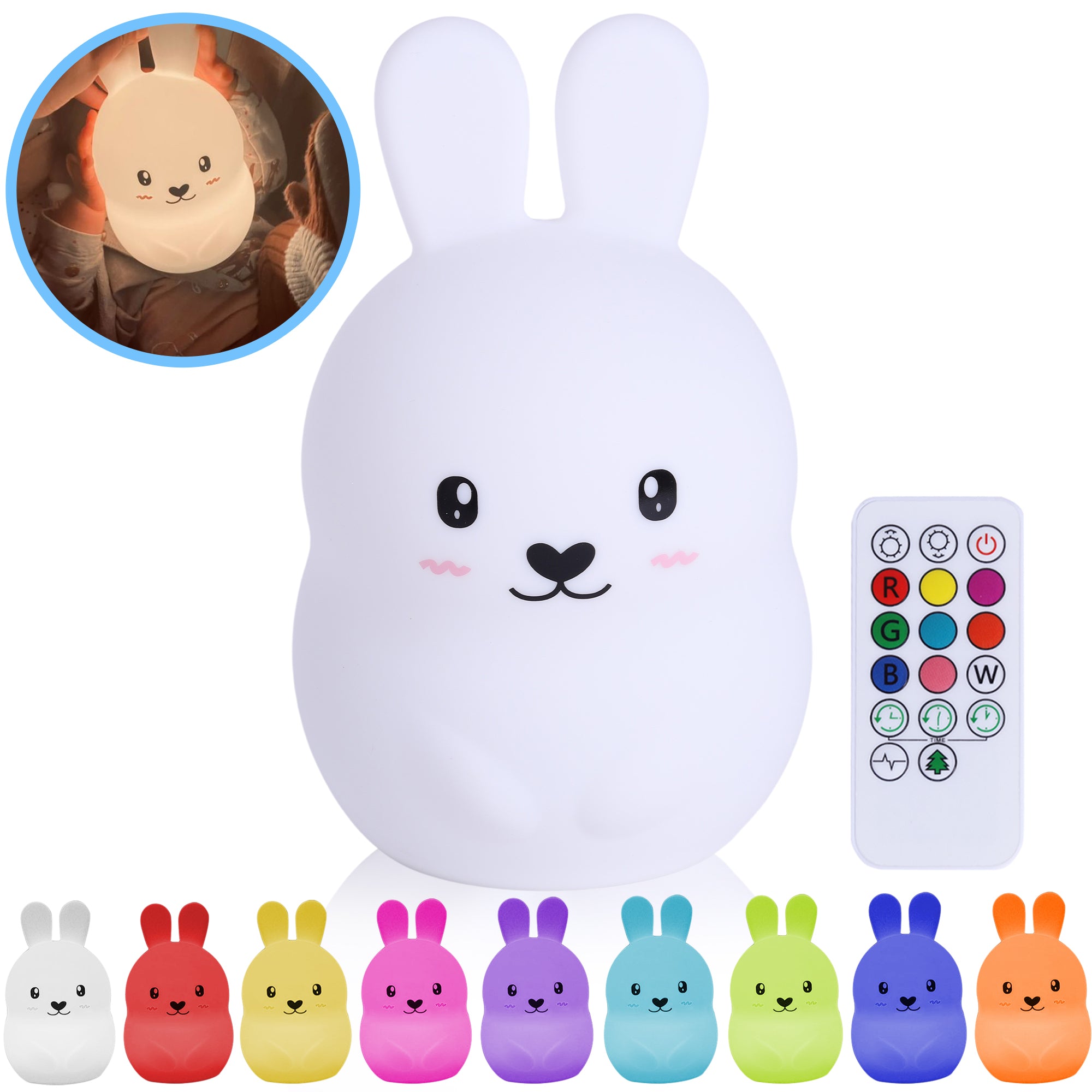
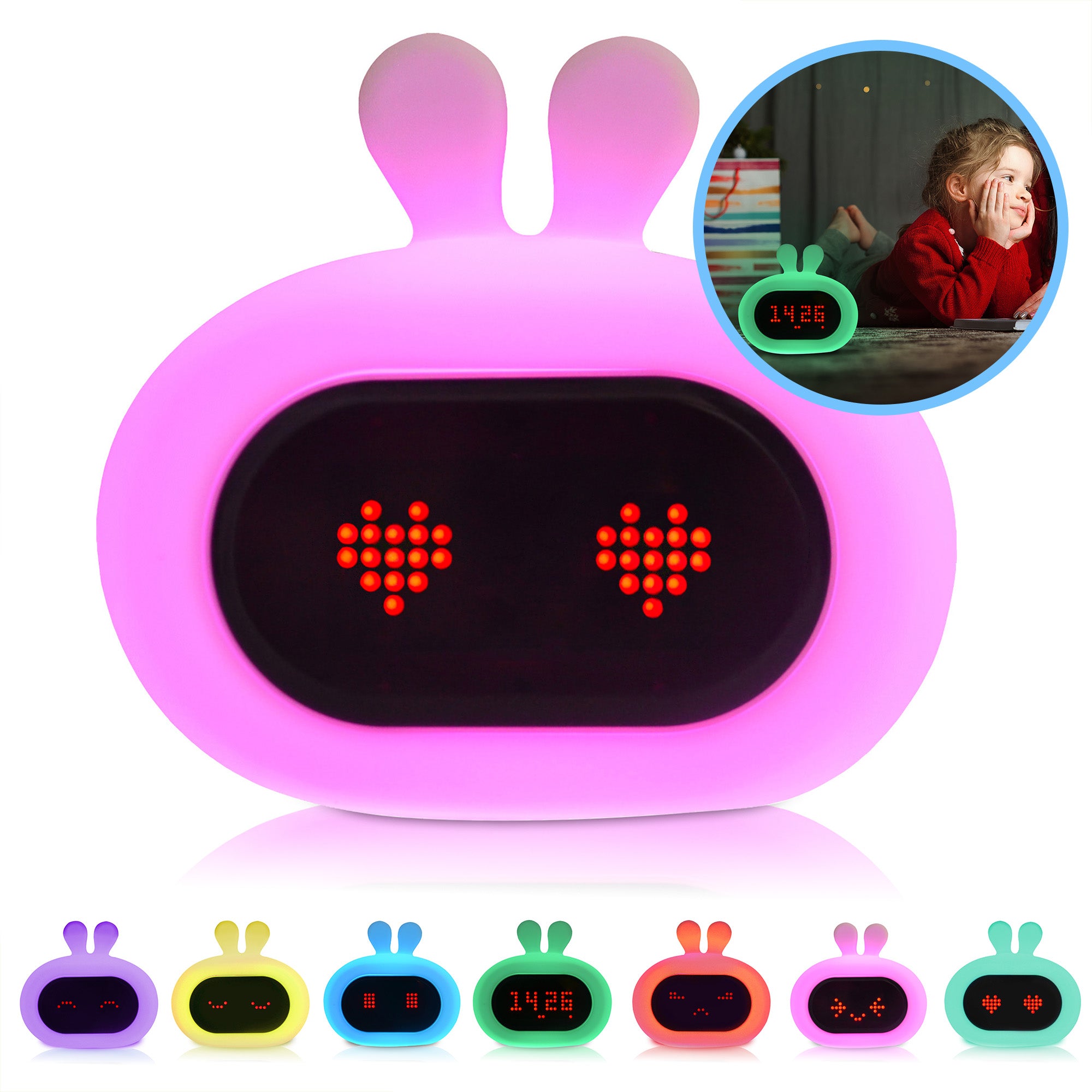
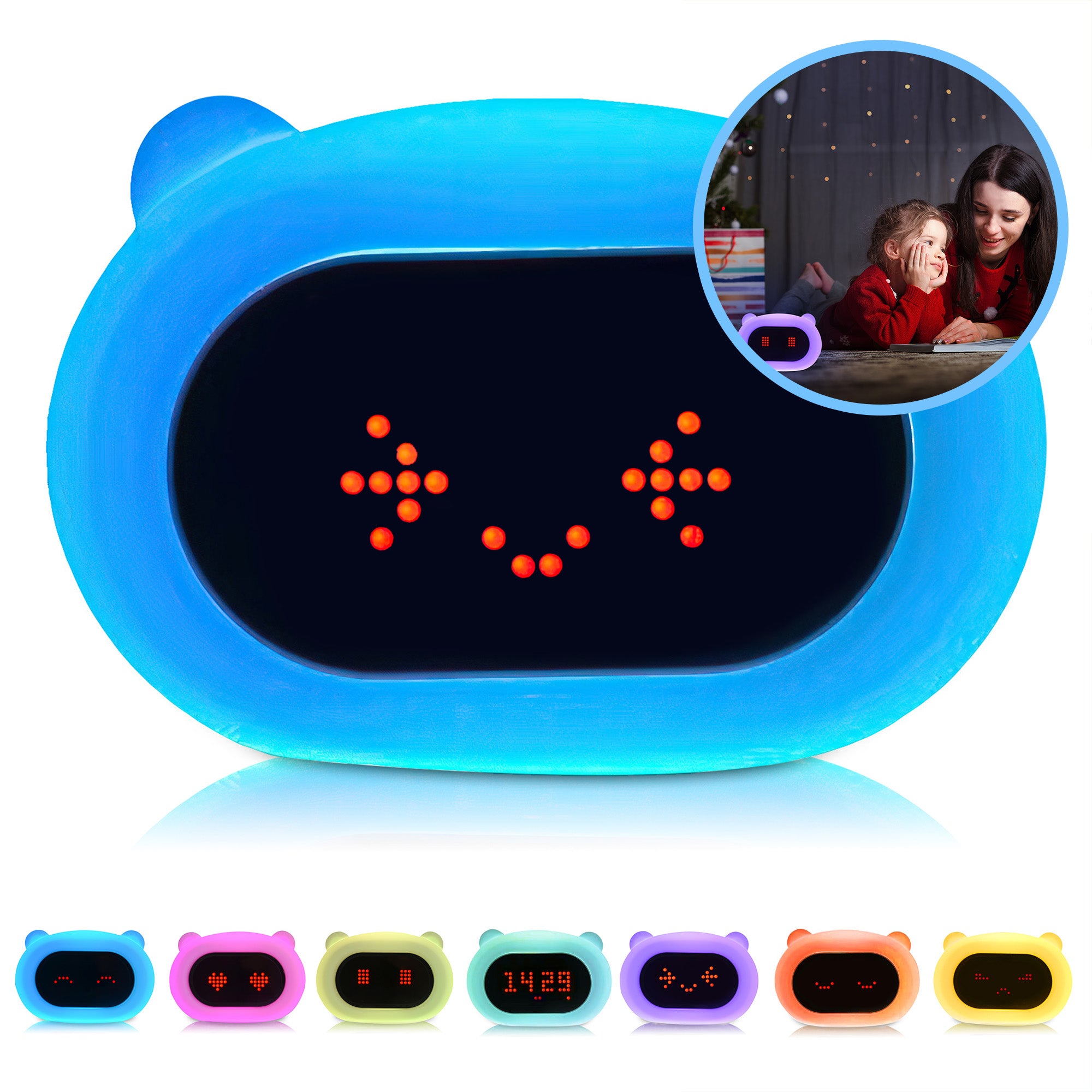
Especially before bedtime, a gentle transition is important. A consistent evening routine helps children relax. A night light can create a comforting and soothing atmosphere in the bedroom.
Playing Together Creates Lasting Memories
Years later, children often won't remember how many toys they had, but they will remember the moments when you truly spent time with them. Laughing together, building, singing, being silly, and exploring are memories that last.
By regularly playing with your child, you're not only giving them something valuable. You're also giving yourself relaxation, joy, and connection. And that may be exactly what parents need sometimes.
Looking for more tips about play, parenting, and child development? Explore the Kadoing blog.