Reflection helps your child better understand behavior, emotions, and choices, and learn from them.
Why Reflecting with Your Child Matters
Children learn every day. They discover the world through play, trial and error, falling down, getting back up, and trying again. It is wonderful to watch, but sometimes that exploration comes with behavior that may surprise you as a parent.
Perhaps your child digs a deep hole in the garden, argues with a friend, or forgets to keep a promise. In moments like these, you can become frustrated, but you can also turn the situation into a valuable learning opportunity. By reflecting together, you help your child understand what happened, what the consequences were, and what they can do differently next time.
What Does Reflection Mean for Children?
Reflection means looking back on a situation. What happened? How did you feel? What did you do? And what happened afterward? For young children, this can be quite difficult. They often act out of enthusiasm, curiosity, or emotion.
That is why children need parents who calmly help them think things through. Not by immediately judging, but by asking questions and exploring the situation together. In this way, your child gradually learns to take responsibility for their own behavior.
Reflection Is Different from Punishment
When a child does something they should not do, punishment is often the first reaction. However, children usually learn more from repairing a situation than from punishment alone. For example, if your child throws toys across the room, it can help to tidy up together and talk about what happened.
This allows your child to see the consequences of their actions and learn how to make things right again. That often provides more insight than simply being told that something is not allowed.
1. Calmly Discuss What Happened
Choose a quiet moment to talk with your child. Reflecting is often difficult when emotions such as anger or sadness are still running high. It is usually better to wait until everyone has calmed down.
Ask simple questions such as:
- What happened just now?
- What were you trying to do?
- How did you feel at that moment?
- What happened afterward?
- What could we do differently next time?
By asking open-ended questions, you encourage your child to think for themselves. This helps develop self-awareness.
2. Explain the Consequences of Behavior
Children do not always see the consequences of their actions. A child digging in the garden may only see an exciting pirate adventure, while you mainly see a damaged lawn.
Calmly explain the result of their actions. For example: “Because of the hole, we can no longer walk here safely. We need to fill it in together.” Let your child help fix the situation. This teaches them that choices have consequences.
3. Offer a Positive Alternative
Reflecting does not mean taking away your child's imagination or energy. Quite the opposite. Children need room to explore. That is why it helps to provide alternatives.
Does your child want to dig? Visit a sandbox. Do they want to build? Provide blocks or construction toys. Do they need movement? Go outside together. This shows your child that their interests are perfectly okay, but there may be more appropriate places or ways to express them.
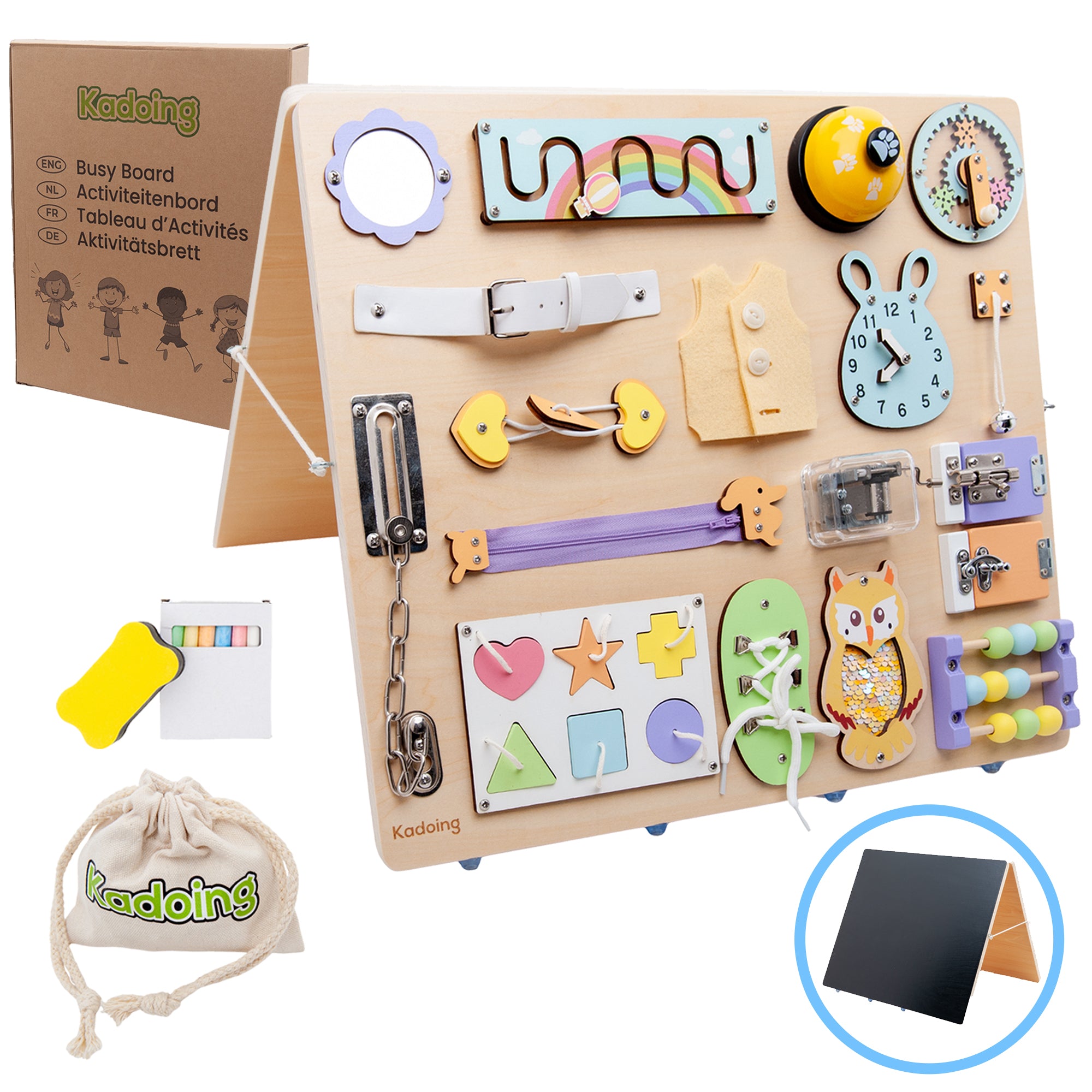
Toys that encourage exploration can be especially helpful. In our collection of durable wooden toys, you'll find products that encourage children to learn, build, and explore through play.
4. Talk Briefly About the Day Every Day
Reflection is not only useful after challenging behavior. Small daily conversations help children better understand their feelings and experiences.
For example, during dinner or before bedtime, ask what was fun, what was difficult, and what your child is proud of. This helps reflection become a natural habit.
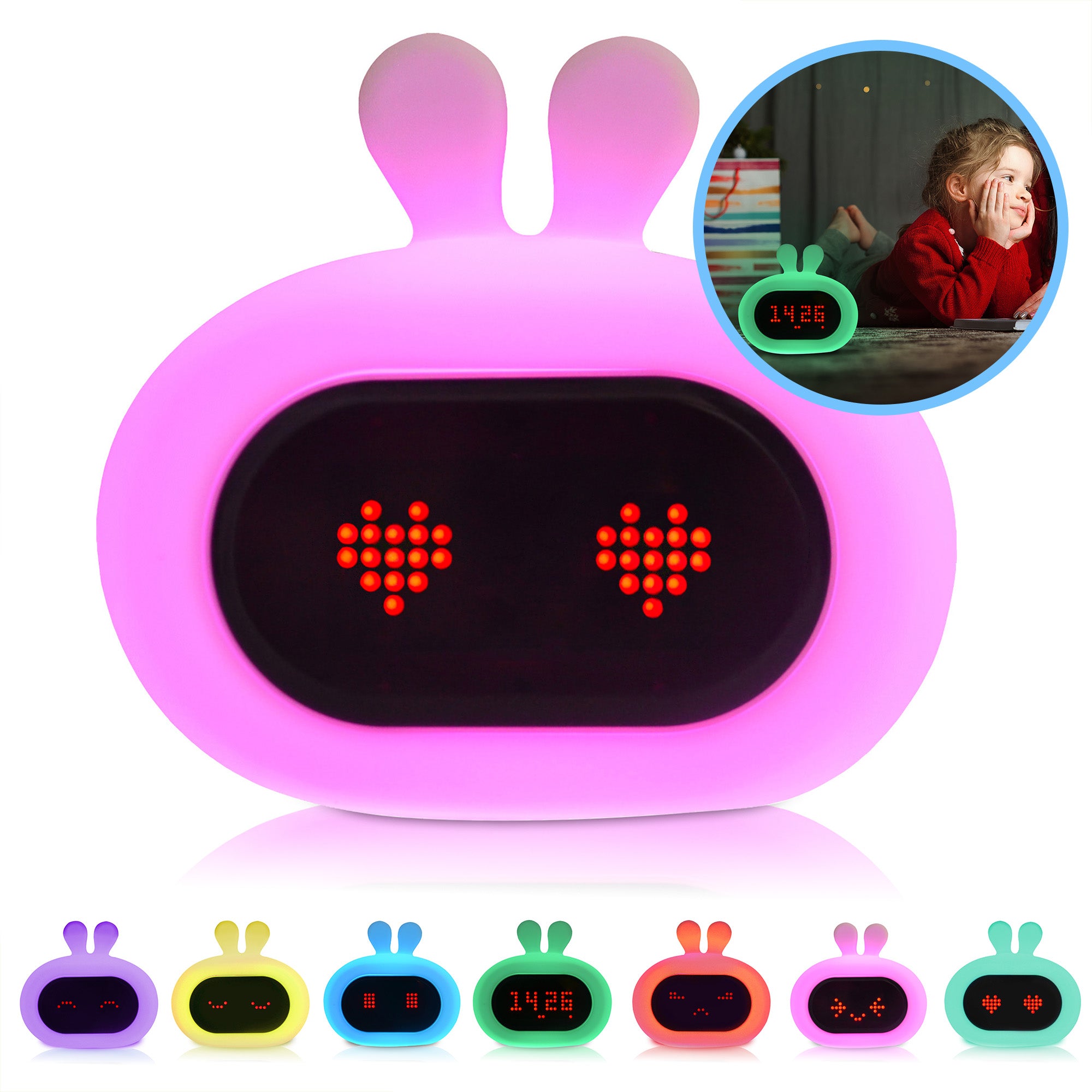
A regular evening routine can support this. With a calm bedtime ritual, perhaps including a night light, you create a peaceful moment to end the day together.
5. Help Your Child Recognize Emotions
Many behaviors are driven by emotions. Anger, disappointment, tiredness, or excitement can all cause children to react impulsively.
By naming emotions, you help your child understand themselves better. For example, say: “I think you were upset because the game wasn't working out,” or “You were so excited that you forgot to be careful.”
This teaches your child that emotions are normal and that they can learn healthy ways to deal with them.
6. Set a Good Example Yourself
Children learn a great deal by observing their parents. Show your child that you can reflect on your own behavior too. For example: “I was a bit too strict just now because I was tired. I could have said that more calmly.”
By saying this out loud, you show that making mistakes is part of being human. What matters most is learning from them and trying to make things right.
7. Use Play to Talk About Behavior
Sometimes talking directly at the table feels too intense for children. Play can help make these conversations easier. Act out a situation using figures, stuffed animals, or toys. Ask what the character is feeling or what they could do differently.
Children often communicate more openly through play. This makes reflection feel safe, light-hearted, and easy to understand.
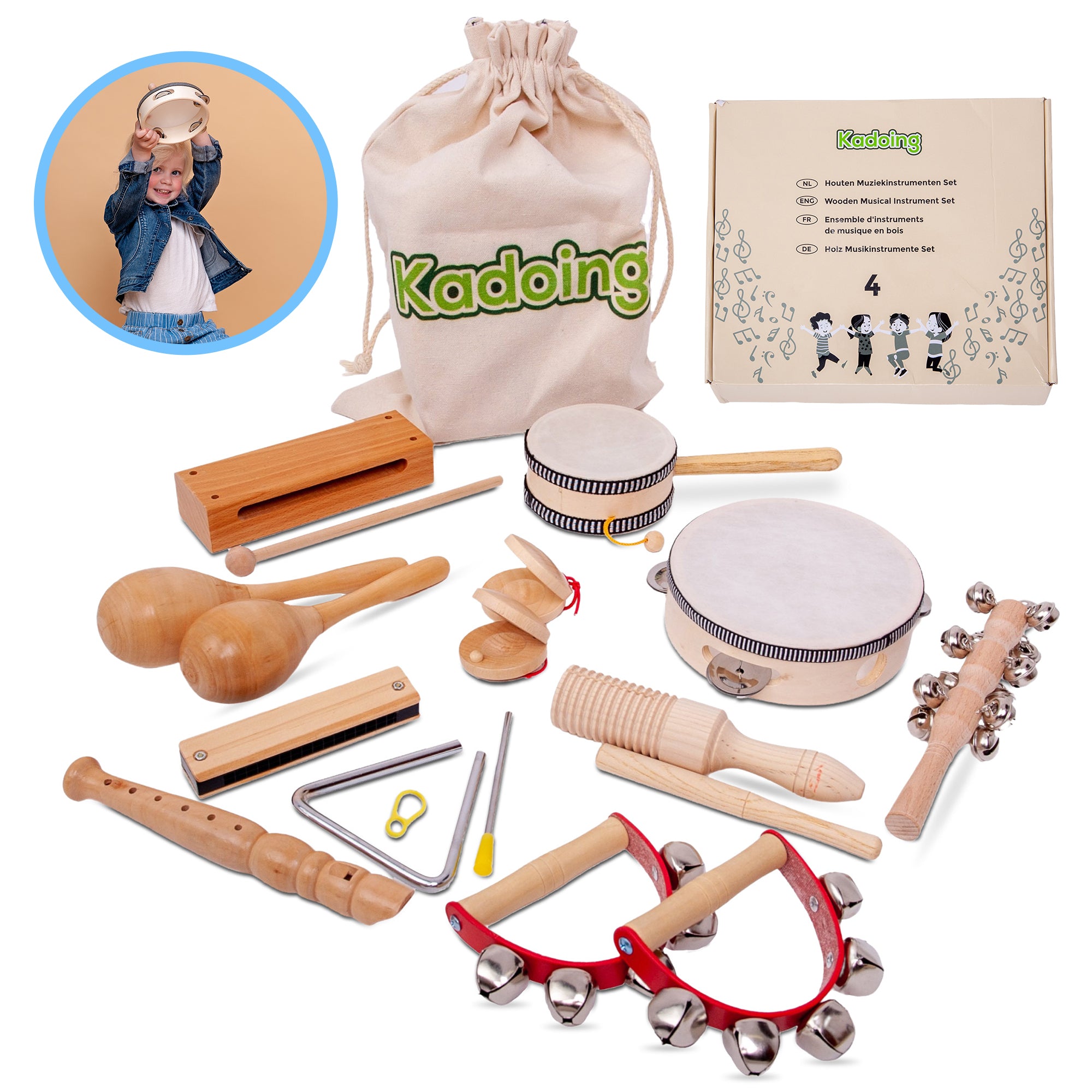
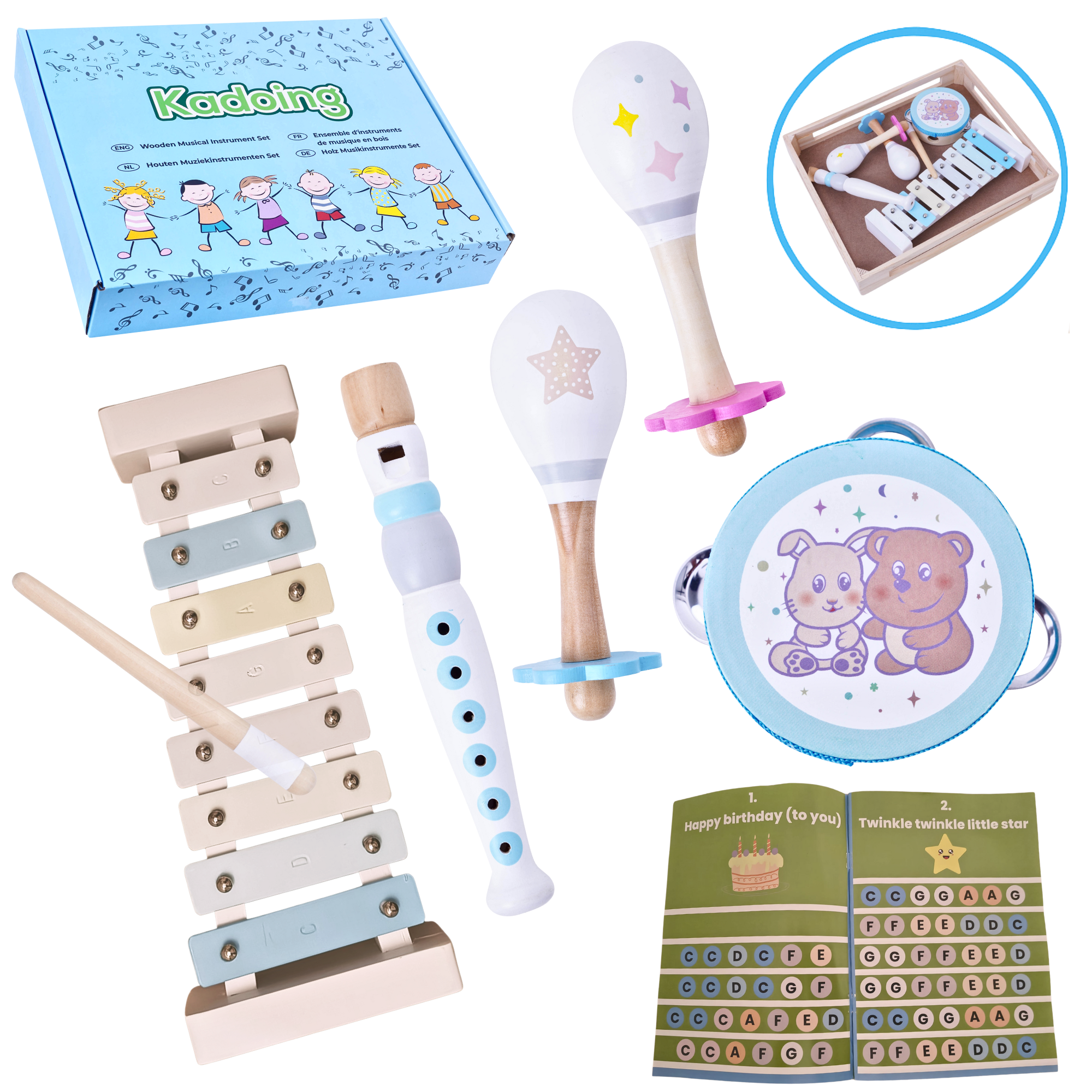
Music can also help children express emotions. With the 18-piece wooden musical instruments set, children can explore sound, rhythm, and feelings through play.
Reflection Builds Confidence
When children learn to reflect on their behavior, their confidence grows. They discover that mistakes are not the end of the world but opportunities to learn and improve.
By talking calmly, discussing consequences, and offering alternatives, you help your child make more thoughtful choices. These skills are valuable at home, at school, and later in life.
Growing Together as Parent and Child
Reflection is not a one-time conversation but a habit that develops over time. The more often you calmly look back on situations together, the easier it becomes for your child to understand what is happening both inside themselves and in the world around them.
In this way, you build trust, responsibility, and connection. And that is exactly what makes reflection such a valuable part of parenting.
Looking for more tips on parenting, child development, and learning through play? Take a look at the articles in the Kadoing blog.