Too much screen time? Discover how durable toys encourage children to play creatively, stay active, and develop in a healthy way.
Why Too Much Screen Time Can Be a Challenge
Tablets, smartphones, and gaming consoles have become a regular part of daily life. While digital media certainly offer benefits, it is important to find a healthy balance. Children do not only learn from screens; they also learn through movement, discovery, building, creating, and playing together.
Various studies suggest that excessive screen use can contribute to reduced physical activity, sleep difficulties, concentration challenges, and less social interaction. This does not mean screens should be completely avoided, but it does mean that variety is important. Finding the right balance helps children develop in a healthy and well-rounded way.
Why Toys Are a Powerful Alternative
For children, play is much more than entertainment. Through play, they develop important skills such as creativity, motor skills, communication, problem-solving, and independent learning. While screens often encourage passive consumption, toys invite children to actively explore and discover.
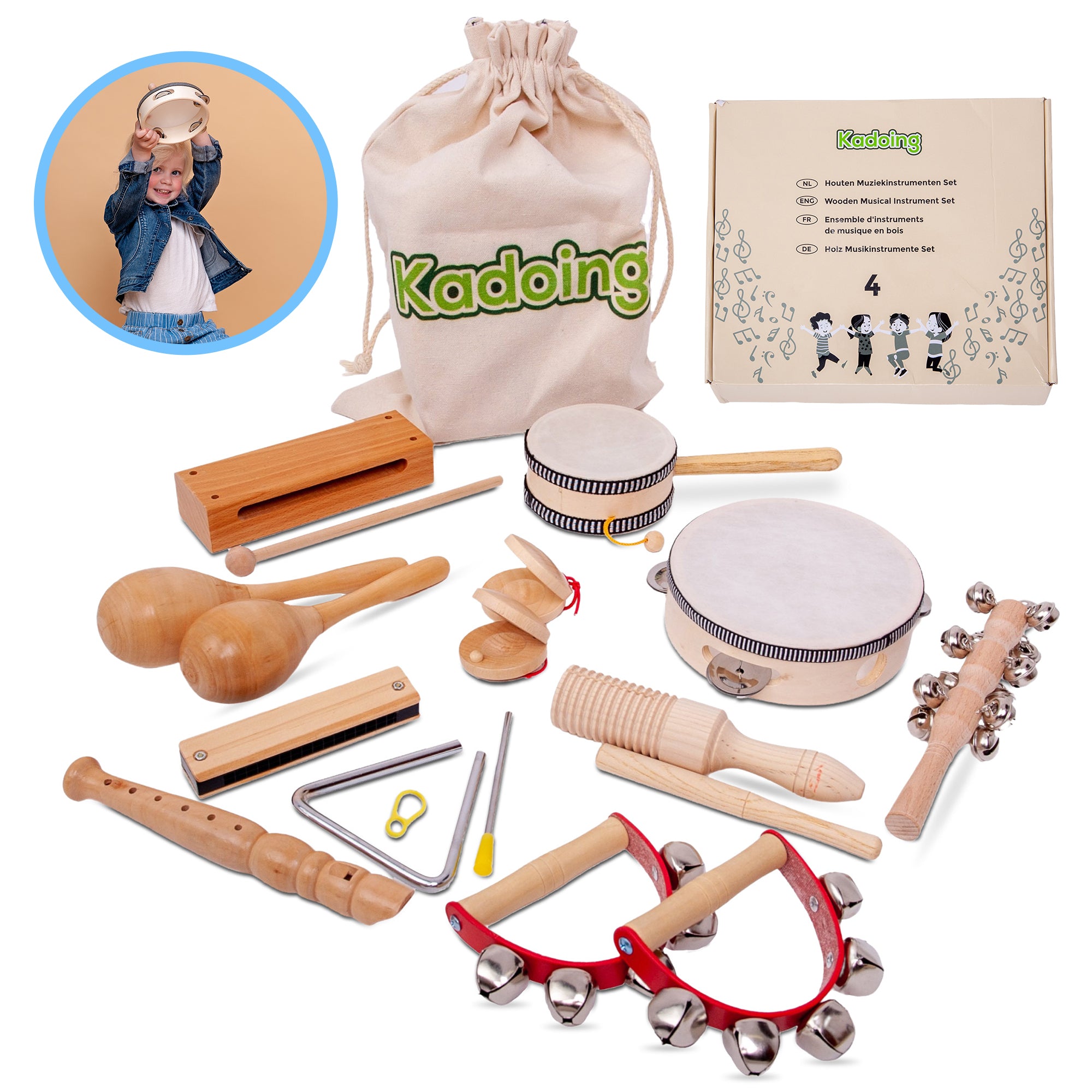
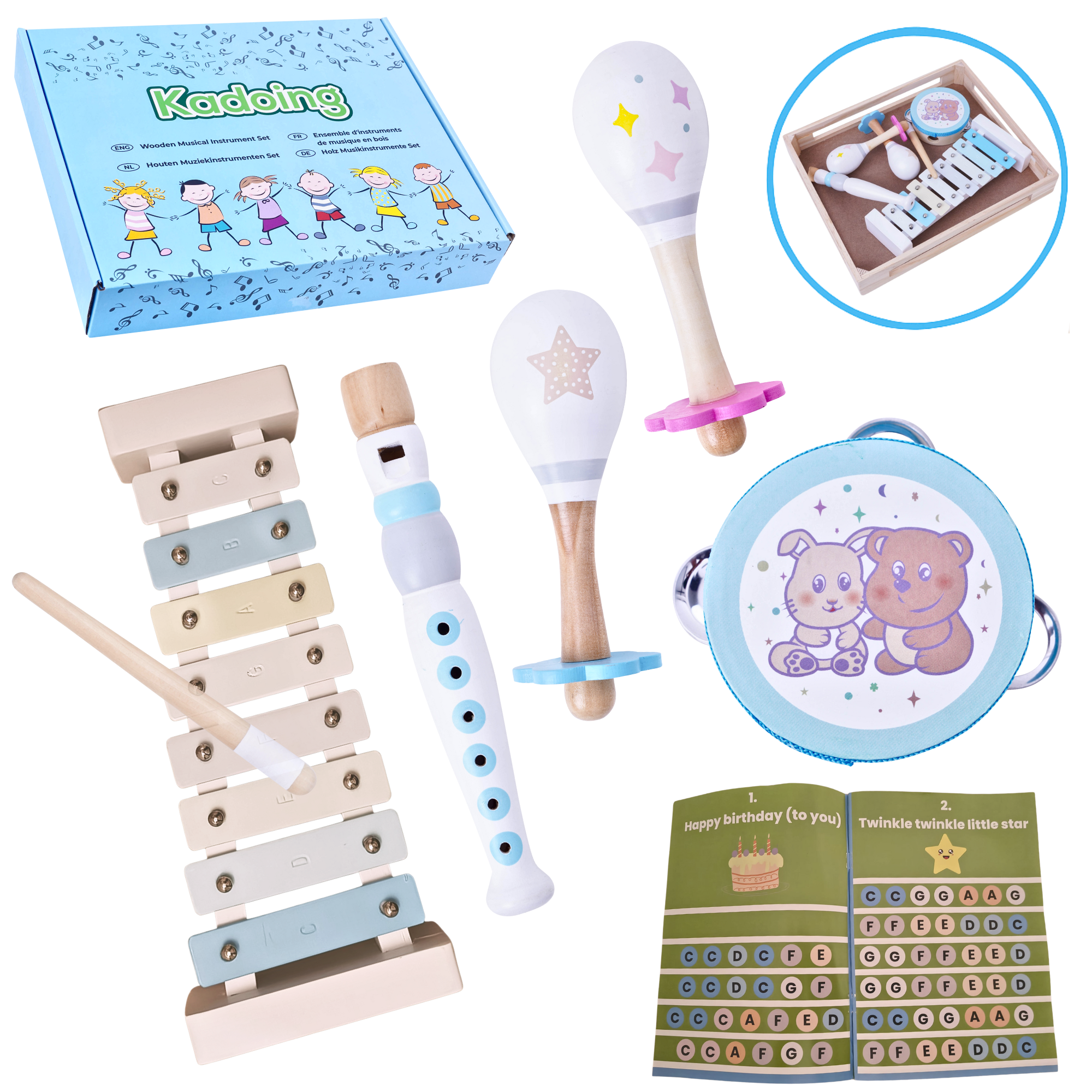
Durable toys offer additional benefits. They often last longer, encourage open-ended play, and can be enjoyed by multiple children over time. Think of wooden musical instruments, building materials, or activity boards that allow children to discover new ways to play again and again.
In Kadoing’s collection of durable wooden toys, you'll find products that encourage children to use their imagination, explore independently, and develop new skills through play.
6 Practical Tips to Reduce Screen Time
- Set Clear Rules
Children benefit from structure. Agree together on when screen time is allowed and how long it lasts. Clear expectations help prevent discussions and create a sense of routine. - Lead by Example
Children learn by watching their parents. When you regularly put your phone away during family time, they are more likely to follow your example. - Provide Attractive Alternatives
Children are more likely to choose toys when they are visible and easily accessible. Keep creative materials, books, and toys within reach so active play becomes the easier choice. - Encourage Active and Educational Play
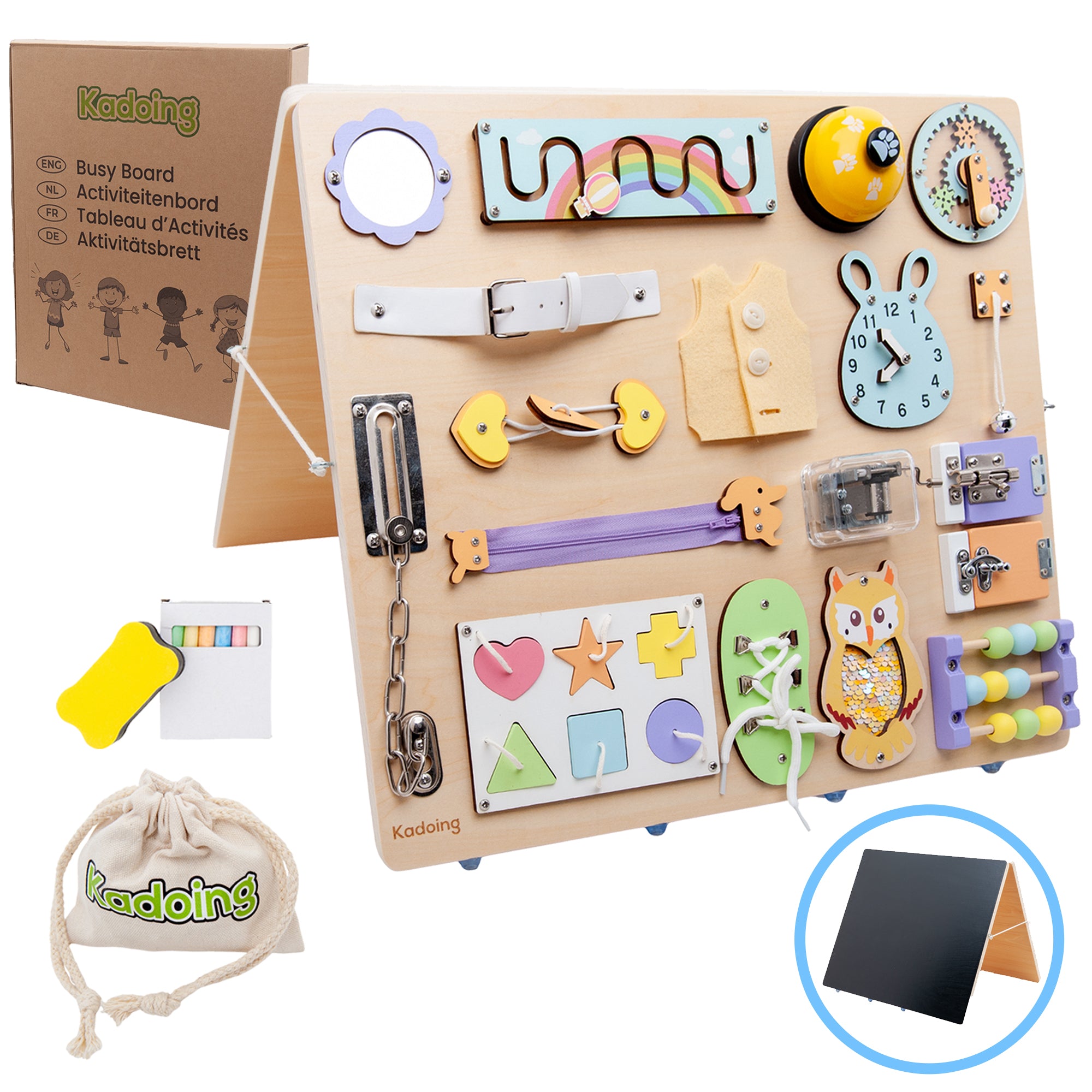
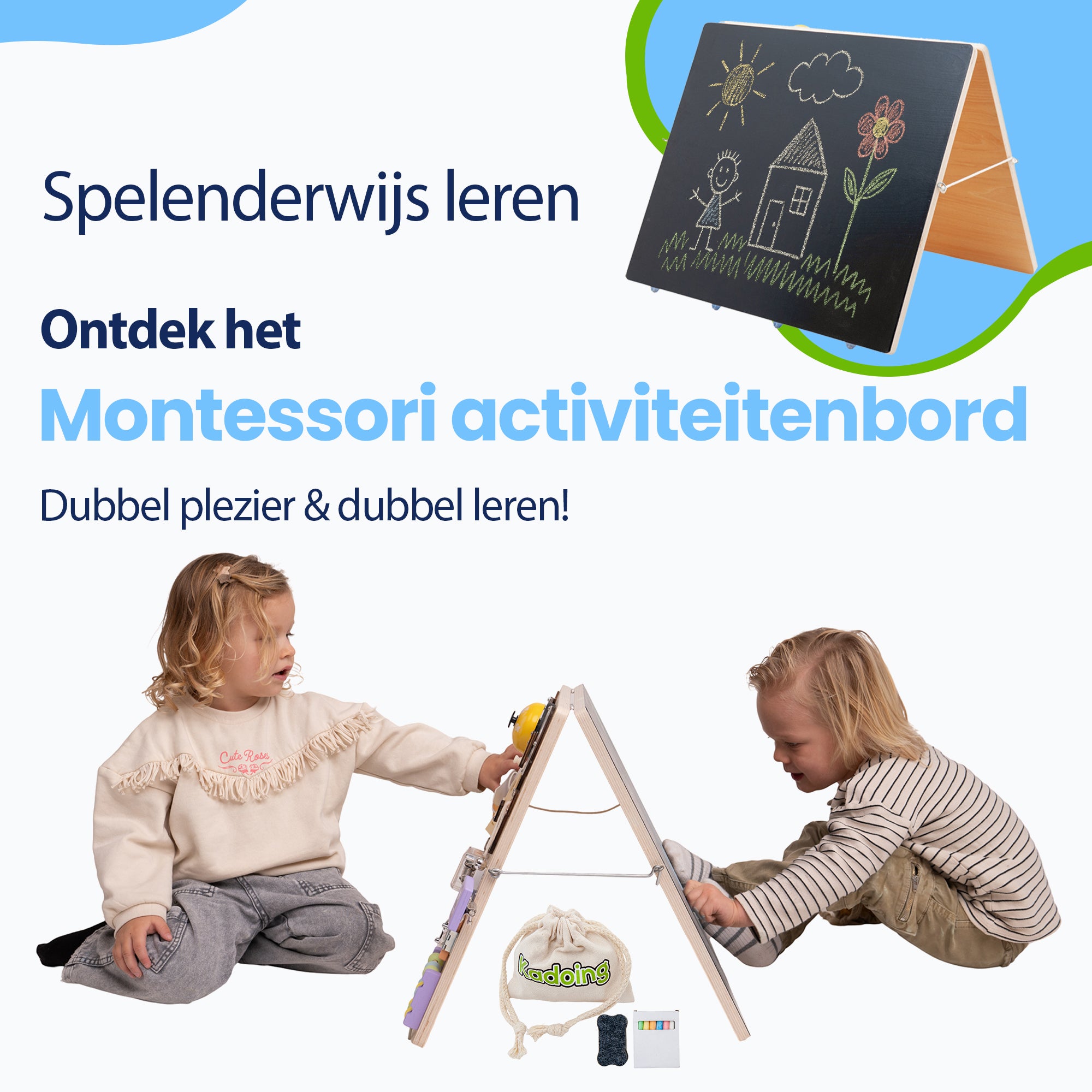
Activities that involve building, discovering, and experimenting often hold children's attention longer than passive screen activities. A Montessori activity board, for example, can help develop fine motor skills, concentration, and independent play. - Schedule Screen-Free Moments
Create screen-free periods, such as during meals, before bedtime, or during family activities. These moments naturally encourage conversation, play, and relaxation. - Reward Active Play
Praise your child when they choose toys, play outdoors, or engage in creative activities. Positive encouragement is often more effective than constant correction.
Calm Evenings Lead to Less Screen Time
Many children turn to screens because they are tired, bored, or have difficulty relaxing. A predictable evening routine can make screens less appealing. Consider reading together, playing a game, or making music before bedtime.
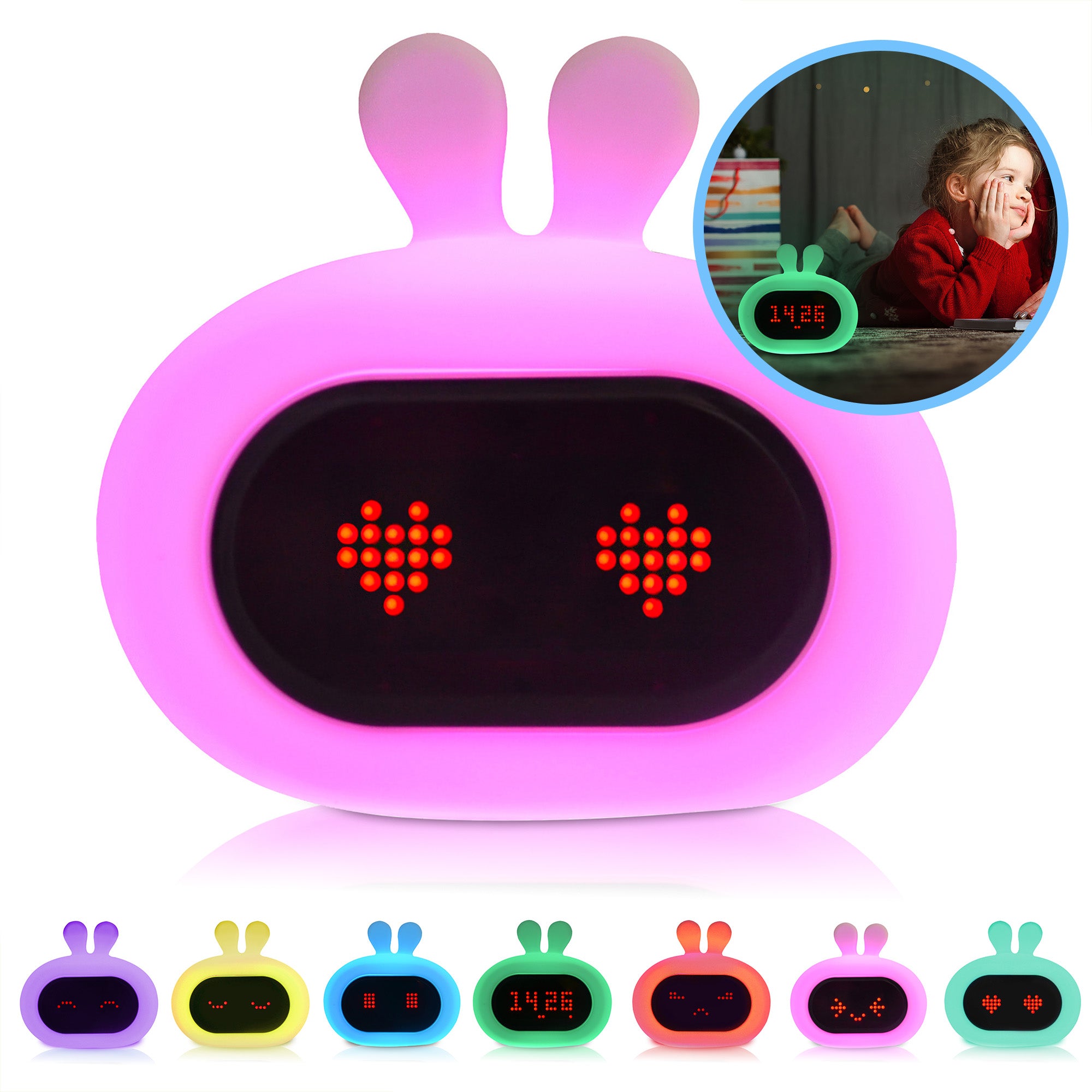
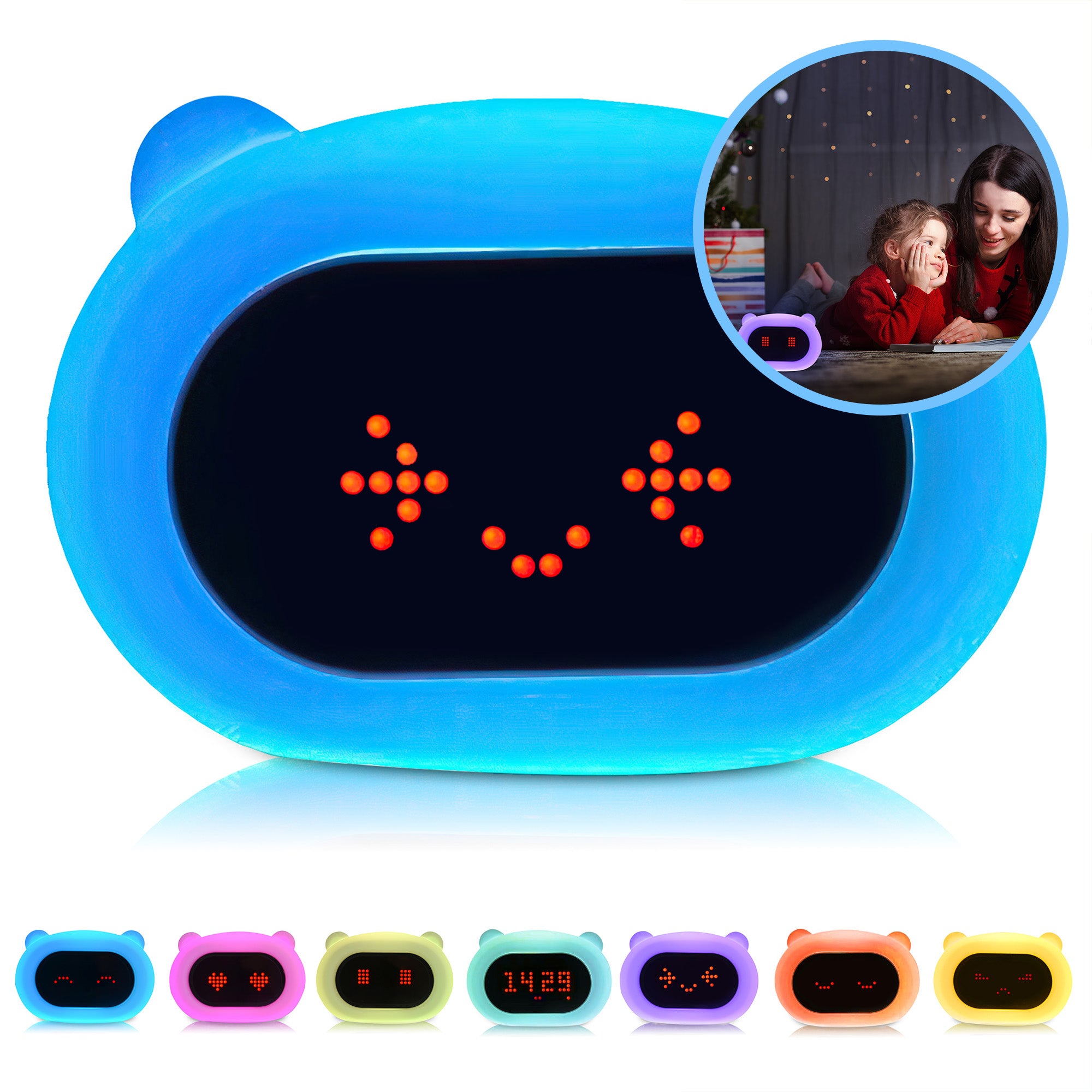
For children who are still learning to follow a consistent sleep schedule, a children's alarm clock can be a helpful tool. Explore the Kadoing children's alarm clocks, designed to help children better understand sleep and wake-up times.
Durable Play Starts with Conscious Choices
Completely avoiding screen time is nearly impossible these days—and often unnecessary. The key is balance. By consciously choosing activities that encourage creativity, movement, and social interaction, you support your child's healthy development.
Durable toys fit perfectly into this approach. They last longer, promote active play, and encourage children to use their own imagination. This creates more opportunities for meaningful play and less dependence on screens.
Looking for more tips on parenting, child development, and sustainable play? Explore our latest articles in the Kadoing Blogs & Tips section.