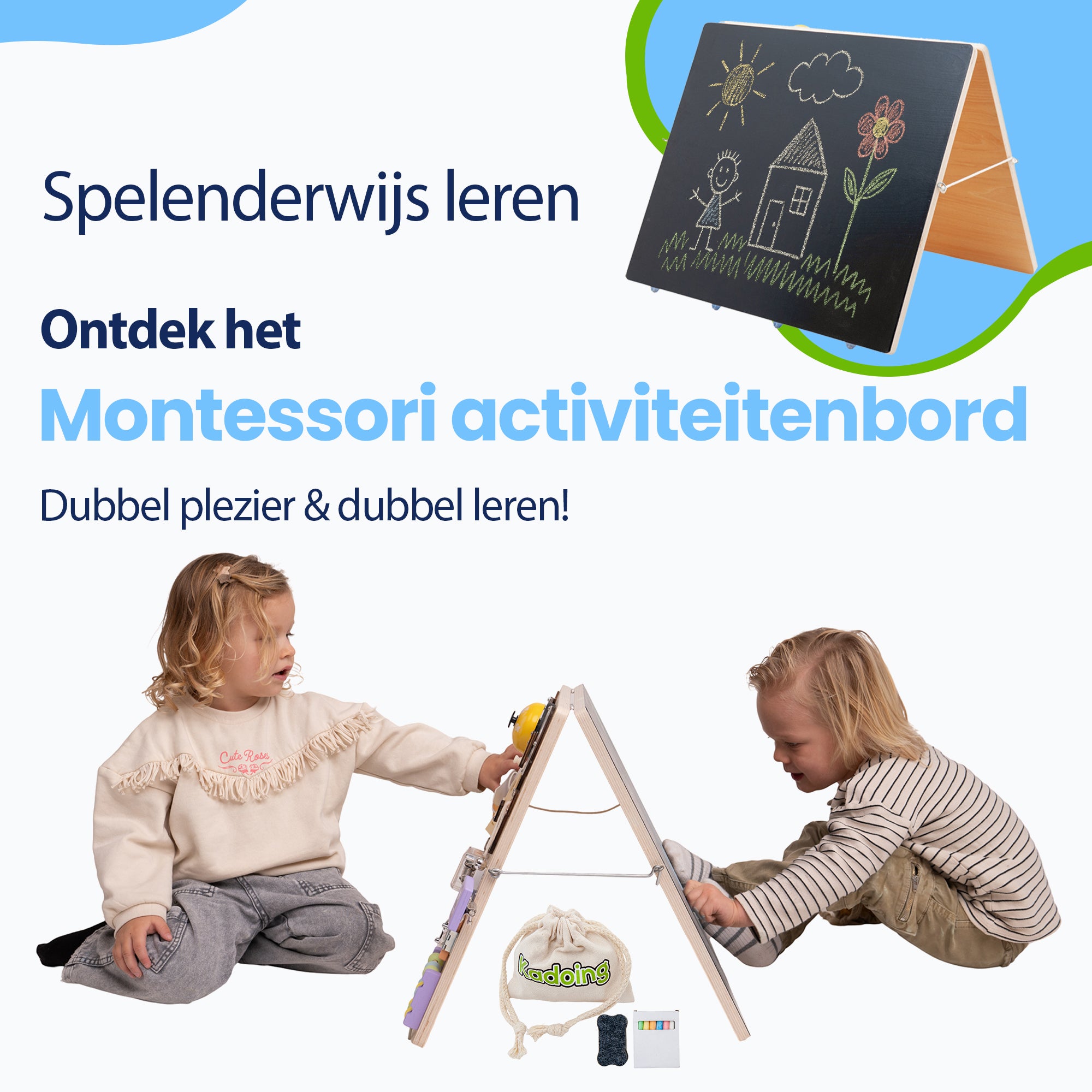
Is your child often full of energy and constantly on the move? Discover how to guide that energy positively and create more moments of calm.
Why Is My Child So Energetic?
Children are naturally curious, energetic, and constantly developing. One day they may be calm and focused, while the next they seem to bounce off the walls. In most cases, this is completely normal. Young children are continuously discovering new things and processing countless impressions every day.
Still, it can sometimes feel like your child never sits still. Running through the house, wanting to be everywhere at once, and talking nonstop can be exhausting for parents. Fortunately, having lots of energy is not necessarily a negative thing. With the right guidance, your child can learn to use that energy in a positive and productive way.
Channel Energy Through Creativity
One of the best ways to guide energetic behavior is by offering creative activities. Creativity helps children express their thoughts and energy without needing to be physically active all the time.
Drawing, crafting, building, singing, or making music stimulate not only imagination but also concentration. Music, in particular, can be a wonderful outlet for energetic children. While making music, children learn to listen, follow rhythms, and focus their attention.
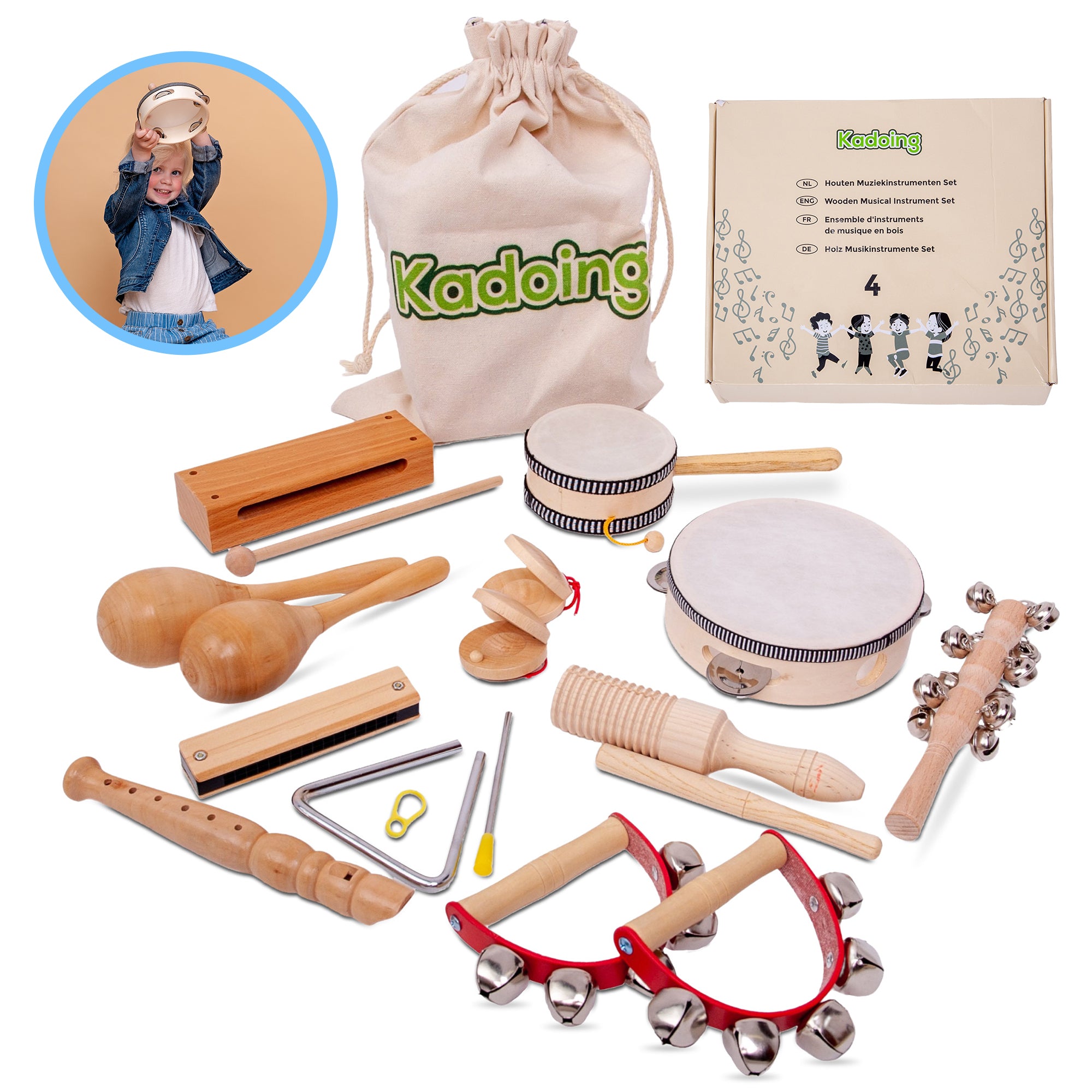
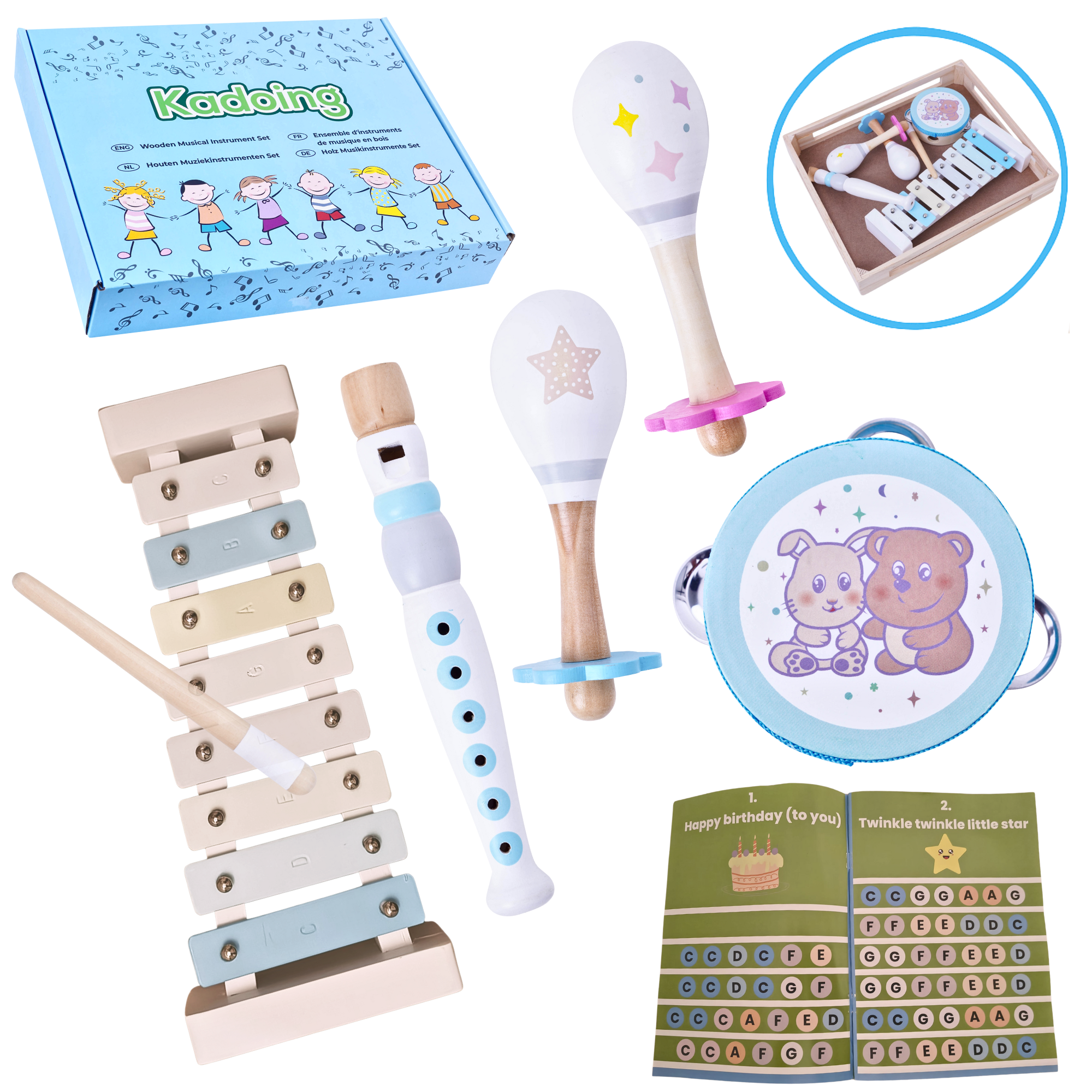
With the Kadoing Wooden Musical Instruments Set, children can explore their creativity through play while also releasing energy in a positive way. Making music gives children a sense of freedom and helps them process emotions in a healthy manner.
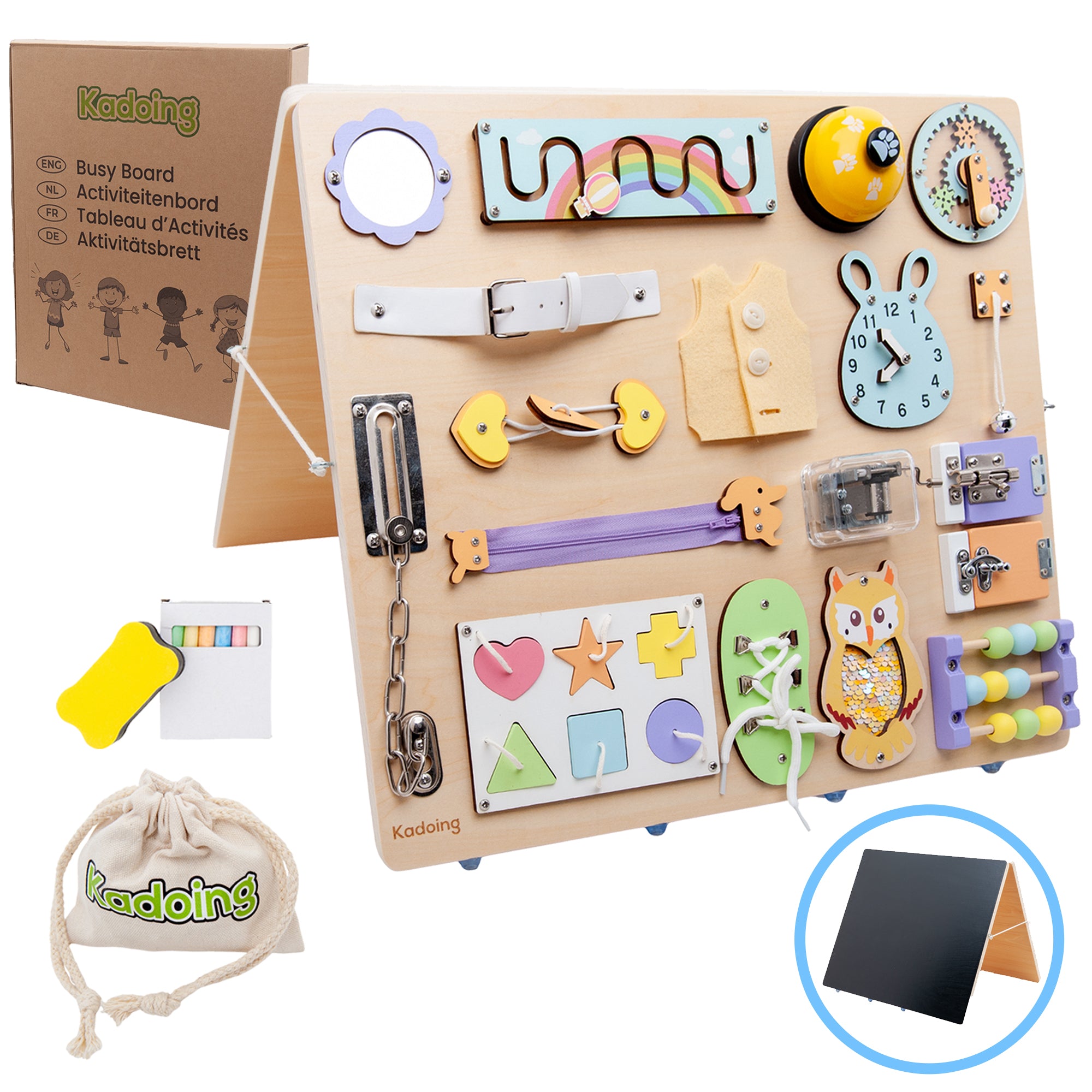
Educational toys can also support concentration and focus. In our collection of durable wooden toys, you'll find products that combine play, learning, and development.
Physical Activity Is Essential for Energetic Children
Many children simply need plenty of movement. When energy builds up without an outlet, restless behavior often increases. That is why daily physical activity is so important.
You do not need to sign your child up for a sports club right away. A walk in the woods, a bike ride around the neighborhood, a game of tag, playing football, or an afternoon at the playground can already make a huge difference. Outdoor play also helps children process stimuli and clear their minds.
Try to build a consistent moment into each day when your child can be physically active. This creates a healthy rhythm and teaches your child that there is a time to release energy and a time to relax.
Teach Your Child to Recognize When They Need Rest
Many energetic children do not notice when they are tired or overstimulated. In fact, they may become even more active when they are exhausted. That is why it is important to help them become aware of their feelings, emotions, and energy levels.
After an active afternoon, sit down together and talk about the day. Ask questions such as:
- What was your favorite thing you did today?
- When did you feel especially happy or excited?
- When did you start to feel tired?
- What helps you calm down again?
By having these conversations, your child gradually learns to recognize signs of tiredness, stress, and excitement. This is an important life skill that will benefit them for years to come.
Structure Creates Calm
Many energetic children benefit from clear routines. When a child knows what to expect, it provides a sense of security and predictability. Think of consistent times for meals, play, outdoor activities, and sleep.
A structured morning and evening routine can make it easier for children to switch between activity and relaxation. This is especially helpful around bedtime.
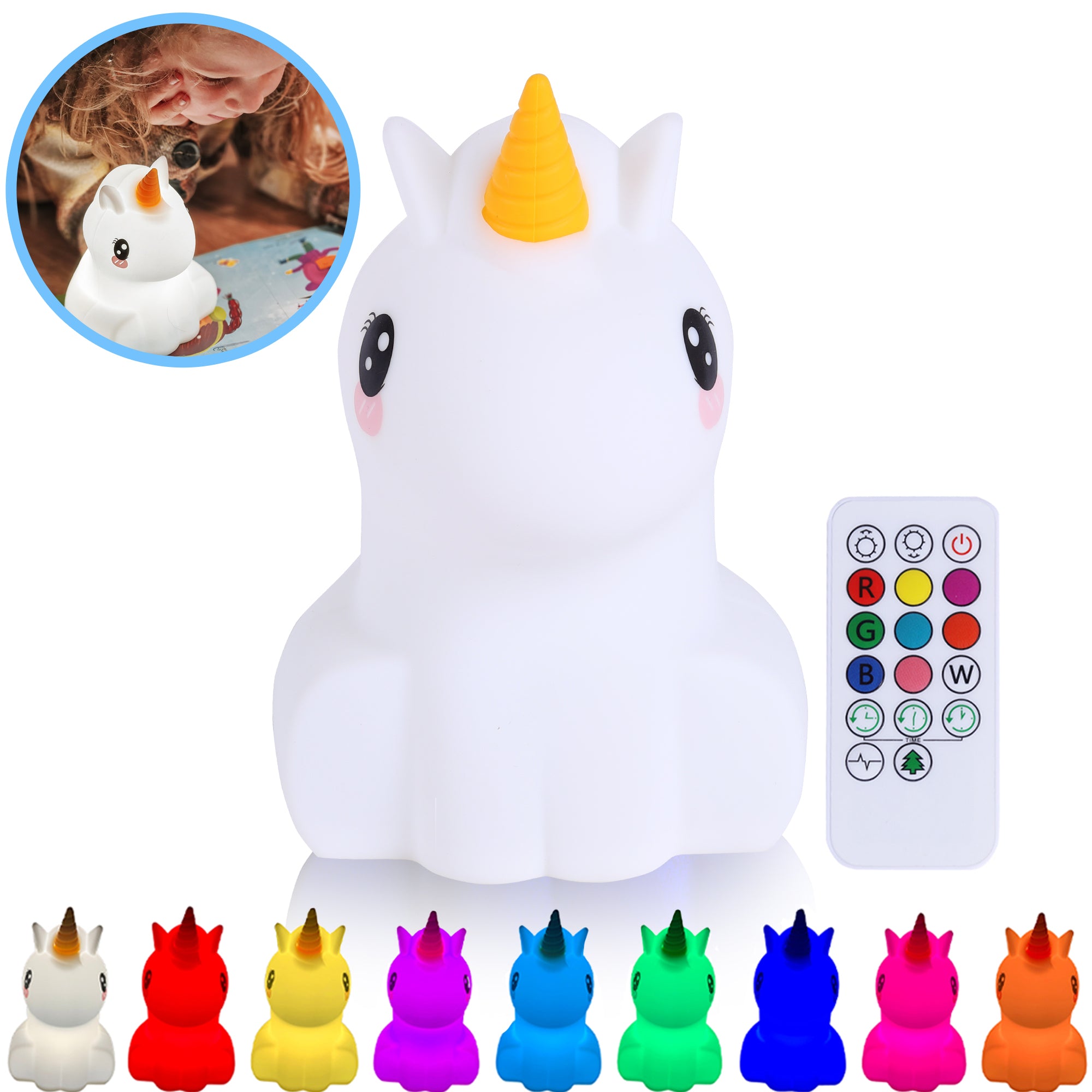
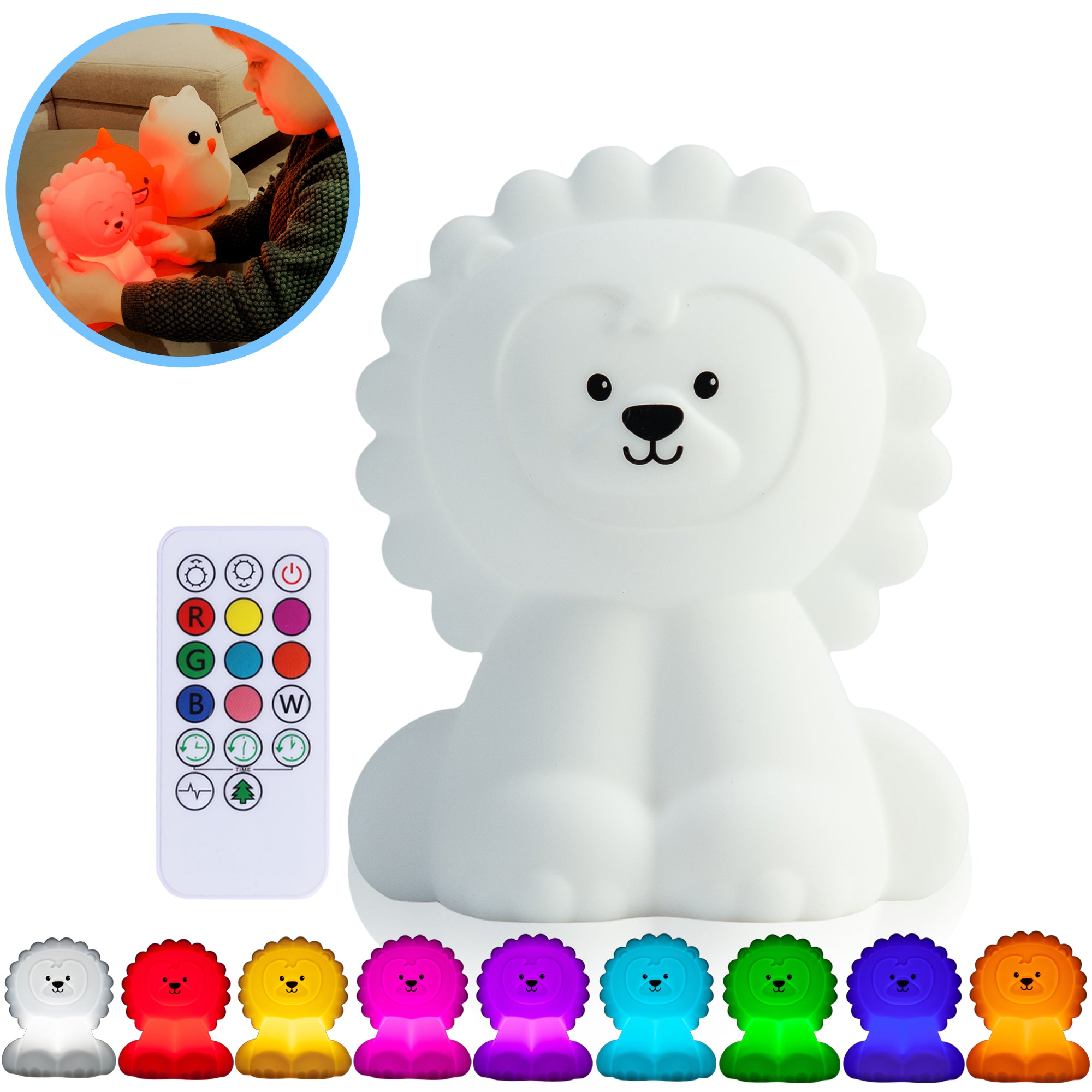
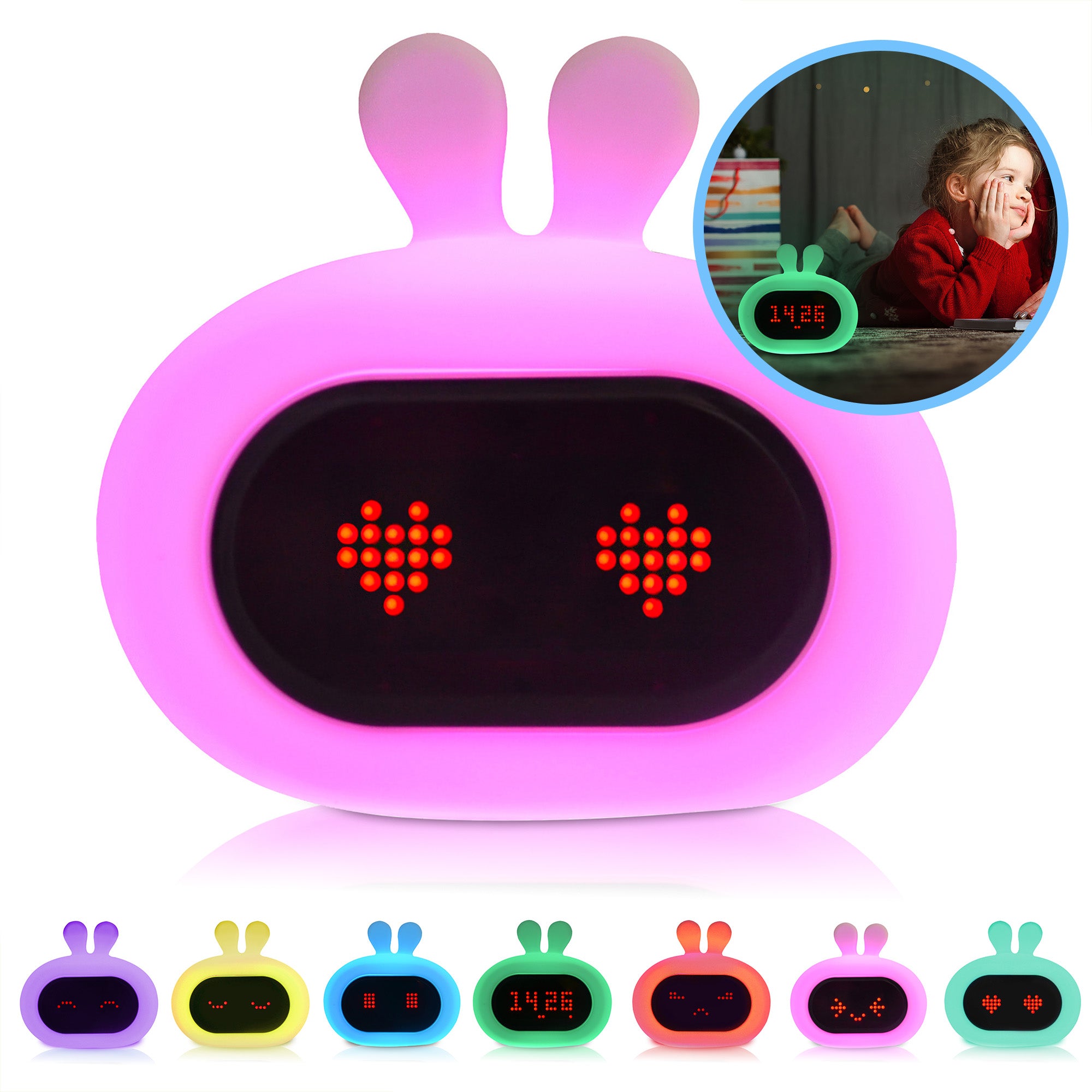
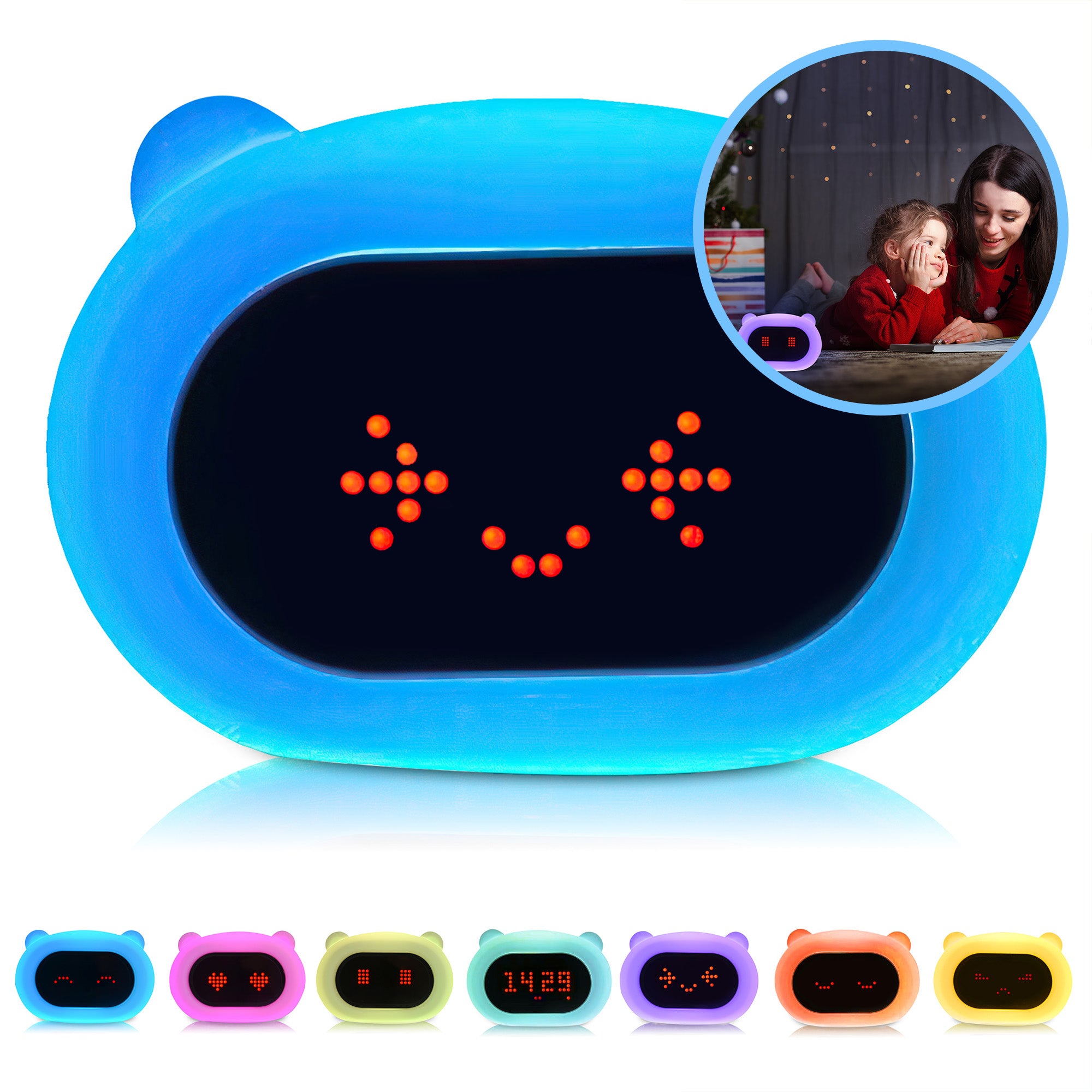
A sleep trainer or children's alarm clock can provide extra support. With one of our children's alarm clocks, children learn in a playful way when it is time to sleep, wake up, or stay quietly in bed. This often creates more peace and structure for both children and parents.
When Should You Seek Extra Help?
In most cases, energetic behavior is simply part of a child's development. However, it may be helpful to seek advice if you notice that your child struggles with everyday activities, experiences significant difficulties at school, or seems constantly overstimulated.
Do not hesitate to discuss your concerns with a teacher, child health professional, or parenting specialist. They can help determine what kind of support might be most beneficial for your child and family.
Turning Restless Behavior into Positive Energy
An energetic child does not have to be a problem. In fact, many enthusiastic, curious, and active children later develop strong social, creative, and problem-solving skills. By providing plenty of physical activity, creative opportunities, structure, and moments of rest, you can help your child use their energy in a positive way.
Every parent experiences moments when their child seems to be bouncing in every direction. With patience, understanding, and the right activities, you can turn that energy into growth, development, and, most importantly, lots of fun.
Looking for more tips about parenting, child development, and learning through play? Be sure to explore our other articles on the Kadoing blog.