Music supports your child's development in a playful way. From language and creativity to confidence and concentration.
Why Do Children Love Music So Much?
Music is everywhere. From nursery rhymes and lullabies to music in movies, at school, and during celebrations. Many children start moving as soon as they hear a cheerful rhythm. They clap along, dance around the living room, or sing loudly with their favorite songs.
That is no surprise. Music engages multiple senses at the same time. Children hear rhythms, recognize melodies, and experience the emotions that music evokes. As a result, music is not only enjoyable but also a powerful tool for development.
Whether your child enjoys listening to children's songs, singing along with music videos, or creating sounds with instruments, music helps children explore the world in a playful way.
What Happens in Your Child's Brain During Music?
When children listen to music or make music themselves, multiple areas of the brain become active. Music stimulates regions involved in language, memory, concentration, movement, and emotions.
Researchers have long observed that music creates a unique combination of listening, feeling, remembering, and responding. This means that several areas of the brain are used simultaneously, helping to strengthen neural connections.
For young children, this is especially valuable. Their brains develop rapidly, and new experiences help build important pathways and connections.
Music Supports Language Development
Many children's songs contain rhyme, repetition, and simple words. This helps children recognize new sounds and vocabulary through play. They naturally practice listening, remembering, and repeating words.
When children sing along, they develop pronunciation and expand their vocabulary. They also become better at recognizing differences in sounds and intonation. These skills later support reading and writing development.
That is why music is often used in schools, daycare centers, and preschool settings. It makes learning both fun and effective.
Creativity Grows Through Music
Music gives children the freedom to express themselves. They can experiment with sounds, rhythms, and movements without there being a single right or wrong answer.
When a child creates music, their imagination is stimulated. They may invent their own song, create rhythms on a table, or perform for stuffed animals and family members. These creative moments encourage confidence and problem-solving skills.
At Kadoing, we believe children learn best when they are free to explore. Music fits perfectly with that philosophy.
Music Helps Improve Concentration and Memory
Remembering song lyrics, rhythms, and melodies is excellent practice for the memory. Children learn to recognize patterns and store information.
Music also supports concentration. While listening to music or playing an instrument, children must pay attention and respond to what they hear.
These skills are valuable later in school during activities such as reading, mathematics, and completing assignments.
Rhythm and Movement Support Motor Development
Music naturally encourages movement. Children dance, jump, clap, and tap along to the beat. This helps develop gross motor skills, coordination, and body awareness.
Playing instruments also supports fine motor development. Think about holding a tambourine, striking a drum, or moving fingers while playing an instrument.
By combining music and movement, children learn to better understand and control their bodies.
Making Music Together Strengthens Bonds
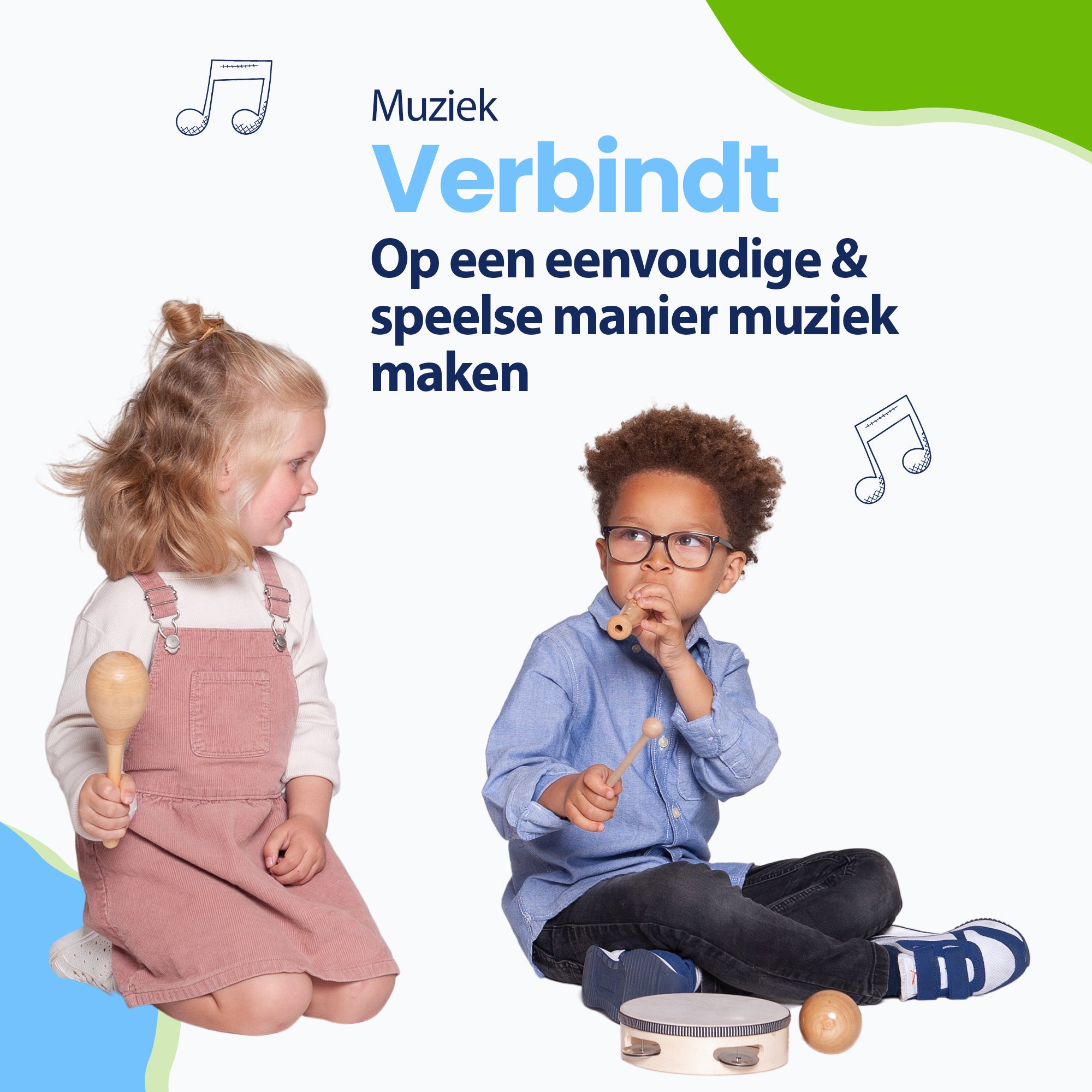
Making music does not have to be complicated. Singing together, clapping along, or playing a simple rhythm can be incredibly valuable.
When parents and children make music together, it creates connection. You laugh together, discover together, and enjoy meaningful moments without screens or complicated activities.
At the same time, your child learns cooperation, listening skills, and how to adapt to the pace of others.
Which Instruments Are Suitable for Young Children?
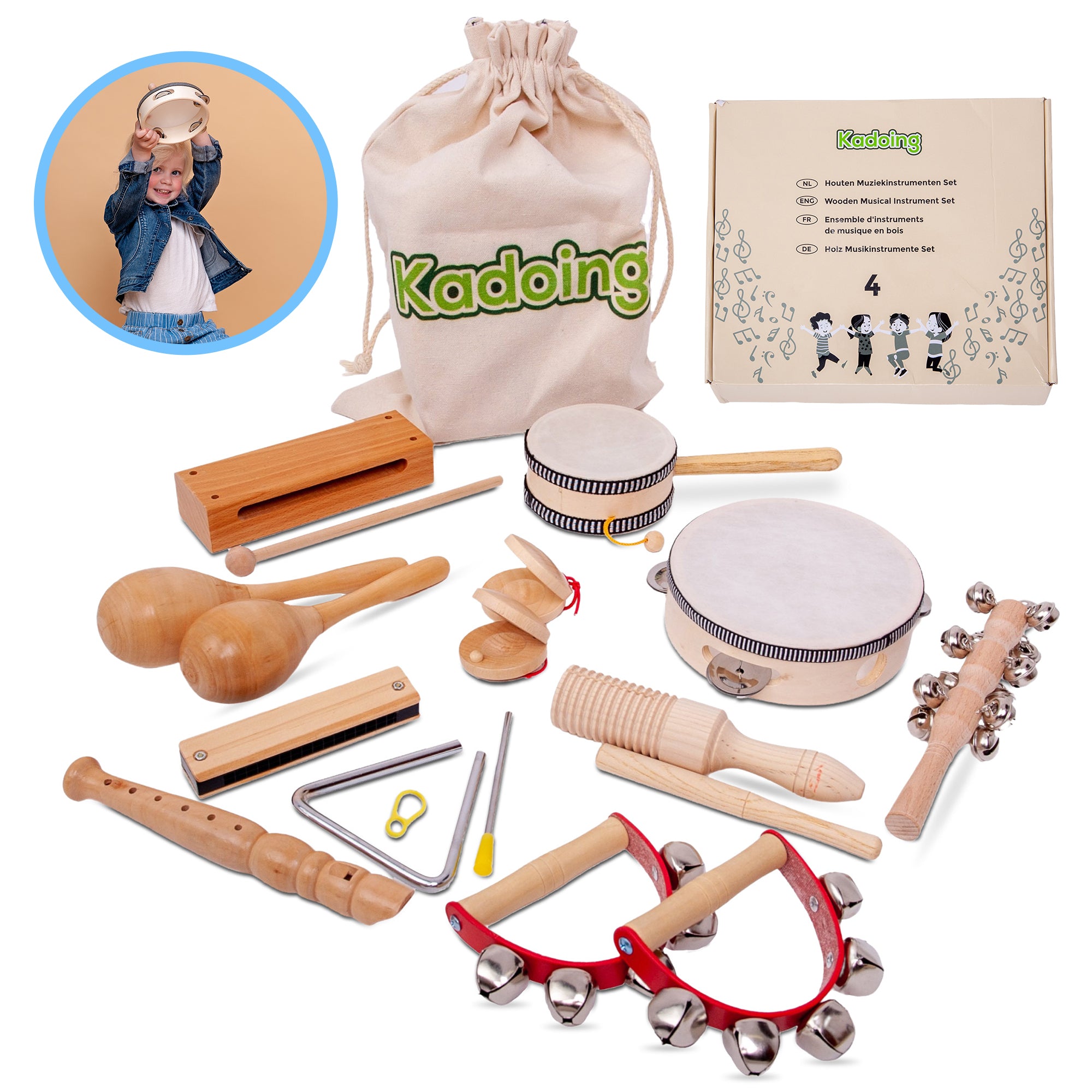
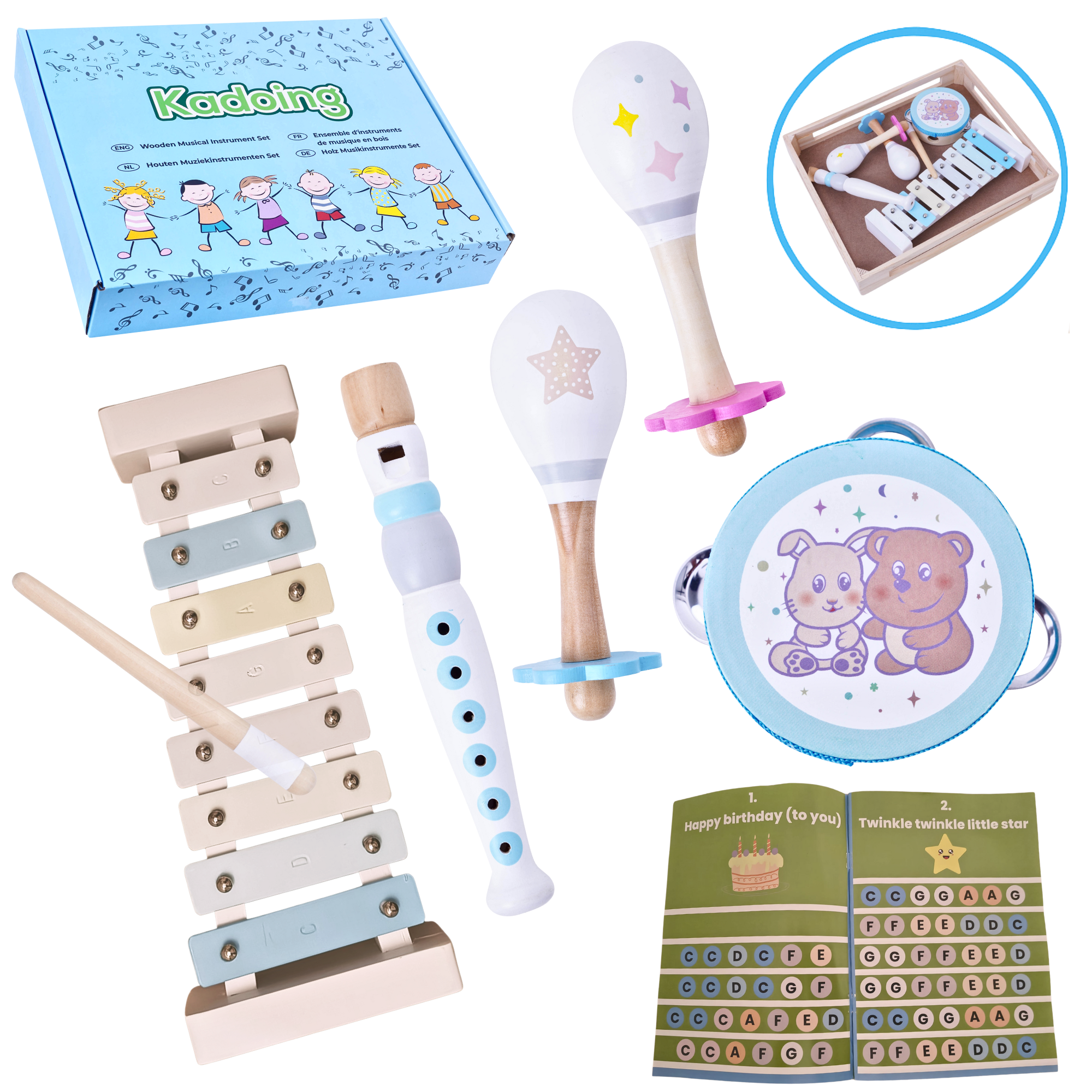
For young children, simple instruments are often the most enjoyable. Think of a tambourine, xylophone, maracas, triangle, or small drum. These instruments allow children to create sounds immediately and experiment with rhythm.
One of the advantages of offering multiple instruments is that children can explore different sounds and playing styles. This helps them discover what they enjoy most.
With the 18-piece wooden musical instruments set, children can playfully explore a variety of instruments. This helps them develop a sense of rhythm, melody, and cooperation.
You can also browse our complete collection of durable wooden toys for more educational products that combine play and development.
Making Music Part of the Daily Routine
Music does not have to be limited to special play sessions. It can easily become part of everyday life.
Sing together while tidying up, play calming music during craft activities, or use a song as part of your bedtime routine. Children enjoy familiar rhythms because they help them understand what comes next.
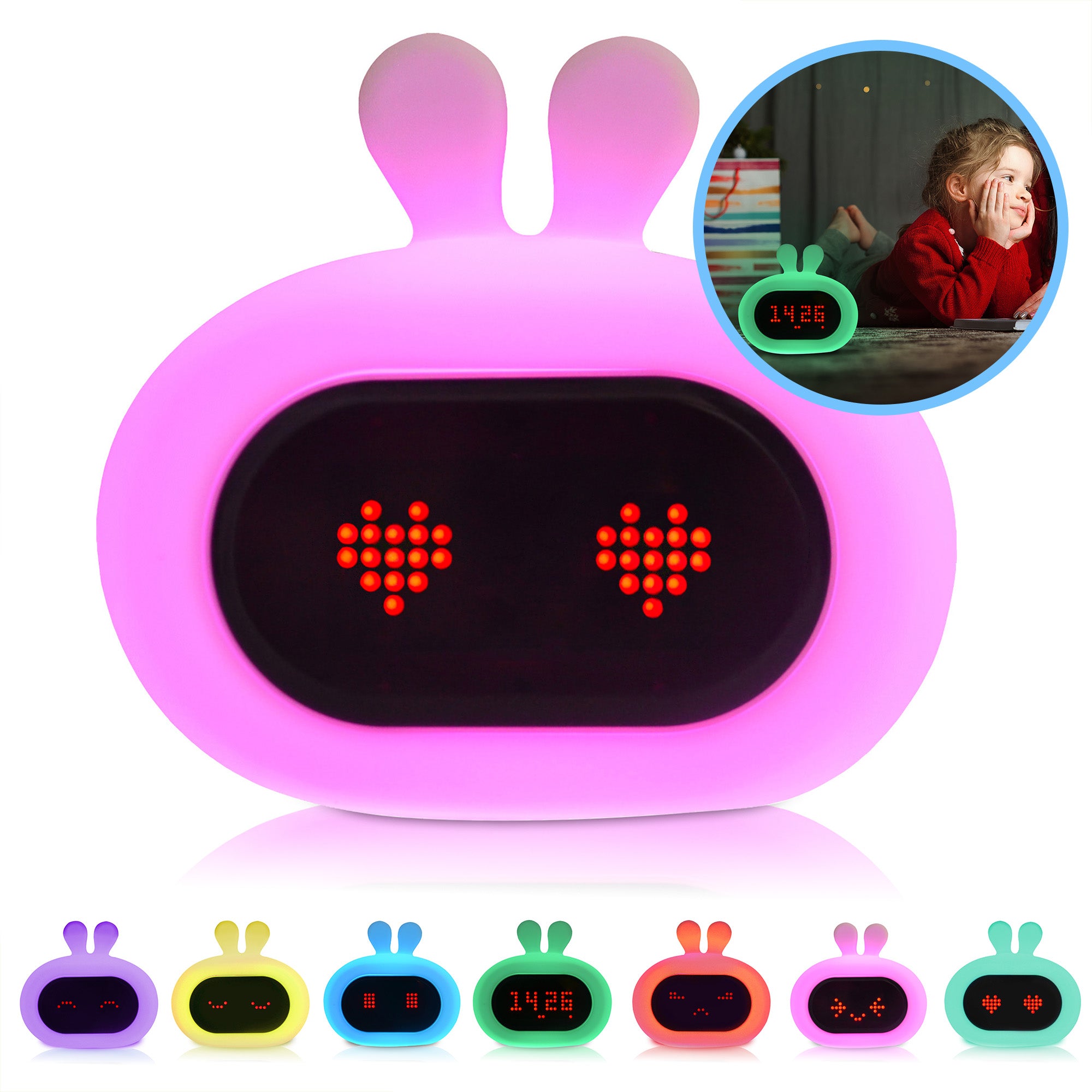
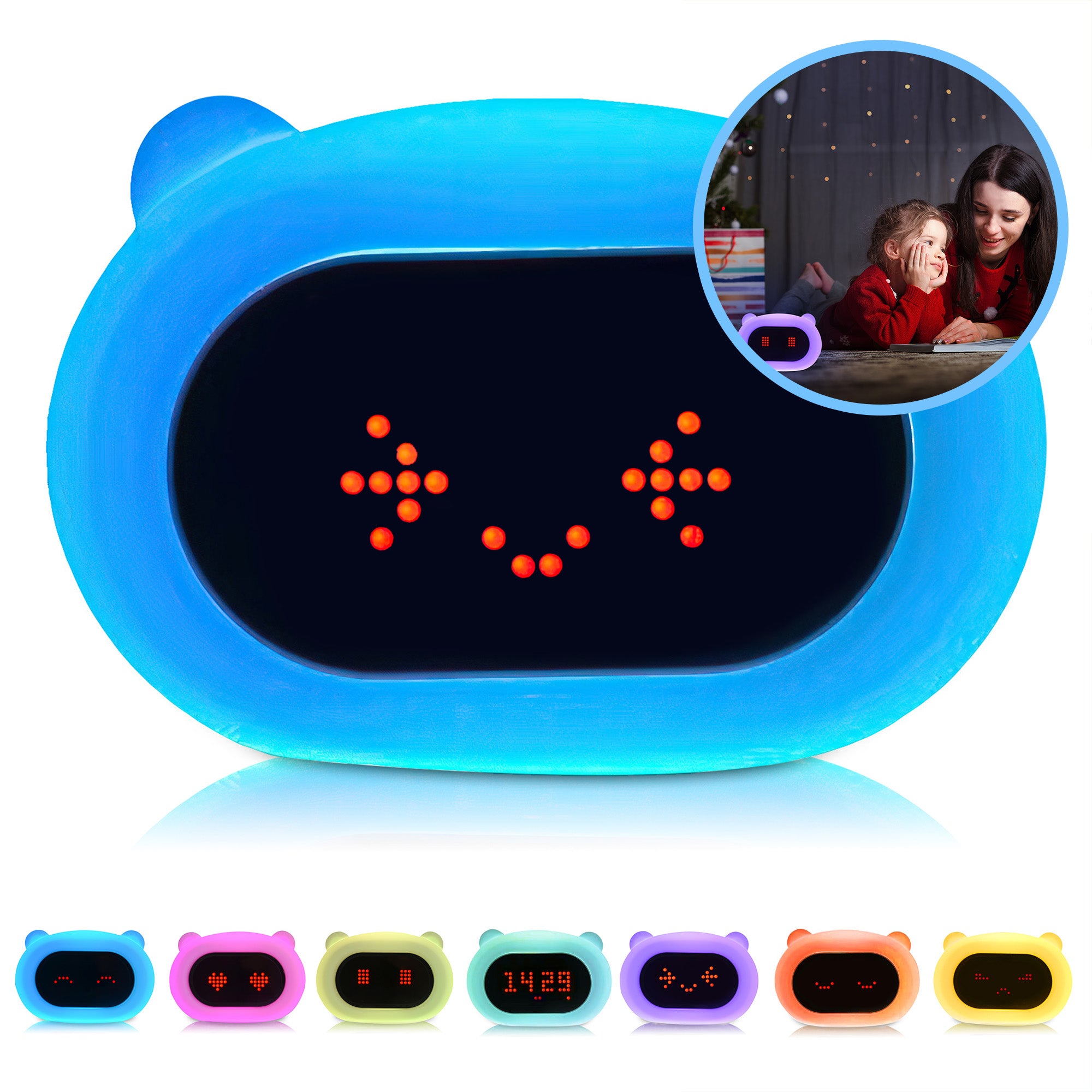
At bedtime, gentle music can be combined with a soft night light to create a relaxing atmosphere.
Music Makes Learning Fun
Music is much more than entertainment. It supports language development, creativity, concentration, motor skills, and social abilities. It also brings joy, relaxation, and connection.
Whether your child enjoys listening, singing, dancing, or making music, every musical experience contributes to their development. And perhaps most importantly, music creates wonderful moments that you can share together.
Looking for more tips about child development, learning through play, and creative activities? Be sure to visit the Kadoing blog.