Living more sustainably as a family starts with small steps. Through mindful choices and simple routines, children learn to care for the world around them.
Living More Sustainably? Here's How to Integrate Sustainability into Family Life
More and more families want to make conscious choices for the world around them. Fortunately, sustainability doesn't have to be complicated or perfect. It often starts with small everyday decisions: wasting less, buying more thoughtfully, reusing items, and involving children in what you're doing.
At Kadoing, we believe children learn through exploring, playing, and experiencing. That's why sustainability isn't just about what you buy, but also about how you live, play, and care for your belongings together.
Why Sustainability Matters in Parenting
Children are growing up in a world where caring for nature, energy, and resources is becoming increasingly important. By naturally incorporating sustainability into everyday family life, children learn that their choices can make a difference.
This doesn't need to feel heavy or preachy. Sustainability can be practical and fun. Sorting waste together, tidying up toys, playing outdoors, caring for a plant, or choosing toys that last longer are all small moments that help children understand what it means to take care of something.
Sustainable Living Doesn't Have to Be Perfect
Many parents think sustainability requires major lifestyle changes. In reality, small steps often make a big difference. You don't need to change everything at once. Start with habits that fit your family's lifestyle.
A sustainable lifestyle works best when it's realistic and manageable. Consider focusing on one new habit each month, such as reducing single-use plastics, cycling more often, or making more conscious toy choices.
1. Make Thoughtful Purchasing Decisions
Living more sustainably often starts with the products you bring into your home. Choose items that are durable, versatile, and designed to last. This applies to clothing, personal care products, furniture, and of course, toys.
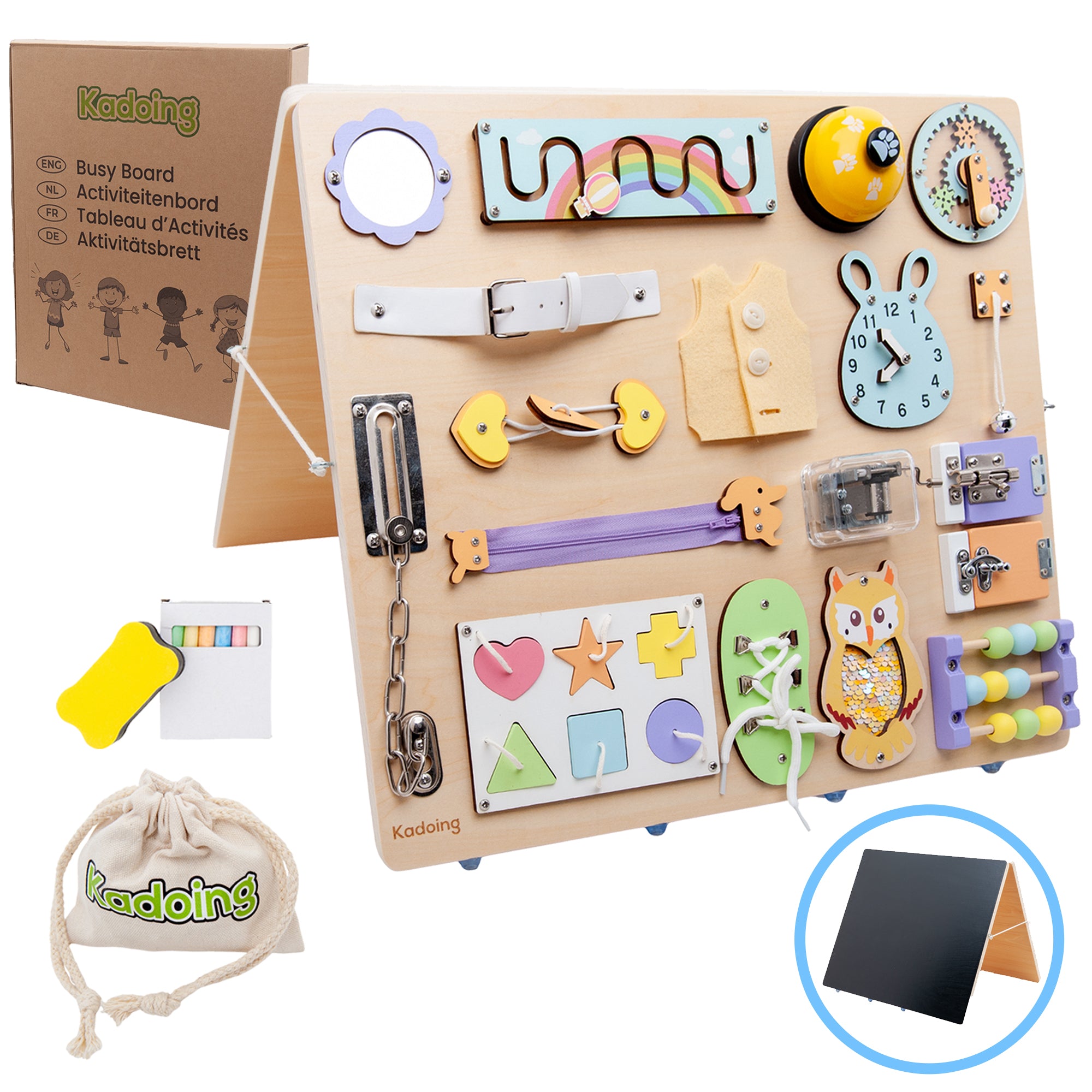
Toys that children can rediscover again and again often provide more value than toys that are quickly forgotten after a single play session. Think of open-ended toys, creative toys, and products that support child development.
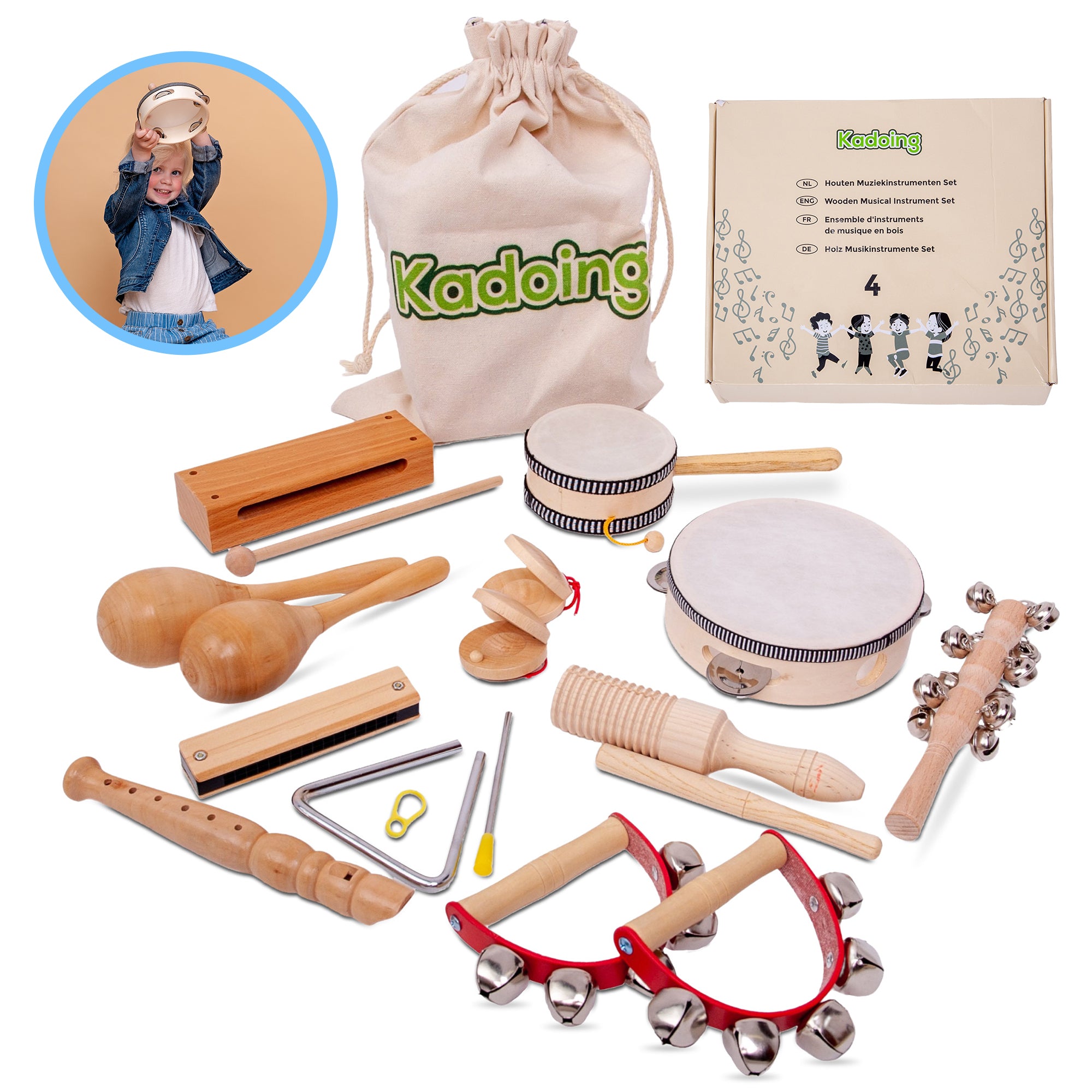
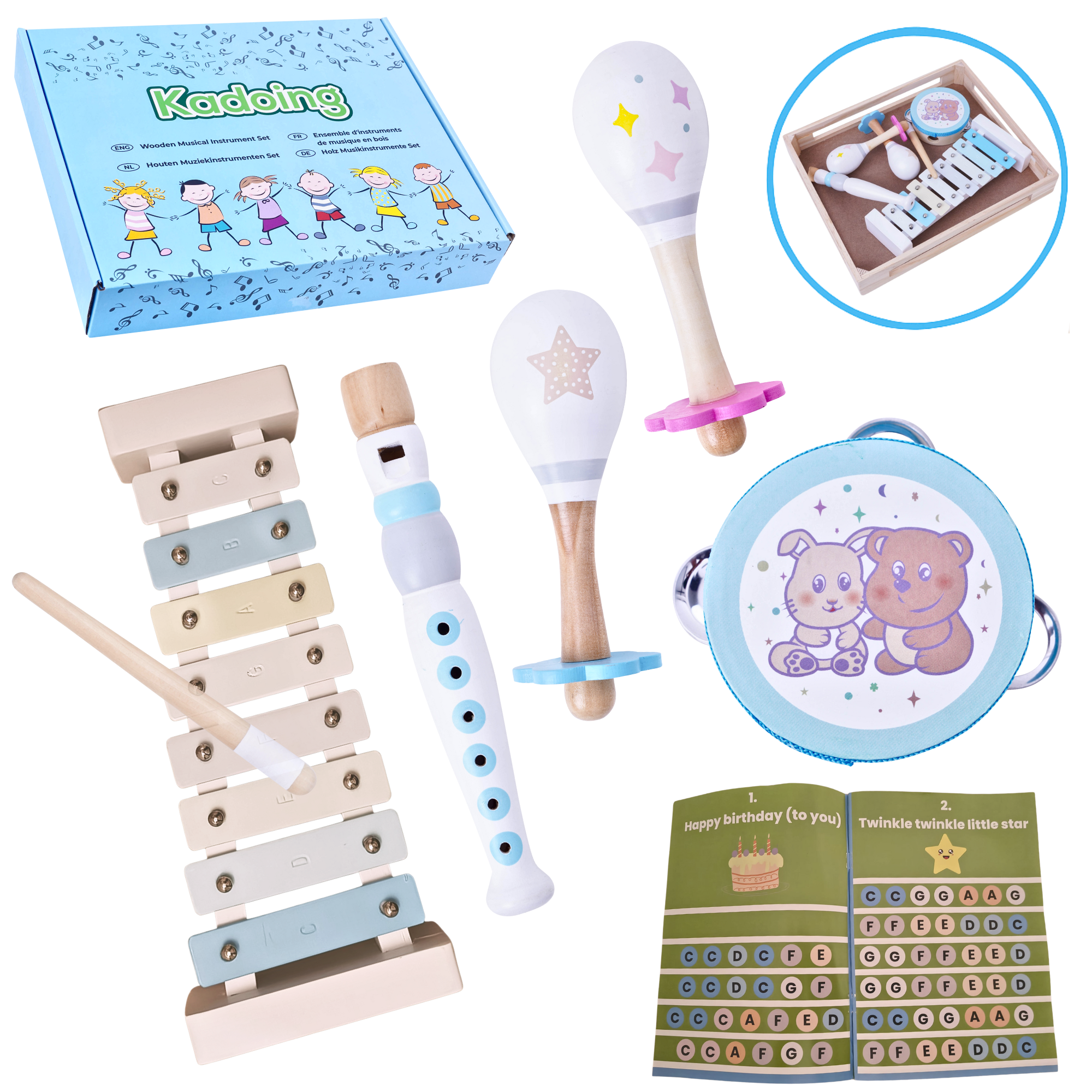
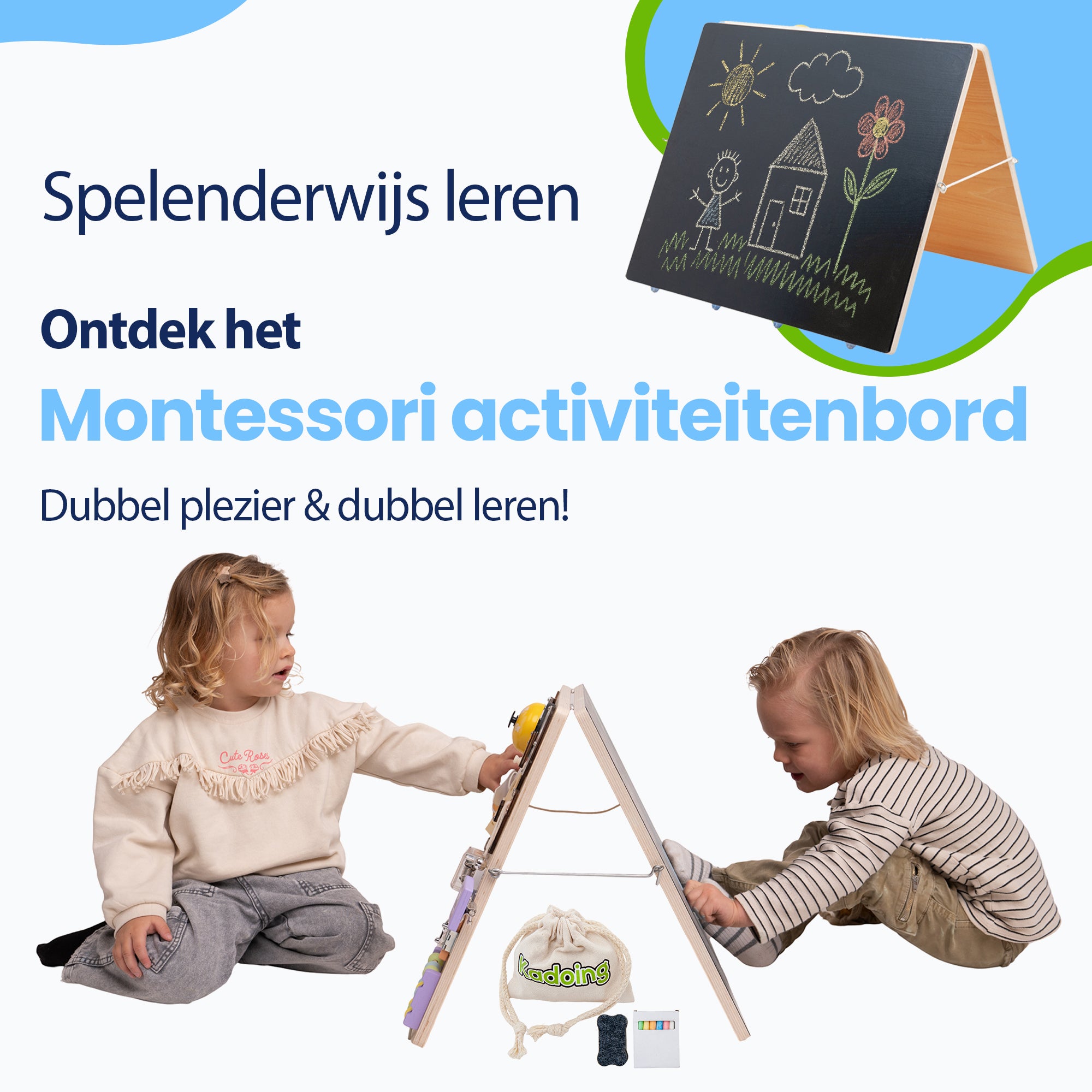
Explore our collection of durable wooden toys for sustainable play experiences that encourage children to explore, learn, and practice new skills.
2. Teach Children to Care for Their Belongings
Children learn a lot through repetition. By tidying up toys together, repairing broken items, or explaining why something shouldn't simply be thrown away, children learn to be more mindful of their environment.
Make tidying up part of playtime. Not as a punishment, but as a regular routine: first play, then clean up together. This helps children understand that belongings have value and deserve proper care.
3. Reuse and Pass Things On More Often
Not everything needs to be brand new. Clothes, books, and toys can often be passed on to siblings, family members, or friends. This is not only sustainable, but also teaches children about sharing.
You can even make it a meaningful family activity. Let your child choose toys they no longer use and discuss who else might enjoy them.
4. Save Energy in a Child-Friendly Way
Saving energy may sound like an adult responsibility, but children can easily get involved. Create simple habits, such as turning off lights when leaving a room, closing doors during winter, or avoiding unnecessary use of electrical devices.
Children often enjoy having responsibilities. Turn energy-saving into a fun game: who can spot a light that can be turned off first?
5. Walk or Cycle More Often
Sustainable transportation is an easy way to teach children about everyday choices. Consider walking or cycling to school, the playground, or local shops more frequently.
Not only is it better for the environment, but it's also healthy. Children get more exercise, spend more time outdoors, and become more aware of the world around them.
6. Create a Vegetable Garden or Plant Corner Together
A vegetable garden is a wonderful way to teach children where food comes from. You don't need a large garden to get started. A few pots with strawberries, tomatoes, or herbs on a balcony can be enough.
Let children choose what they want to grow. By planting, watering, and patiently waiting for things to grow, they learn responsibility, patience, and respect for nature.
7. Fewer Toys, More Play Value
Sustainable living also means being more mindful about how many possessions you have. Children don't always need more toys; they benefit most from toys that support their imagination and development.
A few high-quality toys that children return to again and again can be more valuable than a room full of toys that are rarely used. Think about toys that encourage building, making music, discovering, or imaginative role-play.
8. Make Sustainability Visible in Daily Routines
Children understand sustainability better when they can see it and actively participate. Make it part of everyday routines. Use reusable lunch boxes instead of disposable bags, refill water bottles together, or encourage children to return toys to their proper place after playing.
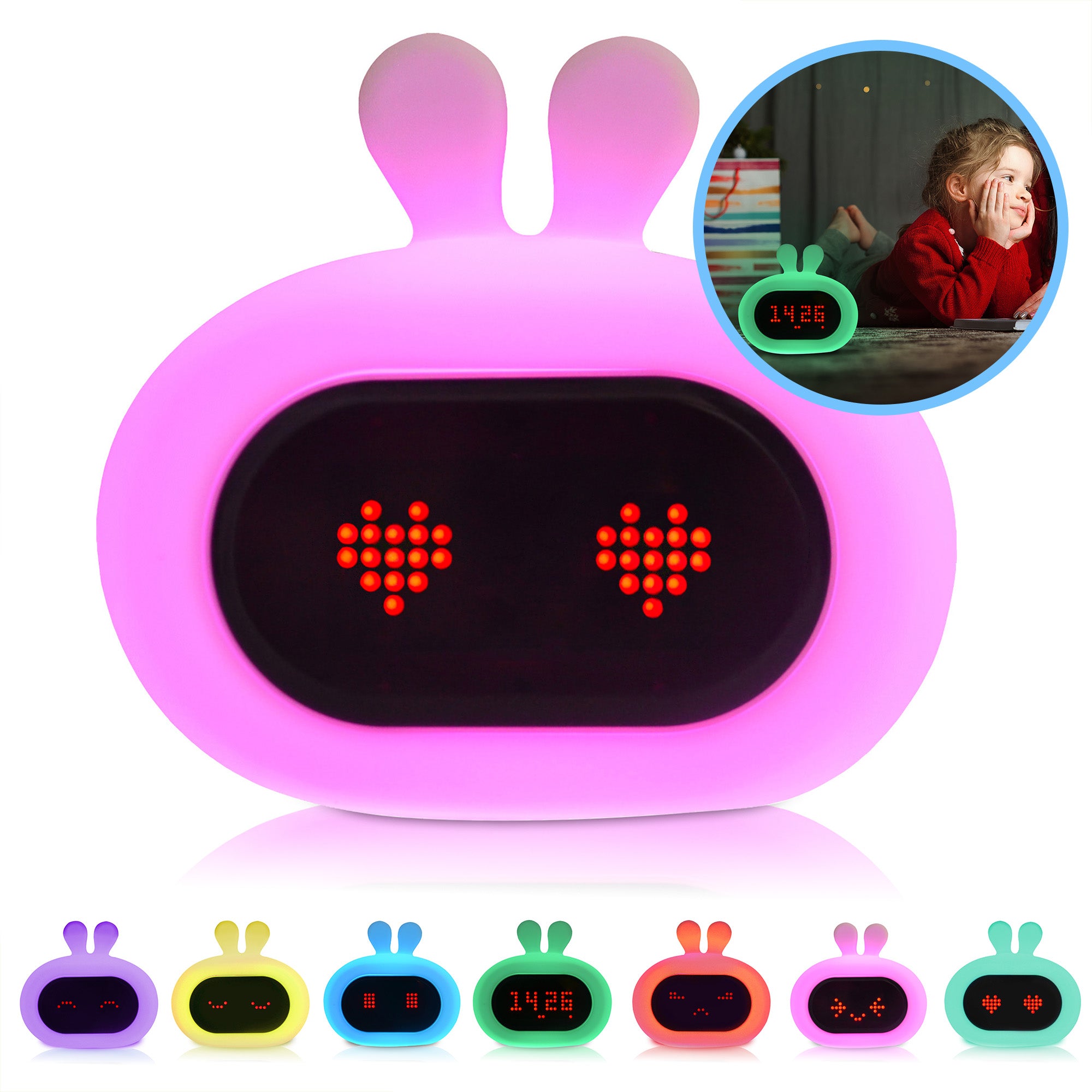
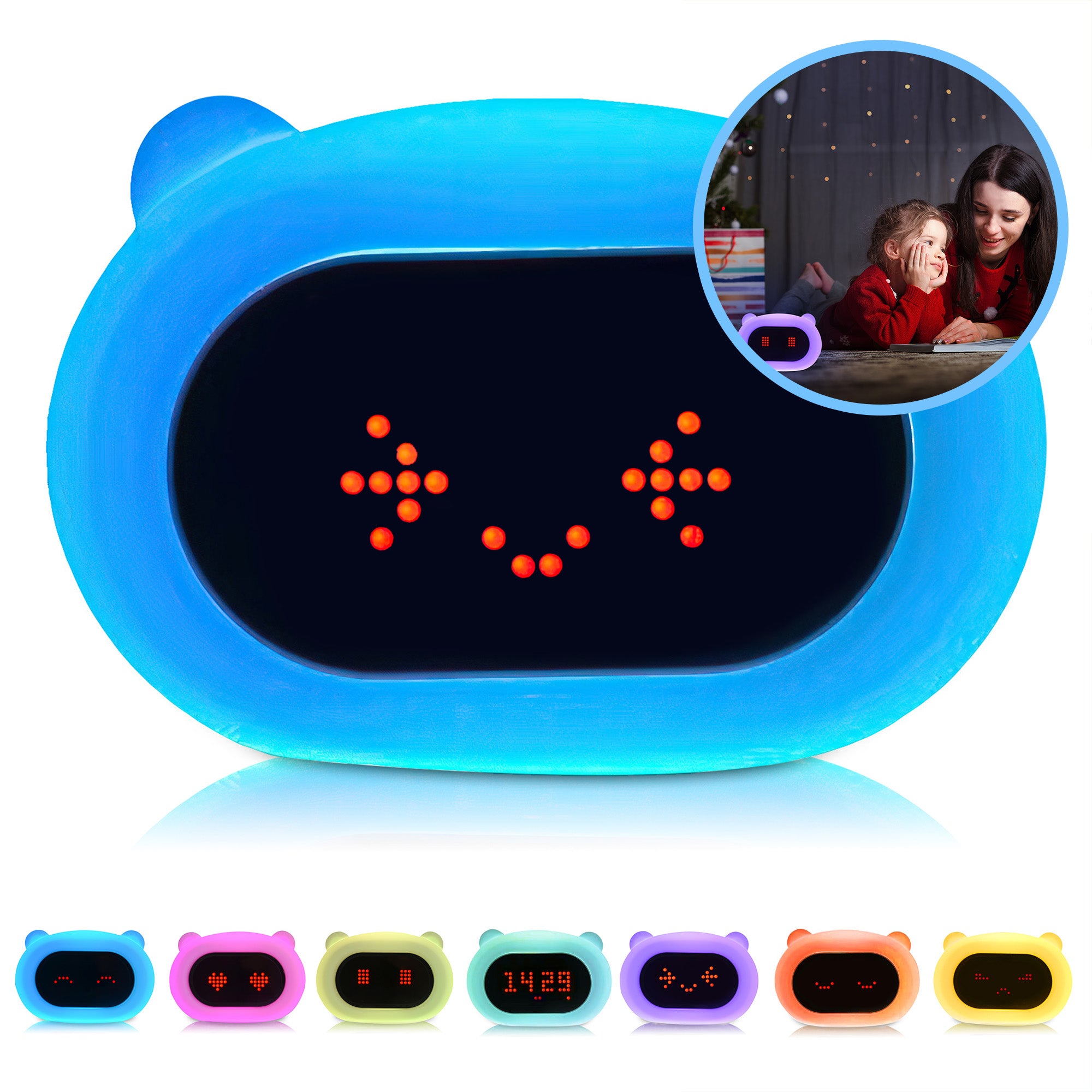
Even a consistent bedtime routine can support a more intentional lifestyle. When routines are predictable, family life often feels calmer and more organized. A children's alarm clock can help children better understand time, routines, and daily rhythms.
Sustainability and Play Go Hand in Hand
Play is one of the most natural ways for children to learn new habits. Through play, children discover how things work, understand cause and effect, and learn to make their own choices.
Choose toys that encourage active participation. Making music, building, sorting, touching, and exploring are all ways children learn through play.
Why Kadoing Fits a Conscious Family Lifestyle
Kadoing develops products with children, parents, and everyday family life in mind. Our products are designed to last, encourage development, and naturally become part of family routines.
- Durable play value: Products designed for long-term use and enjoyment.
- Child-friendly design: Created with young children's development in mind.
- Learning through discovery: Toys and products that encourage curiosity.
- Calm and structure: Tools that support healthy daily routines.
- Thoughtful choices: Quality over short-lived trends.
Frequently Asked Questions About Sustainable Living with Children
How do you start living more sustainably as a family?
Start small. Choose one achievable habit, such as sorting waste, cycling more often, reducing single-use plastics, or buying toys more consciously.
How do you teach children to care for their belongings sustainably?
Lead by example and practice together. Let children help with tidying up, repairing, donating, or reusing items.
Are wooden toys more sustainable?
Wooden toys can be a sustainable choice when they are durable, long-lasting, and suitable for repeated use in different ways.
How can sustainability be made fun for children?
Keep it practical and playful. Let children care for plants, switch off lights, sort toys, or choose items they'd like to donate.
Which sustainable gifts are suitable for children?
Choose toys with long-lasting play value, such as wooden toys, musical instrument sets, educational toys, or products that support daily routines.
Conclusion: Sustainability Starts with Small Family Habits
Living more sustainably with children doesn't have to be complicated. Small daily choices help children understand the importance of caring for belongings, nature, and each other.
By making thoughtful purchases, reusing items more often, and approaching sustainability in a playful way, you give your children valuable habits that can last a lifetime. Step by step, your family can build a more sustainable way of living together.
Discover our collection of durable wooden toys and choose play experiences designed to last.